Halloween hands science teachers a gift. For one week a year, students voluntarily want to know more about spiders. They ask follow-up questions about bats, and they’ll debate why horror movies work. That doesn’t happen in, say, February. Each of those obsessions has real science underneath, so the trick is to put the costume on the lesson rather than the other way around.
I’m an editor at the BBC Learning Hub, which means I spend a lot of my October watching bats leave caves and listening to people scream, all in the name of work. Below are the videos and printables from our library that I’d actually use in a classroom this week. They’re short, they’re ready to go, and they’re real BBC footage.
Start With the Animals
The Halloween Animals Playlist is 10 short BBC clips, about 37 minutes total, featuring the usual suspects: bats, owls, wolves, spiders, and one poison dart frog. You can use a single clip as a warm-up or build a whole period from a few. Each video comes with discussion questions, vocab, and activities. Some standouts:
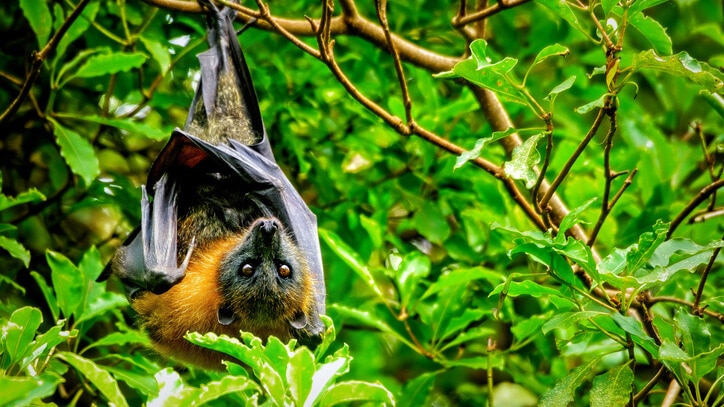
- Bats’ Nightly Journey of Survival follows three million bats leaving their cave to hunt, while hawks and falcons wait outside like it’s a drive-through.
- The Goliath Bird-Eating Spider is aptly named, which is the most upsetting thing about it.
- Ethiopian Wolves’ Hunting Strategy is a smart way into predator–prey dynamics that goes beyond “wolves bad.”
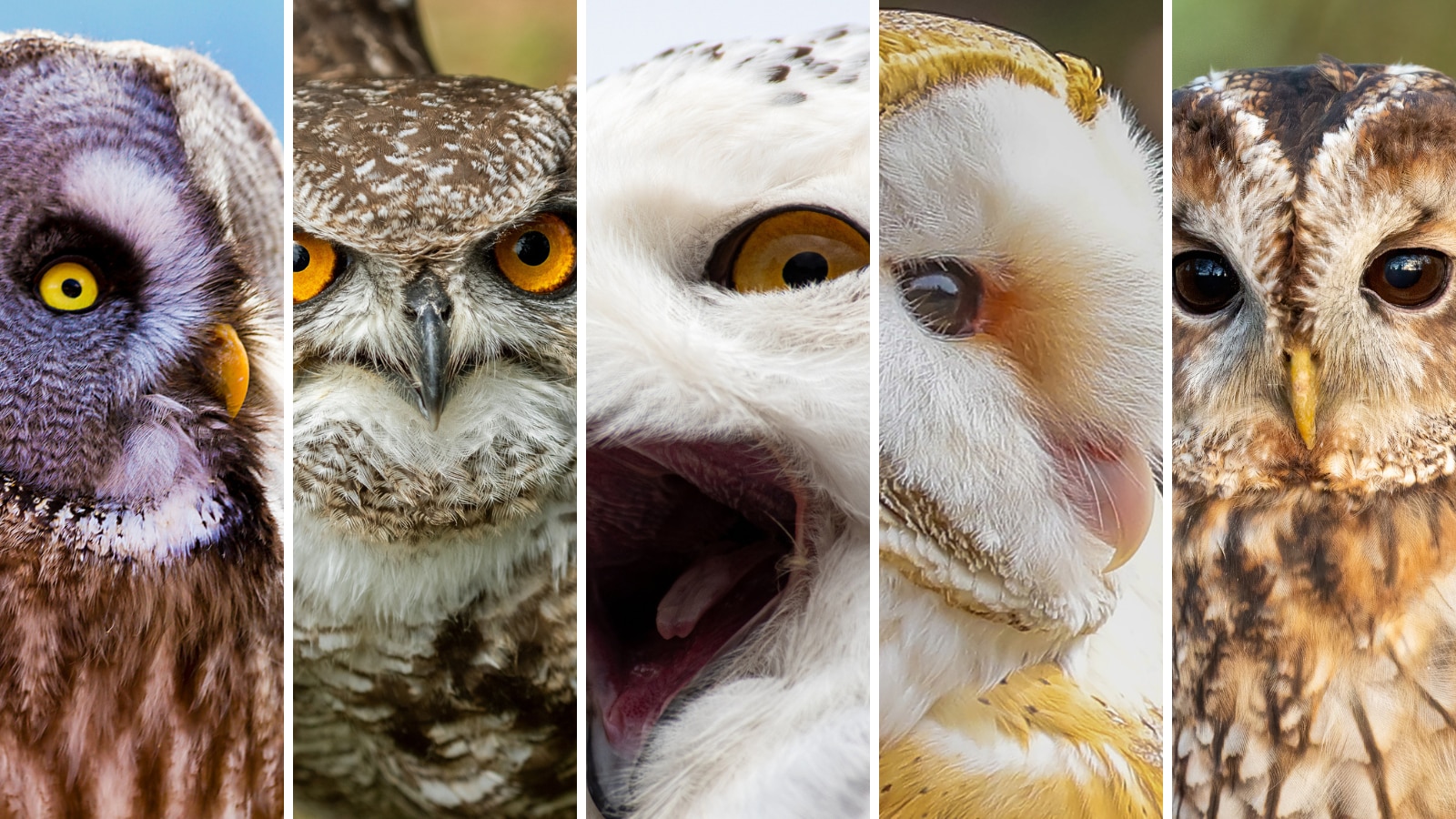
If owls win the room, take them to our owls interactive. Students meet five different owl species, click around to explore each one, watch the videos, and then take a quiz to see what stuck. The best part comes after the quiz: ask the class to compare the owls. Why does one hunt differently from another? What does each one’s body tell you about where it lives? Owls have spent centuries being cast as omens of doom, when they’re really just very good at their jobs. Five species give you five versions of “very good,” and comparing them is how students actually learn adaptation.
Turn Watching Into Writing
The Animal Report Worksheet Bundle gives you four free templates. After students watch the clips, have them report on their favorite real Halloween creature. Or go the other way — who's their least favorite? Ask them to pick the animal they’d least like to meet in the dark. Effort might just go up when there’s a mild sense of dread involved.
Spiders, But Make It Engineering
Spider Web Design (4:47) shows that spiders aren’t working with one material. They produce several kinds of silk for different jobs. It starts as a liquid and turns solid, and water droplets on the web help it stretch instead of snapping. Engineers are now taking notes. So the next time a student shrieks at a cobweb, you can point out they’re looking at a materials science lab that’s been running for millions of years.
For Older Students: The Science of Being Scared
High schoolers are a tougher Halloween crowd. They’re possibly too cool for costumes in class, but not too cool for horror movies, haunted houses, or arguing about who’d survive a slasher film. These three meet them there:
- The Science of Screaming (4:29, Grades 6–12) covers the larynx, vocal cords, and why some screams are louder than others. It features a woman who discovered her exceptional scream at a Halloween scream competition. Yes, that’s a thing.
- Some People Don’t Feel Fear (5:26, Grades 9–12) introduces Jordy, a man who doesn’t experience fear. He’s the guy who would walk straight into the basement, and he turns out to be a great way to teach cortisol, adrenaline, and fight-or-flight. Seeing what happens without a fear response explains a lot about how it works in the rest of us.
- Why Scary Movies Make Us Jumpy (3:39, Grades 9–12) switches to physics. It explains sympathetic resonance, where objects vibrate in response to nearby frequencies, and why some sounds just feel wrong. Film composers figured this out long ago. Now your students can too.
Pair the fear and scream videos for biology or psychology, then add the resonance clip to show that “scary” can be measured, explained, and engineered. That’s somehow both more reassuring and less.