The Halloween Animals Playlist
Delve into the eerie and enchanting world of creatures of Halloween!
Wolves howl in the darkness, bats take to the night sky, spiders wait in carefully constructed webs, and owls hunt almost silently from above. These BBC videos explore the fascinating lives of animals that have become symbols of Halloween — and reveal that the truth behind their spooky reputations is often even more interesting.
Discover the remarkable senses, hunting strategies, and adaptations that help these animals thrive. See how bats navigate in darkness, how spiders use silk to capture prey, how wolves work together, and how owls are built for life as nighttime predators.
They may appear on decorations, costumes, and spooky stories every October, but these animals play important roles in real ecosystems around the world. Look beyond the myths and meet the science behind the creatures of Halloween.
Lesson Express
Q: How do the bats change how they fly?
A: First they fly fast, then they have to slow down; finally, they have to maneuver around other bats in the cave.
Q: What is unique about a bat’s wing?
A: Its structure provides the bat with a lot of control over how it flies and allows it to fly over large spaces.
Q: How do the bats avoid the hawks?
A: They fly all together, which overwhelms the hawks, and they fly fast to escape them.
You Might Also Like
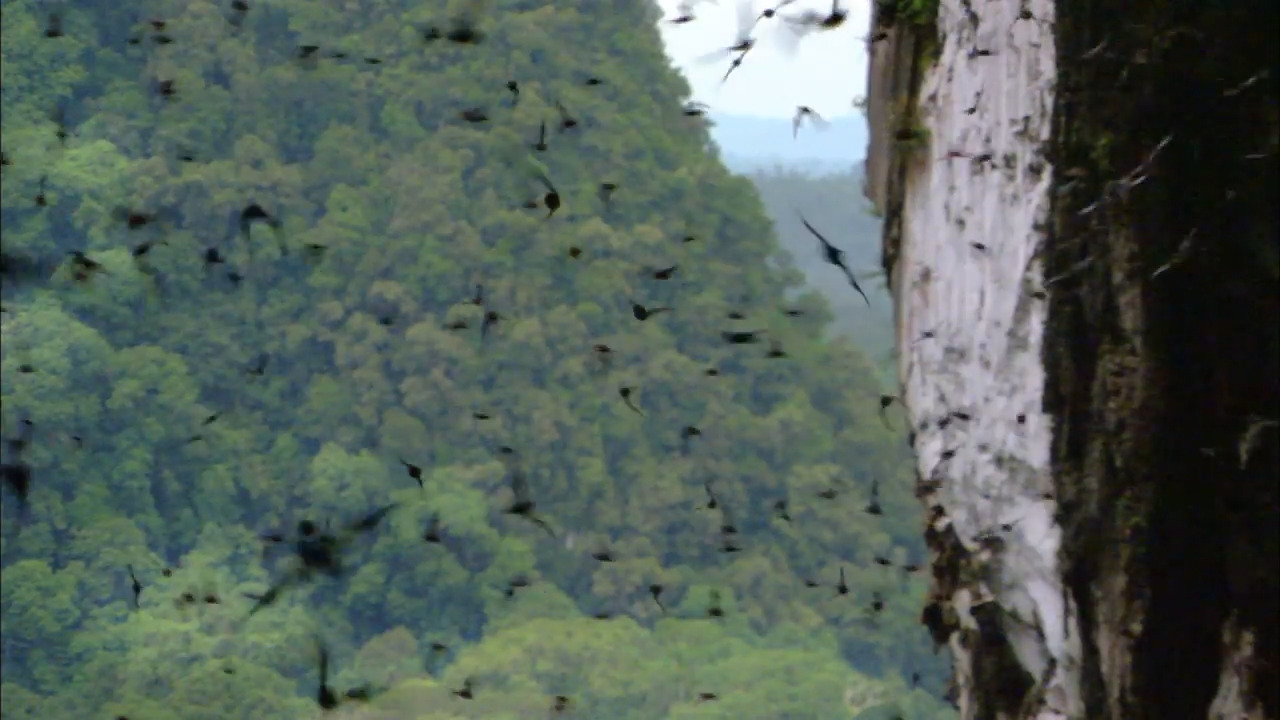
In Bats' A Nightly Journey of Survival, narrator Sir David Attenborough explores the nightly journey of three million bats as they leave their cave to hunt for insects. The bats face many challenges, including evading predatory birds such as rufous-bellied eagles, falcons, and black hawks. Despite these dangers, most bats return safely to their cave by morning. This video is excerpted from BBC’s Planet Earth, a breathtaking documentary series that highlights the natural wonders of our planet.
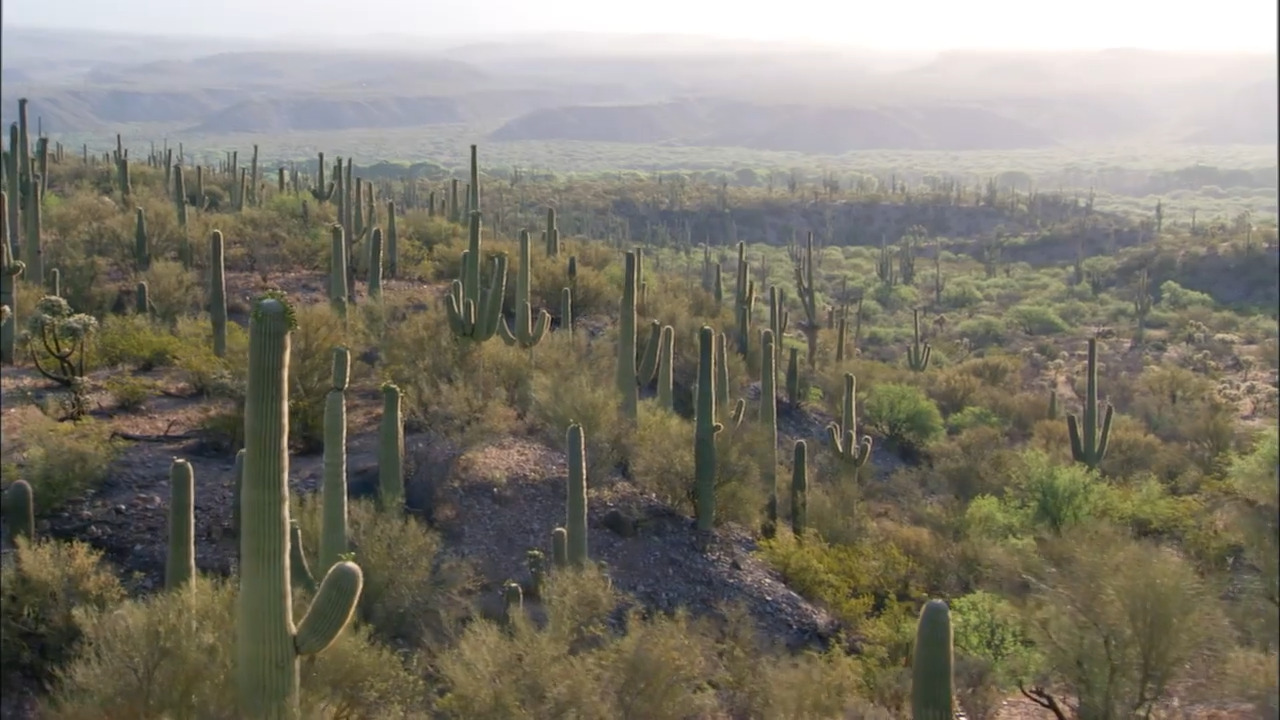
In A Crucial Resource in the Desert, narrator Sir David Attenborough explores the Saguaro cacti. Saguaros are cacti with very shallow roots. Learn how they expand after a rainstorm and flower during four weeks of the summer, supporting the wildlife around them. This video is excerpted from BBC's Planet Earth, a breathtaking documentary series that highlights the natural wonders of our planet.
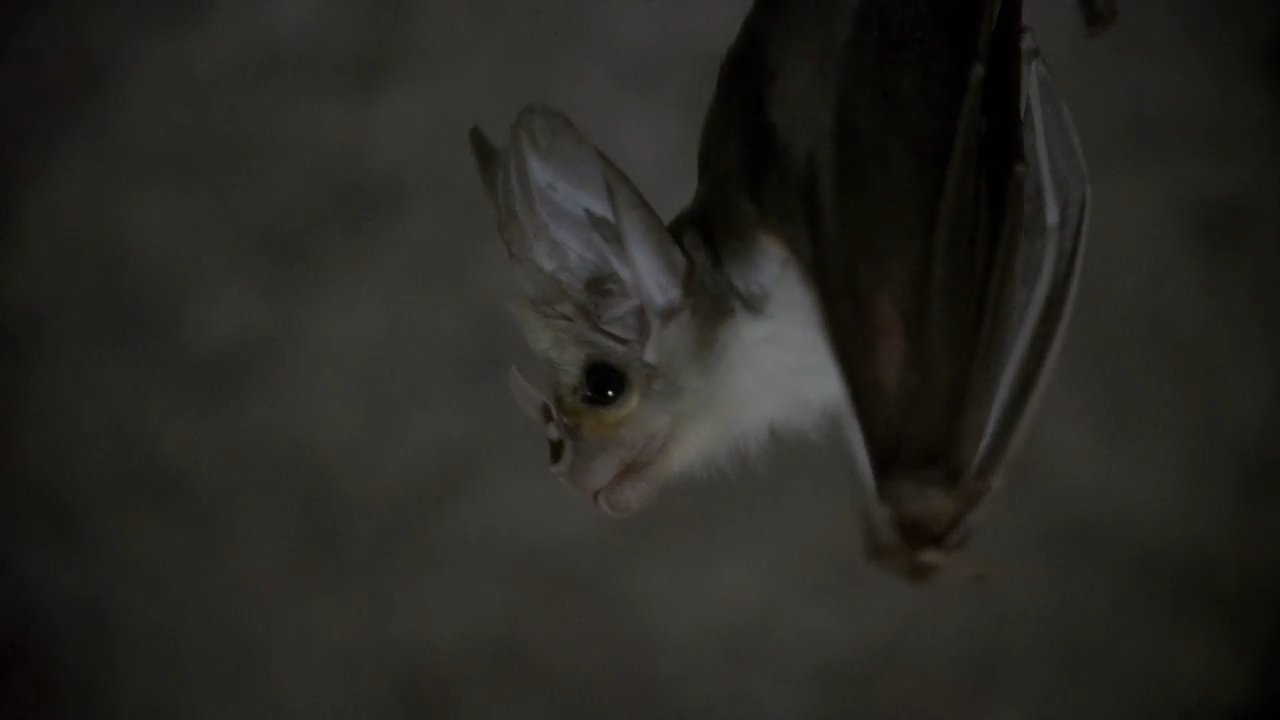
The end of the Cretaceous reshaped life on Earth, with the asteroid impact that wiped out more than 70% of species leaving a world where mammals could rapidly diversify. This clip from BBC’s Evolution episode "The Bat" follows that turning point to the emergence of early bats, including Icaronycteris, whose elongated fingers formed wings and whose specialized ear structures suggest that echolocation was already developing.
The combination of flight and echolocation allowed bats to exploit an entirely new environment, hunting for food in the night sky and eventually spreading across almost every continent. The video also connects the bat’s remarkable adaptations to features shared by all mammals, including jaws, complex teeth, a through gut, and specialized middle-ear bones, highlighting the deep evolutionary connections between bats, humans, and other mammals.
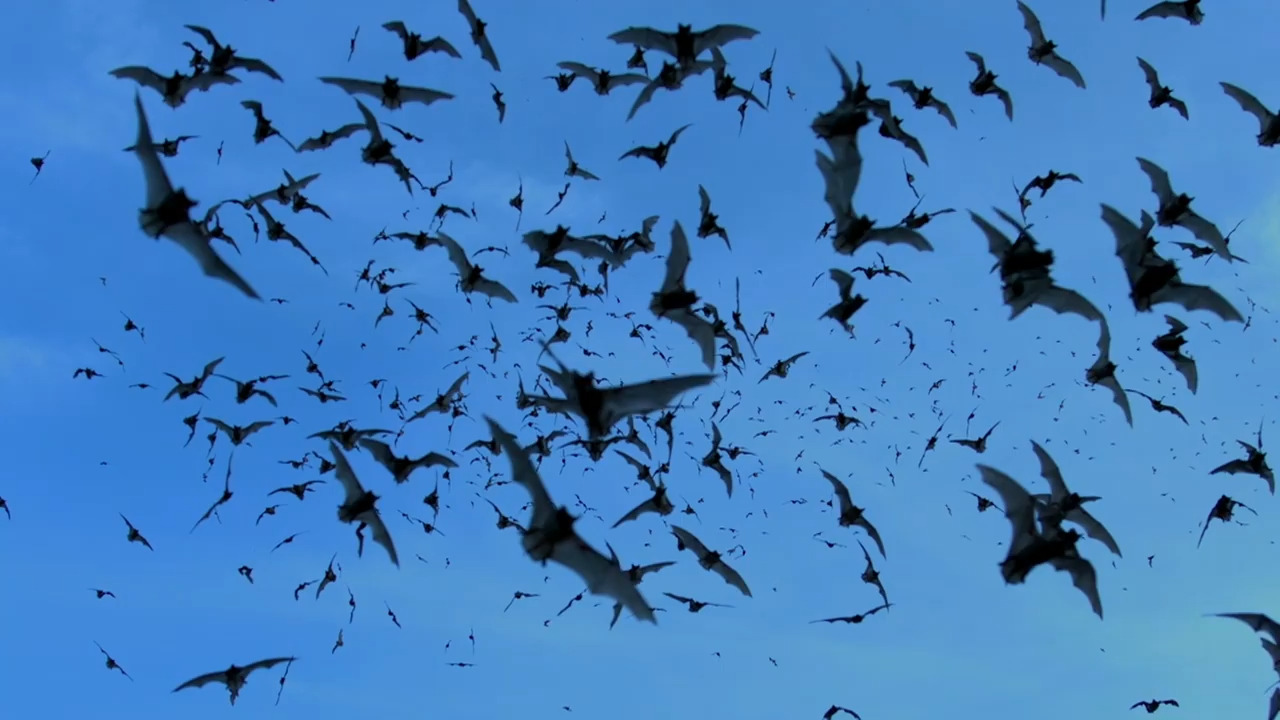
In Bats, Masters of the Sky, narrator Suranne Jones explains that bats live in caves where they are safe from predators, like hawks. But when they have to leave the cave, they use strategies like flying all at once and their nimble flying skills to overwhelm and evade predators. This video is excerpted from BBC’s Life in the Air, a documentary about animals that take to the sky.
In Bats' A Nightly Journey of Survival, narrator Sir David Attenborough explores the nightly journey of three million bats as they leave their cave to hunt for insects. The bats face many challenges, including evading predatory birds such as rufous-bellied eagles, falcons, and black hawks. Despite these dangers, most bats return safely to their cave by morning. This video is excerpted from BBC’s Planet Earth, a breathtaking documentary series that highlights the natural wonders of our planet.
In A Crucial Resource in the Desert, narrator Sir David Attenborough explores the Saguaro cacti. Saguaros are cacti with very shallow roots. Learn how they expand after a rainstorm and flower during four weeks of the summer, supporting the wildlife around them. This video is excerpted from BBC's Planet Earth, a breathtaking documentary series that highlights the natural wonders of our planet.
The end of the Cretaceous reshaped life on Earth, with the asteroid impact that wiped out more than 70% of species leaving a world where mammals could rapidly diversify. This clip from BBC’s Evolution episode "The Bat" follows that turning point to the emergence of early bats, including Icaronycteris, whose elongated fingers formed wings and whose specialized ear structures suggest that echolocation was already developing.
The combination of flight and echolocation allowed bats to exploit an entirely new environment, hunting for food in the night sky and eventually spreading across almost every continent. The video also connects the bat’s remarkable adaptations to features shared by all mammals, including jaws, complex teeth, a through gut, and specialized middle-ear bones, highlighting the deep evolutionary connections between bats, humans, and other mammals.
In Bats, Masters of the Sky, narrator Suranne Jones explains that bats live in caves where they are safe from predators, like hawks. But when they have to leave the cave, they use strategies like flying all at once and their nimble flying skills to overwhelm and evade predators. This video is excerpted from BBC’s Life in the Air, a documentary about animals that take to the sky.