
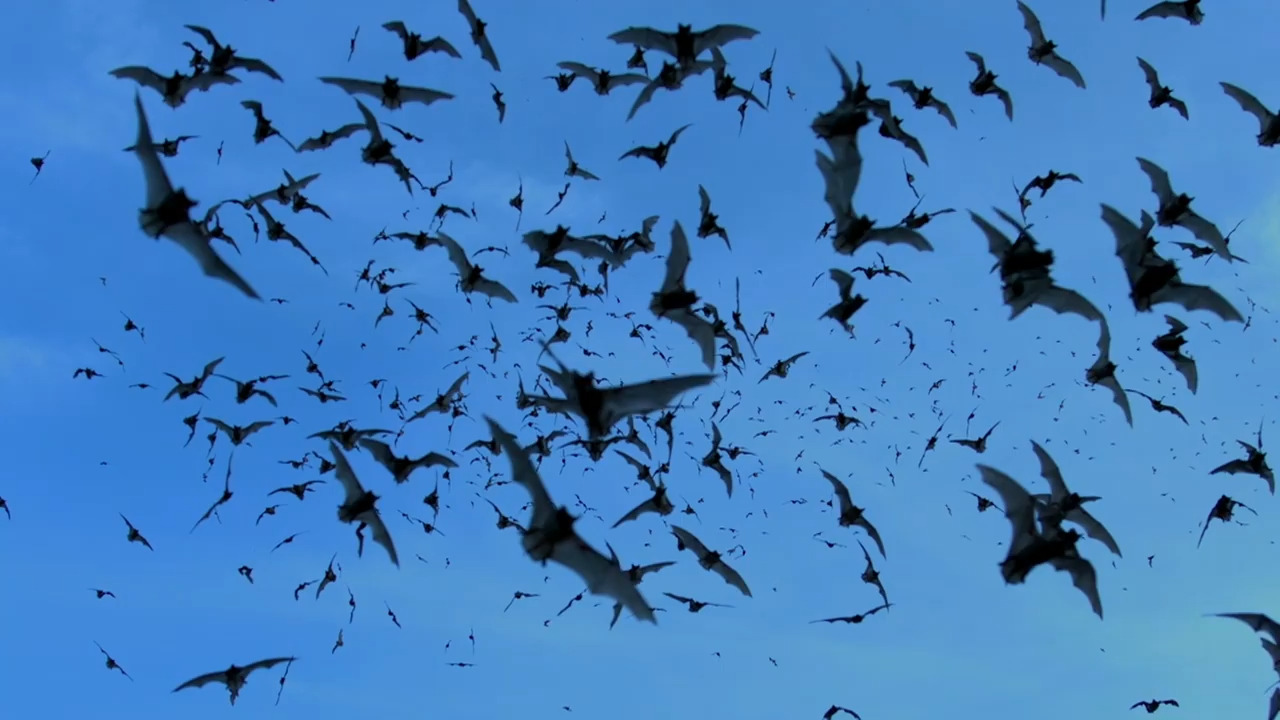
In Bats, Masters of the Sky, narrator Suranne Jones explains that bats live in caves where they are safe from predators, like hawks. But when they have to leave the cave, they use strategies like flying all at once and their nimble flying skills to overwhelm and evade predators. This video is excerpted from BBC’s Life in the Air, a documentary about animals that take to the sky.
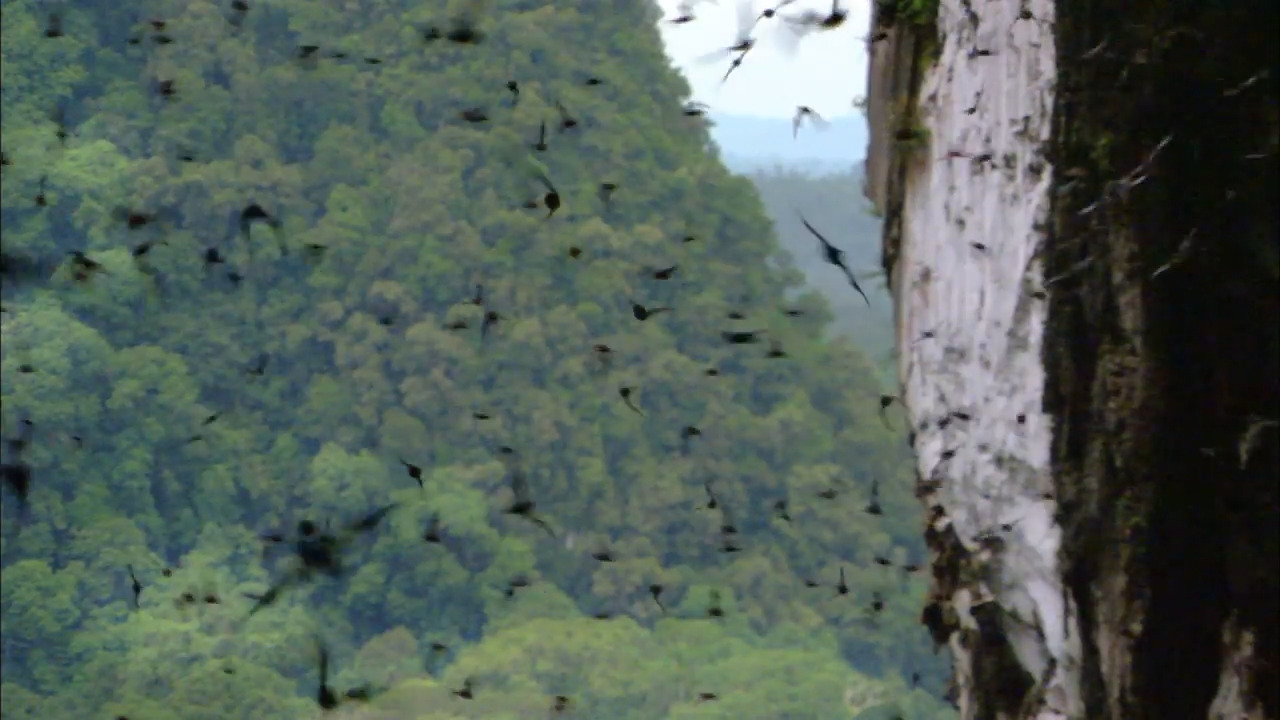
In Bats' A Nightly Journey of Survival, narrator Sir David Attenborough explores the nightly journey of three million bats as they leave their cave to hunt for insects. The bats face many challenges, including evading predatory birds such as rufous-bellied eagles, falcons, and black hawks. Despite these dangers, most bats return safely to their cave by morning. This video is excerpted from BBC’s Planet Earth, a breathtaking documentary series that highlights the natural wonders of our planet.
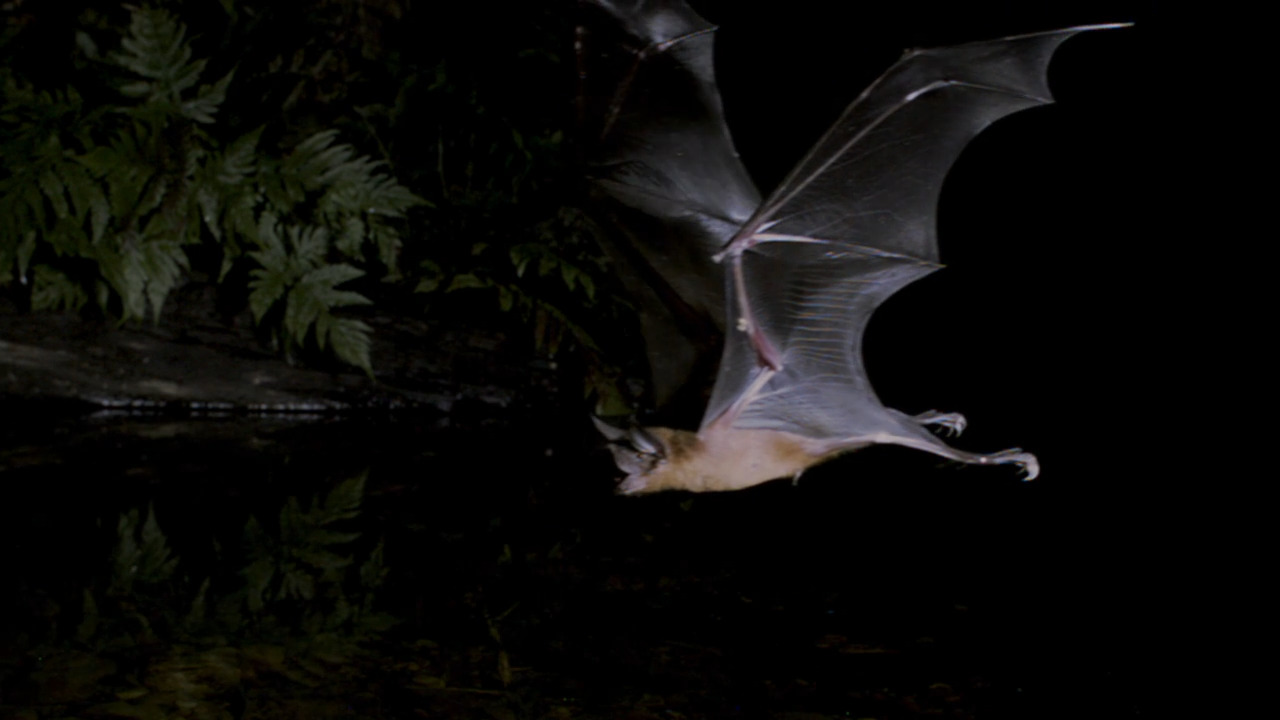
In How Bulldog Bats Hunt in the Night, Sir David Attenborough describes how, as night falls in Belize, bulldog bats take to the skies, ready for an evening feast. These incredible flying mammals are expert fishers, spotting tiny ripples on the water's surface to locate their prey. With lightning speed, they skim the water at 40 mph, snatching fish with their feet — but the splashy success attracts other bats to the scene. This video is excerpted from BBC's Life, a show that explores the remarkable strategies animals and plants use to ensure their survival.

In The Go Jetters and Bats in Borneo's Deer Cave, the Go Jetters crew visits the Gua Rusa or Deer Cave in Borneo. Approximately 3 million bats and over 30 species live inside this huge cave. The guano they produce can be used as fertilizer to help plants grow larger and faster. This video is excerpted from BBC’s Go Jetters, a series that follows the adventures of four international heroes as they travel the globe visiting landmarks and solving environmental problems with Ubercorn, a disco-dancing unicorn.
In Bats, Masters of the Sky, narrator Suranne Jones explains that bats live in caves where they are safe from predators, like hawks. But when they have to leave the cave, they use strategies like flying all at once and their nimble flying skills to overwhelm and evade predators. This video is excerpted from BBC’s Life in the Air, a documentary about animals that take to the sky.
In Bats' A Nightly Journey of Survival, narrator Sir David Attenborough explores the nightly journey of three million bats as they leave their cave to hunt for insects. The bats face many challenges, including evading predatory birds such as rufous-bellied eagles, falcons, and black hawks. Despite these dangers, most bats return safely to their cave by morning. This video is excerpted from BBC’s Planet Earth, a breathtaking documentary series that highlights the natural wonders of our planet.
In How Bulldog Bats Hunt in the Night, Sir David Attenborough describes how, as night falls in Belize, bulldog bats take to the skies, ready for an evening feast. These incredible flying mammals are expert fishers, spotting tiny ripples on the water's surface to locate their prey. With lightning speed, they skim the water at 40 mph, snatching fish with their feet — but the splashy success attracts other bats to the scene. This video is excerpted from BBC's Life, a show that explores the remarkable strategies animals and plants use to ensure their survival.
In The Go Jetters and Bats in Borneo's Deer Cave, the Go Jetters crew visits the Gua Rusa or Deer Cave in Borneo. Approximately 3 million bats and over 30 species live inside this huge cave. The guano they produce can be used as fertilizer to help plants grow larger and faster. This video is excerpted from BBC’s Go Jetters, a series that follows the adventures of four international heroes as they travel the globe visiting landmarks and solving environmental problems with Ubercorn, a disco-dancing unicorn.