 BBC News Stories + Resources for the Classroom
Watch the BBC news story of the day and take the challenge!

Over the next few months, scrolling on your phone may look a little different. That’s because Meta, the company behind Facebook and Instagram, has been facing more pressure over claims that its platforms harm young people, and both citizens and the legal system have been demanding a change that has landed Meta in a lawsuit.
A judge in New Mexico did not hold back on criticizing harmful content, declaring Meta’s platforms a "public nuisance" and comparing the company to a factory creating toxic pollution. Yikes. The court also called out Meta for design features like infinite scroll, notifications, and recommendation algorithms that encourage people to stay online longer.
Meta was ordered to put a whopping $567 million into a five-year fund addressing harms. That’s on top of $375 million awarded earlier in the same case! But believe it or not, that’s not a ton of money for the company. The important part is not the money itself, but the indication that people are demanding change and getting companies to listen. Meta isn’t just being asked to pay a fine but to actually make changes, like restricting contact with adults, limiting notifications, and placing limits on how long people under 18 can spend on Facebook and Instagram.
Meta strongly disputes the ruling and plans to appeal, but the case has already set a larger question into motion about if tech companies should be held responsible not only for what users post but also how their platforms are designed.

On August 26, a massive avalanche of ice and rock broke loose high in the Himalayas, the world's tallest mountain range, which stretches across several countries in Asia. It happened near the border between Nepal and Tibet. Part of a glacier, a huge mass of ice that builds up over hundreds or thousands of years, collapsed.
The avalanche set off a flash flood. That's a flood that starts within hours of its cause, like heavy rain or, in this case, a glacier collapse. Because the water arrives so quickly and with so much force, people have little or no time to prepare or get to safety.
The water surged down the Trishuli River, which flows out of the mountains and into Nepal. It tore through towns, swept away cars and buses, knocked down bridges, and destroyed a dam that was still being built. Many people were killed, and many more are still missing.
Journalists at BBC Verify, a BBC team that investigates news events using videos, photos, and data, rebuilt the flood's path. They used videos filmed on the ground and satellite images, which are pictures of Earth taken from space. The footage shows how fast the water moved. In some places, people had only moments to escape.
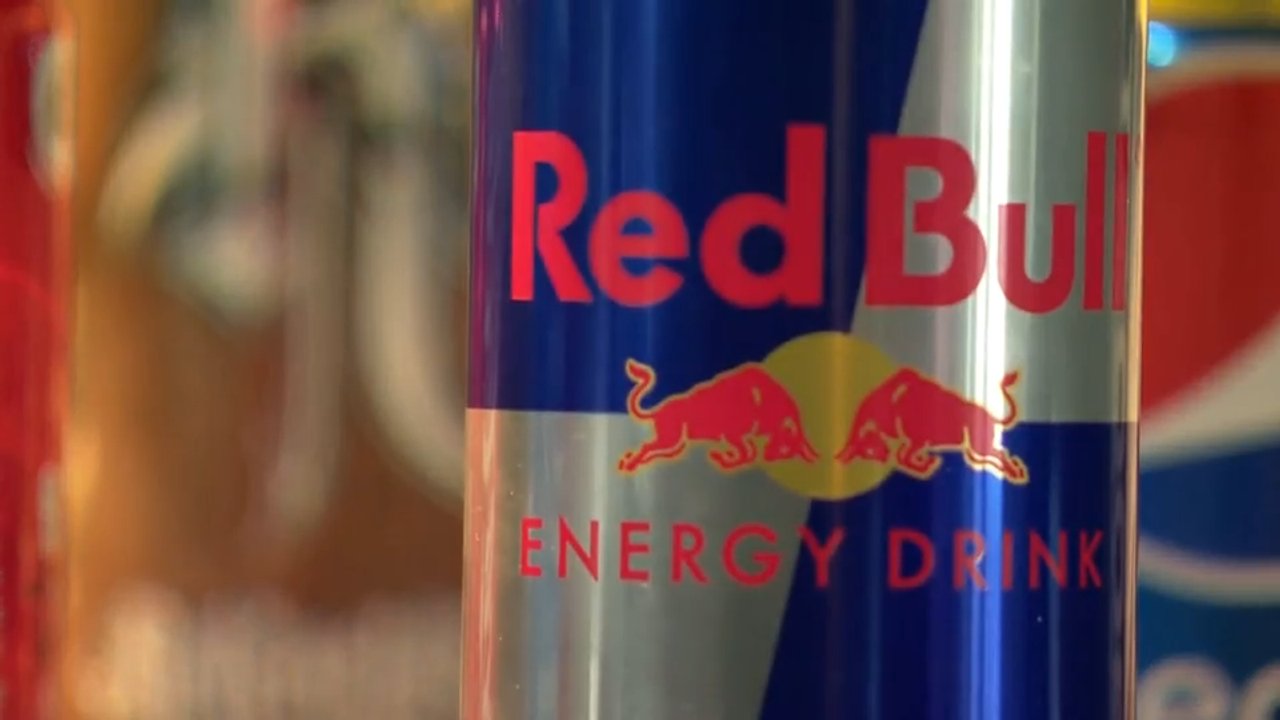
You may have heard your parents blame their pre-coffee crankiness on a lack of caffeine, but a high school in England says banning caffeinated energy drinks has had positive effects, like calmer classes and better interpersonal relationships.
The changes the school saw in student behavior suggest that energy drinks contributed to hyperactivity, littering, and disruption, but there’s another culprit in the drinks besides caffeine that gives drinkers a boost: sugar. Students often didn’t realize how much sugar was in the drinks until the school taught them more about the ingredients. Spoiler alert: it’s a lot.
Some energy drinks contain the equivalent of 13 teaspoons (that’s 52 grams) of sugar. That’s about two whole Hershey’s bars! Or a dozen marshmallows! Or 14 graham cracker sheets! We don’t want s'mores, you want s'mores!
After the ban, the school reported that detentions dropped by about one-third, and teachers and students reported better concentration, participation, and relationships in class. Students even say the place feels friendlier since the drinks were banned! But tread lightly: dropping an “Are you sure you really need all that caffeine?” on your groggy parents at 6 a.m. might be a one-way ticket to getting grounded…
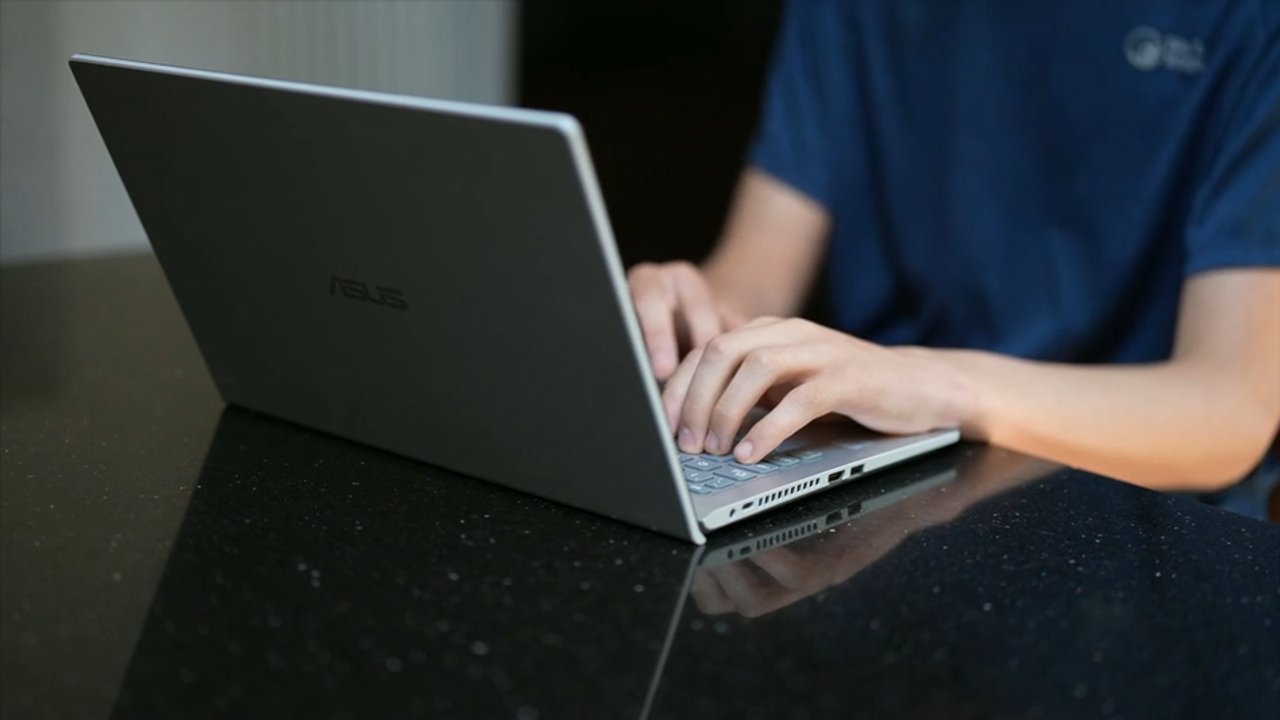
These days, youth tech knowledge goes way beyond helping parents get out of their front-facing camera. Around the world, teenagers are being arrested in connection to serious cyberattacks that have disrupted everywhere from supermarkets to transport systems to healthcare companies, and even individuals.
But it’s not like these teens want to rob everyone of their crypto, or change all the supermarket barcodes to get free cookies. A young man named Lucas, for example, was caught twice hacking into his school computers so he could play games and access blocked websites. But he wasn’t expelled or arrested. Instead, he was enrolled in Cyber Choices, a nationwide program designed to steer young people away from illegal hacking.
The program teaches participants what is legal and illegal while encouraging them to use their technical skills for good instead of evil through training, qualifications, and future careers. So far, around 1,000 young people have gone through the program.
Cyber Choices is a voluntary program that’s hopefully appealing enough to tempt participants to join willingly, but that’s not always the case. Owen Flowers, for example, was offered the program as a teenager but refused to participate. He was later sentenced to five and a half years in prison for hacking.
Cyber Choices may be a helpful intervention, but schools are still taking preemptive action by having police do regular visits to teach students about cybercrime.
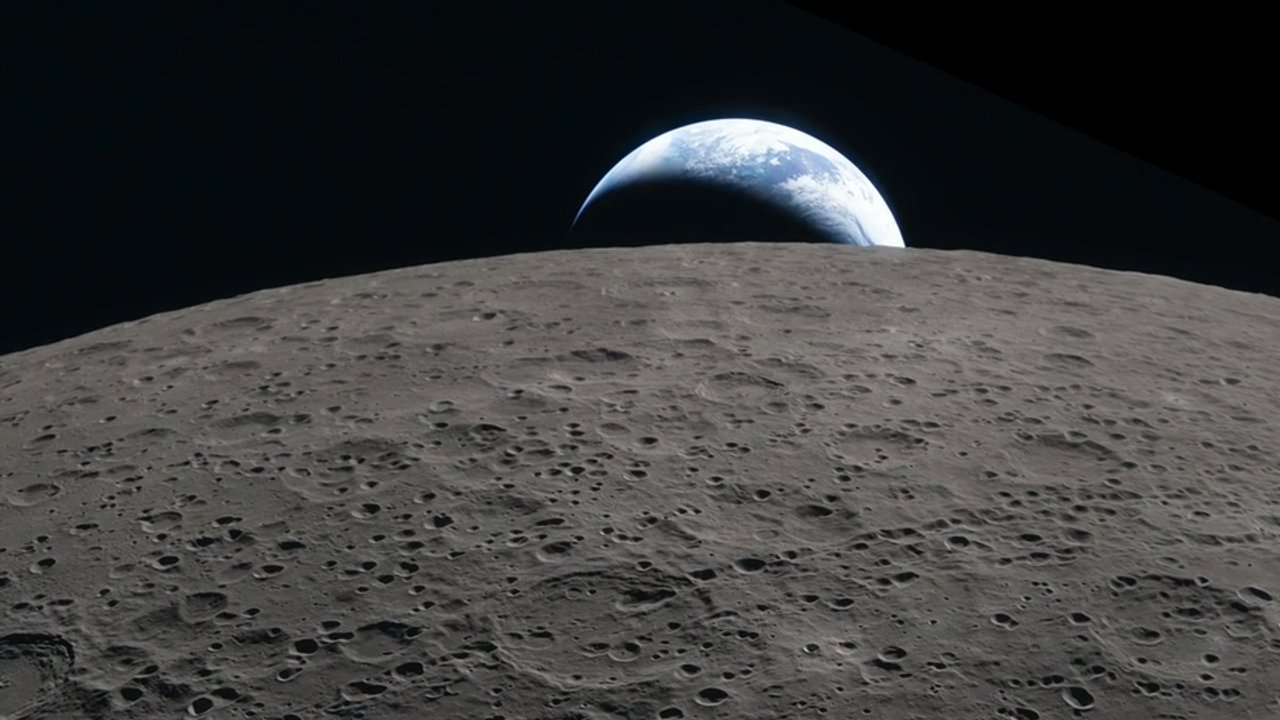
After a historic 10-day mission around the Moon — the first time humans have traveled so far into space since the 70s — the Artemis II crew came away with crucial knowledge: appreciate doors on bathrooms.
Commander Reid Wiseman dished on some other reflections about the trip. For example, the crew didn’t even realize what a big deal this was to people on Earth and didn’t hear much of the news until they talked to their families a few days into the mission. We suppose that’s what happens when you literally have your head in the clouds.
Not only was the journey unforgettable for science, but it was also personally significant for the crew members. One of the most powerful moments came when astronaut Jeremy Hansen named a lunar crater after Wiseman’s late wife, Carroll, a pivotal moment that solidified the crew’s bond.
But that bond wasn’t just to make things more fun — getting along in space is actually a matter of safety, and life inside a spacecraft requires serious teamwork. Think about sharing a room with a stinky sibling or living with a roommate who keeps eating your snacks. Now imagine that, in a room one-fifth the size and no way to escape! The astronauts lived, slept, and worked in extremely close quarters, so it was important to deal with disagreements immediately instead of letting tension build.
As exciting as it was to orbit the Moon, the return to Earth may have been just as intense. The crew re-entered the atmosphere at about 39 times the speed of sound. That’s about 30,000 miles per hour. They experienced forces of about four times normal gravity — about what you feel during the most intense parts of a roller coaster, but the astronauts felt this way for about 13 minutes. Nonstop! And that’s all before parachuting into the Pacific Ocean. All that probably makes it just a little more exhilarating than your bus ride to school.
Top Stories
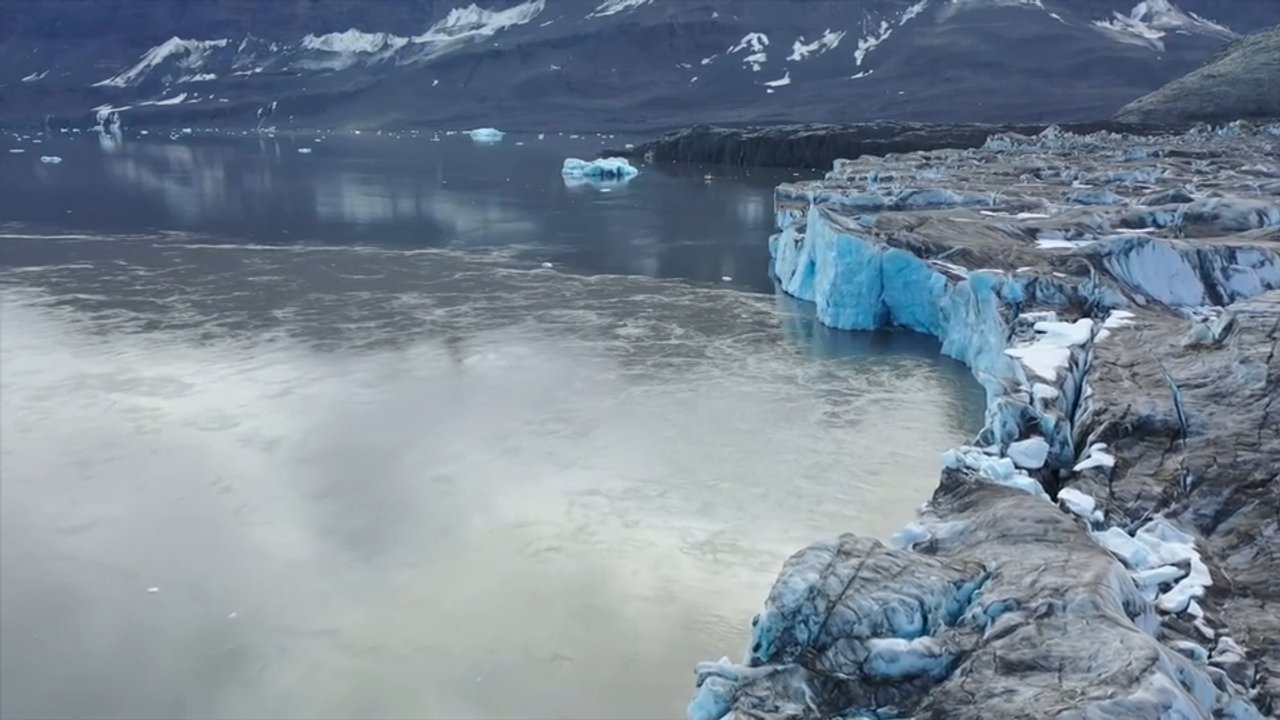
Greenland's glaciers are melting — and the effects reach much further than you'd think. As glaciers collapse into the sea, they set off a ripple effect that can impact weather, farming, water supplies, and fishing thousands of miles away.
Researchers are heading out on a five-week expedition to Greenland, bringing top-of-the-line equipment to study what's happening to the ice. Greenland might seem far removed from daily life, but the meltwater flows into the Atlantic Ocean, where it can disrupt ocean currents and shift climate patterns. Over time, that could change rainfall patterns in the UK and make winters stormier — which creates problems for farmers, and in turn, for food supply.
Even if you're not worried about vegetables, you're not off the hook. These melting glaciers can also affect fish populations, since changing ocean temperatures and currents disrupt the habitats fish depend on. Greenland's glaciers may be far away, but what happens there doesn't stay there.
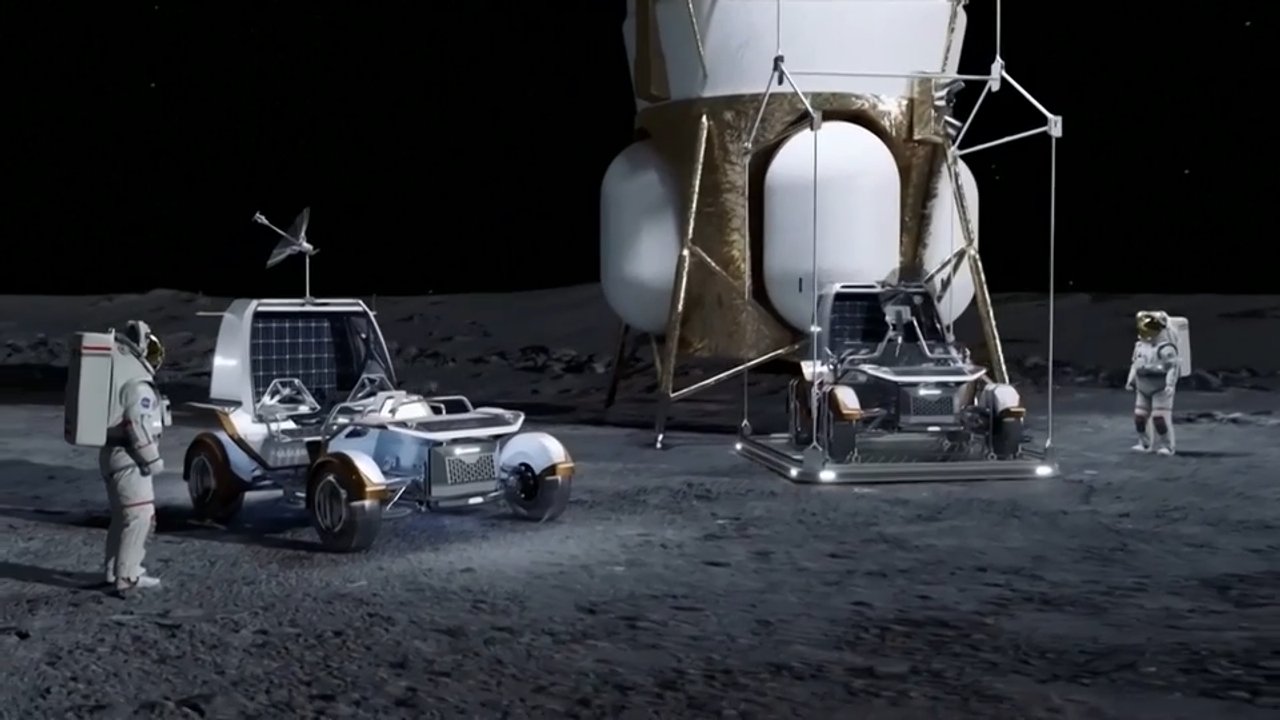
“Shoot for the Moon — if you miss, you’ll land among the stars,” won’t cut it for NASA, who says “Nah, Moon or bust.”
NASA’s got big plans, and their names are Moonbase 1, 2, and 3. They were too busy working on the science to put more into the names, okay? Moonbase 1 will be the first privately-funded lander to reach the lunar south pole, Moonbase 2 will deliver a record amount of equipment that would support astronauts at a lunar base, and Moonbase 3 will focus on gathering research and data.
But these are just glimpses of NASA’s lunar ambitions, namely to put a base on the Moon. It starts with sending dozens of rovers and lunar landers to scope out the perfect spot, followed by building small cabins for short missions, and then building larger structures sustained by nuclear power for the long term. That’s not until 2033, but NASA wants to send astronauts back to the lunar surface by 2028.
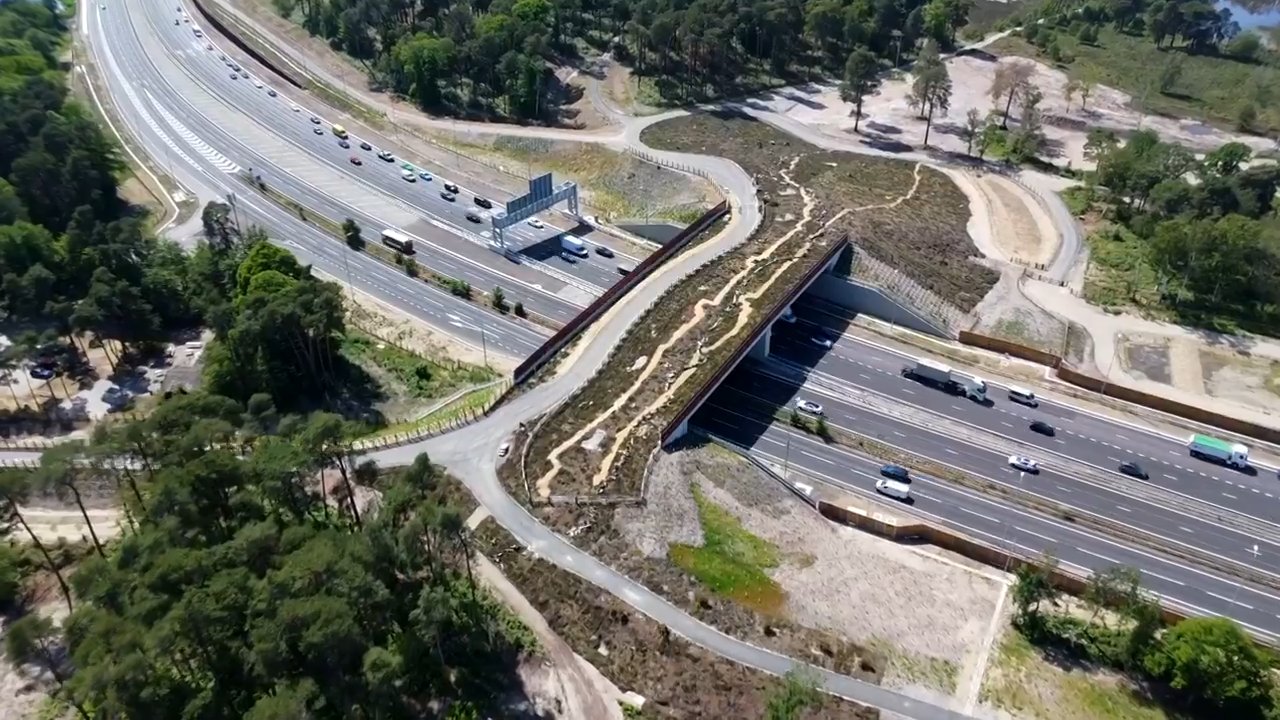
Why did the various wildlife species cross the road? To test the new heathland bridge!
It may look like a bridge that’s just unfinished, but the dirt and grass butting up against the pavement is very intentional.
This heathland bridge separating two commons is the first of its kind to include a network of natural routes that encourage species to reunite for the first time in over 40 years. Man, we would not remember ANYONE’S names! The bridge is home to mosses and vegetative grounds, as well as sand that could be a habitat to species like sand lizards, adders, foxes, deer, and bugs. Lots of bugs.
The bridge connects the heathland on either side, which the Wildlife Trusts are working to restore, so the aim of the bridge is to let wildlife move from side to side, building up the population and their resilience. But, it wasn’t as simple as leaving the bridge half-paved. Crews had to create the heathland by distributing acidic sand before adding areas of ground taken directly from larger heathland sites.
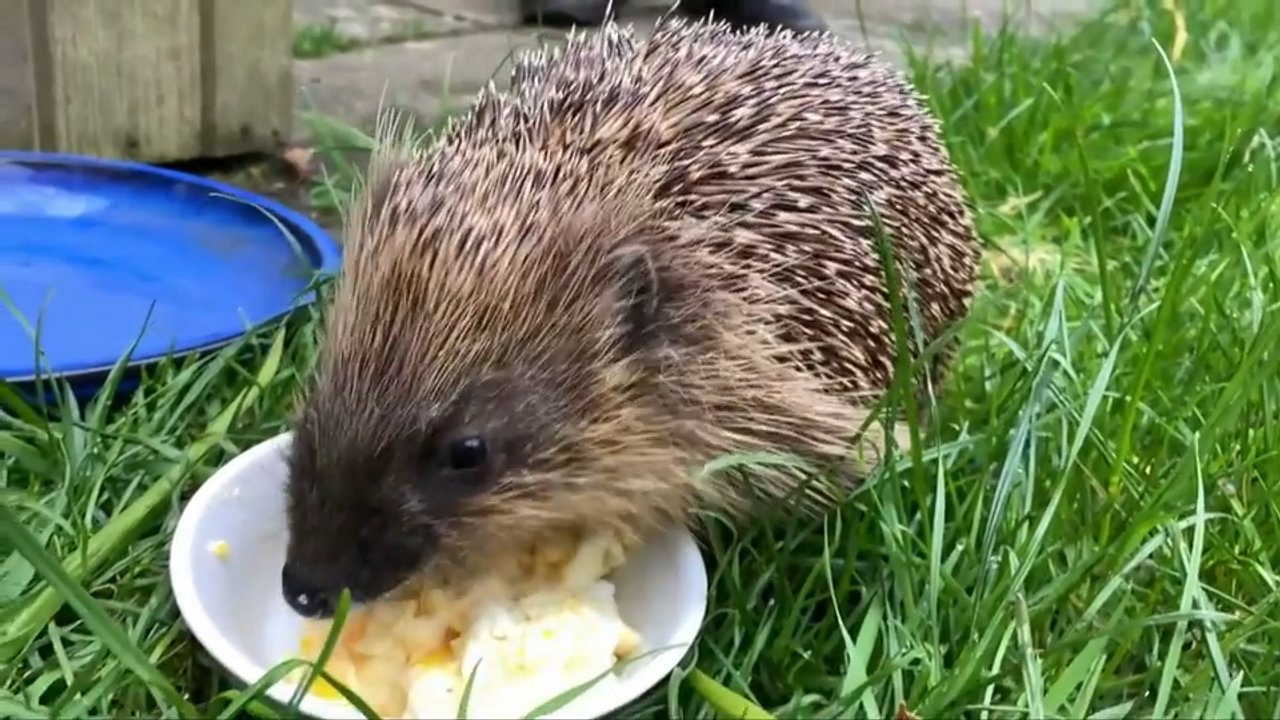
The UK wants to see more hedgehogs, and it’s not because hedgehogs are incredibly cute. Well, not just because of that. The UK’s hedgehog population is in dangerous decline, but part of the solution could be an AI tool called Tessera that uses satellite images to help build a map of hedgehog habitats.
Before Tessera can work its magic, it needs some input. Researchers need to find and learn hedgehogs’ preferred environments by identifying the habitat’s fingerprint. A fingerprint, in this case, is a pattern or collection of characteristics generally found in hedgehog habitats. Maybe your habitat fingerprint would include a freezer full of ice cream and trampoline floors! It has nothing to do with actual fingers, even though that would be a great excuse to spend all day looking at hedgehog paws.
Researchers do their field work in small areas, then input their findings into the software that can extrapolate, show where the other similar habitats are, and record changes over time. The project will hopefully help us learn about where hedgehogs live, how we can help them survive, and how we can set up our homes to comfortably accommodate a hedgehog houseguest.
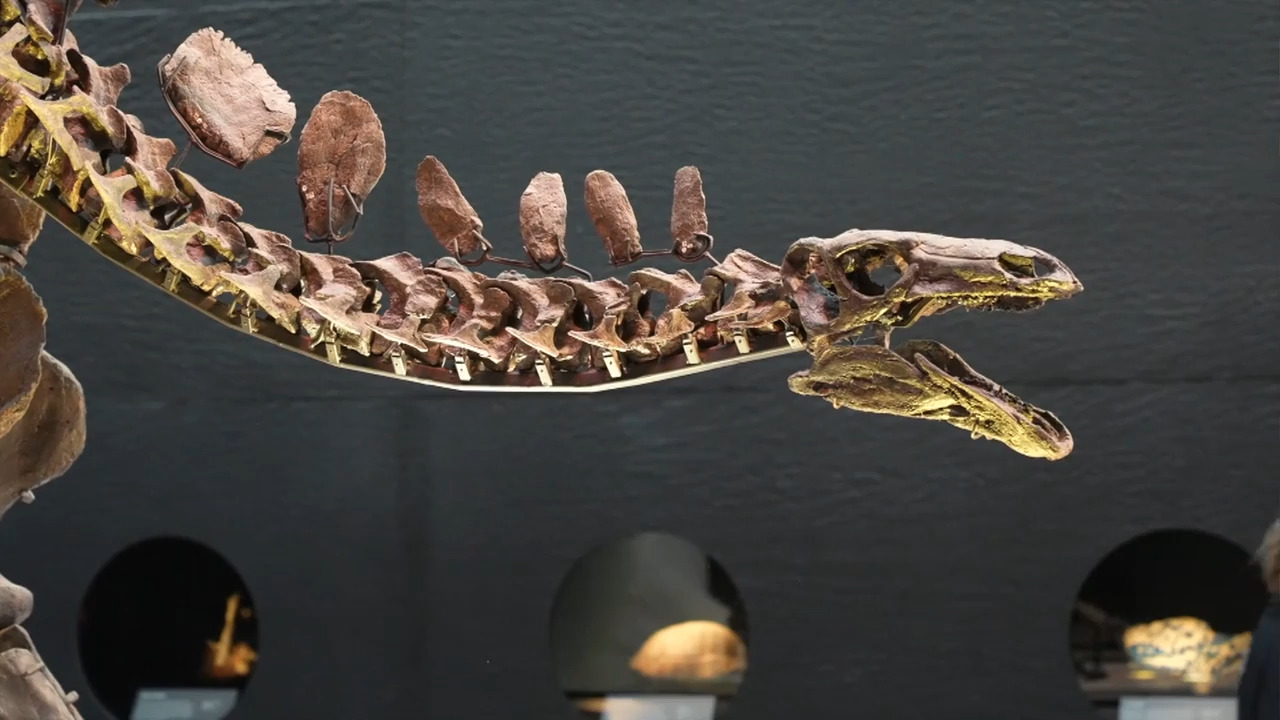
Did you know we’re still finding new dinosaurs?! You’d think the 66 million years they’ve been extinct would have been enough time for research, but the Natural History Museum is getting ready to welcome yet another new addition — a small dinosaur that they had previously mistaken for a Nanosaurus. It’s a two-legged, herbivorous dinosaur with big feet and a long tail, about the height of a labrador. Scientists have renamed it “Enigmacursor,” which means “puzzling runner,” and would also be a very cool name for the next Nike sneaker.
To determine if a dinosaur (or any creature) is new, researchers try to find unique features, like parts, proportions, and shapes. The Enigmacursor will be displayed at the Natural History Museum and will be an important tool for learning how its bigger relatives evolved, since dinosaurs started their evolution as small animals and became much, much bigger over a long, long time.
Greenland's glaciers are melting — and the effects reach much further than you'd think. As glaciers collapse into the sea, they set off a ripple effect that can impact weather, farming, water supplies, and fishing thousands of miles away.
Researchers are heading out on a five-week expedition to Greenland, bringing top-of-the-line equipment to study what's happening to the ice. Greenland might seem far removed from daily life, but the meltwater flows into the Atlantic Ocean, where it can disrupt ocean currents and shift climate patterns. Over time, that could change rainfall patterns in the UK and make winters stormier — which creates problems for farmers, and in turn, for food supply.
Even if you're not worried about vegetables, you're not off the hook. These melting glaciers can also affect fish populations, since changing ocean temperatures and currents disrupt the habitats fish depend on. Greenland's glaciers may be far away, but what happens there doesn't stay there.
“Shoot for the Moon — if you miss, you’ll land among the stars,” won’t cut it for NASA, who says “Nah, Moon or bust.”
NASA’s got big plans, and their names are Moonbase 1, 2, and 3. They were too busy working on the science to put more into the names, okay? Moonbase 1 will be the first privately-funded lander to reach the lunar south pole, Moonbase 2 will deliver a record amount of equipment that would support astronauts at a lunar base, and Moonbase 3 will focus on gathering research and data.
But these are just glimpses of NASA’s lunar ambitions, namely to put a base on the Moon. It starts with sending dozens of rovers and lunar landers to scope out the perfect spot, followed by building small cabins for short missions, and then building larger structures sustained by nuclear power for the long term. That’s not until 2033, but NASA wants to send astronauts back to the lunar surface by 2028.
Why did the various wildlife species cross the road? To test the new heathland bridge!
It may look like a bridge that’s just unfinished, but the dirt and grass butting up against the pavement is very intentional.
This heathland bridge separating two commons is the first of its kind to include a network of natural routes that encourage species to reunite for the first time in over 40 years. Man, we would not remember ANYONE’S names! The bridge is home to mosses and vegetative grounds, as well as sand that could be a habitat to species like sand lizards, adders, foxes, deer, and bugs. Lots of bugs.
The bridge connects the heathland on either side, which the Wildlife Trusts are working to restore, so the aim of the bridge is to let wildlife move from side to side, building up the population and their resilience. But, it wasn’t as simple as leaving the bridge half-paved. Crews had to create the heathland by distributing acidic sand before adding areas of ground taken directly from larger heathland sites.
The UK wants to see more hedgehogs, and it’s not because hedgehogs are incredibly cute. Well, not just because of that. The UK’s hedgehog population is in dangerous decline, but part of the solution could be an AI tool called Tessera that uses satellite images to help build a map of hedgehog habitats.
Before Tessera can work its magic, it needs some input. Researchers need to find and learn hedgehogs’ preferred environments by identifying the habitat’s fingerprint. A fingerprint, in this case, is a pattern or collection of characteristics generally found in hedgehog habitats. Maybe your habitat fingerprint would include a freezer full of ice cream and trampoline floors! It has nothing to do with actual fingers, even though that would be a great excuse to spend all day looking at hedgehog paws.
Researchers do their field work in small areas, then input their findings into the software that can extrapolate, show where the other similar habitats are, and record changes over time. The project will hopefully help us learn about where hedgehogs live, how we can help them survive, and how we can set up our homes to comfortably accommodate a hedgehog houseguest.
Did you know we’re still finding new dinosaurs?! You’d think the 66 million years they’ve been extinct would have been enough time for research, but the Natural History Museum is getting ready to welcome yet another new addition — a small dinosaur that they had previously mistaken for a Nanosaurus. It’s a two-legged, herbivorous dinosaur with big feet and a long tail, about the height of a labrador. Scientists have renamed it “Enigmacursor,” which means “puzzling runner,” and would also be a very cool name for the next Nike sneaker.
To determine if a dinosaur (or any creature) is new, researchers try to find unique features, like parts, proportions, and shapes. The Enigmacursor will be displayed at the Natural History Museum and will be an important tool for learning how its bigger relatives evolved, since dinosaurs started their evolution as small animals and became much, much bigger over a long, long time.
Science & Tech
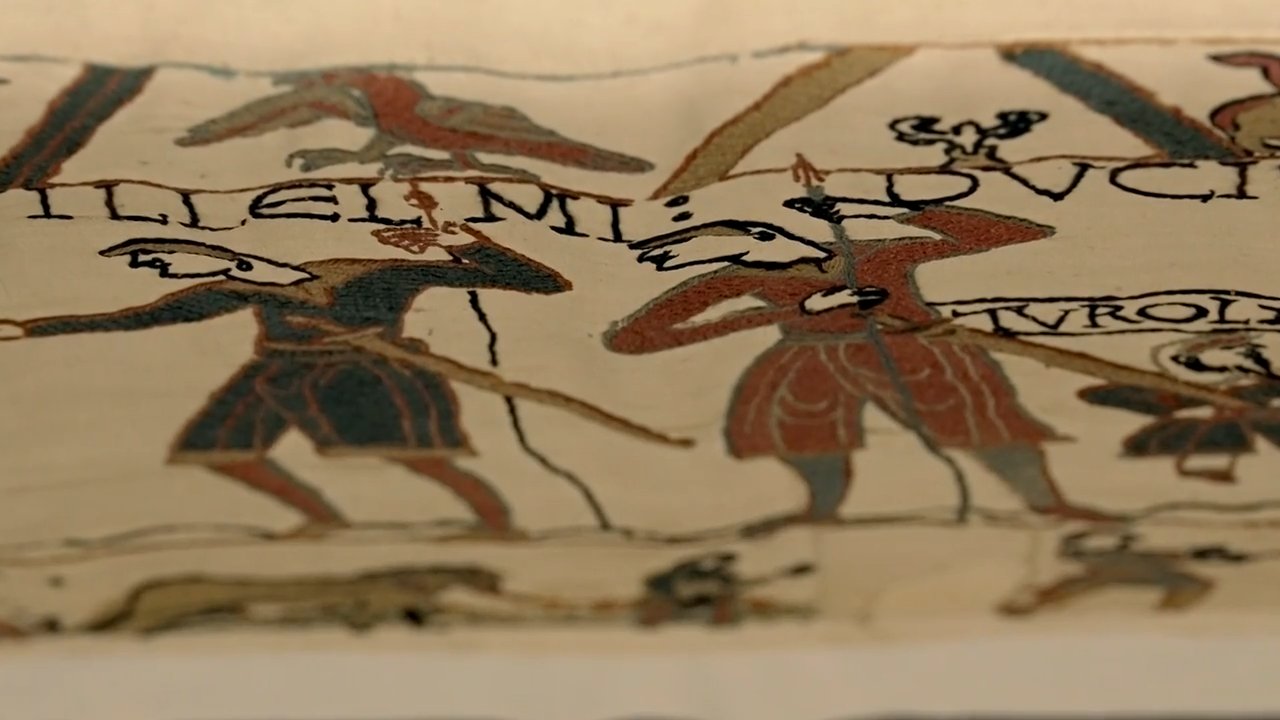
After almost 1,000 years, the historic Bayeux Tapestry is back where it began.
The 11th Century artwork is thought to have been made in Britain, and it's now on display at the British Museum — one of the UK's largest national museums, located in London — while on loan from France until summer 2027. Think of it as the original comic strip: instead of panels, it uses a continuous, nearly 70-meter-long strip of embroidered fabric (about the length of a football field) to tell the story frame by frame, image after image, all the way across.
The story it tells is the Norman Conquest of 1066: the year William the Conqueror, a duke from Normandy in modern-day France, invaded England and took the throne. Like a comic laid end to end, the tapestry shows the buildup, the battle, and the aftermath — soldiers, ships, horses, and even Halley's Comet all stitched into the sequence. That invasion permanently changed England's ruling family, language, and culture, and is often seen as the starting point of the modern British monarchy.
Moving the tapestry took hours of extremely careful work, since it's so old and delicate. Even people standing near it had to wear protective clothing so stray fibers wouldn't end up on the fabric. It's now displayed flat, inside a protective glass case. Safe to say, it may look like a large piece of fabric, but it's definitely not something you'd want to wipe your hands on if you're missing a napkin.
The loan is also part of a bigger cultural exchange between France and Britain — two neighboring countries separated by the narrow English Channel, with a long and sometimes tense shared history. In exchange for the tapestry, Britain is lending important historical objects of its own back to France.
It's tempting to think that seeing is believing, but that's not always the case. When scrolling the internet, it's important to put on your skepticism hat. There's a lot of fake stuff out there, and some of it is convincing.
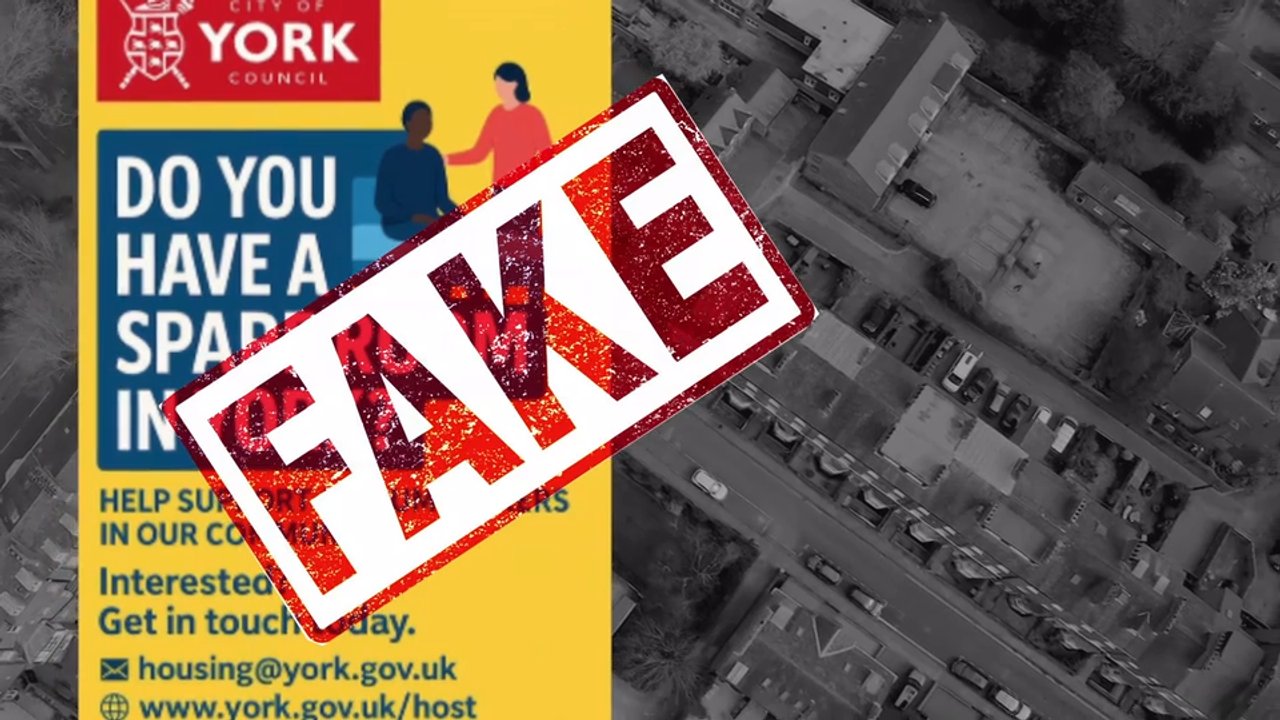
For example, a Facebook post appeared to come from York Council — the local government office for the city of York, England. It asked people with spare rooms to house asylum seekers (people who have fled their home country and are asking a government for protection). The post wasn't real, but it spread quickly across Facebook, Instagram, TikTok, X, and YouTube. BBC Verify, the BBC's fact-checking team, estimated it could have reached more than a million people.
Misinformation like this can cause real problems, especially when it spreads about sensitive subjects like asylum seekers. Repeated exposure to false information can also make people question what's true at all — damaging trust between people and communities.
So how can you tell what's fake? Even careful readers are finding it harder to spot, while fake content is getting easier to make — a dangerous combination. The fake council post looked convincing: it had an official logo, professional-sounding text, and even a real email address. But a few small details gave it away: the logo was slightly distorted, some words were misspelled, parts of the image looked unnatural, and the AI-generated hands had too many fingers.
Those details are easy to miss when scrolling quickly — but learning to spot them is exactly what makes the difference between falling for a fake and catching one.
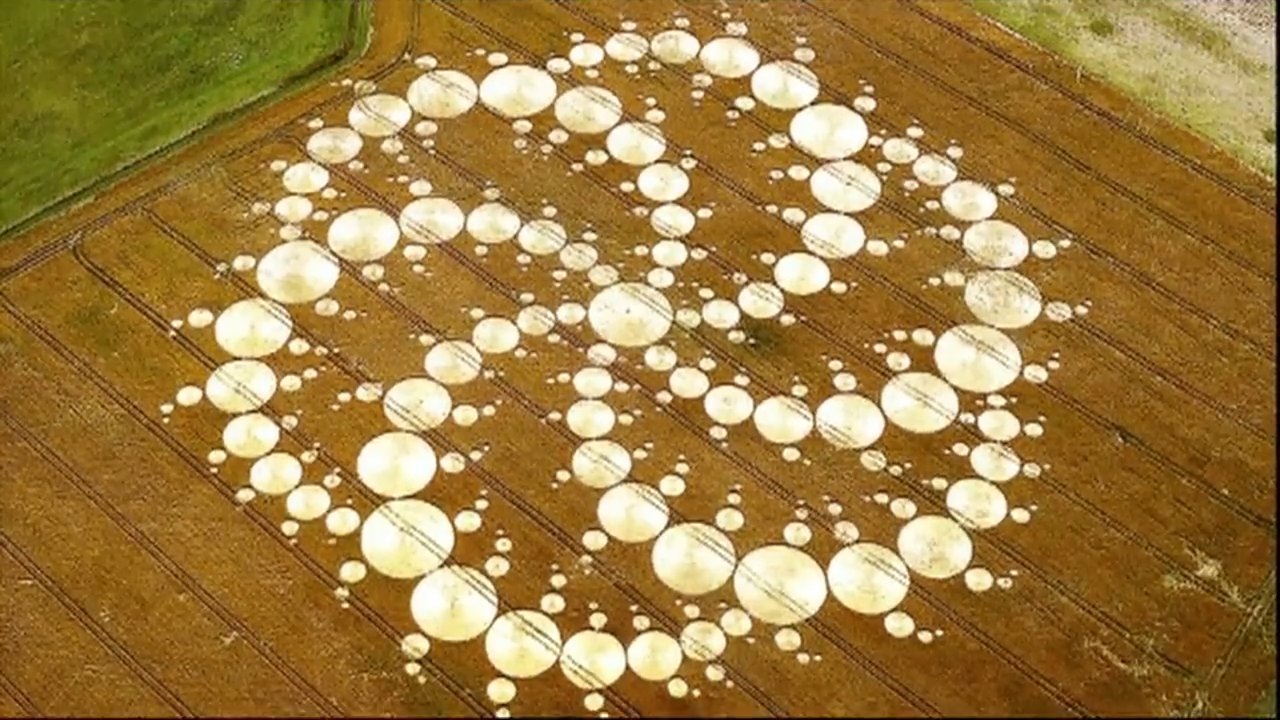
Crop circles have puzzled people for decades, and the Wiltshire countryside — a rural county in southwest England known for its rolling farmland — has had plenty to puzzle over this summer as new formations kept appearing in the fields.
These designs are often symmetrical, intricate, and hard to explain. One of the most famous examples, known as the Galaxy, contained more than 400 interlocking circles and stretched roughly 780 feet — about two and a half soccer fields laid end to end.
Some crop circles are confirmed to be human-made. Others are harder to pin down: witnesses have reported some appearing within a matter of seconds, though these claims haven't been independently verified.
Wiltshire's landscape makes it a particular hotspot — open countryside and high viewpoints make circles easy to spot and photograph. Drones and social media have also made it possible to document circles almost anywhere, not just in traditional hotspots.
As striking as they are to look at, crop circles can be costly for the farmers whose fields they appear in, since the process damages crops. That's also why making one without the landowner's permission counts as criminal damage in the UK — the British legal term for intentionally damaging someone else's property, similar to vandalism or property destruction charges in the US.
Most of our sub-par pictures just take up space on our phones and show off the insides of our pockets, but one blurry photo launched an almost two decades-long scientific endeavor.
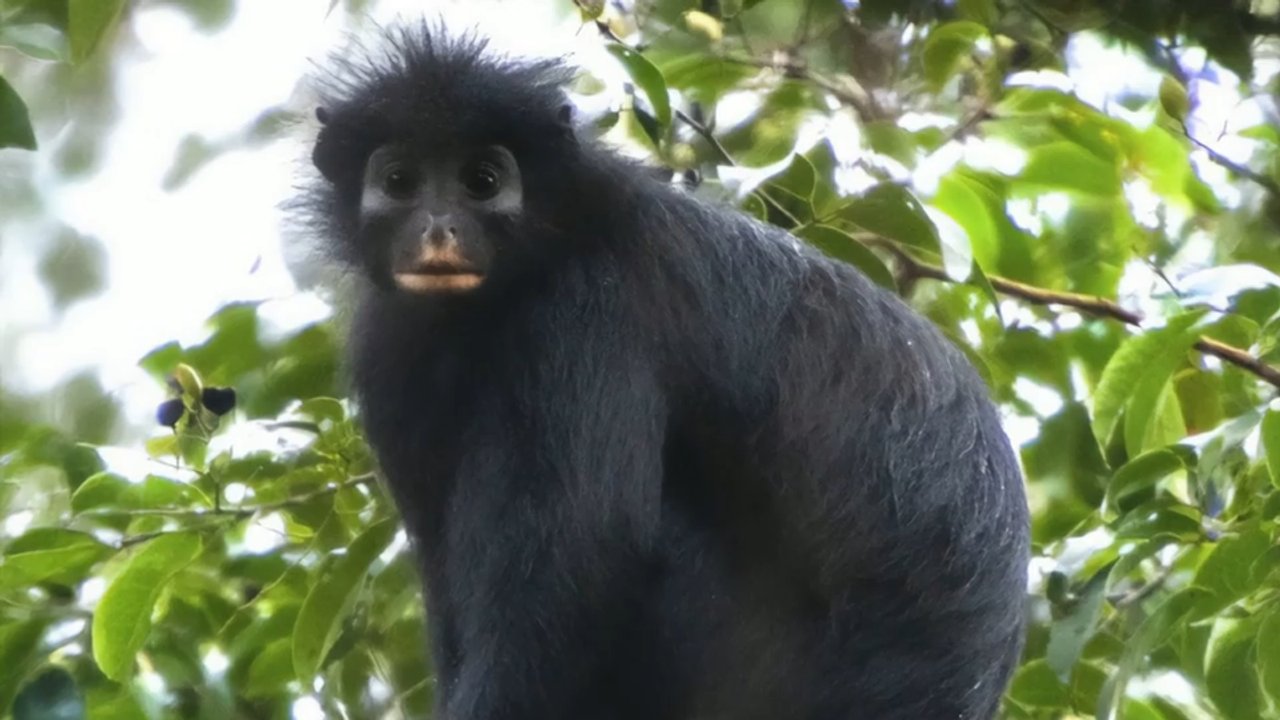
A search that began with a picture of a tail in the trees eventually took researchers deep into Lomami National Park in the Democratic Republic of Congo on a quest to find out exactly what kind of monkey they were dealing with. Using microphones, cameras and genetic testing, they gathered enough evidence to confirm that the animal is a distinct species, now named Colobus congoensis — the first time a monkey is being named after the Congo!
It belongs to a group of plant-eating primates that live high in trees and do not have thumbs, but the Colobus congoensis has some unique characteristics. It uses a roaring call that announces its presence through dense tropical forest and has distinctive pinkish-orange lips that researchers think could act as a visual signal, perhaps helping it attract a mate. It also gives you someone to blame if your sibling asks, “Who ate the last orange creamsicle?!”
Scientists still have a lot to learn about this monkey, but it seems rare and limited to a particular habitat in the central-eastern part of the country. Researchers hope that officially recognizing it as a separate species will help protect both the monkey and the environment it depends on.
After almost 1,000 years, the historic Bayeux Tapestry is back where it began.
The 11th Century artwork is thought to have been made in Britain, and it's now on display at the British Museum — one of the UK's largest national museums, located in London — while on loan from France until summer 2027. Think of it as the original comic strip: instead of panels, it uses a continuous, nearly 70-meter-long strip of embroidered fabric (about the length of a football field) to tell the story frame by frame, image after image, all the way across.
The story it tells is the Norman Conquest of 1066: the year William the Conqueror, a duke from Normandy in modern-day France, invaded England and took the throne. Like a comic laid end to end, the tapestry shows the buildup, the battle, and the aftermath — soldiers, ships, horses, and even Halley's Comet all stitched into the sequence. That invasion permanently changed England's ruling family, language, and culture, and is often seen as the starting point of the modern British monarchy.
Moving the tapestry took hours of extremely careful work, since it's so old and delicate. Even people standing near it had to wear protective clothing so stray fibers wouldn't end up on the fabric. It's now displayed flat, inside a protective glass case. Safe to say, it may look like a large piece of fabric, but it's definitely not something you'd want to wipe your hands on if you're missing a napkin.
The loan is also part of a bigger cultural exchange between France and Britain — two neighboring countries separated by the narrow English Channel, with a long and sometimes tense shared history. In exchange for the tapestry, Britain is lending important historical objects of its own back to France.
It's tempting to think that seeing is believing, but that's not always the case. When scrolling the internet, it's important to put on your skepticism hat. There's a lot of fake stuff out there, and some of it is convincing.
For example, a Facebook post appeared to come from York Council — the local government office for the city of York, England. It asked people with spare rooms to house asylum seekers (people who have fled their home country and are asking a government for protection). The post wasn't real, but it spread quickly across Facebook, Instagram, TikTok, X, and YouTube. BBC Verify, the BBC's fact-checking team, estimated it could have reached more than a million people.
Misinformation like this can cause real problems, especially when it spreads about sensitive subjects like asylum seekers. Repeated exposure to false information can also make people question what's true at all — damaging trust between people and communities.
So how can you tell what's fake? Even careful readers are finding it harder to spot, while fake content is getting easier to make — a dangerous combination. The fake council post looked convincing: it had an official logo, professional-sounding text, and even a real email address. But a few small details gave it away: the logo was slightly distorted, some words were misspelled, parts of the image looked unnatural, and the AI-generated hands had too many fingers.
Those details are easy to miss when scrolling quickly — but learning to spot them is exactly what makes the difference between falling for a fake and catching one.
Crop circles have puzzled people for decades, and the Wiltshire countryside — a rural county in southwest England known for its rolling farmland — has had plenty to puzzle over this summer as new formations kept appearing in the fields.
These designs are often symmetrical, intricate, and hard to explain. One of the most famous examples, known as the Galaxy, contained more than 400 interlocking circles and stretched roughly 780 feet — about two and a half soccer fields laid end to end.
Some crop circles are confirmed to be human-made. Others are harder to pin down: witnesses have reported some appearing within a matter of seconds, though these claims haven't been independently verified.
Wiltshire's landscape makes it a particular hotspot — open countryside and high viewpoints make circles easy to spot and photograph. Drones and social media have also made it possible to document circles almost anywhere, not just in traditional hotspots.
As striking as they are to look at, crop circles can be costly for the farmers whose fields they appear in, since the process damages crops. That's also why making one without the landowner's permission counts as criminal damage in the UK — the British legal term for intentionally damaging someone else's property, similar to vandalism or property destruction charges in the US.
Most of our sub-par pictures just take up space on our phones and show off the insides of our pockets, but one blurry photo launched an almost two decades-long scientific endeavor.
A search that began with a picture of a tail in the trees eventually took researchers deep into Lomami National Park in the Democratic Republic of Congo on a quest to find out exactly what kind of monkey they were dealing with. Using microphones, cameras and genetic testing, they gathered enough evidence to confirm that the animal is a distinct species, now named Colobus congoensis — the first time a monkey is being named after the Congo!
It belongs to a group of plant-eating primates that live high in trees and do not have thumbs, but the Colobus congoensis has some unique characteristics. It uses a roaring call that announces its presence through dense tropical forest and has distinctive pinkish-orange lips that researchers think could act as a visual signal, perhaps helping it attract a mate. It also gives you someone to blame if your sibling asks, “Who ate the last orange creamsicle?!”
Scientists still have a lot to learn about this monkey, but it seems rare and limited to a particular habitat in the central-eastern part of the country. Researchers hope that officially recognizing it as a separate species will help protect both the monkey and the environment it depends on.
Teaching With the News

In our fast-paced world, where information is constantly being shared and consumed, our students need media literacy more than ever.

To help your students dive deeper into news content, we created this bundle of news story response worksheets. We designed these worksheets to be used with any of our news videos and to keep students focused as they watch and enhance comprehension and retention. (Please note that some worksheet types are better fits for certain content and grade levels). Assign students the same one, mix them up, or let them choose!

You can’t have a news story without sources. Introduce your students to the differences between primary and secondary sources. In this lesson, they’ll learn about how journalists ask effective interview questions and verify the accuracy of a source’s account.

News is supposed to be impartial, but that’s not always the case. So how does bias get into the news? Introduce your students to why journalism’s standards of impartiality are so important and how recognizing bias will help them judge the accuracy of the news they encounter. In this lesson, they’ll explore how perspective can shape a report and try their hand at rewriting biased reporting.
In our fast-paced world, where information is constantly being shared and consumed, our students need media literacy more than ever.
To help your students dive deeper into news content, we created this bundle of news story response worksheets. We designed these worksheets to be used with any of our news videos and to keep students focused as they watch and enhance comprehension and retention. (Please note that some worksheet types are better fits for certain content and grade levels). Assign students the same one, mix them up, or let them choose!
You can’t have a news story without sources. Introduce your students to the differences between primary and secondary sources. In this lesson, they’ll learn about how journalists ask effective interview questions and verify the accuracy of a source’s account.
News is supposed to be impartial, but that’s not always the case. So how does bias get into the news? Introduce your students to why journalism’s standards of impartiality are so important and how recognizing bias will help them judge the accuracy of the news they encounter. In this lesson, they’ll explore how perspective can shape a report and try their hand at rewriting biased reporting.