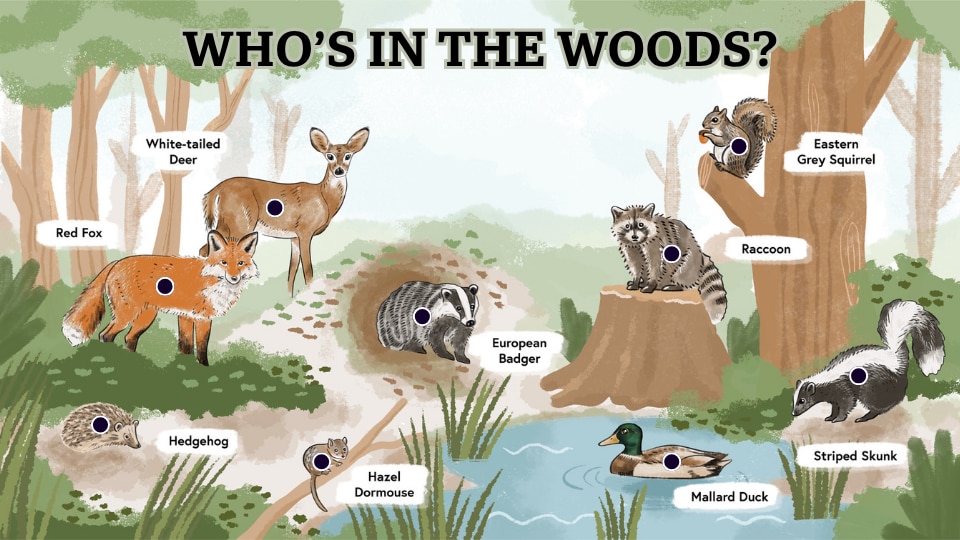
Meet nine wild animals that live in forests, parks, gardens, and neighborhoods: the red fox, white-tailed deer, mallard duck, striped skunk, eastern grey squirrel, raccoon, European badger, hedgehog, and hazel dormouse.
Click on each animal's picture to watch a short video, then click on its name for a fact about what makes it unusual, from its senses and behavior to the ways it has adapted to survive.
Some of these animals may live near you, while others are much harder to spot. Along the way, you'll learn how each one finds food, raises its young, avoids predators, and makes use of the habitat around it.
For Teachers and Parents:
Woodland Animals works well as an introduction to habitats and adaptations or as a self-guided activity for students working on their own or in pairs. Here are a few ways to use it:
- Before exploring: Ask students which of the nine animals they've seen in real life and where. It's a quick way to connect the lesson to their own surroundings.
- While exploring: Have students record one adaptation for each animal, such as a special sense, body feature, or behavior, and how it helps the animal survive.
- After exploring: Ask students to sort the animals by what they eat, when they're active, or how they avoid predators. They can then compare animals that share a habitat but survive in different ways.
- Extension: Some of these animals live in North America, some in Europe, and some in both. Students can research which ones live in their region and why others don't.
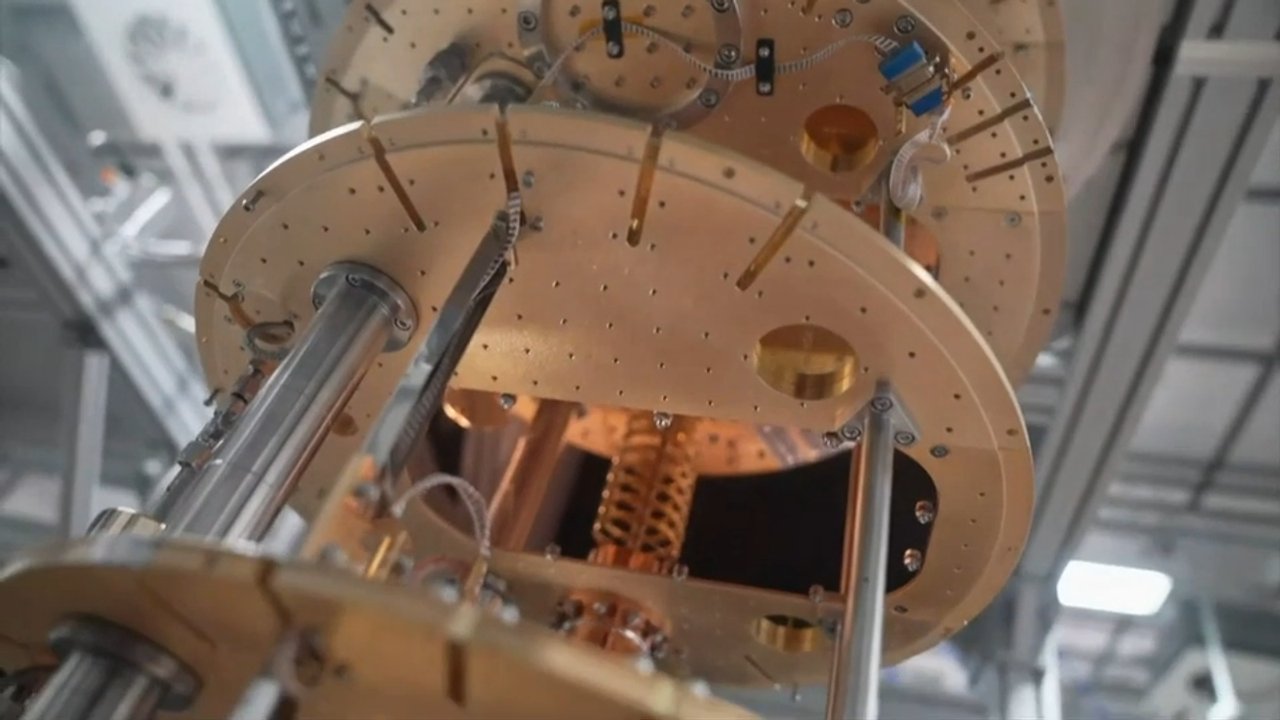
Computer chips (the tech kind, not the potato kind) normally work by moving electrons, tiny particles that carry electricity. Wave Photonics, a company based in Cambridge, England, is designing chips that use photons instead. Photons are particles of light.
Chips that use light can carry more information while using less energy. That makes them especially useful for AI data centers, the huge buildings full of computers that power tools like chatbots, and for quantum computers. They're part of a wider push to make quantum technology smaller and practical enough to build in large numbers. The industry is growing so quickly that Wave Photonics plans to double its staff.
Quantum computers are hard to build, but they could be worth the effort. They use the strange rules of quantum mechanics, the science of how the tiniest particles behave. That lets them tackle certain problems in a completely different way from ordinary computers. For some tasks, they could one day be far faster than even today's most powerful machines.
In the early days of the industry, governments were cautious and mostly bought from companies with a proven track record. Now they're more willing to take chances on newer companies.
If quantum computing keeps growing, it could eventually change fields like medicine, by helping scientists design new drugs, and finance. It could also become a bigger part of the economy.
Forests store huge amounts of carbon, likely hundreds of billions of tons. One metric ton is about 2,200 pounds, so hundreds of billions of tons is... let's just say it's a lot. Because trees pull carbon dioxide out of the air and lock it away, forests play a major role in controlling Earth's climate.
To figure out how much carbon a forest holds, scientists can measure individual trees, like how wide the trunk is and how tall the tree grows. But nobody can take a tape measure to millions of square miles of forest, and "a whole bunch" isn't a scientific measurement.
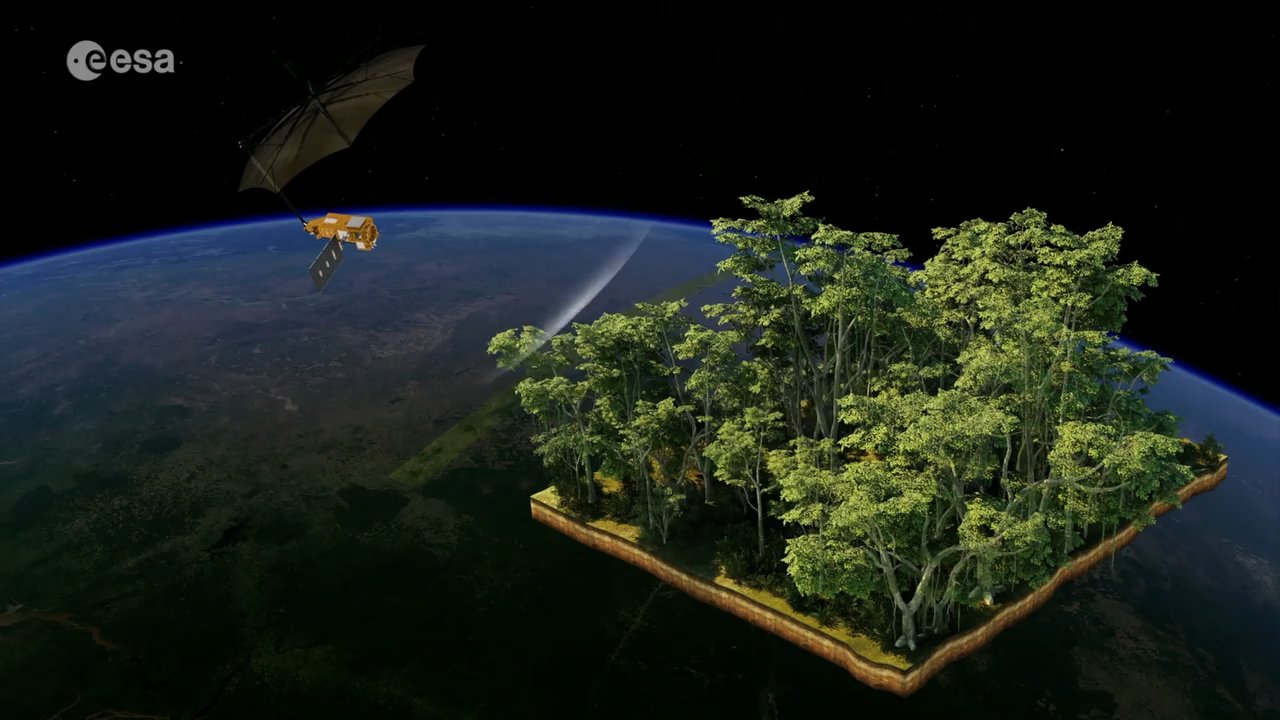
That's where new technology comes in. In 2025, the European Space Agency, which runs space missions for a group of European countries, launched a satellite called Biomass. It uses radar with extra-long wavelengths. The longer the wavelength, the more easily radar can pass through leaves and small branches and pick up bigger things, like trunks and large branches, which hold most of a tree's carbon.
Most earlier satellites, like many launched by NASA, the U.S. space agency, are optical. They work like cameras, capturing sunlight reflected off the treetops. That's useful for seeing where forests are, but it mostly shows the top layer. Radar can reveal what's underneath. It can help scientists estimate how much wood a forest holds, spot deforestation, and study flooded forests that are hard to reach. Scientists then check the satellite data against measurements taken from planes and on the ground.
Another tool is LiDAR, short for Light Detection and Ranging. It sends out pulses of laser light and measures how long they take to bounce back, building detailed 3D maps of forests. Some are precise enough to show individual twigs and leaves. LiDAR isn't new, but it produces enormous amounts of data. Artificial intelligence is now making that data much faster to process, turning LiDAR into a more practical tool for studying forests.
According to the Met Office, the UK's national weather and climate service, people may be getting a little too relaxed about the weather. Conditions that once would have seemed extreme are starting to feel normal.
2025 was the UK's hottest year since records began in 1884. Four of the last five years now rank among the five hottest on record. In southeast England, the hottest day of the year is now about 4.5°C (about 8°F) warmer on average than it was in the 1960s.
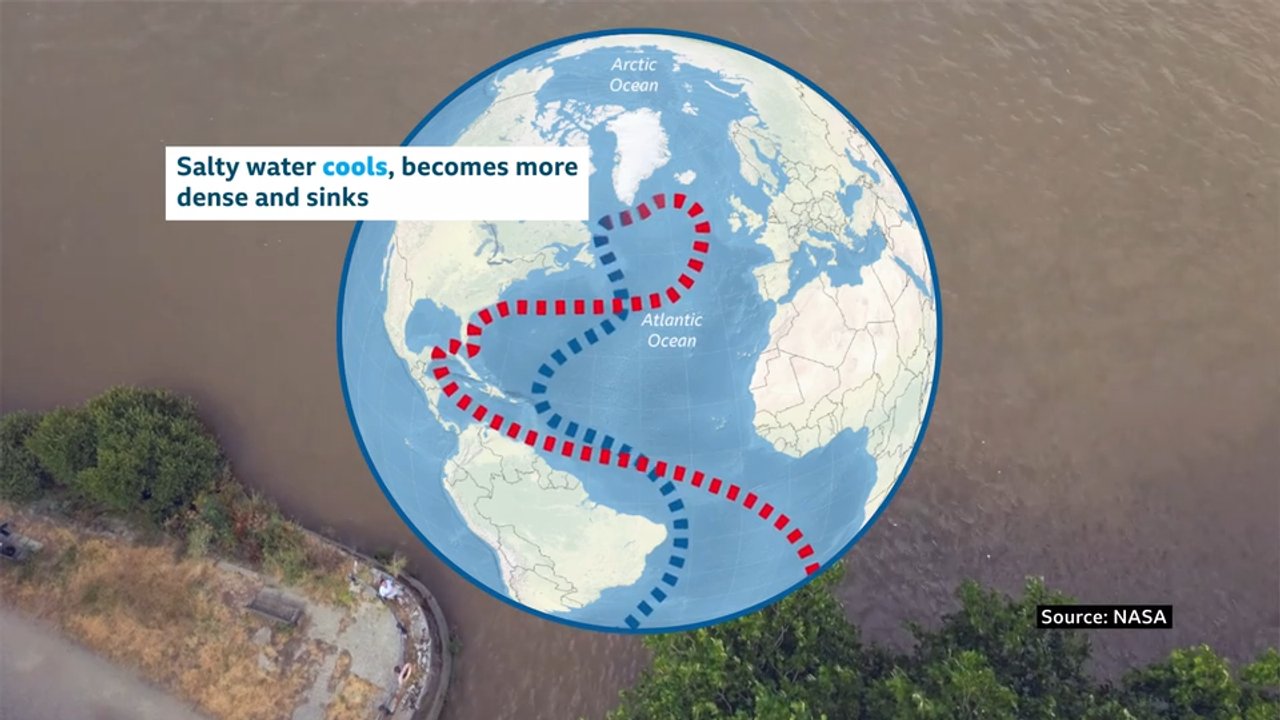
This is about more than buying extra fans. Scientists are also worried about changes in the Atlantic Ocean. Normally, warm, salty water flows north from the tropics — the hot region near the equator — and passes the UK. This keeps the UK's weather milder than you'd expect for a country so far north. Near Greenland, a huge icy island in the North Atlantic, the water cools, gets heavier, sinks, and flows back south.
At least, that's how it's supposed to work. There are signs this current may be slowing down. If it weakens a lot, the UK could lose some of that warmth. That could bring colder winters and even bigger swings in the weather, on top of the heat.
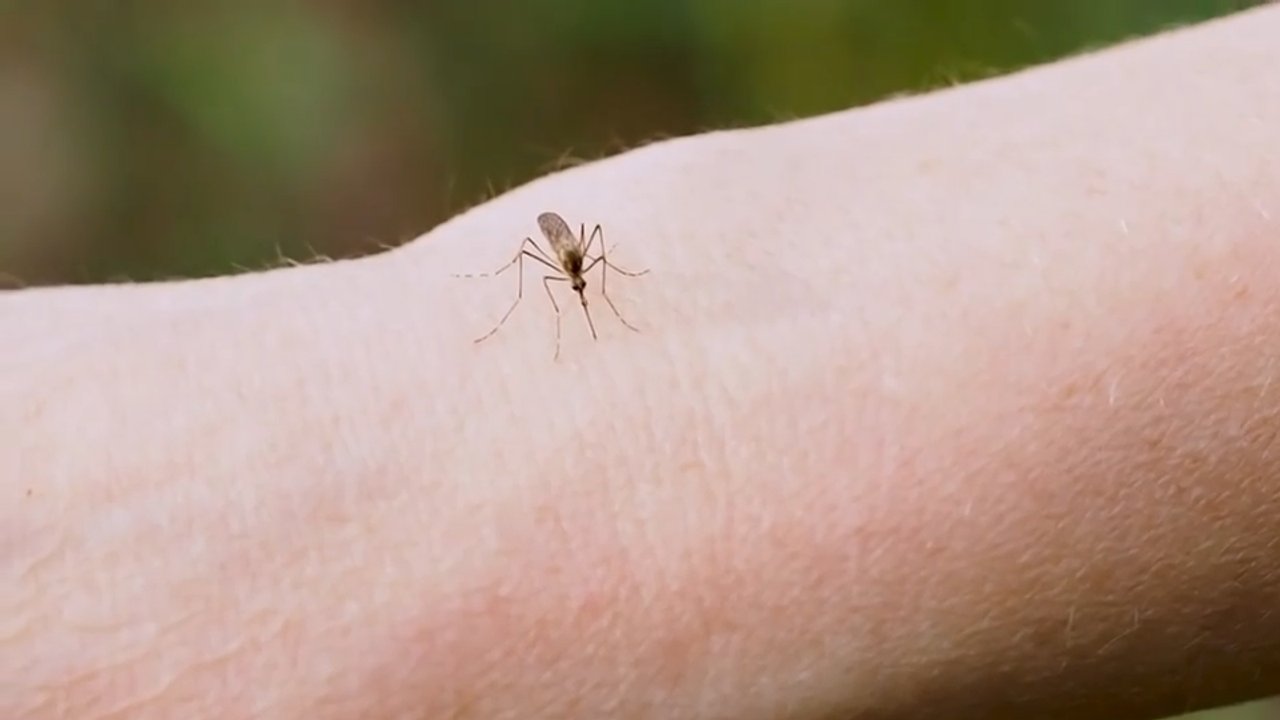
“Please, can we have more mosquitoes?” said nobody ever. Until now.
Maybe your method of mosquito control is to smack them as you see them, but what if we told you that the way to get rid of mosquitos might actually be… more mosquitoes? Hundreds of thousands of mosquitoes are being deliberately released around Washington, D.C. with the goal to reduce the mosquito population.
One crucial part is that the released insects are male mosquitoes, which actually do not bite people. Another important piece is that they’ve been infected with a bacterium called Wolbachia. When these male mosquitoes mate with females, the Wolbachia prevents the eggs from hatching.
This “fight fire with fire” method of mosquito control is new in the United States, but similar approaches have already been used elsewhere. Places like Singapore have reduced mosquito populations by roughly 80–90%.
The issue may become increasingly important as climate change allows mosquitoes to thrive in more temperate areas. That's not just annoying (and itchy), but it can also be dangerous. In fact, mosquitoes are the deadliest animal in the world because they’re notorious carriers of diseases.
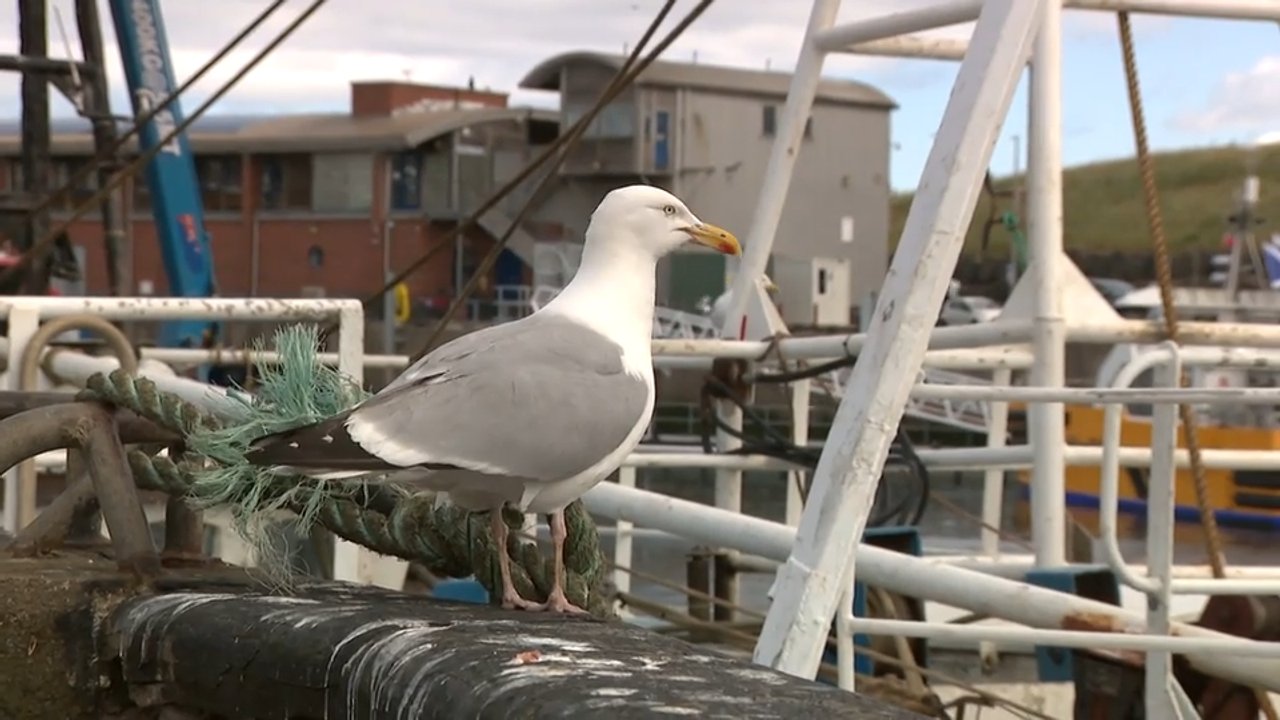
Noisy, messy, and always after your snacks: that's how a lot of people think of seagulls. But Patrick Safford, Scotland's first "gull ranger," says the birds are misunderstood.
Patrick works in Eyemouth, a seaside town in Scotland, which is part of the United Kingdom. His job is to teach residents and visitors how to live alongside gulls. He admits some gulls can be a problem, swooping at people and grabbing food. But he says those birds are a small minority. He estimates only about one in four gulls is bold enough to steal food.
Gulls also need protecting. Some species are now red-listed in the UK, meaning they're among the birds of greatest conservation concern because their numbers are falling fast. Much of that decline is caused by humans.
Patrick's advice for avoiding trouble with gulls is simple: don't feed them, keep food covered, throw trash away properly, and use gull-proof bins. Local leaders have also proposed a bylaw, a rule made by a town or local council, that would make feeding gulls illegal.
Officials in other places are watching to see whether changing how people behave can reduce problems with gulls. If it works, more towns could hire gull rangers of their own.

Over the next few months, scrolling on your phone may look a little different. That’s because Meta, the company behind Facebook and Instagram, has been facing more pressure over claims that its platforms harm young people, and both citizens and the legal system have been demanding a change that has landed Meta in a lawsuit.
A judge in New Mexico did not hold back on criticizing harmful content, declaring Meta’s platforms a "public nuisance" and comparing the company to a factory creating toxic pollution. Yikes. The court also called out Meta for design features like infinite scroll, notifications, and recommendation algorithms that encourage people to stay online longer.
Meta was ordered to put a whopping $567 million into a five-year fund addressing harms. That’s on top of $375 million awarded earlier in the same case! But believe it or not, that’s not a ton of money for the company. The important part is not the money itself, but the indication that people are demanding change and getting companies to listen. Meta isn’t just being asked to pay a fine but to actually make changes, like restricting contact with adults, limiting notifications, and placing limits on how long people under 18 can spend on Facebook and Instagram.
Meta strongly disputes the ruling and plans to appeal, but the case has already set a larger question into motion about if tech companies should be held responsible not only for what users post but also how their platforms are designed.

On August 26, a massive avalanche of ice and rock broke loose high in the Himalayas, the world's tallest mountain range, which stretches across several countries in Asia. It happened near the border between Nepal and Tibet. Part of a glacier, a huge mass of ice that builds up over hundreds or thousands of years, collapsed.
The avalanche set off a flash flood. That's a flood that starts within hours of its cause, like heavy rain or, in this case, a glacier collapse. Because the water arrives so quickly and with so much force, people have little or no time to prepare or get to safety.
The water surged down the Trishuli River, which flows out of the mountains and into Nepal. It tore through towns, swept away cars and buses, knocked down bridges, and destroyed a dam that was still being built. Many people were killed, and many more are still missing.
Journalists at BBC Verify, a BBC team that investigates news events using videos, photos, and data, rebuilt the flood's path. They used videos filmed on the ground and satellite images, which are pictures of Earth taken from space. The footage shows how fast the water moved. In some places, people had only moments to escape.
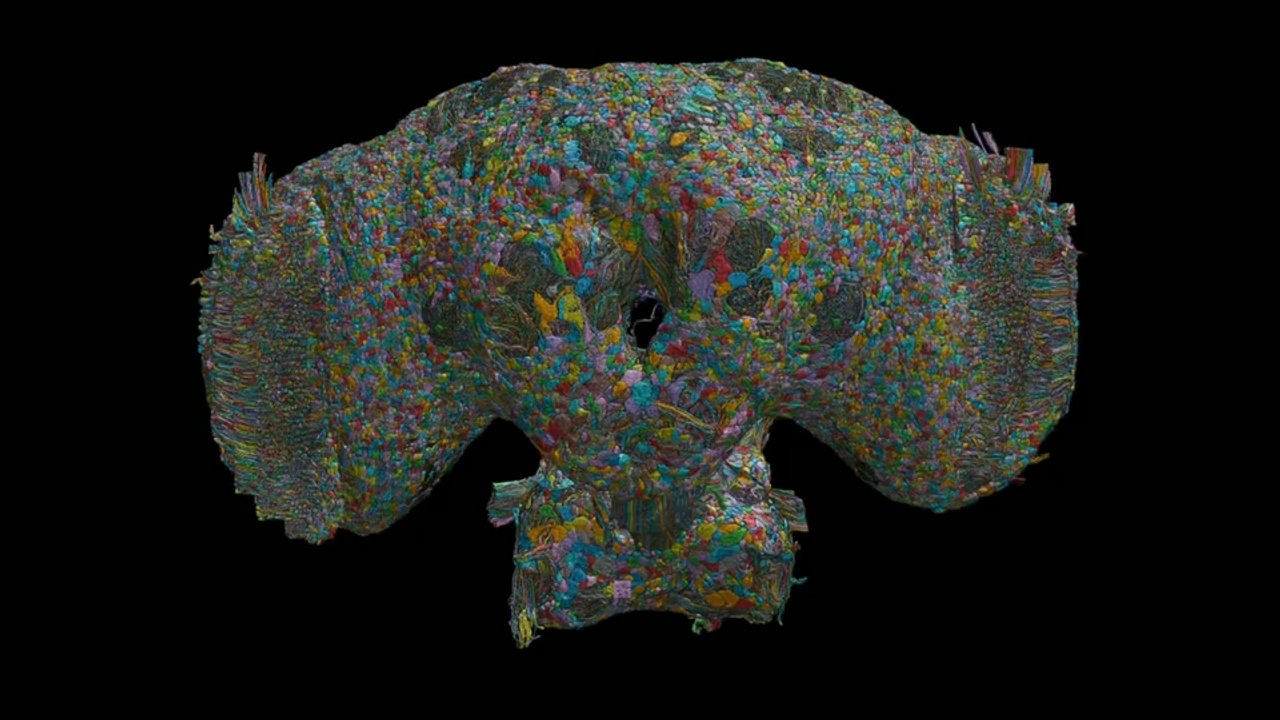
“Beautiful on the inside” may be weirdly appropriate for bugs, considering the 3D map of the male fruit fly brain and nervous system more closely resembles a museum-worthy mosaic or a bowl of fruity cereal than the tiny nuisance you’re used to seeing flying around your apples. Scientists recently created this colorful detailed map by slicing and analyzing every nerve cell with an electron microscope — that’s a microscope that uses accelerated electrons instead of visible light to produce images that can be both extremely magnified and incredibly clear at the same time.
The same team previously mapped a female fly brain a couple of years ago and compared the male and female brains to see that roughly 95% of their brain wiring was similar, while about 5% differed.
But those small differences make for some big differences in behavior, including courtship, aggression, detecting competitors, and producing a “love song” by beating the wings.
It's not news (to these scientists, at least) that just two genes were linked to these behaviors, but comparing these 3D maps helped them learn more about the connection between those genes and the specific brain circuits producing the behavior.
Researchers hope the same logic around connecting genes to brain wiring to behavior can eventually be applied to other animals and maybe even humans! This might help scientists investigate conditions with strong genetic influences, including schizophrenia and autism.
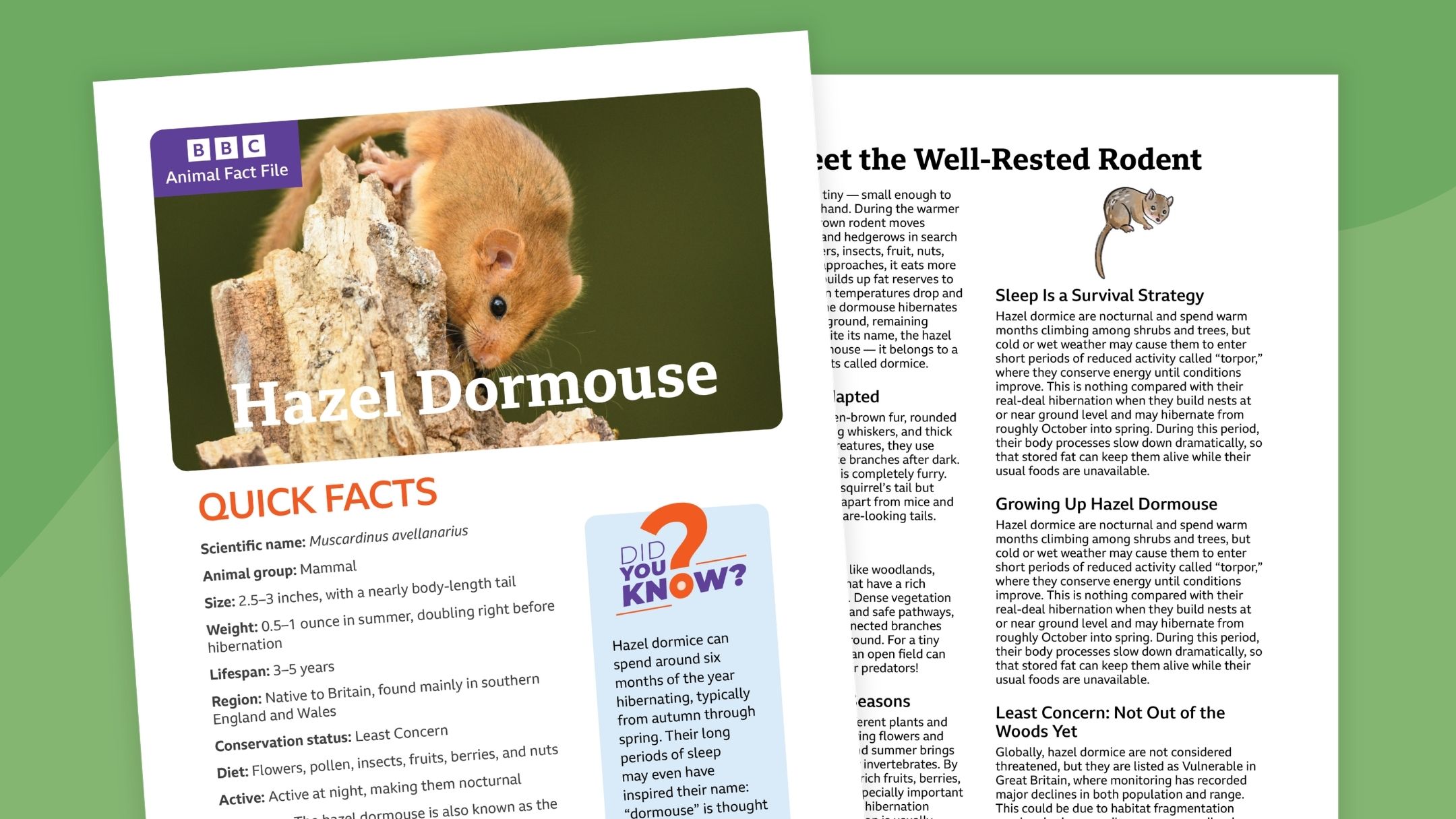
Could you sleep for six months and still have plenty of energy when you wake up? The hazel dormouse does just that, spending much of the colder part of the year in hibernation.
This tiny golden-brown rodent spends the warmer months climbing through trees and hedgerows, eating flowers, insects, berries, and nuts before preparing for winter. Discover how a dormouse’s furry tail and large eyes help it navigate after dark, why autumn is a race to build up energy reserves, and how its long winter sleep helps it survive when food is scarce. You'll also find out why these little climbers need connected woodlands and hedgerows to thrive.
Teachers and parents, you can use this fact file to:
- Introduce an animal, wildlife, or life science unit
- Support nonfiction reading and vocabulary practice
- Explore animal adaptations, behaviors, and habitats
- Compare animals and the ecosystems they live in
- Practice finding and organizing information from nonfiction texts
- Prepare students for animal research projects or presentations (use our animal report templates!)
- Connect science learning to conservation and environmental issues
- Pair with videos, articles, or other informational texts (see Related Resources below)
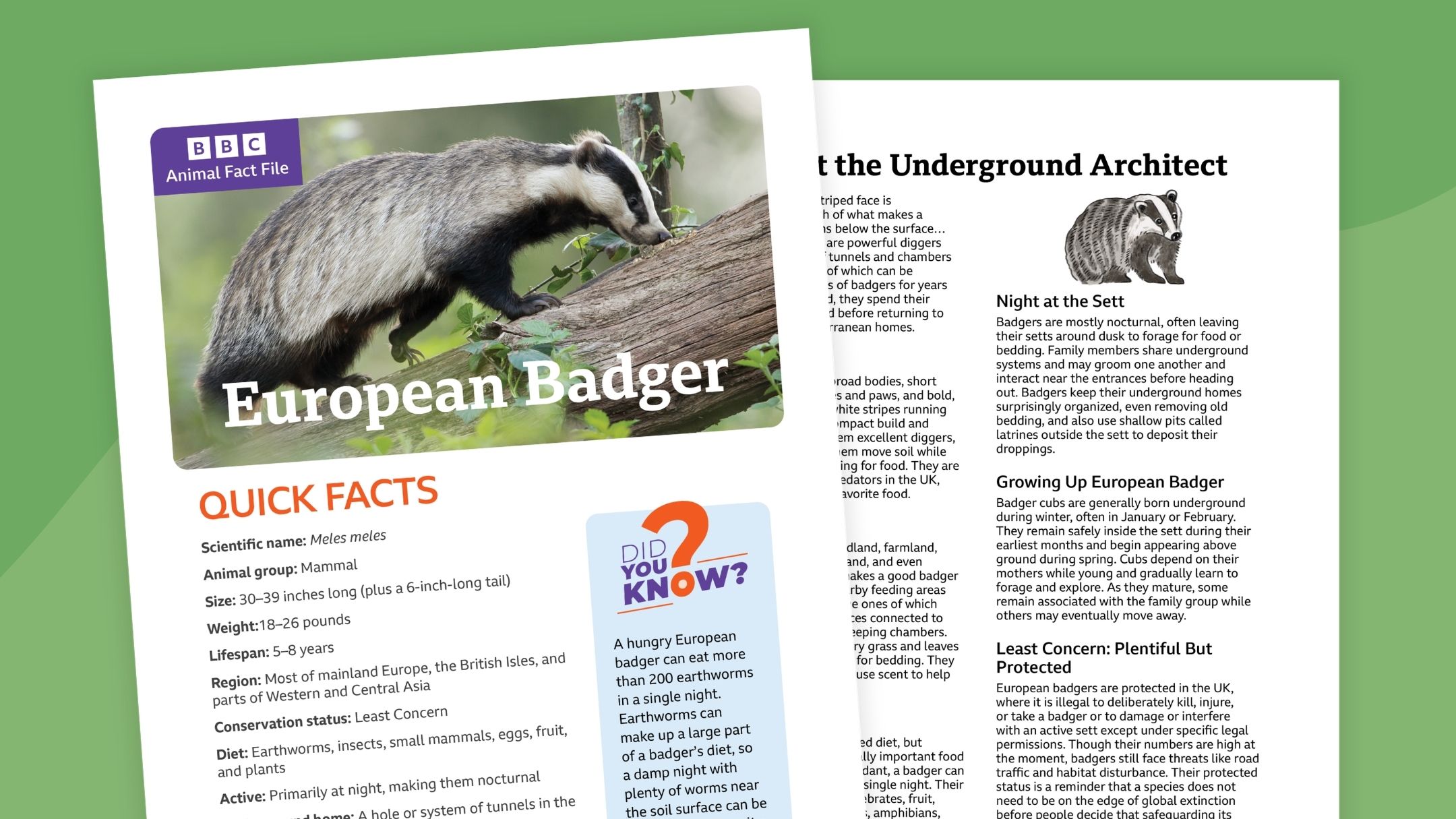
How many earthworms could a hungry badger eat in one night? More than 200 — and that’s just one of the surprising things about this underground-dwelling mammal.
Meet the European badger, a powerful digger that spends its days below ground and its nights exploring above it. Take a look inside a badger’s sett, discover how its strong claws and keen sense of smell help it find food, and find out why earthworms are such an important part of its diet. You'll also learn how badger families live together, raise their cubs, and keep their underground homes in order.
Teachers and parents, you can use this fact file to:
- Introduce an animal, wildlife, or life science unit
- Support nonfiction reading and vocabulary practice
- Explore animal adaptations, behaviors, and habitats
- Compare animals and the ecosystems they live in
- Practice finding and organizing information from nonfiction texts
- Prepare students for animal research projects or presentations (use our animal report templates!)
- Connect science learning to conservation and environmental issues
- Pair with videos, articles, or other informational texts (see Related Resources below)
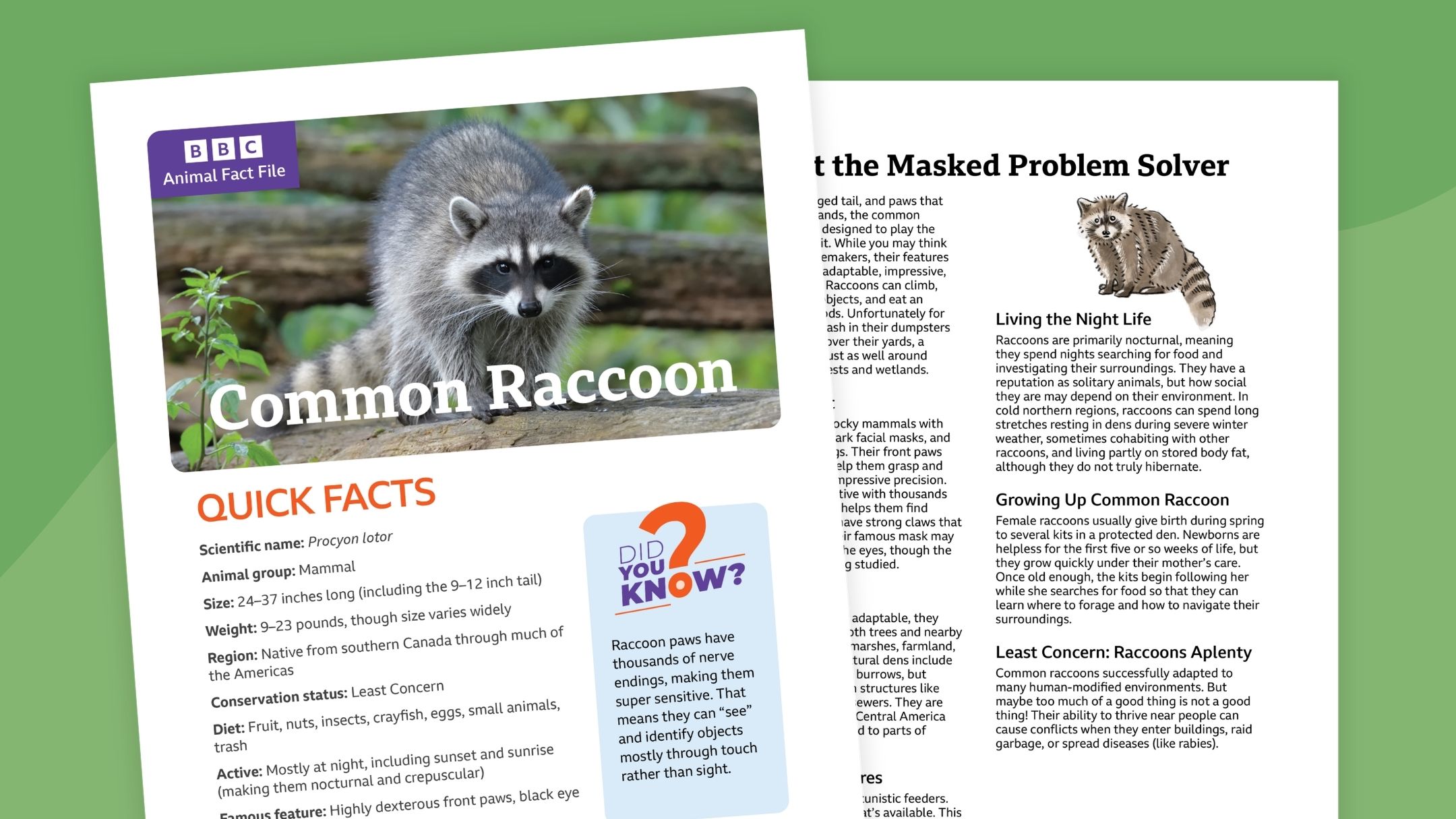
How can an animal identify what it’s holding without even looking at it? For the common raccoon, the answer is all in its paws.
Raccoons are equipped with remarkably sensitive front paws that help them explore, handle food, and investigate their surroundings. Find out how these dexterous mammals use touch, climbing skills, and an anything-goes diet to thrive in forests, wetlands, and neighborhoods. You'll also discover why raccoons sometimes seem to “wash” their food, where they sleep during the day, and how their adaptability can create both opportunities and challenges when they live near people.
Teachers and parents, you can use this fact file to:
- Introduce an animal, wildlife, or life science unit
- Support nonfiction reading and vocabulary practice
- Explore animal adaptations, behaviors, and habitats
- Compare animals and the ecosystems they live in
- Practice finding and organizing information from nonfiction texts
- Prepare students for animal research projects or presentations (use our animal report templates!)
- Connect science learning to conservation and environmental issues
- Pair with videos, articles, or other informational texts (see Related Resources below)
Meet nine wild animals that live in forests, parks, gardens, and neighborhoods: the red fox, white-tailed deer, mallard duck, striped skunk, eastern grey squirrel, raccoon, European badger, hedgehog, and hazel dormouse.
Click on each animal's picture to watch a short video, then click on its name for a fact about what makes it unusual, from its senses and behavior to the ways it has adapted to survive.
Some of these animals may live near you, while others are much harder to spot. Along the way, you'll learn how each one finds food, raises its young, avoids predators, and makes use of the habitat around it.
For Teachers and Parents:
Woodland Animals works well as an introduction to habitats and adaptations or as a self-guided activity for students working on their own or in pairs. Here are a few ways to use it:
- Before exploring: Ask students which of the nine animals they've seen in real life and where. It's a quick way to connect the lesson to their own surroundings.
- While exploring: Have students record one adaptation for each animal, such as a special sense, body feature, or behavior, and how it helps the animal survive.
- After exploring: Ask students to sort the animals by what they eat, when they're active, or how they avoid predators. They can then compare animals that share a habitat but survive in different ways.
- Extension: Some of these animals live in North America, some in Europe, and some in both. Students can research which ones live in their region and why others don't.
Computer chips (the tech kind, not the potato kind) normally work by moving electrons, tiny particles that carry electricity. Wave Photonics, a company based in Cambridge, England, is designing chips that use photons instead. Photons are particles of light.
Chips that use light can carry more information while using less energy. That makes them especially useful for AI data centers, the huge buildings full of computers that power tools like chatbots, and for quantum computers. They're part of a wider push to make quantum technology smaller and practical enough to build in large numbers. The industry is growing so quickly that Wave Photonics plans to double its staff.
Quantum computers are hard to build, but they could be worth the effort. They use the strange rules of quantum mechanics, the science of how the tiniest particles behave. That lets them tackle certain problems in a completely different way from ordinary computers. For some tasks, they could one day be far faster than even today's most powerful machines.
In the early days of the industry, governments were cautious and mostly bought from companies with a proven track record. Now they're more willing to take chances on newer companies.
If quantum computing keeps growing, it could eventually change fields like medicine, by helping scientists design new drugs, and finance. It could also become a bigger part of the economy.
Forests store huge amounts of carbon, likely hundreds of billions of tons. One metric ton is about 2,200 pounds, so hundreds of billions of tons is... let's just say it's a lot. Because trees pull carbon dioxide out of the air and lock it away, forests play a major role in controlling Earth's climate.
To figure out how much carbon a forest holds, scientists can measure individual trees, like how wide the trunk is and how tall the tree grows. But nobody can take a tape measure to millions of square miles of forest, and "a whole bunch" isn't a scientific measurement.
That's where new technology comes in. In 2025, the European Space Agency, which runs space missions for a group of European countries, launched a satellite called Biomass. It uses radar with extra-long wavelengths. The longer the wavelength, the more easily radar can pass through leaves and small branches and pick up bigger things, like trunks and large branches, which hold most of a tree's carbon.
Most earlier satellites, like many launched by NASA, the U.S. space agency, are optical. They work like cameras, capturing sunlight reflected off the treetops. That's useful for seeing where forests are, but it mostly shows the top layer. Radar can reveal what's underneath. It can help scientists estimate how much wood a forest holds, spot deforestation, and study flooded forests that are hard to reach. Scientists then check the satellite data against measurements taken from planes and on the ground.
Another tool is LiDAR, short for Light Detection and Ranging. It sends out pulses of laser light and measures how long they take to bounce back, building detailed 3D maps of forests. Some are precise enough to show individual twigs and leaves. LiDAR isn't new, but it produces enormous amounts of data. Artificial intelligence is now making that data much faster to process, turning LiDAR into a more practical tool for studying forests.
According to the Met Office, the UK's national weather and climate service, people may be getting a little too relaxed about the weather. Conditions that once would have seemed extreme are starting to feel normal.
2025 was the UK's hottest year since records began in 1884. Four of the last five years now rank among the five hottest on record. In southeast England, the hottest day of the year is now about 4.5°C (about 8°F) warmer on average than it was in the 1960s.
This is about more than buying extra fans. Scientists are also worried about changes in the Atlantic Ocean. Normally, warm, salty water flows north from the tropics — the hot region near the equator — and passes the UK. This keeps the UK's weather milder than you'd expect for a country so far north. Near Greenland, a huge icy island in the North Atlantic, the water cools, gets heavier, sinks, and flows back south.
At least, that's how it's supposed to work. There are signs this current may be slowing down. If it weakens a lot, the UK could lose some of that warmth. That could bring colder winters and even bigger swings in the weather, on top of the heat.
“Please, can we have more mosquitoes?” said nobody ever. Until now.
Maybe your method of mosquito control is to smack them as you see them, but what if we told you that the way to get rid of mosquitos might actually be… more mosquitoes? Hundreds of thousands of mosquitoes are being deliberately released around Washington, D.C. with the goal to reduce the mosquito population.
One crucial part is that the released insects are male mosquitoes, which actually do not bite people. Another important piece is that they’ve been infected with a bacterium called Wolbachia. When these male mosquitoes mate with females, the Wolbachia prevents the eggs from hatching.
This “fight fire with fire” method of mosquito control is new in the United States, but similar approaches have already been used elsewhere. Places like Singapore have reduced mosquito populations by roughly 80–90%.
The issue may become increasingly important as climate change allows mosquitoes to thrive in more temperate areas. That's not just annoying (and itchy), but it can also be dangerous. In fact, mosquitoes are the deadliest animal in the world because they’re notorious carriers of diseases.
Noisy, messy, and always after your snacks: that's how a lot of people think of seagulls. But Patrick Safford, Scotland's first "gull ranger," says the birds are misunderstood.
Patrick works in Eyemouth, a seaside town in Scotland, which is part of the United Kingdom. His job is to teach residents and visitors how to live alongside gulls. He admits some gulls can be a problem, swooping at people and grabbing food. But he says those birds are a small minority. He estimates only about one in four gulls is bold enough to steal food.
Gulls also need protecting. Some species are now red-listed in the UK, meaning they're among the birds of greatest conservation concern because their numbers are falling fast. Much of that decline is caused by humans.
Patrick's advice for avoiding trouble with gulls is simple: don't feed them, keep food covered, throw trash away properly, and use gull-proof bins. Local leaders have also proposed a bylaw, a rule made by a town or local council, that would make feeding gulls illegal.
Officials in other places are watching to see whether changing how people behave can reduce problems with gulls. If it works, more towns could hire gull rangers of their own.
Over the next few months, scrolling on your phone may look a little different. That’s because Meta, the company behind Facebook and Instagram, has been facing more pressure over claims that its platforms harm young people, and both citizens and the legal system have been demanding a change that has landed Meta in a lawsuit.
A judge in New Mexico did not hold back on criticizing harmful content, declaring Meta’s platforms a "public nuisance" and comparing the company to a factory creating toxic pollution. Yikes. The court also called out Meta for design features like infinite scroll, notifications, and recommendation algorithms that encourage people to stay online longer.
Meta was ordered to put a whopping $567 million into a five-year fund addressing harms. That’s on top of $375 million awarded earlier in the same case! But believe it or not, that’s not a ton of money for the company. The important part is not the money itself, but the indication that people are demanding change and getting companies to listen. Meta isn’t just being asked to pay a fine but to actually make changes, like restricting contact with adults, limiting notifications, and placing limits on how long people under 18 can spend on Facebook and Instagram.
Meta strongly disputes the ruling and plans to appeal, but the case has already set a larger question into motion about if tech companies should be held responsible not only for what users post but also how their platforms are designed.
On August 26, a massive avalanche of ice and rock broke loose high in the Himalayas, the world's tallest mountain range, which stretches across several countries in Asia. It happened near the border between Nepal and Tibet. Part of a glacier, a huge mass of ice that builds up over hundreds or thousands of years, collapsed.
The avalanche set off a flash flood. That's a flood that starts within hours of its cause, like heavy rain or, in this case, a glacier collapse. Because the water arrives so quickly and with so much force, people have little or no time to prepare or get to safety.
The water surged down the Trishuli River, which flows out of the mountains and into Nepal. It tore through towns, swept away cars and buses, knocked down bridges, and destroyed a dam that was still being built. Many people were killed, and many more are still missing.
Journalists at BBC Verify, a BBC team that investigates news events using videos, photos, and data, rebuilt the flood's path. They used videos filmed on the ground and satellite images, which are pictures of Earth taken from space. The footage shows how fast the water moved. In some places, people had only moments to escape.
“Beautiful on the inside” may be weirdly appropriate for bugs, considering the 3D map of the male fruit fly brain and nervous system more closely resembles a museum-worthy mosaic or a bowl of fruity cereal than the tiny nuisance you’re used to seeing flying around your apples. Scientists recently created this colorful detailed map by slicing and analyzing every nerve cell with an electron microscope — that’s a microscope that uses accelerated electrons instead of visible light to produce images that can be both extremely magnified and incredibly clear at the same time.
The same team previously mapped a female fly brain a couple of years ago and compared the male and female brains to see that roughly 95% of their brain wiring was similar, while about 5% differed.
But those small differences make for some big differences in behavior, including courtship, aggression, detecting competitors, and producing a “love song” by beating the wings.
It's not news (to these scientists, at least) that just two genes were linked to these behaviors, but comparing these 3D maps helped them learn more about the connection between those genes and the specific brain circuits producing the behavior.
Researchers hope the same logic around connecting genes to brain wiring to behavior can eventually be applied to other animals and maybe even humans! This might help scientists investigate conditions with strong genetic influences, including schizophrenia and autism.
Could you sleep for six months and still have plenty of energy when you wake up? The hazel dormouse does just that, spending much of the colder part of the year in hibernation.
This tiny golden-brown rodent spends the warmer months climbing through trees and hedgerows, eating flowers, insects, berries, and nuts before preparing for winter. Discover how a dormouse’s furry tail and large eyes help it navigate after dark, why autumn is a race to build up energy reserves, and how its long winter sleep helps it survive when food is scarce. You'll also find out why these little climbers need connected woodlands and hedgerows to thrive.
Teachers and parents, you can use this fact file to:
- Introduce an animal, wildlife, or life science unit
- Support nonfiction reading and vocabulary practice
- Explore animal adaptations, behaviors, and habitats
- Compare animals and the ecosystems they live in
- Practice finding and organizing information from nonfiction texts
- Prepare students for animal research projects or presentations (use our animal report templates!)
- Connect science learning to conservation and environmental issues
- Pair with videos, articles, or other informational texts (see Related Resources below)
How many earthworms could a hungry badger eat in one night? More than 200 — and that’s just one of the surprising things about this underground-dwelling mammal.
Meet the European badger, a powerful digger that spends its days below ground and its nights exploring above it. Take a look inside a badger’s sett, discover how its strong claws and keen sense of smell help it find food, and find out why earthworms are such an important part of its diet. You'll also learn how badger families live together, raise their cubs, and keep their underground homes in order.
Teachers and parents, you can use this fact file to:
- Introduce an animal, wildlife, or life science unit
- Support nonfiction reading and vocabulary practice
- Explore animal adaptations, behaviors, and habitats
- Compare animals and the ecosystems they live in
- Practice finding and organizing information from nonfiction texts
- Prepare students for animal research projects or presentations (use our animal report templates!)
- Connect science learning to conservation and environmental issues
- Pair with videos, articles, or other informational texts (see Related Resources below)
How can an animal identify what it’s holding without even looking at it? For the common raccoon, the answer is all in its paws.
Raccoons are equipped with remarkably sensitive front paws that help them explore, handle food, and investigate their surroundings. Find out how these dexterous mammals use touch, climbing skills, and an anything-goes diet to thrive in forests, wetlands, and neighborhoods. You'll also discover why raccoons sometimes seem to “wash” their food, where they sleep during the day, and how their adaptability can create both opportunities and challenges when they live near people.
Teachers and parents, you can use this fact file to:
- Introduce an animal, wildlife, or life science unit
- Support nonfiction reading and vocabulary practice
- Explore animal adaptations, behaviors, and habitats
- Compare animals and the ecosystems they live in
- Practice finding and organizing information from nonfiction texts
- Prepare students for animal research projects or presentations (use our animal report templates!)
- Connect science learning to conservation and environmental issues
- Pair with videos, articles, or other informational texts (see Related Resources below)