BBC Learning Hub
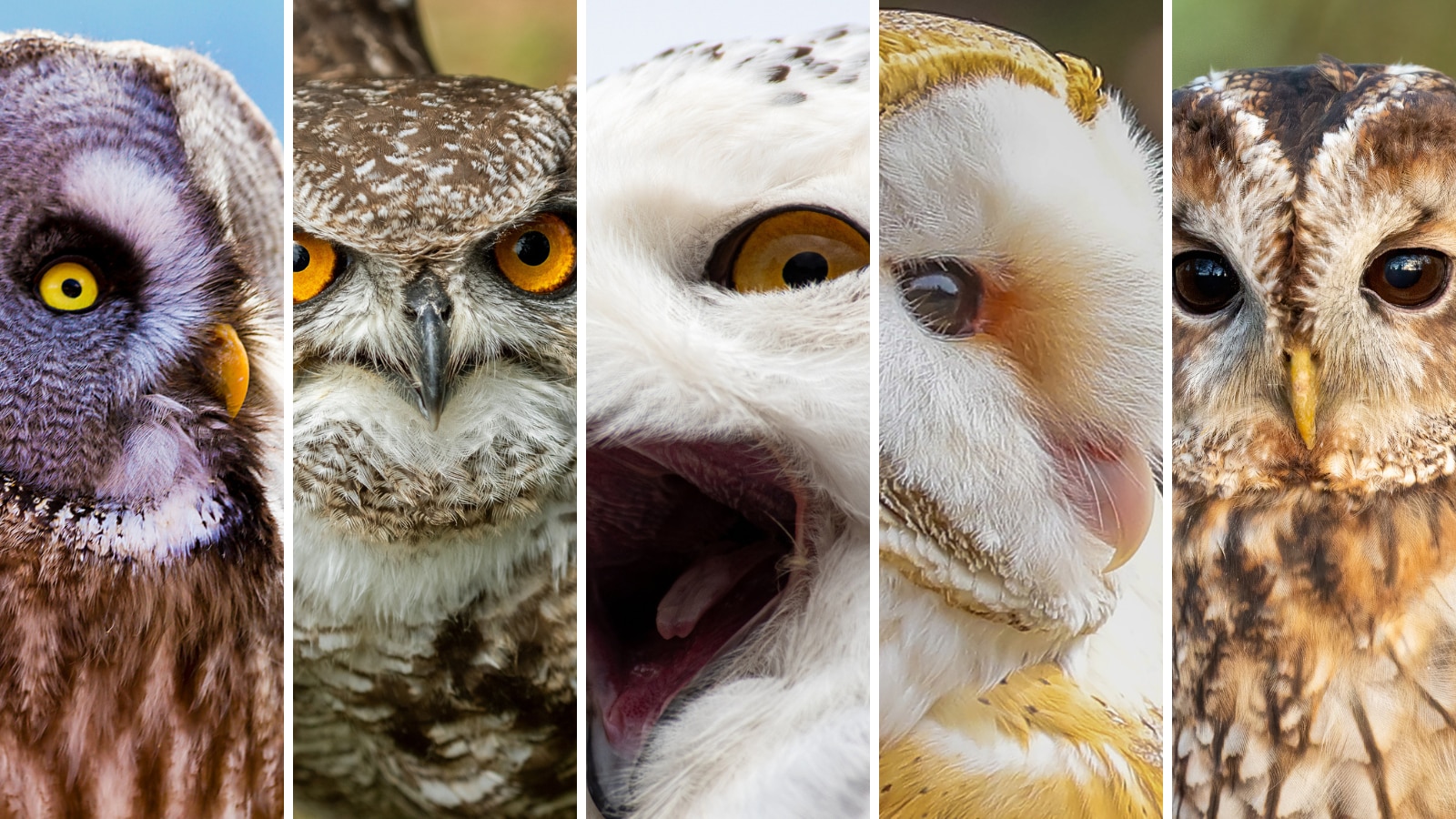
Step inside The Owlery and meet five owl species up close, in an interactive exploration for students ages 8–14
Every day, a smart BBC news story brings the world a little closer to your students
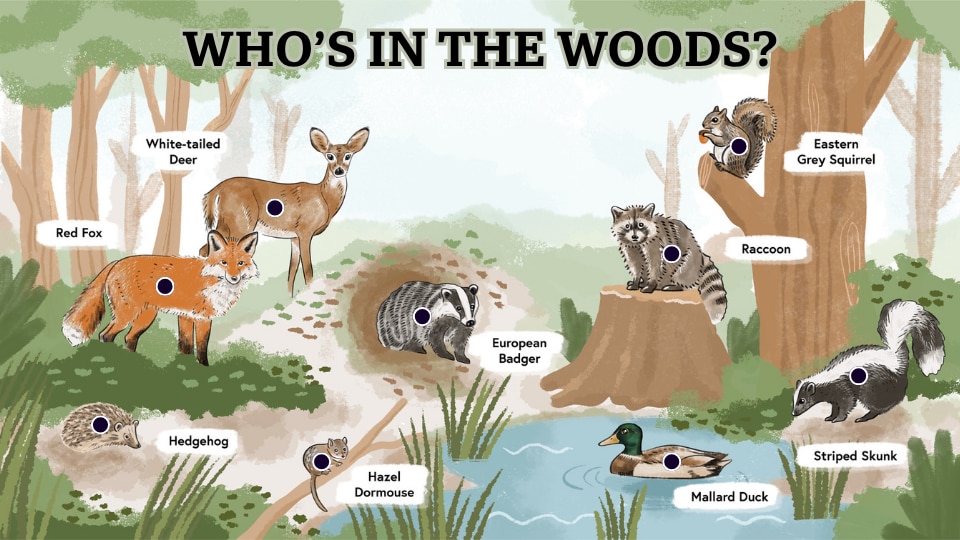
A fall interactive about the animals that live all around us! For students ages 8–14
Science/Environment
More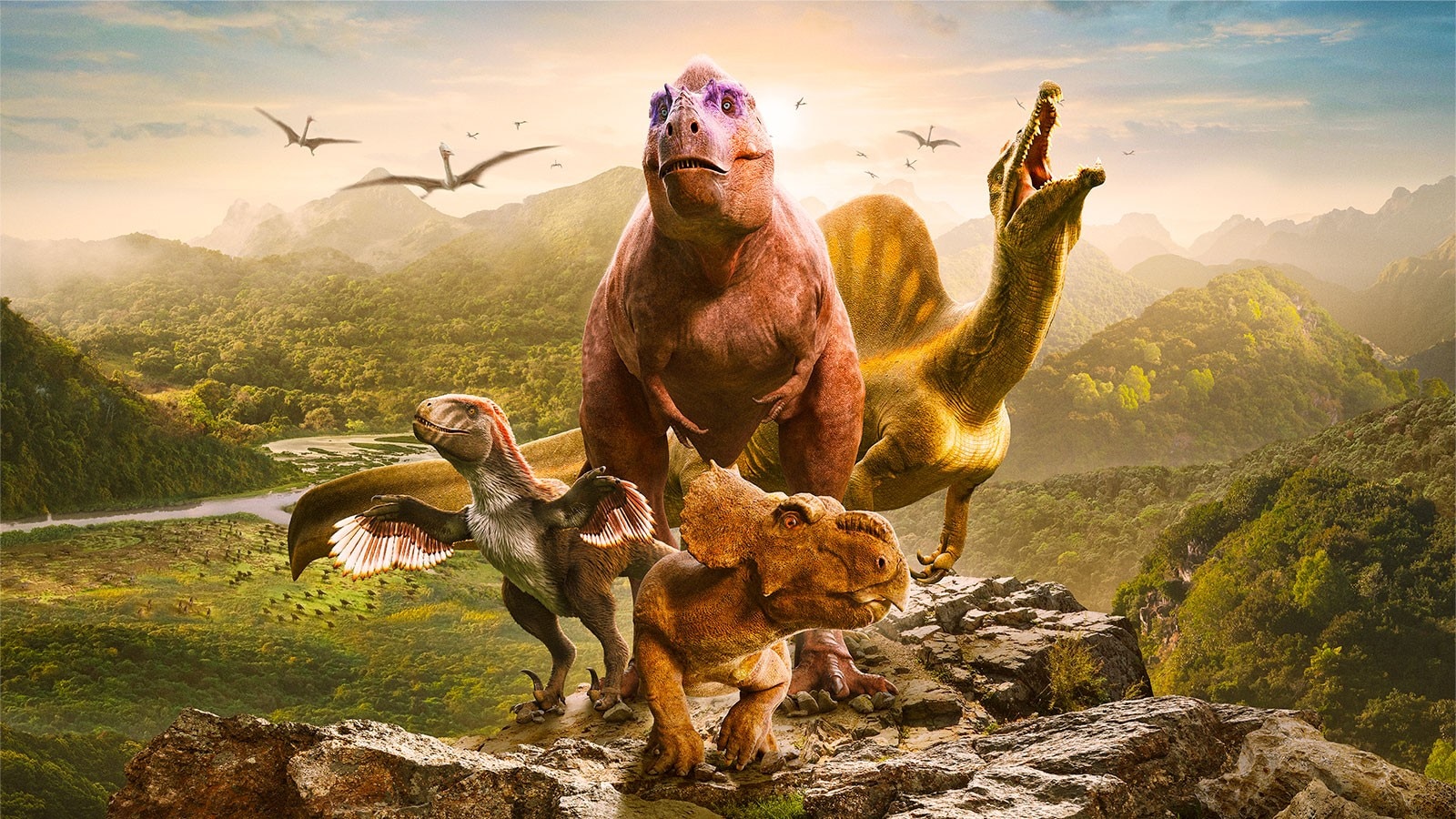
The greatest stories of all time are true.
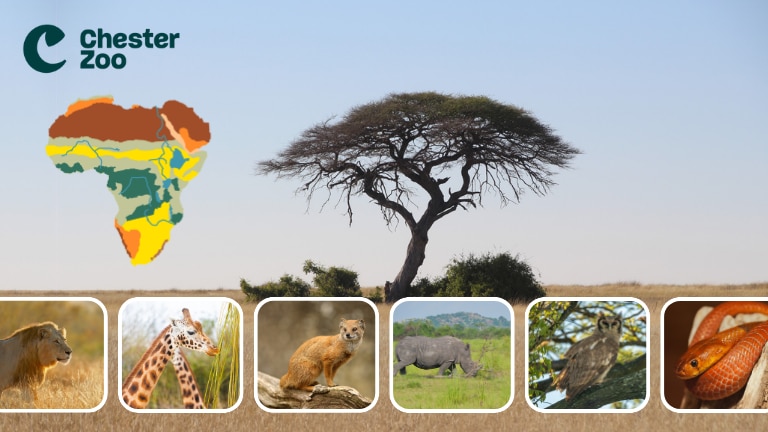
A cross-curricular journey through Africa for students ages 8–14
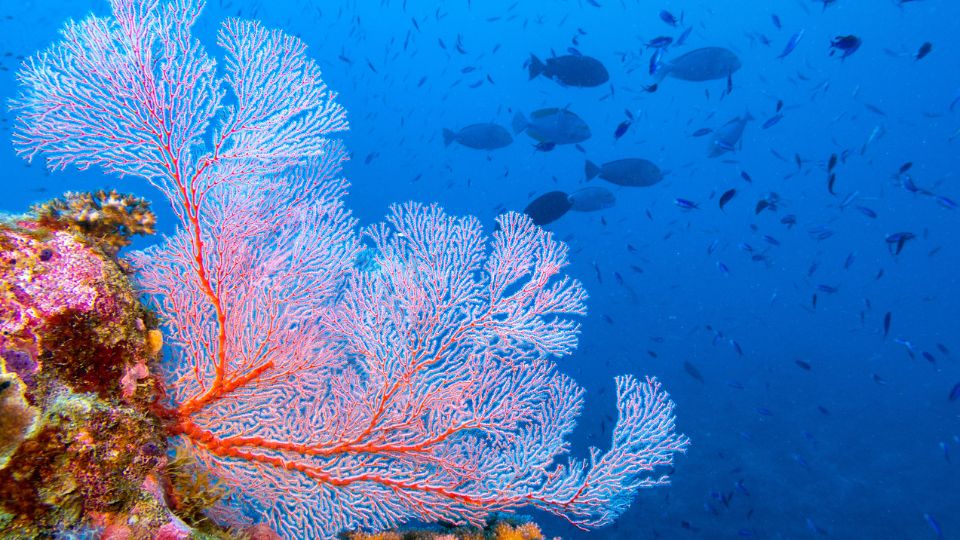
Dive beneath the waves and explore the colorful world of coral reefs and the amazing sea life they support. From bright tropical fish and graceful sea turtles to tiny coral polyps and color-changing cuttlefish, students will discover how reefs are home to some of the most diverse animal populations on Earth.
This Kahoot explores the rich ecosystems found in and around coral reefs, including the relationships between marine animals, food chains, and the special adaptations that help creatures survive underwater. Students will learn how reef animals find food, avoid predators, and depend on coral habitats for shelter and survival.
Watch the related BBC videos (below), then invite your Grade 3–8 students to test their knowledge and uncover the wonders of life beneath the sea.

The greatest stories of all time are true.
A cross-curricular journey through Africa for students ages 8–14
Dive beneath the waves and explore the colorful world of coral reefs and the amazing sea life they support. From bright tropical fish and graceful sea turtles to tiny coral polyps and color-changing cuttlefish, students will discover how reefs are home to some of the most diverse animal populations on Earth.
This Kahoot explores the rich ecosystems found in and around coral reefs, including the relationships between marine animals, food chains, and the special adaptations that help creatures survive underwater. Students will learn how reef animals find food, avoid predators, and depend on coral habitats for shelter and survival.
Watch the related BBC videos (below), then invite your Grade 3–8 students to test their knowledge and uncover the wonders of life beneath the sea.
History/Global Studies
More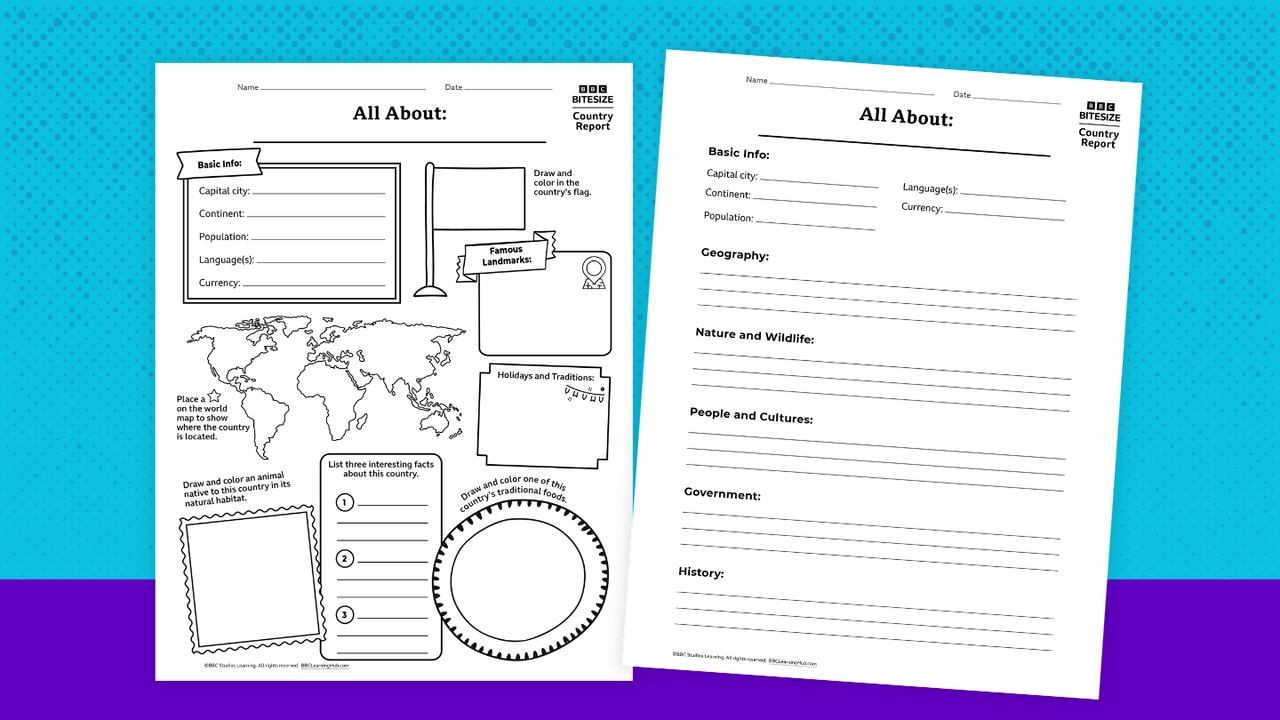
Turn your classroom into a global exploration hub! This country report template invites students in Grades 3–8 to become curious investigators — uncovering what makes each country unique and sharing their discoveries in creative ways.
Designed with flexibility in mind, the resource includes two approachable formats:
- Snapshot Style: A lively, visual option that’s perfect for quick learning or younger students. Learners can sketch, label, and highlight key features — like flags, landmarks, foods, and traditions — while building confidence with short responses.
- Explorer Style: A more in-depth format for students ready to dig deeper. It guides learners through topics such as geography, wildlife, culture, and history, helping them organize ideas and develop clear, informative writing.
Best of all, this template pairs seamlessly with BBC videos — bringing countries to life through real-world sights, sounds, and stories. Students can watch, wonder, and then weave what they’ve learned into their own reports.
Quick Teacher Tips: Use country studies as a springboard into wider learning across subjects:
- Geography: Map skills, climate zones, landforms, and ecosystems
- Language Arts: Informational writing, summarizing, note-taking, and presenting
- History: Key events, timelines, and how the past shapes the present
- Math: Population comparisons, distances, currency conversions
- Arts & Culture: Traditional patterns, music, celebrations, and food
- Current Events: Tie in informational reading and media literacy by exploring what’s happening in that country today in an age-appropriate way.
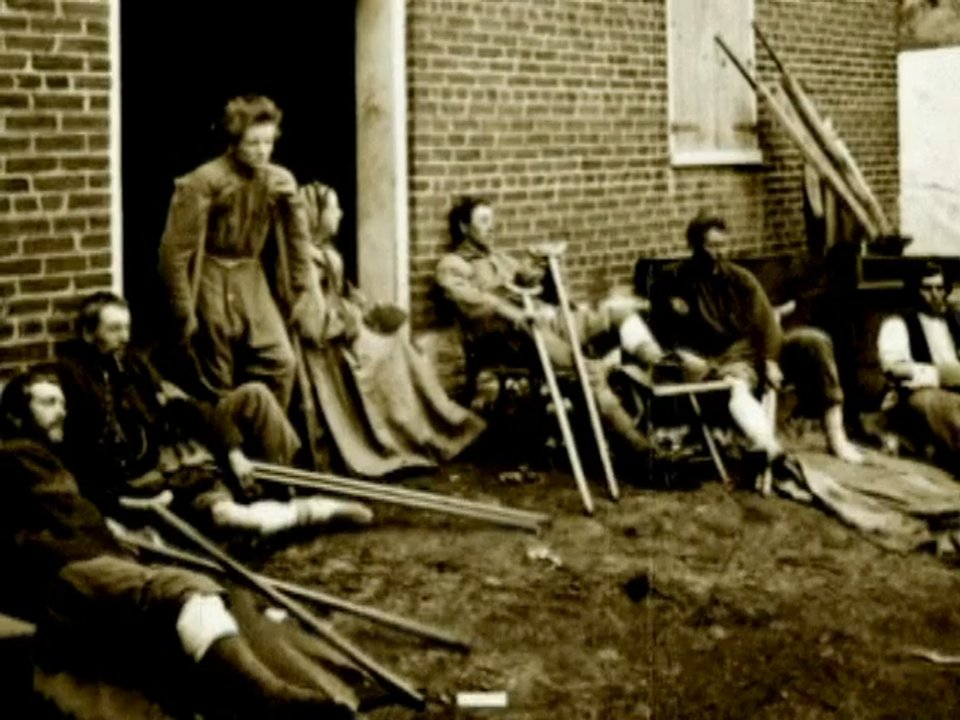
During the Civil War, weapons had advanced faster than battlefield medicine. Surgeons faced overwhelming numbers of wounded soldiers with limited training and few effective treatments. Anesthesia made surgery possible, but serious limb injuries often led to amputation, while infections remained a major threat.
Disease was an even greater danger. Twice as many soldiers died from disease as from battle wounds, as doctors did not yet understand the importance of sterile conditions and infection prevention. Military hospitals treated tens of thousands of wounded and sick soldiers, revealing the enormous human cost of the war.
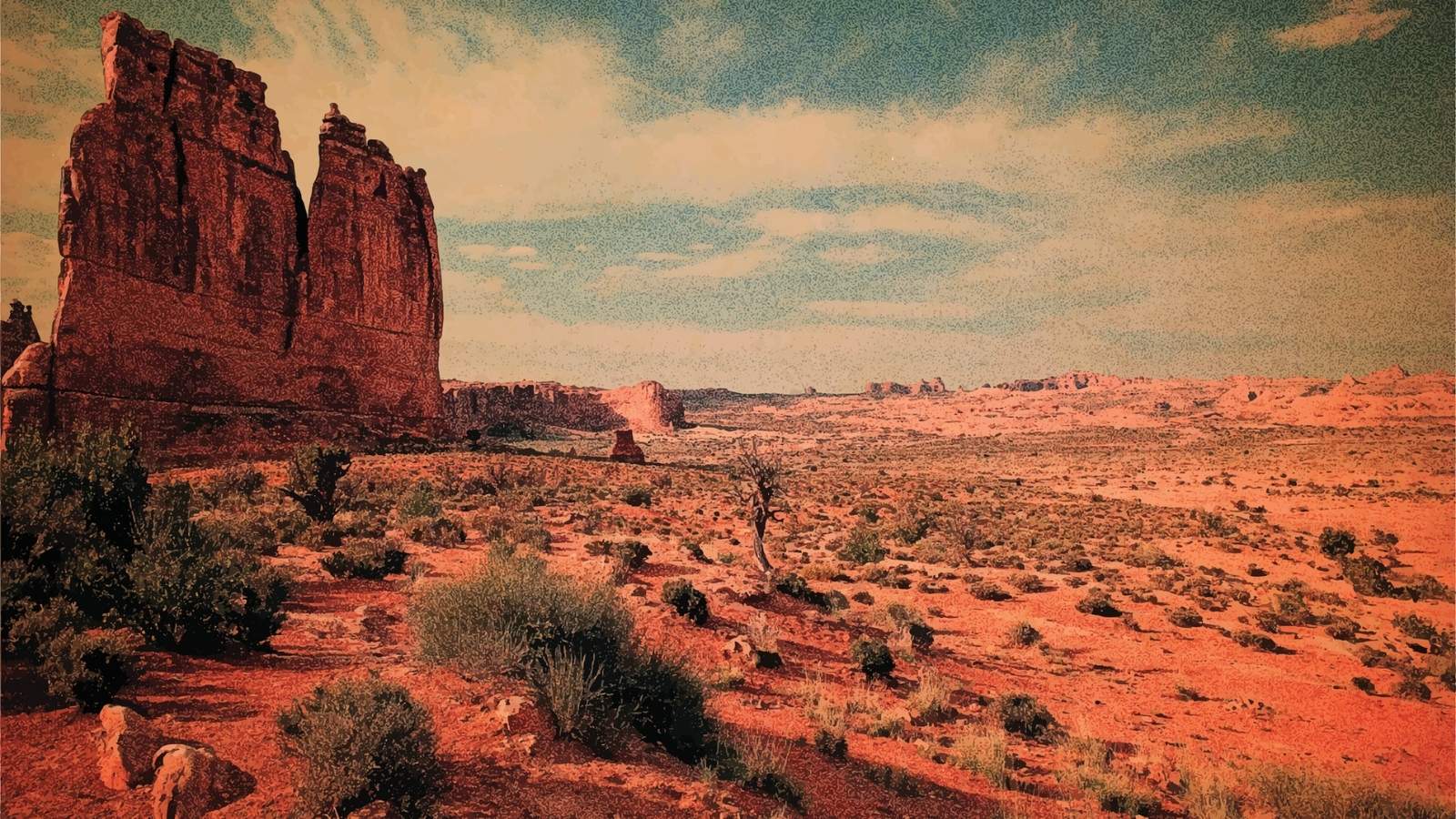
From the iconic Red Rock formations of Arches National Park in Utah and the majestic peaks of the Rocky Mountains, to the unique wetlands of the Everglades, journey through incredible landscapes. Encounter amazing animals like grizzly bears and bobcats, learn about the vital work of protecting ancient redwood forests, and discover how climate change is reshaping these precious wild spaces.
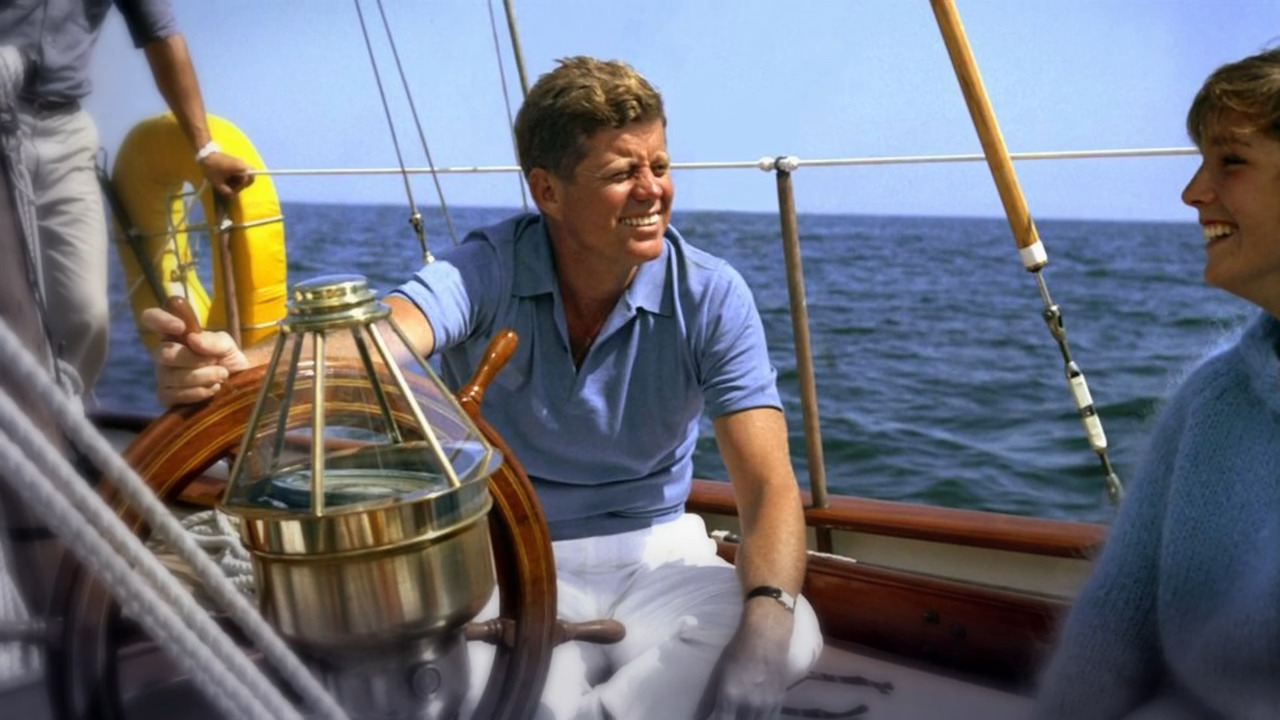
In JFK and the Cuban Myth, historian Lucy Worsley learns the truth about the Cuban Missile Crisis in 1962. The official belief was that JFK stood up to the Russians and ordered a blockade of Cuba, resulting in the withdrawal of Russian troops. The truth is, he made a deal to withdraw U.S. nuclear weapons from Turkey. This video is excerpted from BBC's American History's Biggest Fibs With Lucy Worsley, in which Worsley reveals the myths and manipulations behind American history.
Turn your classroom into a global exploration hub! This country report template invites students in Grades 3–8 to become curious investigators — uncovering what makes each country unique and sharing their discoveries in creative ways.
Designed with flexibility in mind, the resource includes two approachable formats:
- Snapshot Style: A lively, visual option that’s perfect for quick learning or younger students. Learners can sketch, label, and highlight key features — like flags, landmarks, foods, and traditions — while building confidence with short responses.
- Explorer Style: A more in-depth format for students ready to dig deeper. It guides learners through topics such as geography, wildlife, culture, and history, helping them organize ideas and develop clear, informative writing.
Best of all, this template pairs seamlessly with BBC videos — bringing countries to life through real-world sights, sounds, and stories. Students can watch, wonder, and then weave what they’ve learned into their own reports.
Quick Teacher Tips: Use country studies as a springboard into wider learning across subjects:
- Geography: Map skills, climate zones, landforms, and ecosystems
- Language Arts: Informational writing, summarizing, note-taking, and presenting
- History: Key events, timelines, and how the past shapes the present
- Math: Population comparisons, distances, currency conversions
- Arts & Culture: Traditional patterns, music, celebrations, and food
- Current Events: Tie in informational reading and media literacy by exploring what’s happening in that country today in an age-appropriate way.
During the Civil War, weapons had advanced faster than battlefield medicine. Surgeons faced overwhelming numbers of wounded soldiers with limited training and few effective treatments. Anesthesia made surgery possible, but serious limb injuries often led to amputation, while infections remained a major threat.
Disease was an even greater danger. Twice as many soldiers died from disease as from battle wounds, as doctors did not yet understand the importance of sterile conditions and infection prevention. Military hospitals treated tens of thousands of wounded and sick soldiers, revealing the enormous human cost of the war.
From the iconic Red Rock formations of Arches National Park in Utah and the majestic peaks of the Rocky Mountains, to the unique wetlands of the Everglades, journey through incredible landscapes. Encounter amazing animals like grizzly bears and bobcats, learn about the vital work of protecting ancient redwood forests, and discover how climate change is reshaping these precious wild spaces.
In JFK and the Cuban Myth, historian Lucy Worsley learns the truth about the Cuban Missile Crisis in 1962. The official belief was that JFK stood up to the Russians and ordered a blockade of Cuba, resulting in the withdrawal of Russian troops. The truth is, he made a deal to withdraw U.S. nuclear weapons from Turkey. This video is excerpted from BBC's American History's Biggest Fibs With Lucy Worsley, in which Worsley reveals the myths and manipulations behind American history.
BBC Newsroom
More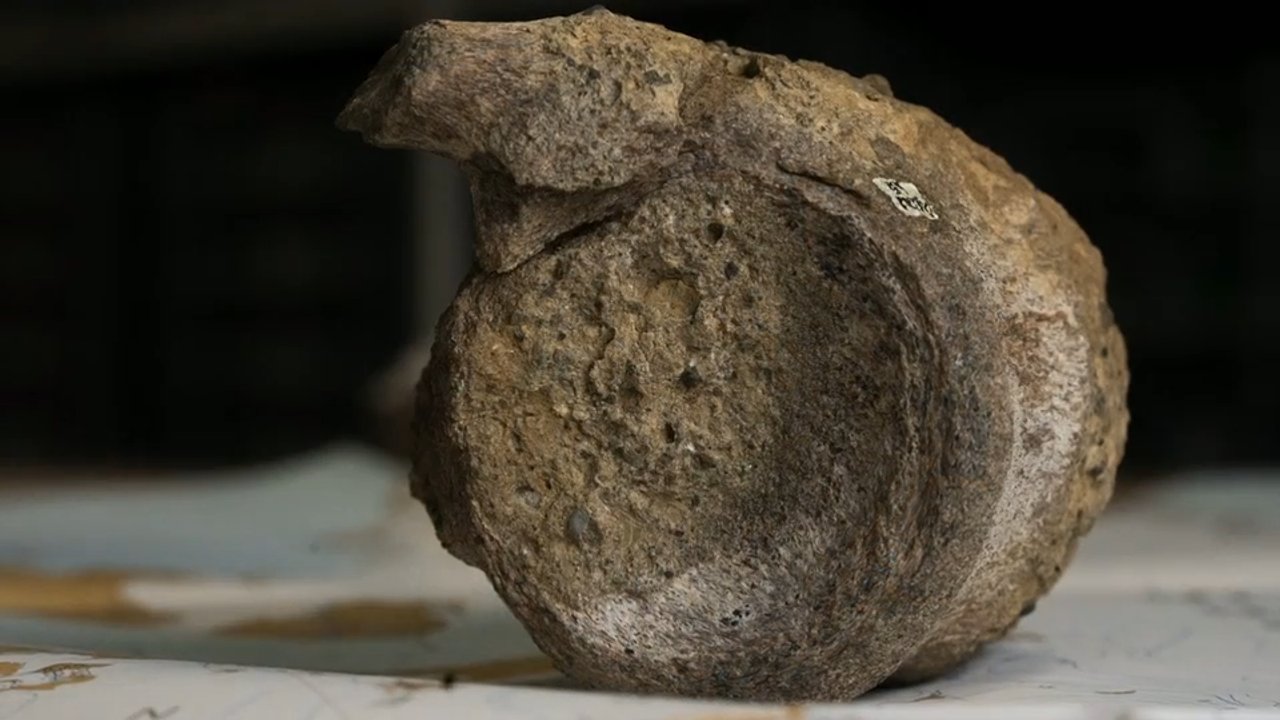
Sometimes a discovery doesn't happen in the field — it happens decades later, in a drawer.
In the 1980s, an Antarctic expedition recovered a fossil and recorded it simply as "vertebra of a large reptile" in a field notebook. That single line was all anyone knew about it for the next 40 years.
It wasn't until paleontologist Dr. Mark Evans revisited old research and notes that the fossil was properly identified — as the first dinosaur bone ever found in Antarctica. Its distinctive shape points to a Titanosaur, the largest dinosaur to ever walk the Earth.
The bone had been sitting in a collection the entire time. What changed wasn't the fossil — it was someone finally looking at it with the right knowledge asking the right questions.
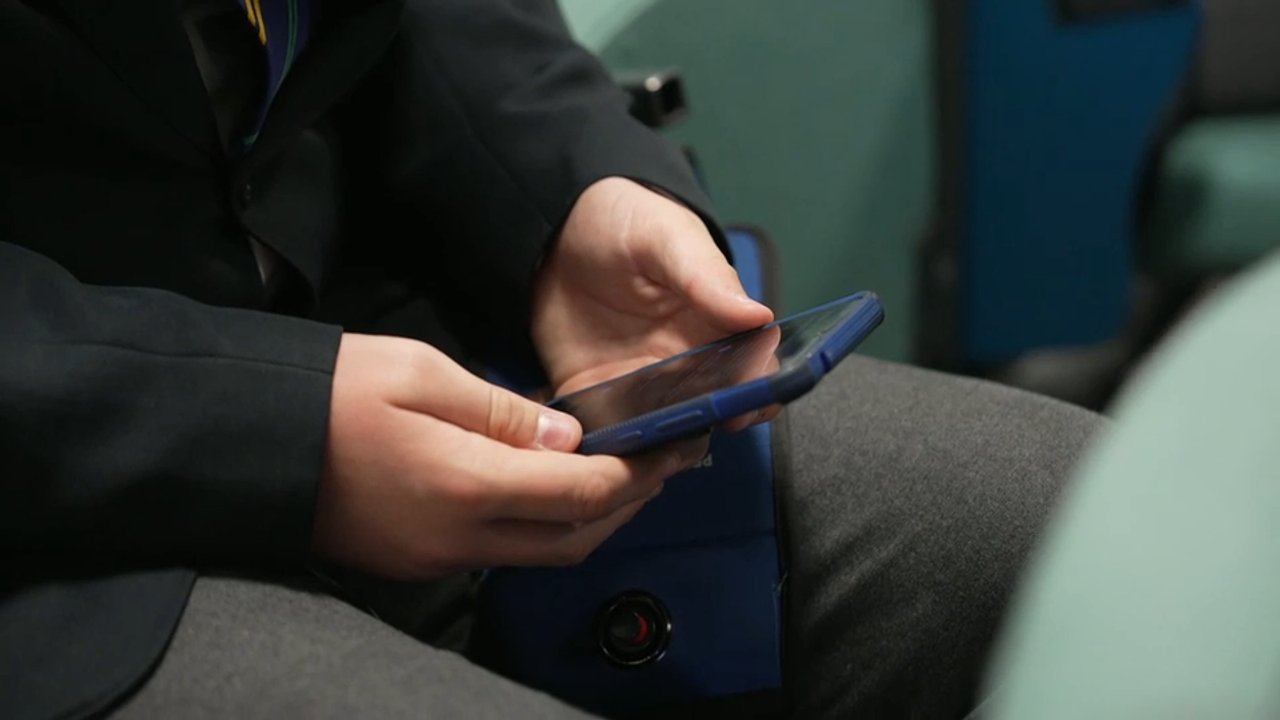
Some high school students recently swapped their smartphones for basic "brick" phones — the kind with no social media or apps, just texting, calling, and the classic game Snake.
The three-week experiment offered a preview of what life might look like once the UK's proposed ban on social media for under-16s takes effect next year. Calls to limit young people's social media use have been building for years, as critics argue some app features are designed to keep users scrolling. Some young people spend up to 20 hours a day on screens, which can affect sleep and time for schoolwork. Many students — along with their parents or carers — say they're struggling to manage screen time.
Feedback from the students was mixed. Some missed chatting with friends online and keeping up with trends. Others found they spent more time outdoors or with family and friends in person. Many said they didn't end up missing screen time as much as they expected.
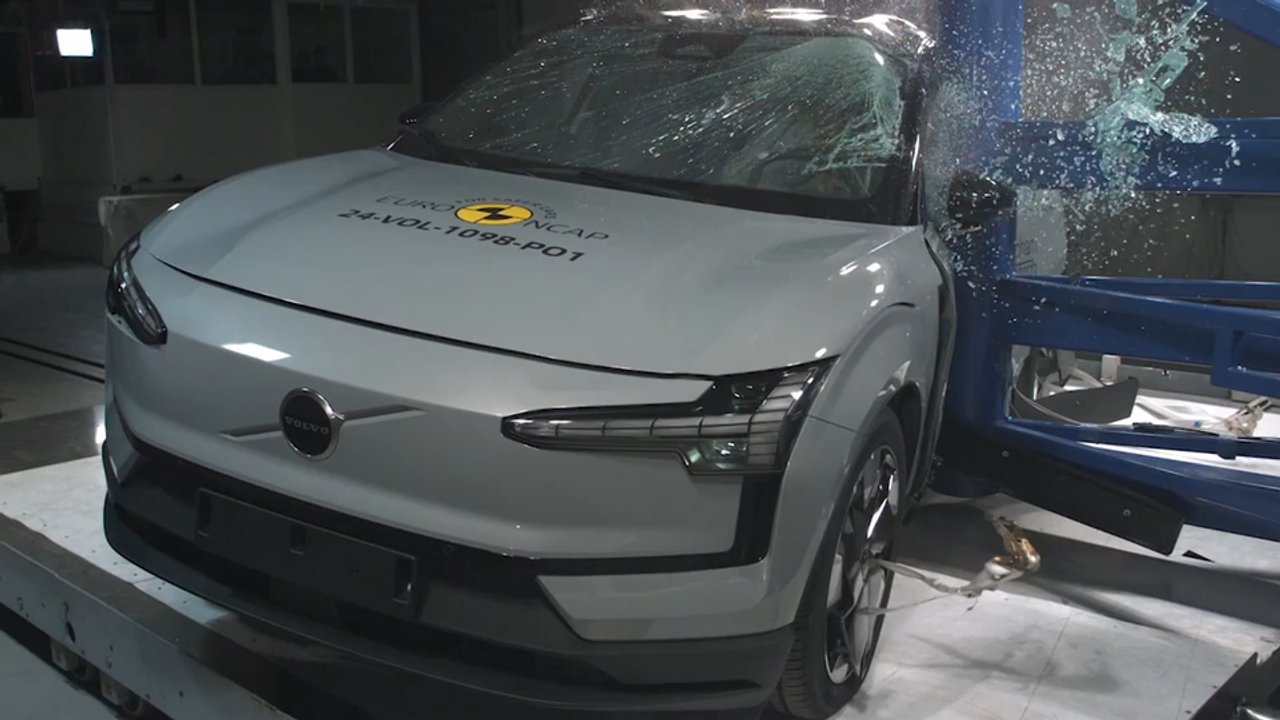
You’ve probably heard your parents (and everybody else) complain about insurance. And that’s fair, it’s expensive! Especially when it comes to electric cars, whose owners often pay higher more for insurance than drivers of more conventional cars. But why is that? Why are people being punished for trying to use less gas? Why does the cruel world continue to forsake us?!
Well, researchers investigated exactly that… the insurance thing, not the greater, overarching “cruel world” question. The team at a testing lab staged a crash at just 10 kilometers (or about 5 miles) per hour. Not exactly the crash that’d have you gripping your seat in a nail-biter of an action movie, but important for research. From the outside, the damage looked minor, but underneath, the high-voltage charging port had moved and some of its components had broken.
The problem was that the damaged charging components formed part of a much larger unit. So, instead of replacing one small broken piece, technicians would need to replace the charger and some of its cabling. One component alone was priced in the thousands, and leaving it out would render the car pretty useless.
It’s great that modern electric vehicles already have to meet high safety standards, but the concern is how expensive and difficult they can be to repair after relatively minor accidents. Experts say manufacturers need to design future EVs with repair in mind, protecting expensive components and making individual parts easier to replace. Seems easy enough… right?

To help your students dive deeper into news content, we created this bundle of news story response worksheets. We designed these worksheets to be used with any of our news videos and to keep students focused as they watch and enhance comprehension and retention. (Please note that some worksheet types are better fits for certain content and grade levels). Assign students the same one, mix them up, or let them choose!
Sometimes a discovery doesn't happen in the field — it happens decades later, in a drawer.
In the 1980s, an Antarctic expedition recovered a fossil and recorded it simply as "vertebra of a large reptile" in a field notebook. That single line was all anyone knew about it for the next 40 years.
It wasn't until paleontologist Dr. Mark Evans revisited old research and notes that the fossil was properly identified — as the first dinosaur bone ever found in Antarctica. Its distinctive shape points to a Titanosaur, the largest dinosaur to ever walk the Earth.
The bone had been sitting in a collection the entire time. What changed wasn't the fossil — it was someone finally looking at it with the right knowledge asking the right questions.
Some high school students recently swapped their smartphones for basic "brick" phones — the kind with no social media or apps, just texting, calling, and the classic game Snake.
The three-week experiment offered a preview of what life might look like once the UK's proposed ban on social media for under-16s takes effect next year. Calls to limit young people's social media use have been building for years, as critics argue some app features are designed to keep users scrolling. Some young people spend up to 20 hours a day on screens, which can affect sleep and time for schoolwork. Many students — along with their parents or carers — say they're struggling to manage screen time.
Feedback from the students was mixed. Some missed chatting with friends online and keeping up with trends. Others found they spent more time outdoors or with family and friends in person. Many said they didn't end up missing screen time as much as they expected.
You’ve probably heard your parents (and everybody else) complain about insurance. And that’s fair, it’s expensive! Especially when it comes to electric cars, whose owners often pay higher more for insurance than drivers of more conventional cars. But why is that? Why are people being punished for trying to use less gas? Why does the cruel world continue to forsake us?!
Well, researchers investigated exactly that… the insurance thing, not the greater, overarching “cruel world” question. The team at a testing lab staged a crash at just 10 kilometers (or about 5 miles) per hour. Not exactly the crash that’d have you gripping your seat in a nail-biter of an action movie, but important for research. From the outside, the damage looked minor, but underneath, the high-voltage charging port had moved and some of its components had broken.
The problem was that the damaged charging components formed part of a much larger unit. So, instead of replacing one small broken piece, technicians would need to replace the charger and some of its cabling. One component alone was priced in the thousands, and leaving it out would render the car pretty useless.
It’s great that modern electric vehicles already have to meet high safety standards, but the concern is how expensive and difficult they can be to repair after relatively minor accidents. Experts say manufacturers need to design future EVs with repair in mind, protecting expensive components and making individual parts easier to replace. Seems easy enough… right?
To help your students dive deeper into news content, we created this bundle of news story response worksheets. We designed these worksheets to be used with any of our news videos and to keep students focused as they watch and enhance comprehension and retention. (Please note that some worksheet types are better fits for certain content and grade levels). Assign students the same one, mix them up, or let them choose!
Early Years
More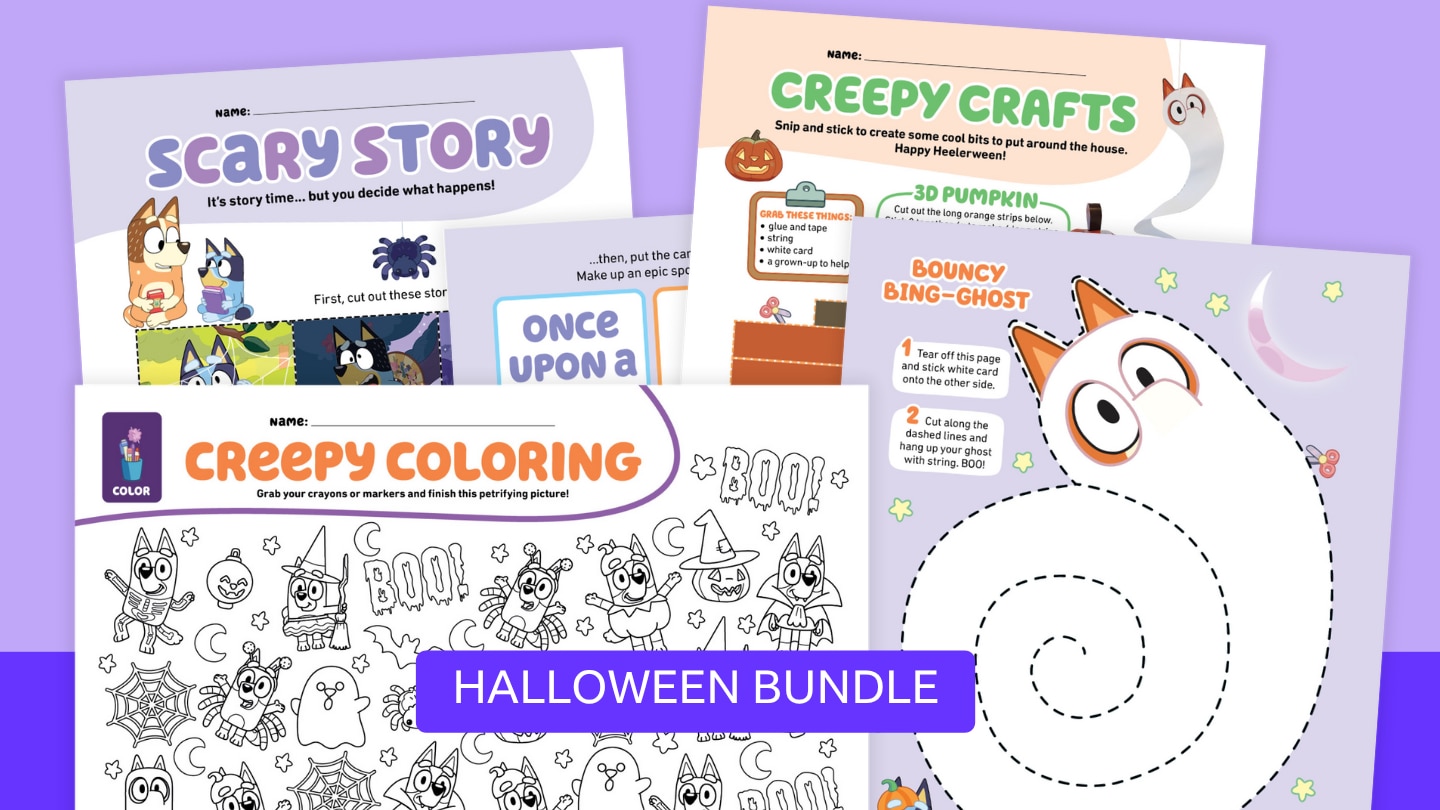
Happy Heelerween! Don’t miss this spook-tacular Bluey bundle of three Halloween-themed printables packed with hands-on fun to get students learning, laughing, and creating. Here's what's included:
- Scary Story: Mix, match, and make up an epic spooky story to go with the story cards!
- Creepy Crafts: Snip and stick to create some cool bits to put around the house.
- Creepy Coloring: Grab your crayons or markers and finish this petrifying picture!
Want more? We have tons on the site. Just search "Bluey"!
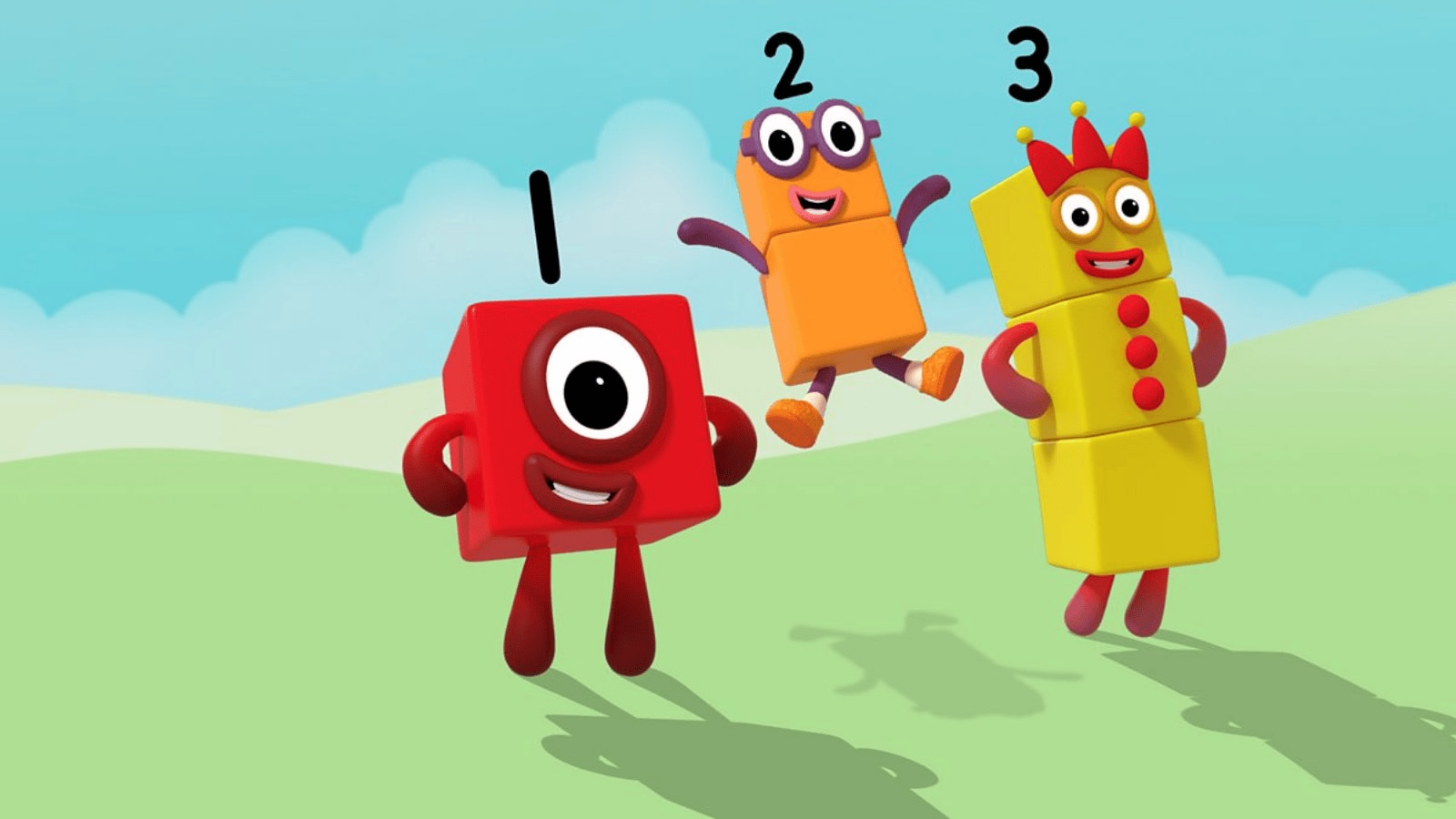
Meet the Numberblocks — little blocks with big ideas who make learning numbers fun and exciting for young children ages 3–7. Numberblocks helps kids build number sense as the characters come together, break apart, and explore how numbers really work. This free collection of printable games and colorful worksheets games give little learners hands-on practice with counting, odd and even numbers, and simple addition and subtraction. Perfect for use at home or in the classroom, these ready-to-use activities turn math practice into joyful play.
Plus, watch full episodes on the official Numberblocks YouTube channel!
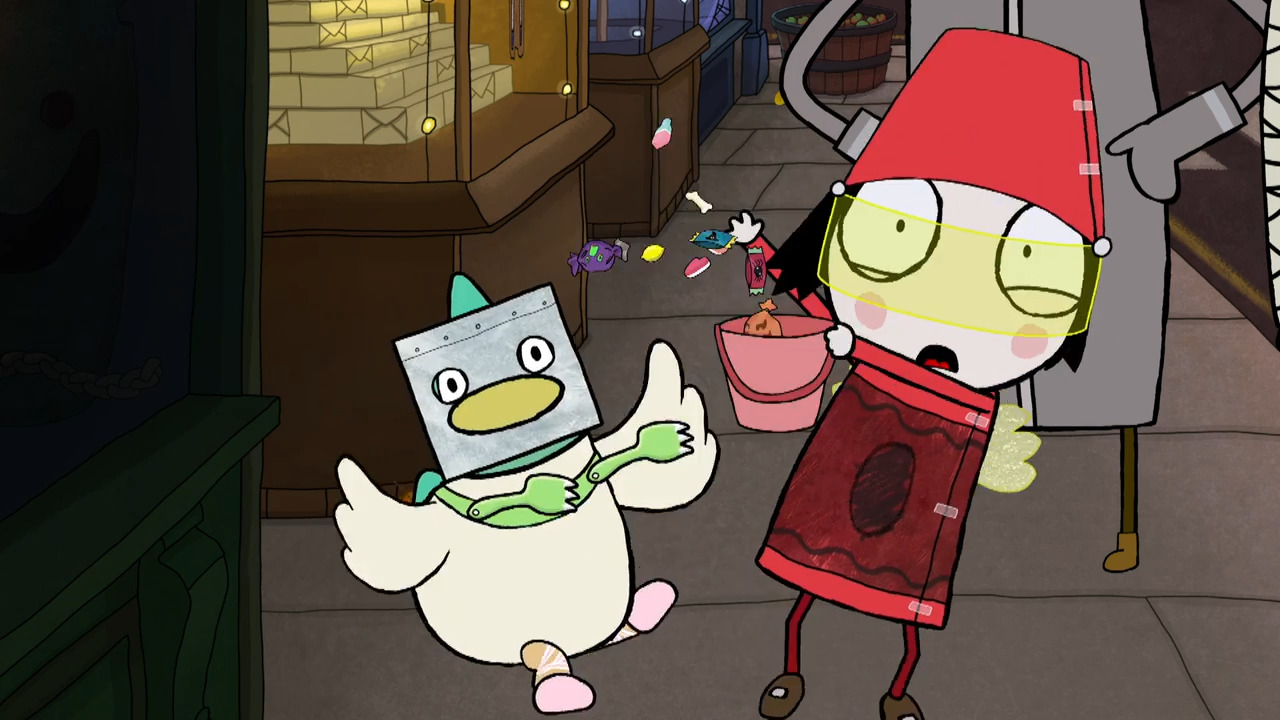
In Sarah and Duck Trick-or-Treat, Sarah and her friends, Duck and Bug, dress up for Boo Night. Will their costumes scare people, earning them Boo Sweets? This video is excerpted from BBC’s Sarah & Duck, a kids' show about the adventures between 7-year-old Sarah and her quacky, flappy best friend, Duck.
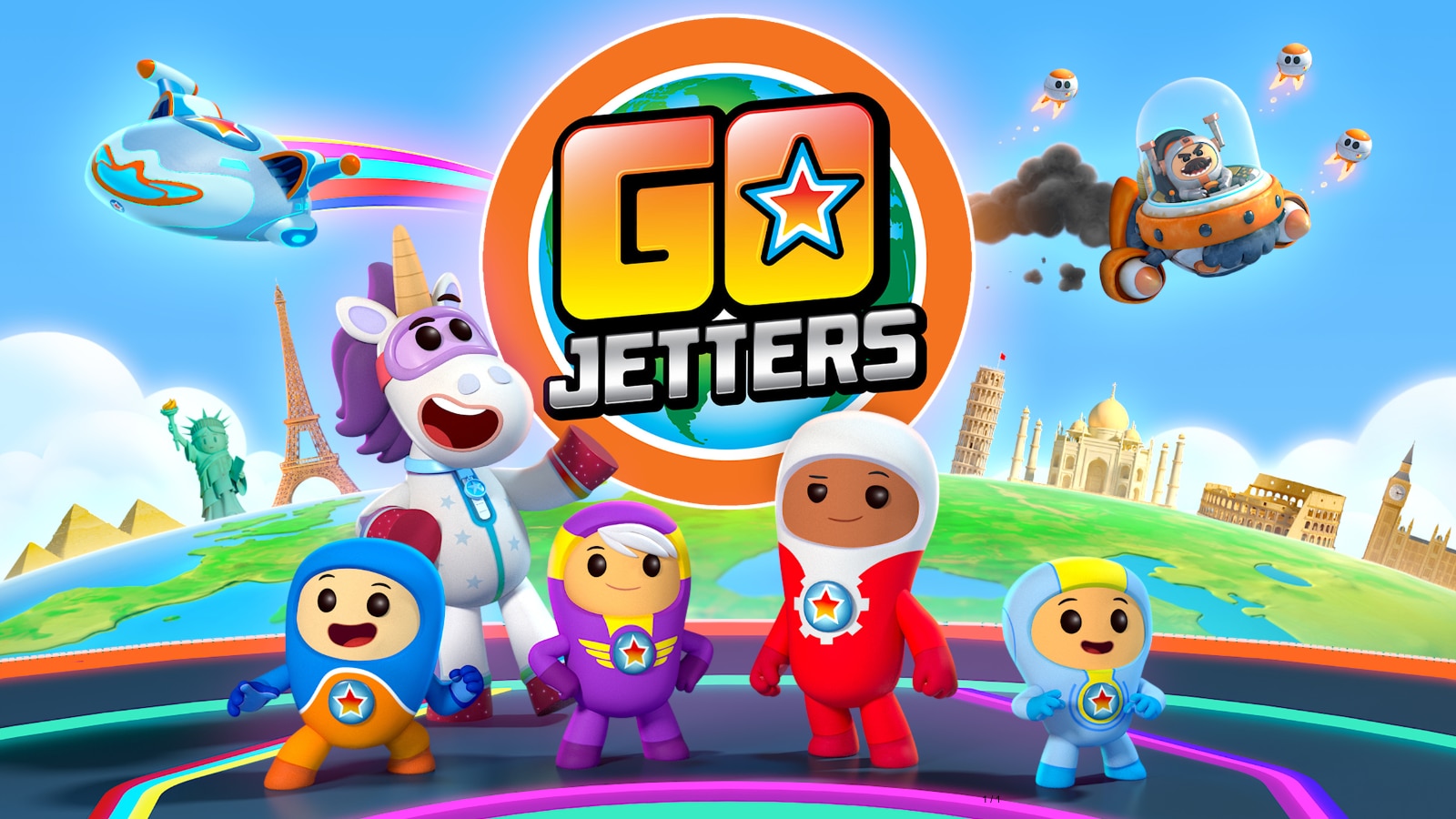
Take a trip around the globe and make stops at six famous world landmarks — a joyful adventure into new places, people, and cultures. Let's go!