Four Animal Reports Templates FREE!
We designed these worksheets for use in grades 3–8. Show one of our many short animal videos, and use the worksheets to get students to synthesize and extend their learning. Students can choose which worksheet to complete based on their interests, or you can assign one that best fits their learning needs.


Get ready to meet the cold-blooded superstars of the animal kingdom! This BBC playlist slinks, scuttles, and snaps through the fascinating lives of cobras, turtles, lizards, and alligators. Whether it's the mesmerizing hood dance of a cobra or the alligator's toothy grin, these clips are perfect for sparking curiosity (and maybe a little squeamishness) in your classroom. Warning: May cause students to say "Whoa!" and "Ew!" in equal measure.
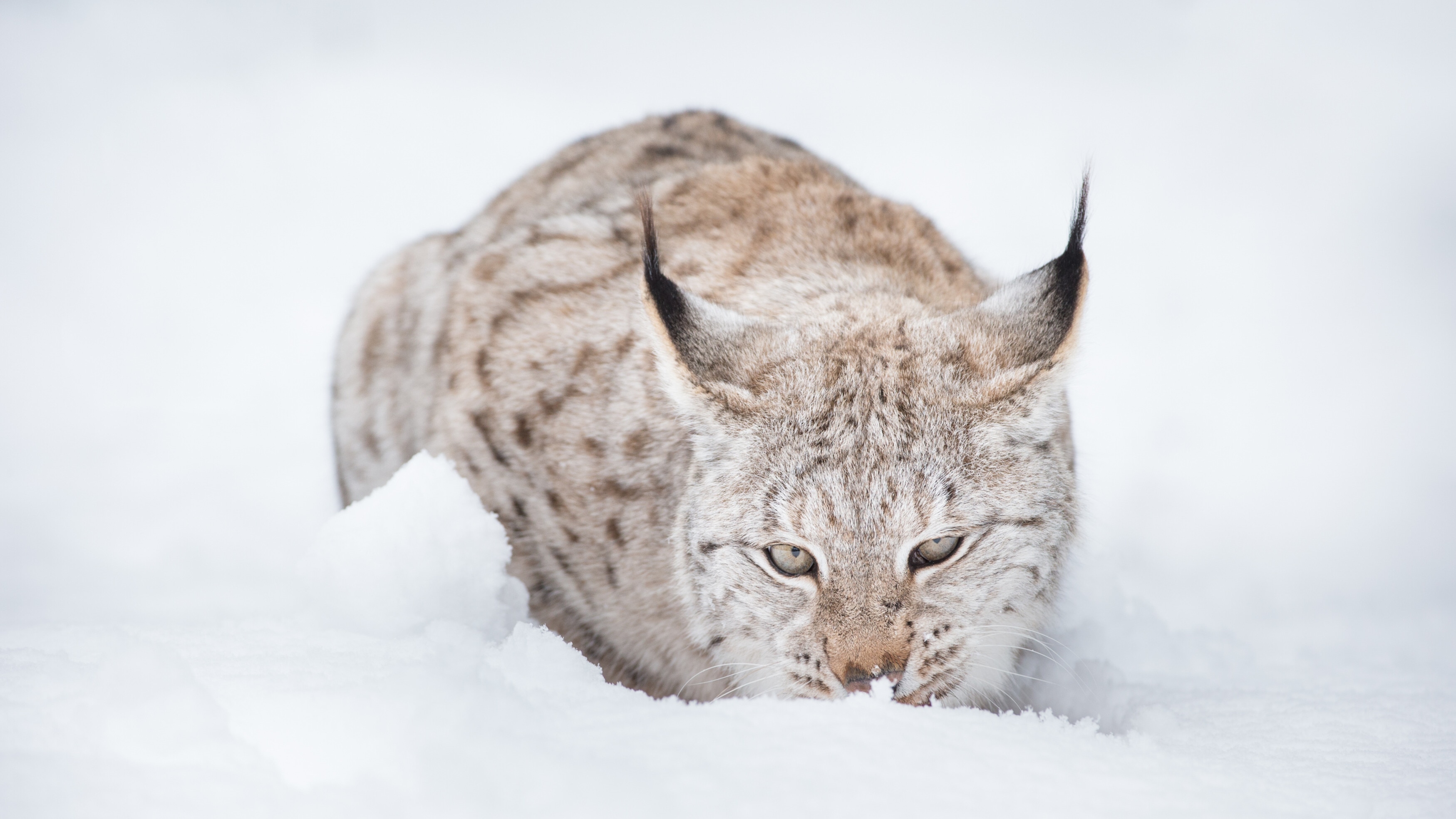
Brave the chill and meet the coolest creatures on Earth! This playlist of 11 frosty video clips from BBC landmark shows like Frozen Planet and Planet Earth explores how animals survive some of the coldest places on the planet. Students will learn about adaptations, seasonal behaviors, and the survival strategies that help bison, foxes, seals, grizzlies, snow monkeys, polar bears, lynx, and more thrive in freezing climates.
They’ll discover how winter weather shapes each animal’s daily life; how they find food, conserve energy, protect themselves from predators; and why these icy habitats play a vital role in Earth’s systems.
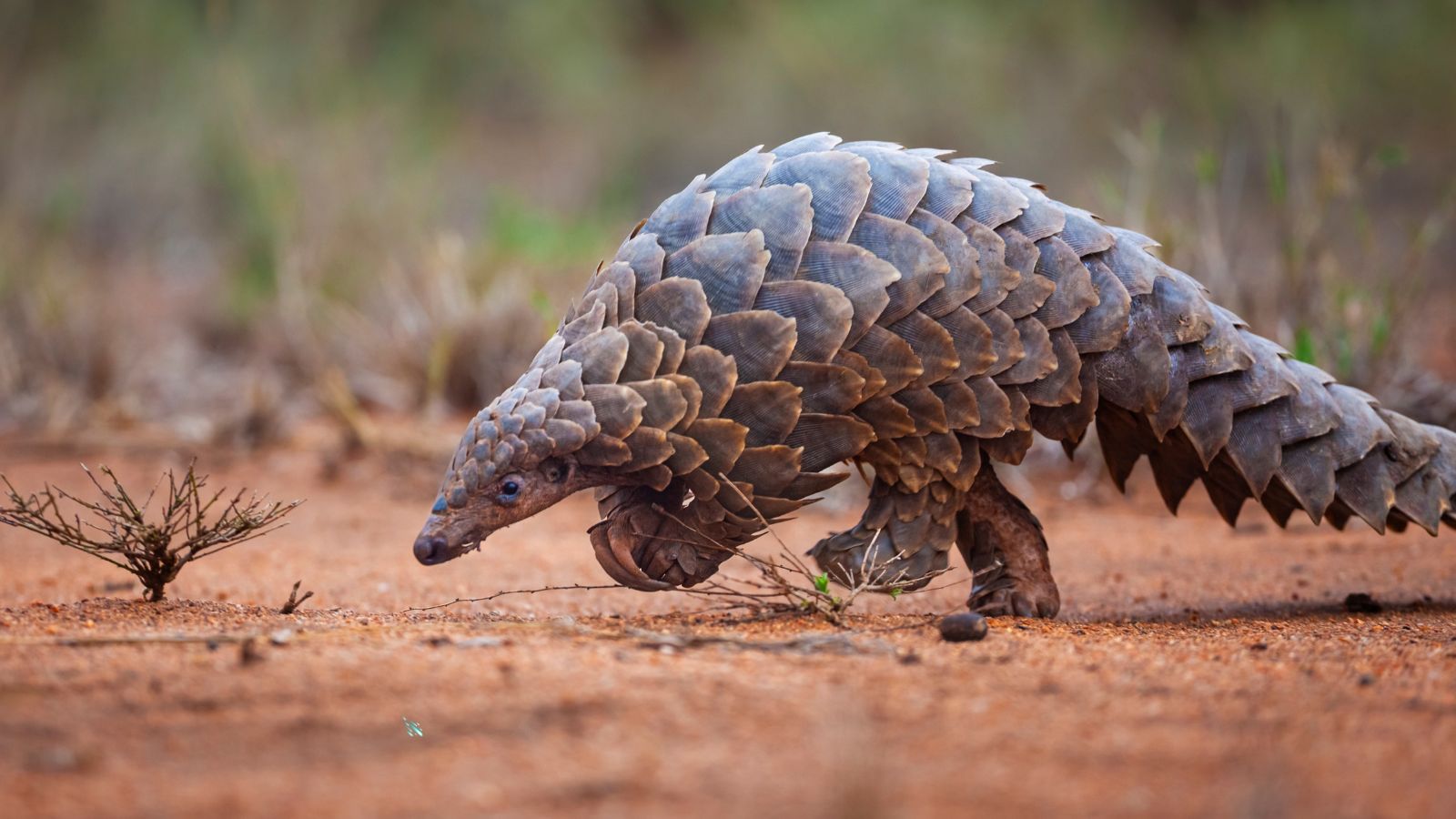
Deserts look empty. They are anything but.
From the sun-scorched dunes of the Sahara to the scrubby plains of Australia, desert animals have cracked one of nature's toughest puzzles: how to survive where water is scarce, temperatures are brutal, and food is hard to find. In this playlist, you'll meet the remarkable species that call these landscapes home — from the iconic camel and the lightning-fast hawk to the bounding kangaroo and the armored pangolin.
Each clip, drawn from landmark BBC series including Seven Worlds, One Planet and Planet Earth II, puts you face-to-face with real desert survival in action. Some animals store water and energy for enormous journeys across open terrain. Others hunt by night, move in short bursts, or use camouflage so good they practically disappear. Every strategy is different. Every one is extraordinary.
As you watch, think bigger: How do animals adapt to temperatures that would stop most creatures in their tracks? What physical traits make desert life not just possible, but thriving? And how do these species — predator and prey, reptile and mammal — depend on each other to keep desert ecosystems in balance?
This playlist won't just teach you about deserts. It will make you see them differently.
More Like This
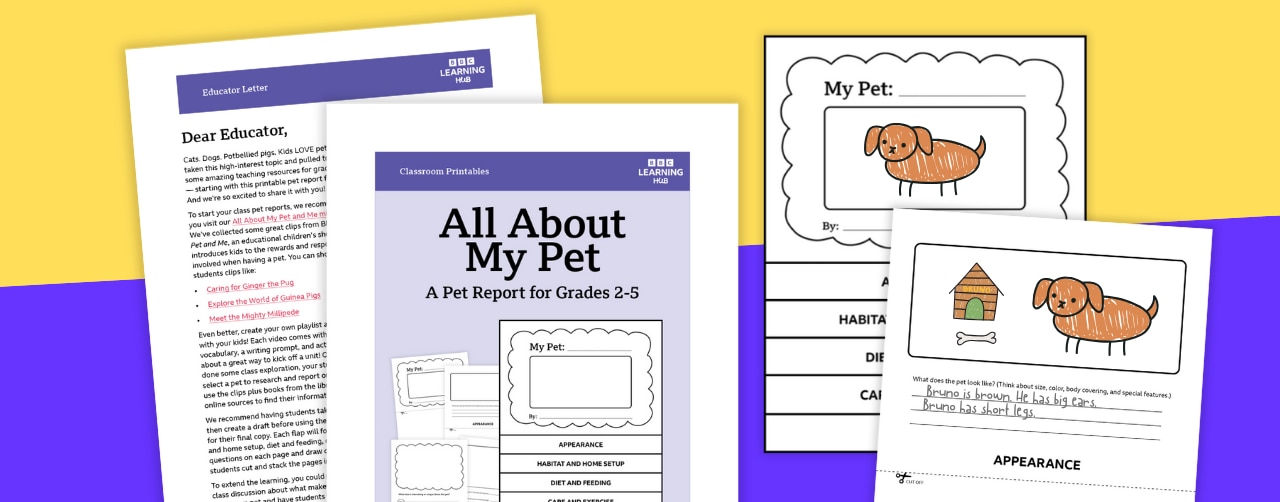
Cats. Dogs. Potbellied pigs. Kids LOVE pets. We've taken this high-interest topic and pulled together some amazing teaching resources for grades 2–5 — starting with this printable pet report flip book! We recommend having students take notes and then create a draft before using the template for their final copy. Each flap will focus on a different aspect of pets: appearance, habitat and home setup, diet and feeding, care and exercise, and fun facts. Students will answer questions on each page and draw or paste a visual that connects to the text. To assemble, students cut and stack the pages in order, then attach them at the top with staples.
Hint: Watch one of our amazing My Pet and Me video clips to get students inspired and to get information for their reports!
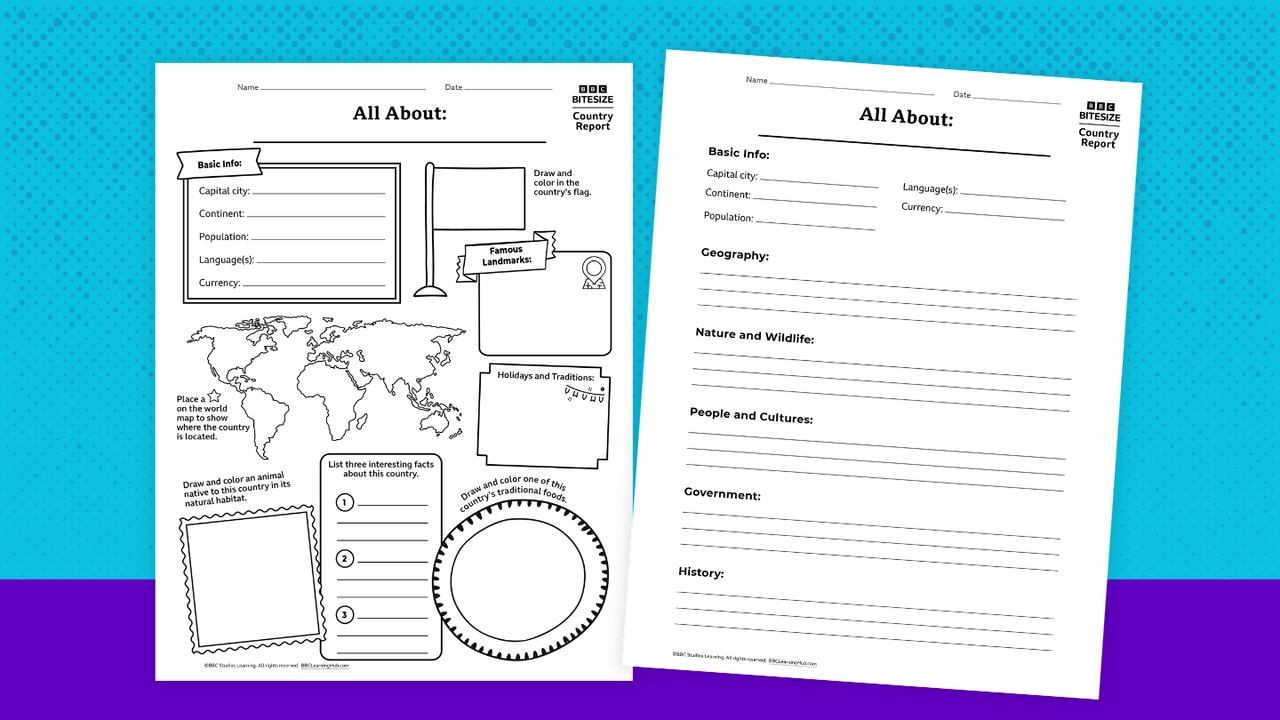
Turn your classroom into a global exploration hub! This country report template invites students in Grades 3–8 to become curious investigators — uncovering what makes each country unique and sharing their discoveries in creative ways.
Designed with flexibility in mind, the resource includes two approachable formats:
- Snapshot Style: A lively, visual option that’s perfect for quick learning or younger students. Learners can sketch, label, and highlight key features — like flags, landmarks, foods, and traditions — while building confidence with short responses.
- Explorer Style: A more in-depth format for students ready to dig deeper. It guides learners through topics such as geography, wildlife, culture, and history, helping them organize ideas and develop clear, informative writing.
Best of all, this template pairs seamlessly with BBC videos — bringing countries to life through real-world sights, sounds, and stories. Students can watch, wonder, and then weave what they’ve learned into their own reports.
Quick Teacher Tips: Use country studies as a springboard into wider learning across subjects:
- Geography: Map skills, climate zones, landforms, and ecosystems
- Language Arts: Informational writing, summarizing, note-taking, and presenting
- History: Key events, timelines, and how the past shapes the present
- Math: Population comparisons, distances, currency conversions
- Arts & Culture: Traditional patterns, music, celebrations, and food
- Current Events: Tie in informational reading and media literacy by exploring what’s happening in that country today in an age-appropriate way.
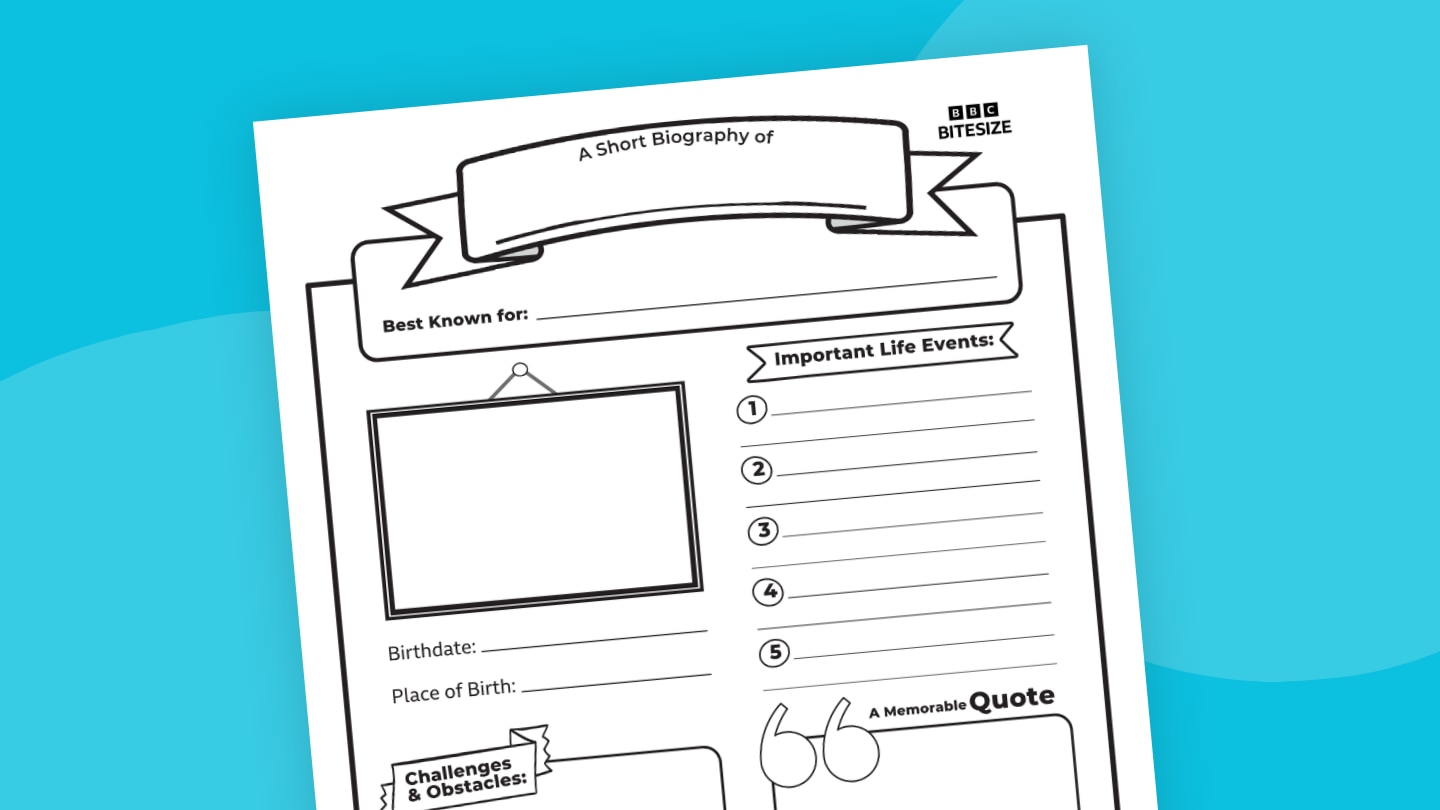
This mini biography template is a flexible, engaging tool designed to help students in Grades 3–8 explore the lives of important historical figures. With sections like Best Known For, Important Life Events, Challenges and Obstacles, Memorable Quote, and Legacy and Achievements, students are guided to think beyond basic facts and develop a deeper understanding of a person’s impact.
This template can be used with any historical figure and pairs especially well with video-based research. Encourage students to explore our BBC video library to gather key details, hear stories in context, and build stronger connections to the people they’re studying.
Here are a few ways you can use this template in your classroom:
- Celebrate special months: Have students research and complete biographies for influential figures during observances like Women’s History Month or Black History Month.
- Scientist spotlights: Use the template to profile important scientists, inventors, or innovators throughout history.
- “Living museum” projects: Have students complete the template, then present their figure in a short first-person speech or display as part of a classroom museum exhibit.
Cats. Dogs. Potbellied pigs. Kids LOVE pets. We've taken this high-interest topic and pulled together some amazing teaching resources for grades 2–5 — starting with this printable pet report flip book! We recommend having students take notes and then create a draft before using the template for their final copy. Each flap will focus on a different aspect of pets: appearance, habitat and home setup, diet and feeding, care and exercise, and fun facts. Students will answer questions on each page and draw or paste a visual that connects to the text. To assemble, students cut and stack the pages in order, then attach them at the top with staples.
Hint: Watch one of our amazing My Pet and Me video clips to get students inspired and to get information for their reports!
Turn your classroom into a global exploration hub! This country report template invites students in Grades 3–8 to become curious investigators — uncovering what makes each country unique and sharing their discoveries in creative ways.
Designed with flexibility in mind, the resource includes two approachable formats:
- Snapshot Style: A lively, visual option that’s perfect for quick learning or younger students. Learners can sketch, label, and highlight key features — like flags, landmarks, foods, and traditions — while building confidence with short responses.
- Explorer Style: A more in-depth format for students ready to dig deeper. It guides learners through topics such as geography, wildlife, culture, and history, helping them organize ideas and develop clear, informative writing.
Best of all, this template pairs seamlessly with BBC videos — bringing countries to life through real-world sights, sounds, and stories. Students can watch, wonder, and then weave what they’ve learned into their own reports.
Quick Teacher Tips: Use country studies as a springboard into wider learning across subjects:
- Geography: Map skills, climate zones, landforms, and ecosystems
- Language Arts: Informational writing, summarizing, note-taking, and presenting
- History: Key events, timelines, and how the past shapes the present
- Math: Population comparisons, distances, currency conversions
- Arts & Culture: Traditional patterns, music, celebrations, and food
- Current Events: Tie in informational reading and media literacy by exploring what’s happening in that country today in an age-appropriate way.
This mini biography template is a flexible, engaging tool designed to help students in Grades 3–8 explore the lives of important historical figures. With sections like Best Known For, Important Life Events, Challenges and Obstacles, Memorable Quote, and Legacy and Achievements, students are guided to think beyond basic facts and develop a deeper understanding of a person’s impact.
This template can be used with any historical figure and pairs especially well with video-based research. Encourage students to explore our BBC video library to gather key details, hear stories in context, and build stronger connections to the people they’re studying.
Here are a few ways you can use this template in your classroom:
- Celebrate special months: Have students research and complete biographies for influential figures during observances like Women’s History Month or Black History Month.
- Scientist spotlights: Use the template to profile important scientists, inventors, or innovators throughout history.
- “Living museum” projects: Have students complete the template, then present their figure in a short first-person speech or display as part of a classroom museum exhibit.