Featured Science/Environment Resources

Videos
More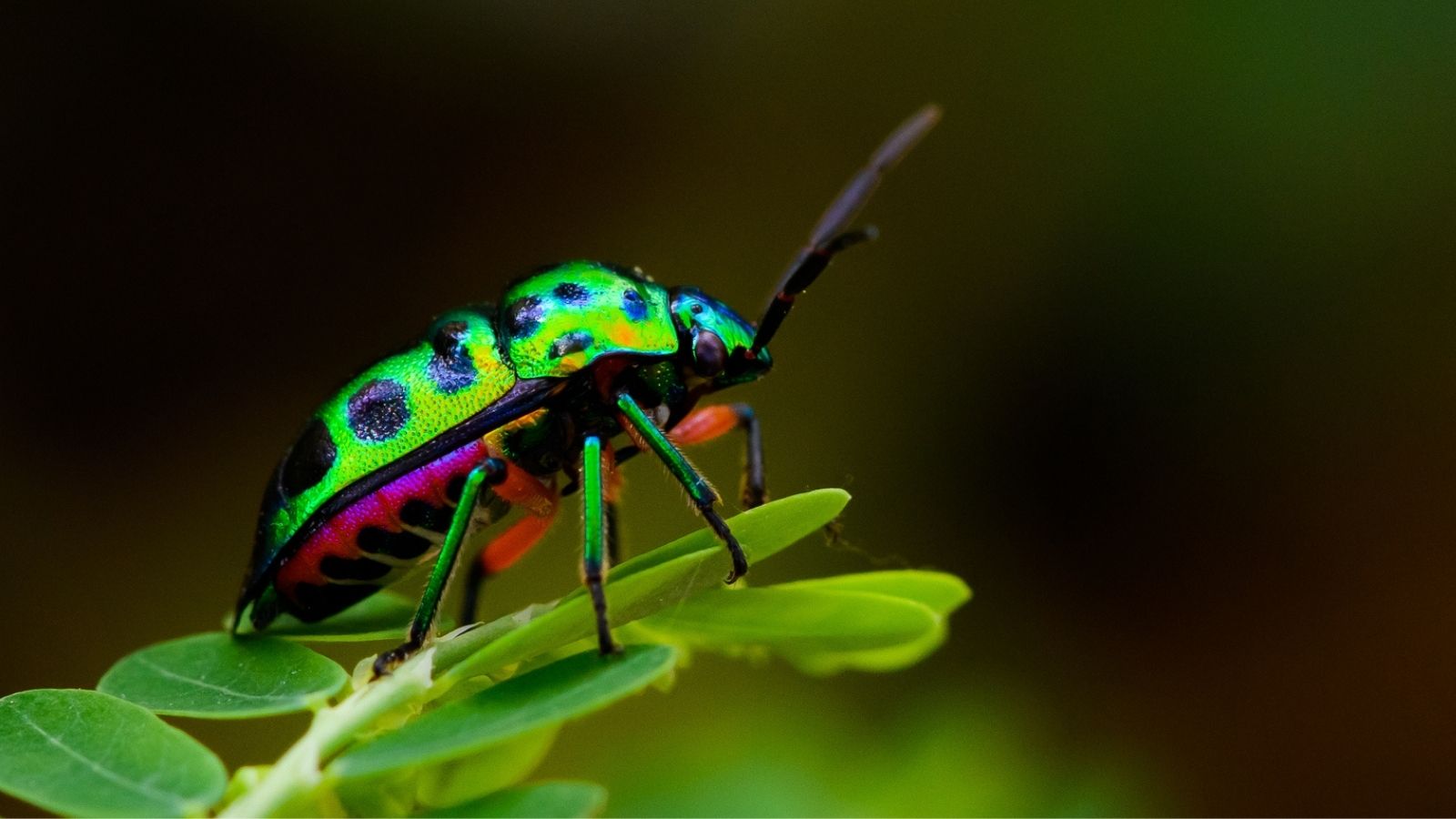
Discover the amazing hunting techniques of cave glow worms, witness the transformation of lake fly midges, and delve into the mysteries of bioluminescence in the jungle night. Prepare for a close-up look at the miniature marvels all around us!

In Soy Sauce and Skin Color, host Harith Iskander explains the science behind tyrosine, a compound found in soy sauce and certain tanning products. Tyrosine can convert into melanin, the pigment that colors and protects skin, but this reaction requires UV exposure. Without sunlight, the tyrosine in soy sauce won’t change skin color. This video is excerpted from BBC’s Got Science?, a science magazine series that explores and explains science in everyday life.
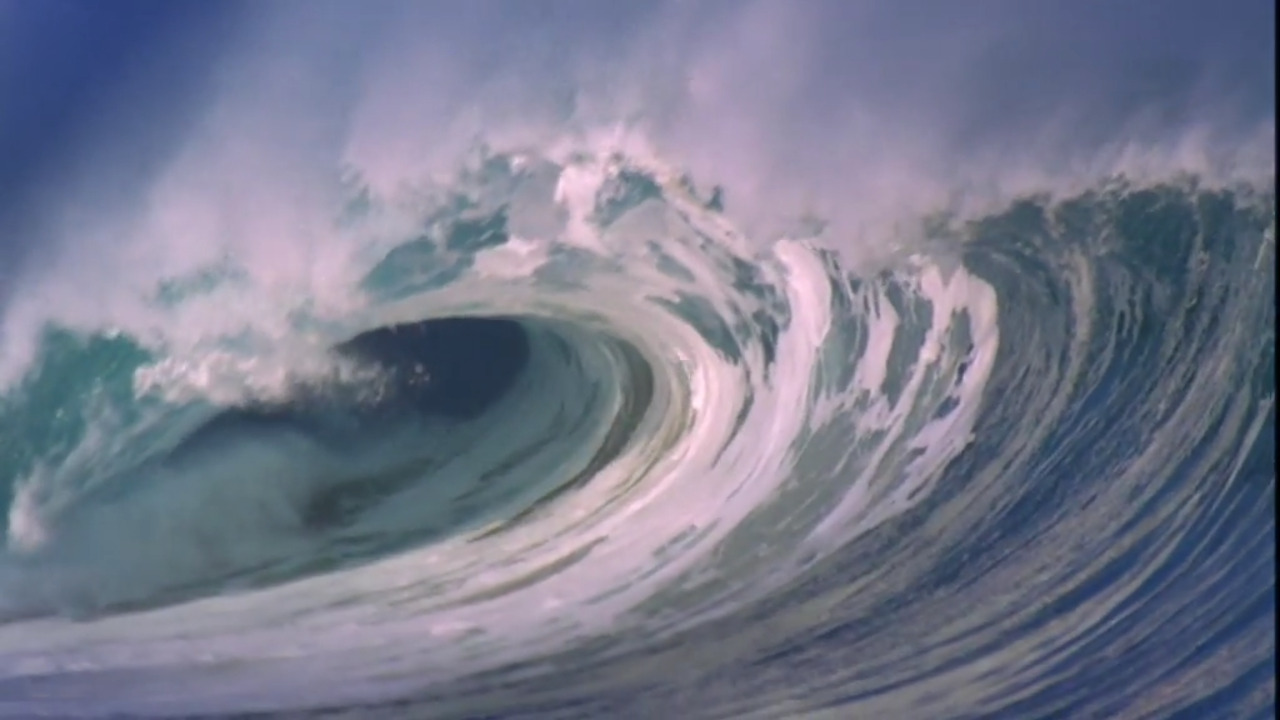
In The Mighty Power of the Ocean, narrator Sir David Attenborough explains how the ocean creates weather, how waves are created, and the impact of the currents in the world’s oceans. This video is excerpted from BBC’s Blue Planet, a definitive documentary series diving into the mysterious depths of the sea to discover the natural history of the world’s oceans and the rarely seen marine life that reside there.
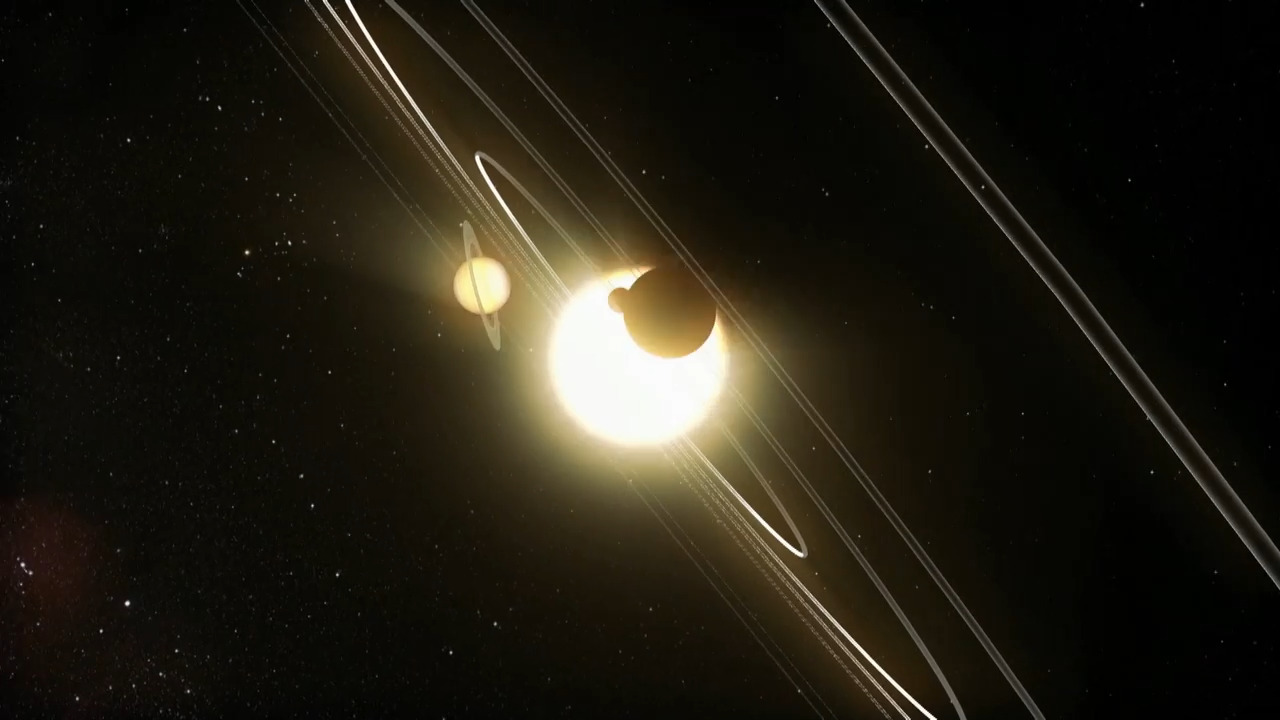
In The Journey to Mars, scientists explore the challenges astronauts face on a long journey to Mars, including radiation exposure, weightlessness, isolation, and confinement. A journey to Mars could take one to three years, and scientists are working on solutions to these obstacles to make human space travel to Mars possible. This video is excerpted from BBC’s The Big Thinkers, Should We Go to Mars?, where Dr. Kevin Fong explores the complex scientific and technological hurdles of space exploration.
Discover the amazing hunting techniques of cave glow worms, witness the transformation of lake fly midges, and delve into the mysteries of bioluminescence in the jungle night. Prepare for a close-up look at the miniature marvels all around us!
In Soy Sauce and Skin Color, host Harith Iskander explains the science behind tyrosine, a compound found in soy sauce and certain tanning products. Tyrosine can convert into melanin, the pigment that colors and protects skin, but this reaction requires UV exposure. Without sunlight, the tyrosine in soy sauce won’t change skin color. This video is excerpted from BBC’s Got Science?, a science magazine series that explores and explains science in everyday life.
In The Mighty Power of the Ocean, narrator Sir David Attenborough explains how the ocean creates weather, how waves are created, and the impact of the currents in the world’s oceans. This video is excerpted from BBC’s Blue Planet, a definitive documentary series diving into the mysterious depths of the sea to discover the natural history of the world’s oceans and the rarely seen marine life that reside there.
In The Journey to Mars, scientists explore the challenges astronauts face on a long journey to Mars, including radiation exposure, weightlessness, isolation, and confinement. A journey to Mars could take one to three years, and scientists are working on solutions to these obstacles to make human space travel to Mars possible. This video is excerpted from BBC’s The Big Thinkers, Should We Go to Mars?, where Dr. Kevin Fong explores the complex scientific and technological hurdles of space exploration.
Printables
More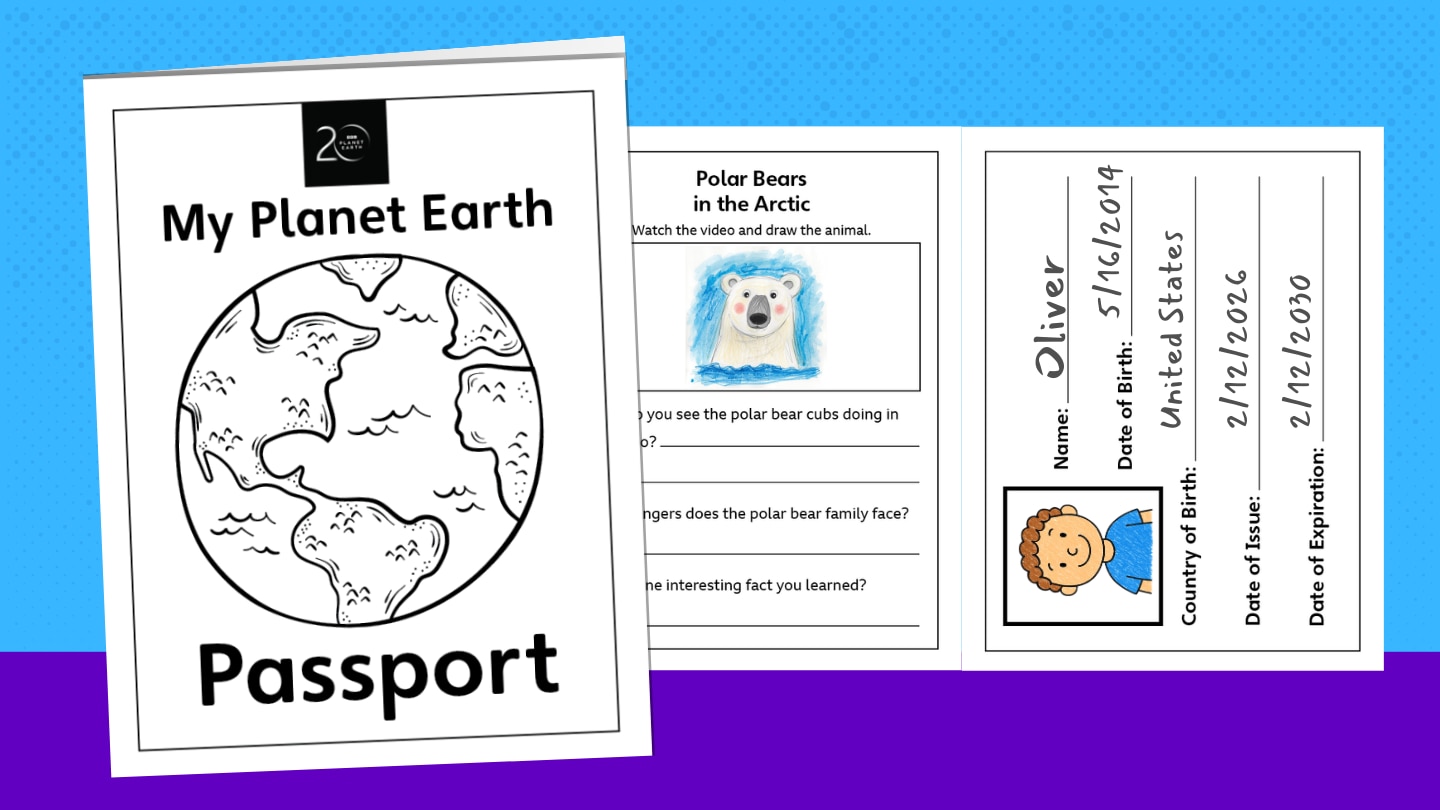
This Planet Earth Passport is your students' perfect guide (just right for ages 8–11) to exploring some of the most-watched videos clips from the iconic BBC series Planet Earth. And it's right in time for Earth Day on April 22!
You can take part by showing your class our playlist of eight amazing animal videos and using our passport as a companion. Students will follow the map to each location and answer questions at each stop. They'll explore:
- Polar Bears in Antarctica
- Bobcats in the Rocky Mountains
- Catfish in France
- Marine Iguanas in the Galápagos
- Cave Swiftlets in Borneo
- Mouse Lemurs in Madagascar
- Dolphins in Western Australia
- Emperor Penguins in Antarctica
To make copies of the passport, print on both sides flipped on the long edge. Make sure you collate and then cut them in half (there are two passports per set).

We designed these worksheets for use in grades 3–8. Show one of our many short animal videos, and use the worksheets to get students to synthesize and extend their learning. Students can choose which worksheet to complete based on their interests, or you can assign one that best fits their learning needs.
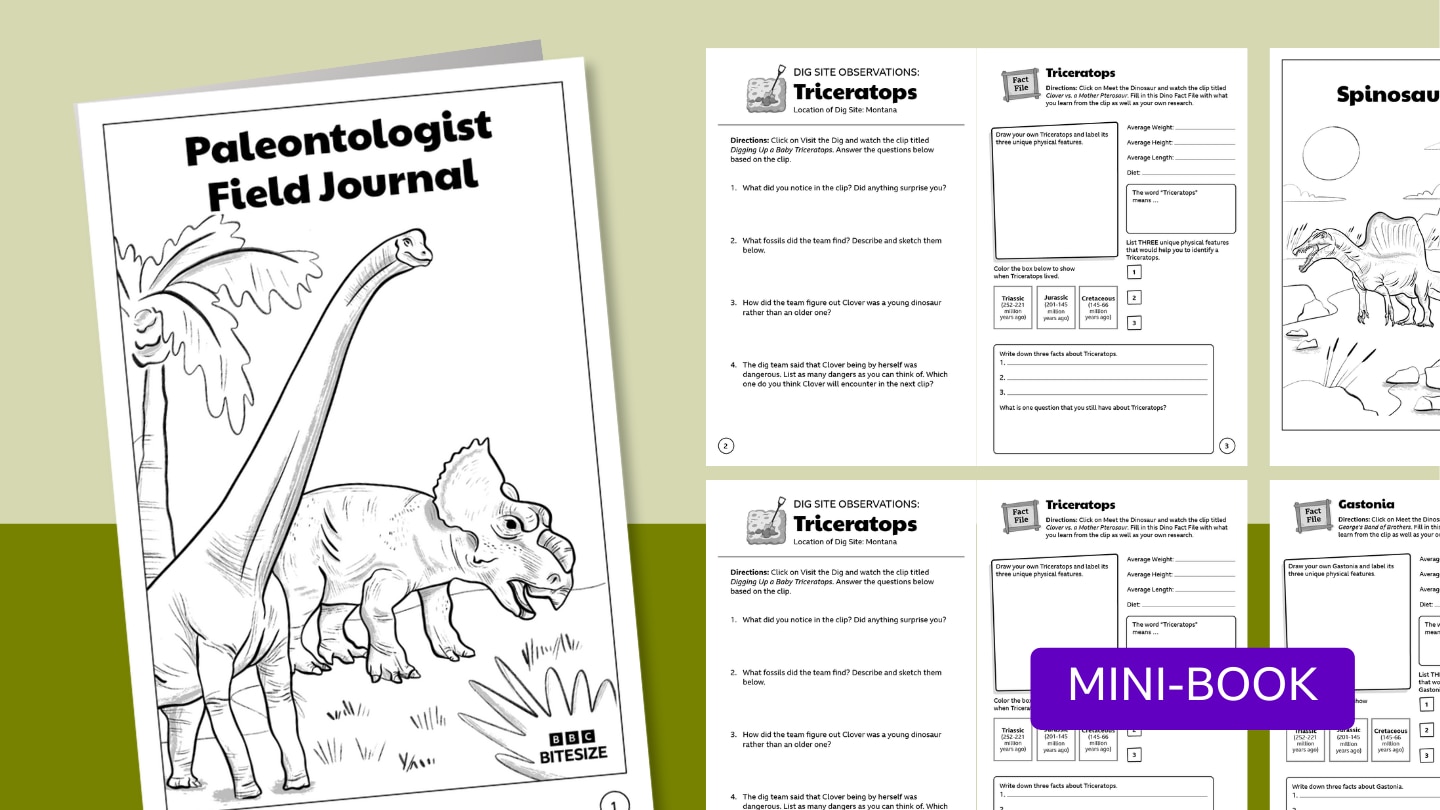
As students explore each dinosaur and dig site combo, they can record their findings in this Paleontologist Field Journal. For each site, students will fill in:
- Dig Site Observations: Answer questions about the Visit the Dig video.
- Fact File: Using information from the Meet the Dinosaur video and your own research, fill in all the boxes.
- Coloring page: Color the detailed scientific drawing of the dinosaur.
It's all part of our Walking With Dinosaurs Virtual Field Trip!
You'll need to print this double-sided. Select the option to flip on the long edge. To assemble the journals, students will stack the double-sided pages together, fold in half, and staple along the short edge.
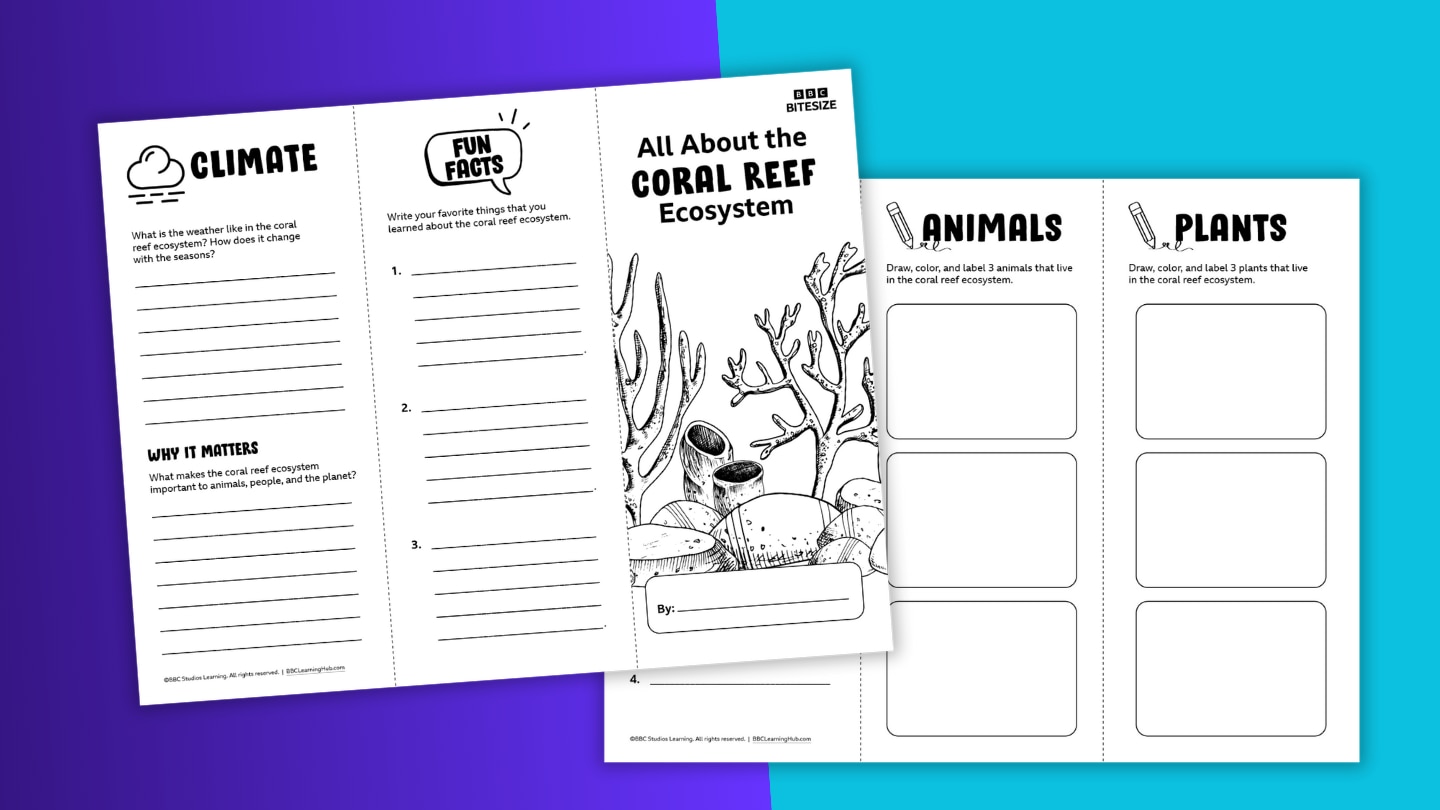
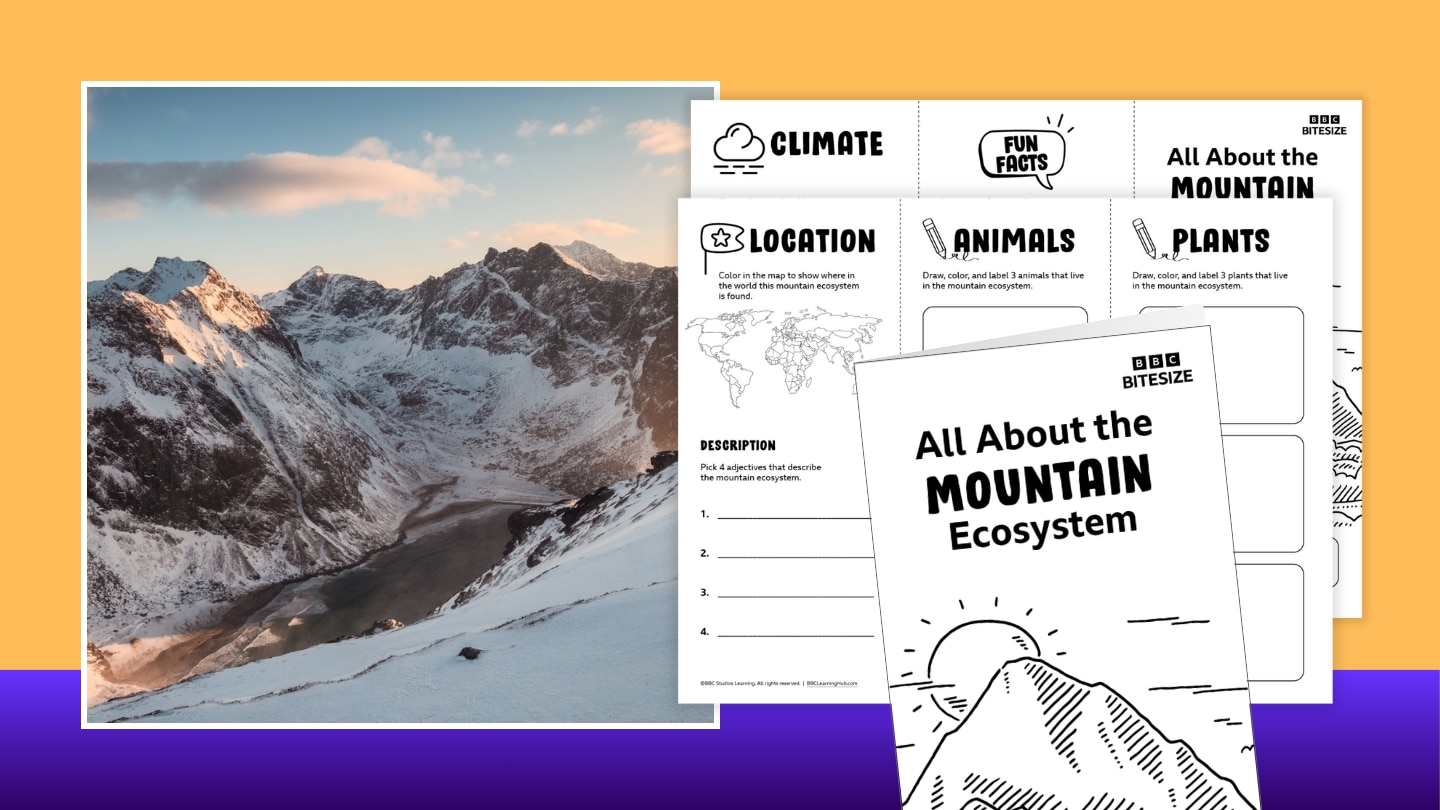
Coral reefs are some of the most crowded, colorful real estate on the planet — underwater cities built by tiny animals and packed with life. From Australia's Great Barrier Reef to the reefs of Indonesia, students will find no shortage of strange, striking creatures to study.
After watching coral reef videos, have students dig deeper with their own research and build a brochure covering:
- Location of the ecosystem on a world map
- Adjectives that describe the ecosystem
- Three animals that live there
- Three plants that grow there
- The climate
- Why the ecosystem matters
- Their favorite fun facts
Students summarize in their own words, which means they're practicing a real skill: pulling information from multiple sources and deciding what's worth keeping.
This Planet Earth Passport is your students' perfect guide (just right for ages 8–11) to exploring some of the most-watched videos clips from the iconic BBC series Planet Earth. And it's right in time for Earth Day on April 22!
You can take part by showing your class our playlist of eight amazing animal videos and using our passport as a companion. Students will follow the map to each location and answer questions at each stop. They'll explore:
- Polar Bears in Antarctica
- Bobcats in the Rocky Mountains
- Catfish in France
- Marine Iguanas in the Galápagos
- Cave Swiftlets in Borneo
- Mouse Lemurs in Madagascar
- Dolphins in Western Australia
- Emperor Penguins in Antarctica
To make copies of the passport, print on both sides flipped on the long edge. Make sure you collate and then cut them in half (there are two passports per set).
We designed these worksheets for use in grades 3–8. Show one of our many short animal videos, and use the worksheets to get students to synthesize and extend their learning. Students can choose which worksheet to complete based on their interests, or you can assign one that best fits their learning needs.
As students explore each dinosaur and dig site combo, they can record their findings in this Paleontologist Field Journal. For each site, students will fill in:
- Dig Site Observations: Answer questions about the Visit the Dig video.
- Fact File: Using information from the Meet the Dinosaur video and your own research, fill in all the boxes.
- Coloring page: Color the detailed scientific drawing of the dinosaur.
It's all part of our Walking With Dinosaurs Virtual Field Trip!
You'll need to print this double-sided. Select the option to flip on the long edge. To assemble the journals, students will stack the double-sided pages together, fold in half, and staple along the short edge.
Coral reefs are some of the most crowded, colorful real estate on the planet — underwater cities built by tiny animals and packed with life. From Australia's Great Barrier Reef to the reefs of Indonesia, students will find no shortage of strange, striking creatures to study.
After watching coral reef videos, have students dig deeper with their own research and build a brochure covering:
- Location of the ecosystem on a world map
- Adjectives that describe the ecosystem
- Three animals that live there
- Three plants that grow there
- The climate
- Why the ecosystem matters
- Their favorite fun facts
Students summarize in their own words, which means they're practicing a real skill: pulling information from multiple sources and deciding what's worth keeping.
Leveled Student Articles
More
The article "Masters of Regeneration: These Death-Defying Animals Can Regrow Body Parts Better Than Deadpool" from BBC's Discover Wildlife examines how some animals, including axolotls and starfish, have remarkable regenerative abilities. Scientists study these creatures to understand tissue regeneration, which could have implications for medical research.

The article "Can We Stop Hurricanes? Exploring Innovative Solutions" from BBC's Science Focus explores futuristic ideas to mitigate hurricane damage. Scientists are developing methods such as offshore wind farms and cooling ocean surfaces to weaken storms before they reach land.

The article "New Computer Model Helps Predict Volcano Eruptions More Accurately" from BBC's Science Focus details how scientists have created a model that improves eruption forecasts. By analyzing historical data from Italy’s Campi Flegrei, the model enhances predictions and helps in disaster preparedness.

The article "U.S. Lab Creates Living Robots That Are Capable of Self-Replicating" from BBC's Science Focus showcases the creation of xenobots, living robots designed using computer simulations and frog heart cells. Xenobots could have future applications in environmental cleanup and personalized medicine.
The article "Masters of Regeneration: These Death-Defying Animals Can Regrow Body Parts Better Than Deadpool" from BBC's Discover Wildlife examines how some animals, including axolotls and starfish, have remarkable regenerative abilities. Scientists study these creatures to understand tissue regeneration, which could have implications for medical research.
The article "Can We Stop Hurricanes? Exploring Innovative Solutions" from BBC's Science Focus explores futuristic ideas to mitigate hurricane damage. Scientists are developing methods such as offshore wind farms and cooling ocean surfaces to weaken storms before they reach land.
The article "New Computer Model Helps Predict Volcano Eruptions More Accurately" from BBC's Science Focus details how scientists have created a model that improves eruption forecasts. By analyzing historical data from Italy’s Campi Flegrei, the model enhances predictions and helps in disaster preparedness.
The article "U.S. Lab Creates Living Robots That Are Capable of Self-Replicating" from BBC's Science Focus showcases the creation of xenobots, living robots designed using computer simulations and frog heart cells. Xenobots could have future applications in environmental cleanup and personalized medicine.