Featured History/Global Studies Resources
Videos
More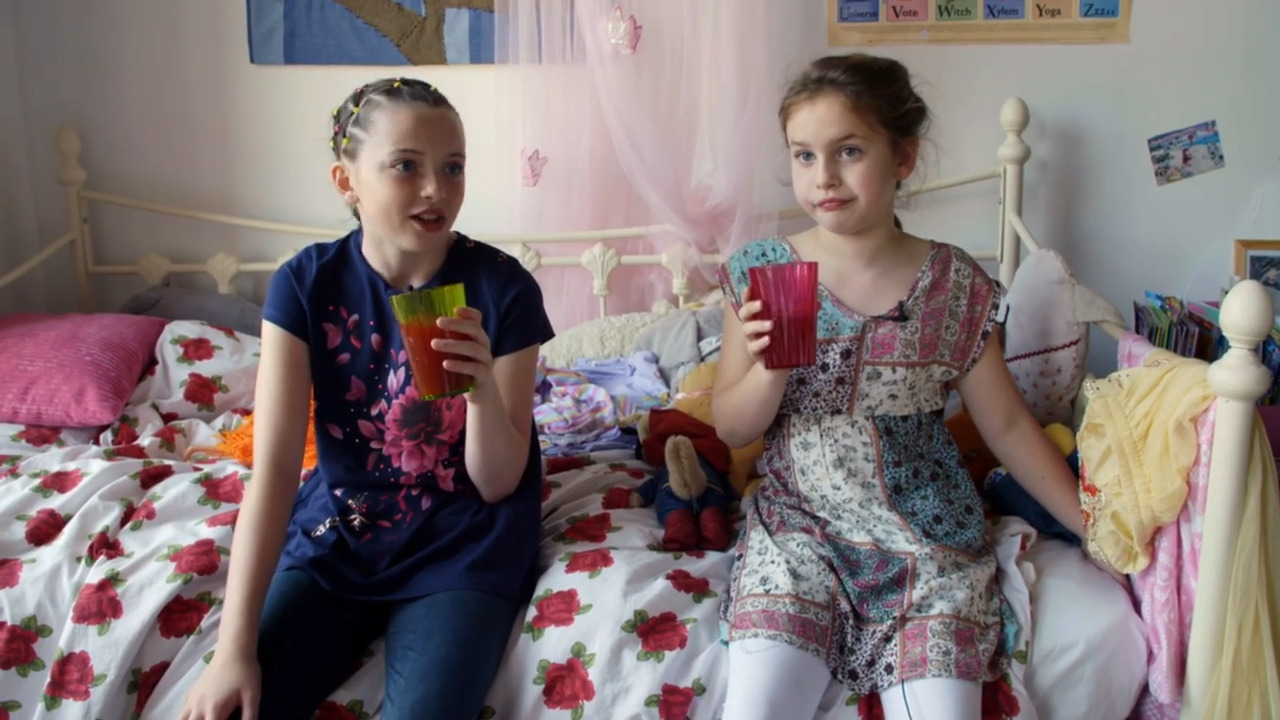
In Making Friends, only child Eve enjoys playing with her peers, but after moving to a new school it’s been difficult to find friends to play with in her area. When a friend from choir arranges a “play date,” Eve is excited and anxious. Will her friend come on time? What will her friend think of her? This video is excerpted from BBC’s The World According to Kids, a series in which children between the ages of six and 11 across the United Kingdom share what they think of the world.
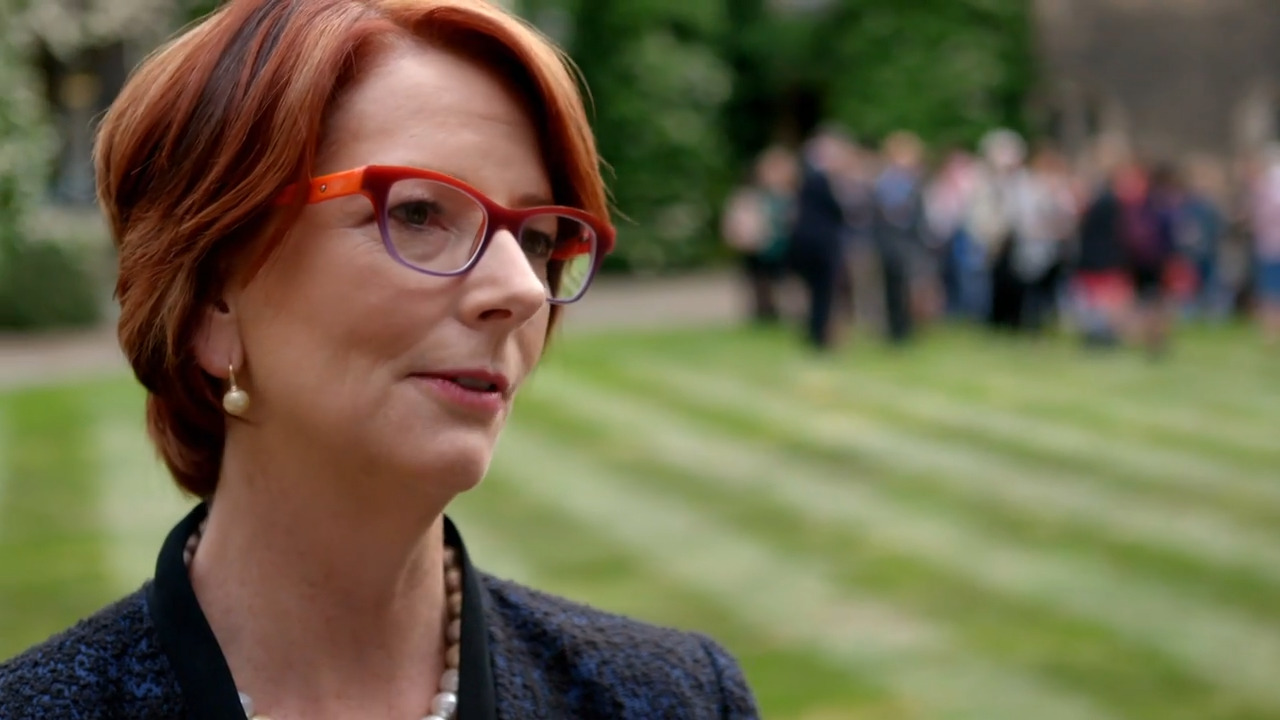
In Julia Gillard, Education Advocate, listen as the former Australian Prime Minister reflects on her leadership and her work to expand education opportunities for girls worldwide. Drawing from her family’s experience with poverty and limited schooling, she advocates for equal access to education while facing criticism and gender bias during her political career. This video is excerpted from BBC's Her Story: The Female Revolution, which explores the history and impact of women’s rights movements and achievements of women.
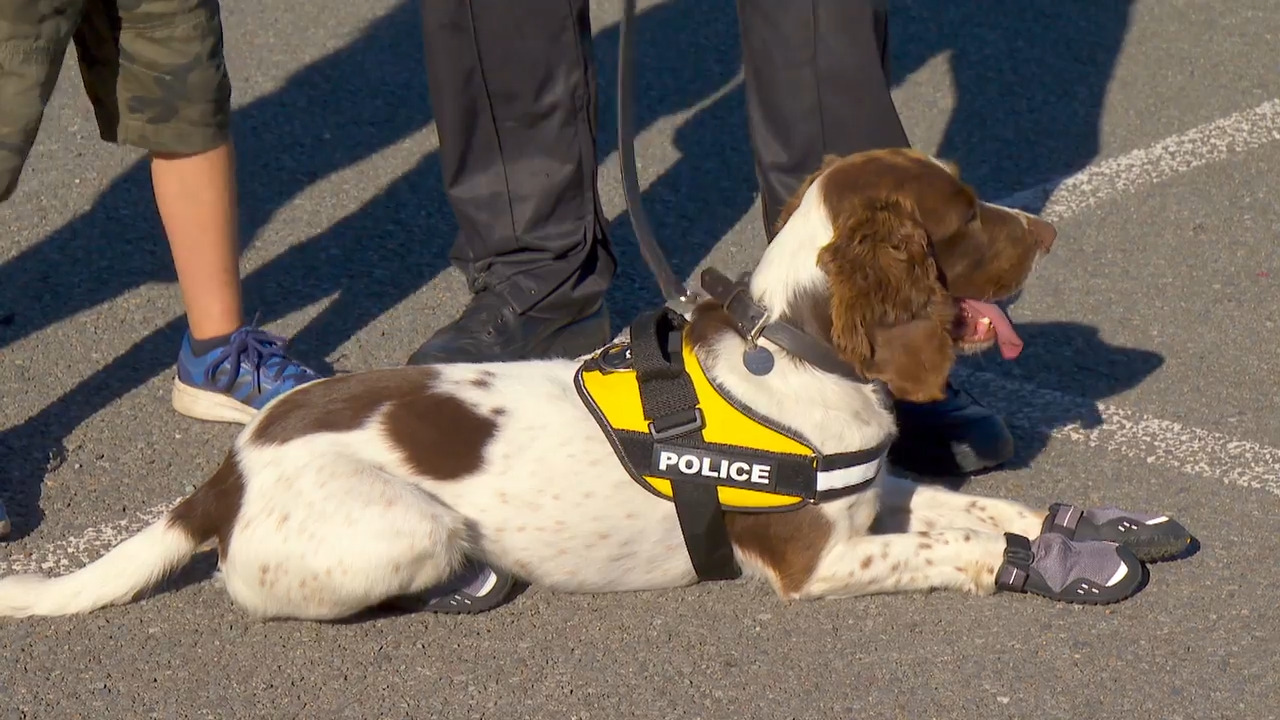
In The Secrets of a Police Dog’s Training, host Ferne Corrigan meets Scooby, the amazing springer spaniel police dog with a nose that's better than any human! Scooby wears a special harness and booties to help keep him safe while working, and to show everyone that he's on the job. Ferne Corrigan gets to watch Scooby at police dog school, where he uses his sniffing skills to find a suitcase with a secret scent hidden inside. This video is excerpted from BBC’s My Pet and Me, a children’s show that introduces kids to the rewards and responsibilities involved when having a pet.
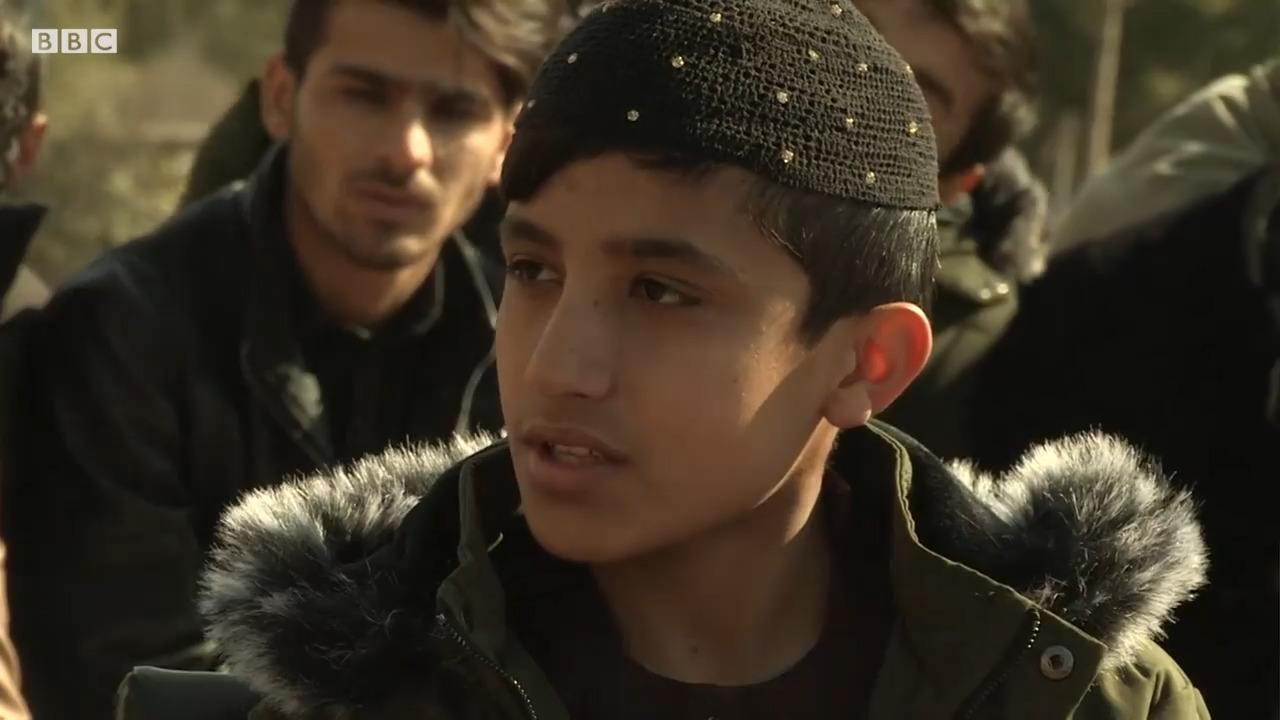
In Going to School in a War Zone, host Radzi Chinyanganya uncovers harsh realities of living and going to school in Afghanistan, a country that has been embroiled in conflict for decades. This video focuses on the impact of the war on students' education, with a special emphasis on Mohammad's account of life in a war zone where the sound of gunfire and the presence of tanks are a daily occurrence. The episode explores the challenges students face, including the dangers they encounter at school, the fear of being caught in crossfire, and the emotional toll of attending school in such conditions. This video is excerpted from BBC’s My World, a program created for teenagers eager to learn more about the important stories shaping our world.
In Making Friends, only child Eve enjoys playing with her peers, but after moving to a new school it’s been difficult to find friends to play with in her area. When a friend from choir arranges a “play date,” Eve is excited and anxious. Will her friend come on time? What will her friend think of her? This video is excerpted from BBC’s The World According to Kids, a series in which children between the ages of six and 11 across the United Kingdom share what they think of the world.
In Julia Gillard, Education Advocate, listen as the former Australian Prime Minister reflects on her leadership and her work to expand education opportunities for girls worldwide. Drawing from her family’s experience with poverty and limited schooling, she advocates for equal access to education while facing criticism and gender bias during her political career. This video is excerpted from BBC's Her Story: The Female Revolution, which explores the history and impact of women’s rights movements and achievements of women.
In The Secrets of a Police Dog’s Training, host Ferne Corrigan meets Scooby, the amazing springer spaniel police dog with a nose that's better than any human! Scooby wears a special harness and booties to help keep him safe while working, and to show everyone that he's on the job. Ferne Corrigan gets to watch Scooby at police dog school, where he uses his sniffing skills to find a suitcase with a secret scent hidden inside. This video is excerpted from BBC’s My Pet and Me, a children’s show that introduces kids to the rewards and responsibilities involved when having a pet.
In Going to School in a War Zone, host Radzi Chinyanganya uncovers harsh realities of living and going to school in Afghanistan, a country that has been embroiled in conflict for decades. This video focuses on the impact of the war on students' education, with a special emphasis on Mohammad's account of life in a war zone where the sound of gunfire and the presence of tanks are a daily occurrence. The episode explores the challenges students face, including the dangers they encounter at school, the fear of being caught in crossfire, and the emotional toll of attending school in such conditions. This video is excerpted from BBC’s My World, a program created for teenagers eager to learn more about the important stories shaping our world.
Printables, Kahoots, & Quizzes
More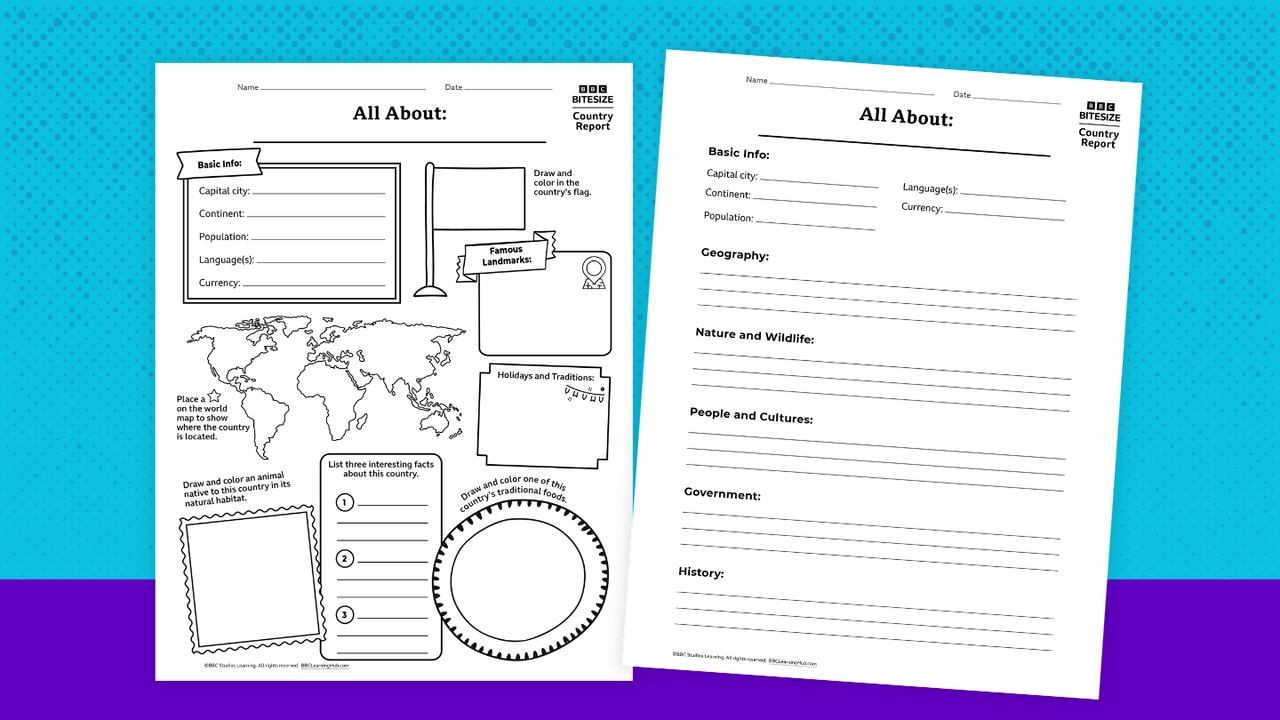
Turn your classroom into a global exploration hub! This country report template invites students in Grades 3–8 to become curious investigators — uncovering what makes each country unique and sharing their discoveries in creative ways.
Designed with flexibility in mind, the resource includes two approachable formats:
- Snapshot Style: A lively, visual option that’s perfect for quick learning or younger students. Learners can sketch, label, and highlight key features — like flags, landmarks, foods, and traditions — while building confidence with short responses.
- Explorer Style: A more in-depth format for students ready to dig deeper. It guides learners through topics such as geography, wildlife, culture, and history, helping them organize ideas and develop clear, informative writing.
Best of all, this template pairs seamlessly with BBC videos — bringing countries to life through real-world sights, sounds, and stories. Students can watch, wonder, and then weave what they’ve learned into their own reports.
Quick Teacher Tips: Use country studies as a springboard into wider learning across subjects:
- Geography: Map skills, climate zones, landforms, and ecosystems
- Language Arts: Informational writing, summarizing, note-taking, and presenting
- History: Key events, timelines, and how the past shapes the present
- Math: Population comparisons, distances, currency conversions
- Arts & Culture: Traditional patterns, music, celebrations, and food
- Current Events: Tie in informational reading and media literacy by exploring what’s happening in that country today in an age-appropriate way.
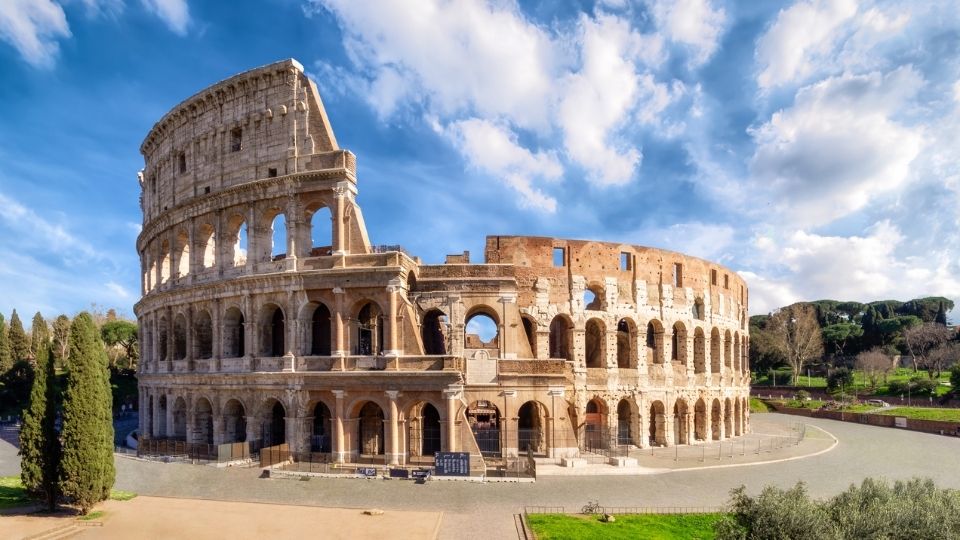
Discover the story behind the Colosseum, one of the most famous landmarks of the ancient world. Students will explore where the Colosseum is located, why it was built, and how it became a powerful symbol of life in the Roman Empire.
This Kahoot examines the history and design of the Colosseum, including the events held inside the massive arena, the engineering techniques used to construct it, and the role it played in entertainment and Roman society. Students will also discover fascinating facts about gladiators, architecture, and daily life in ancient Rome.
Ideal for lessons on history, world cultures, architecture, and geography, this Kahoot encourages students to explore the lasting legacy of one of the world’s most iconic ancient monuments.
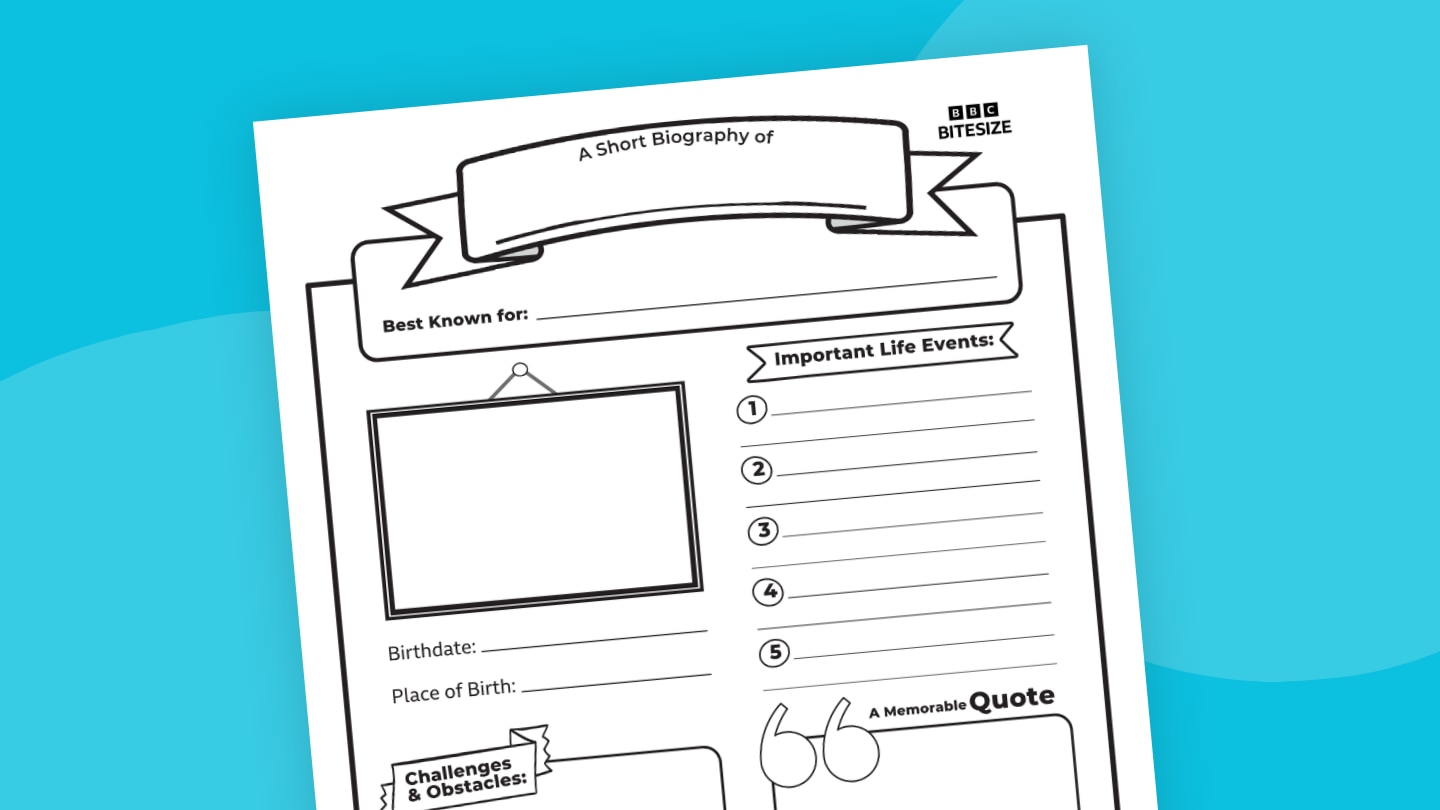
This mini biography template is a flexible, engaging tool designed to help students in Grades 3–8 explore the lives of important historical figures. With sections like Best Known For, Important Life Events, Challenges and Obstacles, Memorable Quote, and Legacy and Achievements, students are guided to think beyond basic facts and develop a deeper understanding of a person’s impact.
This template can be used with any historical figure and pairs especially well with video-based research. Encourage students to explore our BBC video library to gather key details, hear stories in context, and build stronger connections to the people they’re studying.
Here are a few ways you can use this template in your classroom:
- Celebrate special months: Have students research and complete biographies for influential figures during observances like Women’s History Month or Black History Month.
- Scientist spotlights: Use the template to profile important scientists, inventors, or innovators throughout history.
- “Living museum” projects: Have students complete the template, then present their figure in a short first-person speech or display as part of a classroom museum exhibit.
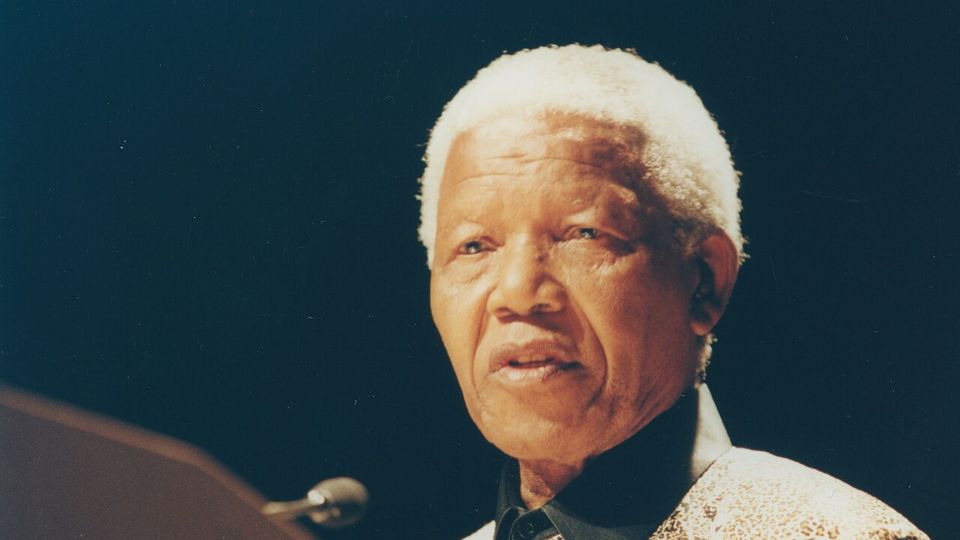
Follow the extraordinary life of Nelson Mandela, from his early fight against apartheid to his role in leading South Africa into a new era of democracy and reconciliation. Students will explore how Mandela stood up against injustice, endured years of imprisonment, and helped unite a divided nation through courage, perseverance, and forgiveness.
This Kahoot examines key moments in Mandela’s journey, including the struggle against apartheid, his 27 years in prison, his release in 1990, and his election as South Africa’s first Black president. Students will discover how his leadership, resilience, and commitment to equality continue to influence Black history and inspire people around the world today.
Watch the related BBC videos, The Remarkable Life of Nelson Mandela and Nelson Mandela Walks Free, then invite your Grade 6–12 students to test their knowledge and deepen their understanding of this iconic global leader.
Turn your classroom into a global exploration hub! This country report template invites students in Grades 3–8 to become curious investigators — uncovering what makes each country unique and sharing their discoveries in creative ways.
Designed with flexibility in mind, the resource includes two approachable formats:
- Snapshot Style: A lively, visual option that’s perfect for quick learning or younger students. Learners can sketch, label, and highlight key features — like flags, landmarks, foods, and traditions — while building confidence with short responses.
- Explorer Style: A more in-depth format for students ready to dig deeper. It guides learners through topics such as geography, wildlife, culture, and history, helping them organize ideas and develop clear, informative writing.
Best of all, this template pairs seamlessly with BBC videos — bringing countries to life through real-world sights, sounds, and stories. Students can watch, wonder, and then weave what they’ve learned into their own reports.
Quick Teacher Tips: Use country studies as a springboard into wider learning across subjects:
- Geography: Map skills, climate zones, landforms, and ecosystems
- Language Arts: Informational writing, summarizing, note-taking, and presenting
- History: Key events, timelines, and how the past shapes the present
- Math: Population comparisons, distances, currency conversions
- Arts & Culture: Traditional patterns, music, celebrations, and food
- Current Events: Tie in informational reading and media literacy by exploring what’s happening in that country today in an age-appropriate way.
Discover the story behind the Colosseum, one of the most famous landmarks of the ancient world. Students will explore where the Colosseum is located, why it was built, and how it became a powerful symbol of life in the Roman Empire.
This Kahoot examines the history and design of the Colosseum, including the events held inside the massive arena, the engineering techniques used to construct it, and the role it played in entertainment and Roman society. Students will also discover fascinating facts about gladiators, architecture, and daily life in ancient Rome.
Ideal for lessons on history, world cultures, architecture, and geography, this Kahoot encourages students to explore the lasting legacy of one of the world’s most iconic ancient monuments.
This mini biography template is a flexible, engaging tool designed to help students in Grades 3–8 explore the lives of important historical figures. With sections like Best Known For, Important Life Events, Challenges and Obstacles, Memorable Quote, and Legacy and Achievements, students are guided to think beyond basic facts and develop a deeper understanding of a person’s impact.
This template can be used with any historical figure and pairs especially well with video-based research. Encourage students to explore our BBC video library to gather key details, hear stories in context, and build stronger connections to the people they’re studying.
Here are a few ways you can use this template in your classroom:
- Celebrate special months: Have students research and complete biographies for influential figures during observances like Women’s History Month or Black History Month.
- Scientist spotlights: Use the template to profile important scientists, inventors, or innovators throughout history.
- “Living museum” projects: Have students complete the template, then present their figure in a short first-person speech or display as part of a classroom museum exhibit.
Follow the extraordinary life of Nelson Mandela, from his early fight against apartheid to his role in leading South Africa into a new era of democracy and reconciliation. Students will explore how Mandela stood up against injustice, endured years of imprisonment, and helped unite a divided nation through courage, perseverance, and forgiveness.
This Kahoot examines key moments in Mandela’s journey, including the struggle against apartheid, his 27 years in prison, his release in 1990, and his election as South Africa’s first Black president. Students will discover how his leadership, resilience, and commitment to equality continue to influence Black history and inspire people around the world today.
Watch the related BBC videos, The Remarkable Life of Nelson Mandela and Nelson Mandela Walks Free, then invite your Grade 6–12 students to test their knowledge and deepen their understanding of this iconic global leader.
Leveled Student Articles
More
The article "9/11: Two Decades Later" from BBC's HistoryExtra is a reflection on the lasting impacts of the September 11 attacks. It explores whether 9/11 genuinely altered the course of global history, shaping U.S. foreign policy, the "war on terror," and global security. Despite its undeniable effect on U.S. politics, the article questions whether 9/11 was a defining moment in the broader context of geopolitical changes, particularly in relation to China and the Middle East.

The article "How We Deciphered Ancient Egyptian Hieroglyphs" from BBC's Science Focus explains how archaeologists deciphered ancient Egyptian writing using the Rosetta Stone. It describes the efforts of scholars like Thomas Young and Jean-François Champollion, who unlocked the phonetic and symbolic meanings of hieroglyphs, enabling the translation of ancient texts and revealing insights into Egyptian history and culture.

The article "Amelia Earhart’s Final Flight: The Mystery of the Missing Aviator" from BBC's HistoryExtra is a gripping look at Earhart’s adventurous life and her mysterious disappearance.

The article "The 9 Battles That Forged the United States: Key Clashes of the American Revolutionary War" from BBC's HistoryExtra chronicles nine critical battles that defined the American Revolutionary War. Beginning with the confrontations at Lexington and Concord in 1775 and ending with the British surrender at Yorktown in 1781, the piece highlights how each engagement influenced the course of the war and contributed to the eventual establishment of the United States.
The article "9/11: Two Decades Later" from BBC's HistoryExtra is a reflection on the lasting impacts of the September 11 attacks. It explores whether 9/11 genuinely altered the course of global history, shaping U.S. foreign policy, the "war on terror," and global security. Despite its undeniable effect on U.S. politics, the article questions whether 9/11 was a defining moment in the broader context of geopolitical changes, particularly in relation to China and the Middle East.
The article "How We Deciphered Ancient Egyptian Hieroglyphs" from BBC's Science Focus explains how archaeologists deciphered ancient Egyptian writing using the Rosetta Stone. It describes the efforts of scholars like Thomas Young and Jean-François Champollion, who unlocked the phonetic and symbolic meanings of hieroglyphs, enabling the translation of ancient texts and revealing insights into Egyptian history and culture.
The article "Amelia Earhart’s Final Flight: The Mystery of the Missing Aviator" from BBC's HistoryExtra is a gripping look at Earhart’s adventurous life and her mysterious disappearance.
The article "The 9 Battles That Forged the United States: Key Clashes of the American Revolutionary War" from BBC's HistoryExtra chronicles nine critical battles that defined the American Revolutionary War. Beginning with the confrontations at Lexington and Concord in 1775 and ending with the British surrender at Yorktown in 1781, the piece highlights how each engagement influenced the course of the war and contributed to the eventual establishment of the United States.