
In Some People Don't Feel Fear, learn what doctors are discovering about from Jordy, a man who does not experience fear. Find out how Jordy’s unique condition challenges our understanding of human emotions. Learn how hormones like cortisol and adrenaline affect the body’s reaction to fear and anxiety. This video is excerpted from BBC’s The World’s Most Extraordinary People, a documentary series revealing how rare medical conditions inspire groundbreaking scientific discoveries.
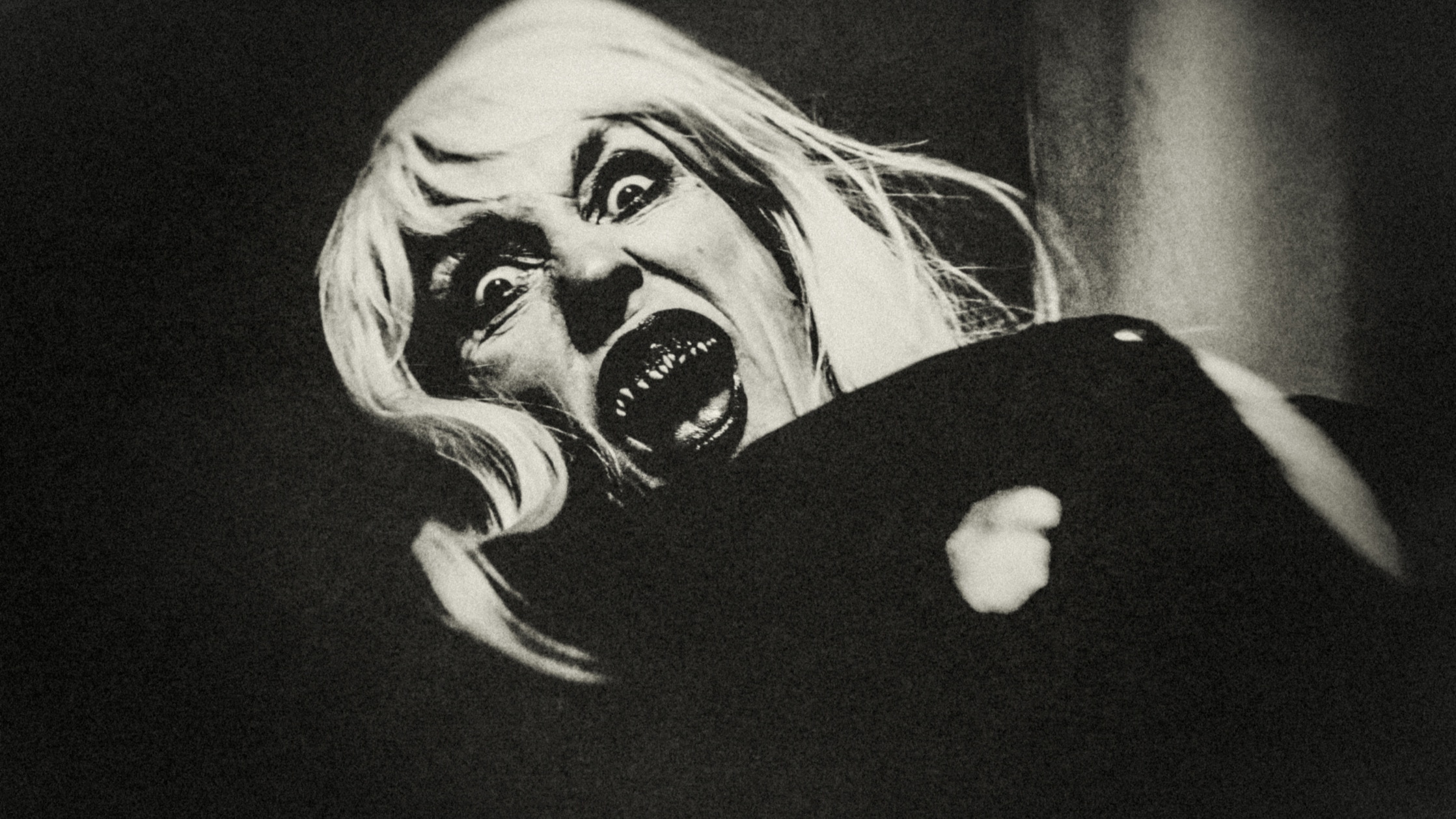

Just like Chunky Chimp, we have to learn to be ourselves. This fun lesson uses the Bluey episode "Movies" as the kickoff to a classroom conversation about the importance of being yourself. The lesson includes printables for three activities in which kids make courage capes, draw self-portraits, and decorate puzzle pieces that show things that make them unique.
Movies Episode Summary: It is Bluey’s first trip to the cinema, but she’s worried that the movie will be too scary. When Bingo starts running amok in the theatre, she must conquer her fear and help Dad out.
Watch the episode here! (Click here to watch in Australia.)
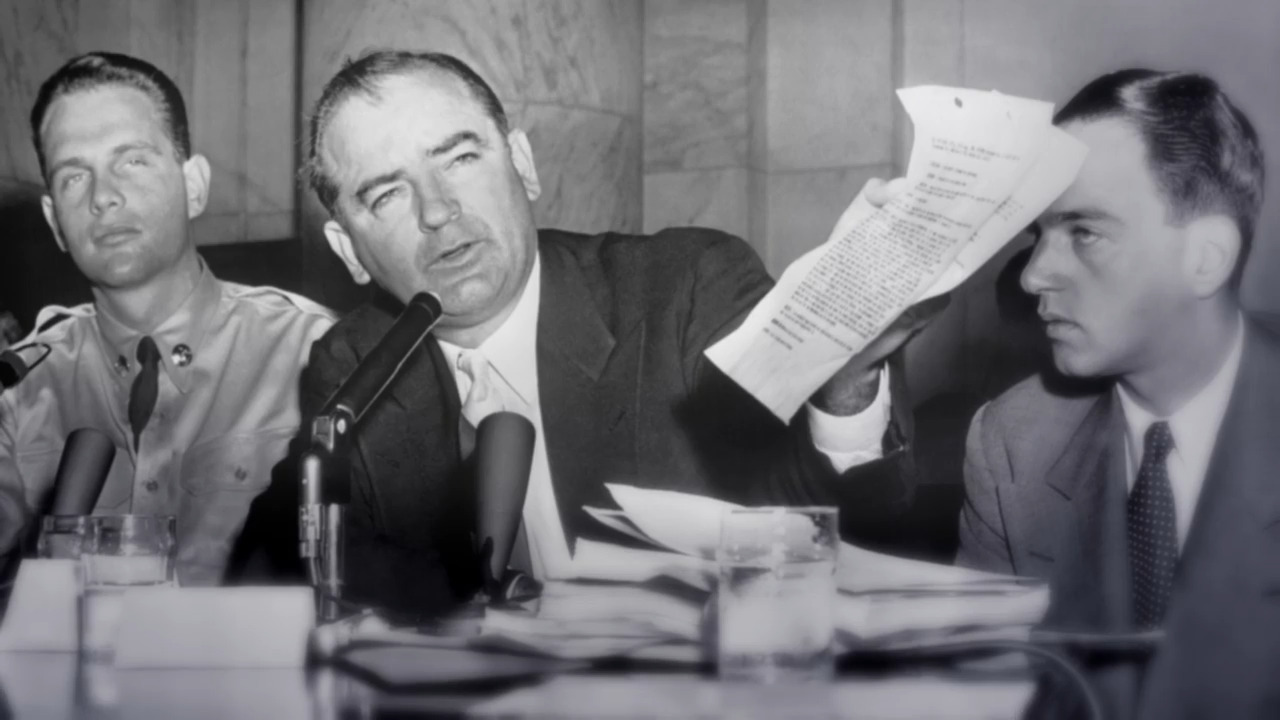
In McCarthy's Communist Accusations, historian Lucy Worsley investigates Joseph McCarthy's impact on government workers. Many people were accused of being communists and interrogated. McCarthy also persecuted people he believed to be homosexual. Many people's lives were ruined by his policies. This video is excerpted from BBC's American History's Biggest Fibs With Lucy Worsley, in which Worsley reveals the myths and manipulations behind American history.
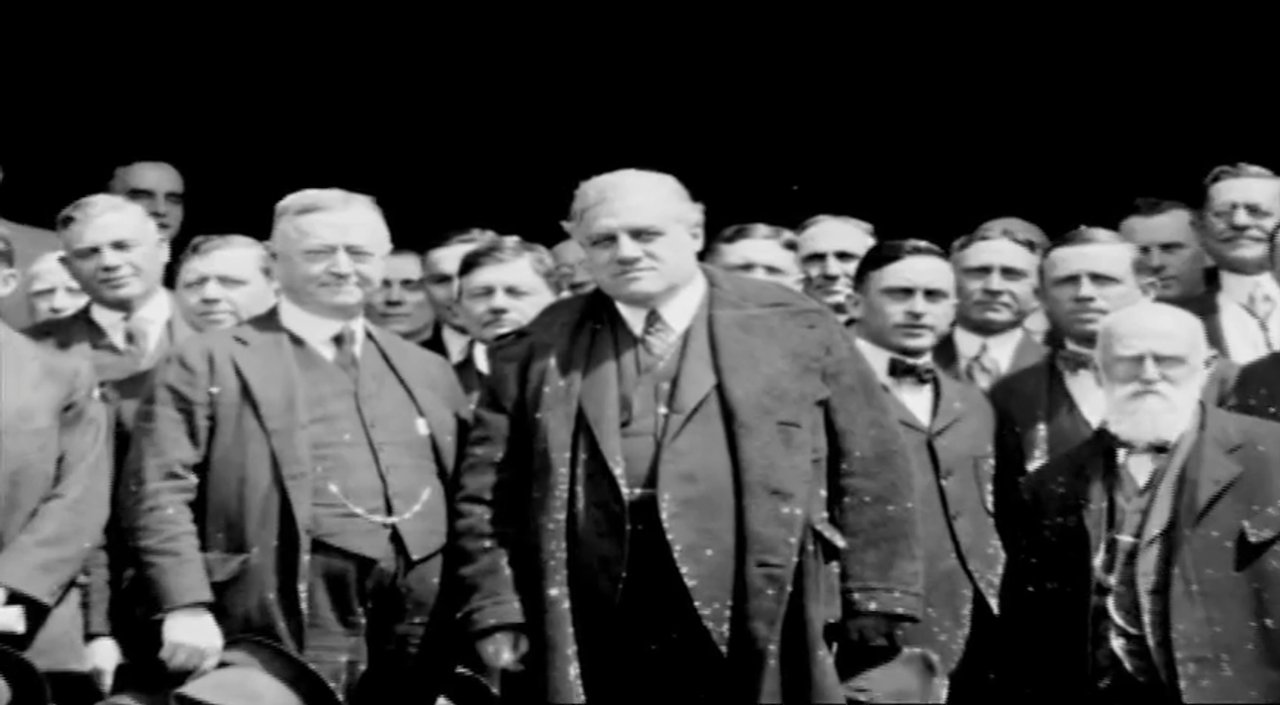
After World War I, rising prices, labor strikes, and political unrest fueled fears of a communist revolution in the United States. This period, known as the Red Scare, intensified after a series of bombings in 1919, including an attack on Attorney General A. Mitchell Palmer’s home. Palmer and Justice Department official J. Edgar Hoover launched investigations and raids targeting suspected radicals, particularly immigrants and foreign-born residents.
Beginning in 1919, the Palmer Raids led to thousands of arrests, often without proper legal protections. Although officials claimed the raids would prevent a revolution, they uncovered little evidence of a widespread communist conspiracy. The raids drew criticism for violating civil liberties and contributed to anti-immigrant sentiment during the 1920s. The Red Scare raised lasting questions about how governments balance national security with individual rights during periods of public fear.
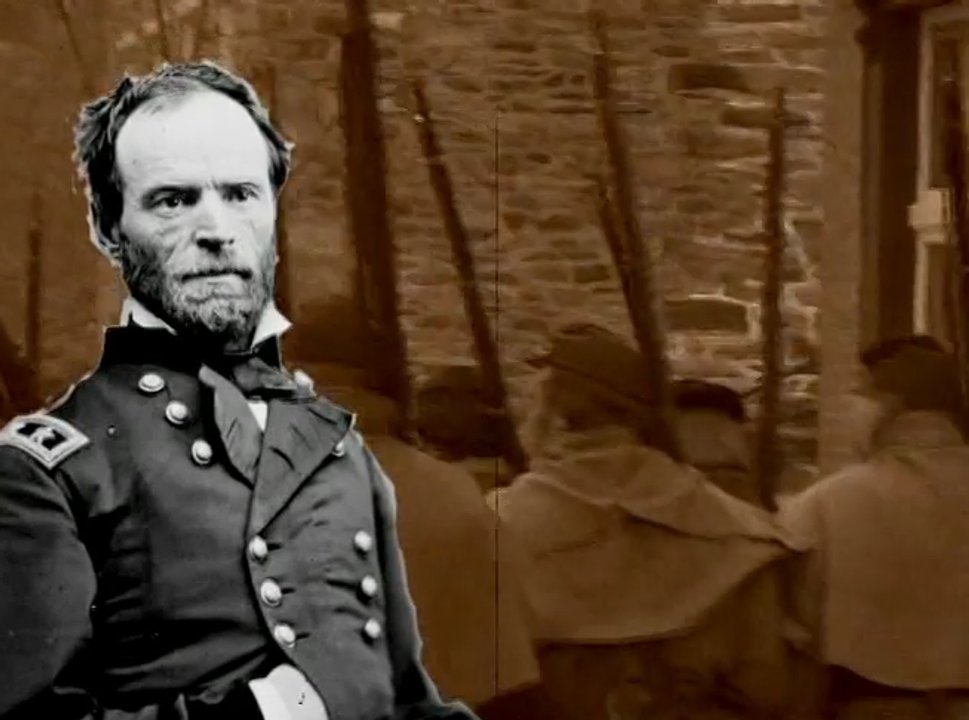
In 1864, Union General Ulysses S. Grant placed William Tecumseh Sherman in command of a major campaign to capture Atlanta, Georgia, an important Confederate railroad and industrial center. Sherman’s troops advanced from Chattanooga, Tennessee, pushing back Confederate forces led first by Joseph E. Johnston and later by John Bell Hood. As fighting intensified at places such as Kennesaw Mountain, Atlanta’s residents faced growing fear, shortages, and displacement.
After weeks of fighting and a prolonged siege, Union forces captured Atlanta on September 2, 1864, following the Confederate evacuation the previous night. Sherman ordered much of the city’s remaining military infrastructure destroyed, and fires damaged large parts of Atlanta. The victory dealt a significant blow to the Confederacy, disrupted its transportation and supply networks, and strengthened Northern morale. It also helped Lincoln’s reelection campaign, while the war continued until the Confederacy’s surrender in 1865.
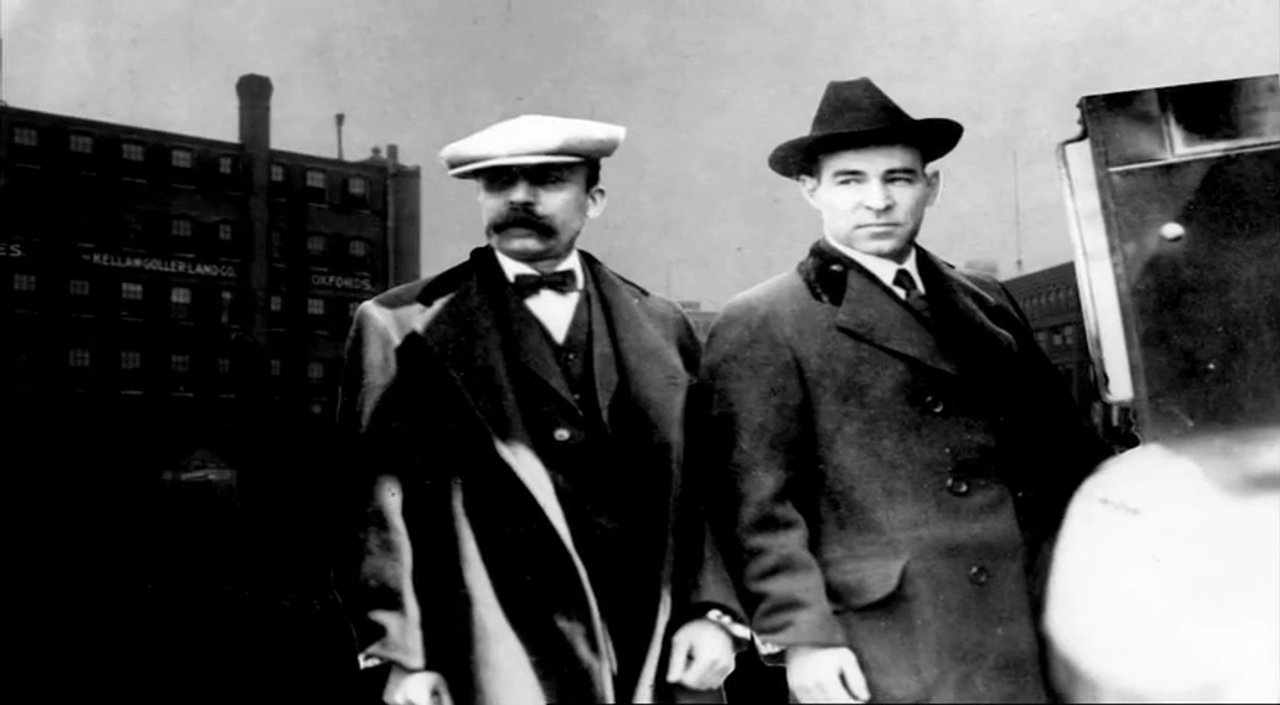
In 1920, Italian immigrants and self-proclaimed anarchists Nicola Sacco and Bartolomeo Vanzetti were arrested for the robbery and murder of two employees at a Massachusetts shoe factory. Their trial took place during the Red Scare, a period of intense fear of radical political movements that fueled suspicion of immigrants and anarchists. Questions about the evidence and fairness of the trial, along with concerns about anti-immigrant prejudice, made the case a national and international controversy.
Despite protests and appeals from prominent writers and intellectuals, Sacco and Vanzetti were executed in 1927. Their deaths sparked demonstrations around the world, and debate over their guilt continued for decades. The case highlighted the tensions between immigration, political radicalism, and the American justice system during the 1920s, raising lasting questions about how prejudice and public opinion can influence criminal trials.
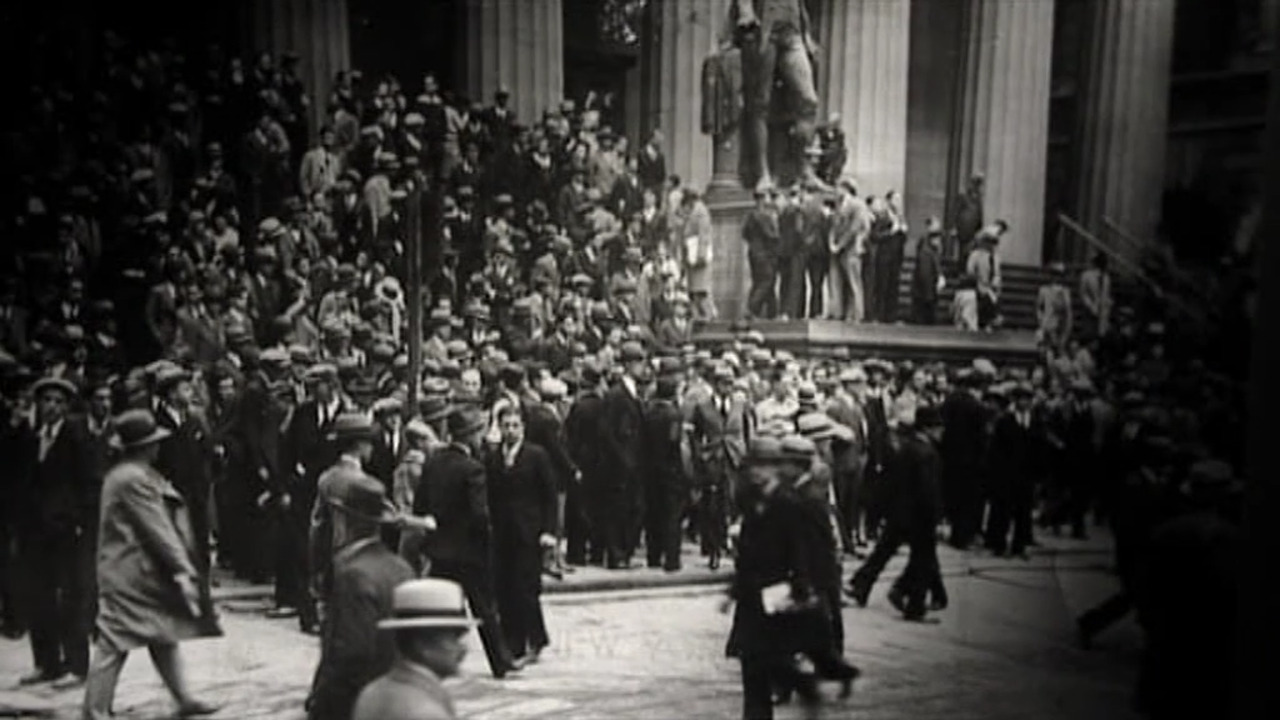
In The Stock Market Crash of 1929, learn about one of the most shocking financial disasters in history, which unfolded on the floor of the New York Stock Exchange. At the Museum of Financial History, you can see a replica of the ticker tape machine that delivered the news — and the actual ticker tape from that fateful day. People watched in fear as their hard-earned money vanished, and the panic that followed changed the economy forever. This video is excerpted from BBC’s Road to Riches, which explores the history of money, wealth, and economic power.
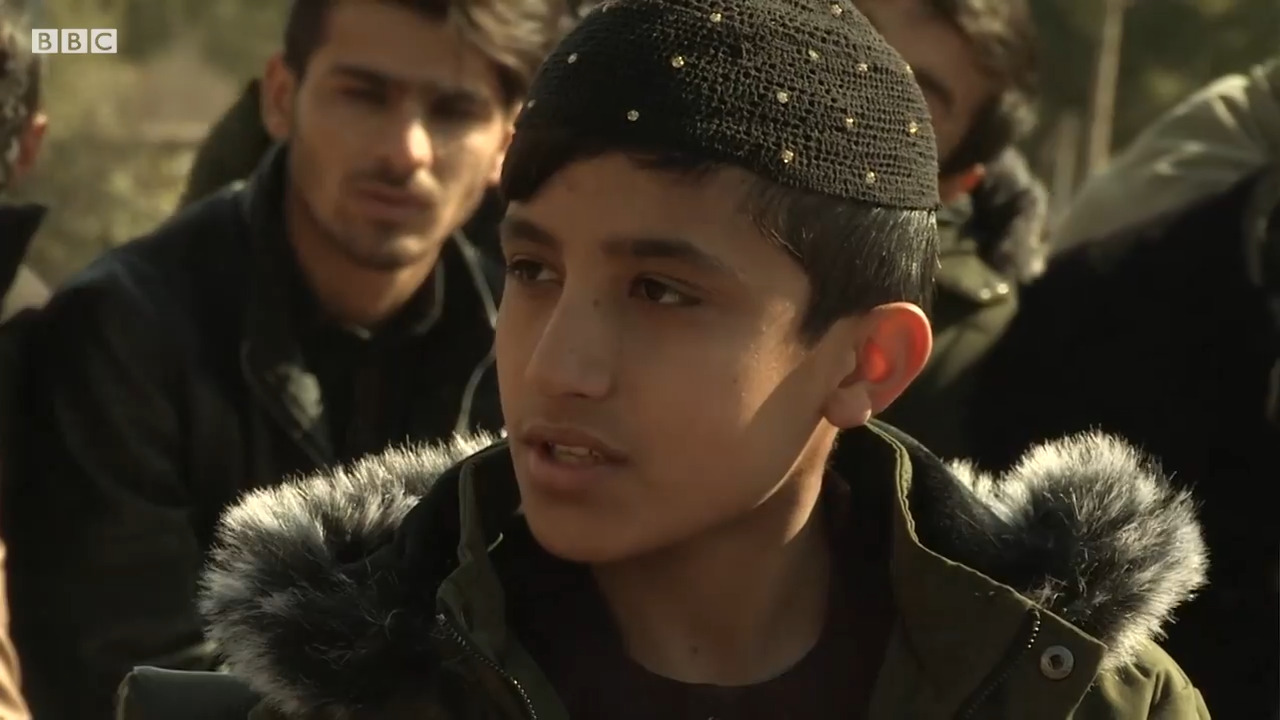
In Going to School in a War Zone, host Radzi Chinyanganya uncovers harsh realities of living and going to school in Afghanistan, a country that has been embroiled in conflict for decades. This video focuses on the impact of the war on students' education, with a special emphasis on Mohammad's account of life in a war zone where the sound of gunfire and the presence of tanks are a daily occurrence. The episode explores the challenges students face, including the dangers they encounter at school, the fear of being caught in crossfire, and the emotional toll of attending school in such conditions. This video is excerpted from BBC’s My World, a program created for teenagers eager to learn more about the important stories shaping our world.

In The Powerful Sarcosuchus, naturalist Steve Backshall explores this incredible dinosaur's immense bite force — so powerful that even the mighty T. rex feared it! This video is excerpted from BBC’s Deadly Dinosaurs, a documentary series in which host Steve Backshall is on the hunt for the deadliest animals to have walked the Earth — dinosaurs — exploring features of several species and putting their abilities to the test to reveal the raw power of these creatures.
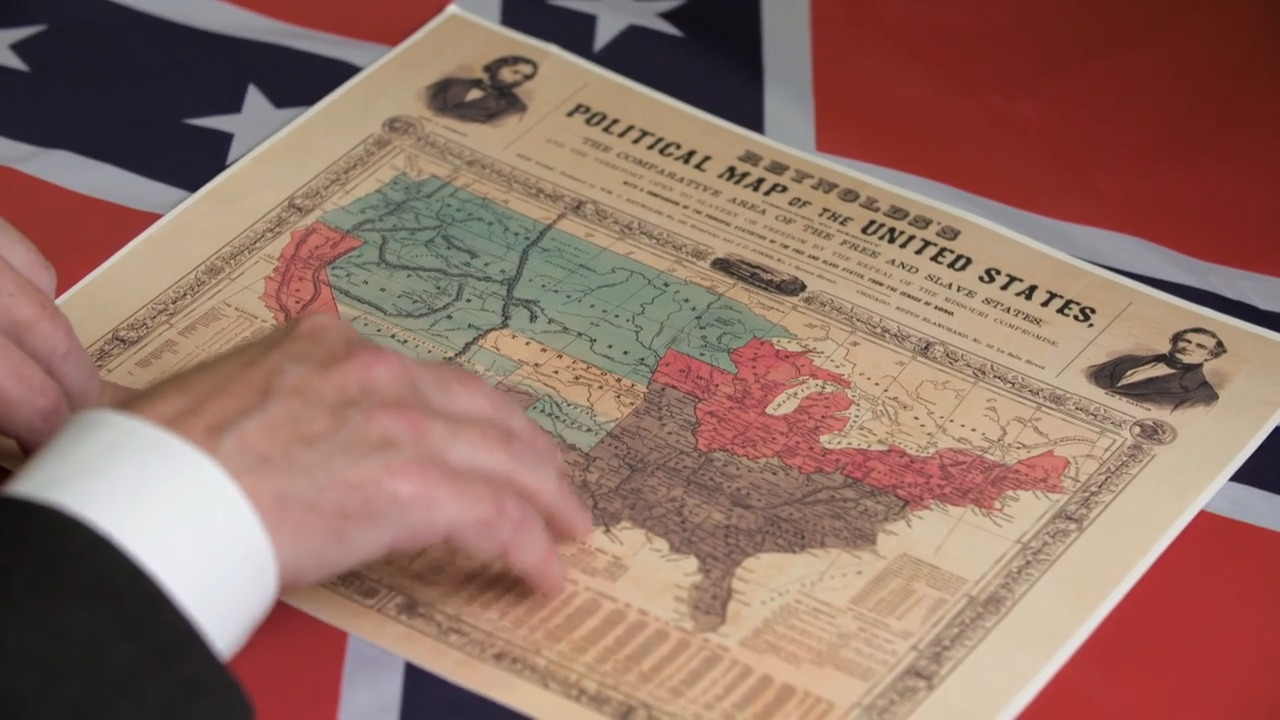
In How the American Civil War Really Started, historian Lucy Worsley investigates what America was like before the Civil War. It began as a clash between the 19 Northern states, which had abolished slavery, and 11 Southern states, where the economy was built on slave labor. New states were emerging in the West and both Northern and Southern states feared for their own economies. This video is excerpted from BBC's American History's Biggest Fibs With Lucy Worsley, in which Worsley reveals the myths and manipulations behind American history.

Kyan conquered his fear of the dragons to help his friends! Pretend you are in a parade and do your best dragon dance. Color the lanterns to complete the pattern.
In Some People Don't Feel Fear, learn what doctors are discovering about from Jordy, a man who does not experience fear. Find out how Jordy’s unique condition challenges our understanding of human emotions. Learn how hormones like cortisol and adrenaline affect the body’s reaction to fear and anxiety. This video is excerpted from BBC’s The World’s Most Extraordinary People, a documentary series revealing how rare medical conditions inspire groundbreaking scientific discoveries.
Just like Chunky Chimp, we have to learn to be ourselves. This fun lesson uses the Bluey episode "Movies" as the kickoff to a classroom conversation about the importance of being yourself. The lesson includes printables for three activities in which kids make courage capes, draw self-portraits, and decorate puzzle pieces that show things that make them unique.
Movies Episode Summary: It is Bluey’s first trip to the cinema, but she’s worried that the movie will be too scary. When Bingo starts running amok in the theatre, she must conquer her fear and help Dad out.
Watch the episode here! (Click here to watch in Australia.)
In McCarthy's Communist Accusations, historian Lucy Worsley investigates Joseph McCarthy's impact on government workers. Many people were accused of being communists and interrogated. McCarthy also persecuted people he believed to be homosexual. Many people's lives were ruined by his policies. This video is excerpted from BBC's American History's Biggest Fibs With Lucy Worsley, in which Worsley reveals the myths and manipulations behind American history.
After World War I, rising prices, labor strikes, and political unrest fueled fears of a communist revolution in the United States. This period, known as the Red Scare, intensified after a series of bombings in 1919, including an attack on Attorney General A. Mitchell Palmer’s home. Palmer and Justice Department official J. Edgar Hoover launched investigations and raids targeting suspected radicals, particularly immigrants and foreign-born residents.
Beginning in 1919, the Palmer Raids led to thousands of arrests, often without proper legal protections. Although officials claimed the raids would prevent a revolution, they uncovered little evidence of a widespread communist conspiracy. The raids drew criticism for violating civil liberties and contributed to anti-immigrant sentiment during the 1920s. The Red Scare raised lasting questions about how governments balance national security with individual rights during periods of public fear.
In 1864, Union General Ulysses S. Grant placed William Tecumseh Sherman in command of a major campaign to capture Atlanta, Georgia, an important Confederate railroad and industrial center. Sherman’s troops advanced from Chattanooga, Tennessee, pushing back Confederate forces led first by Joseph E. Johnston and later by John Bell Hood. As fighting intensified at places such as Kennesaw Mountain, Atlanta’s residents faced growing fear, shortages, and displacement.
After weeks of fighting and a prolonged siege, Union forces captured Atlanta on September 2, 1864, following the Confederate evacuation the previous night. Sherman ordered much of the city’s remaining military infrastructure destroyed, and fires damaged large parts of Atlanta. The victory dealt a significant blow to the Confederacy, disrupted its transportation and supply networks, and strengthened Northern morale. It also helped Lincoln’s reelection campaign, while the war continued until the Confederacy’s surrender in 1865.
In 1920, Italian immigrants and self-proclaimed anarchists Nicola Sacco and Bartolomeo Vanzetti were arrested for the robbery and murder of two employees at a Massachusetts shoe factory. Their trial took place during the Red Scare, a period of intense fear of radical political movements that fueled suspicion of immigrants and anarchists. Questions about the evidence and fairness of the trial, along with concerns about anti-immigrant prejudice, made the case a national and international controversy.
Despite protests and appeals from prominent writers and intellectuals, Sacco and Vanzetti were executed in 1927. Their deaths sparked demonstrations around the world, and debate over their guilt continued for decades. The case highlighted the tensions between immigration, political radicalism, and the American justice system during the 1920s, raising lasting questions about how prejudice and public opinion can influence criminal trials.
In The Stock Market Crash of 1929, learn about one of the most shocking financial disasters in history, which unfolded on the floor of the New York Stock Exchange. At the Museum of Financial History, you can see a replica of the ticker tape machine that delivered the news — and the actual ticker tape from that fateful day. People watched in fear as their hard-earned money vanished, and the panic that followed changed the economy forever. This video is excerpted from BBC’s Road to Riches, which explores the history of money, wealth, and economic power.
In Going to School in a War Zone, host Radzi Chinyanganya uncovers harsh realities of living and going to school in Afghanistan, a country that has been embroiled in conflict for decades. This video focuses on the impact of the war on students' education, with a special emphasis on Mohammad's account of life in a war zone where the sound of gunfire and the presence of tanks are a daily occurrence. The episode explores the challenges students face, including the dangers they encounter at school, the fear of being caught in crossfire, and the emotional toll of attending school in such conditions. This video is excerpted from BBC’s My World, a program created for teenagers eager to learn more about the important stories shaping our world.
In The Powerful Sarcosuchus, naturalist Steve Backshall explores this incredible dinosaur's immense bite force — so powerful that even the mighty T. rex feared it! This video is excerpted from BBC’s Deadly Dinosaurs, a documentary series in which host Steve Backshall is on the hunt for the deadliest animals to have walked the Earth — dinosaurs — exploring features of several species and putting their abilities to the test to reveal the raw power of these creatures.
In How the American Civil War Really Started, historian Lucy Worsley investigates what America was like before the Civil War. It began as a clash between the 19 Northern states, which had abolished slavery, and 11 Southern states, where the economy was built on slave labor. New states were emerging in the West and both Northern and Southern states feared for their own economies. This video is excerpted from BBC's American History's Biggest Fibs With Lucy Worsley, in which Worsley reveals the myths and manipulations behind American history.
Kyan conquered his fear of the dragons to help his friends! Pretend you are in a parade and do your best dragon dance. Color the lanterns to complete the pattern.