Evolution
Go on an epic four billion year adventure travelling through time to uncover how life on earth evolved and learn the answers to five questions about five iconic animals created by the unstoppable force of nature.
Ages 11–18: Evolution takes learners on a fascinating journey through the history of life on Earth, exploring how species change and adapt over time. The series introduces key concepts such as natural selection, adaptation, genetics, biodiversity, and the evidence scientists use to understand evolutionary history.
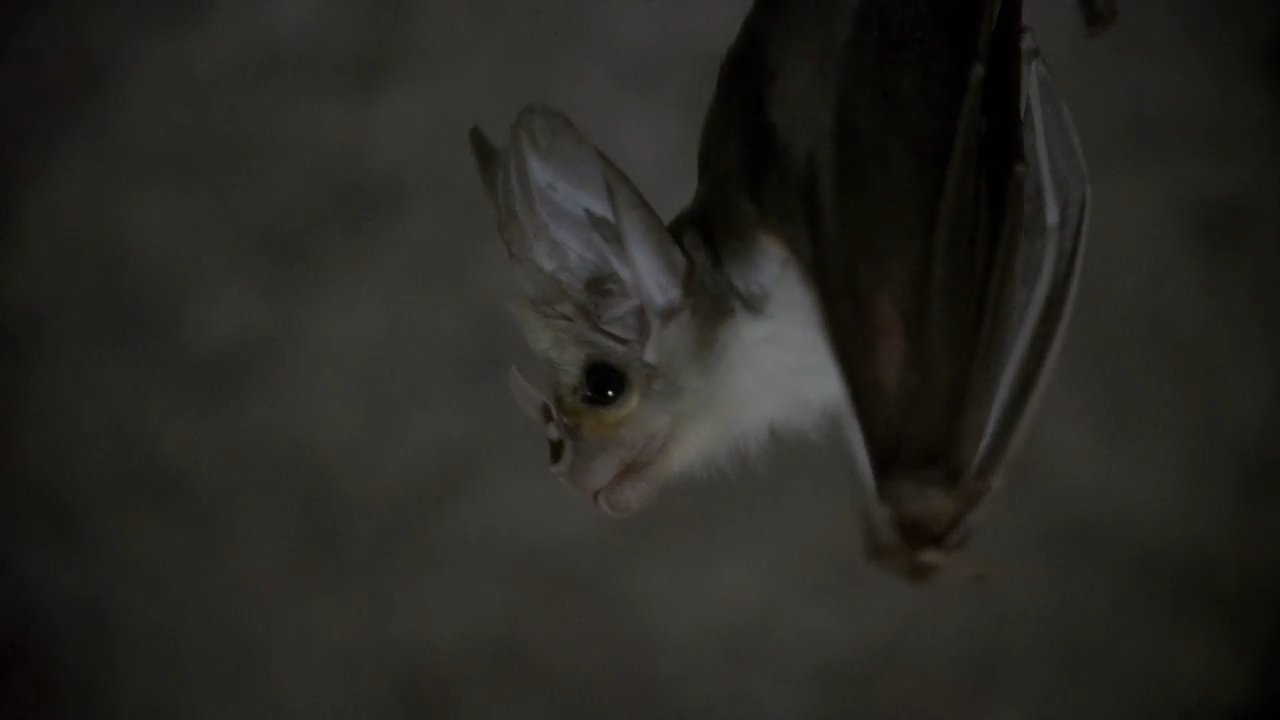
The end of the Cretaceous reshaped life on Earth, with the asteroid impact that wiped out more than 70% of species leaving a world where mammals could rapidly diversify. This clip from BBC’s Evolution episode "The Bat" follows that turning point to the emergence of early bats, including Icaronycteris, whose elongated fingers formed wings and whose specialized ear structures suggest that echolocation was already developing.
The combination of flight and echolocation allowed bats to exploit an entirely new environment, hunting for food in the night sky and eventually spreading across almost every continent. The video also connects the bat’s remarkable adaptations to features shared by all mammals, including jaws, complex teeth, a through gut, and specialized middle-ear bones, highlighting the deep evolutionary connections between bats, humans, and other mammals.
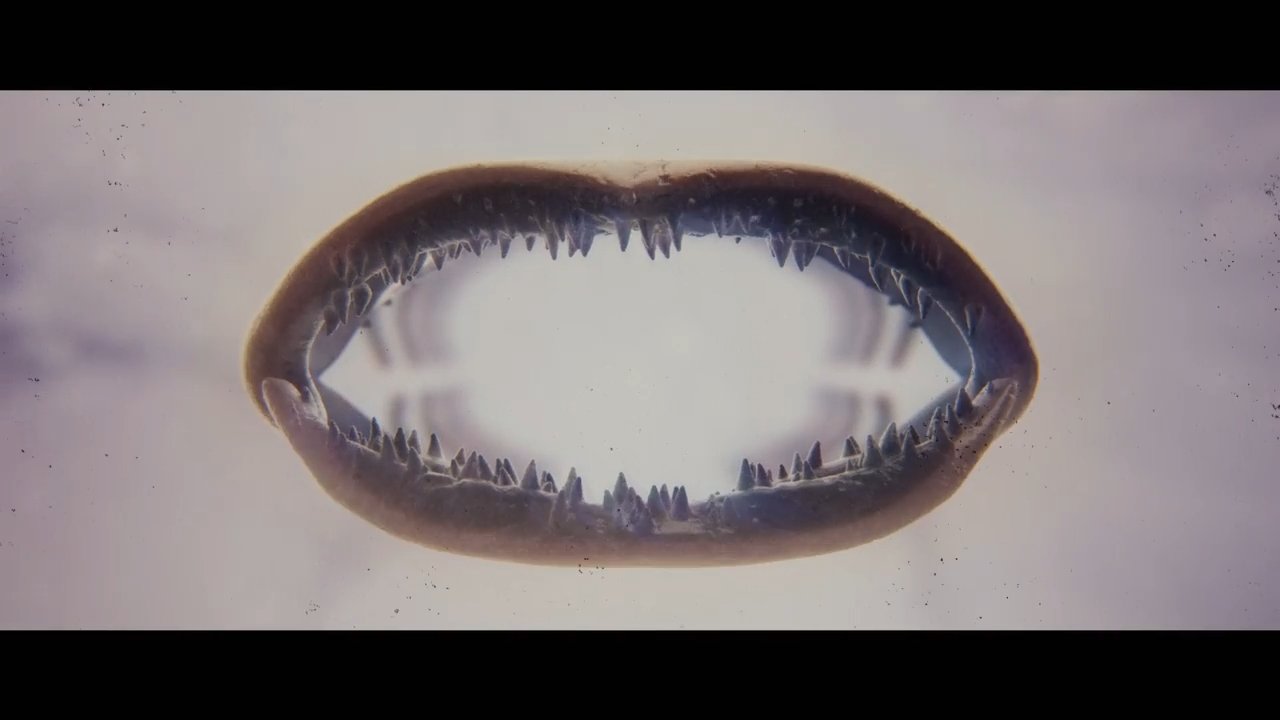
The evolution of jaws transformed how the ancestors of bats and other vertebrates could feed and survive. This clip from BBC’s Evolution episode The Bat follows the ancient fish Metaspriggina, whose unusual front gill arches may have been an early step toward the development of jaws, allowing its descendants to move beyond filter-feeding and actively bite and capture prey.
Because the cartilage involved in early jaw evolution rarely survives in fossils, scientists also look to developing embryos for clues. The video shows how the same genes that control the formation of gill arches also help shape jaws, providing evidence of their shared evolutionary origin and showing how a structure once involved in breathing and feeding was transformed into one of the most important innovations in vertebrate evolution.
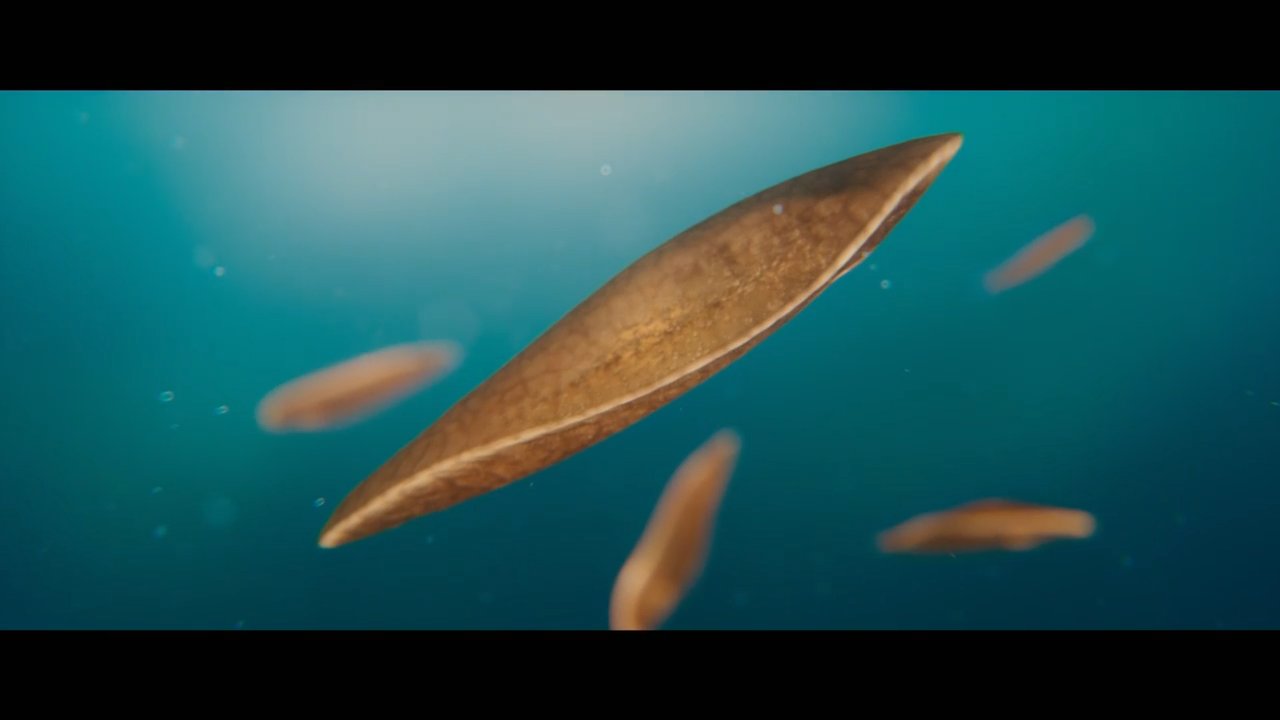
The Ediacaran Garden was home to some of the earliest and strangest animals on Earth, living among vast microbial mats that provided an almost endless food supply. This clip from BBC’s Evolution episode "The Bat" explores the mysterious world of these ancient creatures and follows a tiny, soft-bodied organism thought to be a distant ancestor of bats and humans.
With no hard parts to leave fossils behind, this creature’s story must be pieced together from clues about modern animals and the evolutionary changes that followed. Mutations gradually transformed a simple gut into a continuous digestive tube with a separate opening for waste — a seemingly simple innovation that allowed animals to eat continuously and digest food far more efficiently.
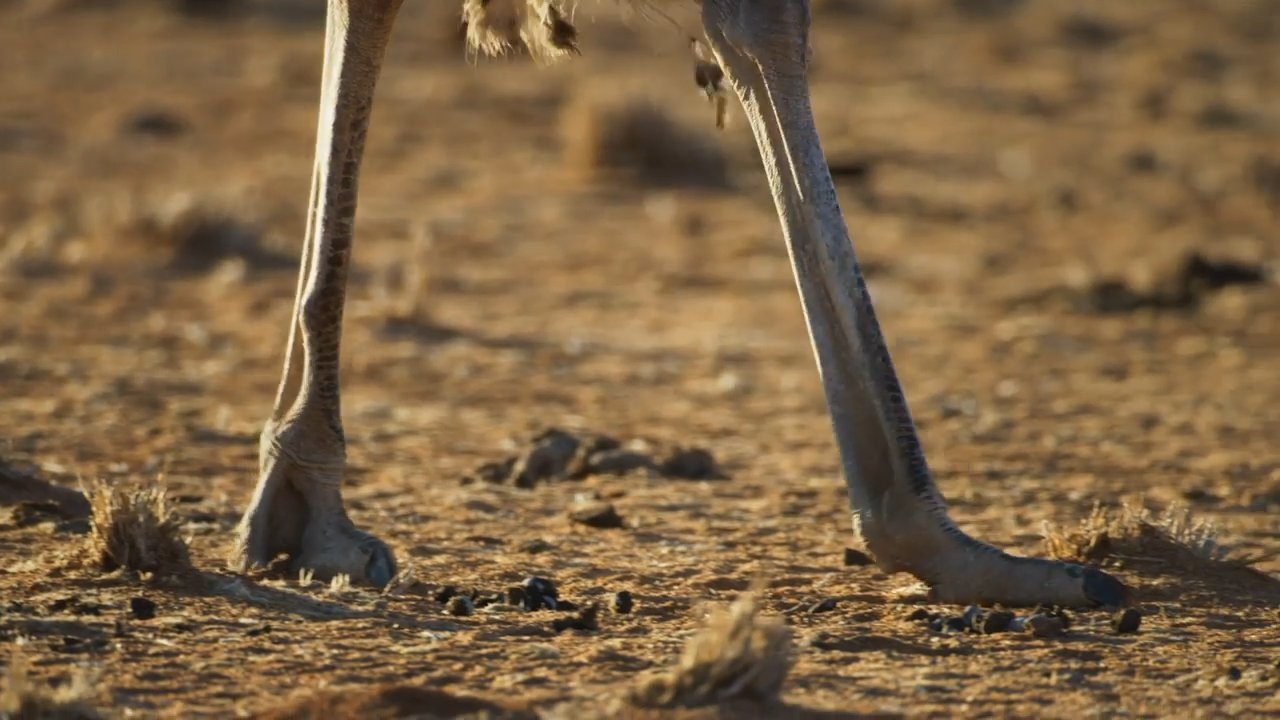
In the Devonian, the oceans were filled with predators, making it dangerous for fish to protect their vulnerable eggs. This clip from BBC’s Evolution episode "The Ostrich" explores how some fish with strong, fleshy-lobed fins may have gained an advantage by venturing into isolated pools and streams where their eggs were safer from aquatic predators.
Over generations, those fins became increasingly adapted for movement on land, with bones, joints, and digits eventually forming the limbs of early land vertebrates. Fossils such as Seymouria reveal the emergence of the familiar five-digit hand, connecting the anatomy of ancient amphibious animals to the limbs of elephants, ostriches, lizards, and humans today.
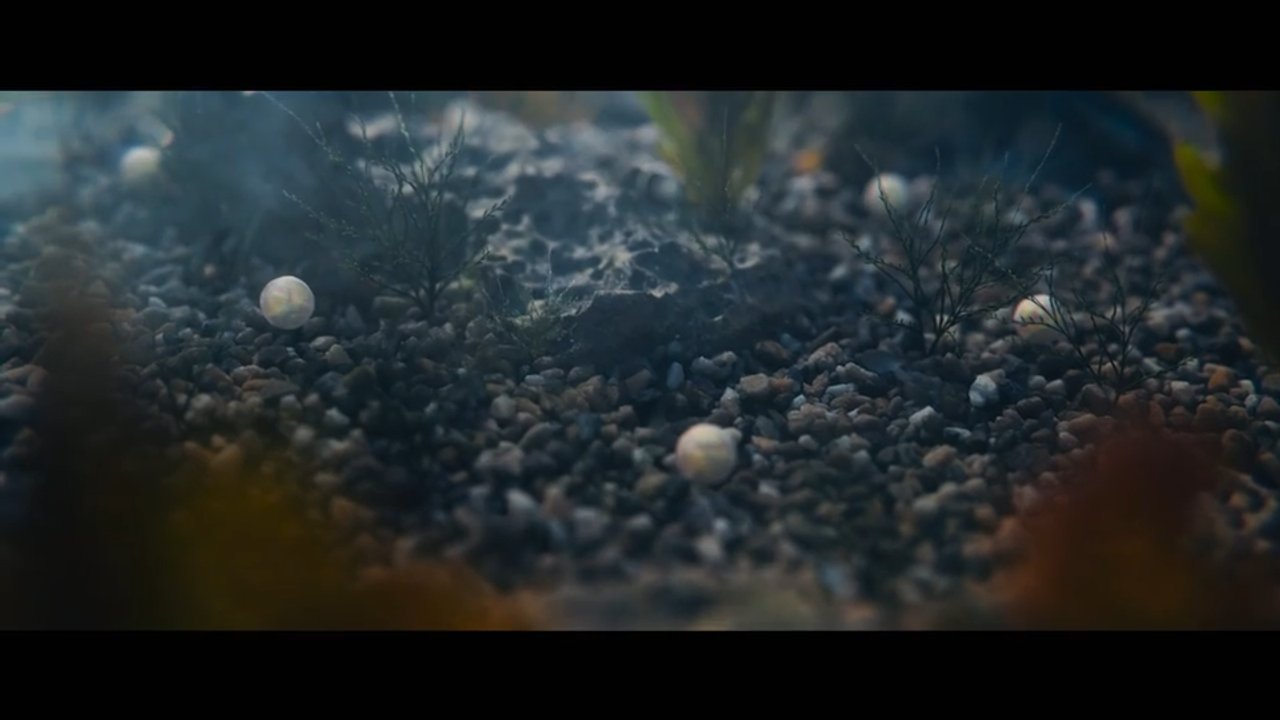
As animals evolved larger, more complex bodies, reproduction had to evolve with them. This clip from BBC’s Evolution episode "The Ostrich" traces the evolution of sexual reproduction from specialized egg and sperm cells to the emergence of separate male and female sexes, using fossils and living animals to explore how these strategies developed.
The story begins with ancient Cambrian animals and the evolution of specialized gametes, then considers why some early animals may have been hermaphrodites, producing both eggs and sperm. The video explores how mutations and evolutionary pressures could have led to separate sexes, with sperm becoming specialized for movement and eggs becoming larger and more nutrient-rich — a specialization taken to an extraordinary extreme in the single-celled beginnings of an ostrich egg.
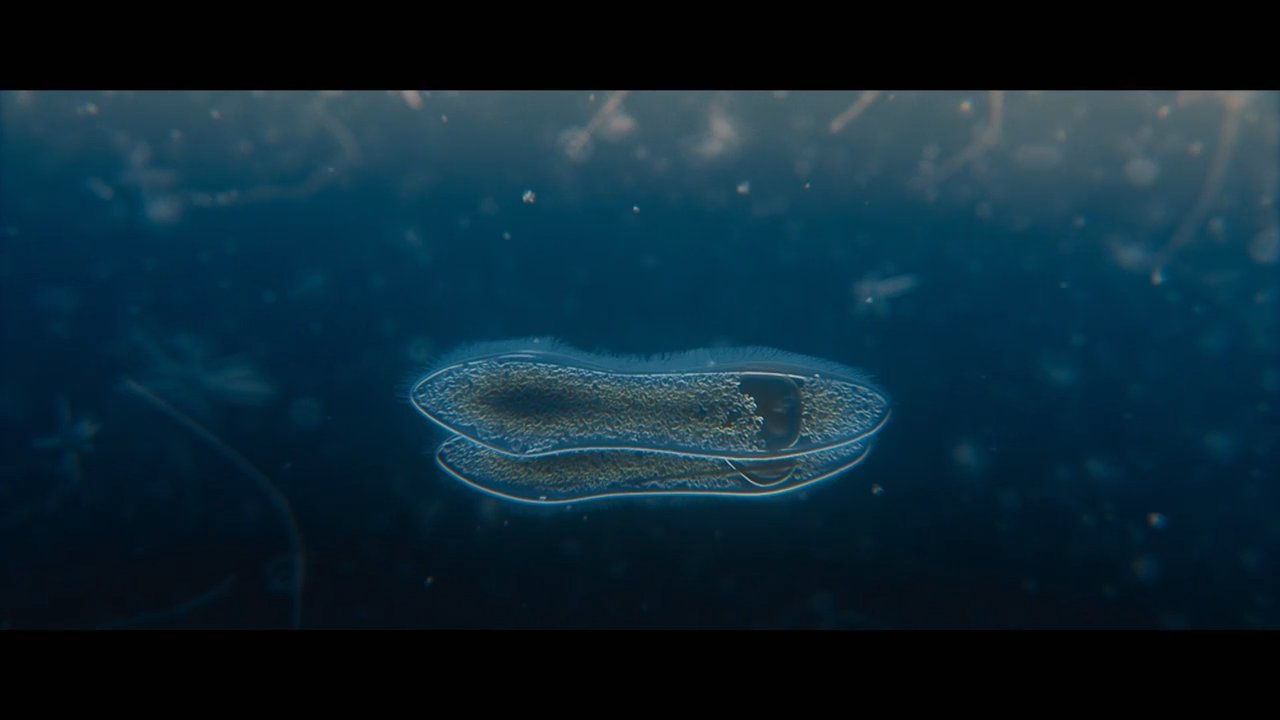
For nearly four billion years, life reproduced without sexes, simply copying itself to create genetically similar offspring. This clip from BBC’s Evolution episode "The Ostrich" explores the emergence of sexual reproduction around two billion years ago, when cells gained the ability to fuse with one another and combine their DNA.
By mixing genetic material from two parents, sexual reproduction created an enormous variety of unique offspring, giving evolution far more variation to work with. The video examines how this seemingly simple change may have helped accelerate the evolution of increasingly complex life, ultimately opening the door to organisms made up of trillions of specialized cells.

The ancestors of dolphins lived in a very different world, when Pangea was hot and dry and giant reptiles dominated the land. This clip from BBC’s Evolution episode "The Dolphin" follows the small cynodonts that survived by burrowing and becoming active at night, escaping competition with larger predators while their senses adapted to a darker world.
As smell and touch became increasingly important, the cynodont brain grew larger and more complex, eventually giving rise to the neocortex — a defining feature of mammalian brains. The video explores how this folded layer of the brain provides space for vast networks of neurons involved in processing information, memory, problem-solving, and other complex behaviors.
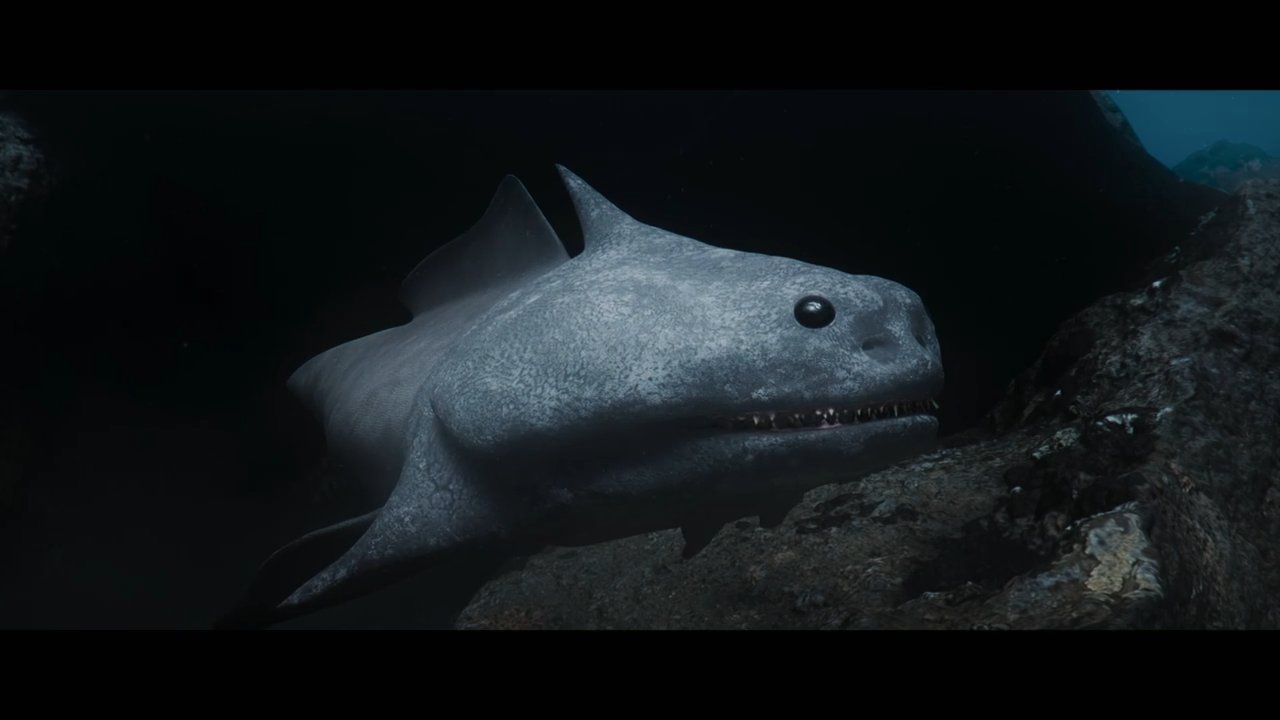
As the predator-prey arms race intensified in the ancient oceans, fish evolved stronger defenses — and increasingly sophisticated brains. This clip from BBC’s Evolution episode "The Dolphin" examines the armored placoderms, whose fossilized skulls reveal surprisingly complex brains for animals that lived around 400 million years ago. CT scans allow scientists to reconstruct these ancient brains and explore structures involved in movement, balance, and processing information.
The video also explores a remarkable theory about the evolution of myelin, the insulating material that allows nerve signals to travel much faster along neurons. Retroviral DNA may have played a role in triggering the development of myelin in early vertebrates, helping their brains process information more rapidly while freeing them from the need for enormous nerve fibers. This evolutionary innovation helped pave the way for increasingly sophisticated vertebrate brains.
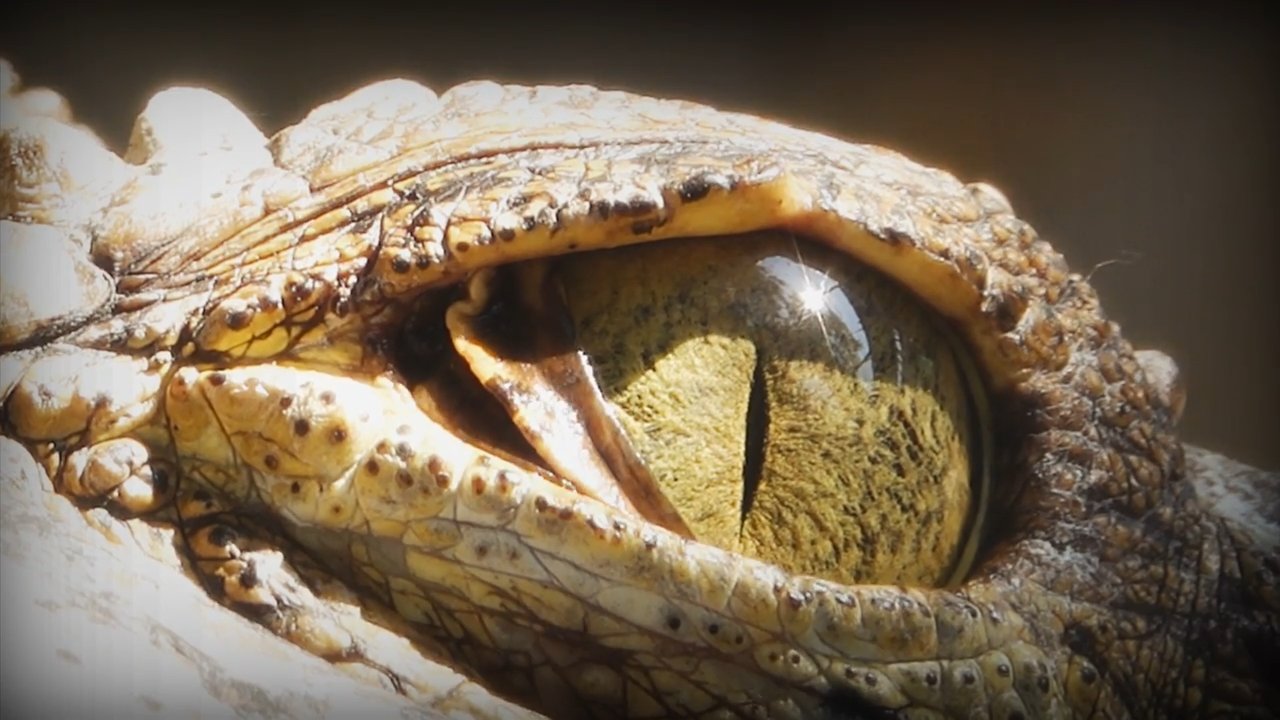
Vision transformed the way animals interacted with their surroundings, turning survival into a game of seeing, sensing, and responding. This clip from BBC’s Evolution episode "The Dolphin" travels back to the Cambrian Period, when complex eyes began appearing in many forms, including the prominent eyes of trilobites, and explores how the rise of vision may have driven an evolutionary arms race between predators and prey.
Rare Cambrian fossils also preserve evidence of neural tissue and even brain structures, offering clues to the connection between increasingly sophisticated eyes and increasingly complex brains. From wide-ranging compound eyes to giant camera-like eyes, the video traces the remarkable variety of ways animals have evolved to process the visual world around them.
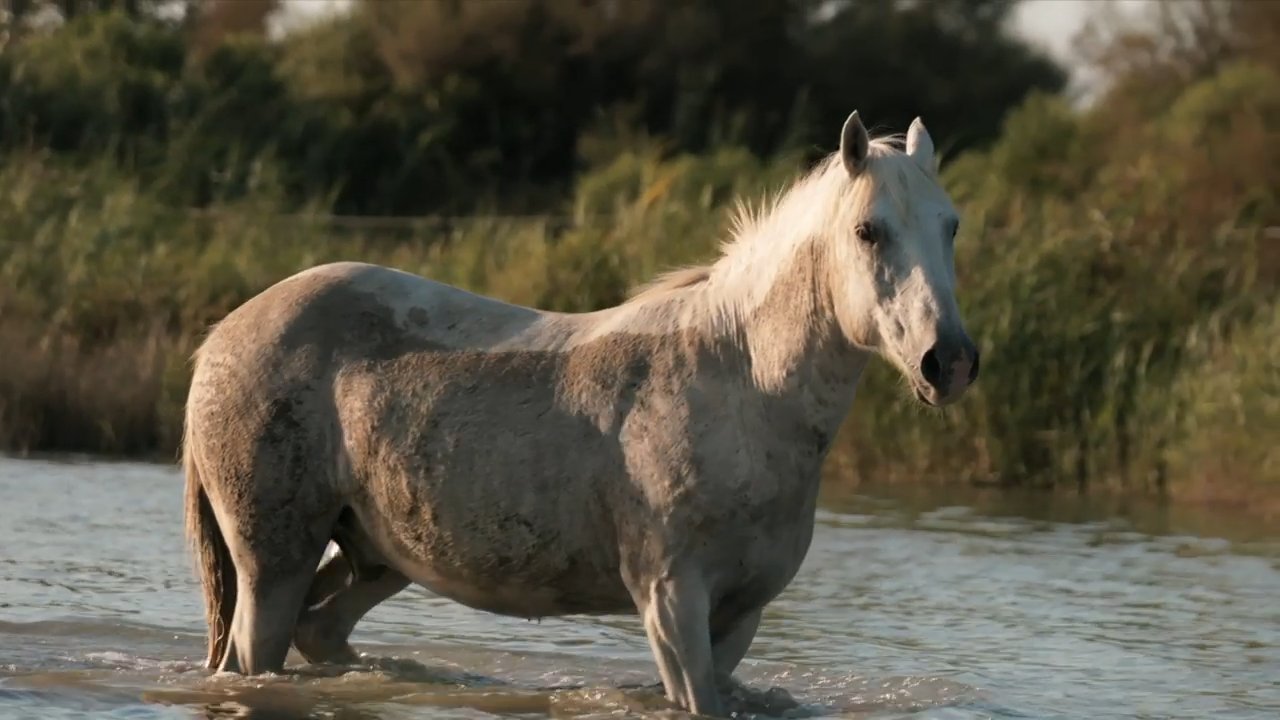
The history of the horse is closely intertwined with our own, and its DNA preserves evidence of how that relationship changed. In this clip from BBC’s Evolution episode "The Horse," scientists examine ancient horse DNA to trace how wild horse populations changed as humans began to domesticate and selectively breed them.
Genetic evidence reveals changes associated with traits such as docility and a body shape better suited to carrying humans. Over generations, human choices favored these characteristics, helping transform wild horses into the domestic horse and demonstrating how selective breeding can influence the course of evolution.
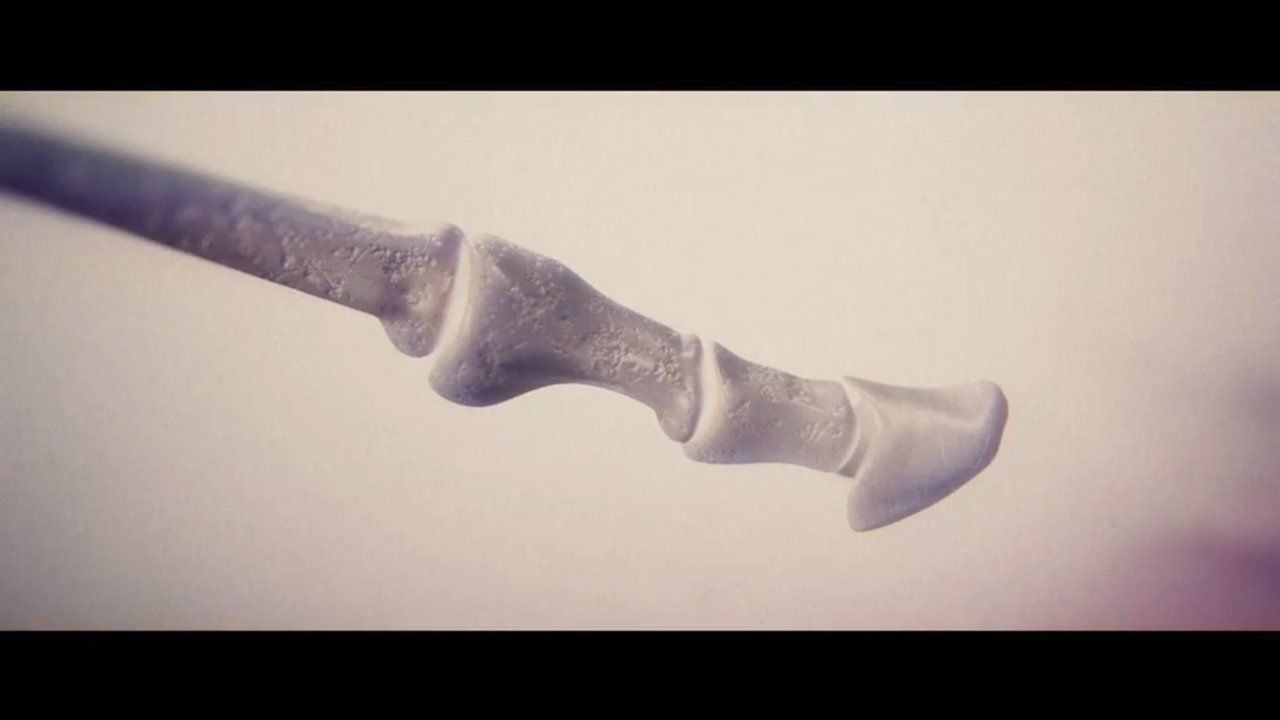
The horse’s remarkable ability to run is the result of millions of years of evolutionary change. In this clip from BBC’s Evolution episode "The Horse," follow the development of specialized running limbs, beginning with early mammals such as Phenacodus, whose digitigrade stance allowed for longer and faster strides.
Over time, bones lengthened, muscles became concentrated higher on the legs, and the feet became increasingly streamlined until Equus evolved a single toe and hard hoof. These adaptations made horses extraordinarily efficient runners, while also creating a trade-off: limbs built almost entirely for speed were far less useful for other tasks.
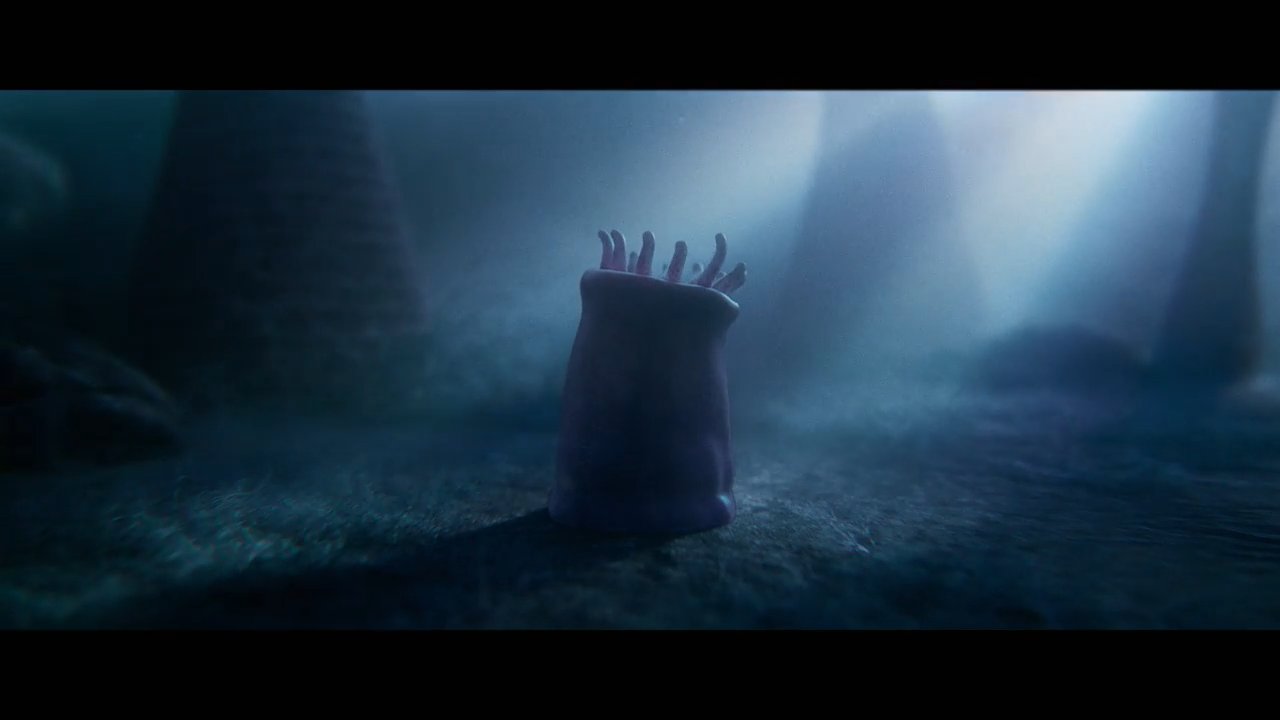
Before horses could gallop across open landscapes, the ability to move had to evolve. This clip from BBC’s Evolution episode "The Horse" travels back more than 500 million years to the Ediacaran Period, when most large animals were stationary and depended on ocean currents to bring them food. Rare fossils, including Auroralumina and an ancient trailway, provide clues to the emergence of muscle and some of the earliest evidence of animal movement.
The video also examines myosin, an ancient protein that powers muscle contraction, showing how this microscopic mechanism helped make coordinated movement possible — and ultimately laid the foundation for the powerful muscles that drive animals like the horse.
The end of the Cretaceous reshaped life on Earth, with the asteroid impact that wiped out more than 70% of species leaving a world where mammals could rapidly diversify. This clip from BBC’s Evolution episode "The Bat" follows that turning point to the emergence of early bats, including Icaronycteris, whose elongated fingers formed wings and whose specialized ear structures suggest that echolocation was already developing.
The combination of flight and echolocation allowed bats to exploit an entirely new environment, hunting for food in the night sky and eventually spreading across almost every continent. The video also connects the bat’s remarkable adaptations to features shared by all mammals, including jaws, complex teeth, a through gut, and specialized middle-ear bones, highlighting the deep evolutionary connections between bats, humans, and other mammals.
The evolution of jaws transformed how the ancestors of bats and other vertebrates could feed and survive. This clip from BBC’s Evolution episode The Bat follows the ancient fish Metaspriggina, whose unusual front gill arches may have been an early step toward the development of jaws, allowing its descendants to move beyond filter-feeding and actively bite and capture prey.
Because the cartilage involved in early jaw evolution rarely survives in fossils, scientists also look to developing embryos for clues. The video shows how the same genes that control the formation of gill arches also help shape jaws, providing evidence of their shared evolutionary origin and showing how a structure once involved in breathing and feeding was transformed into one of the most important innovations in vertebrate evolution.
The Ediacaran Garden was home to some of the earliest and strangest animals on Earth, living among vast microbial mats that provided an almost endless food supply. This clip from BBC’s Evolution episode "The Bat" explores the mysterious world of these ancient creatures and follows a tiny, soft-bodied organism thought to be a distant ancestor of bats and humans.
With no hard parts to leave fossils behind, this creature’s story must be pieced together from clues about modern animals and the evolutionary changes that followed. Mutations gradually transformed a simple gut into a continuous digestive tube with a separate opening for waste — a seemingly simple innovation that allowed animals to eat continuously and digest food far more efficiently.
In the Devonian, the oceans were filled with predators, making it dangerous for fish to protect their vulnerable eggs. This clip from BBC’s Evolution episode "The Ostrich" explores how some fish with strong, fleshy-lobed fins may have gained an advantage by venturing into isolated pools and streams where their eggs were safer from aquatic predators.
Over generations, those fins became increasingly adapted for movement on land, with bones, joints, and digits eventually forming the limbs of early land vertebrates. Fossils such as Seymouria reveal the emergence of the familiar five-digit hand, connecting the anatomy of ancient amphibious animals to the limbs of elephants, ostriches, lizards, and humans today.
As animals evolved larger, more complex bodies, reproduction had to evolve with them. This clip from BBC’s Evolution episode "The Ostrich" traces the evolution of sexual reproduction from specialized egg and sperm cells to the emergence of separate male and female sexes, using fossils and living animals to explore how these strategies developed.
The story begins with ancient Cambrian animals and the evolution of specialized gametes, then considers why some early animals may have been hermaphrodites, producing both eggs and sperm. The video explores how mutations and evolutionary pressures could have led to separate sexes, with sperm becoming specialized for movement and eggs becoming larger and more nutrient-rich — a specialization taken to an extraordinary extreme in the single-celled beginnings of an ostrich egg.
For nearly four billion years, life reproduced without sexes, simply copying itself to create genetically similar offspring. This clip from BBC’s Evolution episode "The Ostrich" explores the emergence of sexual reproduction around two billion years ago, when cells gained the ability to fuse with one another and combine their DNA.
By mixing genetic material from two parents, sexual reproduction created an enormous variety of unique offspring, giving evolution far more variation to work with. The video examines how this seemingly simple change may have helped accelerate the evolution of increasingly complex life, ultimately opening the door to organisms made up of trillions of specialized cells.
The ancestors of dolphins lived in a very different world, when Pangea was hot and dry and giant reptiles dominated the land. This clip from BBC’s Evolution episode "The Dolphin" follows the small cynodonts that survived by burrowing and becoming active at night, escaping competition with larger predators while their senses adapted to a darker world.
As smell and touch became increasingly important, the cynodont brain grew larger and more complex, eventually giving rise to the neocortex — a defining feature of mammalian brains. The video explores how this folded layer of the brain provides space for vast networks of neurons involved in processing information, memory, problem-solving, and other complex behaviors.
As the predator-prey arms race intensified in the ancient oceans, fish evolved stronger defenses — and increasingly sophisticated brains. This clip from BBC’s Evolution episode "The Dolphin" examines the armored placoderms, whose fossilized skulls reveal surprisingly complex brains for animals that lived around 400 million years ago. CT scans allow scientists to reconstruct these ancient brains and explore structures involved in movement, balance, and processing information.
The video also explores a remarkable theory about the evolution of myelin, the insulating material that allows nerve signals to travel much faster along neurons. Retroviral DNA may have played a role in triggering the development of myelin in early vertebrates, helping their brains process information more rapidly while freeing them from the need for enormous nerve fibers. This evolutionary innovation helped pave the way for increasingly sophisticated vertebrate brains.
Vision transformed the way animals interacted with their surroundings, turning survival into a game of seeing, sensing, and responding. This clip from BBC’s Evolution episode "The Dolphin" travels back to the Cambrian Period, when complex eyes began appearing in many forms, including the prominent eyes of trilobites, and explores how the rise of vision may have driven an evolutionary arms race between predators and prey.
Rare Cambrian fossils also preserve evidence of neural tissue and even brain structures, offering clues to the connection between increasingly sophisticated eyes and increasingly complex brains. From wide-ranging compound eyes to giant camera-like eyes, the video traces the remarkable variety of ways animals have evolved to process the visual world around them.
The history of the horse is closely intertwined with our own, and its DNA preserves evidence of how that relationship changed. In this clip from BBC’s Evolution episode "The Horse," scientists examine ancient horse DNA to trace how wild horse populations changed as humans began to domesticate and selectively breed them.
Genetic evidence reveals changes associated with traits such as docility and a body shape better suited to carrying humans. Over generations, human choices favored these characteristics, helping transform wild horses into the domestic horse and demonstrating how selective breeding can influence the course of evolution.
The horse’s remarkable ability to run is the result of millions of years of evolutionary change. In this clip from BBC’s Evolution episode "The Horse," follow the development of specialized running limbs, beginning with early mammals such as Phenacodus, whose digitigrade stance allowed for longer and faster strides.
Over time, bones lengthened, muscles became concentrated higher on the legs, and the feet became increasingly streamlined until Equus evolved a single toe and hard hoof. These adaptations made horses extraordinarily efficient runners, while also creating a trade-off: limbs built almost entirely for speed were far less useful for other tasks.
Before horses could gallop across open landscapes, the ability to move had to evolve. This clip from BBC’s Evolution episode "The Horse" travels back more than 500 million years to the Ediacaran Period, when most large animals were stationary and depended on ocean currents to bring them food. Rare fossils, including Auroralumina and an ancient trailway, provide clues to the emergence of muscle and some of the earliest evidence of animal movement.
The video also examines myosin, an ancient protein that powers muscle contraction, showing how this microscopic mechanism helped make coordinated movement possible — and ultimately laid the foundation for the powerful muscles that drive animals like the horse.