A Mutation Results in the Formation of the Through Gut
The Ediacaran Garden was home to some of the earliest and strangest animals on Earth, living among vast microbial mats that provided an almost endless food supply. This clip from BBC’s Evolution episode "The Bat" explores the mysterious world of these ancient creatures and follows a tiny, soft-bodied organism thought to be a distant ancestor of bats and humans.
With no hard parts to leave fossils behind, this creature’s story must be pieced together from clues about modern animals and the evolutionary changes that followed. Mutations gradually transformed a simple gut into a continuous digestive tube with a separate opening for waste — a seemingly simple innovation that allowed animals to eat continuously and digest food far more efficiently.
Go on an epic four billion year adventure travelling through time to uncover how life on earth evolved. Learn more.
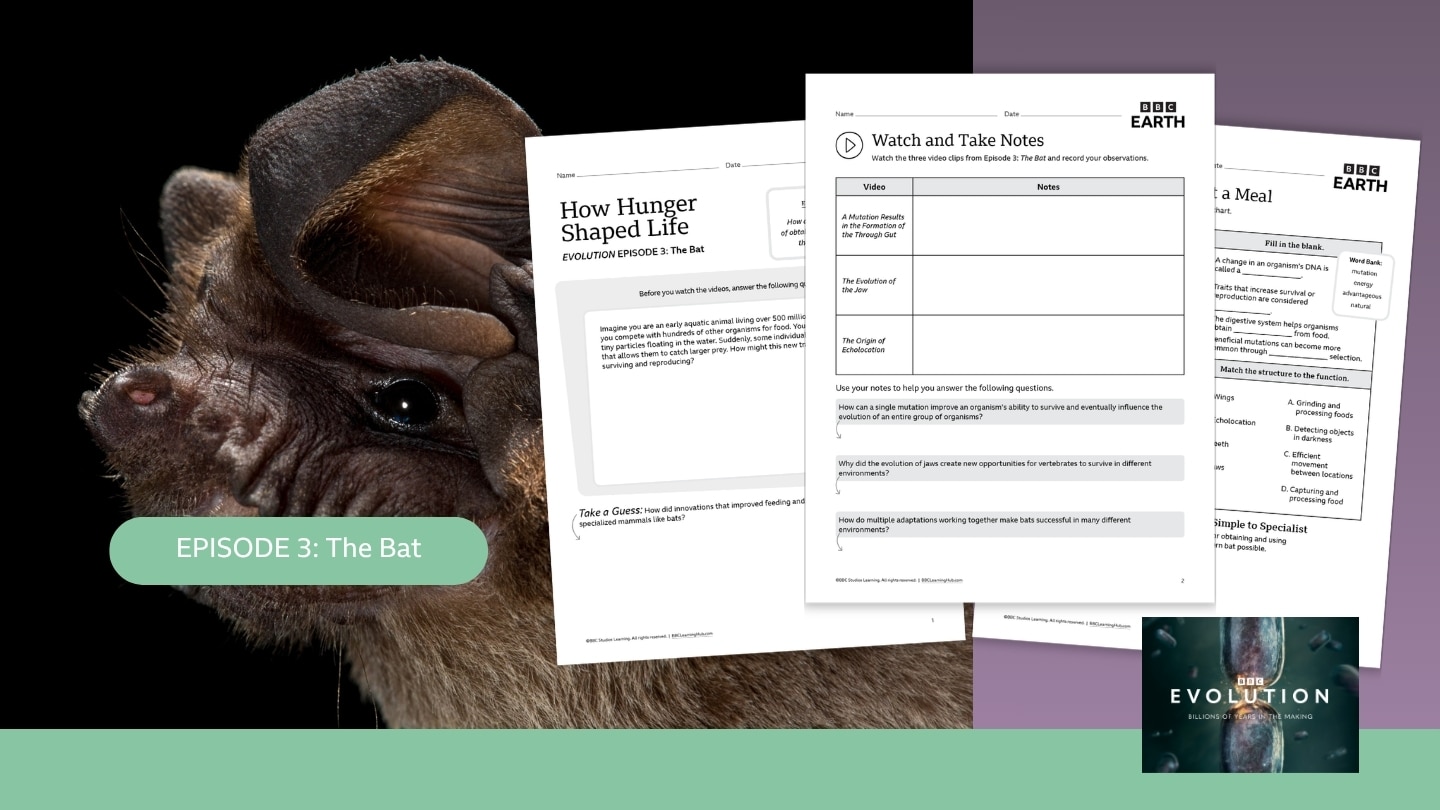
You Might Also Like
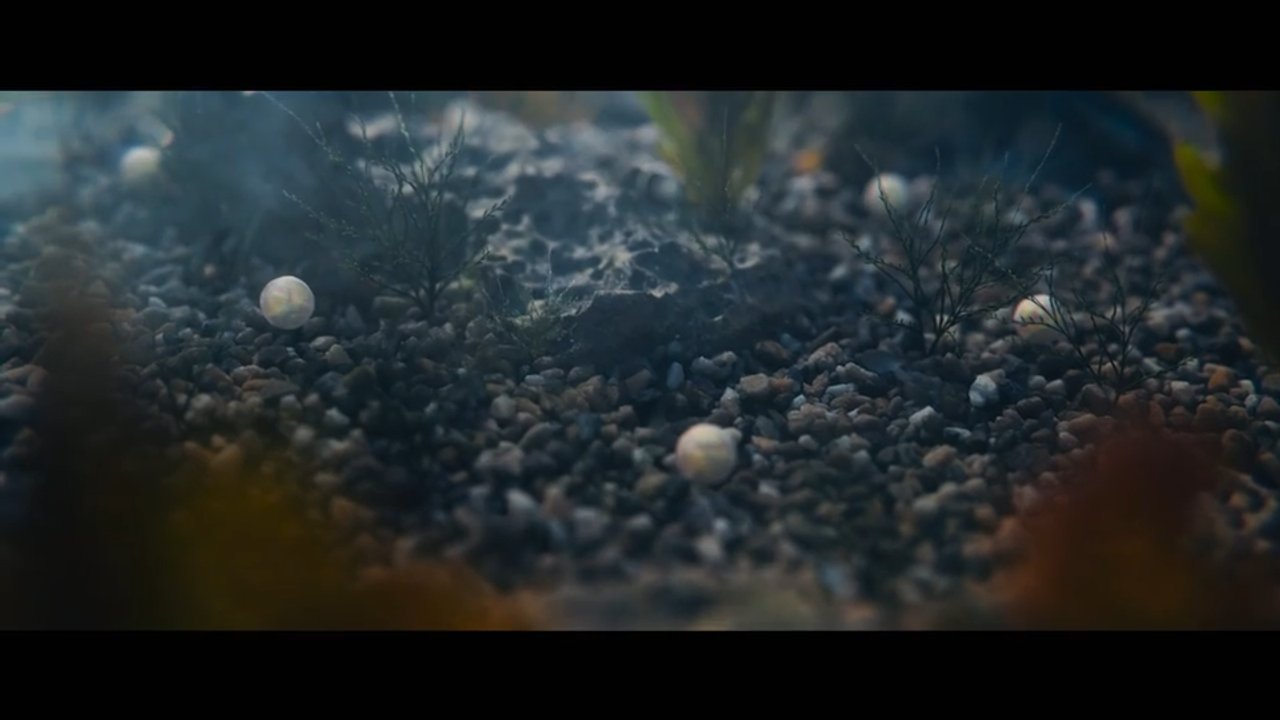
As animals evolved larger, more complex bodies, reproduction had to evolve with them. This clip from BBC’s Evolution episode "The Ostrich" traces the evolution of sexual reproduction from specialized egg and sperm cells to the emergence of separate male and female sexes, using fossils and living animals to explore how these strategies developed.
The story begins with ancient Cambrian animals and the evolution of specialized gametes, then considers why some early animals may have been hermaphrodites, producing both eggs and sperm. The video explores how mutations and evolutionary pressures could have led to separate sexes, with sperm becoming specialized for movement and eggs becoming larger and more nutrient-rich — a specialization taken to an extraordinary extreme in the single-celled beginnings of an ostrich egg.
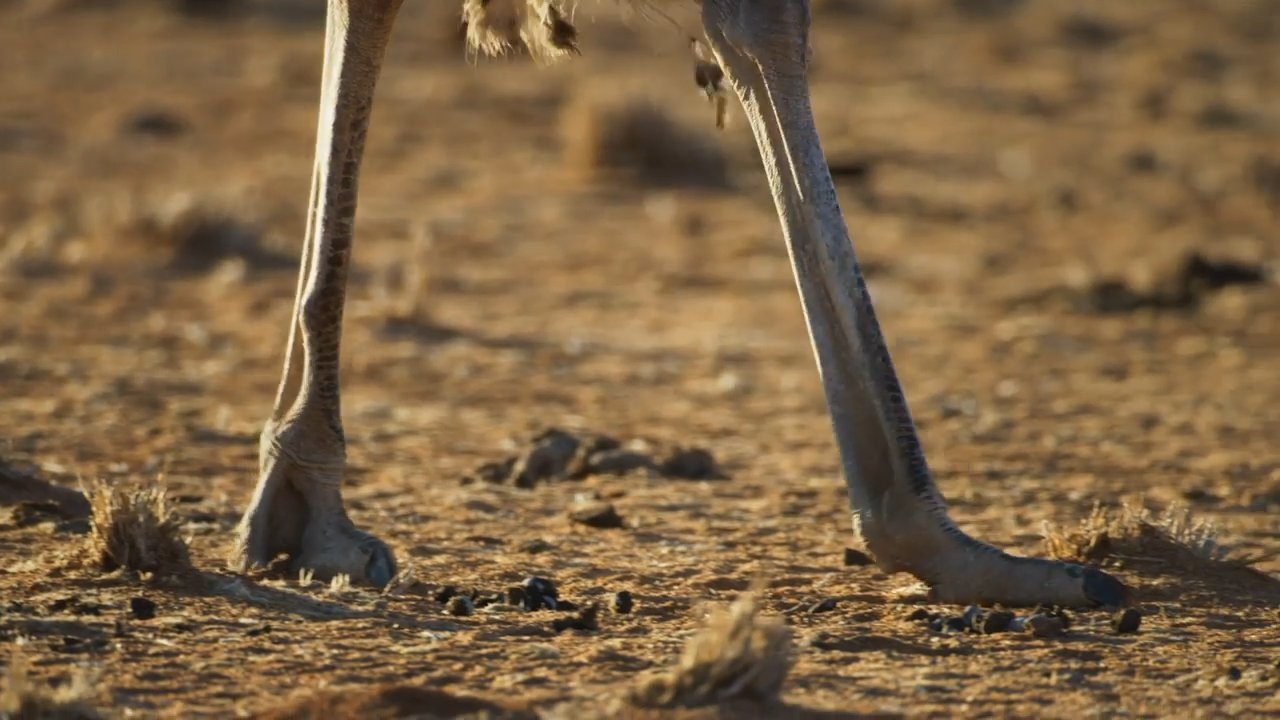
In the Devonian, the oceans were filled with predators, making it dangerous for fish to protect their vulnerable eggs. This clip from BBC’s Evolution episode "The Ostrich" explores how some fish with strong, fleshy-lobed fins may have gained an advantage by venturing into isolated pools and streams where their eggs were safer from aquatic predators.
Over generations, those fins became increasingly adapted for movement on land, with bones, joints, and digits eventually forming the limbs of early land vertebrates. Fossils such as Seymouria reveal the emergence of the familiar five-digit hand, connecting the anatomy of ancient amphibious animals to the limbs of elephants, ostriches, lizards, and humans today.
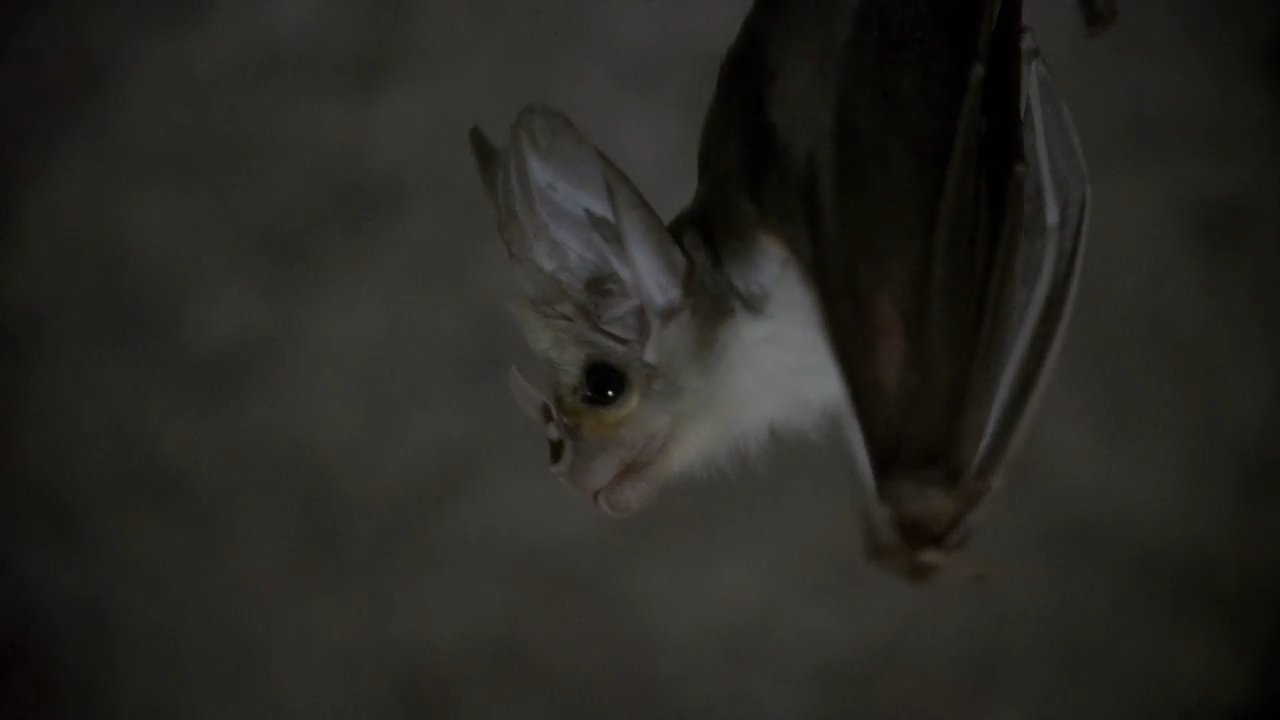
The end of the Cretaceous reshaped life on Earth, with the asteroid impact that wiped out more than 70% of species leaving a world where mammals could rapidly diversify. This clip from BBC’s Evolution episode "The Bat" follows that turning point to the emergence of early bats, including Icaronycteris, whose elongated fingers formed wings and whose specialized ear structures suggest that echolocation was already developing.
The combination of flight and echolocation allowed bats to exploit an entirely new environment, hunting for food in the night sky and eventually spreading across almost every continent. The video also connects the bat’s remarkable adaptations to features shared by all mammals, including jaws, complex teeth, a through gut, and specialized middle-ear bones, highlighting the deep evolutionary connections between bats, humans, and other mammals.
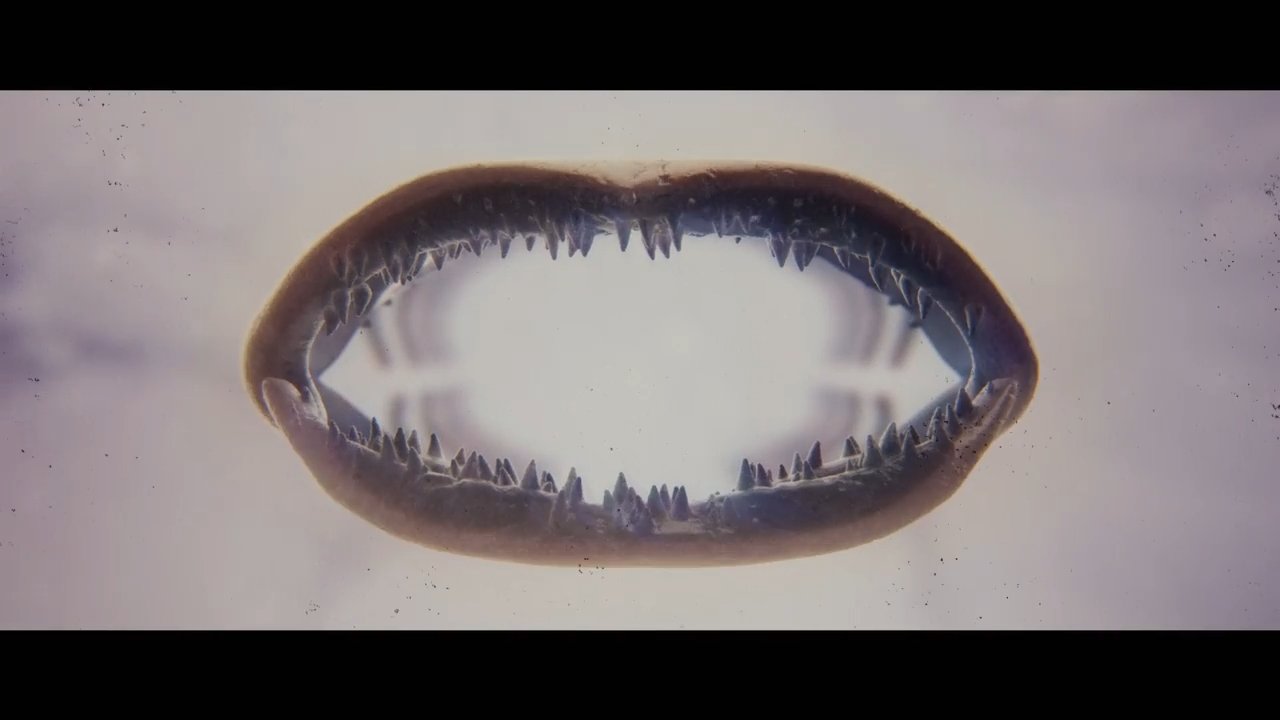
The evolution of jaws transformed how the ancestors of bats and other vertebrates could feed and survive. This clip from BBC’s Evolution episode The Bat follows the ancient fish Metaspriggina, whose unusual front gill arches may have been an early step toward the development of jaws, allowing its descendants to move beyond filter-feeding and actively bite and capture prey.
Because the cartilage involved in early jaw evolution rarely survives in fossils, scientists also look to developing embryos for clues. The video shows how the same genes that control the formation of gill arches also help shape jaws, providing evidence of their shared evolutionary origin and showing how a structure once involved in breathing and feeding was transformed into one of the most important innovations in vertebrate evolution.
As animals evolved larger, more complex bodies, reproduction had to evolve with them. This clip from BBC’s Evolution episode "The Ostrich" traces the evolution of sexual reproduction from specialized egg and sperm cells to the emergence of separate male and female sexes, using fossils and living animals to explore how these strategies developed.
The story begins with ancient Cambrian animals and the evolution of specialized gametes, then considers why some early animals may have been hermaphrodites, producing both eggs and sperm. The video explores how mutations and evolutionary pressures could have led to separate sexes, with sperm becoming specialized for movement and eggs becoming larger and more nutrient-rich — a specialization taken to an extraordinary extreme in the single-celled beginnings of an ostrich egg.
In the Devonian, the oceans were filled with predators, making it dangerous for fish to protect their vulnerable eggs. This clip from BBC’s Evolution episode "The Ostrich" explores how some fish with strong, fleshy-lobed fins may have gained an advantage by venturing into isolated pools and streams where their eggs were safer from aquatic predators.
Over generations, those fins became increasingly adapted for movement on land, with bones, joints, and digits eventually forming the limbs of early land vertebrates. Fossils such as Seymouria reveal the emergence of the familiar five-digit hand, connecting the anatomy of ancient amphibious animals to the limbs of elephants, ostriches, lizards, and humans today.
The end of the Cretaceous reshaped life on Earth, with the asteroid impact that wiped out more than 70% of species leaving a world where mammals could rapidly diversify. This clip from BBC’s Evolution episode "The Bat" follows that turning point to the emergence of early bats, including Icaronycteris, whose elongated fingers formed wings and whose specialized ear structures suggest that echolocation was already developing.
The combination of flight and echolocation allowed bats to exploit an entirely new environment, hunting for food in the night sky and eventually spreading across almost every continent. The video also connects the bat’s remarkable adaptations to features shared by all mammals, including jaws, complex teeth, a through gut, and specialized middle-ear bones, highlighting the deep evolutionary connections between bats, humans, and other mammals.
The evolution of jaws transformed how the ancestors of bats and other vertebrates could feed and survive. This clip from BBC’s Evolution episode The Bat follows the ancient fish Metaspriggina, whose unusual front gill arches may have been an early step toward the development of jaws, allowing its descendants to move beyond filter-feeding and actively bite and capture prey.
Because the cartilage involved in early jaw evolution rarely survives in fossils, scientists also look to developing embryos for clues. The video shows how the same genes that control the formation of gill arches also help shape jaws, providing evidence of their shared evolutionary origin and showing how a structure once involved in breathing and feeding was transformed into one of the most important innovations in vertebrate evolution.