The Evolution of the Jaw
The evolution of jaws transformed how the ancestors of bats and other vertebrates could feed and survive. This clip from BBC’s Evolution episode The Bat follows the ancient fish Metaspriggina, whose unusual front gill arches may have been an early step toward the development of jaws, allowing its descendants to move beyond filter-feeding and actively bite and capture prey.
Because the cartilage involved in early jaw evolution rarely survives in fossils, scientists also look to developing embryos for clues. The video shows how the same genes that control the formation of gill arches also help shape jaws, providing evidence of their shared evolutionary origin and showing how a structure once involved in breathing and feeding was transformed into one of the most important innovations in vertebrate evolution.
Go on an epic four billion year adventure travelling through time to uncover how life on earth evolved. Learn more.
You Might Also Like
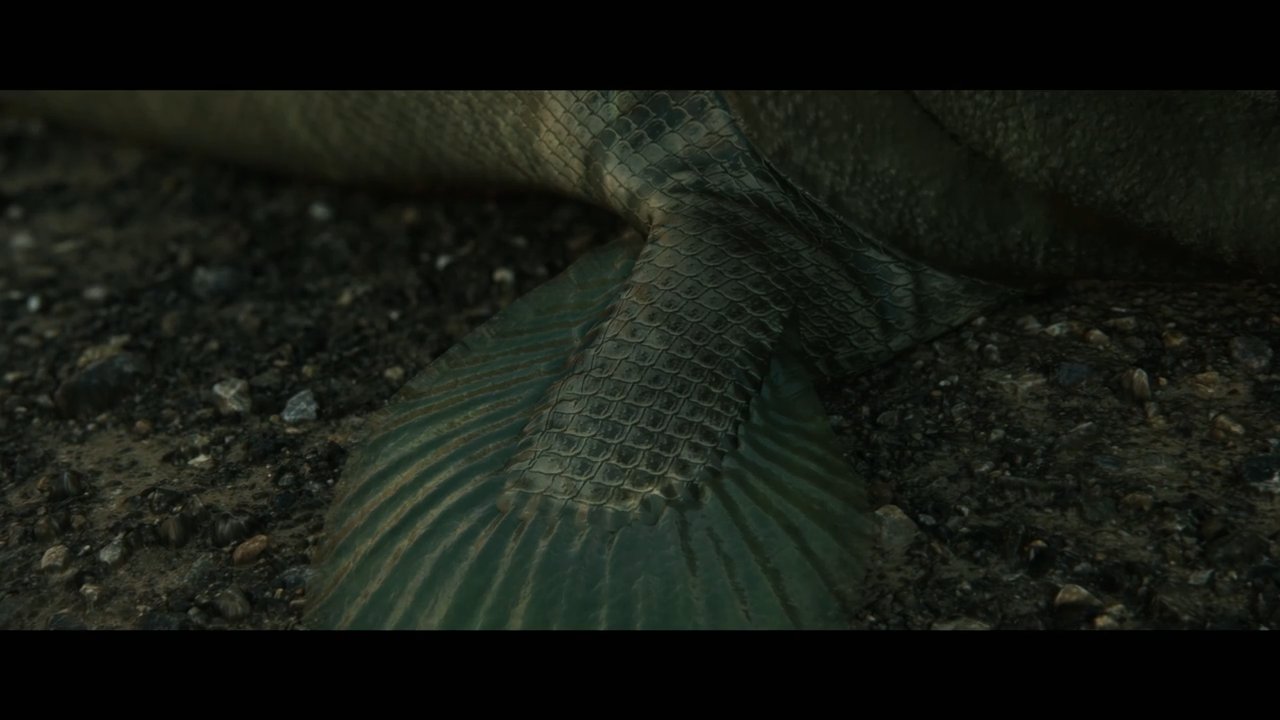
Kenya’s freshwater fish face extreme changes as seasonal waters recede, but the African lungfish has adaptations that allow it to survive in shallow, oxygen-poor pools. This clip from BBC’s Evolution episode "The Elephant" follows the lungfish’s ability to breathe air and use its fleshy fins to move, offering a glimpse into the evolutionary transition from life in water to life on land.
The video traces this transition through ancient fish such as Eusthenopteron, whose features foreshadowed the limbs and lungs of early land vertebrates. These adaptations established the tetrapod body plan — the four-limbed blueprint shared by elephants, humans, birds, whales, and countless other animals, despite the remarkable ways evolution has modified it for different environments.
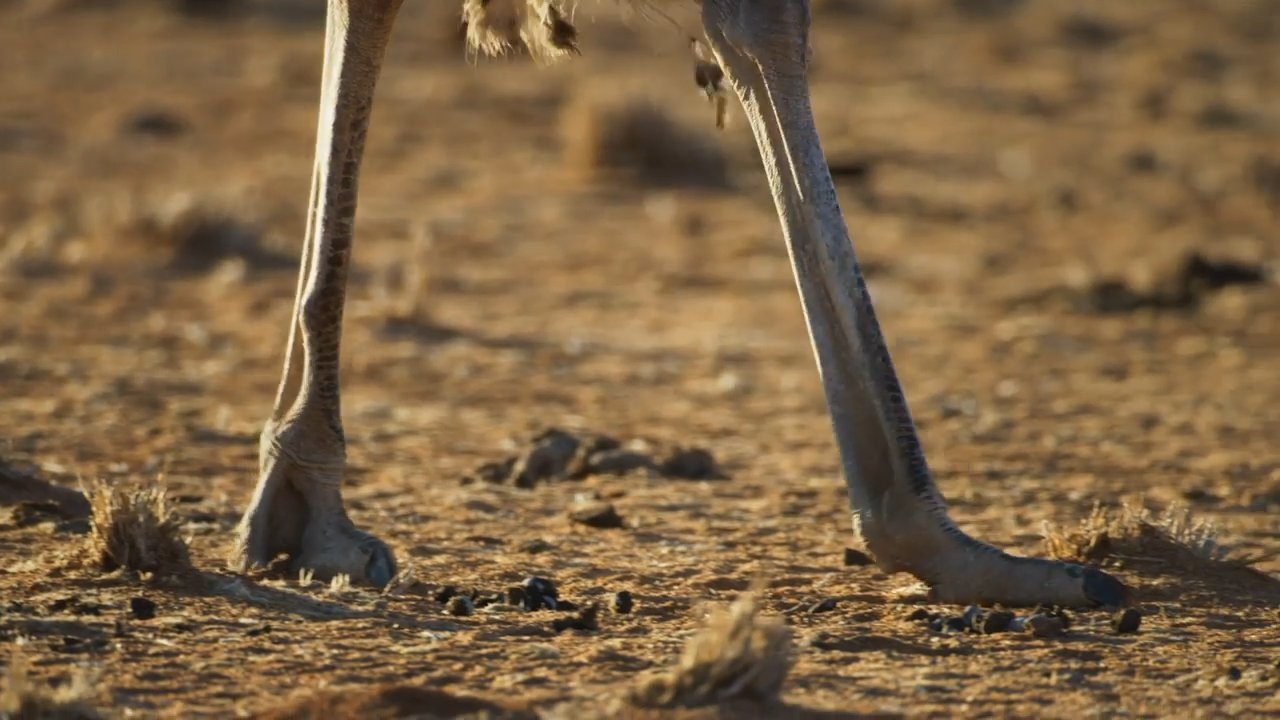
In the Devonian, the oceans were filled with predators, making it dangerous for fish to protect their vulnerable eggs. This clip from BBC’s Evolution episode "The Ostrich" explores how some fish with strong, fleshy-lobed fins may have gained an advantage by venturing into isolated pools and streams where their eggs were safer from aquatic predators.
Over generations, those fins became increasingly adapted for movement on land, with bones, joints, and digits eventually forming the limbs of early land vertebrates. Fossils such as Seymouria reveal the emergence of the familiar five-digit hand, connecting the anatomy of ancient amphibious animals to the limbs of elephants, ostriches, lizards, and humans today.
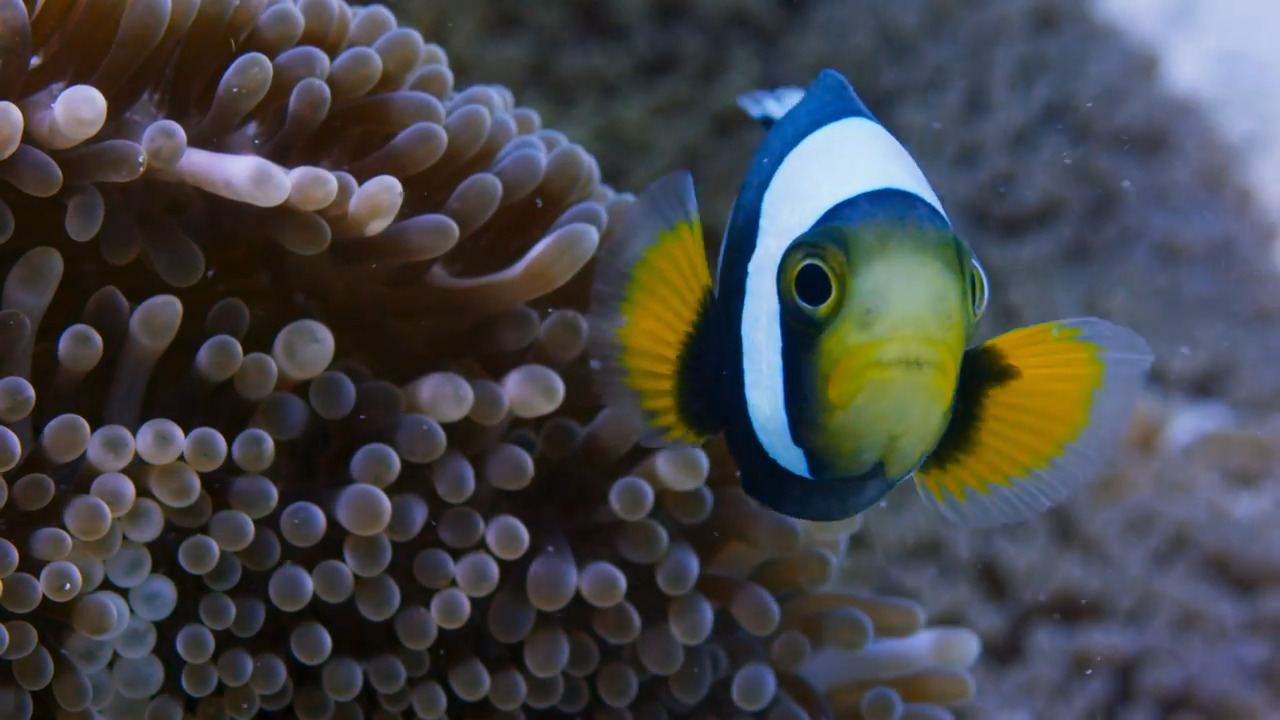
In A Real Life Finding Nemo, Sir David Attenborough explores the unique relationship between the clownfish and the sea anemone. Often poisonous to other fish, the anemone serves as a protective home for the clownfish. The male clownfish repays the favor by keeping the anemone clean and removing debris. This video is excerpted from BBC’s Blue Planet II, a natural history series that explores the world's oceans, the animals that live in them, and the threats they face, using modern filming techniques and equipment to capture previously unseen areas of the ocean.
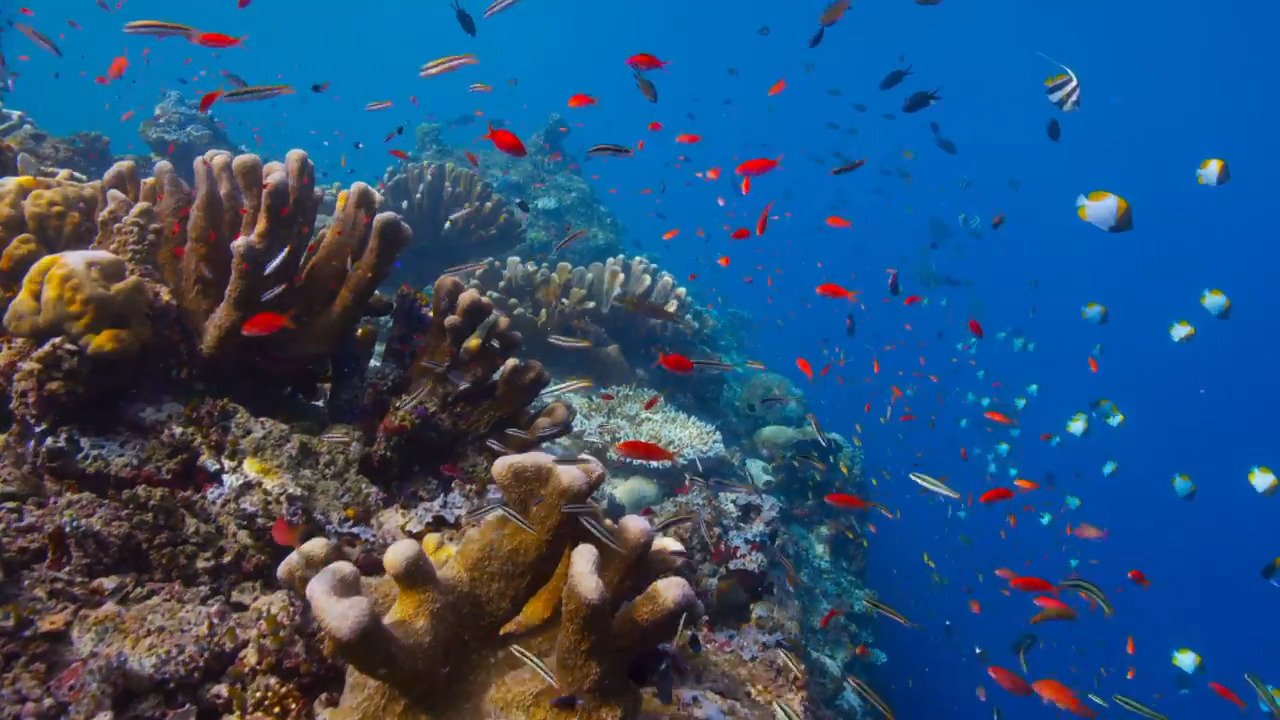
In A Sea of Opportunity in Coral Reefs, narrator Sir David Attenborough, dives into the inhabitants of this very busy coral reef, including cuttlefish who have a special adaptation to capture their prey. This video is excerpted from BBC’s Blue Planet II, a natural history series that explores the world's oceans, the animals that live in them, and the threats they face, using modern filming techniques and equipment to capture previously unseen areas of the ocean.
Kenya’s freshwater fish face extreme changes as seasonal waters recede, but the African lungfish has adaptations that allow it to survive in shallow, oxygen-poor pools. This clip from BBC’s Evolution episode "The Elephant" follows the lungfish’s ability to breathe air and use its fleshy fins to move, offering a glimpse into the evolutionary transition from life in water to life on land.
The video traces this transition through ancient fish such as Eusthenopteron, whose features foreshadowed the limbs and lungs of early land vertebrates. These adaptations established the tetrapod body plan — the four-limbed blueprint shared by elephants, humans, birds, whales, and countless other animals, despite the remarkable ways evolution has modified it for different environments.
In the Devonian, the oceans were filled with predators, making it dangerous for fish to protect their vulnerable eggs. This clip from BBC’s Evolution episode "The Ostrich" explores how some fish with strong, fleshy-lobed fins may have gained an advantage by venturing into isolated pools and streams where their eggs were safer from aquatic predators.
Over generations, those fins became increasingly adapted for movement on land, with bones, joints, and digits eventually forming the limbs of early land vertebrates. Fossils such as Seymouria reveal the emergence of the familiar five-digit hand, connecting the anatomy of ancient amphibious animals to the limbs of elephants, ostriches, lizards, and humans today.
In A Real Life Finding Nemo, Sir David Attenborough explores the unique relationship between the clownfish and the sea anemone. Often poisonous to other fish, the anemone serves as a protective home for the clownfish. The male clownfish repays the favor by keeping the anemone clean and removing debris. This video is excerpted from BBC’s Blue Planet II, a natural history series that explores the world's oceans, the animals that live in them, and the threats they face, using modern filming techniques and equipment to capture previously unseen areas of the ocean.
In A Sea of Opportunity in Coral Reefs, narrator Sir David Attenborough, dives into the inhabitants of this very busy coral reef, including cuttlefish who have a special adaptation to capture their prey. This video is excerpted from BBC’s Blue Planet II, a natural history series that explores the world's oceans, the animals that live in them, and the threats they face, using modern filming techniques and equipment to capture previously unseen areas of the ocean.