The Origin of Echolocation
The end of the Cretaceous reshaped life on Earth, with the asteroid impact that wiped out more than 70% of species leaving a world where mammals could rapidly diversify. This clip from BBC’s Evolution episode "The Bat" follows that turning point to the emergence of early bats, including Icaronycteris, whose elongated fingers formed wings and whose specialized ear structures suggest that echolocation was already developing.
The combination of flight and echolocation allowed bats to exploit an entirely new environment, hunting for food in the night sky and eventually spreading across almost every continent. The video also connects the bat’s remarkable adaptations to features shared by all mammals, including jaws, complex teeth, a through gut, and specialized middle-ear bones, highlighting the deep evolutionary connections between bats, humans, and other mammals.
Go on an epic four billion year adventure travelling through time to uncover how life on earth evolved. Learn more.
You Might Also Like
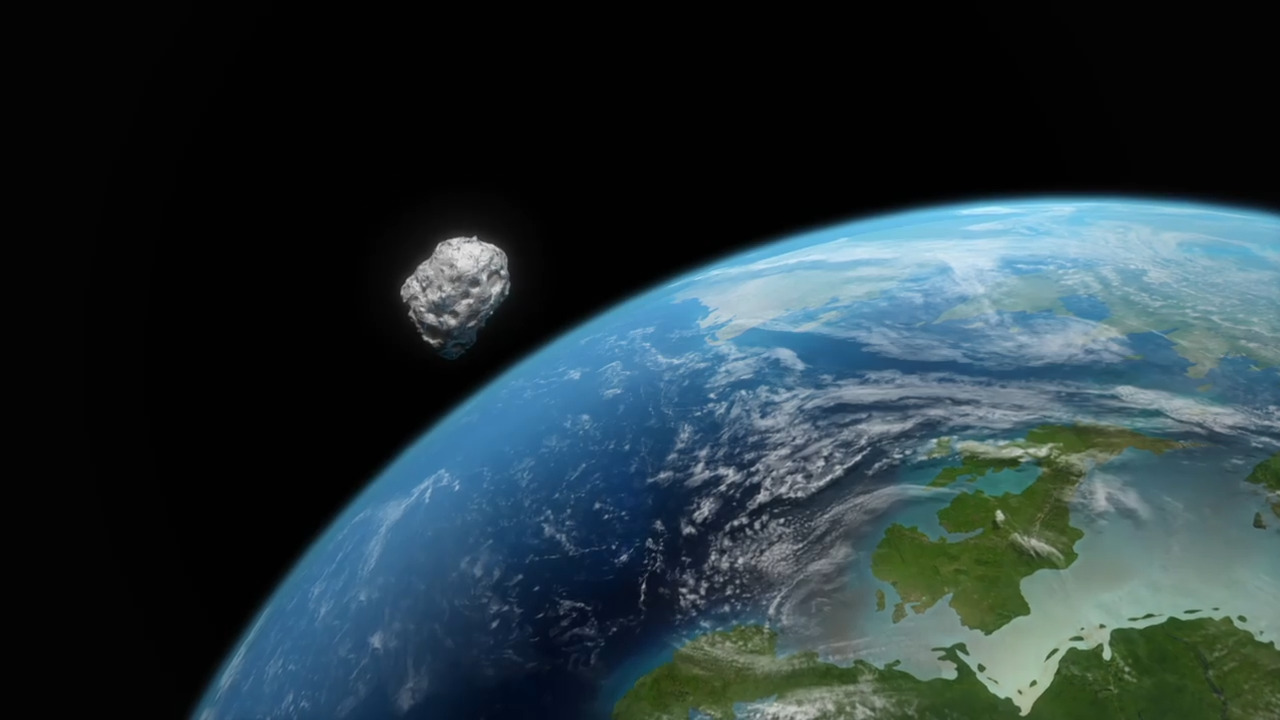
In Did Asteroids Kill the Dinosaurs?, naturalist Steve Backshall explains why scientists believe a lethal asteroid was the main cause of extinction of dinosaurs 66 million years ago. While most people know that dinosaurs were wiped out by an asteroid, many may not know that the asteroid alone didn't cause the extinction. This video is excerpted from BBC’s Deadly Dinosaurs, a documentary series in which host Steve Backshall is on the hunt for the deadliest animals to have walked the Earth — dinosaurs — exploring features of several species and putting their abilities to the test to reveal the raw power of these creatures.
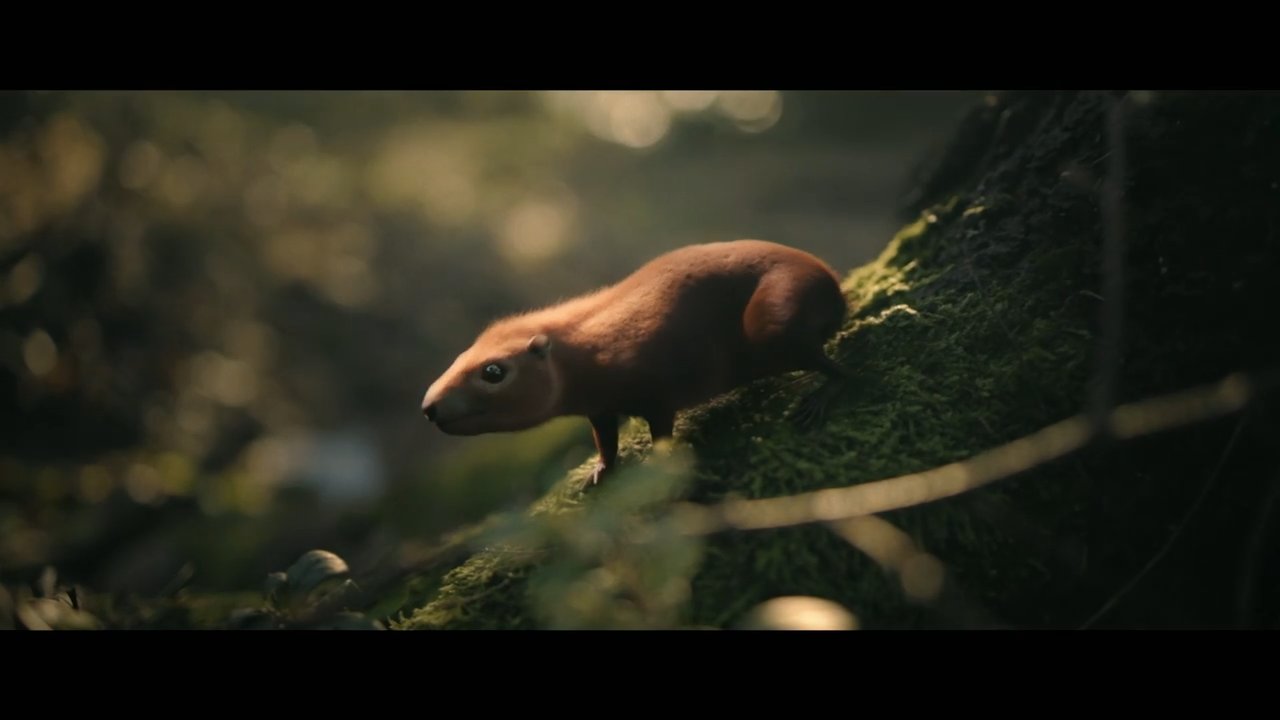
After the dinosaurs dominated Earth for millions of years, their enormous size became a disadvantage when a catastrophic extinction changed the planet. This clip from BBC’s Evolution episode "The Elephant" follows the small, adaptable ancestors of elephants as they survive in the aftermath, when being tiny, flexible, and able to eat a wide range of foods becomes a major evolutionary advantage.
The video also explores one of the challenges these early mammals faced as plant eaters: digesting tough cellulose. Their solution was a partnership with microbes living in their guts, which can break down plant material that the animals cannot digest on their own. This symbiotic relationship helped early afrotherians thrive and spread into the habitats left open after the dinosaurs disappeared.
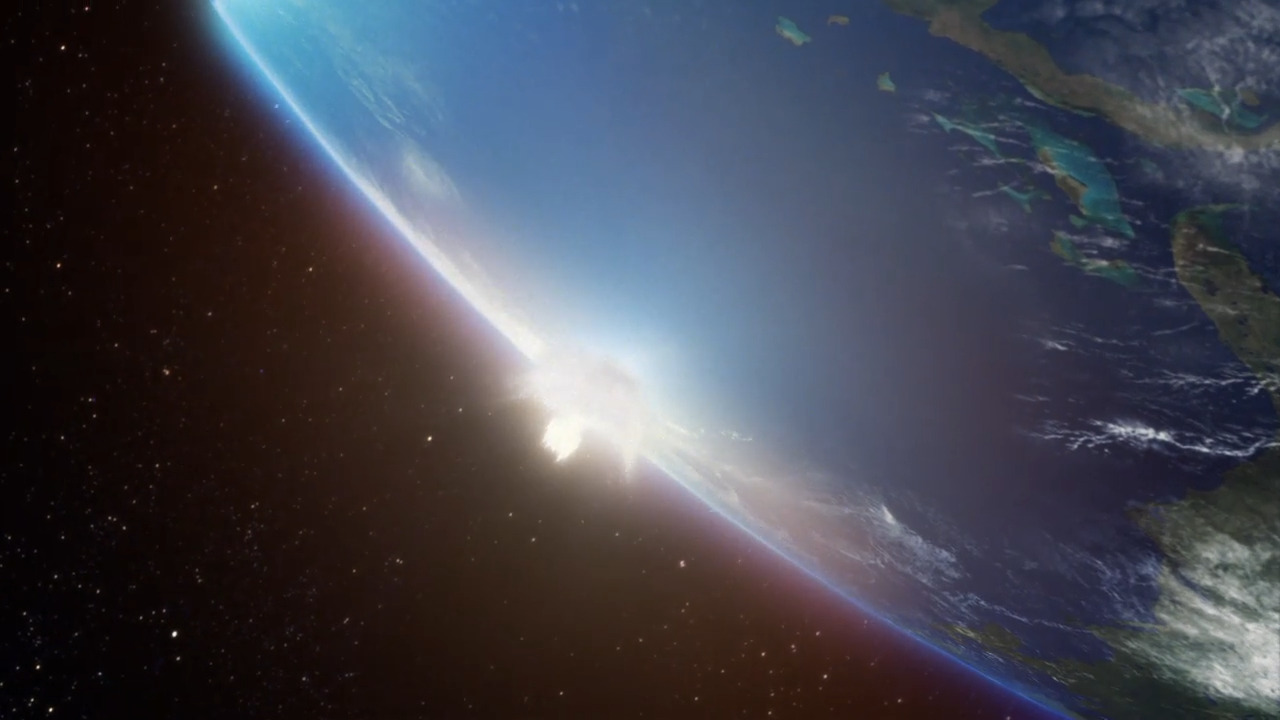
In Earth's Epic Comebacks, geologist Iain Stewart explores how Earth's history of disasters has shaped life and sparked evolution. From dinosaurs thriving after a mass extinction to bacteria surviving an ice age, Earth has always found a balance between stability and chaos. Now, humans are changing the climate and marking a new era called the Anthropocene. The question is: can we protect the planet that makes life so incredible? This video is excerpted from BBC’s Earth: The Power of the Planet, a documentary series in which Dr. Iain Stewart discovers how Earth's forces can shape nature, species, and even the climate.
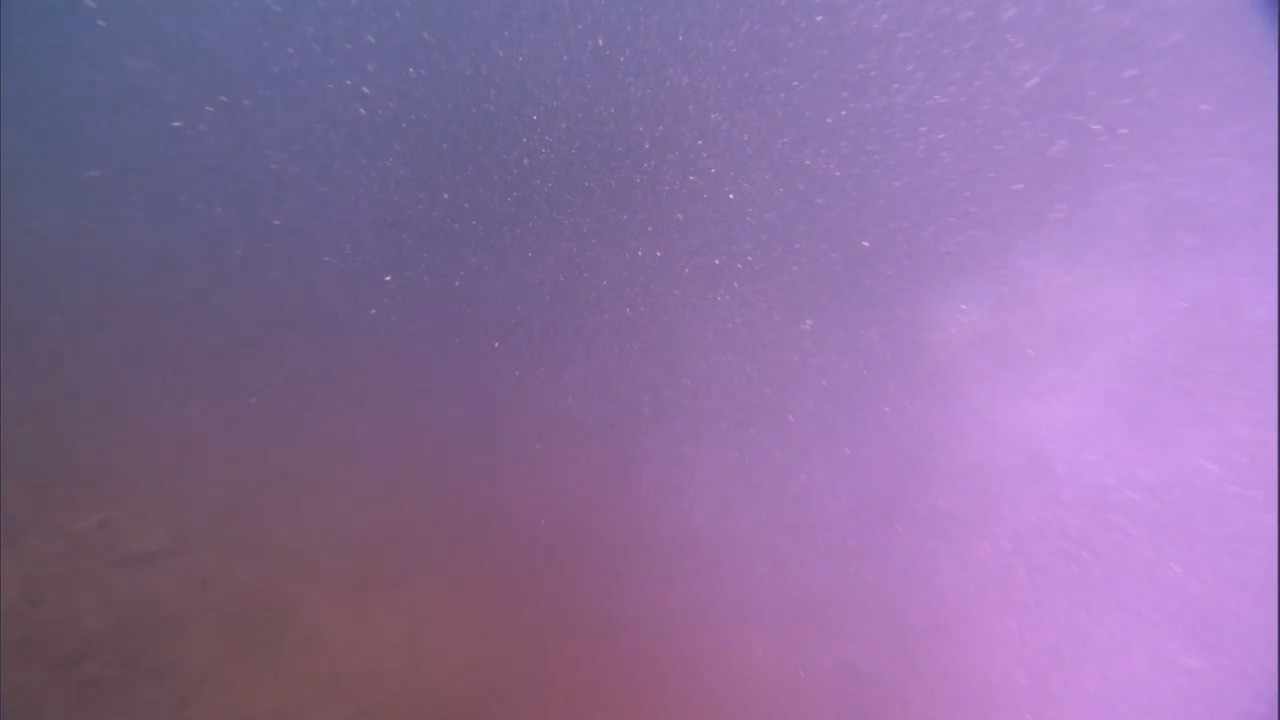
In How a Poisonous Lake Reveals an Ancient Catastrophe, geologist Iain Stewart highlights scientists exploring a toxic mystery behind the Permian mass extinction. While the surface teems with life, the lake’s bottom holds deadly hydrogen sulfide, turning the water pink with millions of purple bacteria. These bacteria are key to understanding how, 250 million years ago, this toxic gas escaped into the air, devastating life on Earth. This video is excerpted from BBC’s Earth: The Power of the Planet, a documentary series in which Dr. Iain Stewart discovers how Earth's forces can shape nature, species, and even the climate.
In Did Asteroids Kill the Dinosaurs?, naturalist Steve Backshall explains why scientists believe a lethal asteroid was the main cause of extinction of dinosaurs 66 million years ago. While most people know that dinosaurs were wiped out by an asteroid, many may not know that the asteroid alone didn't cause the extinction. This video is excerpted from BBC’s Deadly Dinosaurs, a documentary series in which host Steve Backshall is on the hunt for the deadliest animals to have walked the Earth — dinosaurs — exploring features of several species and putting their abilities to the test to reveal the raw power of these creatures.
After the dinosaurs dominated Earth for millions of years, their enormous size became a disadvantage when a catastrophic extinction changed the planet. This clip from BBC’s Evolution episode "The Elephant" follows the small, adaptable ancestors of elephants as they survive in the aftermath, when being tiny, flexible, and able to eat a wide range of foods becomes a major evolutionary advantage.
The video also explores one of the challenges these early mammals faced as plant eaters: digesting tough cellulose. Their solution was a partnership with microbes living in their guts, which can break down plant material that the animals cannot digest on their own. This symbiotic relationship helped early afrotherians thrive and spread into the habitats left open after the dinosaurs disappeared.
In Earth's Epic Comebacks, geologist Iain Stewart explores how Earth's history of disasters has shaped life and sparked evolution. From dinosaurs thriving after a mass extinction to bacteria surviving an ice age, Earth has always found a balance between stability and chaos. Now, humans are changing the climate and marking a new era called the Anthropocene. The question is: can we protect the planet that makes life so incredible? This video is excerpted from BBC’s Earth: The Power of the Planet, a documentary series in which Dr. Iain Stewart discovers how Earth's forces can shape nature, species, and even the climate.
In How a Poisonous Lake Reveals an Ancient Catastrophe, geologist Iain Stewart highlights scientists exploring a toxic mystery behind the Permian mass extinction. While the surface teems with life, the lake’s bottom holds deadly hydrogen sulfide, turning the water pink with millions of purple bacteria. These bacteria are key to understanding how, 250 million years ago, this toxic gas escaped into the air, devastating life on Earth. This video is excerpted from BBC’s Earth: The Power of the Planet, a documentary series in which Dr. Iain Stewart discovers how Earth's forces can shape nature, species, and even the climate.