A Viral Infection Leads to More Sophisticated Brains
As the predator-prey arms race intensified in the ancient oceans, fish evolved stronger defenses — and increasingly sophisticated brains. This clip from BBC’s Evolution episode "The Dolphin" examines the armored placoderms, whose fossilized skulls reveal surprisingly complex brains for animals that lived around 400 million years ago. CT scans allow scientists to reconstruct these ancient brains and explore structures involved in movement, balance, and processing information.
The video also explores a remarkable theory about the evolution of myelin, the insulating material that allows nerve signals to travel much faster along neurons. Retroviral DNA may have played a role in triggering the development of myelin in early vertebrates, helping their brains process information more rapidly while freeing them from the need for enormous nerve fibers. This evolutionary innovation helped pave the way for increasingly sophisticated vertebrate brains.

Go on an epic four billion year adventure travelling through time to uncover how life on earth evolved. Learn more.
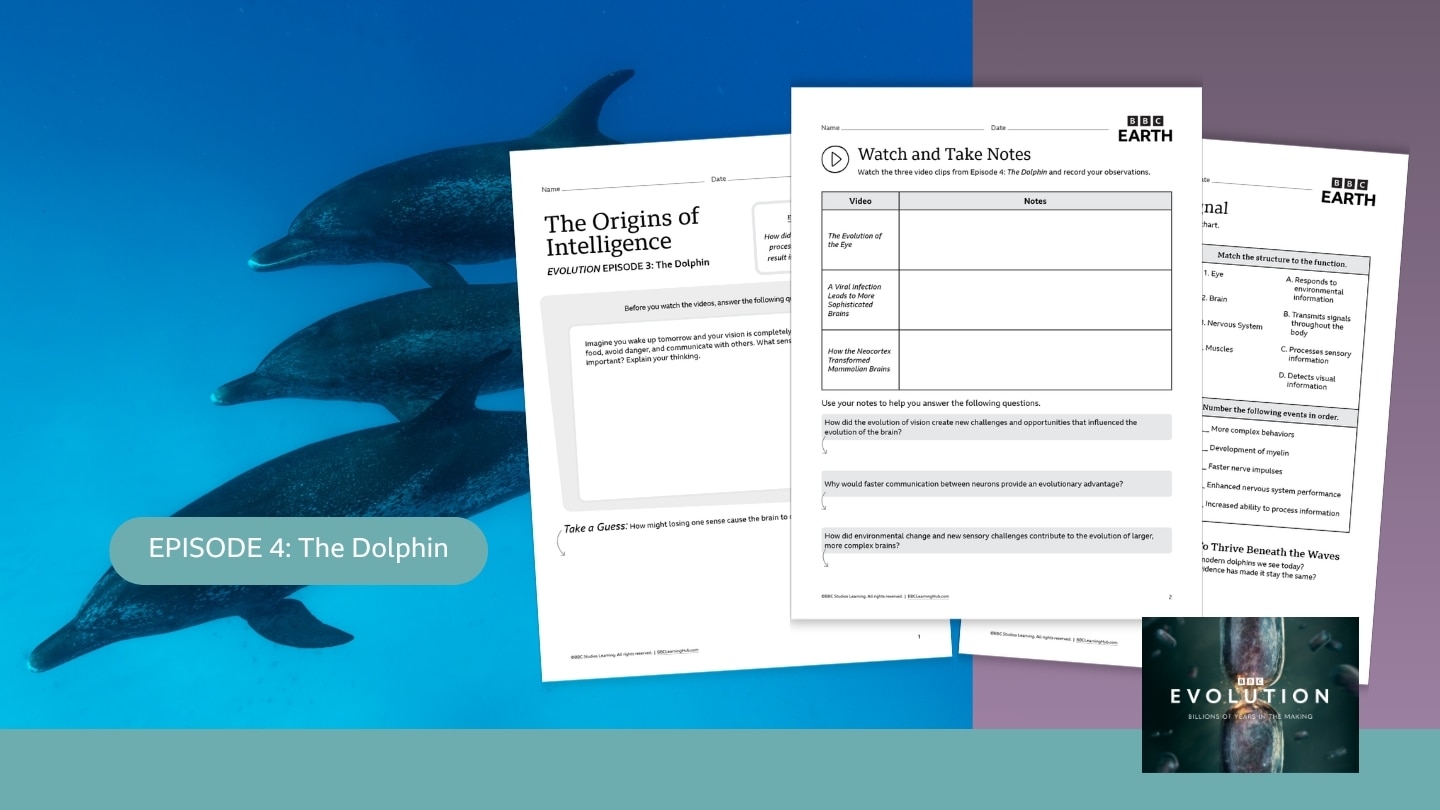
You Might Also Like

In Some People See More Colors Than Most, learn how tetrachromacy, a rare condition that allows some people to see more colors than most, is diagnosed. The video highlights how scientists test for this ability by challenging individuals like Concherta to identify colors that only tetrachromats can see. This video is excerpted from BBC’s The World’s Most Extraordinary People, a documentary series revealing how rare medical conditions inspire groundbreaking scientific discoveries.

The ancestors of dolphins lived in a very different world, when Pangea was hot and dry and giant reptiles dominated the land. This clip from BBC’s Evolution episode "The Dolphin" follows the small cynodonts that survived by burrowing and becoming active at night, escaping competition with larger predators while their senses adapted to a darker world.
As smell and touch became increasingly important, the cynodont brain grew larger and more complex, eventually giving rise to the neocortex — a defining feature of mammalian brains. The video explores how this folded layer of the brain provides space for vast networks of neurons involved in processing information, memory, problem-solving, and other complex behaviors.
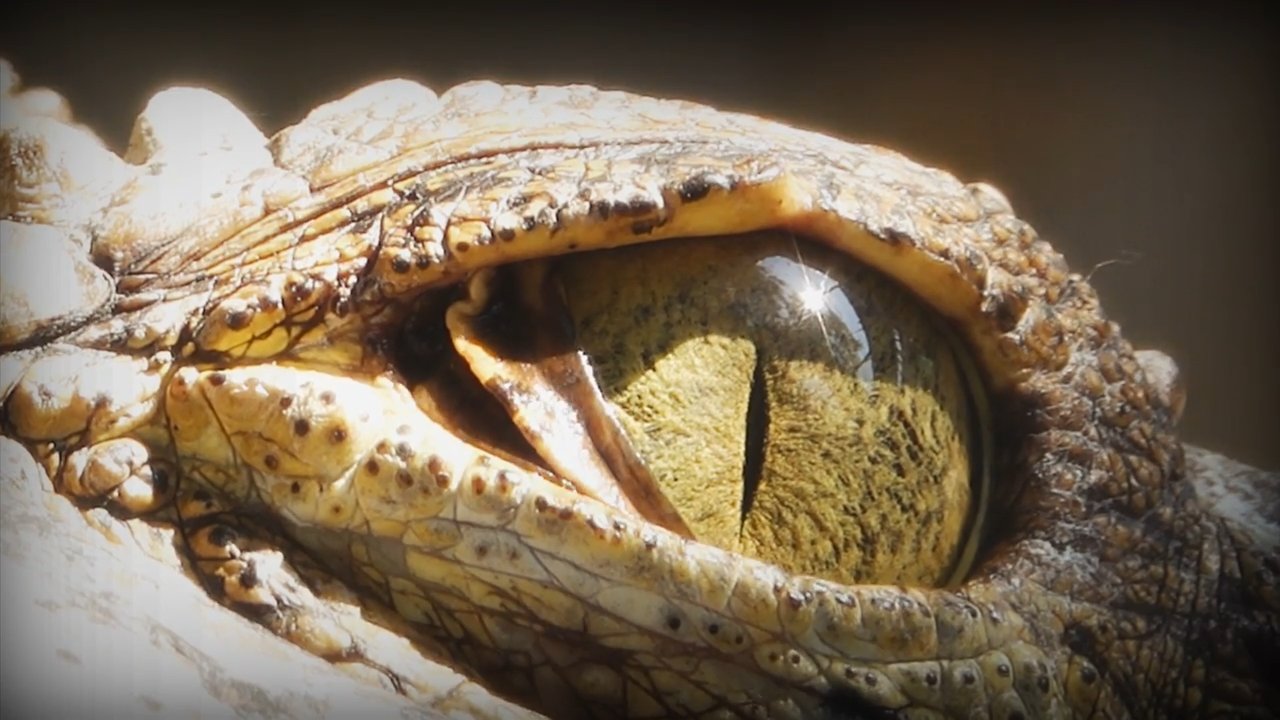
Vision transformed the way animals interacted with their surroundings, turning survival into a game of seeing, sensing, and responding. This clip from BBC’s Evolution episode "The Dolphin" travels back to the Cambrian Period, when complex eyes began appearing in many forms, including the prominent eyes of trilobites, and explores how the rise of vision may have driven an evolutionary arms race between predators and prey.
Rare Cambrian fossils also preserve evidence of neural tissue and even brain structures, offering clues to the connection between increasingly sophisticated eyes and increasingly complex brains. From wide-ranging compound eyes to giant camera-like eyes, the video traces the remarkable variety of ways animals have evolved to process the visual world around them.

In What Is Acquired Savant Syndrome? hear the incredible story of Derek Amato, a man who developed the ability to play the piano overnight after sustaining a traumatic brain injury. A concussion transformed his brain, unlocking a rare phenomenon known as acquired savant syndrome. Students will learn about the science behind savant syndrome, the changes in Derek’s brain, and how he describes his newfound musical talent as an unstoppable flow of notes. This video is excerpted from BBC’s The World’s Most Extraordinary People, a documentary series revealing how rare medical conditions inspire groundbreaking scientific discoveries.
In Some People See More Colors Than Most, learn how tetrachromacy, a rare condition that allows some people to see more colors than most, is diagnosed. The video highlights how scientists test for this ability by challenging individuals like Concherta to identify colors that only tetrachromats can see. This video is excerpted from BBC’s The World’s Most Extraordinary People, a documentary series revealing how rare medical conditions inspire groundbreaking scientific discoveries.
The ancestors of dolphins lived in a very different world, when Pangea was hot and dry and giant reptiles dominated the land. This clip from BBC’s Evolution episode "The Dolphin" follows the small cynodonts that survived by burrowing and becoming active at night, escaping competition with larger predators while their senses adapted to a darker world.
As smell and touch became increasingly important, the cynodont brain grew larger and more complex, eventually giving rise to the neocortex — a defining feature of mammalian brains. The video explores how this folded layer of the brain provides space for vast networks of neurons involved in processing information, memory, problem-solving, and other complex behaviors.
Vision transformed the way animals interacted with their surroundings, turning survival into a game of seeing, sensing, and responding. This clip from BBC’s Evolution episode "The Dolphin" travels back to the Cambrian Period, when complex eyes began appearing in many forms, including the prominent eyes of trilobites, and explores how the rise of vision may have driven an evolutionary arms race between predators and prey.
Rare Cambrian fossils also preserve evidence of neural tissue and even brain structures, offering clues to the connection between increasingly sophisticated eyes and increasingly complex brains. From wide-ranging compound eyes to giant camera-like eyes, the video traces the remarkable variety of ways animals have evolved to process the visual world around them.
In What Is Acquired Savant Syndrome? hear the incredible story of Derek Amato, a man who developed the ability to play the piano overnight after sustaining a traumatic brain injury. A concussion transformed his brain, unlocking a rare phenomenon known as acquired savant syndrome. Students will learn about the science behind savant syndrome, the changes in Derek’s brain, and how he describes his newfound musical talent as an unstoppable flow of notes. This video is excerpted from BBC’s The World’s Most Extraordinary People, a documentary series revealing how rare medical conditions inspire groundbreaking scientific discoveries.