How Humans Shaped the Modern Horse
The history of the horse is closely intertwined with our own, and its DNA preserves evidence of how that relationship changed. In this clip from BBC’s Evolution episode "The Horse," scientists examine ancient horse DNA to trace how wild horse populations changed as humans began to domesticate and selectively breed them.
Genetic evidence reveals changes associated with traits such as docility and a body shape better suited to carrying humans. Over generations, human choices favored these characteristics, helping transform wild horses into the domestic horse and demonstrating how selective breeding can influence the course of evolution.
Go on an epic four billion year adventure travelling through time to uncover how life on earth evolved. Learn more.
You Might Also Like

Before horses could gallop across open landscapes, the ability to move had to evolve. This clip from BBC’s Evolution episode "The Horse" travels back more than 500 million years to the Ediacaran Period, when most large animals were stationary and depended on ocean currents to bring them food. Rare fossils, including Auroralumina and an ancient trailway, provide clues to the emergence of muscle and some of the earliest evidence of animal movement.
The video also examines myosin, an ancient protein that powers muscle contraction, showing how this microscopic mechanism helped make coordinated movement possible — and ultimately laid the foundation for the powerful muscles that drive animals like the horse.
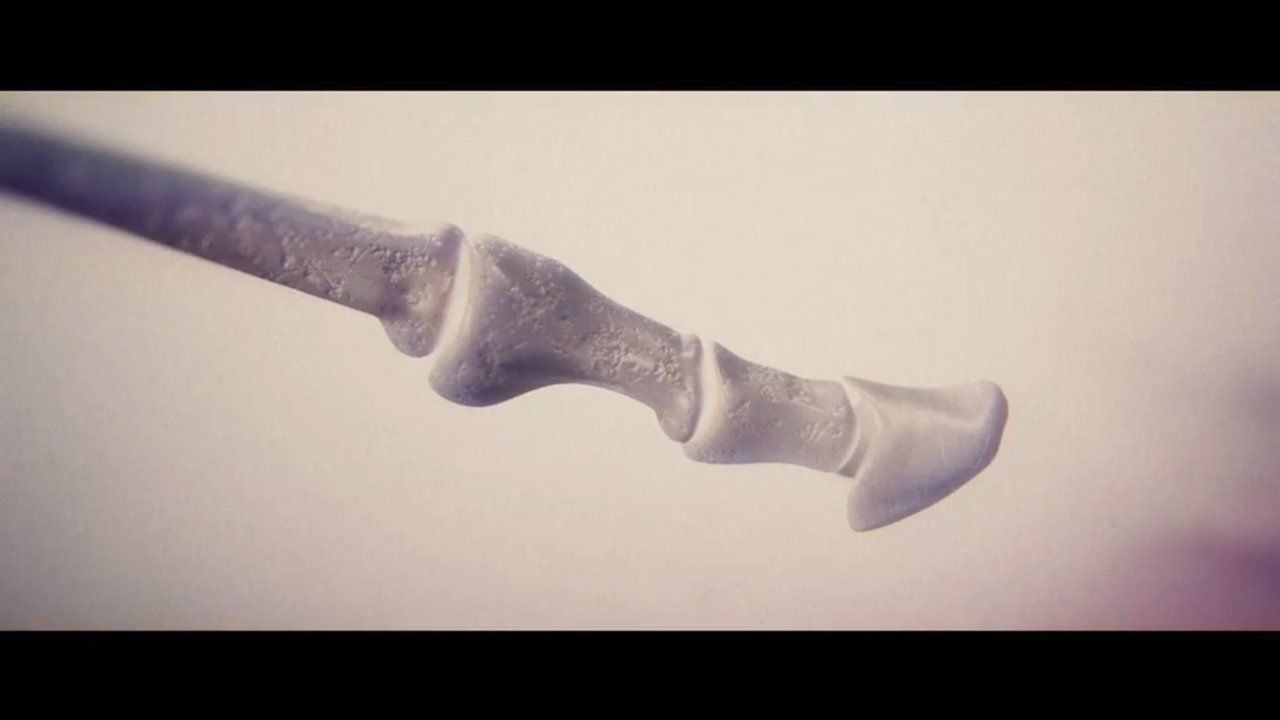
The horse’s remarkable ability to run is the result of millions of years of evolutionary change. In this clip from BBC’s Evolution episode "The Horse," follow the development of specialized running limbs, beginning with early mammals such as Phenacodus, whose digitigrade stance allowed for longer and faster strides.
Over time, bones lengthened, muscles became concentrated higher on the legs, and the feet became increasingly streamlined until Equus evolved a single toe and hard hoof. These adaptations made horses extraordinarily efficient runners, while also creating a trade-off: limbs built almost entirely for speed were far less useful for other tasks.
Before horses could gallop across open landscapes, the ability to move had to evolve. This clip from BBC’s Evolution episode "The Horse" travels back more than 500 million years to the Ediacaran Period, when most large animals were stationary and depended on ocean currents to bring them food. Rare fossils, including Auroralumina and an ancient trailway, provide clues to the emergence of muscle and some of the earliest evidence of animal movement.
The video also examines myosin, an ancient protein that powers muscle contraction, showing how this microscopic mechanism helped make coordinated movement possible — and ultimately laid the foundation for the powerful muscles that drive animals like the horse.
The horse’s remarkable ability to run is the result of millions of years of evolutionary change. In this clip from BBC’s Evolution episode "The Horse," follow the development of specialized running limbs, beginning with early mammals such as Phenacodus, whose digitigrade stance allowed for longer and faster strides.
Over time, bones lengthened, muscles became concentrated higher on the legs, and the feet became increasingly streamlined until Equus evolved a single toe and hard hoof. These adaptations made horses extraordinarily efficient runners, while also creating a trade-off: limbs built almost entirely for speed were far less useful for other tasks.