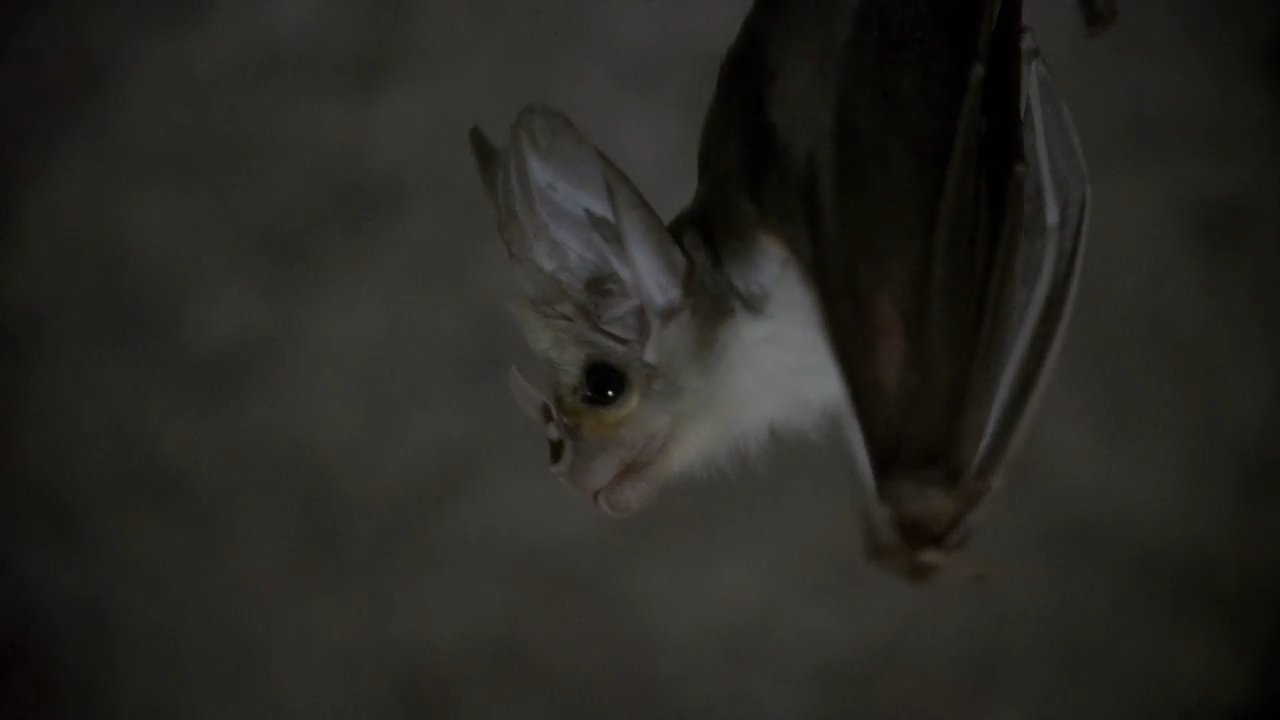
The end of the Cretaceous reshaped life on Earth, with the asteroid impact that wiped out more than 70% of species leaving a world where mammals could rapidly diversify. This clip from BBC’s Evolution episode "The Bat" follows that turning point to the emergence of early bats, including Icaronycteris, whose elongated fingers formed wings and whose specialized ear structures suggest that echolocation was already developing.
The combination of flight and echolocation allowed bats to exploit an entirely new environment, hunting for food in the night sky and eventually spreading across almost every continent. The video also connects the bat’s remarkable adaptations to features shared by all mammals, including jaws, complex teeth, a through gut, and specialized middle-ear bones, highlighting the deep evolutionary connections between bats, humans, and other mammals.
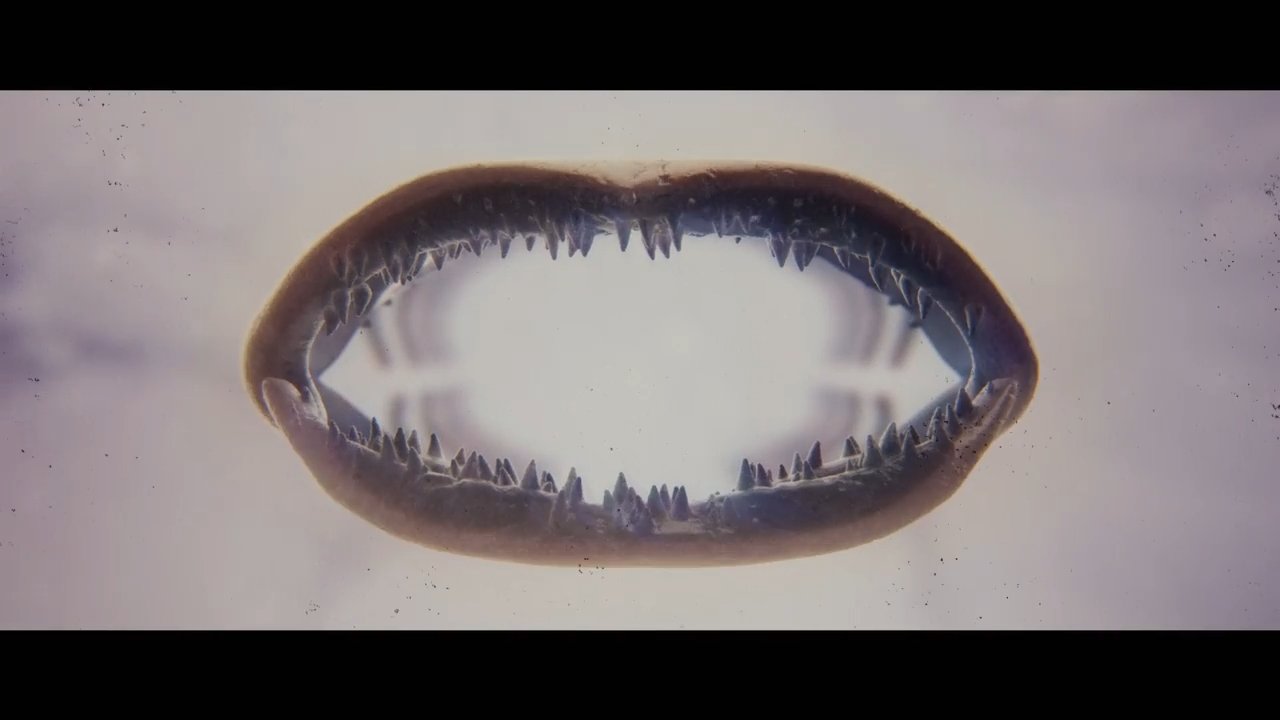
The evolution of jaws transformed how the ancestors of bats and other vertebrates could feed and survive. This clip from BBC’s Evolution episode The Bat follows the ancient fish Metaspriggina, whose unusual front gill arches may have been an early step toward the development of jaws, allowing its descendants to move beyond filter-feeding and actively bite and capture prey.
Because the cartilage involved in early jaw evolution rarely survives in fossils, scientists also look to developing embryos for clues. The video shows how the same genes that control the formation of gill arches also help shape jaws, providing evidence of their shared evolutionary origin and showing how a structure once involved in breathing and feeding was transformed into one of the most important innovations in vertebrate evolution.
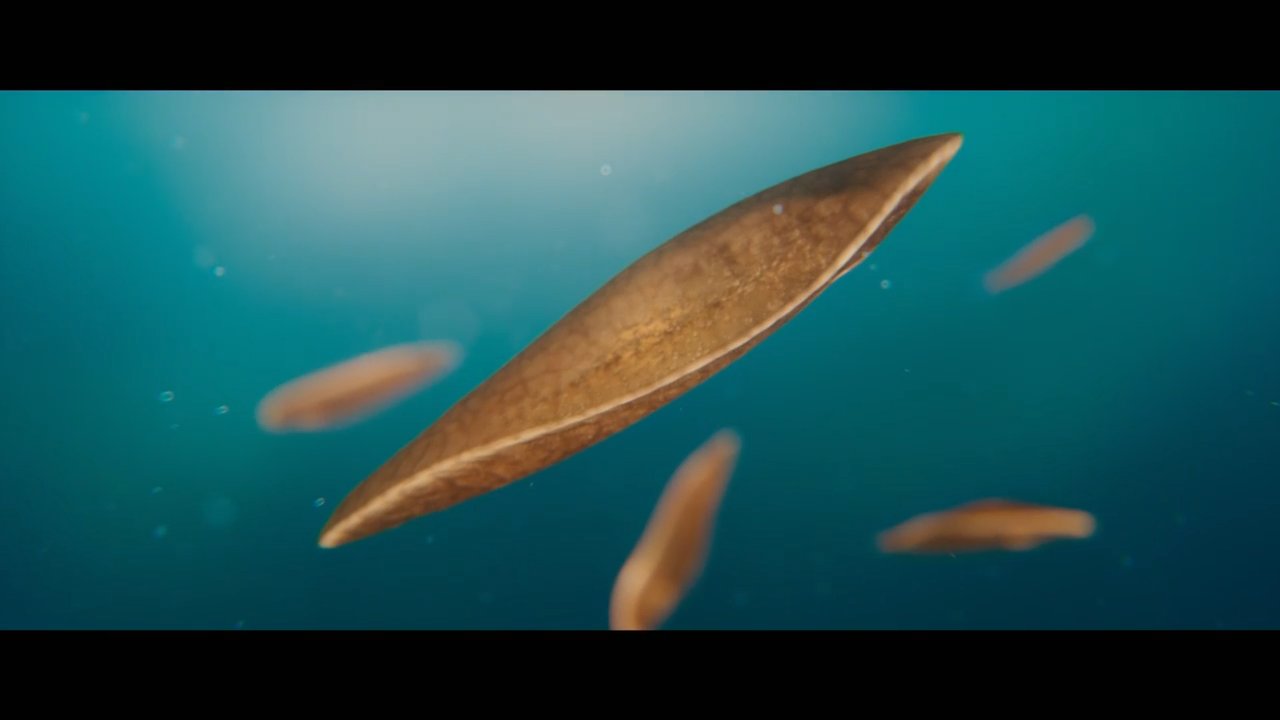
The Ediacaran Garden was home to some of the earliest and strangest animals on Earth, living among vast microbial mats that provided an almost endless food supply. This clip from BBC’s Evolution episode "The Bat" explores the mysterious world of these ancient creatures and follows a tiny, soft-bodied organism thought to be a distant ancestor of bats and humans.
With no hard parts to leave fossils behind, this creature’s story must be pieced together from clues about modern animals and the evolutionary changes that followed. Mutations gradually transformed a simple gut into a continuous digestive tube with a separate opening for waste — a seemingly simple innovation that allowed animals to eat continuously and digest food far more efficiently.
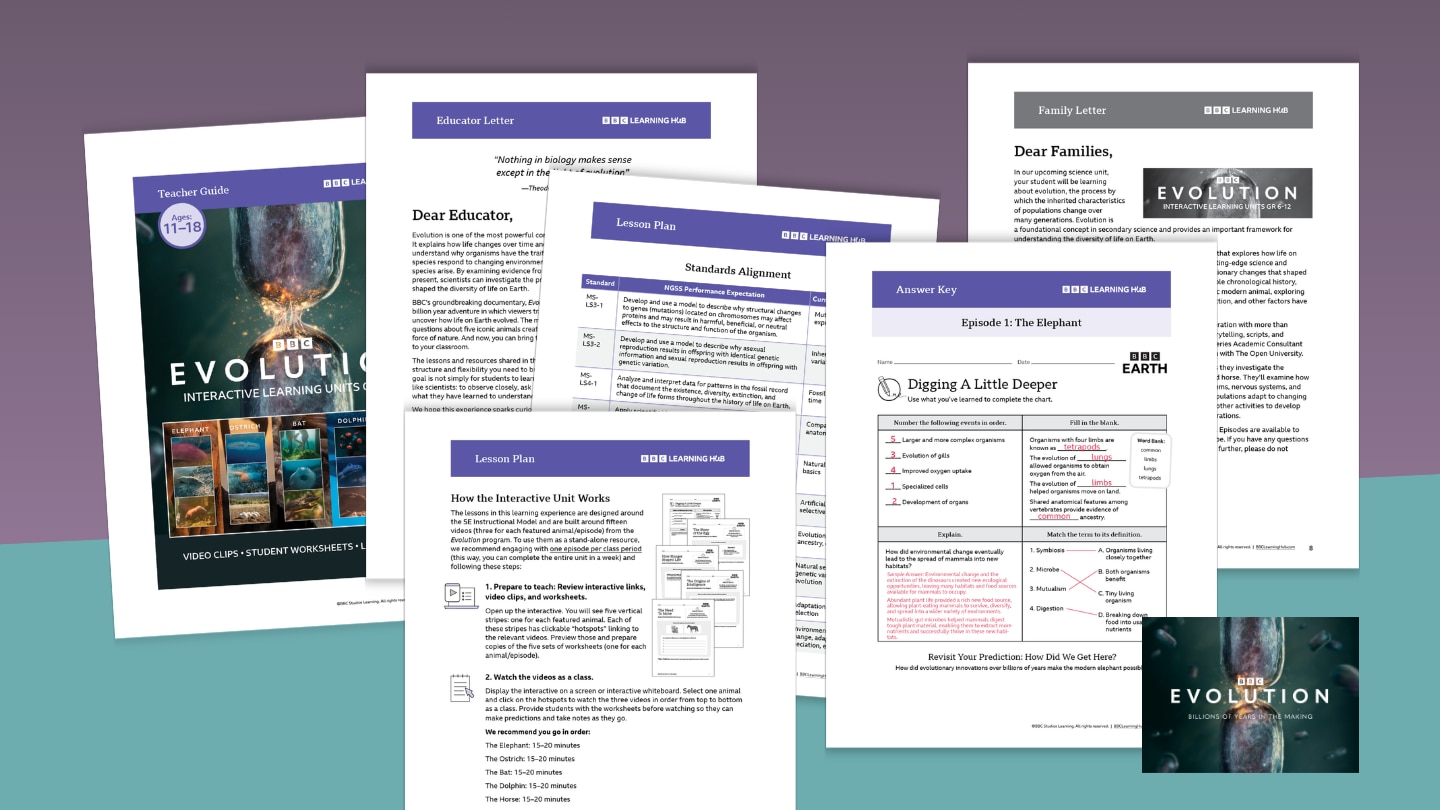
Bring BBC’s Evolution into your classroom with a flexible teaching guide designed to help students investigate how life changes over time. Built around five episodes featuring the elephant, ostrich, bat, dolphin, and horse, the interactive unit combines engaging BBC footage with student worksheets, evidence-based activities, teaching strategies, and extension ideas.
The lessons are structured around the 5E Instructional Model and can be used as a complete five-day learning experience or adapted to support an existing evolution unit. Students make predictions, analyze evidence from video clips, identify patterns, and develop explanations about natural selection, adaptation, genetic variation, and other mechanisms of evolutionary change.
The guide includes:
- Background information and vocabulary for the topic
- How to access and navigate the interactive unit (including videos and worksheets)
- Teacher tips and implementation guidance for using the materials in whole-class, small-group, pair, or individual settings
- Extension activities including an evolution timeline, animal comparisons, and adaptation research.
- NGSS alignment covering middle and high school standards related to genetic variation, natural selection, adaptation, common ancestry, environmental change, and selective breeding
- Family letter to introduce parents and caregivers to the unit and explain what students will be learning and why (as well as how to watch the full episodes at home)
- Answer keys for each set of worksheets
Whether you're introducing evolution for the first time, reinforcing a concept you're already teaching, or looking for a multimedia station or jigsaw activity, this guide gives you the tools to make Evolution part of your science classroom.
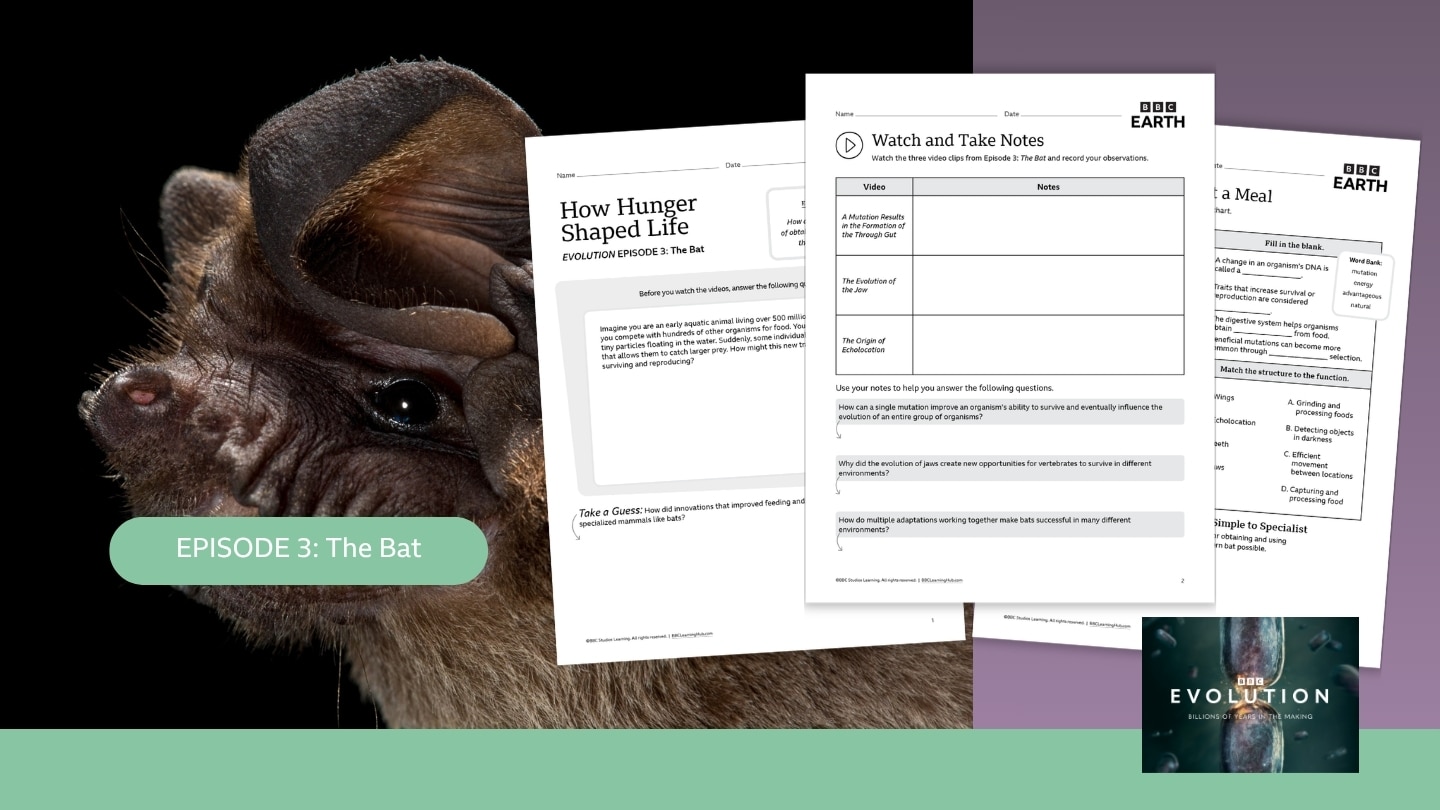
What does a tiny change in digestion have to do with a bat hunting in the darkness? This lesson for ages 11–18 explores how evolution repeatedly gave organisms new ways to find, capture, and use food — and how those changes opened the door to entirely new ways of life.
The BBC video clips from Evolution Episode 3: "The Bat" take you from the evolution of a more efficient digestive system to the development of jaws, revealing how each innovation expanded the possibilities for obtaining energy. It also examines how bats combine specialized adaptations, including wings, teeth, and echolocation, to find and capture food in challenging environments.
Through predictions, comparisons, vocabulary practice, and evidence-based questions, connect individual mutations and adaptations to the larger process of natural selection. The lesson culminates with an ask to trace a chain of evolutionary innovations and explain how changes in feeding and energy use ultimately contributed to the emergence of the modern bat.
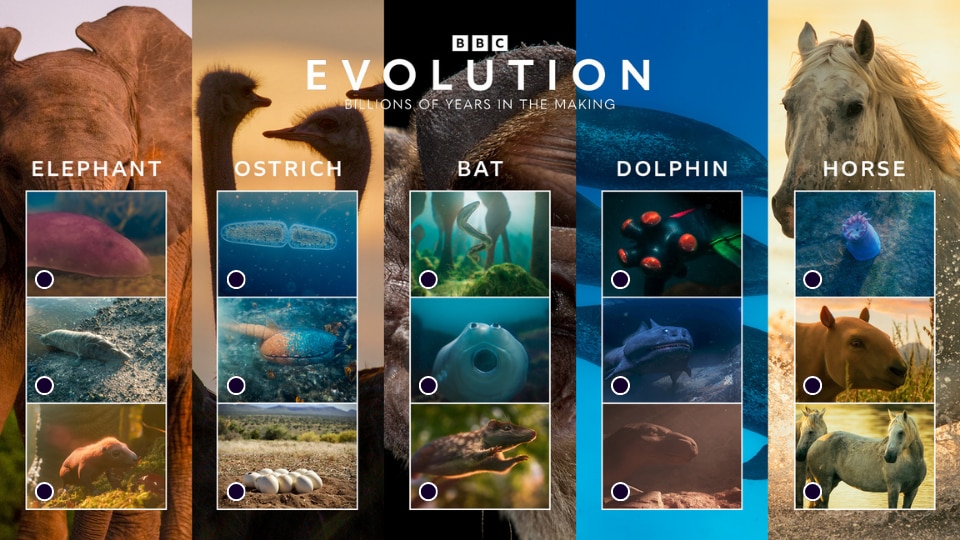
With this interactive unit, you will explore the evolutionary journey of five animals — the elephant, ostrich, bat, dolphin, and horse — through incredible videos from BBC's new documentary series, Evolution.
BBC's Evolution explores the pivotal evolutionary breakthroughs that shaped every living thing. Rather than telling a simple chronological history, each episode traces the deep evolutionary journey of one iconic modern animal, revealing how survival, chance, innovation and partnership have driven life’s astonishing diversity. The scientific research underpinning Evolution involved collaborating more than 600 scientists worldwide. At the heart of the series are the immersive VFX sequences that let viewers meet the characters that shaped the evolution of life on Earth today.
How to get started:
Start with any of the five animals. Click on each of three hotspots in its section (in order from top to bottom). As you explore how changes in body structure, reproduction, feeding, sensory systems, nervous systems, and movement opened new possibilities for survival and helped organisms adapt to changing environments, use the printable student worksheets (see Related Resources) for each animal to guide you.
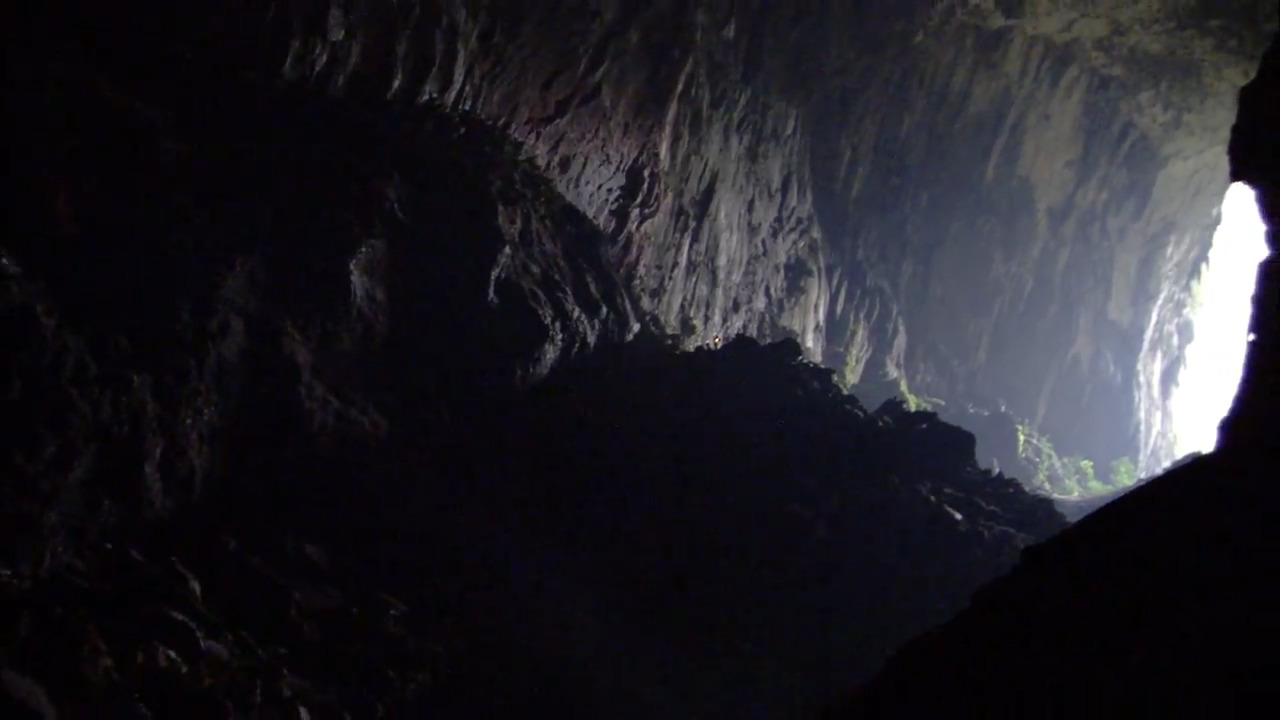
In Life Inside the Sunless Ecosystem of Deer Cave, narrator Sir David Attenborough explores Deer Cave in Borneo, the largest river passage in the world — so vast that a jumbo jet could fly through it. The cave is home to an astonishing 3 million wrinkle-lipped bats, which roost high on the cave walls and ceilings, away from predators. The bats' droppings (guano) form the foundation of a unique food chain within the cave, supporting massive populations of cockroaches, giant cave centipedes, and even crabs. This video is excerpted from BBC’s Planet Earth, a breathtaking documentary series that highlights the natural wonders of our planet.
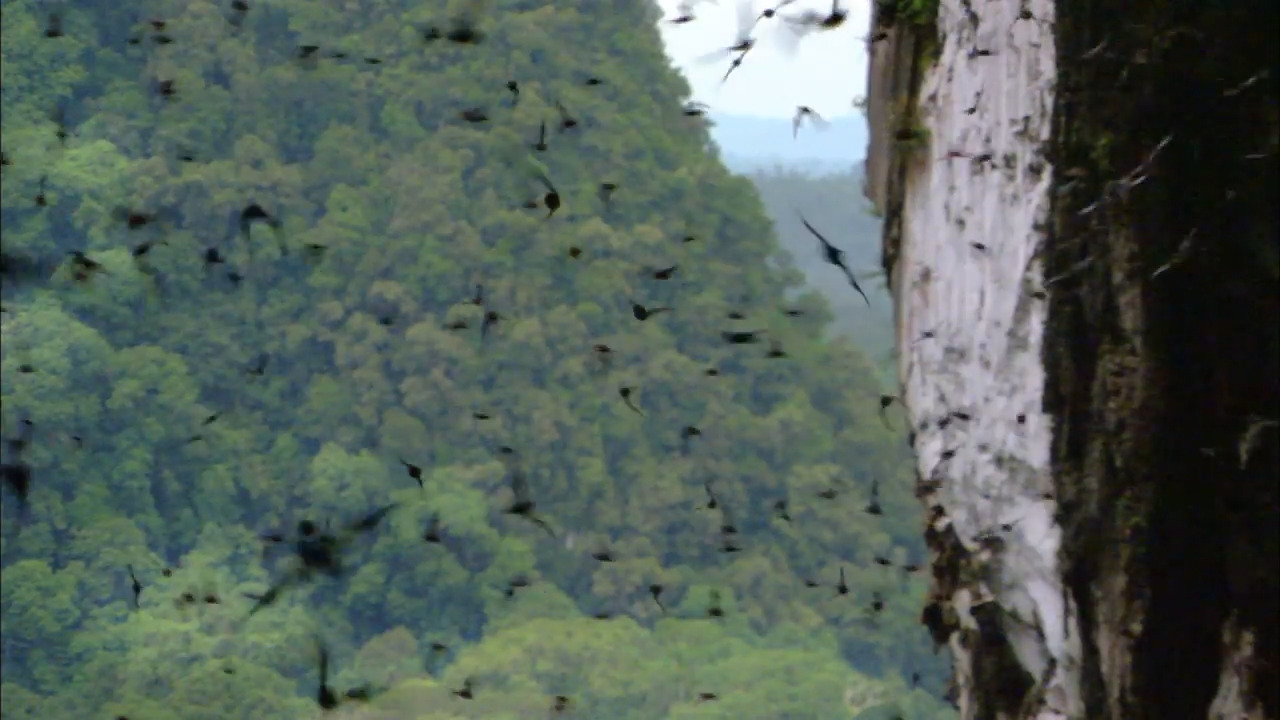
In Bats' A Nightly Journey of Survival, narrator Sir David Attenborough explores the nightly journey of three million bats as they leave their cave to hunt for insects. The bats face many challenges, including evading predatory birds such as rufous-bellied eagles, falcons, and black hawks. Despite these dangers, most bats return safely to their cave by morning. This video is excerpted from BBC’s Planet Earth, a breathtaking documentary series that highlights the natural wonders of our planet.
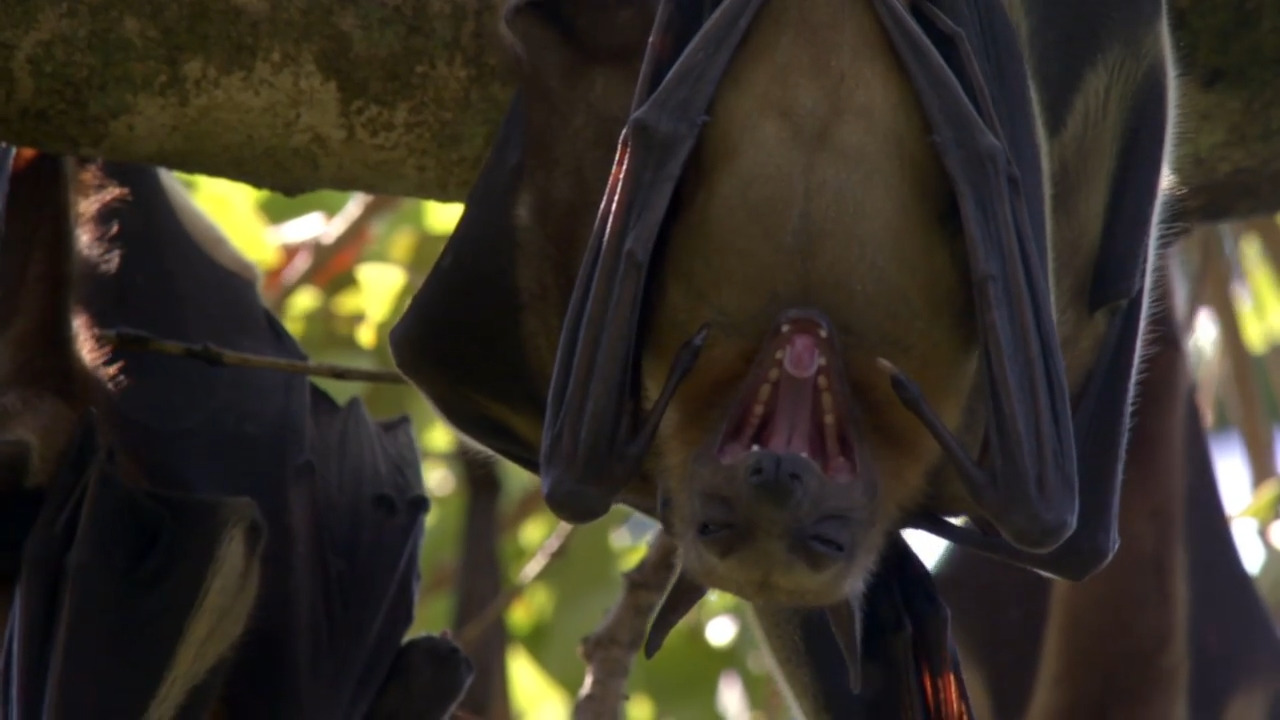
In The Great Fruit Bat Feast, narrator Sir David Attenborough considers the fruit bats of the Congo, with wings nearly a meter wide, as they embark on a journey to a remote swamp in Zambia. These bats travel hundreds of miles to feast on fruit, devouring nearly 1 billion pieces in just a few weeks! The mystery of how they know exactly when and where to go remains unsolved, but their incredible journey shows how far they’ll travel for a good meal! This video is excerpted from BBC's Life, a show that explores the remarkable strategies animals and plants use to ensure their survival.
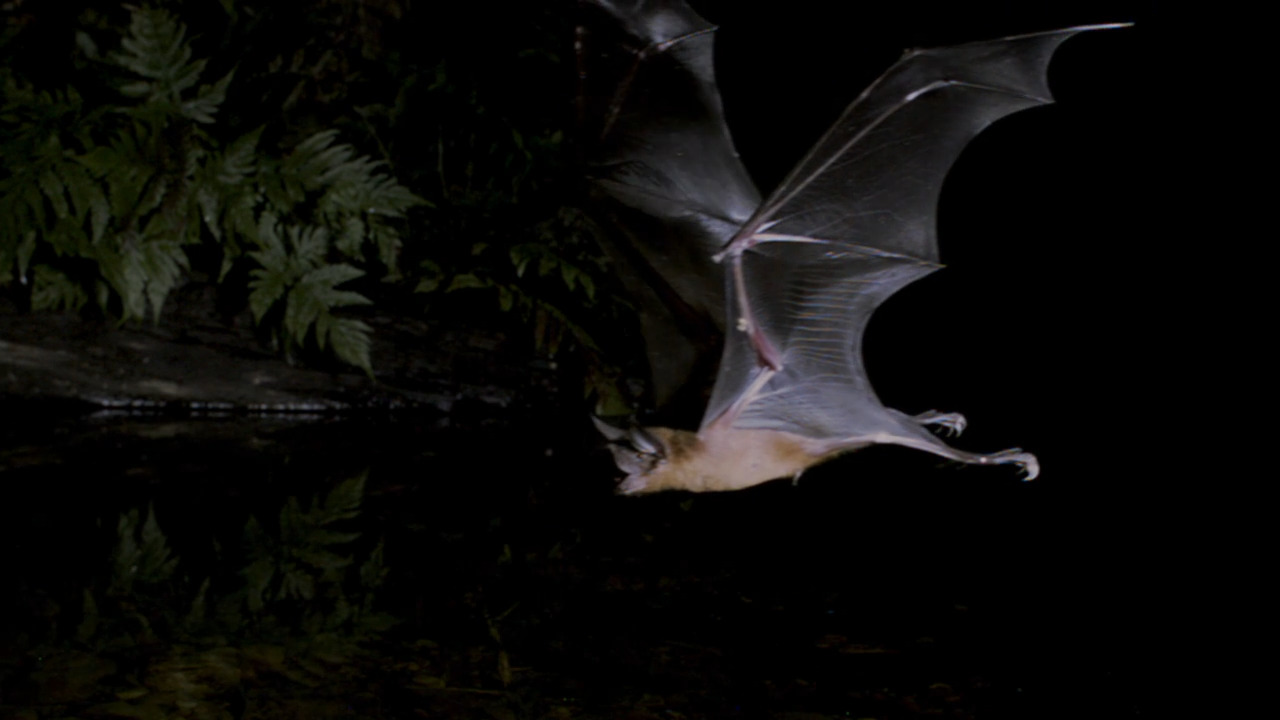
In How Bulldog Bats Hunt in the Night, Sir David Attenborough describes how, as night falls in Belize, bulldog bats take to the skies, ready for an evening feast. These incredible flying mammals are expert fishers, spotting tiny ripples on the water's surface to locate their prey. With lightning speed, they skim the water at 40 mph, snatching fish with their feet — but the splashy success attracts other bats to the scene. This video is excerpted from BBC's Life, a show that explores the remarkable strategies animals and plants use to ensure their survival.
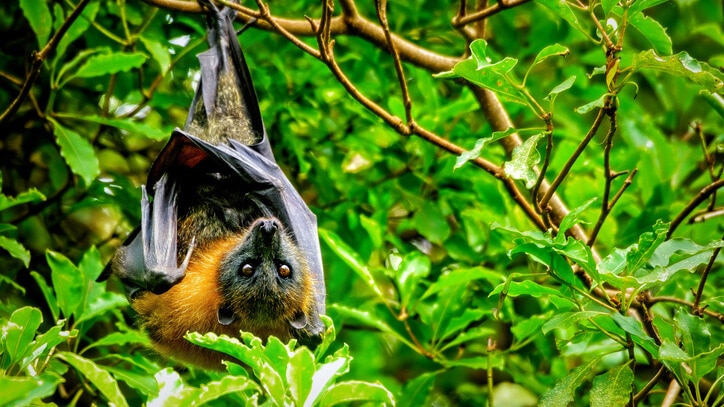
Wolves howl in the darkness, bats take to the night sky, spiders wait in carefully constructed webs, and owls hunt almost silently from above. These BBC videos explore the fascinating lives of animals that have become symbols of Halloween — and reveal that the truth behind their spooky reputations is often even more interesting.
Discover the remarkable senses, hunting strategies, and adaptations that help these animals thrive. See how bats navigate in darkness, how spiders use silk to capture prey, how wolves work together, and how owls are built for life as nighttime predators.
They may appear on decorations, costumes, and spooky stories every October, but these animals play important roles in real ecosystems around the world. Look beyond the myths and meet the science behind the creatures of Halloween.
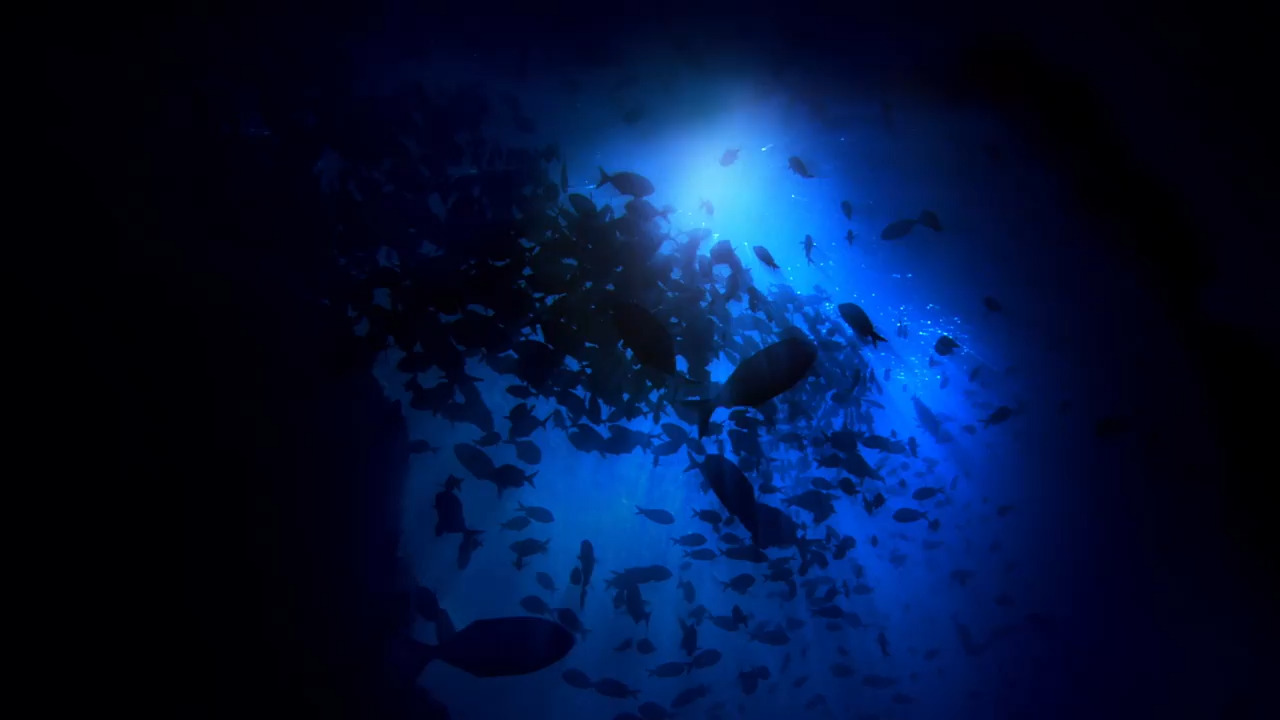
In Finding Refuge in the Sea Caves of Poor Knights Islands, narrator Sir David Attenborough explores the Poor Knights Islands in New Zealand, focusing on the survival strategies of fish and bats that use sea caves as their refuge. After feeding in the open water, demersal fish return to the caves to avoid predators. Big-eyes are night-feeding fish that leave the caves each evening. Bats face danger from snakes that sense their body heat and strike at them as they exit the caves. This video is excerpted from BBC’s Planet Earth, a breathtaking documentary series that highlights the natural wonders of our planet.
The end of the Cretaceous reshaped life on Earth, with the asteroid impact that wiped out more than 70% of species leaving a world where mammals could rapidly diversify. This clip from BBC’s Evolution episode "The Bat" follows that turning point to the emergence of early bats, including Icaronycteris, whose elongated fingers formed wings and whose specialized ear structures suggest that echolocation was already developing.
The combination of flight and echolocation allowed bats to exploit an entirely new environment, hunting for food in the night sky and eventually spreading across almost every continent. The video also connects the bat’s remarkable adaptations to features shared by all mammals, including jaws, complex teeth, a through gut, and specialized middle-ear bones, highlighting the deep evolutionary connections between bats, humans, and other mammals.
The evolution of jaws transformed how the ancestors of bats and other vertebrates could feed and survive. This clip from BBC’s Evolution episode The Bat follows the ancient fish Metaspriggina, whose unusual front gill arches may have been an early step toward the development of jaws, allowing its descendants to move beyond filter-feeding and actively bite and capture prey.
Because the cartilage involved in early jaw evolution rarely survives in fossils, scientists also look to developing embryos for clues. The video shows how the same genes that control the formation of gill arches also help shape jaws, providing evidence of their shared evolutionary origin and showing how a structure once involved in breathing and feeding was transformed into one of the most important innovations in vertebrate evolution.
The Ediacaran Garden was home to some of the earliest and strangest animals on Earth, living among vast microbial mats that provided an almost endless food supply. This clip from BBC’s Evolution episode "The Bat" explores the mysterious world of these ancient creatures and follows a tiny, soft-bodied organism thought to be a distant ancestor of bats and humans.
With no hard parts to leave fossils behind, this creature’s story must be pieced together from clues about modern animals and the evolutionary changes that followed. Mutations gradually transformed a simple gut into a continuous digestive tube with a separate opening for waste — a seemingly simple innovation that allowed animals to eat continuously and digest food far more efficiently.
Bring BBC’s Evolution into your classroom with a flexible teaching guide designed to help students investigate how life changes over time. Built around five episodes featuring the elephant, ostrich, bat, dolphin, and horse, the interactive unit combines engaging BBC footage with student worksheets, evidence-based activities, teaching strategies, and extension ideas.
The lessons are structured around the 5E Instructional Model and can be used as a complete five-day learning experience or adapted to support an existing evolution unit. Students make predictions, analyze evidence from video clips, identify patterns, and develop explanations about natural selection, adaptation, genetic variation, and other mechanisms of evolutionary change.
The guide includes:
- Background information and vocabulary for the topic
- How to access and navigate the interactive unit (including videos and worksheets)
- Teacher tips and implementation guidance for using the materials in whole-class, small-group, pair, or individual settings
- Extension activities including an evolution timeline, animal comparisons, and adaptation research.
- NGSS alignment covering middle and high school standards related to genetic variation, natural selection, adaptation, common ancestry, environmental change, and selective breeding
- Family letter to introduce parents and caregivers to the unit and explain what students will be learning and why (as well as how to watch the full episodes at home)
- Answer keys for each set of worksheets
Whether you're introducing evolution for the first time, reinforcing a concept you're already teaching, or looking for a multimedia station or jigsaw activity, this guide gives you the tools to make Evolution part of your science classroom.
What does a tiny change in digestion have to do with a bat hunting in the darkness? This lesson for ages 11–18 explores how evolution repeatedly gave organisms new ways to find, capture, and use food — and how those changes opened the door to entirely new ways of life.
The BBC video clips from Evolution Episode 3: "The Bat" take you from the evolution of a more efficient digestive system to the development of jaws, revealing how each innovation expanded the possibilities for obtaining energy. It also examines how bats combine specialized adaptations, including wings, teeth, and echolocation, to find and capture food in challenging environments.
Through predictions, comparisons, vocabulary practice, and evidence-based questions, connect individual mutations and adaptations to the larger process of natural selection. The lesson culminates with an ask to trace a chain of evolutionary innovations and explain how changes in feeding and energy use ultimately contributed to the emergence of the modern bat.
With this interactive unit, you will explore the evolutionary journey of five animals — the elephant, ostrich, bat, dolphin, and horse — through incredible videos from BBC's new documentary series, Evolution.
BBC's Evolution explores the pivotal evolutionary breakthroughs that shaped every living thing. Rather than telling a simple chronological history, each episode traces the deep evolutionary journey of one iconic modern animal, revealing how survival, chance, innovation and partnership have driven life’s astonishing diversity. The scientific research underpinning Evolution involved collaborating more than 600 scientists worldwide. At the heart of the series are the immersive VFX sequences that let viewers meet the characters that shaped the evolution of life on Earth today.
How to get started:
Start with any of the five animals. Click on each of three hotspots in its section (in order from top to bottom). As you explore how changes in body structure, reproduction, feeding, sensory systems, nervous systems, and movement opened new possibilities for survival and helped organisms adapt to changing environments, use the printable student worksheets (see Related Resources) for each animal to guide you.
In Life Inside the Sunless Ecosystem of Deer Cave, narrator Sir David Attenborough explores Deer Cave in Borneo, the largest river passage in the world — so vast that a jumbo jet could fly through it. The cave is home to an astonishing 3 million wrinkle-lipped bats, which roost high on the cave walls and ceilings, away from predators. The bats' droppings (guano) form the foundation of a unique food chain within the cave, supporting massive populations of cockroaches, giant cave centipedes, and even crabs. This video is excerpted from BBC’s Planet Earth, a breathtaking documentary series that highlights the natural wonders of our planet.
In Bats' A Nightly Journey of Survival, narrator Sir David Attenborough explores the nightly journey of three million bats as they leave their cave to hunt for insects. The bats face many challenges, including evading predatory birds such as rufous-bellied eagles, falcons, and black hawks. Despite these dangers, most bats return safely to their cave by morning. This video is excerpted from BBC’s Planet Earth, a breathtaking documentary series that highlights the natural wonders of our planet.
In The Great Fruit Bat Feast, narrator Sir David Attenborough considers the fruit bats of the Congo, with wings nearly a meter wide, as they embark on a journey to a remote swamp in Zambia. These bats travel hundreds of miles to feast on fruit, devouring nearly 1 billion pieces in just a few weeks! The mystery of how they know exactly when and where to go remains unsolved, but their incredible journey shows how far they’ll travel for a good meal! This video is excerpted from BBC's Life, a show that explores the remarkable strategies animals and plants use to ensure their survival.
In How Bulldog Bats Hunt in the Night, Sir David Attenborough describes how, as night falls in Belize, bulldog bats take to the skies, ready for an evening feast. These incredible flying mammals are expert fishers, spotting tiny ripples on the water's surface to locate their prey. With lightning speed, they skim the water at 40 mph, snatching fish with their feet — but the splashy success attracts other bats to the scene. This video is excerpted from BBC's Life, a show that explores the remarkable strategies animals and plants use to ensure their survival.
Wolves howl in the darkness, bats take to the night sky, spiders wait in carefully constructed webs, and owls hunt almost silently from above. These BBC videos explore the fascinating lives of animals that have become symbols of Halloween — and reveal that the truth behind their spooky reputations is often even more interesting.
Discover the remarkable senses, hunting strategies, and adaptations that help these animals thrive. See how bats navigate in darkness, how spiders use silk to capture prey, how wolves work together, and how owls are built for life as nighttime predators.
They may appear on decorations, costumes, and spooky stories every October, but these animals play important roles in real ecosystems around the world. Look beyond the myths and meet the science behind the creatures of Halloween.
In Finding Refuge in the Sea Caves of Poor Knights Islands, narrator Sir David Attenborough explores the Poor Knights Islands in New Zealand, focusing on the survival strategies of fish and bats that use sea caves as their refuge. After feeding in the open water, demersal fish return to the caves to avoid predators. Big-eyes are night-feeding fish that leave the caves each evening. Bats face danger from snakes that sense their body heat and strike at them as they exit the caves. This video is excerpted from BBC’s Planet Earth, a breathtaking documentary series that highlights the natural wonders of our planet.