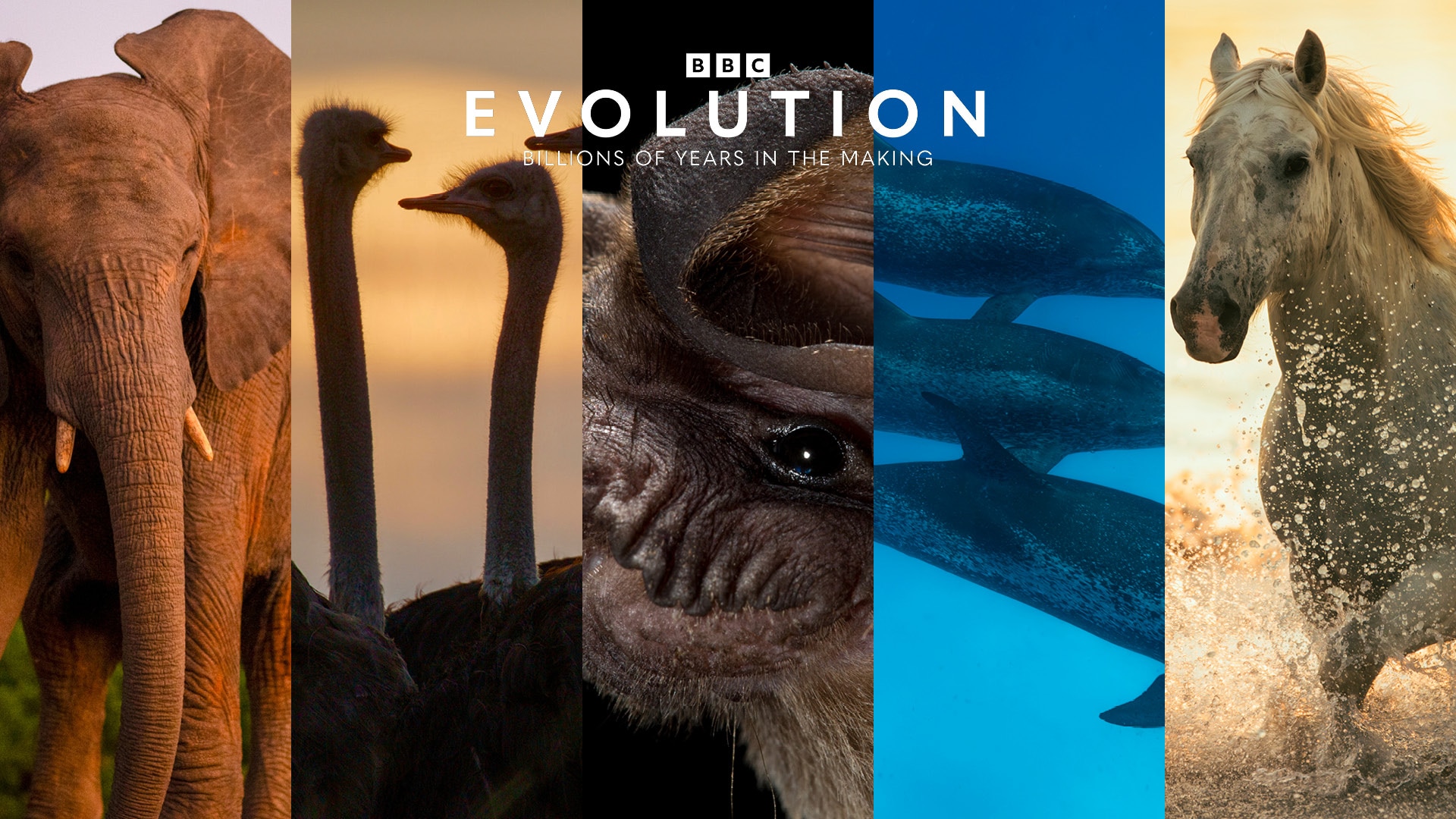
The groundbreaking documentary, now for the secondary classroom: five animals, five big ideas in evolution, with curated video clips and worksheets for ages 11–18
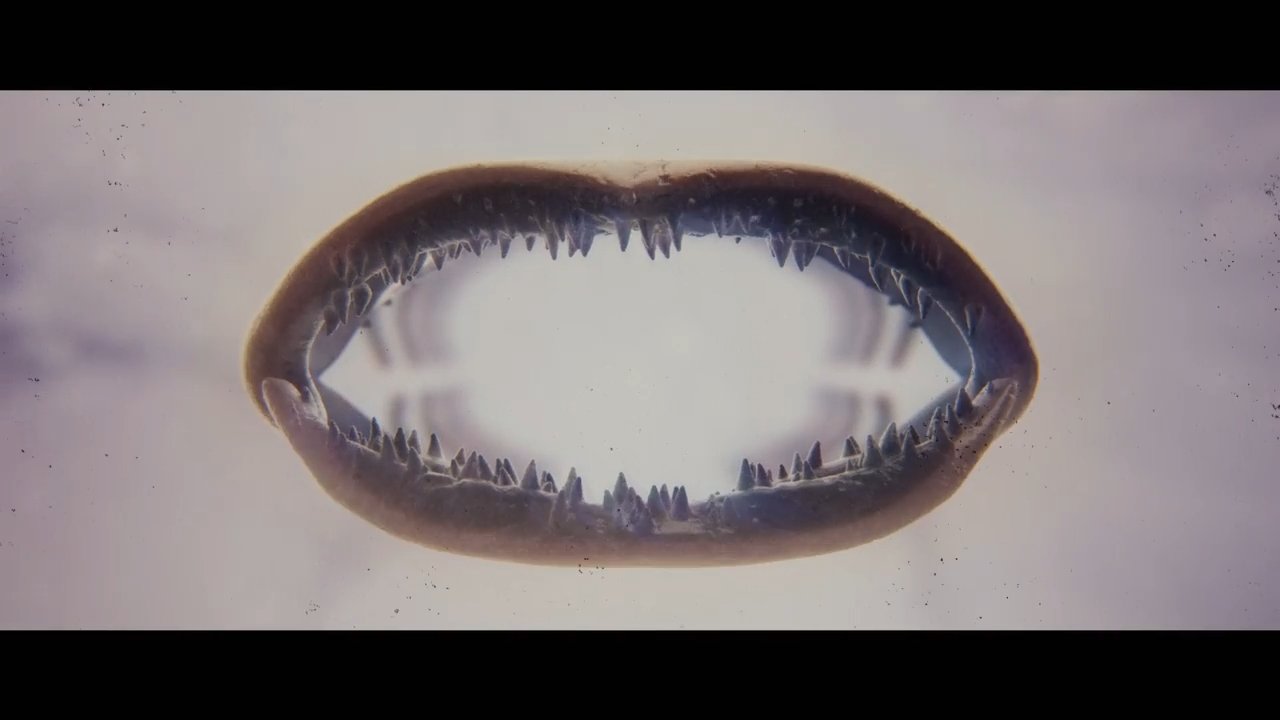
The evolution of jaws transformed how the ancestors of bats and other vertebrates could feed and survive. This clip from BBC’s Evolution episode The Bat follows the ancient fish Metaspriggina, whose unusual front gill arches may have been an early step toward the development of jaws, allowing its descendants to move beyond filter-feeding and actively bite and capture prey.
Because the cartilage involved in early jaw evolution rarely survives in fossils, scientists also look to developing embryos for clues. The video shows how the same genes that control the formation of gill arches also help shape jaws, providing evidence of their shared evolutionary origin and showing how a structure once involved in breathing and feeding was transformed into one of the most important innovations in vertebrate evolution.
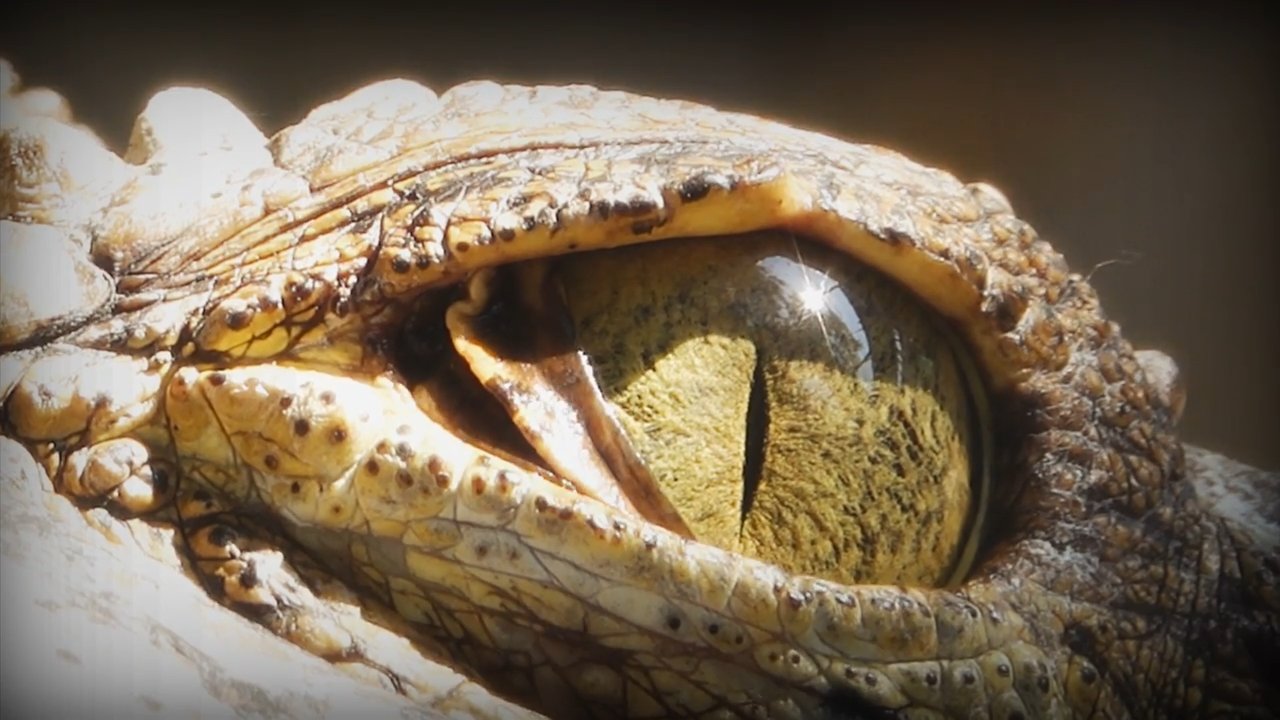
Vision transformed the way animals interacted with their surroundings, turning survival into a game of seeing, sensing, and responding. This clip from BBC’s Evolution episode "The Dolphin" travels back to the Cambrian Period, when complex eyes began appearing in many forms, including the prominent eyes of trilobites, and explores how the rise of vision may have driven an evolutionary arms race between predators and prey.
Rare Cambrian fossils also preserve evidence of neural tissue and even brain structures, offering clues to the connection between increasingly sophisticated eyes and increasingly complex brains. From wide-ranging compound eyes to giant camera-like eyes, the video traces the remarkable variety of ways animals have evolved to process the visual world around them.
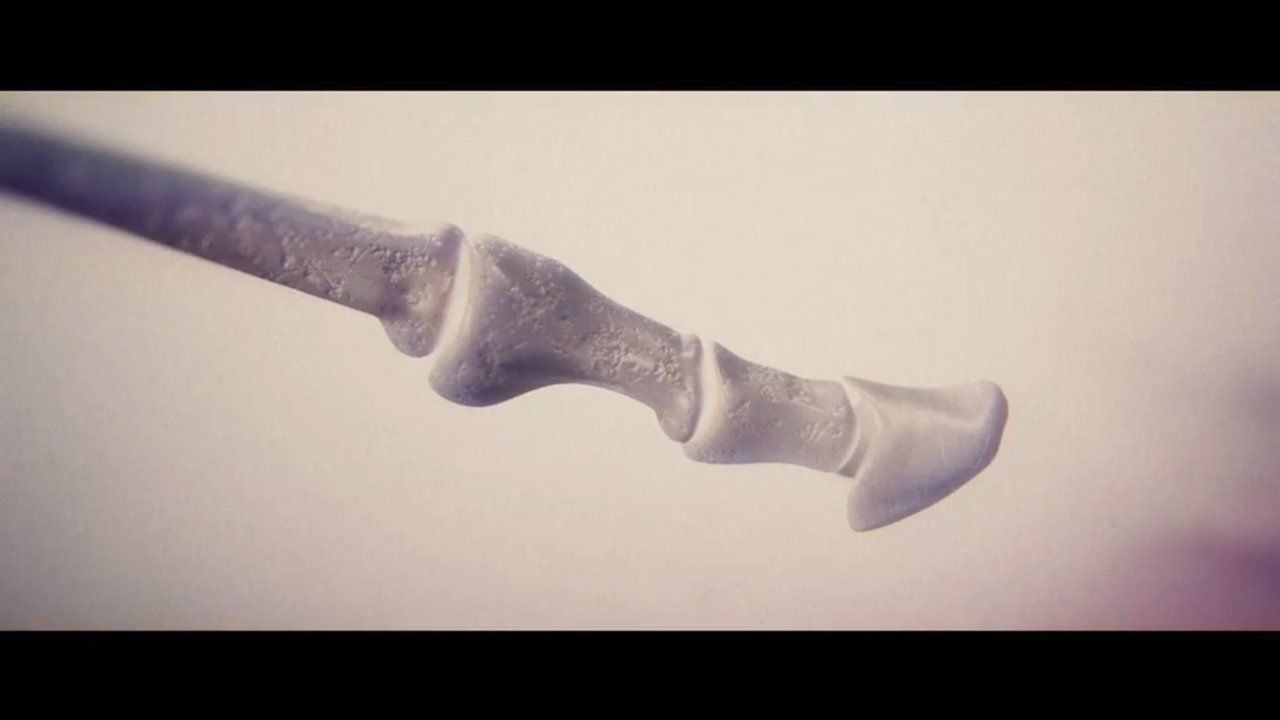
The horse’s remarkable ability to run is the result of millions of years of evolutionary change. In this clip from BBC’s Evolution episode "The Horse," follow the development of specialized running limbs, beginning with early mammals such as Phenacodus, whose digitigrade stance allowed for longer and faster strides.
Over time, bones lengthened, muscles became concentrated higher on the legs, and the feet became increasingly streamlined until Equus evolved a single toe and hard hoof. These adaptations made horses extraordinarily efficient runners, while also creating a trade-off: limbs built almost entirely for speed were far less useful for other tasks.
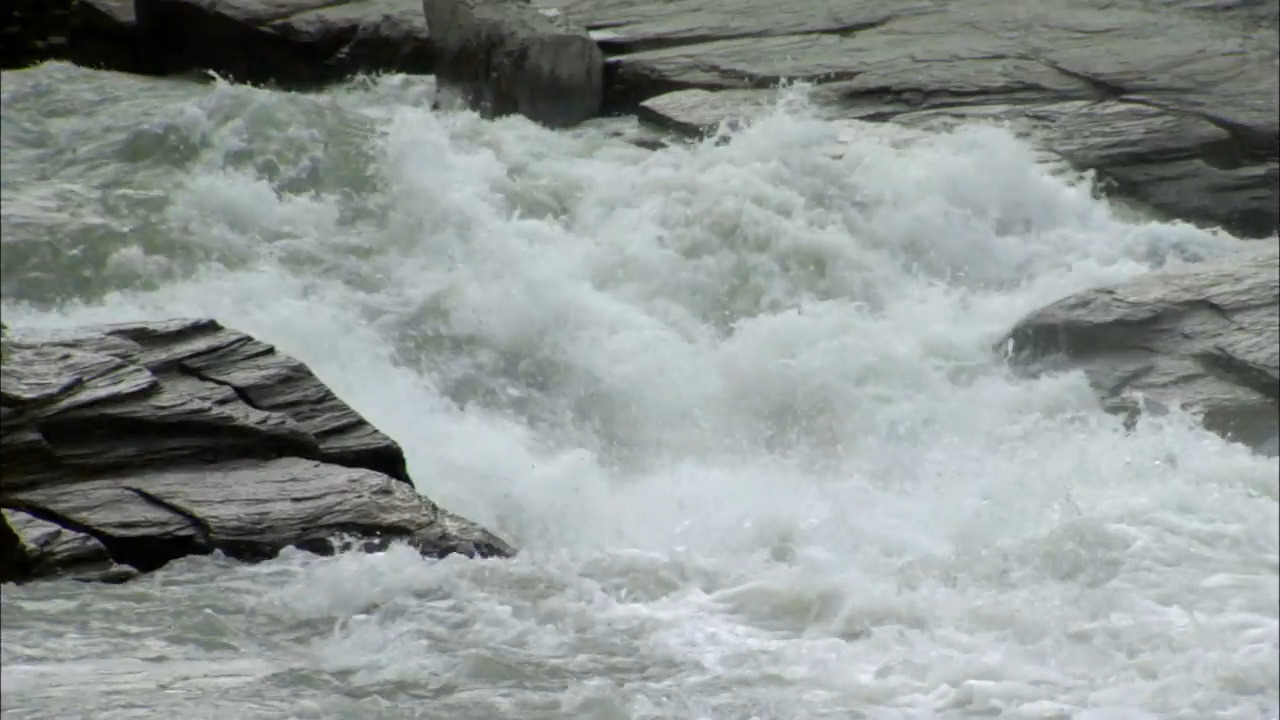
In Erosion and Evolution, geologist Iain Stewart explains that rivers and volcanoes have shaped the Earth in dramatic ways. Rivers sweep rock and debris with them as they head toward the ocean, preparing for new land to form downstream. Scientists have found the conditions that mimic those found when the Earth was young around volcanoes and hydrothermal vents. The changing amounts of ice on the planet also impact how modern man has adapted. This video is excerpted from BBC’s Earth: The Power of the Planet, a documentary series in which Dr. Iain Stewart discovers how Earth's forces can shape nature, species, and even the climate.
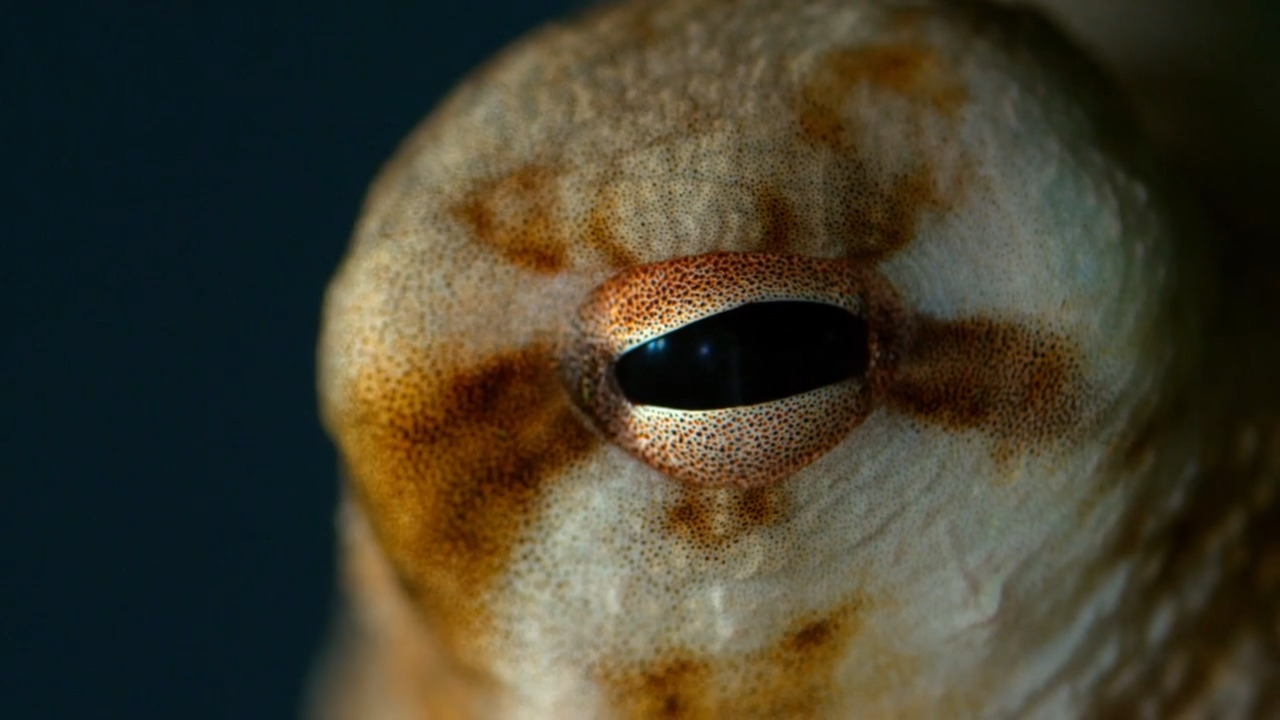
In Octopus Evolution, ecologist David Scheel describes the journey through the unique evolutionary history of octopuses, showing how these incredible creatures took a completely separate path from other life forms. In his class at Alaska Pacific University, he explains how, over half a billion years ago, octopuses and humans might have shared a common ancestor — but since then, octopuses developed their own specialized brain, heart, and eyes! This video is excerpted from BBC’s Natural World: The Octopus in My House, a remarkable series about a professor and the extraordinary relationship he develops with an octopus when he invites it to live in his home.
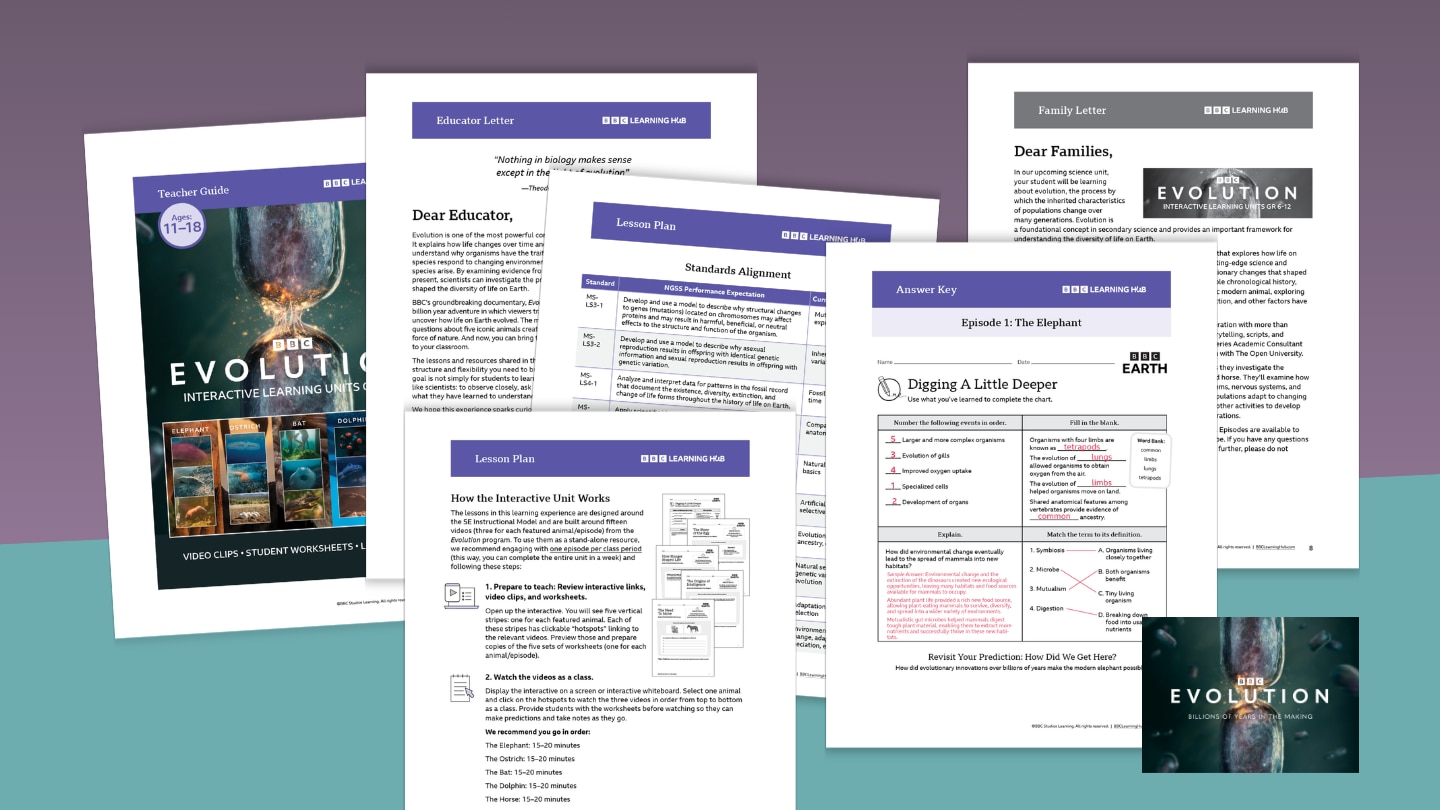
Bring BBC’s Evolution into your classroom with a flexible teaching guide designed to help students investigate how life changes over time. Built around five episodes featuring the elephant, ostrich, bat, dolphin, and horse, the interactive unit combines engaging BBC footage with student worksheets, evidence-based activities, teaching strategies, and extension ideas.
The lessons are structured around the 5E Instructional Model and can be used as a complete five-day learning experience or adapted to support an existing evolution unit. Students make predictions, analyze evidence from video clips, identify patterns, and develop explanations about natural selection, adaptation, genetic variation, and other mechanisms of evolutionary change.
The guide includes:
- Background information and vocabulary for the topic
- How to access and navigate the interactive unit (including videos and worksheets)
- Teacher tips and implementation guidance for using the materials in whole-class, small-group, pair, or individual settings
- Extension activities including an evolution timeline, animal comparisons, and adaptation research.
- NGSS alignment covering middle and high school standards related to genetic variation, natural selection, adaptation, common ancestry, environmental change, and selective breeding
- Family letter to introduce parents and caregivers to the unit and explain what students will be learning and why (as well as how to watch the full episodes at home)
- Answer keys for each set of worksheets
Whether you're introducing evolution for the first time, reinforcing a concept you're already teaching, or looking for a multimedia station or jigsaw activity, this guide gives you the tools to make Evolution part of your science classroom.
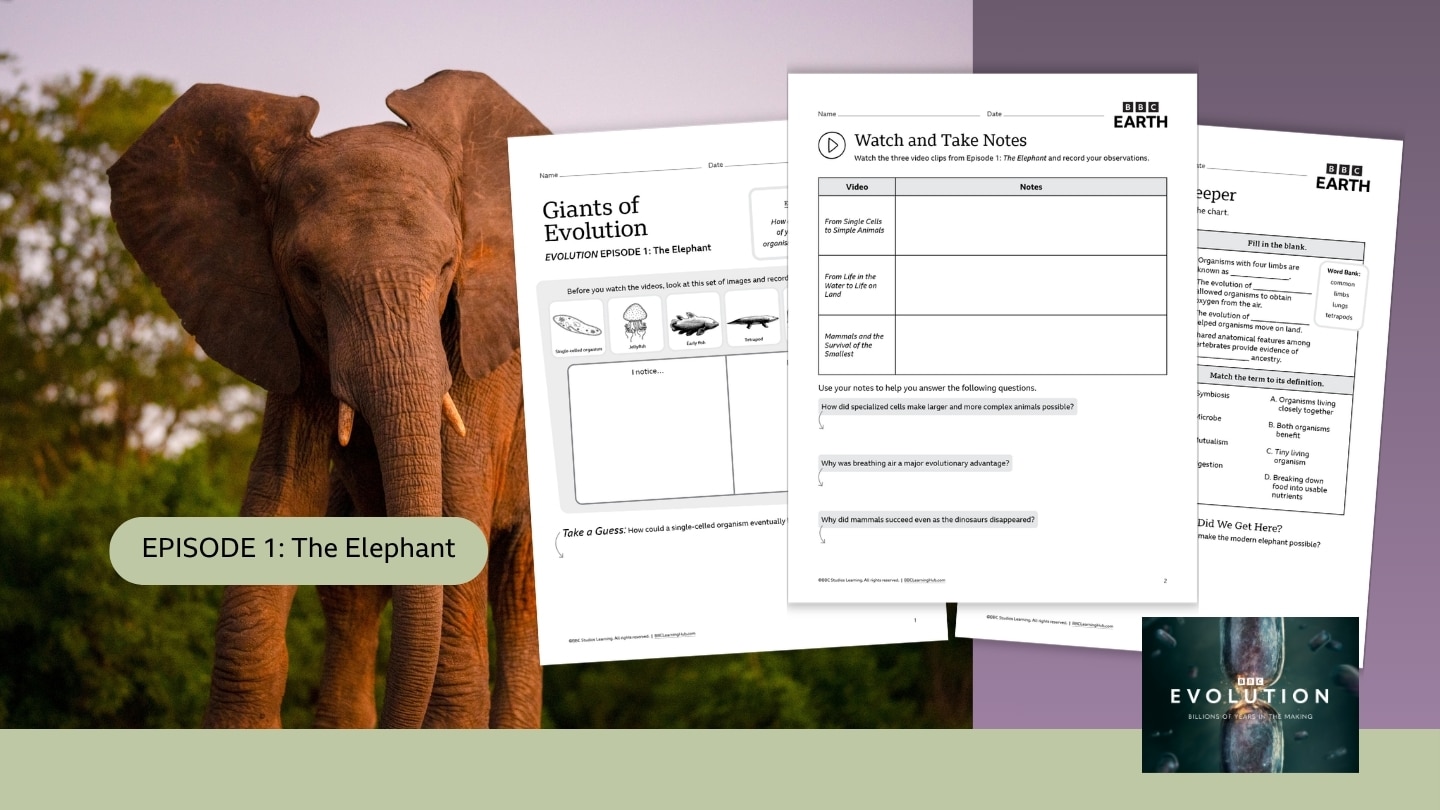
How did a single-celled organism eventually become an elephant? This lesson for ages 11–18 traces the deep evolutionary history of elephants, starting with the earliest forms of life and following the major innovations that made increasingly complex animals possible.
Using BBC video clips from Evolution Episode1: "The Elephant," investigate how specialized cells, organs, gills, lungs, and limbs helped life become more complex and eventually move from water to land. Explore how mammals survived major environmental changes, including the extinction of the dinosaurs, and gained opportunities to spread into new habitats.
Use observations and evidence from the videos to piece together this evolutionary story, practice connecting cause and effect, and revisit predictions. Once you've worked through all the worksheet pages, you'll synthesize what you've learned to explain how billions of years of evolutionary change ultimately led to the modern elephant.
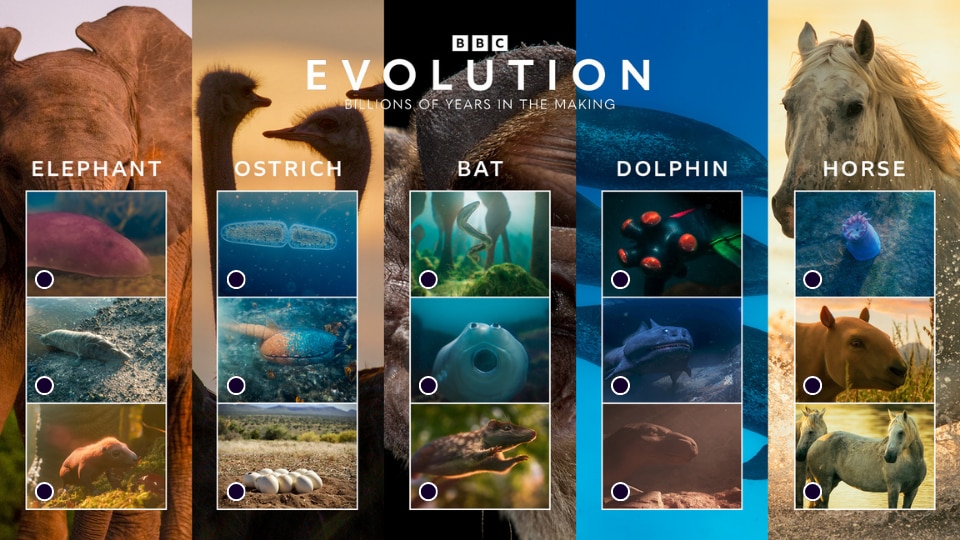
With this interactive unit, you will explore the evolutionary journey of five animals — the elephant, ostrich, bat, dolphin, and horse — through incredible videos from BBC's new documentary series, Evolution.
BBC's Evolution explores the pivotal evolutionary breakthroughs that shaped every living thing. Rather than telling a simple chronological history, each episode traces the deep evolutionary journey of one iconic modern animal, revealing how survival, chance, innovation and partnership have driven life’s astonishing diversity. The scientific research underpinning Evolution involved collaborating more than 600 scientists worldwide. At the heart of the series are the immersive VFX sequences that let viewers meet the characters that shaped the evolution of life on Earth today.
How to get started:
Start with any of the five animals. Click on each of three hotspots in its section (in order from top to bottom). As you explore how changes in body structure, reproduction, feeding, sensory systems, nervous systems, and movement opened new possibilities for survival and helped organisms adapt to changing environments, use the printable student worksheets (see Related Resources) for each animal to guide you.

In Why We Love Baby Animals, host Harith Iskander explores the science behind the overwhelming urge humans feel to squeeze or cuddle baby animals. This feeling, known as cute aggression, is an evolutionary response. The brain releases dopamine, making us feel happy and protective when we see something cute. This video is excerpted from BBC’s Got Science?, a science magazine series that explores and explains science in everyday life.
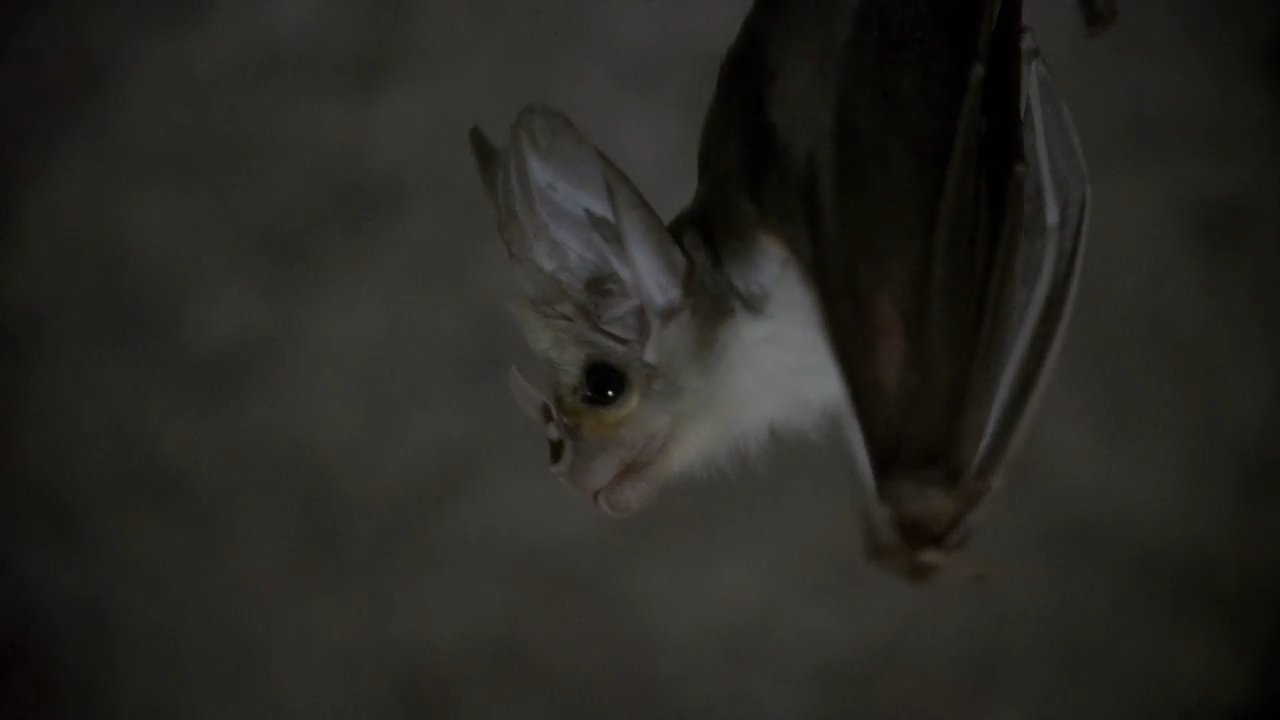
The end of the Cretaceous reshaped life on Earth, with the asteroid impact that wiped out more than 70% of species leaving a world where mammals could rapidly diversify. This clip from BBC’s Evolution episode "The Bat" follows that turning point to the emergence of early bats, including Icaronycteris, whose elongated fingers formed wings and whose specialized ear structures suggest that echolocation was already developing.
The combination of flight and echolocation allowed bats to exploit an entirely new environment, hunting for food in the night sky and eventually spreading across almost every continent. The video also connects the bat’s remarkable adaptations to features shared by all mammals, including jaws, complex teeth, a through gut, and specialized middle-ear bones, highlighting the deep evolutionary connections between bats, humans, and other mammals.
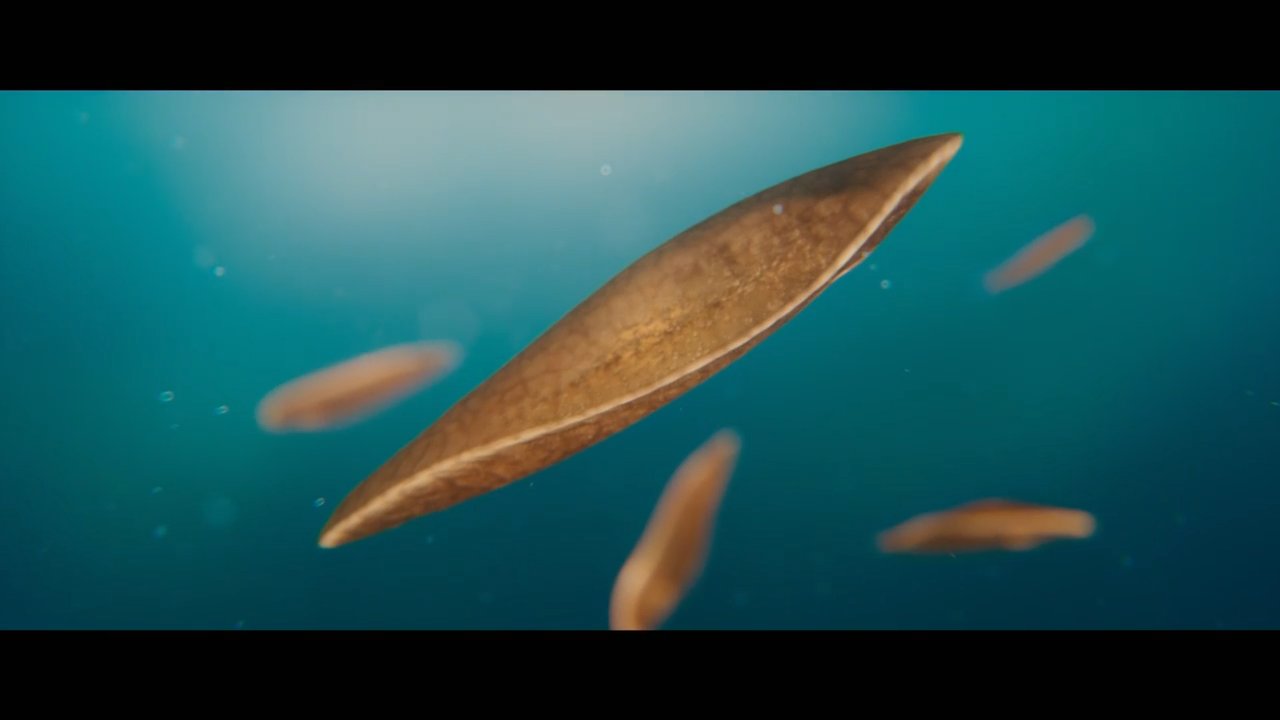
The Ediacaran Garden was home to some of the earliest and strangest animals on Earth, living among vast microbial mats that provided an almost endless food supply. This clip from BBC’s Evolution episode "The Bat" explores the mysterious world of these ancient creatures and follows a tiny, soft-bodied organism thought to be a distant ancestor of bats and humans.
With no hard parts to leave fossils behind, this creature’s story must be pieced together from clues about modern animals and the evolutionary changes that followed. Mutations gradually transformed a simple gut into a continuous digestive tube with a separate opening for waste — a seemingly simple innovation that allowed animals to eat continuously and digest food far more efficiently.
The groundbreaking documentary, now for the secondary classroom: five animals, five big ideas in evolution, with curated video clips and worksheets for ages 11–18
The evolution of jaws transformed how the ancestors of bats and other vertebrates could feed and survive. This clip from BBC’s Evolution episode The Bat follows the ancient fish Metaspriggina, whose unusual front gill arches may have been an early step toward the development of jaws, allowing its descendants to move beyond filter-feeding and actively bite and capture prey.
Because the cartilage involved in early jaw evolution rarely survives in fossils, scientists also look to developing embryos for clues. The video shows how the same genes that control the formation of gill arches also help shape jaws, providing evidence of their shared evolutionary origin and showing how a structure once involved in breathing and feeding was transformed into one of the most important innovations in vertebrate evolution.
Vision transformed the way animals interacted with their surroundings, turning survival into a game of seeing, sensing, and responding. This clip from BBC’s Evolution episode "The Dolphin" travels back to the Cambrian Period, when complex eyes began appearing in many forms, including the prominent eyes of trilobites, and explores how the rise of vision may have driven an evolutionary arms race between predators and prey.
Rare Cambrian fossils also preserve evidence of neural tissue and even brain structures, offering clues to the connection between increasingly sophisticated eyes and increasingly complex brains. From wide-ranging compound eyes to giant camera-like eyes, the video traces the remarkable variety of ways animals have evolved to process the visual world around them.
The horse’s remarkable ability to run is the result of millions of years of evolutionary change. In this clip from BBC’s Evolution episode "The Horse," follow the development of specialized running limbs, beginning with early mammals such as Phenacodus, whose digitigrade stance allowed for longer and faster strides.
Over time, bones lengthened, muscles became concentrated higher on the legs, and the feet became increasingly streamlined until Equus evolved a single toe and hard hoof. These adaptations made horses extraordinarily efficient runners, while also creating a trade-off: limbs built almost entirely for speed were far less useful for other tasks.
In Erosion and Evolution, geologist Iain Stewart explains that rivers and volcanoes have shaped the Earth in dramatic ways. Rivers sweep rock and debris with them as they head toward the ocean, preparing for new land to form downstream. Scientists have found the conditions that mimic those found when the Earth was young around volcanoes and hydrothermal vents. The changing amounts of ice on the planet also impact how modern man has adapted. This video is excerpted from BBC’s Earth: The Power of the Planet, a documentary series in which Dr. Iain Stewart discovers how Earth's forces can shape nature, species, and even the climate.
In Octopus Evolution, ecologist David Scheel describes the journey through the unique evolutionary history of octopuses, showing how these incredible creatures took a completely separate path from other life forms. In his class at Alaska Pacific University, he explains how, over half a billion years ago, octopuses and humans might have shared a common ancestor — but since then, octopuses developed their own specialized brain, heart, and eyes! This video is excerpted from BBC’s Natural World: The Octopus in My House, a remarkable series about a professor and the extraordinary relationship he develops with an octopus when he invites it to live in his home.
Bring BBC’s Evolution into your classroom with a flexible teaching guide designed to help students investigate how life changes over time. Built around five episodes featuring the elephant, ostrich, bat, dolphin, and horse, the interactive unit combines engaging BBC footage with student worksheets, evidence-based activities, teaching strategies, and extension ideas.
The lessons are structured around the 5E Instructional Model and can be used as a complete five-day learning experience or adapted to support an existing evolution unit. Students make predictions, analyze evidence from video clips, identify patterns, and develop explanations about natural selection, adaptation, genetic variation, and other mechanisms of evolutionary change.
The guide includes:
- Background information and vocabulary for the topic
- How to access and navigate the interactive unit (including videos and worksheets)
- Teacher tips and implementation guidance for using the materials in whole-class, small-group, pair, or individual settings
- Extension activities including an evolution timeline, animal comparisons, and adaptation research.
- NGSS alignment covering middle and high school standards related to genetic variation, natural selection, adaptation, common ancestry, environmental change, and selective breeding
- Family letter to introduce parents and caregivers to the unit and explain what students will be learning and why (as well as how to watch the full episodes at home)
- Answer keys for each set of worksheets
Whether you're introducing evolution for the first time, reinforcing a concept you're already teaching, or looking for a multimedia station or jigsaw activity, this guide gives you the tools to make Evolution part of your science classroom.
How did a single-celled organism eventually become an elephant? This lesson for ages 11–18 traces the deep evolutionary history of elephants, starting with the earliest forms of life and following the major innovations that made increasingly complex animals possible.
Using BBC video clips from Evolution Episode1: "The Elephant," investigate how specialized cells, organs, gills, lungs, and limbs helped life become more complex and eventually move from water to land. Explore how mammals survived major environmental changes, including the extinction of the dinosaurs, and gained opportunities to spread into new habitats.
Use observations and evidence from the videos to piece together this evolutionary story, practice connecting cause and effect, and revisit predictions. Once you've worked through all the worksheet pages, you'll synthesize what you've learned to explain how billions of years of evolutionary change ultimately led to the modern elephant.
With this interactive unit, you will explore the evolutionary journey of five animals — the elephant, ostrich, bat, dolphin, and horse — through incredible videos from BBC's new documentary series, Evolution.
BBC's Evolution explores the pivotal evolutionary breakthroughs that shaped every living thing. Rather than telling a simple chronological history, each episode traces the deep evolutionary journey of one iconic modern animal, revealing how survival, chance, innovation and partnership have driven life’s astonishing diversity. The scientific research underpinning Evolution involved collaborating more than 600 scientists worldwide. At the heart of the series are the immersive VFX sequences that let viewers meet the characters that shaped the evolution of life on Earth today.
How to get started:
Start with any of the five animals. Click on each of three hotspots in its section (in order from top to bottom). As you explore how changes in body structure, reproduction, feeding, sensory systems, nervous systems, and movement opened new possibilities for survival and helped organisms adapt to changing environments, use the printable student worksheets (see Related Resources) for each animal to guide you.
In Why We Love Baby Animals, host Harith Iskander explores the science behind the overwhelming urge humans feel to squeeze or cuddle baby animals. This feeling, known as cute aggression, is an evolutionary response. The brain releases dopamine, making us feel happy and protective when we see something cute. This video is excerpted from BBC’s Got Science?, a science magazine series that explores and explains science in everyday life.
The end of the Cretaceous reshaped life on Earth, with the asteroid impact that wiped out more than 70% of species leaving a world where mammals could rapidly diversify. This clip from BBC’s Evolution episode "The Bat" follows that turning point to the emergence of early bats, including Icaronycteris, whose elongated fingers formed wings and whose specialized ear structures suggest that echolocation was already developing.
The combination of flight and echolocation allowed bats to exploit an entirely new environment, hunting for food in the night sky and eventually spreading across almost every continent. The video also connects the bat’s remarkable adaptations to features shared by all mammals, including jaws, complex teeth, a through gut, and specialized middle-ear bones, highlighting the deep evolutionary connections between bats, humans, and other mammals.
The Ediacaran Garden was home to some of the earliest and strangest animals on Earth, living among vast microbial mats that provided an almost endless food supply. This clip from BBC’s Evolution episode "The Bat" explores the mysterious world of these ancient creatures and follows a tiny, soft-bodied organism thought to be a distant ancestor of bats and humans.
With no hard parts to leave fossils behind, this creature’s story must be pieced together from clues about modern animals and the evolutionary changes that followed. Mutations gradually transformed a simple gut into a continuous digestive tube with a separate opening for waste — a seemingly simple innovation that allowed animals to eat continuously and digest food far more efficiently.