Got Science?: Why We Love Baby Animals
In Why We Love Baby Animals, host Harith Iskander explores the science behind the overwhelming urge humans feel to squeeze or cuddle baby animals. This feeling, known as cute aggression, is an evolutionary response. The brain releases dopamine, making us feel happy and protective when we see something cute. This video is excerpted from BBC’s Got Science?, a science magazine series that explores and explains science in everyday life.

A science magazine series that explores and explains the science in everyday life. Learn more.
Lesson Express
Q: Why do humans feel cute aggression when they see baby animals?
A: It’s an evolutionary response to help ensure humans protect and care for babies.
Q: How does the brain react to something cute?
A: The brain releases dopamine, which makes us feel good but can also lead to cute aggression.
Q: What is the benefit of cute aggression for baby animals?
A: Cute aggression helps keep humans engaged in protecting and nurturing young animals, ensuring their survival.
More Like This
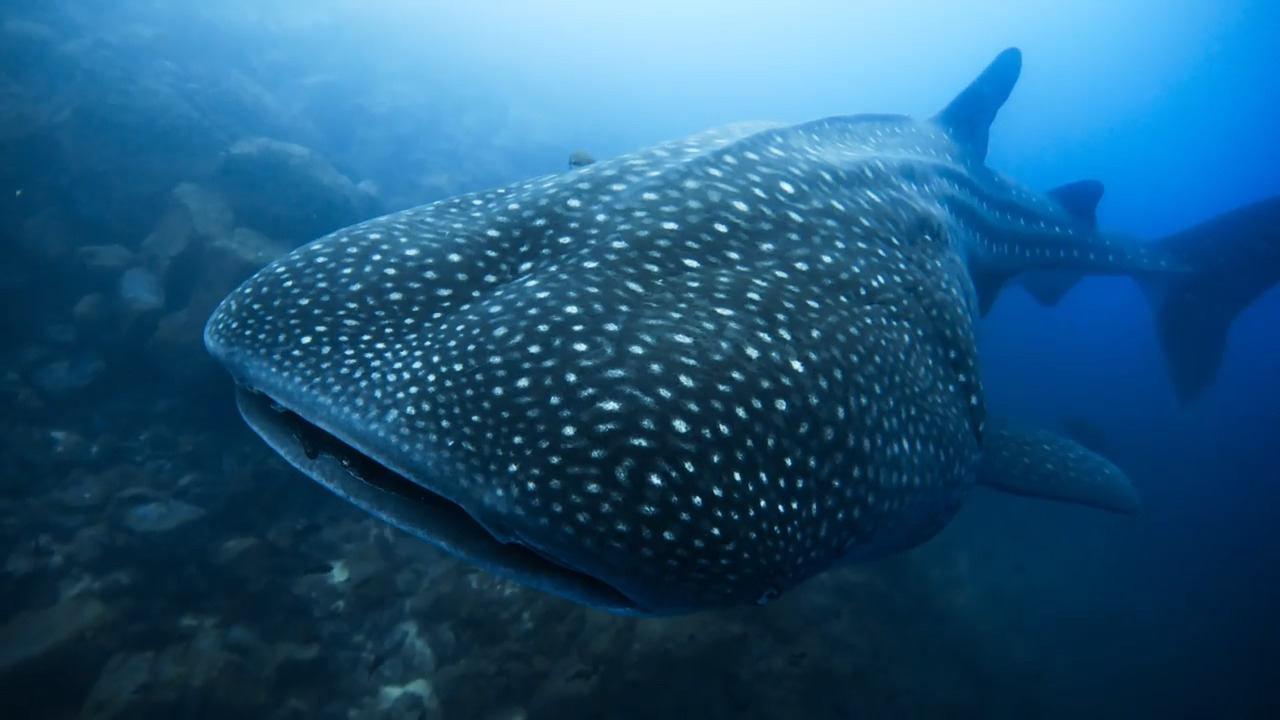
In The Lonely Whale Shark's Journey, narrator Sir David Attenborough explains that no one knows for sure where whale sharks give birth but scientists have an idea. This video is excerpted from BBC’s Blue Planet II, a natural history series that explores the world's oceans, the animals that live in them, and the threats they face, using modern filming techniques and equipment to capture previously unseen areas of the ocean.
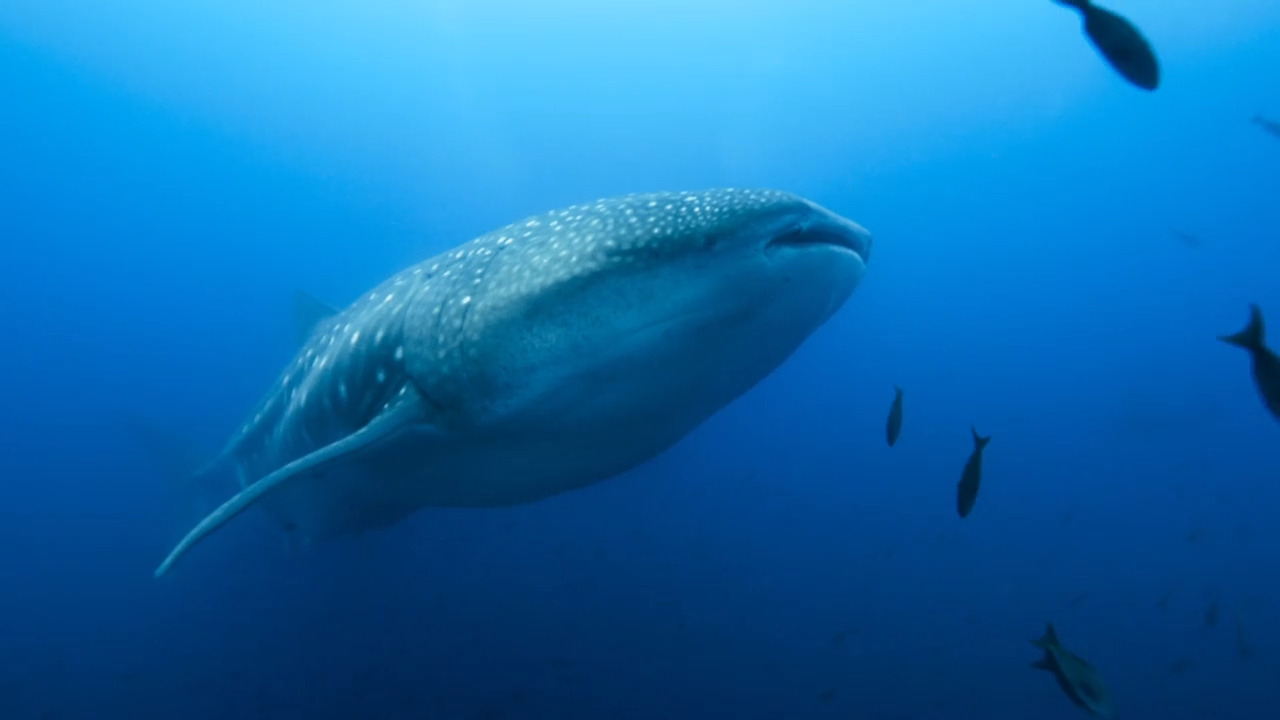
In Saving the Whale Shark, the World's Largest Fish, narrator Sir David Attenborough shares how one scientist is trying to learn exactly where whale shark nurseries are in order to protect them. This video is excerpted from BBC’s Blue Planet II, a natural history series that explores the world's oceans, the animals that live in them, and the threats they face, using modern filming techniques and equipment to capture previously unseen areas of the ocean.
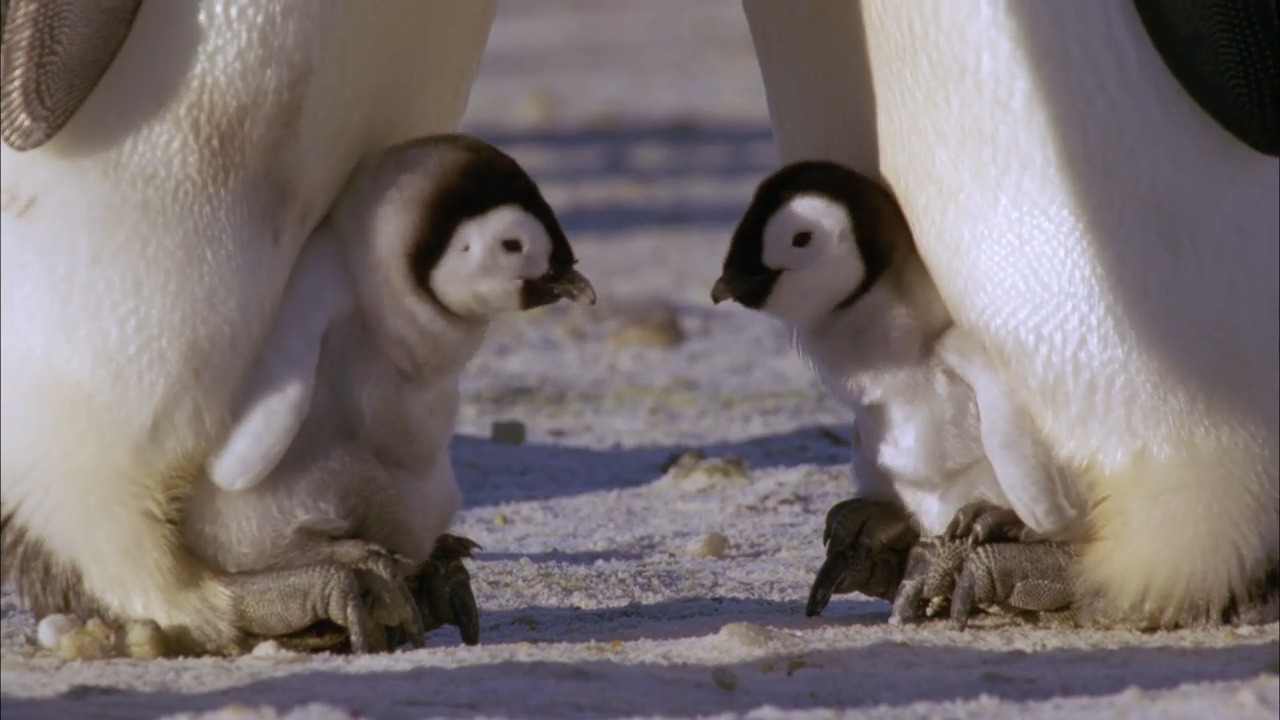
In Young Animals of the Antarctic and the Arctic, narrator Sir David Attenborough follows the journey of young animals growing up in two of the harshest environments on Earth — the Antarctic and the Arctic. Penguin chicks rely on their parents for food and protection as they grow, but not all survive. By early summer, the surviving chicks are strong and independent. In the Arctic, two polar bear cubs, now independent, briefly reunite before setting off on their own into the icy wilderness. This video is excerpted from BBC’s Planet Earth, a breathtaking documentary series that highlights the natural wonders of our planet.
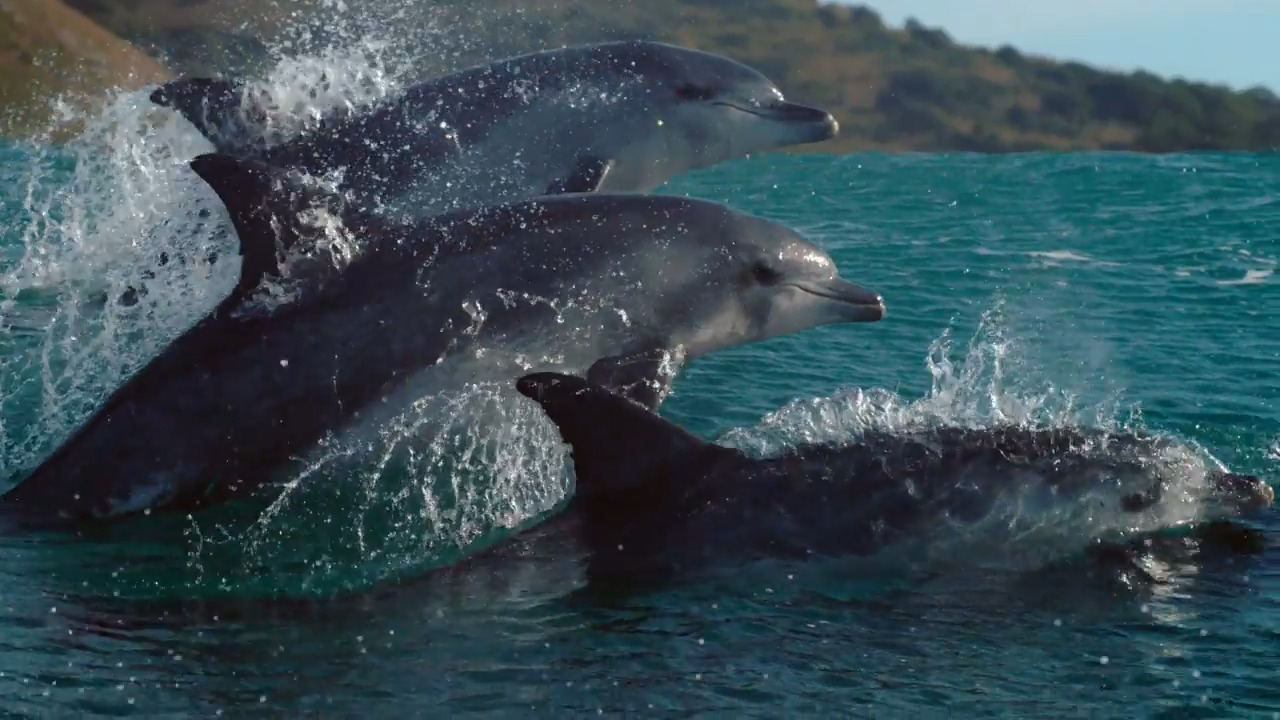
In Surf's Up with Dolphins, narrator Sir David Attenborough shows how adult dolphins teach baby dolphins about their world. This video is excerpted from BBC’s Blue Planet II, a natural history series that explores the world's oceans, the animals that live in them, and the threats they face, using modern filming techniques and equipment to capture previously unseen areas of the ocean.
In The Lonely Whale Shark's Journey, narrator Sir David Attenborough explains that no one knows for sure where whale sharks give birth but scientists have an idea. This video is excerpted from BBC’s Blue Planet II, a natural history series that explores the world's oceans, the animals that live in them, and the threats they face, using modern filming techniques and equipment to capture previously unseen areas of the ocean.
In Saving the Whale Shark, the World's Largest Fish, narrator Sir David Attenborough shares how one scientist is trying to learn exactly where whale shark nurseries are in order to protect them. This video is excerpted from BBC’s Blue Planet II, a natural history series that explores the world's oceans, the animals that live in them, and the threats they face, using modern filming techniques and equipment to capture previously unseen areas of the ocean.
In Young Animals of the Antarctic and the Arctic, narrator Sir David Attenborough follows the journey of young animals growing up in two of the harshest environments on Earth — the Antarctic and the Arctic. Penguin chicks rely on their parents for food and protection as they grow, but not all survive. By early summer, the surviving chicks are strong and independent. In the Arctic, two polar bear cubs, now independent, briefly reunite before setting off on their own into the icy wilderness. This video is excerpted from BBC’s Planet Earth, a breathtaking documentary series that highlights the natural wonders of our planet.
In Surf's Up with Dolphins, narrator Sir David Attenborough shows how adult dolphins teach baby dolphins about their world. This video is excerpted from BBC’s Blue Planet II, a natural history series that explores the world's oceans, the animals that live in them, and the threats they face, using modern filming techniques and equipment to capture previously unseen areas of the ocean.