The Great Winter Nap Quiz: How Much Do You Know About Animal Hibernation?
Winter is a season of frosty magic, silent snowfall, and some truly astonishing animal superpowers. But how much do you really know about the creatures that survive — and even thrive — when the temperature plunges?
From Arctic foxes that change coats like fashion pros to bears mastering the art of long naps, wood frogs that freeze without fear, and woolly bear caterpillars predicting winter’s mood swings, this quiz is packed with wild wonders and icy surprises. Only the sharpest nature buffs and winter-survival whiz kids will claw their way to the top of the leaderboard.
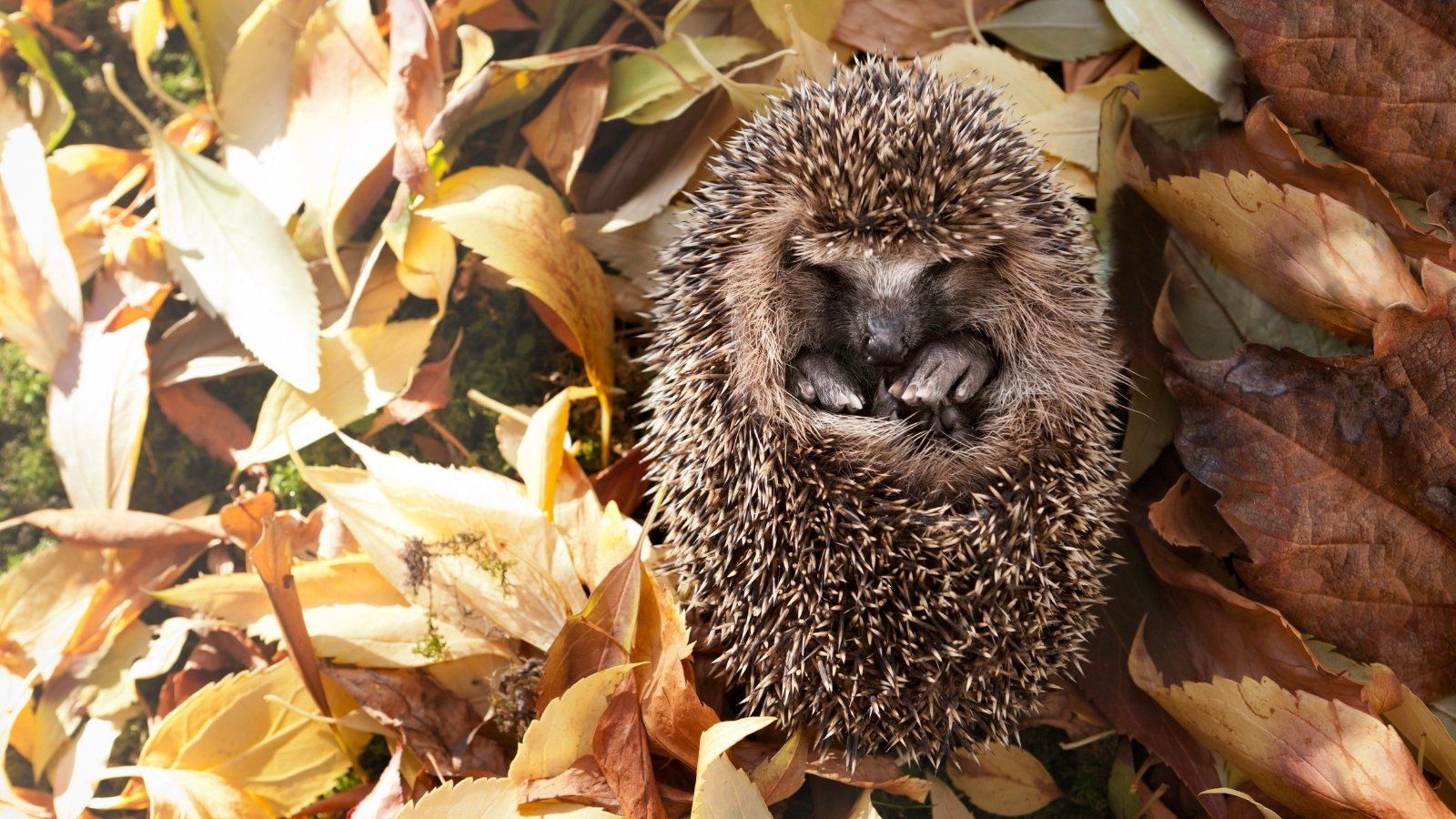
The article "Hibernation: How Animals Sleep Through the Heat and Cold" from BBC's Discover Wildlife explores the fascinating survival strategies animals use during extreme weather. It explains the difference between hibernation, aestivation, torpor, and denning.
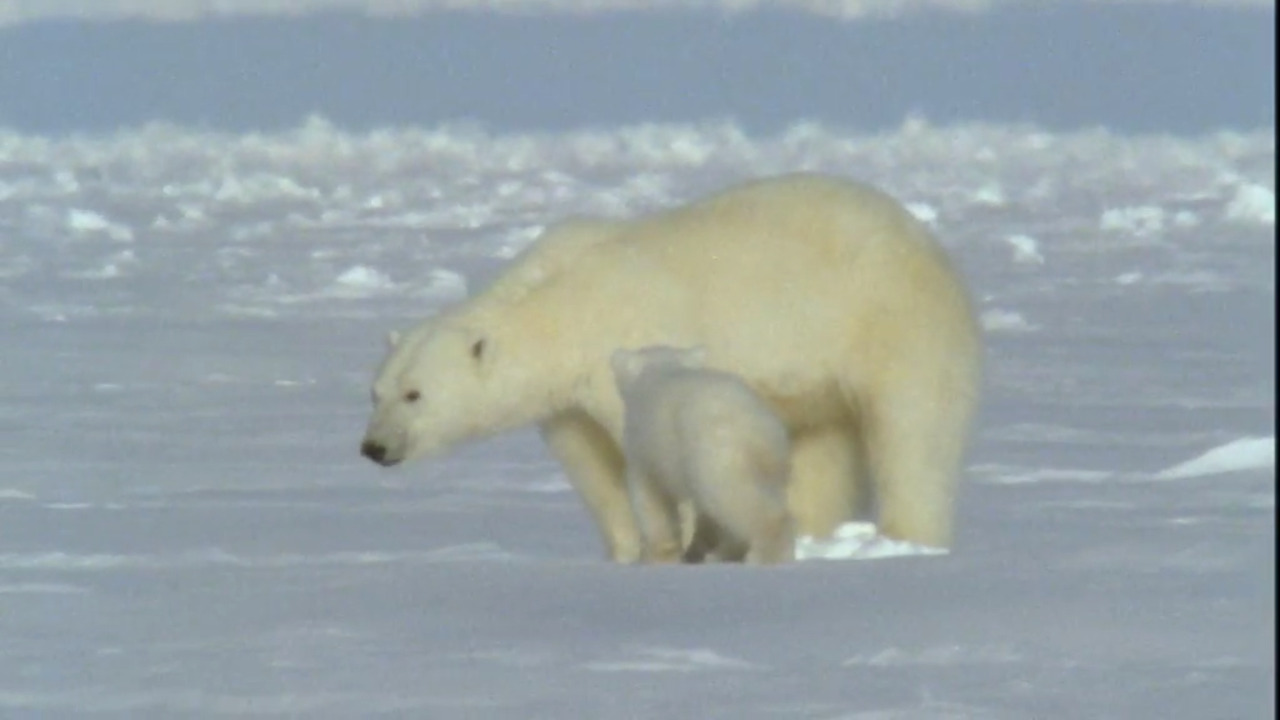
In Watch Polar Bears After Hibernation, narrator Sir David Attenborough explains how a mother polar bear and her cub hunt after waking up from hibernation. Learn how a mother polar bear tries to find a seal under the ice. Watch a polar bear cub learn and play. This video is excerpted from BBC’s Blue Planet, a definitive documentary series diving into the mysterious depths of the sea to discover the natural history of the world’s oceans and the rarely seen marine life that reside there.
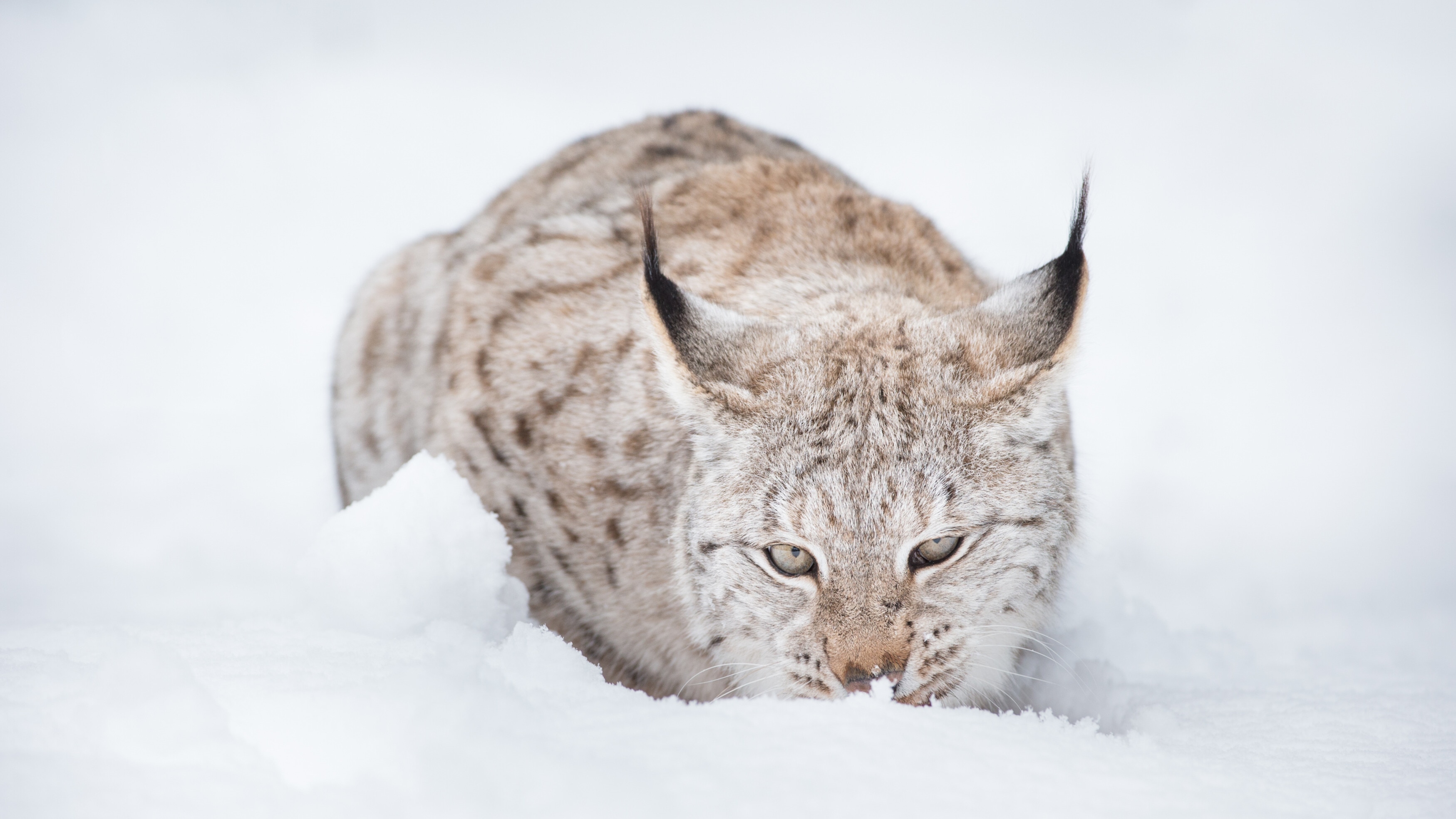
Brave the chill and meet the coolest creatures on Earth! This playlist of 11 frosty video clips from BBC landmark shows like Frozen Planet and Planet Earth explores how animals survive some of the coldest places on the planet. Students will learn about adaptations, seasonal behaviors, and the survival strategies that help bison, foxes, seals, grizzlies, snow monkeys, polar bears, lynx, and more thrive in freezing climates.
They’ll discover how winter weather shapes each animal’s daily life; how they find food, conserve energy, protect themselves from predators; and why these icy habitats play a vital role in Earth’s systems.
You Might Also Like
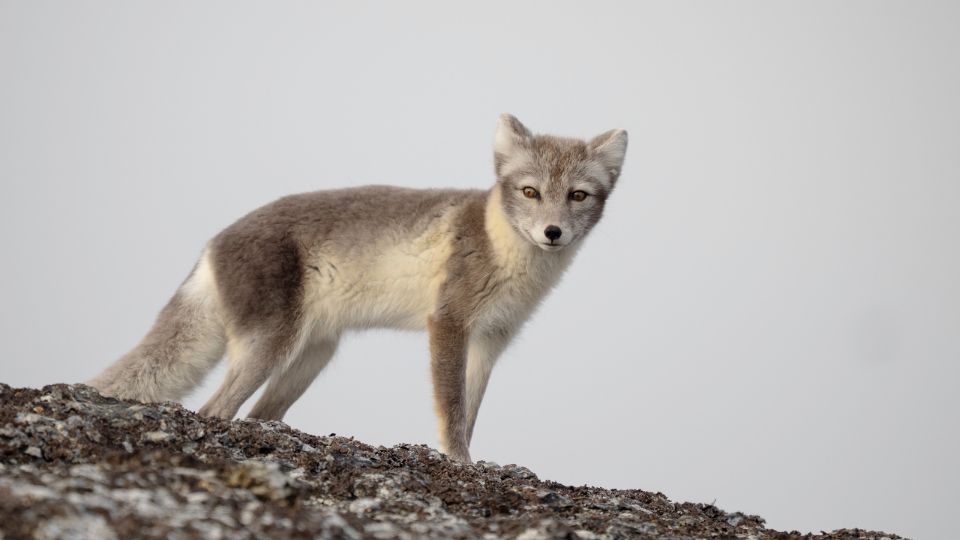
It's summer in the Arctic, and its predators are hungry after a long winter. First watch Predators and Prey in the Arctic, a short clip from the award-winning BBC series Planet Earth. Sir David Attenborough explains how an Arctic fox stashes eggs, and while wolves hunt for caribou.
Once your students have watched the video, invite them to check for understanding with this quick, 8-question quiz!
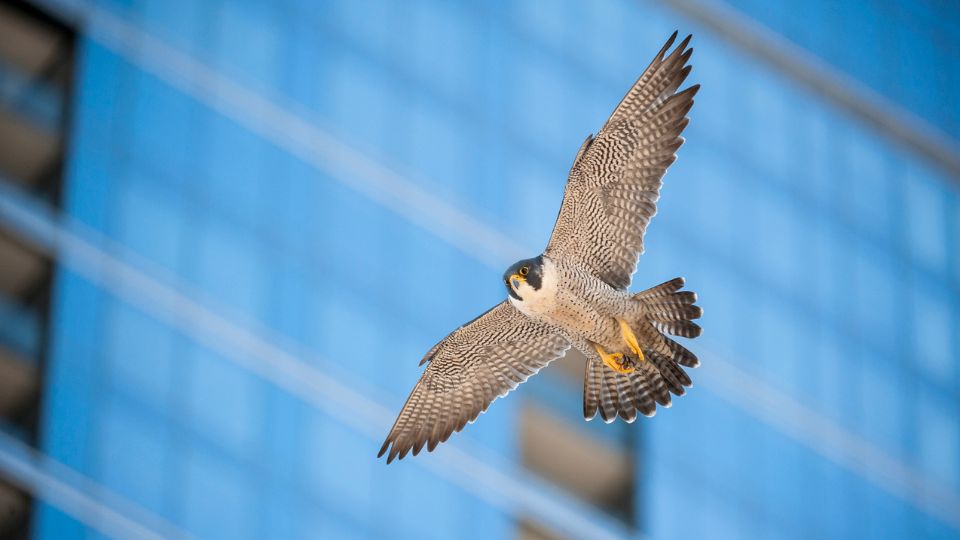
Forget rats — you've never seen city wildlife like this before! First watch Peregrine Falcons Thrive in New York City, a short clip from the award-winning BBC series Planet Earth. Sir David Attenborough highlights how the peregrine falcons living in New York City adapted well to their urban habitat. The ledges of tall buildings provide a place to nest and from which to soar.
Once your students have watched the video, invite them to check for understanding with this quick, 8-question quiz!
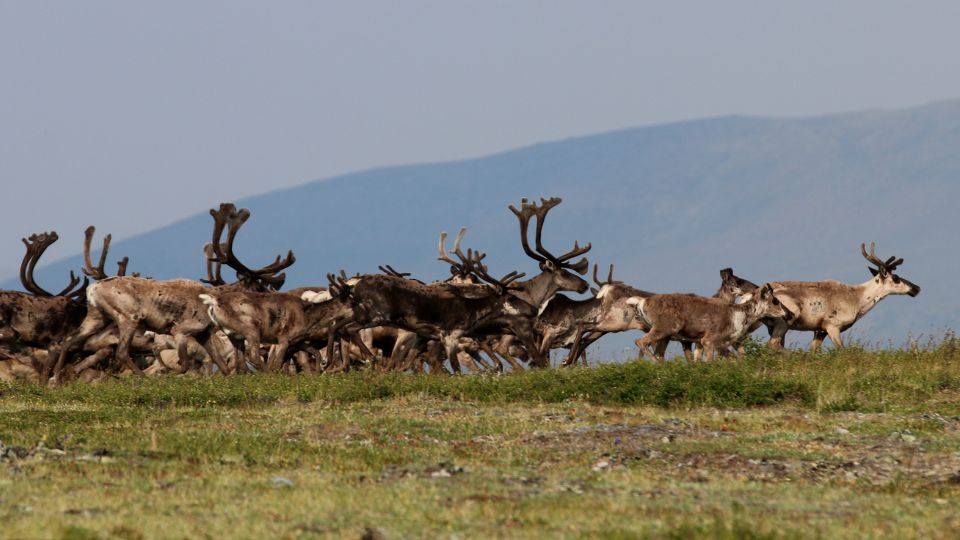
Join one of the greatest gatherings on Planet Earth! First watch The Desert Locust Finds New Feeding Grounds, a short clip from the award-winning BBC series Planet Earth. Sir David Attenborough takes you on an incredible journey as caribou calves embark on their first migration across the Arctic tundra. Watch their determination and resilience as they encounter predators and navigate the difficulties of their surroundings.
Once your students have watched the video, invite them to check for understanding with this quick, 8-question quiz!
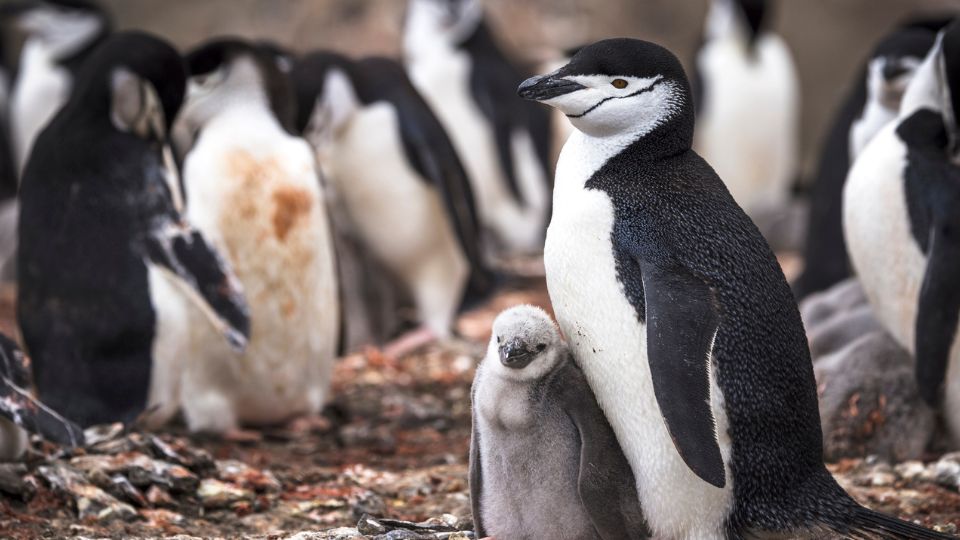
Welcome to Zavodovski — a volcanic island that lives in the icy waters north of Antarctica. First watch Volcanic Islands Create a Penguin Sanctuary, a short clip from the award-winning BBC series Planet Earth. Sir David Attenborough introduces you to the world’s largest chinstrap penguin colony, which thrives despite (and in some cases, because of) its treacherous seas and active volcano.
Once your students have watched the video, invite them to check for understanding with this quick, 8-question quiz!
It's summer in the Arctic, and its predators are hungry after a long winter. First watch Predators and Prey in the Arctic, a short clip from the award-winning BBC series Planet Earth. Sir David Attenborough explains how an Arctic fox stashes eggs, and while wolves hunt for caribou.
Once your students have watched the video, invite them to check for understanding with this quick, 8-question quiz!
Forget rats — you've never seen city wildlife like this before! First watch Peregrine Falcons Thrive in New York City, a short clip from the award-winning BBC series Planet Earth. Sir David Attenborough highlights how the peregrine falcons living in New York City adapted well to their urban habitat. The ledges of tall buildings provide a place to nest and from which to soar.
Once your students have watched the video, invite them to check for understanding with this quick, 8-question quiz!
Join one of the greatest gatherings on Planet Earth! First watch The Desert Locust Finds New Feeding Grounds, a short clip from the award-winning BBC series Planet Earth. Sir David Attenborough takes you on an incredible journey as caribou calves embark on their first migration across the Arctic tundra. Watch their determination and resilience as they encounter predators and navigate the difficulties of their surroundings.
Once your students have watched the video, invite them to check for understanding with this quick, 8-question quiz!
Welcome to Zavodovski — a volcanic island that lives in the icy waters north of Antarctica. First watch Volcanic Islands Create a Penguin Sanctuary, a short clip from the award-winning BBC series Planet Earth. Sir David Attenborough introduces you to the world’s largest chinstrap penguin colony, which thrives despite (and in some cases, because of) its treacherous seas and active volcano.
Once your students have watched the video, invite them to check for understanding with this quick, 8-question quiz!