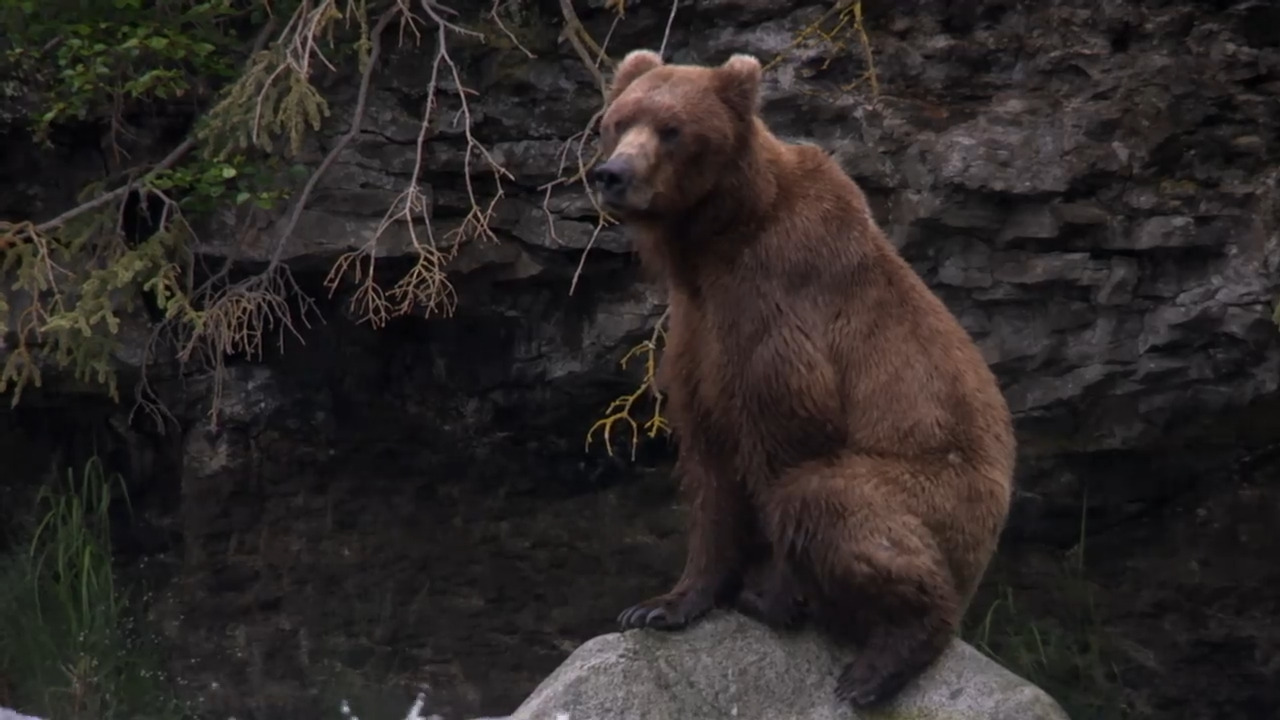
In The Epic Battle Between Salmon and Bears, narrator Andrew Scott describes how, as autumn arrives in southern Alaska, the landscape transforms along with the weather! Chilly temperatures and storms bring heavy rain, flooding the rivers just in time for one of nature’s greatest events. Millions of Pacific salmon make their epic journey upstream, leaping over waterfalls while hungry grizzly bears wait for their biggest feast of the year. The bears battle for the best spots, catching up to 30 salmon a day to pack on weight for the winter ahead — but for the salmon, it’s a life-or-death challenge to make it home. This video is excerpted from BBC’s Earth’s Great Seasons, which reveals how seasonal changes shape the planet and its wildlife.
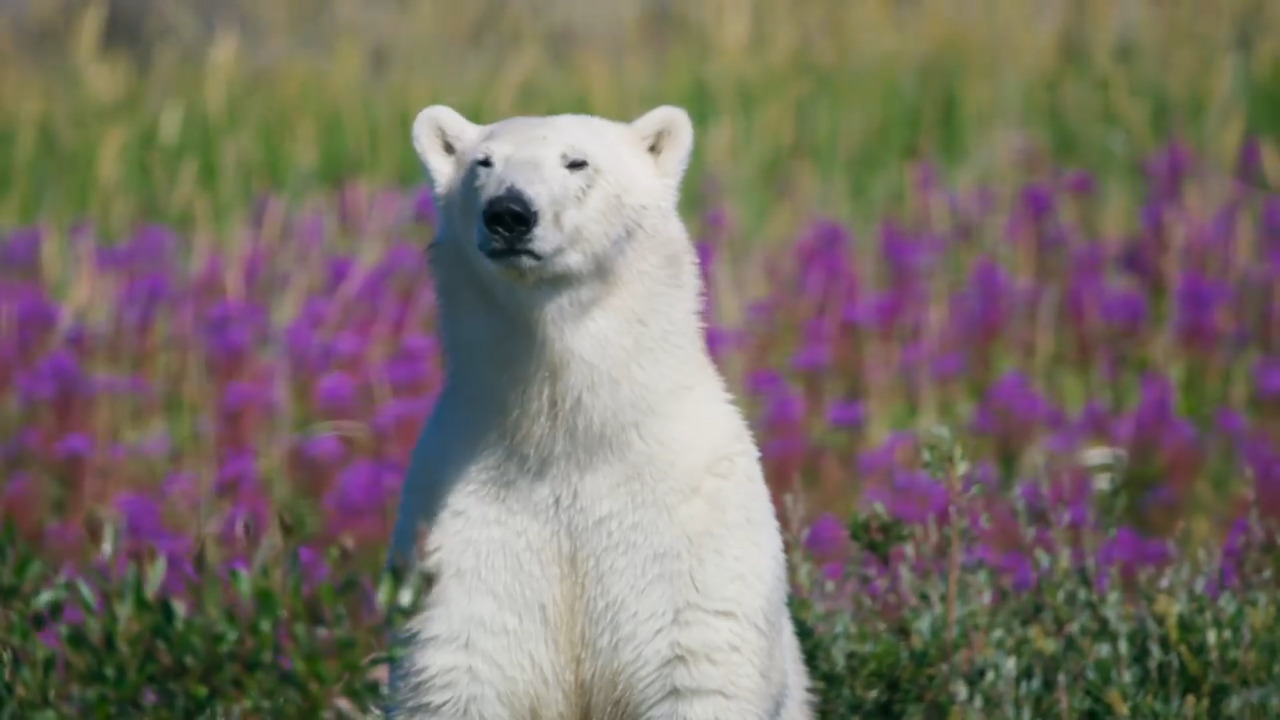
In Climate Change and Polar Bears, learn how human impacts are causing Canada to warm faster than any country on Earth. Lack of sea ice is now causing major problems for polar bears, and they have had to find a new source of food — beluga whale calves. This video is excerpted from BBC’s Seven Worlds, One Planet, a series featuring remarkable animal behavior from all seven continents.
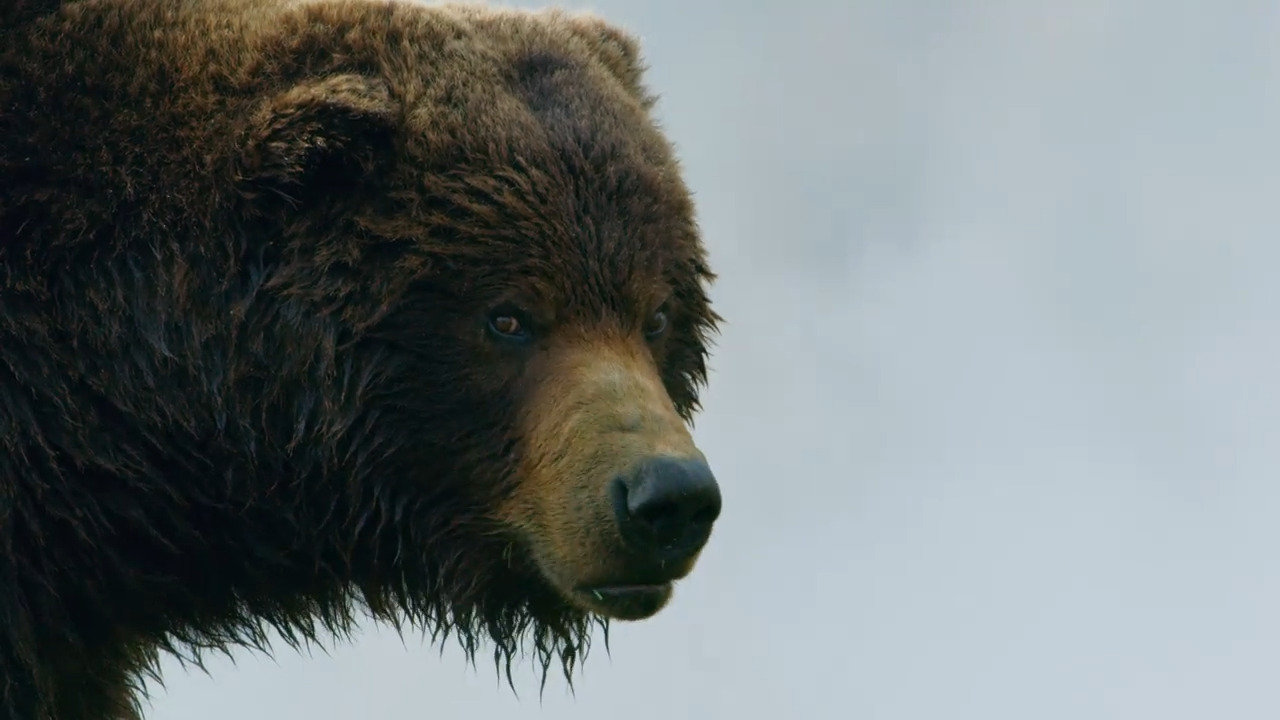
In Kamchatka Brown Bear narrator Sir David Attenborough reveals how Kamchatka brown bears brave the dangers of scalding volcanic pools to find food after a long winter. These normally solitary giants tolerate each other, even finding time for play, in this rare oasis. This video is excerpted from BBC’s Seven Worlds, One Planet, a series featuring remarkable animal behavior from all seven continents.
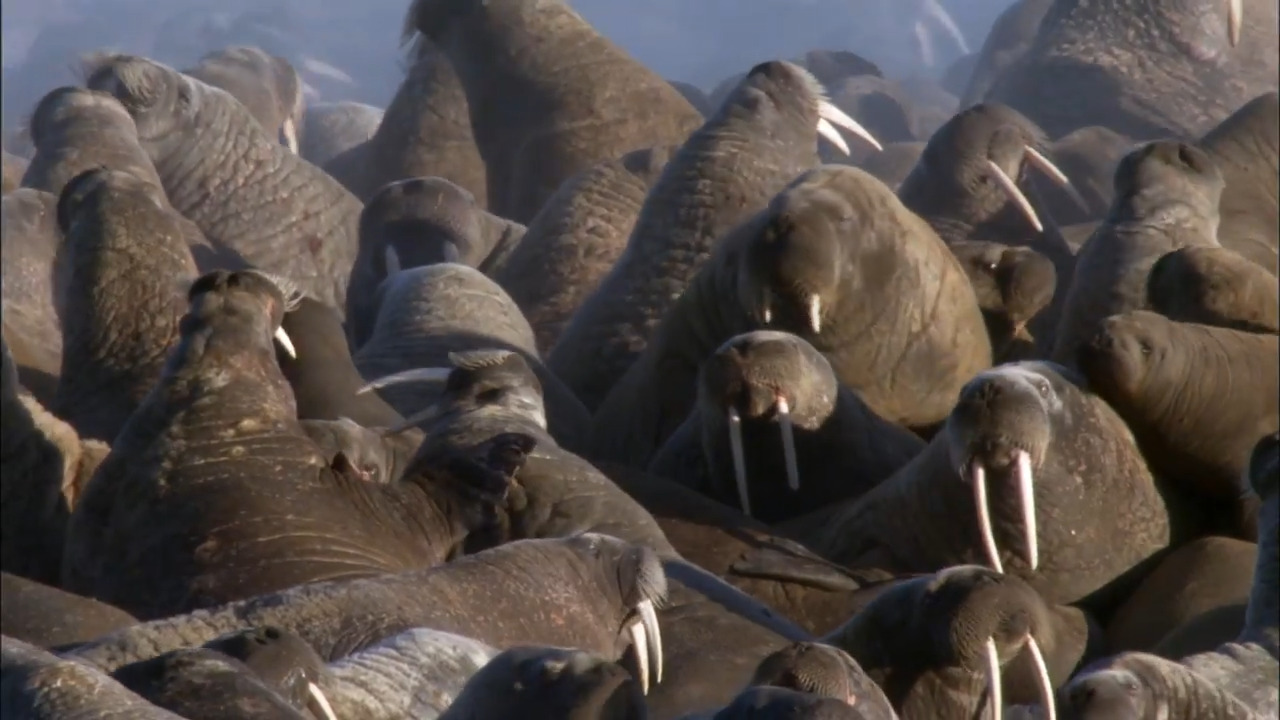
In How Walruses and Polar Bears Survive in the Arctic, narrator Sir David Attenborough shows walruses gathered on low-lying islands, where they nurse their young after giving birth on sea ice. Meanwhile, a male polar bear, weakened after seven days at sea and having lost half his weight over the summer, swims ashore in search of food. However, the massive walruses, the largest seals in the world with tusks over 3 feet (1 meter) long, prove to be a tough challenge. This video is excerpted from BBC’s Planet Earth, a breathtaking documentary series that highlights the natural wonders of our planet.
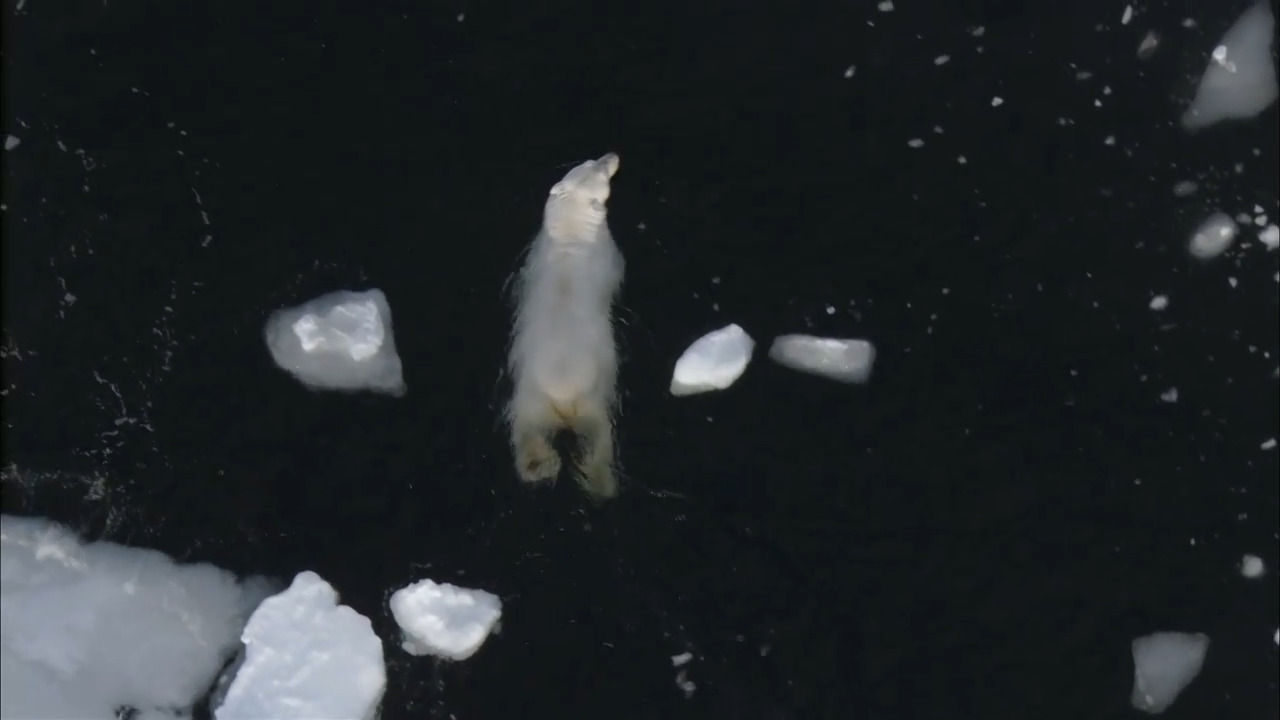
In Polar Bears Forced to Adapt to the Vanishing Ice, narrator Sir David Attenborough follows a male polar bear whose icy world has disappeared, forcing him to swim in search of food. Female polar bears remain on land with their young, while the male bear searches for a seal on floating ice. The bear dives and maneuvers through chunks of ice, demonstrating remarkable swimming skills. This bear is far from shore, battling ocean currents, and must find land soon to avoid drowning. This video is excerpted from BBC’s Planet Earth, a breathtaking documentary series that highlights the natural wonders of our planet.
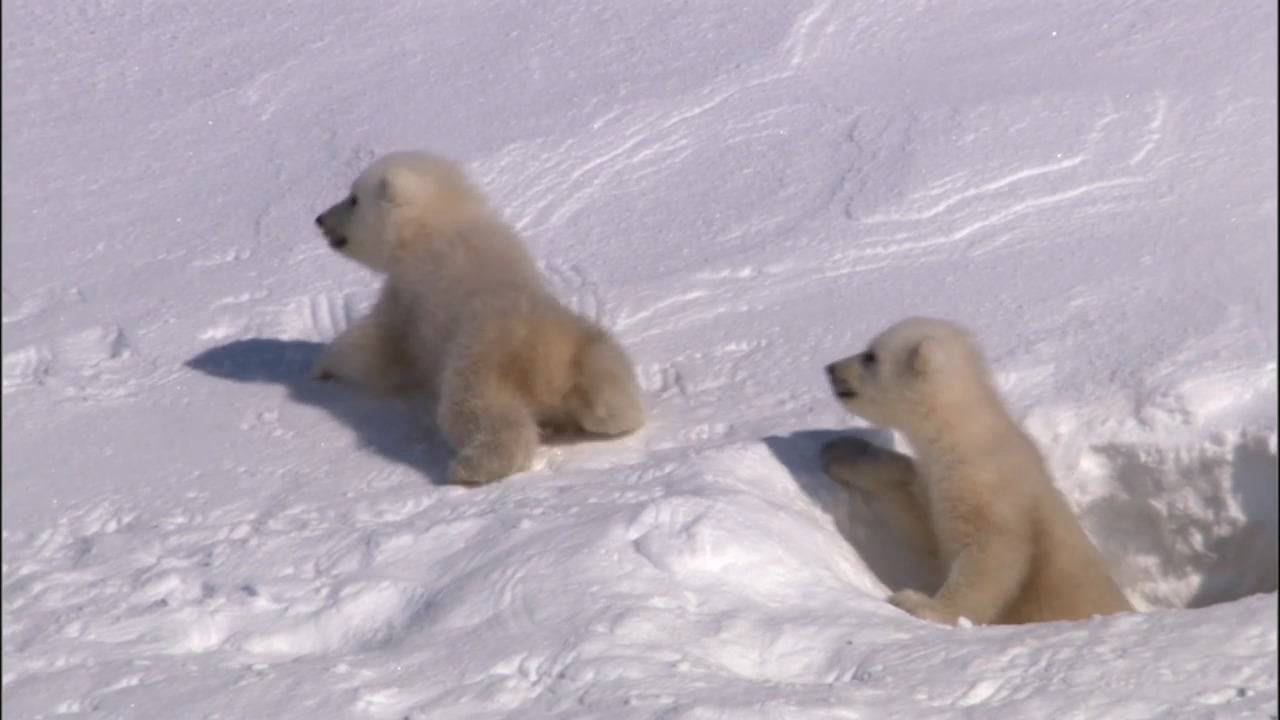
In Polar Bears Emerge During Spring in the Arctic, narrator Sir David Attenborough describes how daylight returns to the Arctic after four months of total darkness. Two polar bear cubs emerge from their den, seeing and hearing the world outside for the first time. Watch as the mother toboggans down a snowy slope and then feeds her hungry cubs. This video is excerpted from BBC's Planet Earth, a breathtaking documentary series that highlights the natural wonders of our planet.
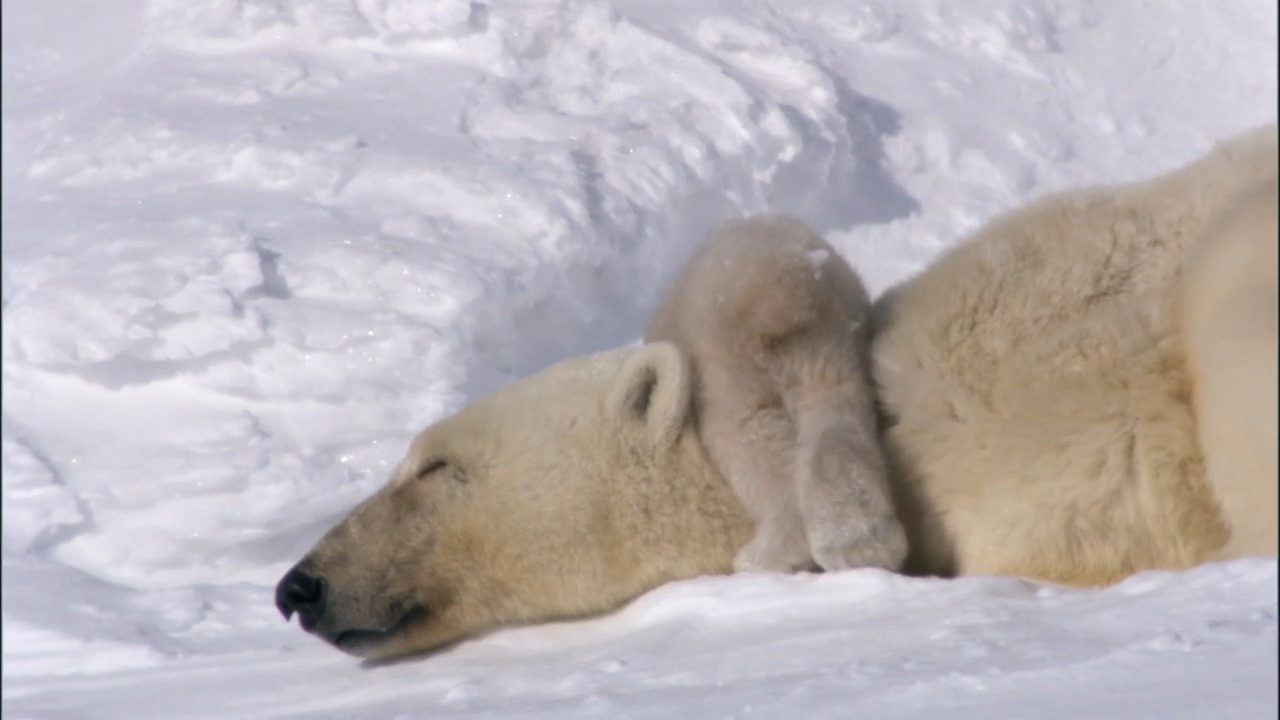
In What Happens When Polar Bears Wake Up Hungry?, narrator Sir David Attenborough explains that a mother polar bear must hunt seals before the spring ice melts. However, a blizzard threatens her two young cubs, and the sea ice is a dangerous place for them. This video is excerpted from BBC's Planet Earth, a breathtaking documentary series that highlights the natural wonders of our planet.
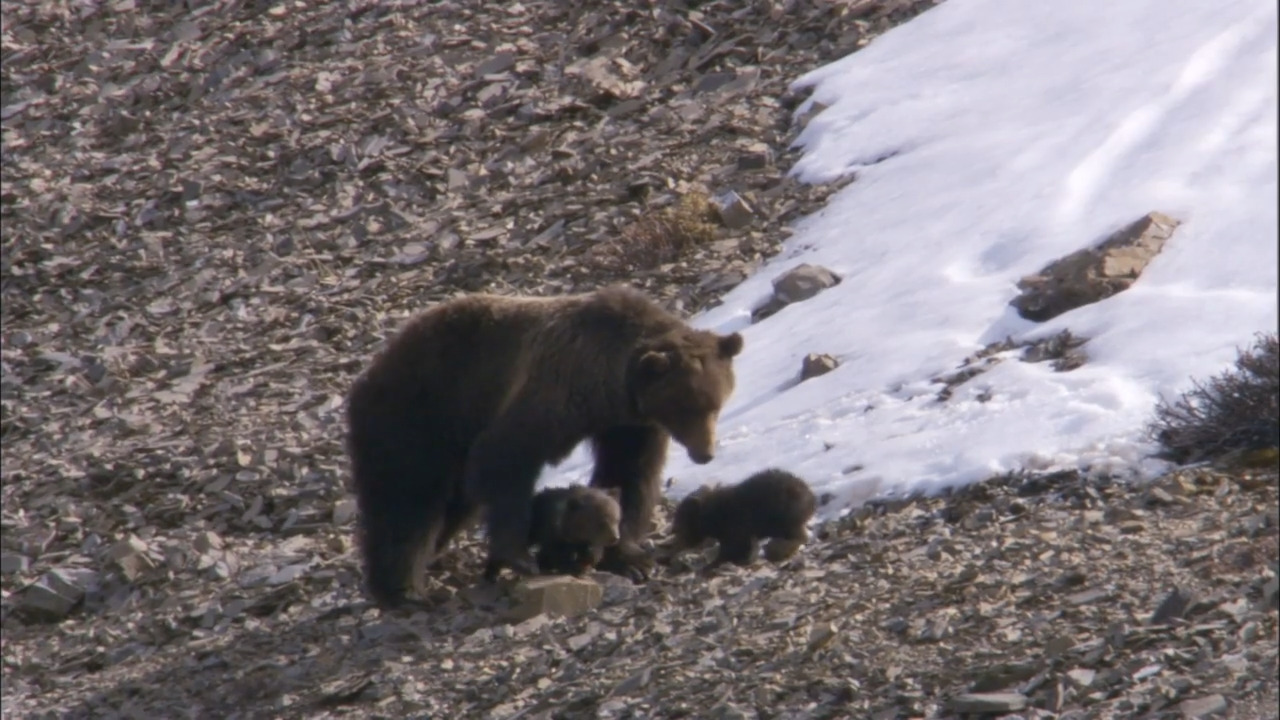
In Mountain Slopes Provide Safety for Grizzly Bears, narrator Sir David Attenborough follows a female grizzly emerging from her den after six months of dozing underground. Though the snowy mountain slopes are tough to navigate, they provide a sanctuary from male bears who could kill the cubs. This video is excerpted from BBC's Planet Earth, a breathtaking documentary series that highlights the natural wonders of our planet.
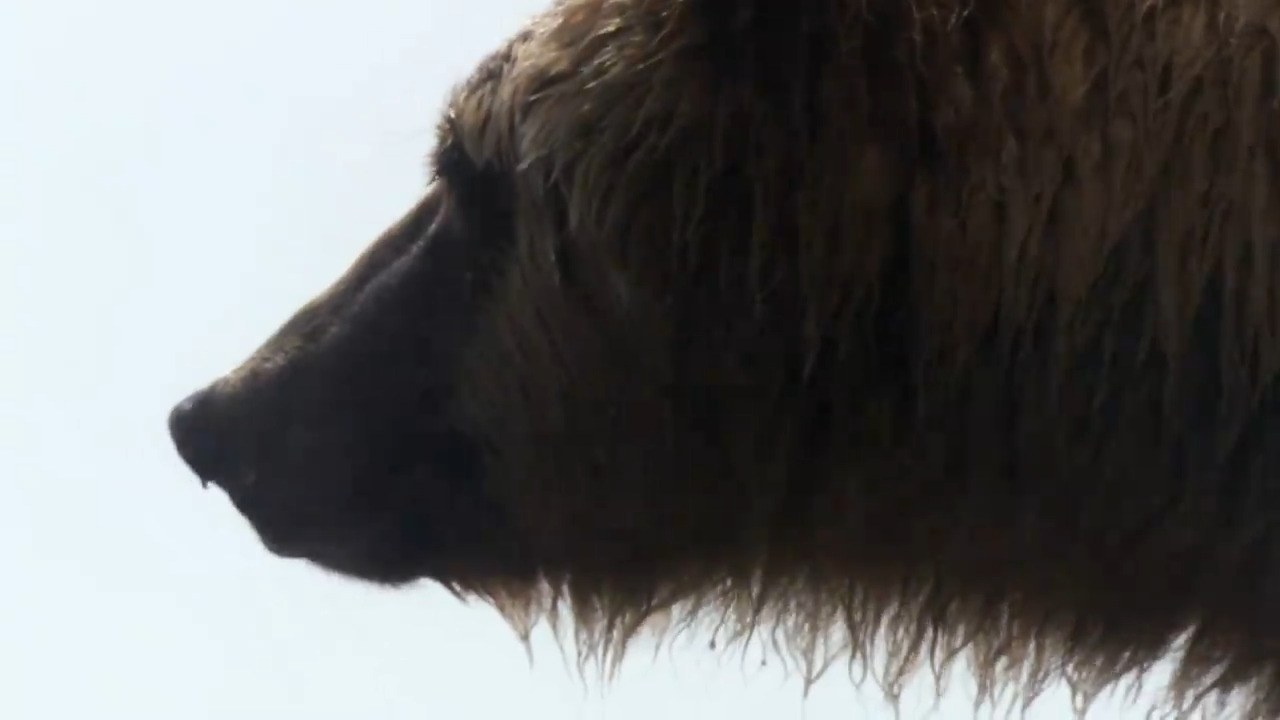
In Brown Bears Gather for the Great Salmon Run, narrator Sir David Attenborough describes how winter approaches in Alaska and food becomes scarce, but brown bears are ready for the challenge. These giant bears, which grow larger here than anywhere else in the world, gather for the annual salmon run. The bears depend on this event to fatten up for winter, but when the salmon numbers are low, survival can be tough. This video is excerpted from BBC's Life, a show that explores the remarkable strategies animals and plants use to ensure their survival.
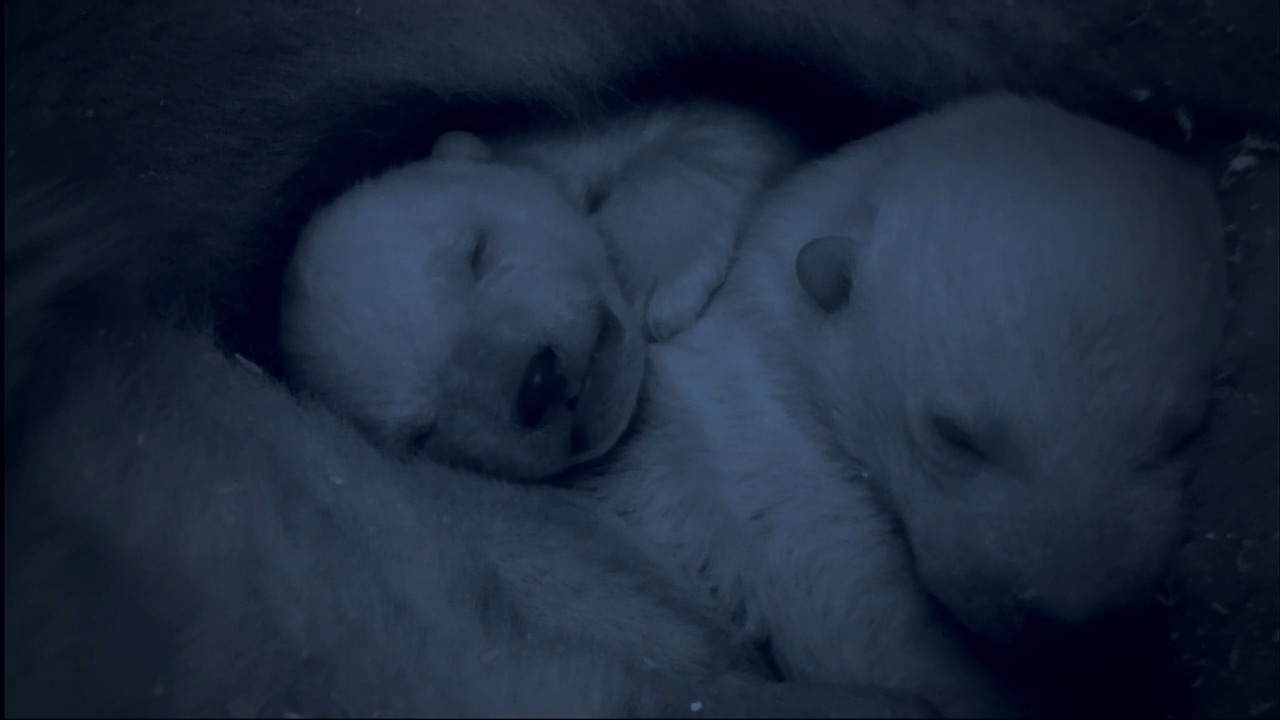
In Polar Bears in Winter, narrator Sir David Attenborough highlights a polar bear waiting through the Arctic winter with little food and in harsh conditions. Nearby, polar bear cubs are born tiny and blind. The polar bear cubs spend the winter cuddled with their mother where they drink milk so rich they can double their weight every few weeks. This video is excerpted from BBC’s Frozen Planet, a series that shows a fragile world of beauty and hostility, where nature finds a way to survive and thrive in frigid conditions.
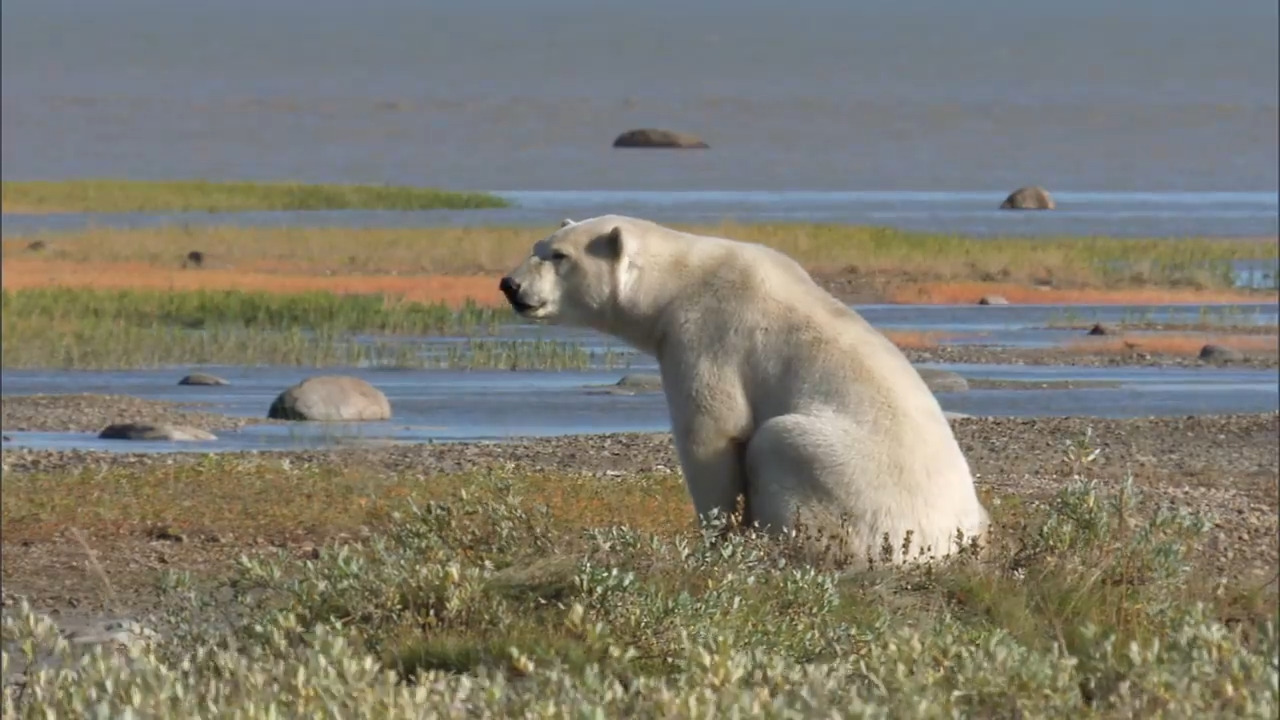
In Polar Bears in Autumn, narrator Sir David Attenborough describes how autumn is beginning and polar bears are gathering along the edge of the water to wait for the ocean to freeze. Bears bide their time by play fighting and finding anything they can to gnaw on. This video is excerpted from BBC’s Frozen Planet, a series that shows a fragile world of beauty and hostility, where nature finds a way to survive and thrive in frigid conditions.
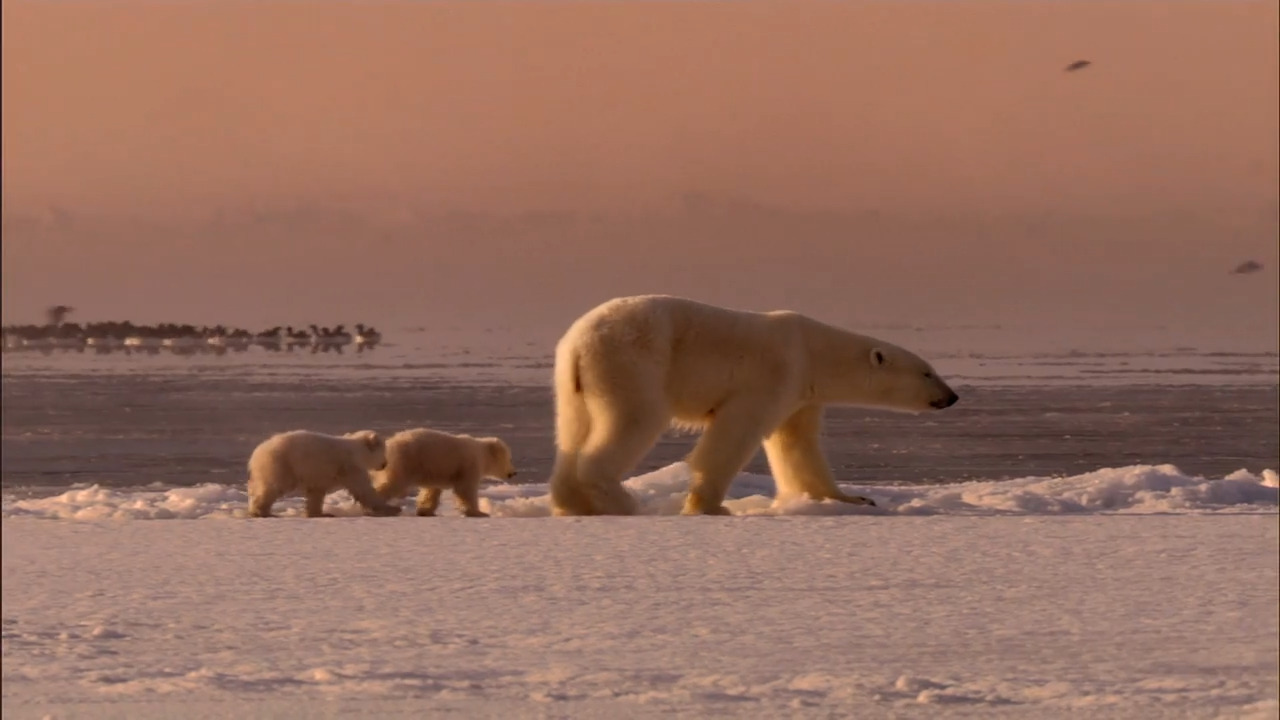
In Polar Bears on the Hunt, narrator Sir David Attenborough follows a mother bear and her cubs as they cross the Arctic ice in search of seals. When the bear cubs start to play, the mother bear steps in to keep them from disturbing her hunting. This video is excerpted from BBC’s Frozen Planet, a series that shows a fragile world of beauty and hostility, where nature finds a way to survive and thrive in frigid conditions.
In The Epic Battle Between Salmon and Bears, narrator Andrew Scott describes how, as autumn arrives in southern Alaska, the landscape transforms along with the weather! Chilly temperatures and storms bring heavy rain, flooding the rivers just in time for one of nature’s greatest events. Millions of Pacific salmon make their epic journey upstream, leaping over waterfalls while hungry grizzly bears wait for their biggest feast of the year. The bears battle for the best spots, catching up to 30 salmon a day to pack on weight for the winter ahead — but for the salmon, it’s a life-or-death challenge to make it home. This video is excerpted from BBC’s Earth’s Great Seasons, which reveals how seasonal changes shape the planet and its wildlife.
In Climate Change and Polar Bears, learn how human impacts are causing Canada to warm faster than any country on Earth. Lack of sea ice is now causing major problems for polar bears, and they have had to find a new source of food — beluga whale calves. This video is excerpted from BBC’s Seven Worlds, One Planet, a series featuring remarkable animal behavior from all seven continents.
In Kamchatka Brown Bear narrator Sir David Attenborough reveals how Kamchatka brown bears brave the dangers of scalding volcanic pools to find food after a long winter. These normally solitary giants tolerate each other, even finding time for play, in this rare oasis. This video is excerpted from BBC’s Seven Worlds, One Planet, a series featuring remarkable animal behavior from all seven continents.
In How Walruses and Polar Bears Survive in the Arctic, narrator Sir David Attenborough shows walruses gathered on low-lying islands, where they nurse their young after giving birth on sea ice. Meanwhile, a male polar bear, weakened after seven days at sea and having lost half his weight over the summer, swims ashore in search of food. However, the massive walruses, the largest seals in the world with tusks over 3 feet (1 meter) long, prove to be a tough challenge. This video is excerpted from BBC’s Planet Earth, a breathtaking documentary series that highlights the natural wonders of our planet.
In Polar Bears Forced to Adapt to the Vanishing Ice, narrator Sir David Attenborough follows a male polar bear whose icy world has disappeared, forcing him to swim in search of food. Female polar bears remain on land with their young, while the male bear searches for a seal on floating ice. The bear dives and maneuvers through chunks of ice, demonstrating remarkable swimming skills. This bear is far from shore, battling ocean currents, and must find land soon to avoid drowning. This video is excerpted from BBC’s Planet Earth, a breathtaking documentary series that highlights the natural wonders of our planet.
In Polar Bears Emerge During Spring in the Arctic, narrator Sir David Attenborough describes how daylight returns to the Arctic after four months of total darkness. Two polar bear cubs emerge from their den, seeing and hearing the world outside for the first time. Watch as the mother toboggans down a snowy slope and then feeds her hungry cubs. This video is excerpted from BBC's Planet Earth, a breathtaking documentary series that highlights the natural wonders of our planet.
In What Happens When Polar Bears Wake Up Hungry?, narrator Sir David Attenborough explains that a mother polar bear must hunt seals before the spring ice melts. However, a blizzard threatens her two young cubs, and the sea ice is a dangerous place for them. This video is excerpted from BBC's Planet Earth, a breathtaking documentary series that highlights the natural wonders of our planet.
In Mountain Slopes Provide Safety for Grizzly Bears, narrator Sir David Attenborough follows a female grizzly emerging from her den after six months of dozing underground. Though the snowy mountain slopes are tough to navigate, they provide a sanctuary from male bears who could kill the cubs. This video is excerpted from BBC's Planet Earth, a breathtaking documentary series that highlights the natural wonders of our planet.
In Brown Bears Gather for the Great Salmon Run, narrator Sir David Attenborough describes how winter approaches in Alaska and food becomes scarce, but brown bears are ready for the challenge. These giant bears, which grow larger here than anywhere else in the world, gather for the annual salmon run. The bears depend on this event to fatten up for winter, but when the salmon numbers are low, survival can be tough. This video is excerpted from BBC's Life, a show that explores the remarkable strategies animals and plants use to ensure their survival.
In Polar Bears in Winter, narrator Sir David Attenborough highlights a polar bear waiting through the Arctic winter with little food and in harsh conditions. Nearby, polar bear cubs are born tiny and blind. The polar bear cubs spend the winter cuddled with their mother where they drink milk so rich they can double their weight every few weeks. This video is excerpted from BBC’s Frozen Planet, a series that shows a fragile world of beauty and hostility, where nature finds a way to survive and thrive in frigid conditions.
In Polar Bears in Autumn, narrator Sir David Attenborough describes how autumn is beginning and polar bears are gathering along the edge of the water to wait for the ocean to freeze. Bears bide their time by play fighting and finding anything they can to gnaw on. This video is excerpted from BBC’s Frozen Planet, a series that shows a fragile world of beauty and hostility, where nature finds a way to survive and thrive in frigid conditions.
In Polar Bears on the Hunt, narrator Sir David Attenborough follows a mother bear and her cubs as they cross the Arctic ice in search of seals. When the bear cubs start to play, the mother bear steps in to keep them from disturbing her hunting. This video is excerpted from BBC’s Frozen Planet, a series that shows a fragile world of beauty and hostility, where nature finds a way to survive and thrive in frigid conditions.