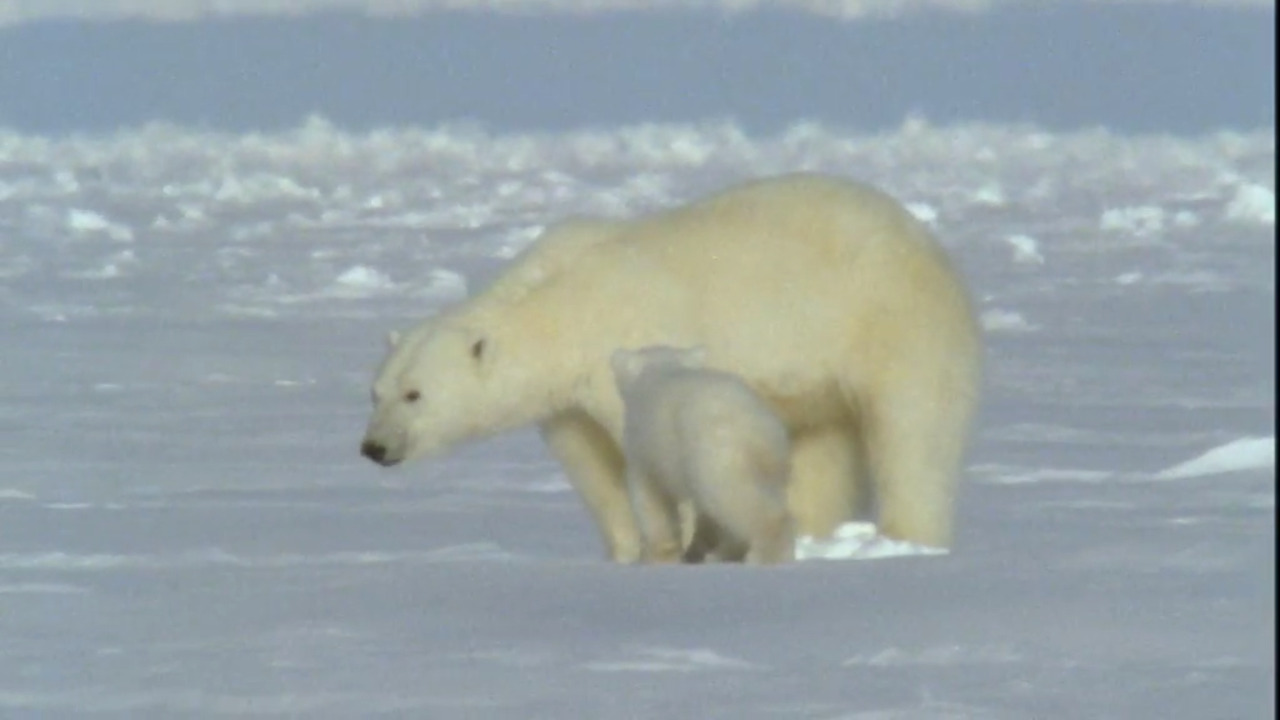
In Watch Polar Bears After Hibernation, narrator Sir David Attenborough explains how a mother polar bear and her cub hunt after waking up from hibernation. Learn how a mother polar bear tries to find a seal under the ice. Watch a polar bear cub learn and play. This video is excerpted from BBC’s Blue Planet, a definitive documentary series diving into the mysterious depths of the sea to discover the natural history of the world’s oceans and the rarely seen marine life that reside there.
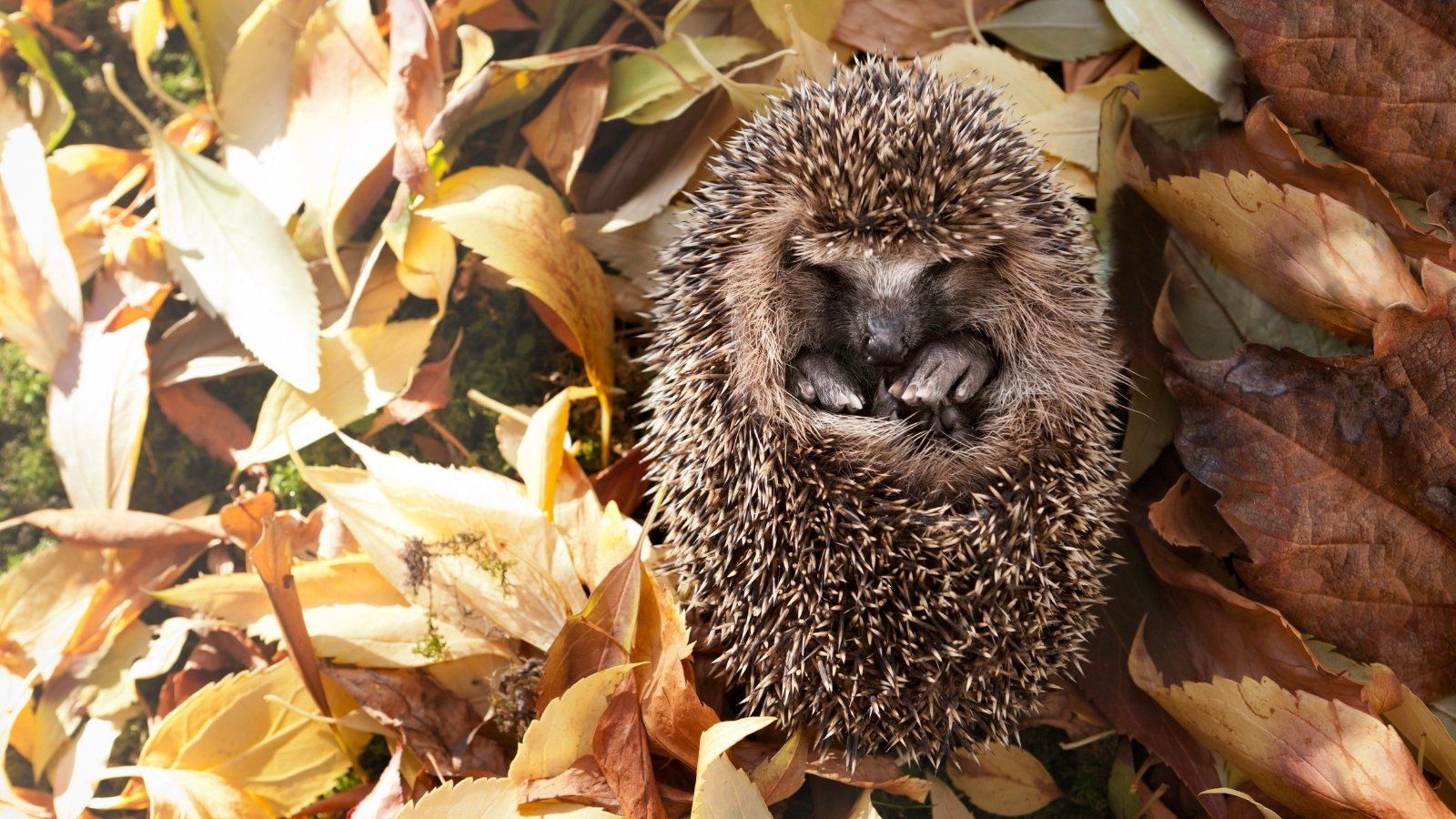
The article "Hibernation: How Animals Sleep Through the Heat and Cold" from BBC's Discover Wildlife explores the fascinating survival strategies animals use during extreme weather. It explains the difference between hibernation, aestivation, torpor, and denning.
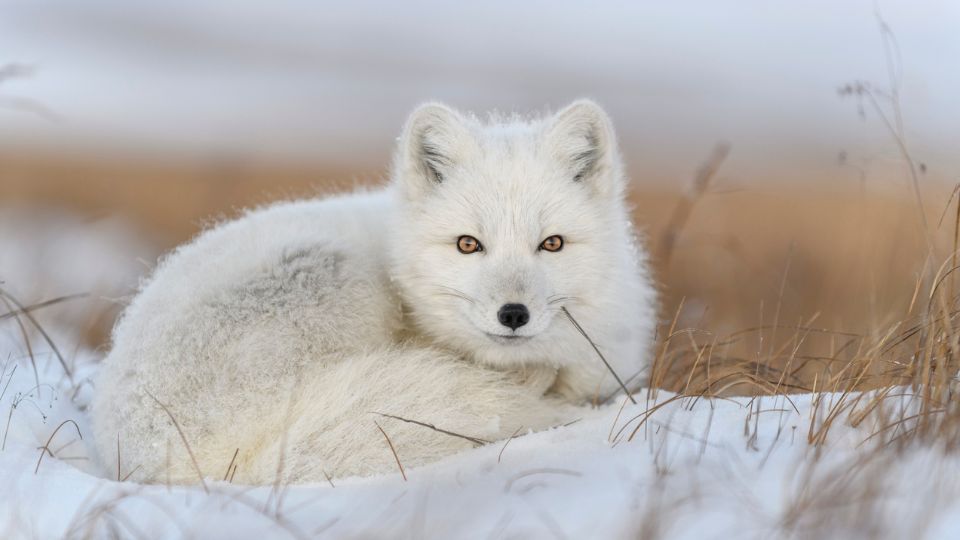
Winter is a season of frosty magic, silent snowfall, and some truly astonishing animal superpowers. But how much do you really know about the creatures that survive — and even thrive — when the temperature plunges?
From Arctic foxes that change coats like fashion pros to bears mastering the art of long naps, wood frogs that freeze without fear, and woolly bear caterpillars predicting winter’s mood swings, this quiz is packed with wild wonders and icy surprises. Only the sharpest nature buffs and winter-survival whiz kids will claw their way to the top of the leaderboard.
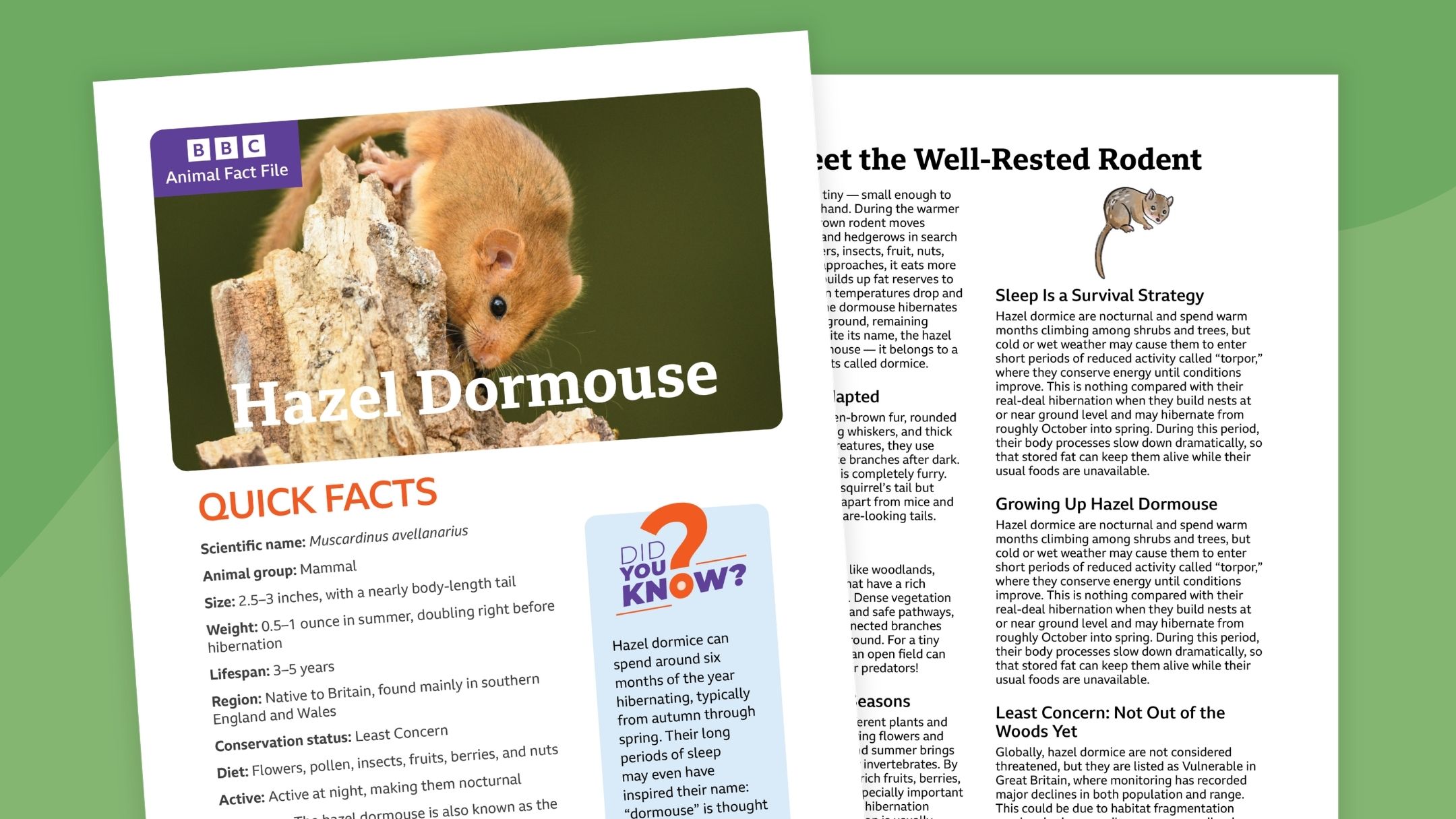
Could you sleep for six months and still have plenty of energy when you wake up? The hazel dormouse does just that, spending much of the colder part of the year in hibernation.
This tiny golden-brown rodent spends the warmer months climbing through trees and hedgerows, eating flowers, insects, berries, and nuts before preparing for winter. Discover how a dormouse’s furry tail and large eyes help it navigate after dark, why autumn is a race to build up energy reserves, and how its long winter sleep helps it survive when food is scarce. You'll also find out why these little climbers need connected woodlands and hedgerows to thrive.
Teachers and parents, you can use this fact file to:
- Introduce an animal, wildlife, or life science unit
- Support nonfiction reading and vocabulary practice
- Explore animal adaptations, behaviors, and habitats
- Compare animals and the ecosystems they live in
- Practice finding and organizing information from nonfiction texts
- Prepare students for animal research projects or presentations (use our animal report templates!)
- Connect science learning to conservation and environmental issues
- Pair with videos, articles, or other informational texts (see Related Resources below)
In Watch Polar Bears After Hibernation, narrator Sir David Attenborough explains how a mother polar bear and her cub hunt after waking up from hibernation. Learn how a mother polar bear tries to find a seal under the ice. Watch a polar bear cub learn and play. This video is excerpted from BBC’s Blue Planet, a definitive documentary series diving into the mysterious depths of the sea to discover the natural history of the world’s oceans and the rarely seen marine life that reside there.
The article "Hibernation: How Animals Sleep Through the Heat and Cold" from BBC's Discover Wildlife explores the fascinating survival strategies animals use during extreme weather. It explains the difference between hibernation, aestivation, torpor, and denning.
Winter is a season of frosty magic, silent snowfall, and some truly astonishing animal superpowers. But how much do you really know about the creatures that survive — and even thrive — when the temperature plunges?
From Arctic foxes that change coats like fashion pros to bears mastering the art of long naps, wood frogs that freeze without fear, and woolly bear caterpillars predicting winter’s mood swings, this quiz is packed with wild wonders and icy surprises. Only the sharpest nature buffs and winter-survival whiz kids will claw their way to the top of the leaderboard.
Could you sleep for six months and still have plenty of energy when you wake up? The hazel dormouse does just that, spending much of the colder part of the year in hibernation.
This tiny golden-brown rodent spends the warmer months climbing through trees and hedgerows, eating flowers, insects, berries, and nuts before preparing for winter. Discover how a dormouse’s furry tail and large eyes help it navigate after dark, why autumn is a race to build up energy reserves, and how its long winter sleep helps it survive when food is scarce. You'll also find out why these little climbers need connected woodlands and hedgerows to thrive.
Teachers and parents, you can use this fact file to:
- Introduce an animal, wildlife, or life science unit
- Support nonfiction reading and vocabulary practice
- Explore animal adaptations, behaviors, and habitats
- Compare animals and the ecosystems they live in
- Practice finding and organizing information from nonfiction texts
- Prepare students for animal research projects or presentations (use our animal report templates!)
- Connect science learning to conservation and environmental issues
- Pair with videos, articles, or other informational texts (see Related Resources below)