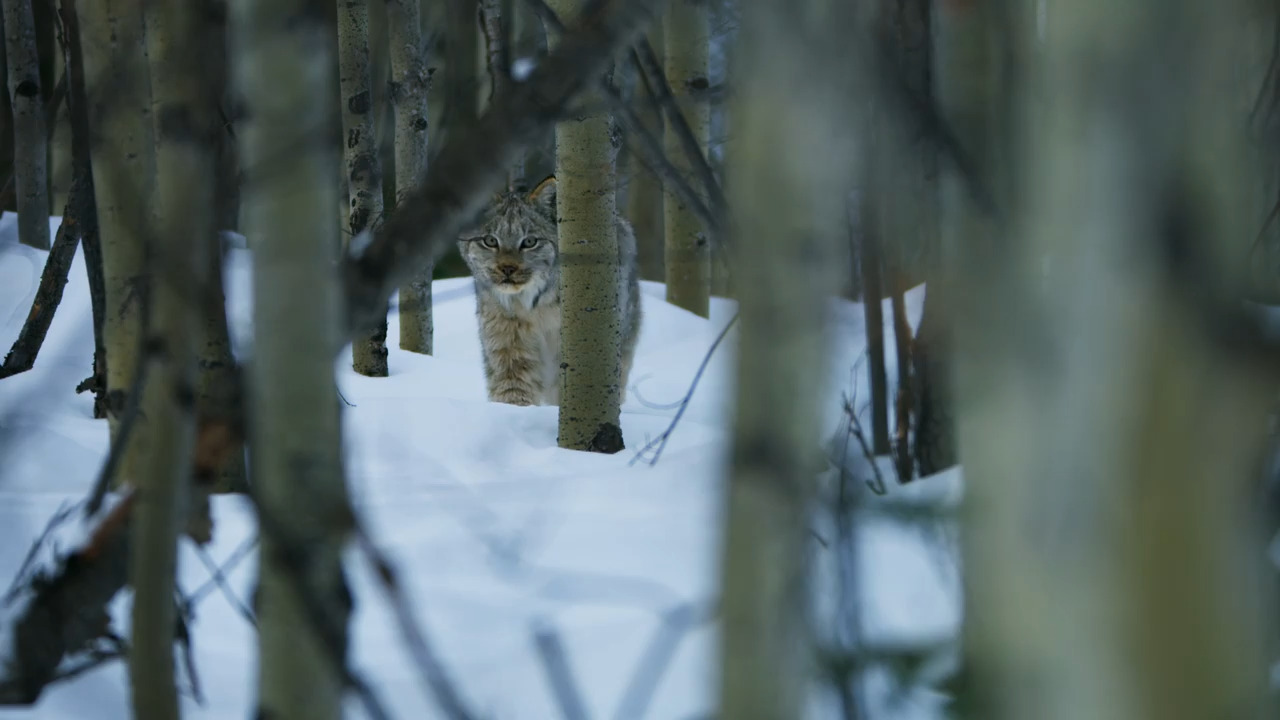
In How Canadian Lynx Survive a Brutal Winter, narrator Sir David Attenborough describes the difficult life of the wildlife that stay in the Arctic North in the winter. A Canadian lynx travels hundreds of miles to hunt for food in order to survive. This video is excerpted from BBC’s Seven Worlds, One Planet, a series featuring remarkable animal behavior from all seven continents.
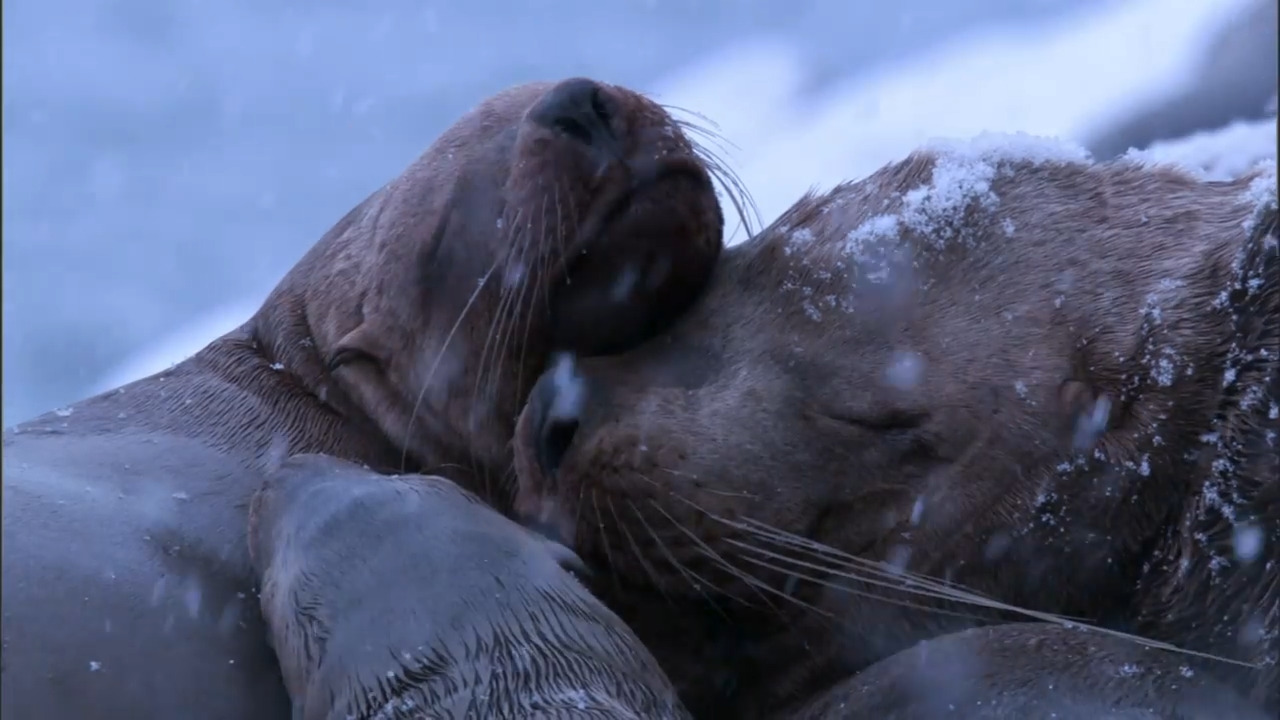
In A Harsh Winter for Sea Lions, narrator Sir David Attenborough shows how these animals endure freezing temperatures and protect their young in an unforgiving environment. This video is an excerpt from BBC’s Nature's Great Events, a documentary series that showcases some of the most dramatic wildlife spectacles on Earth, exploring how life adapts to natural events that can transform entire landscapes.
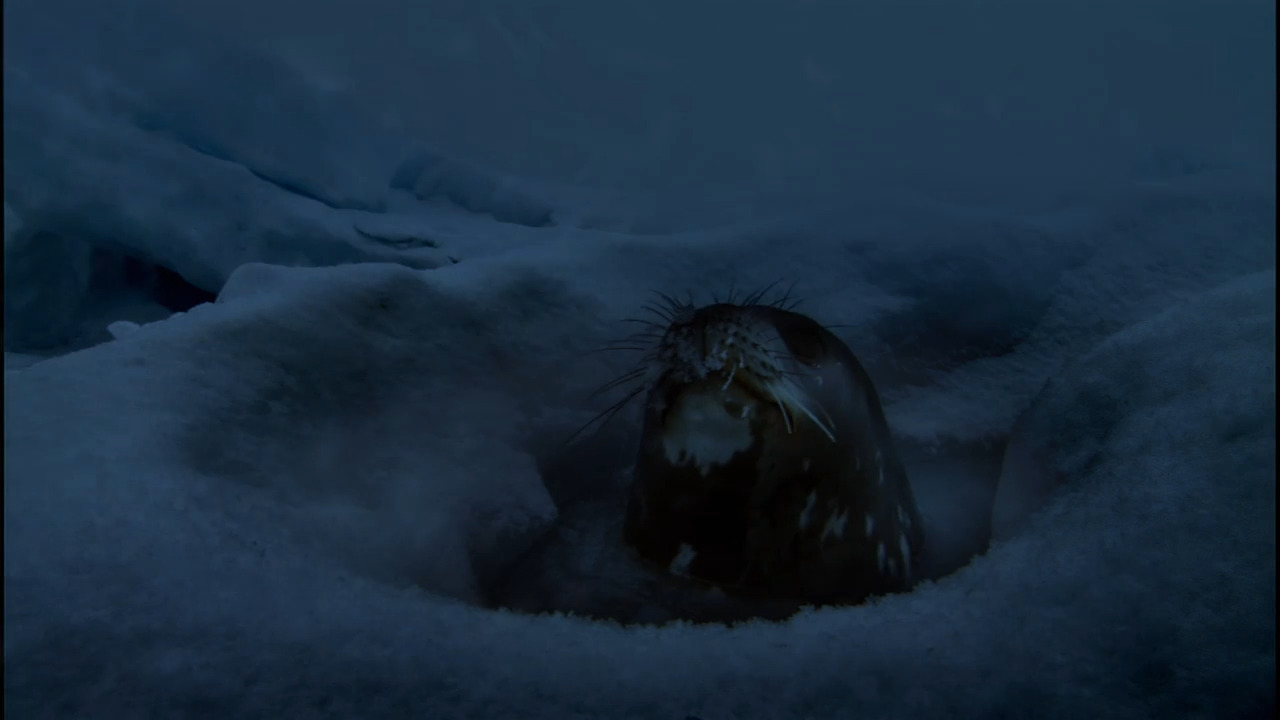
In Winter Underwater With Weddell Seals, narrator Sir David Attenborough explains how Weddell seals spend the winter underwater where the 28°F (-2°C) water is warm compared with the frigid temperatures above. Watch the Weddell seal glide through a watery world that has not changed for millions of years. This video is excerpted from BBC’s Frozen Planet, a series that shows a fragile world of beauty and hostility, where nature finds a way to survive and thrive in frigid conditions.
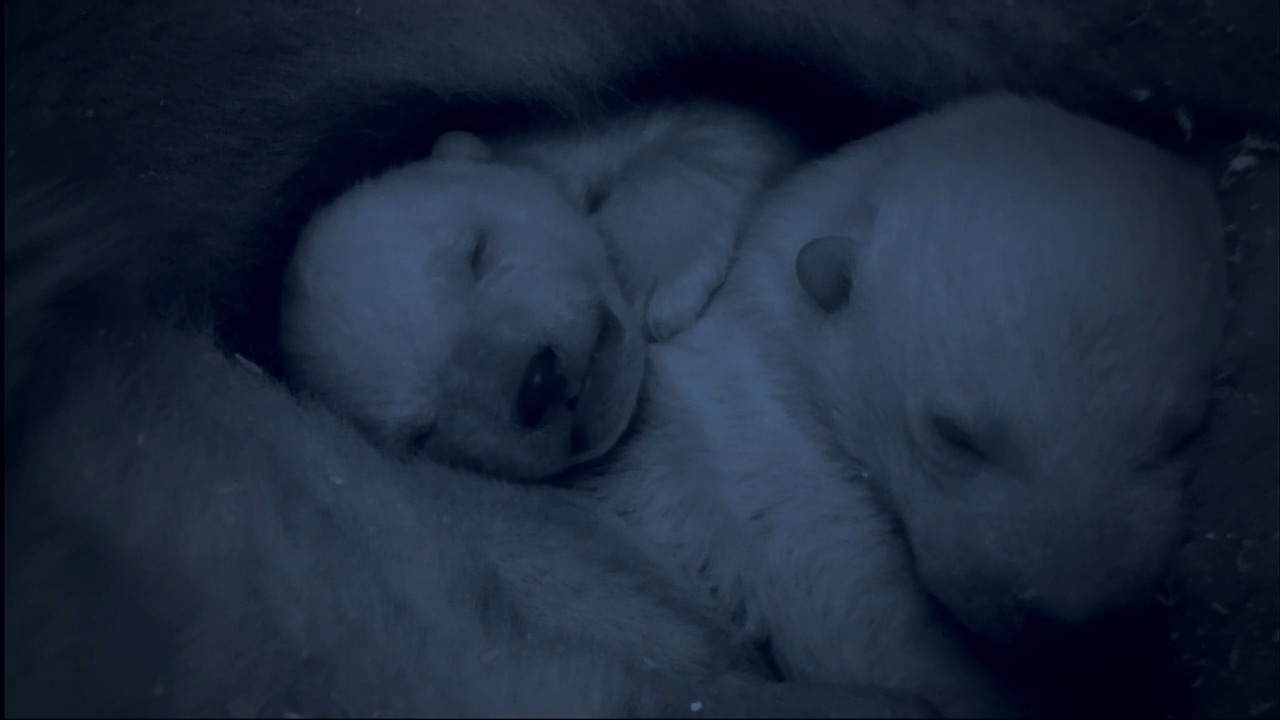
In Polar Bears in Winter, narrator Sir David Attenborough highlights a polar bear waiting through the Arctic winter with little food and in harsh conditions. Nearby, polar bear cubs are born tiny and blind. The polar bear cubs spend the winter cuddled with their mother where they drink milk so rich they can double their weight every few weeks. This video is excerpted from BBC’s Frozen Planet, a series that shows a fragile world of beauty and hostility, where nature finds a way to survive and thrive in frigid conditions.
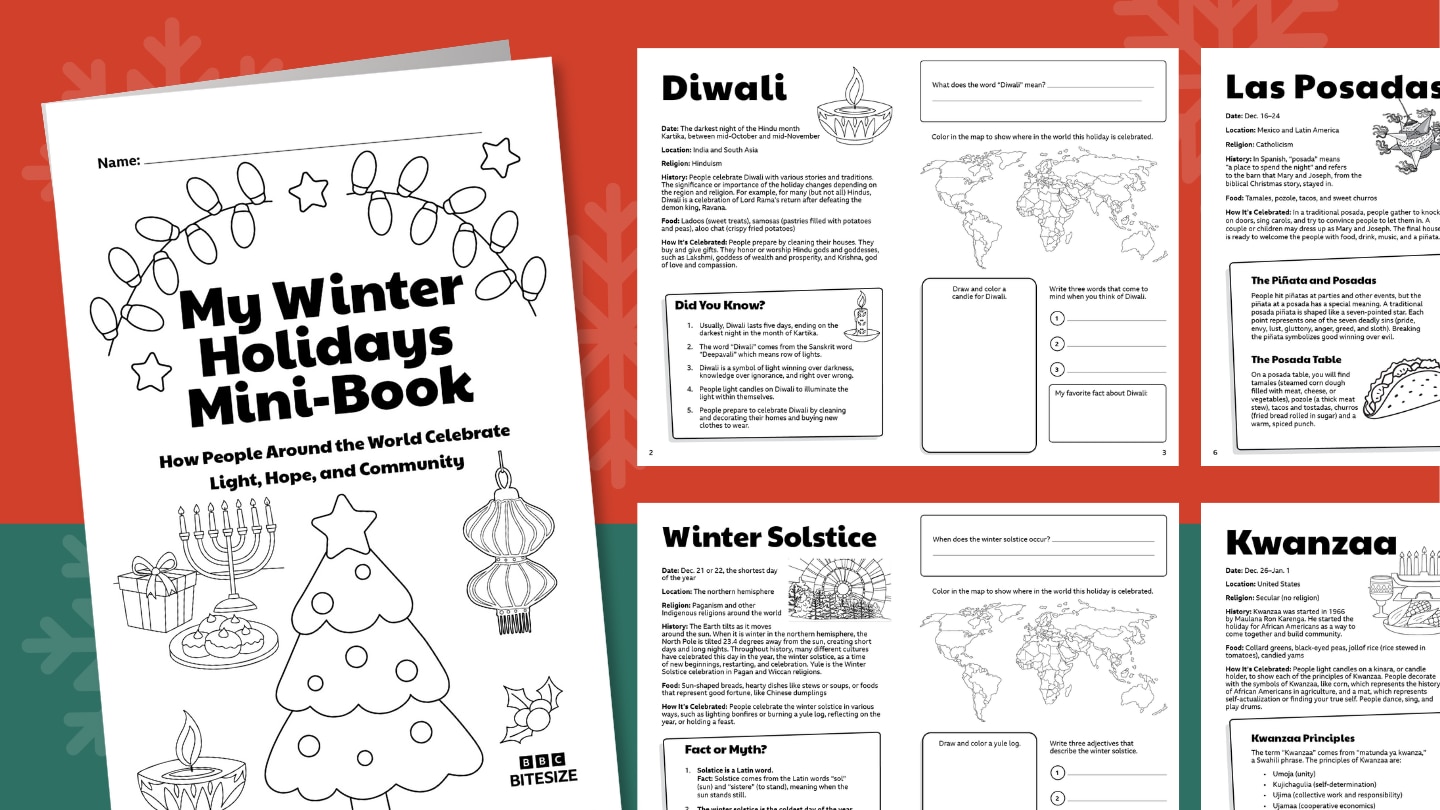
Happy holidays! With so many celebrations all over the globe during this season, it's the perfect time to teach your Grade 3–5 students about winter holidays around the world. Make copies of this mini-book (simply print on both sides flipped on the short edge, stack, and fold to assemble) for your students and invite them to read about each holiday and complete a simple report page full of questions, coloring, drawing, favorite facts, and more. Here are the eight winter holidays covered:
-
Diwali: A Hindu Festival of Lights celebrating the victory of light over darkness, with lamps, fireworks, and family gatherings.
-
St. Lucia Day: A Scandinavian holiday honoring St. Lucia, featuring processions with candles and special buns to bring light during the dark winter.
-
Las Posadas: A Mexican tradition reenacting Mary and Joseph’s search for shelter, celebrated with processions, songs, and parties.
-
Hanukkah: A Jewish holiday celebrating the miracle of the Temple’s menorah oil lasting eight days, marked with candles, dreidel games, and fried foods.
-
Winter Solstice: The shortest day and longest night of the year, celebrated by many cultures as the return of the sun with feasts and light-themed traditions.
-
Christmas: A Christian holiday celebrating the birth of Jesus, often marked with gift-giving, decorations, and family gatherings.
-
Kwanzaa: A weeklong African American celebration honoring African heritage and the Seven Principles through candles, reflection, and community activities.
-
Lunar New Year: An Asian cultural holiday welcoming the new year on the lunar calendar, celebrated with family reunions, special foods, and traditions for good luck.
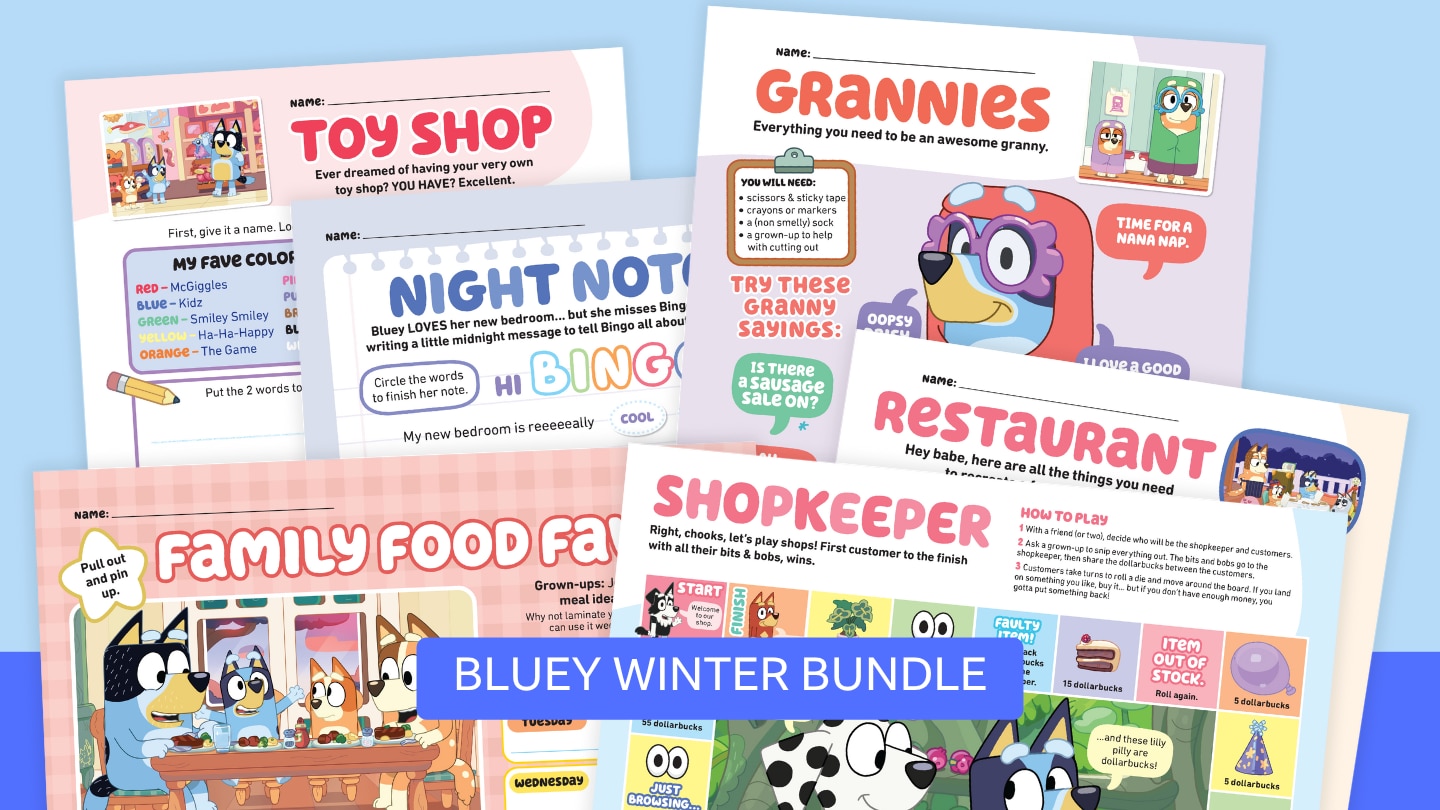
For the winter season, we've pulled together some of our favorite Bluey printables just for you and yours! And we've got you covered all the way through the winter holidays. We picked out some great shopping- and dining-themed activities to kick off the season plus Santa letters for later on. Here's some of what's included:
- Shopkeeper: First customer to the finish with all their bits 'n' bobs is the winner!
- Restaurant: Everything you need to recreate a fancy meal out!
- My Christmas: Tell Bluey and Bingo how your family celebrates
Want more? We have tons on the site. Just search "Bluey"!
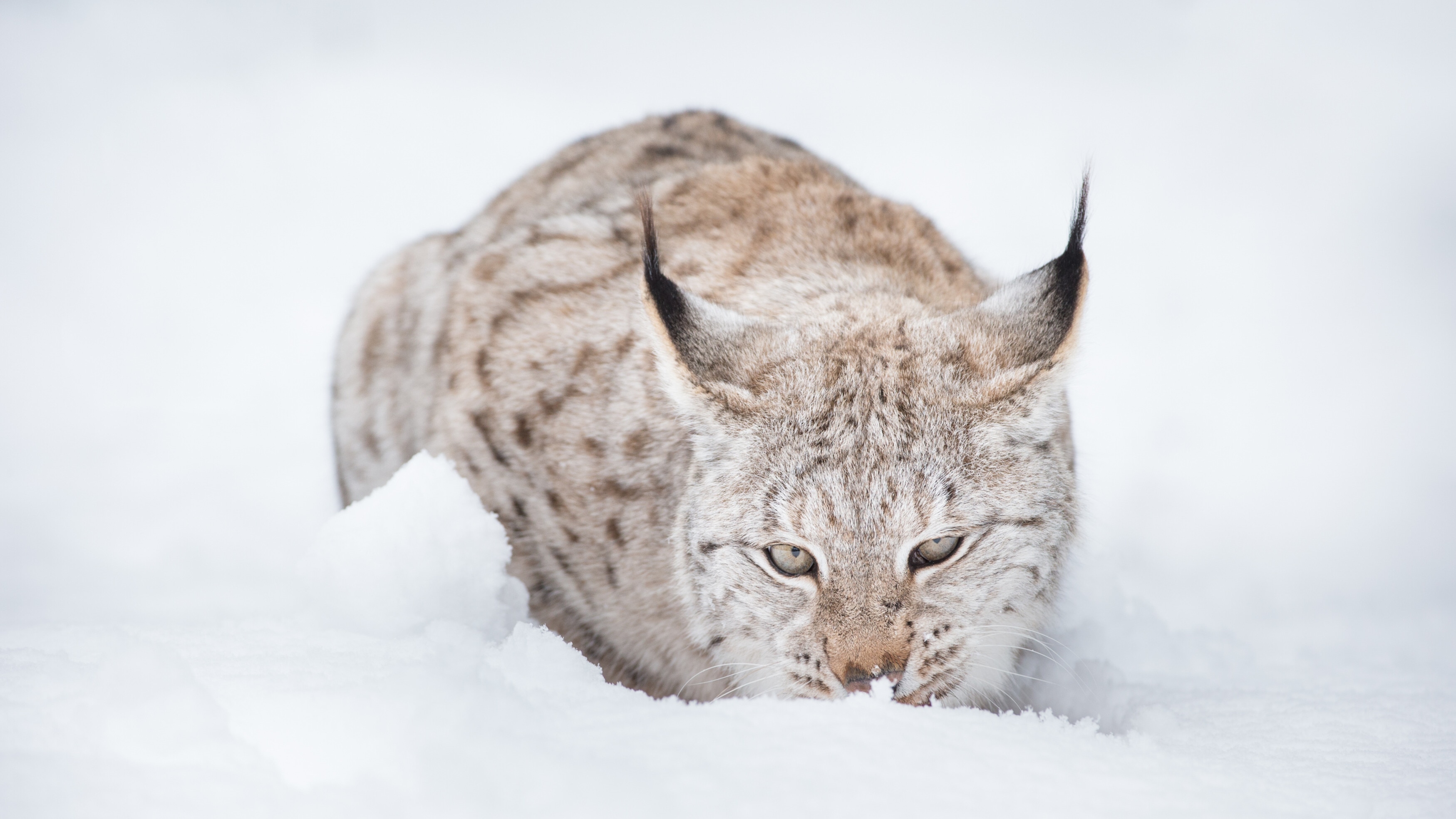
Brave the chill and meet the coolest creatures on Earth! This playlist of 11 frosty video clips from BBC landmark shows like Frozen Planet and Planet Earth explores how animals survive some of the coldest places on the planet. Students will learn about adaptations, seasonal behaviors, and the survival strategies that help bison, foxes, seals, grizzlies, snow monkeys, polar bears, lynx, and more thrive in freezing climates.
They’ll discover how winter weather shapes each animal’s daily life; how they find food, conserve energy, protect themselves from predators; and why these icy habitats play a vital role in Earth’s systems.
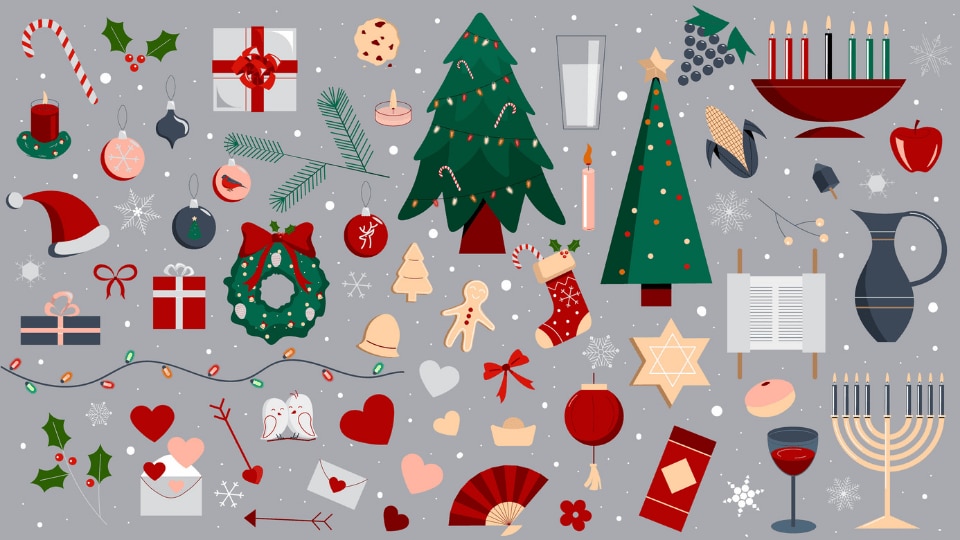
Think You’re a Winter Holidays Expert? Let’s Find Out!
Winter is a magical time of year, filled with lights, music, and celebrations around the world. There's so much to discover: Diwali’s glowing lamps, St. Lucia Day’s candlelit processions, the posadas of Mexico, Hanukkah’s spinning dreidels, Christmas trees, Kwanzaa candles, Lunar New Year’s red envelopes, and the winter solstice’s longest night.
But how much do you really know about these special winter holidays? This quiz is packed with fun facts, traditions, and a few surprises that only the most festive holiday experts will ace. Get ready to test your knowledge and see if you can shine bright like the season itself!
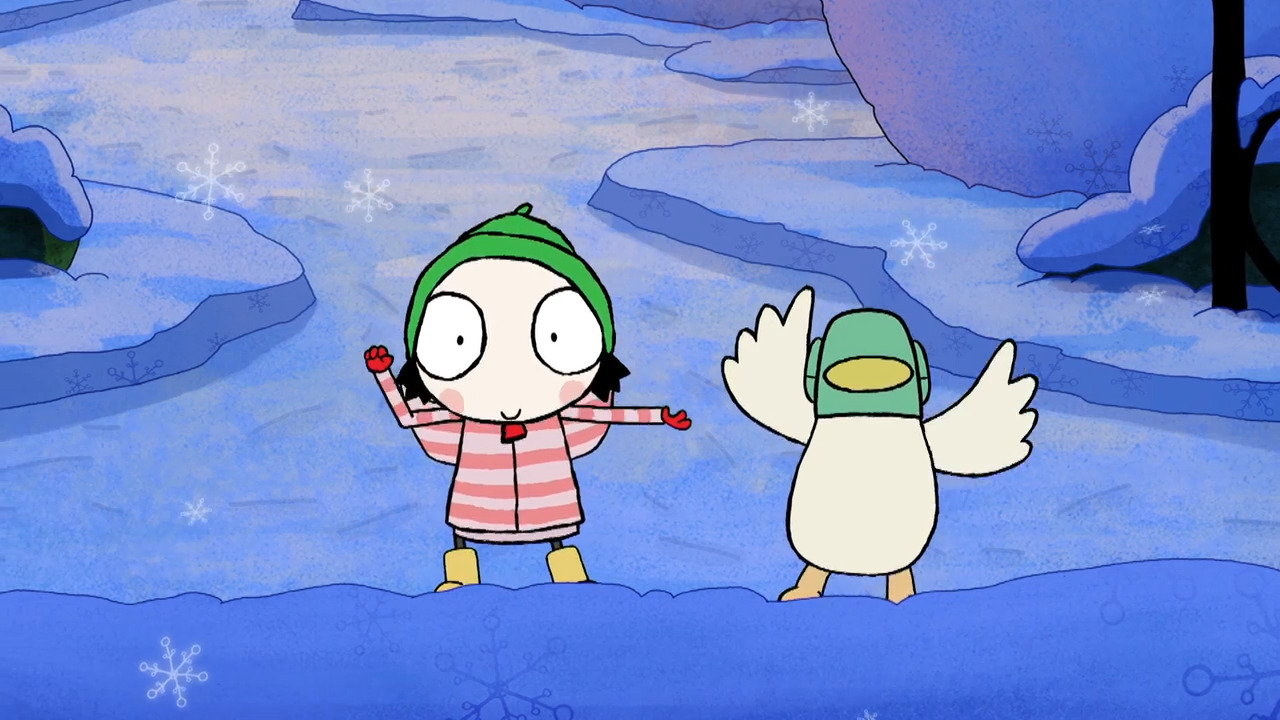
In Sarah and Duck and the Snowball Skate, Sarah and Duck stumble upon a winter fair. They visit an ice skating rink and want to skate. Duck is a natural, but Sarah needs time to try and try again. This video is excerpted from BBC’s Sarah & Duck, a kids' show about the adventures of 7-year-old Sarah and her quacky, flappy best friend, Duck.
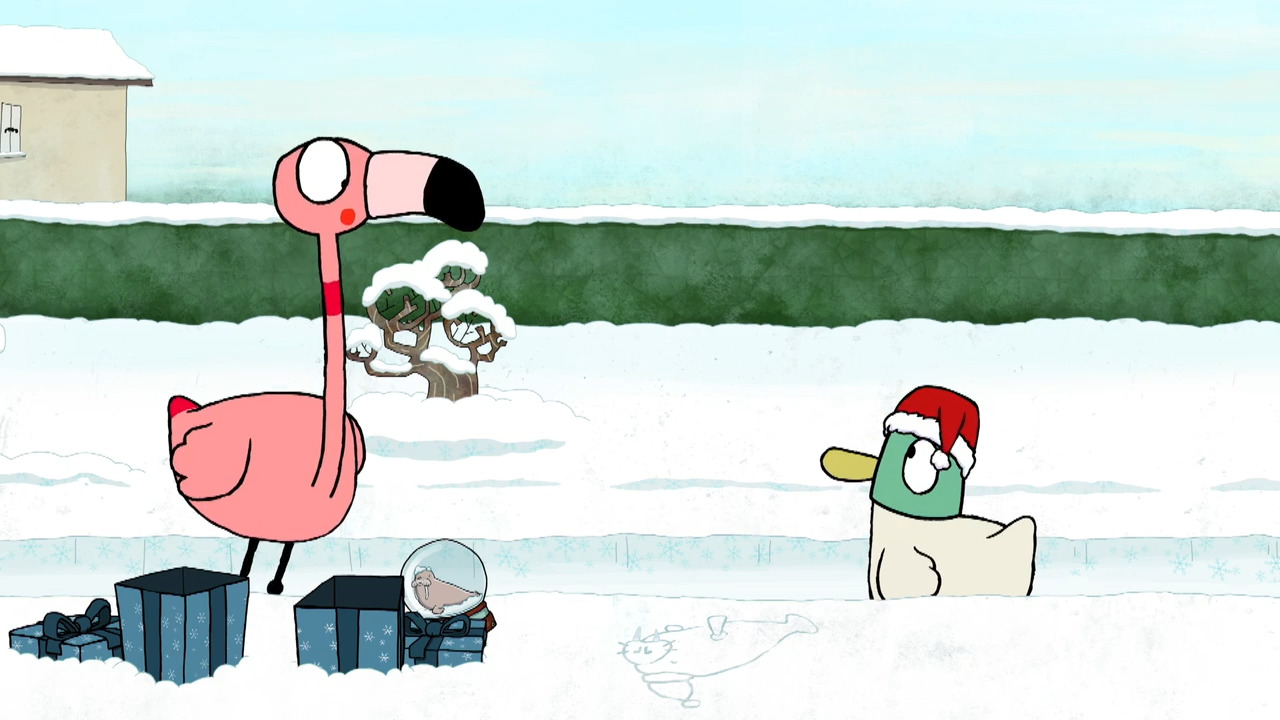
In Sarah and Duck on the Snow Trail, Sarah and Duck wake up to a winter wonderland. Outside their front door, they find presents and a trail. But was the trail formed by a sea cow or a walrus? They meet up with Scooter Boy and take a trip to the zoo to find out who left their gifts. This video is excerpted from BBC’s Sarah & Duck, a kids' show about the adventures of 7-year-old Sarah and her quacky, flappy best friend, Duck.
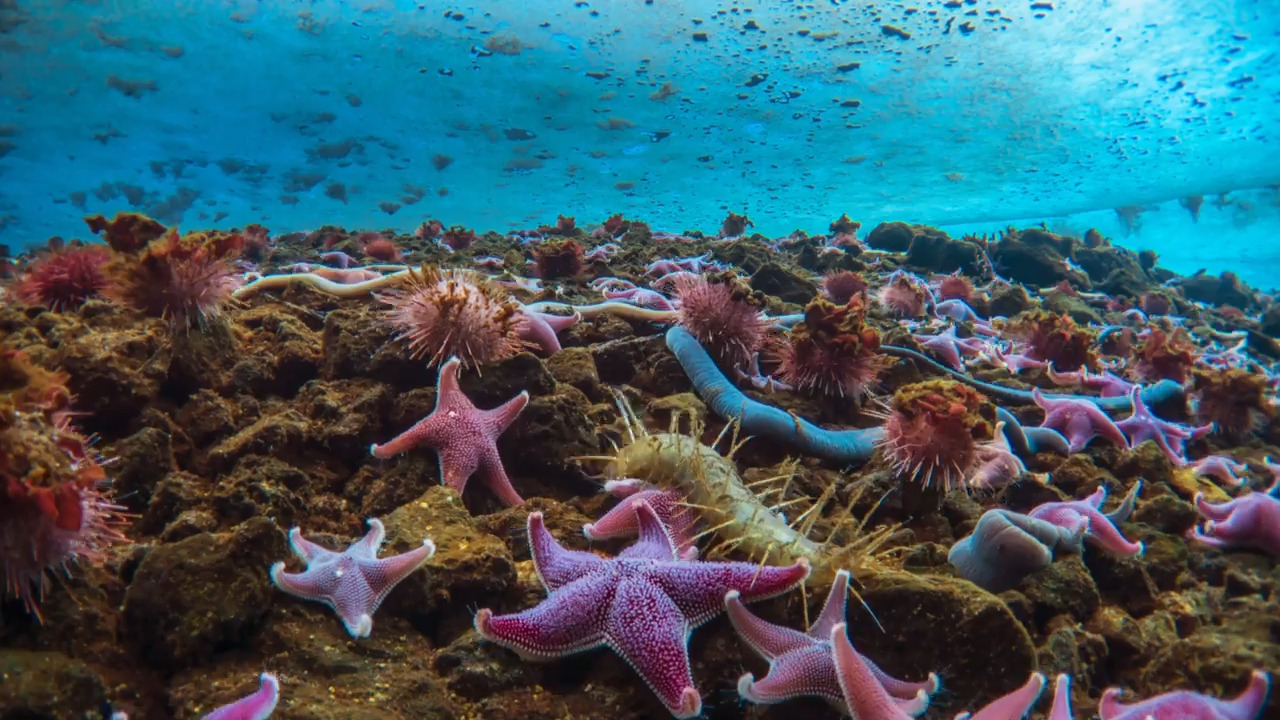
In Life Beneath the Antarctic Ice, learn how the world's largest desert doubles in size during winter, creating a vast, frozen expanse. Beneath the ice lies a surprisingly stable environment, allowing life to evolve and thrive in extraordinary ways. This video is excerpted from BBC’s Seven Worlds, One Planet, a series featuring remarkable animal behavior from all seven continents.
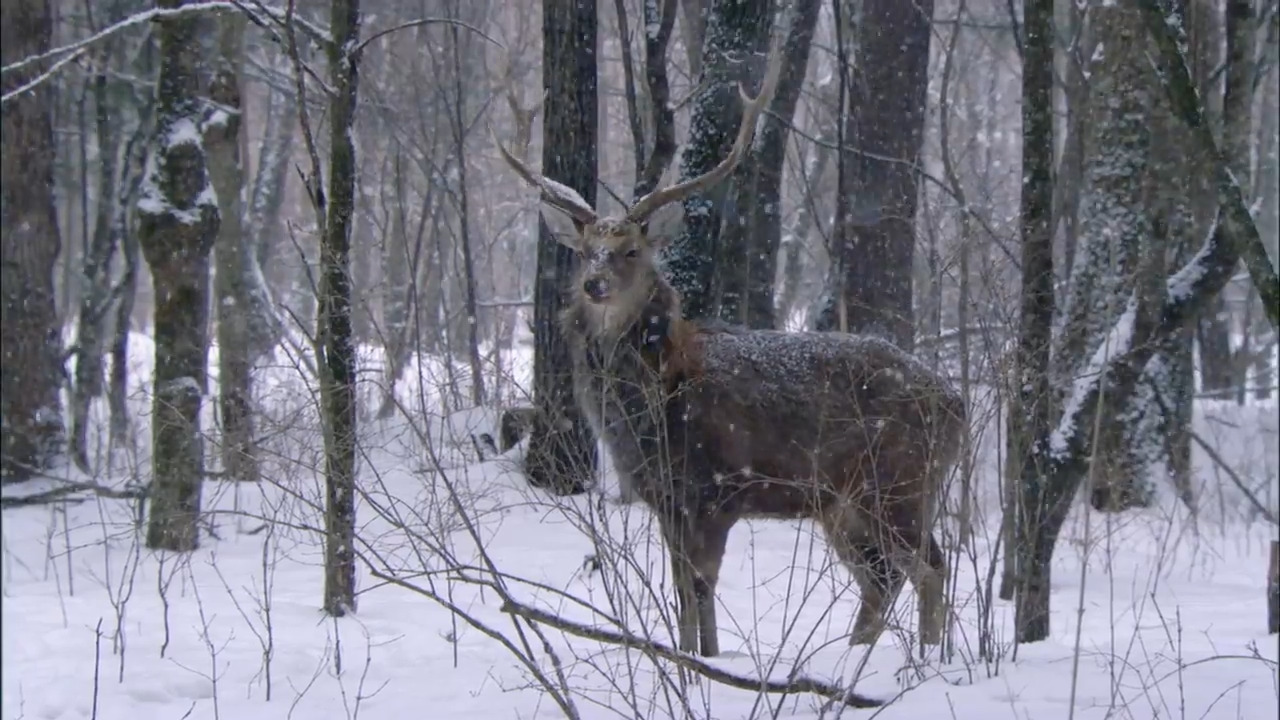
In The Broadleaf Woods Go From Lively To Lifeless, narrator Sir David Attenborough describes the great seasonal changes that come to the broadleaf forest. In summer, the woods are bustling with animal life, but in winter, a lonely leopard hunts in a barren landscape. This video is excerpted from BBC's Planet Earth, a breathtaking documentary series that highlights the natural wonders of our planet.
In How Canadian Lynx Survive a Brutal Winter, narrator Sir David Attenborough describes the difficult life of the wildlife that stay in the Arctic North in the winter. A Canadian lynx travels hundreds of miles to hunt for food in order to survive. This video is excerpted from BBC’s Seven Worlds, One Planet, a series featuring remarkable animal behavior from all seven continents.
In A Harsh Winter for Sea Lions, narrator Sir David Attenborough shows how these animals endure freezing temperatures and protect their young in an unforgiving environment. This video is an excerpt from BBC’s Nature's Great Events, a documentary series that showcases some of the most dramatic wildlife spectacles on Earth, exploring how life adapts to natural events that can transform entire landscapes.
In Winter Underwater With Weddell Seals, narrator Sir David Attenborough explains how Weddell seals spend the winter underwater where the 28°F (-2°C) water is warm compared with the frigid temperatures above. Watch the Weddell seal glide through a watery world that has not changed for millions of years. This video is excerpted from BBC’s Frozen Planet, a series that shows a fragile world of beauty and hostility, where nature finds a way to survive and thrive in frigid conditions.
In Polar Bears in Winter, narrator Sir David Attenborough highlights a polar bear waiting through the Arctic winter with little food and in harsh conditions. Nearby, polar bear cubs are born tiny and blind. The polar bear cubs spend the winter cuddled with their mother where they drink milk so rich they can double their weight every few weeks. This video is excerpted from BBC’s Frozen Planet, a series that shows a fragile world of beauty and hostility, where nature finds a way to survive and thrive in frigid conditions.
Happy holidays! With so many celebrations all over the globe during this season, it's the perfect time to teach your Grade 3–5 students about winter holidays around the world. Make copies of this mini-book (simply print on both sides flipped on the short edge, stack, and fold to assemble) for your students and invite them to read about each holiday and complete a simple report page full of questions, coloring, drawing, favorite facts, and more. Here are the eight winter holidays covered:
-
Diwali: A Hindu Festival of Lights celebrating the victory of light over darkness, with lamps, fireworks, and family gatherings.
-
St. Lucia Day: A Scandinavian holiday honoring St. Lucia, featuring processions with candles and special buns to bring light during the dark winter.
-
Las Posadas: A Mexican tradition reenacting Mary and Joseph’s search for shelter, celebrated with processions, songs, and parties.
-
Hanukkah: A Jewish holiday celebrating the miracle of the Temple’s menorah oil lasting eight days, marked with candles, dreidel games, and fried foods.
-
Winter Solstice: The shortest day and longest night of the year, celebrated by many cultures as the return of the sun with feasts and light-themed traditions.
-
Christmas: A Christian holiday celebrating the birth of Jesus, often marked with gift-giving, decorations, and family gatherings.
-
Kwanzaa: A weeklong African American celebration honoring African heritage and the Seven Principles through candles, reflection, and community activities.
-
Lunar New Year: An Asian cultural holiday welcoming the new year on the lunar calendar, celebrated with family reunions, special foods, and traditions for good luck.
For the winter season, we've pulled together some of our favorite Bluey printables just for you and yours! And we've got you covered all the way through the winter holidays. We picked out some great shopping- and dining-themed activities to kick off the season plus Santa letters for later on. Here's some of what's included:
- Shopkeeper: First customer to the finish with all their bits 'n' bobs is the winner!
- Restaurant: Everything you need to recreate a fancy meal out!
- My Christmas: Tell Bluey and Bingo how your family celebrates
Want more? We have tons on the site. Just search "Bluey"!
Brave the chill and meet the coolest creatures on Earth! This playlist of 11 frosty video clips from BBC landmark shows like Frozen Planet and Planet Earth explores how animals survive some of the coldest places on the planet. Students will learn about adaptations, seasonal behaviors, and the survival strategies that help bison, foxes, seals, grizzlies, snow monkeys, polar bears, lynx, and more thrive in freezing climates.
They’ll discover how winter weather shapes each animal’s daily life; how they find food, conserve energy, protect themselves from predators; and why these icy habitats play a vital role in Earth’s systems.
Think You’re a Winter Holidays Expert? Let’s Find Out!
Winter is a magical time of year, filled with lights, music, and celebrations around the world. There's so much to discover: Diwali’s glowing lamps, St. Lucia Day’s candlelit processions, the posadas of Mexico, Hanukkah’s spinning dreidels, Christmas trees, Kwanzaa candles, Lunar New Year’s red envelopes, and the winter solstice’s longest night.
But how much do you really know about these special winter holidays? This quiz is packed with fun facts, traditions, and a few surprises that only the most festive holiday experts will ace. Get ready to test your knowledge and see if you can shine bright like the season itself!
In Sarah and Duck and the Snowball Skate, Sarah and Duck stumble upon a winter fair. They visit an ice skating rink and want to skate. Duck is a natural, but Sarah needs time to try and try again. This video is excerpted from BBC’s Sarah & Duck, a kids' show about the adventures of 7-year-old Sarah and her quacky, flappy best friend, Duck.
In Sarah and Duck on the Snow Trail, Sarah and Duck wake up to a winter wonderland. Outside their front door, they find presents and a trail. But was the trail formed by a sea cow or a walrus? They meet up with Scooter Boy and take a trip to the zoo to find out who left their gifts. This video is excerpted from BBC’s Sarah & Duck, a kids' show about the adventures of 7-year-old Sarah and her quacky, flappy best friend, Duck.
In Life Beneath the Antarctic Ice, learn how the world's largest desert doubles in size during winter, creating a vast, frozen expanse. Beneath the ice lies a surprisingly stable environment, allowing life to evolve and thrive in extraordinary ways. This video is excerpted from BBC’s Seven Worlds, One Planet, a series featuring remarkable animal behavior from all seven continents.
In The Broadleaf Woods Go From Lively To Lifeless, narrator Sir David Attenborough describes the great seasonal changes that come to the broadleaf forest. In summer, the woods are bustling with animal life, but in winter, a lonely leopard hunts in a barren landscape. This video is excerpted from BBC's Planet Earth, a breathtaking documentary series that highlights the natural wonders of our planet.