Watch Polar Bears After Hibernation
In Watch Polar Bears After Hibernation, narrator Sir David Attenborough explains how a mother polar bear and her cub hunt after waking up from hibernation. Learn how a mother polar bear tries to find a seal under the ice. Watch a polar bear cub learn and play. This video is excerpted from BBC’s Blue Planet, a definitive documentary series diving into the mysterious depths of the sea to discover the natural history of the world’s oceans and the rarely seen marine life that reside there.
Sir David Attenborough journeys into the abyss to show us, for the very first time, strange and terrifying creatures, many of which are new to science. Learn more.
Lesson Express
Q: What will happen if the polar bear doesn’t find food?
A: She won’t be able to produce milk for the cub, and it will die.
Q: How does the polar bear hunt seals under the ice?
A: The polar bear has a very good sense of smell and can sniff out the seals from up to 1.2 miles (2 kilometers) away.
Q: What percentage of the polar bear hunts are successful?
A: The polar bear will only be successful 1 in 20 of its attempts (5%).
More Like This
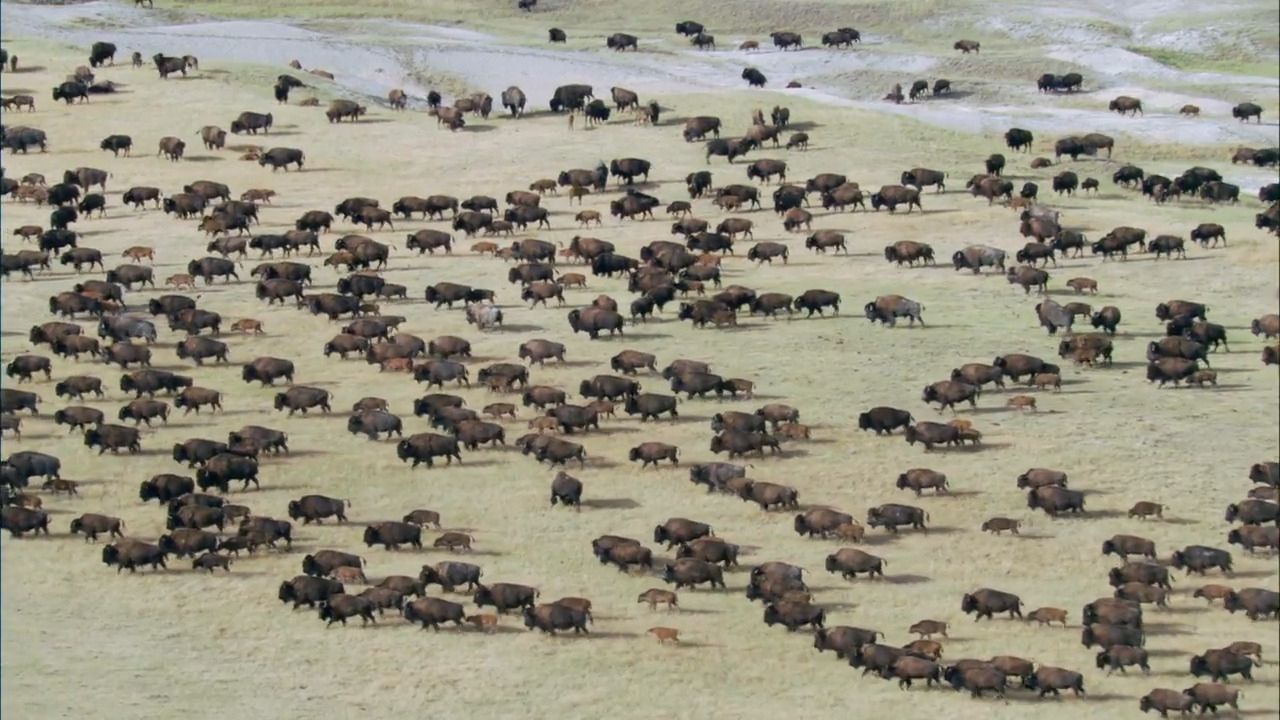
In The Bison of North America, narrator Sir David Attenborough looks at the hunting of bison on the prairies. Bison numbers on the prairies dropped from 60 million to barely a thousand because of people hunting them and destroying their habitat. Thanks to rigorous protection, numbers are now recovering. This video is excerpted from BBC's Planet Earth, a breathtaking documentary series that highlights the natural wonders of our planet.
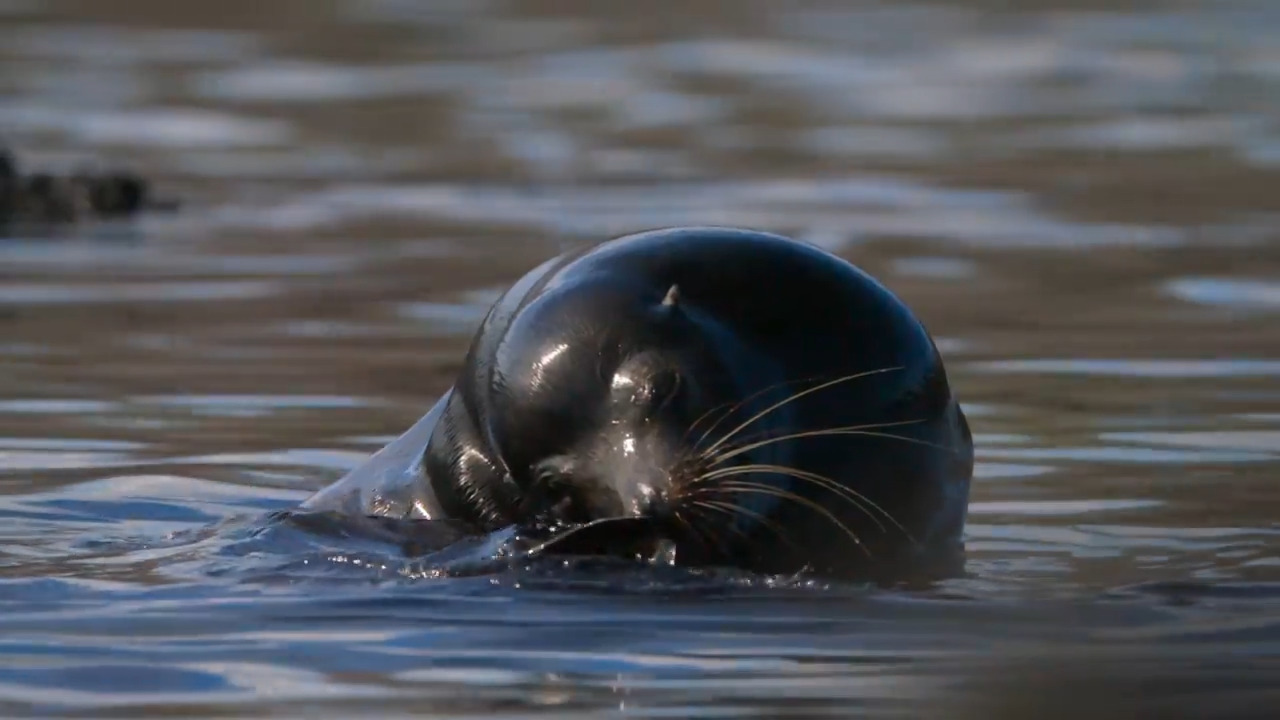
In On the Hunt with Sea Lions, narrator Sir David Attenborough explores how the sea lions of the Galapagos Islands use the rough and barren coastline to their advantage, enticing their prey into a cove. This video is excerpted from BBC’s Blue Planet II, a natural history series that explores the world's oceans, the animals that live in them, and the threats they face, using modern filming techniques and equipment to capture previously unseen areas of the ocean.
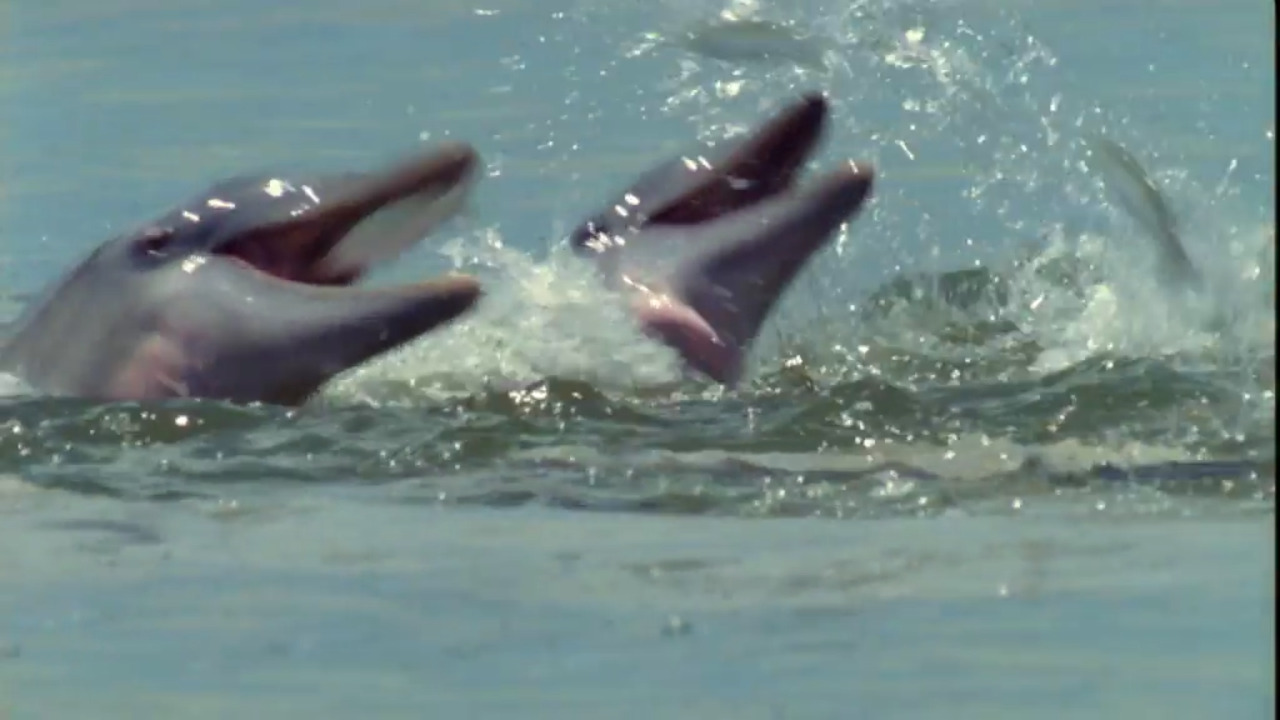
In Opportunity for Animals as the Tides Ebb and Flow, narrator Sir David Attenborough examines how the Moon’s impact on the Earth and the tides create opportunity for animals, like the bottlenose dolphins who move into shallow waters at high tide to feast on mullets. This video is excerpted from BBC’s Blue Planet, a definitive documentary series diving into the mysterious depths of the sea to discover the natural history of the world’s oceans and the rarely seen marine life that reside there.
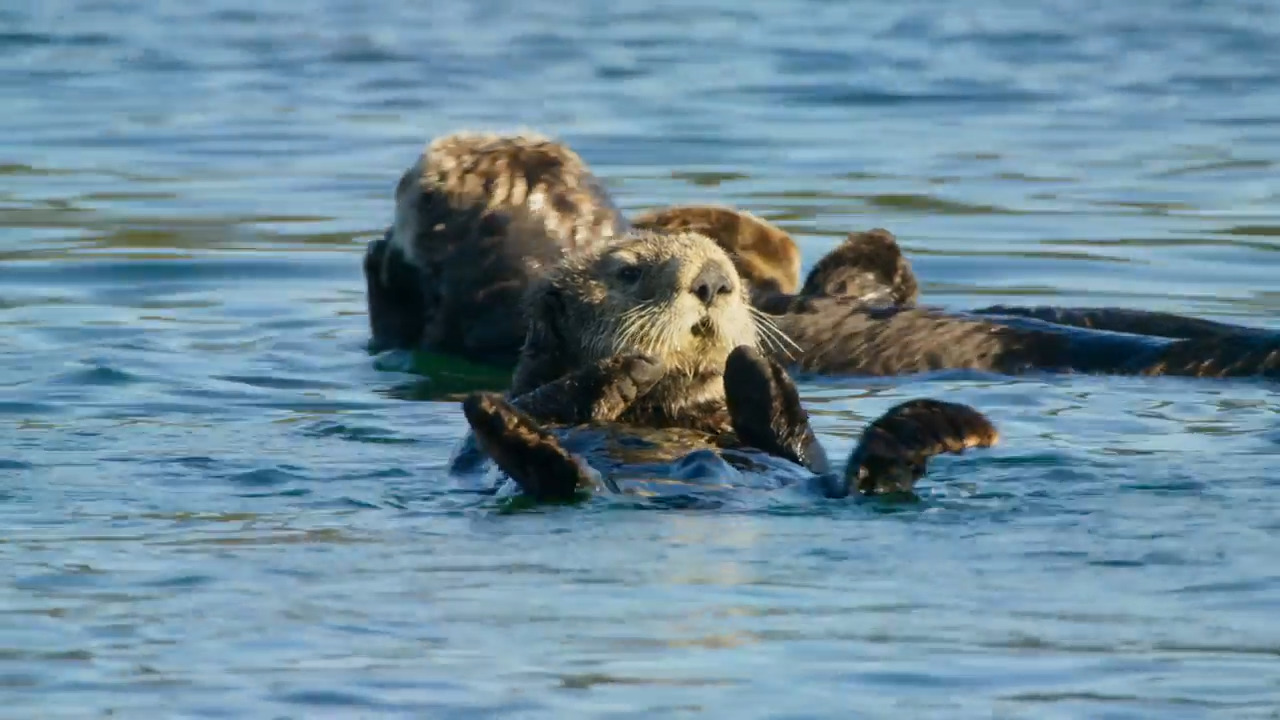
In A Sea Otter Comeback, narrator Sir David Attenborough explains how sea otters were hunted and almost became extinct, as well as why they are an important part of the ocean ecosystem. This video is excerpted from BBC’s Blue Planet II, a natural history series that explores the world's oceans, the animals that live in them, and the threats they face, using modern filming techniques and equipment to capture previously unseen areas of the ocean.
In The Bison of North America, narrator Sir David Attenborough looks at the hunting of bison on the prairies. Bison numbers on the prairies dropped from 60 million to barely a thousand because of people hunting them and destroying their habitat. Thanks to rigorous protection, numbers are now recovering. This video is excerpted from BBC's Planet Earth, a breathtaking documentary series that highlights the natural wonders of our planet.
In On the Hunt with Sea Lions, narrator Sir David Attenborough explores how the sea lions of the Galapagos Islands use the rough and barren coastline to their advantage, enticing their prey into a cove. This video is excerpted from BBC’s Blue Planet II, a natural history series that explores the world's oceans, the animals that live in them, and the threats they face, using modern filming techniques and equipment to capture previously unseen areas of the ocean.
In Opportunity for Animals as the Tides Ebb and Flow, narrator Sir David Attenborough examines how the Moon’s impact on the Earth and the tides create opportunity for animals, like the bottlenose dolphins who move into shallow waters at high tide to feast on mullets. This video is excerpted from BBC’s Blue Planet, a definitive documentary series diving into the mysterious depths of the sea to discover the natural history of the world’s oceans and the rarely seen marine life that reside there.
In A Sea Otter Comeback, narrator Sir David Attenborough explains how sea otters were hunted and almost became extinct, as well as why they are an important part of the ocean ecosystem. This video is excerpted from BBC’s Blue Planet II, a natural history series that explores the world's oceans, the animals that live in them, and the threats they face, using modern filming techniques and equipment to capture previously unseen areas of the ocean.