Desert Ecosystem Report
From the Ecosystems CollectionDeserts aren't empty — they're some of the most extreme, most surprising ecosystems on Earth. From the towering dunes of the Namib and the sunbaked Kalahari to the rugged Australian Outback and the icy sands of the Gobi, life finds a way.
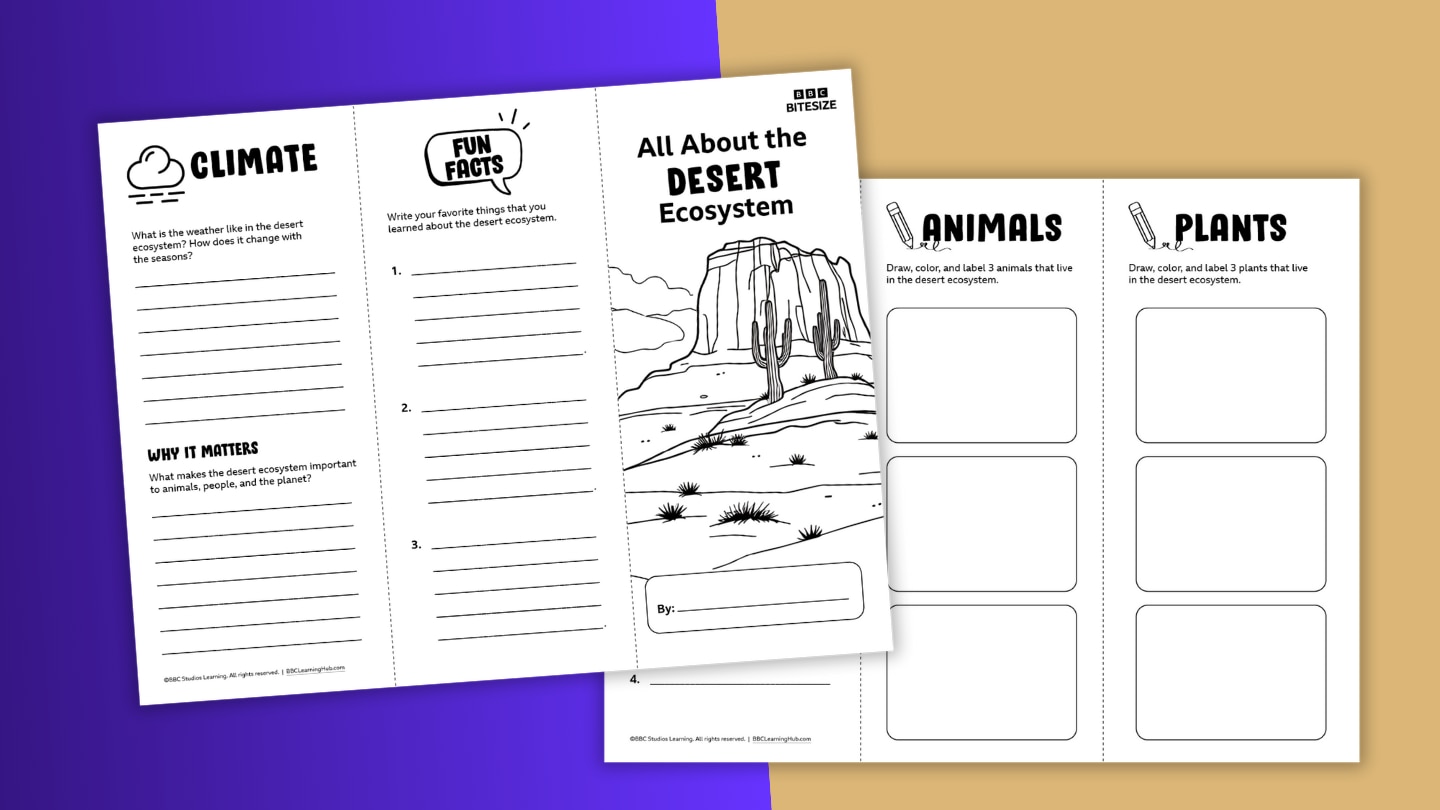
After watching desert video clips, have students dig deeper with their own research and build a brochure covering:
- Location of the ecosystem on a world map
- Adjectives that describe the ecosystem
- Three animals that live there
- Three plants that grow there
- The climate
- Why the ecosystem matters
- Their favorite fun facts
Students summarize in their own words, which means they're practicing a real skill: pulling information from multiple sources and deciding what's worth keeping. The brochure format gives them room to make it their own
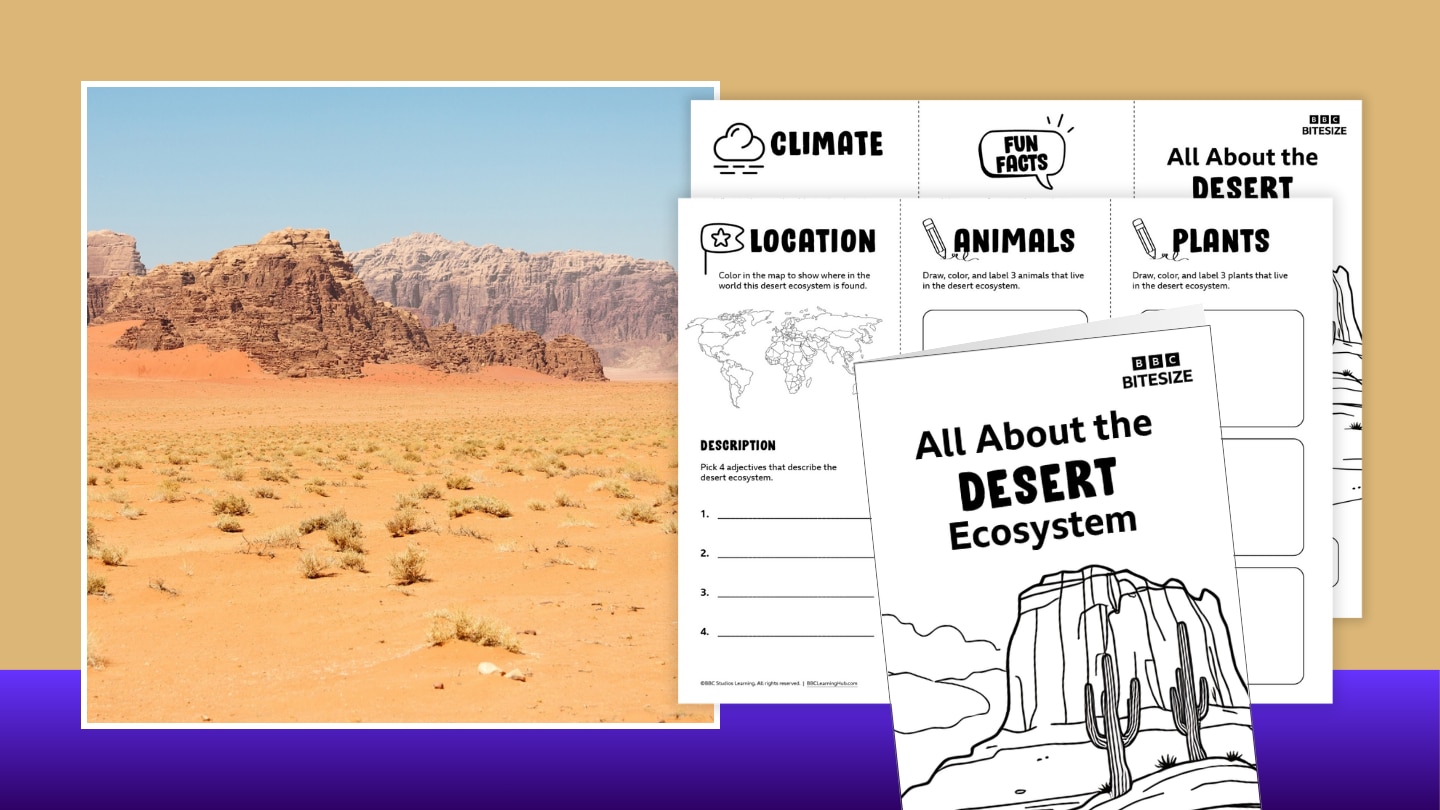
Guide your students on a journey through the desert ecosystem! From the sweeping sands of the Namib and Kalahari in southern Africa, to the dry heart of Australia’s Outback, and the rocky cold of the Gobi, deserts come in many forms.
✨ Perfect for grades 3–8, here’s what you need to bring ecosystems to life:
- Iconic BBC Videos: Share the clips on this page to introduce the location, plants, animals, and climate of the desert. (Don't miss the lions and lizards!) Brought to you by world-class BBC programs like Planet Earth, Wilderness With Simon Reeve, Africa, and Seven Worlds, One Planet.
- Free Printable: Use the Desert Brochure Template to help students pull it all together in an ecosystem report with facts they’ve learned (and a little extra research).
It’s everything you need to make ecosystems easy to teach and truly memorable for your students.
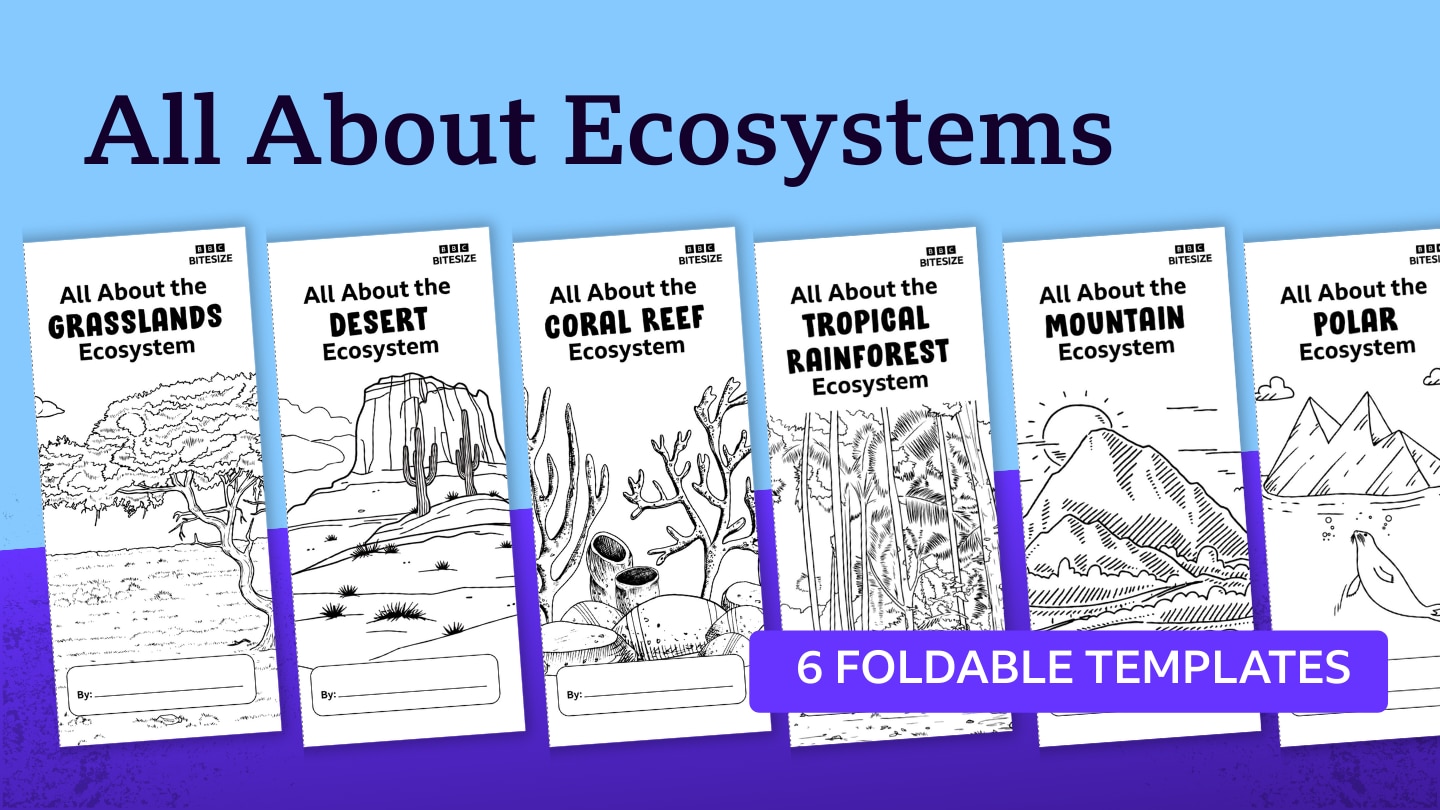
Every living thing is connected — this collection helps students see how. It covers six ecosystems: grasslands, desert, coral reef, tropical rainforest, mountain, and polar, each with its own video and matching report template.
After watching BBC video clips about an ecosystem, have students dig deeper with their own research and build a brochure covering:
- Location of the ecosystem on a world map
- Adjectives that describe the ecosystem
- Three animals that live there
- Three plants that grow there
- The climate
- Why the ecosystem matters
- Their favorite fun facts
Students summarize in their own words, which means they're practicing a real skill: pulling information from multiple sources and deciding what's worth keeping. Use one report template explore all six ecosystems back-to-back as a full unit.
Explore the fascinating world of deserts and discover how plants, animals, and people adapt to survive in some of the hottest and driest places on Earth. From towering cacti and clever nocturnal animals to sudden sandstorms and scarce water sources, students will learn how life continues to thrive in these extreme environments.
This Kahoot investigates the unique features of desert ecosystems, including climate, habitats, food chains, and the special adaptations that help living things conserve water and stay cool. Students will also explore how deserts change over time and why these harsh landscapes are an important part of our planet’s natural systems.
Watch the related BBC videos (below), then invite your Grade 3–8 students to test their knowledge and uncover the surprising diversity and resilience of life in the desert.
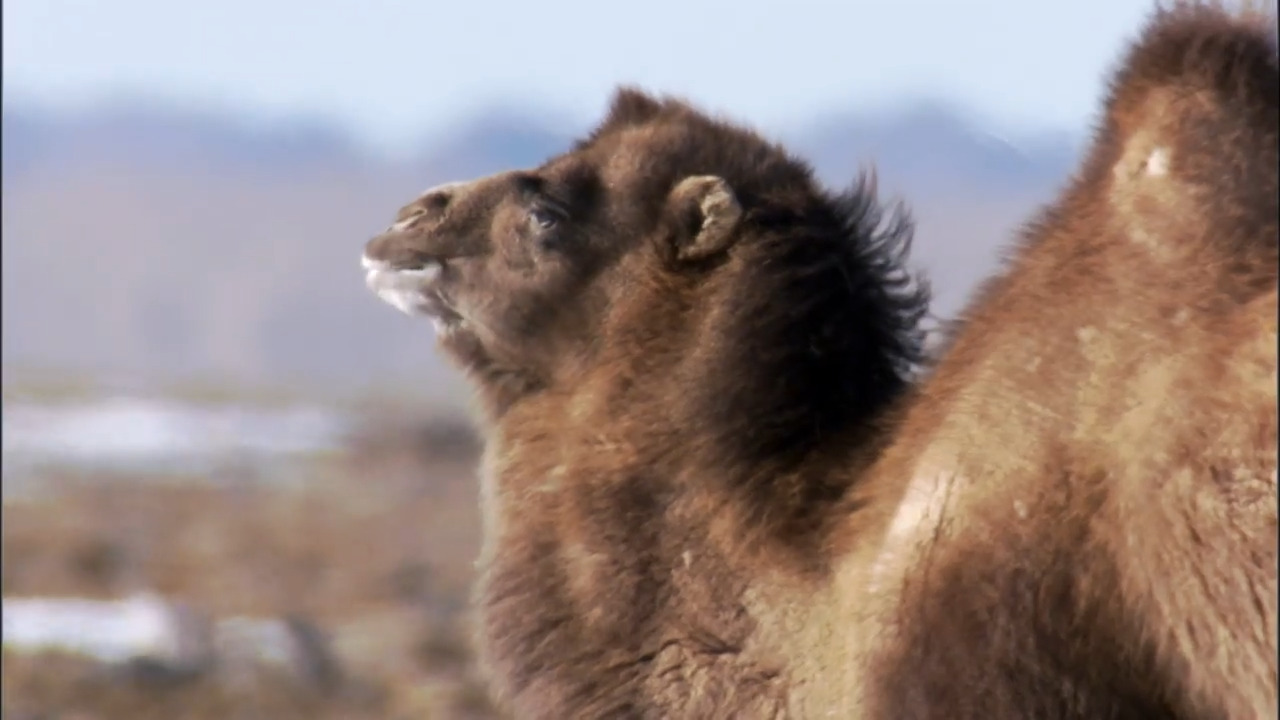
In The Animals of the Gobi Desert, narrator Sir David Attenborough explores the Gobi Desert and the animals that live there. The Gobi is one of the harshest deserts of all because temperatures range from 122°F (50°C) during the summer to -40°F (-40°C) during the winter. Learn how Bactrian camels living in the Gobi get their water from snow. This video is excerpted from BBC's Planet Earth, a breathtaking documentary series that highlights the natural wonders of our planet.
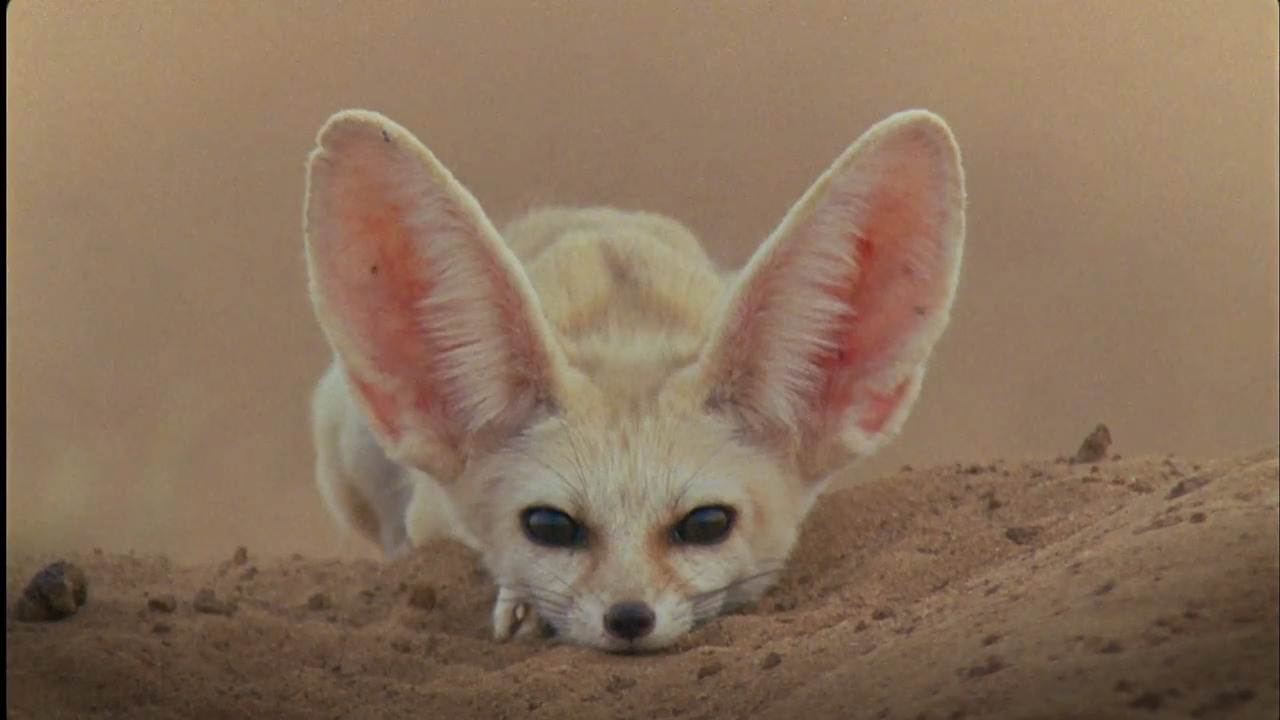
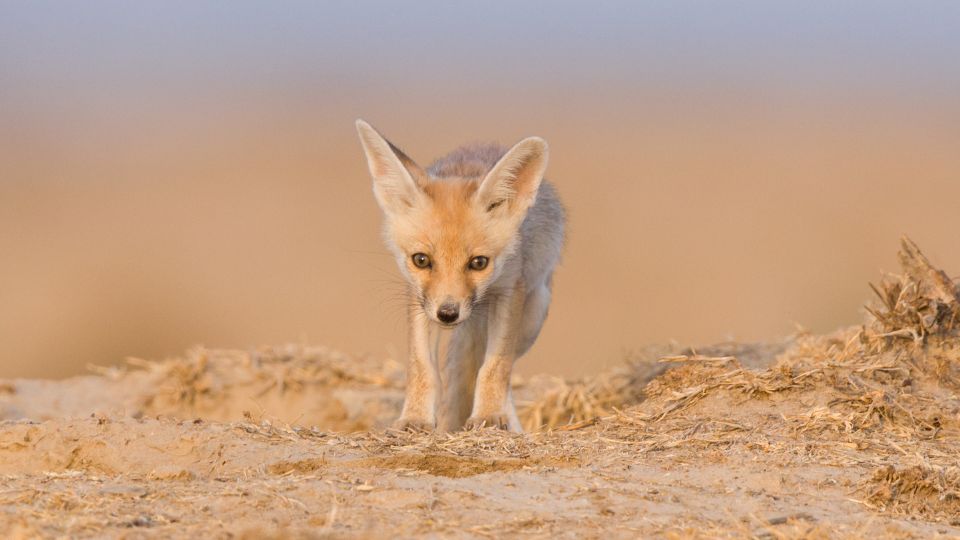
In Nocturnal Desert Dwellers, narrator Sir David Attenborough explores the Sahara Desert at night. In the Sahara Desert, nighttime temperatures can drop by as much as 86°F (30°C) . Learn how fennec foxes survive the heat by staying underground during the day and coming out at night. This video is excerpted from BBC's Planet Earth, a breathtaking documentary series that highlights the natural wonders of our planet.
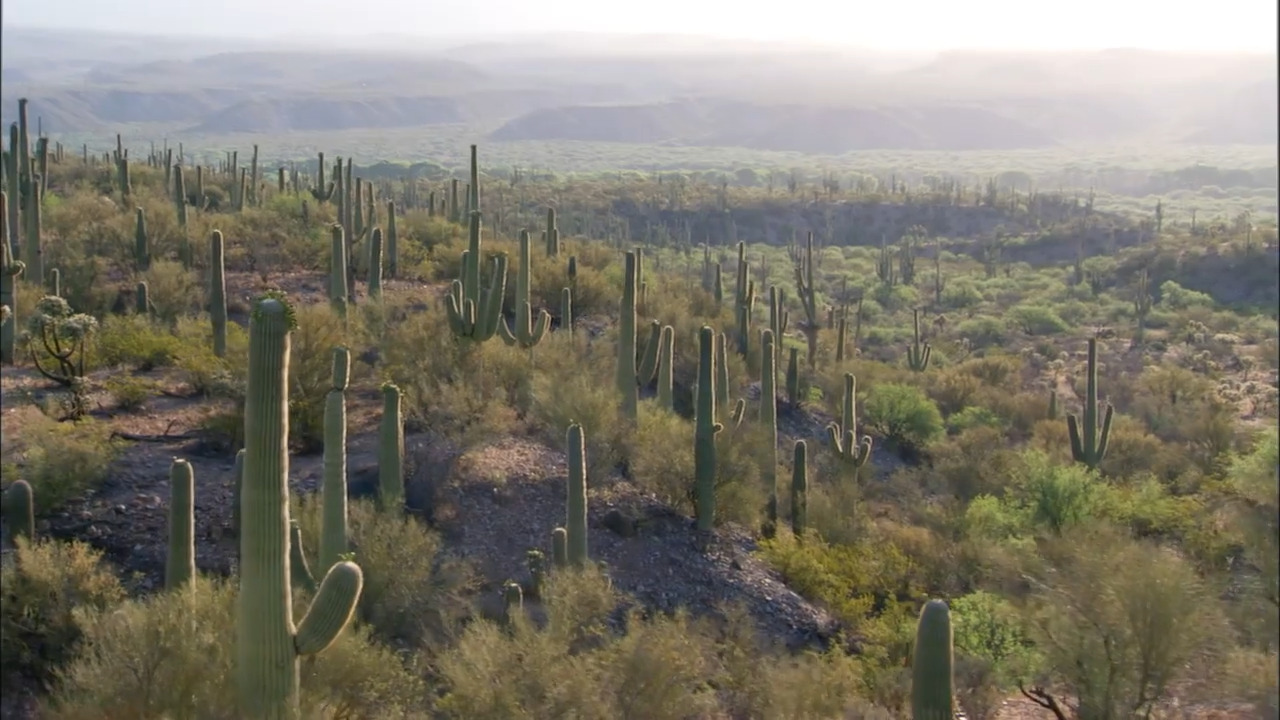
In A Crucial Resource in the Desert, narrator Sir David Attenborough explores the Saguaro cacti. Saguaros are cacti with very shallow roots. Learn how they expand after a rainstorm and flower during four weeks of the summer, supporting the wildlife around them. This video is excerpted from BBC's Planet Earth, a breathtaking documentary series that highlights the natural wonders of our planet.
More Like This
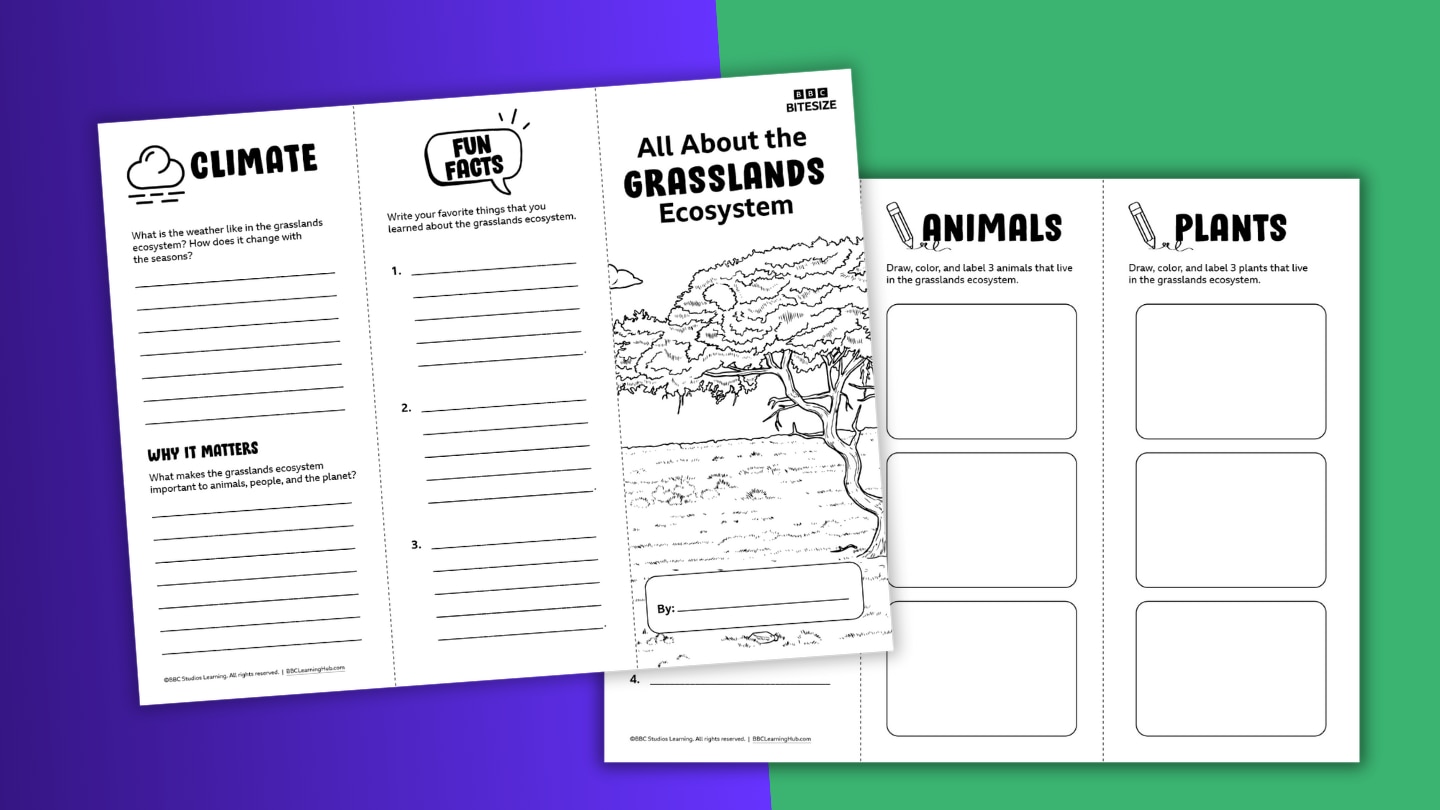
Invite your students on an adventure across the world’s amazing grasslands! From the roaring lions of the African savanna to the thundering bison of the Great Plains, these ecosystems are bursting with life. After watching our videos, challenge your students to become ecosystem experts by creating their own colorful report filled with fascinating facts. (They’ll need to dig deeper with extra research, too!) Inside the brochure, students will uncover and share:
- Location of the ecosystem on a world map
- Adjectives that describe the ecosystem
- Three animals that live in the ecosystem
- Three plants that grow in the ecosystem
- The climate of the ecosystem
- What makes the ecosystem important
- Their favorite fun facts
Your students will summarize the most important details in their own words while keeping it clear and easy to understand. As they choose what to include, they’ll sharpen their ability to evaluate and combine information from different sources. Best of all, they’ll show off their creativity and communication skills by designing a brochure that’s as fun to read as it is informative!
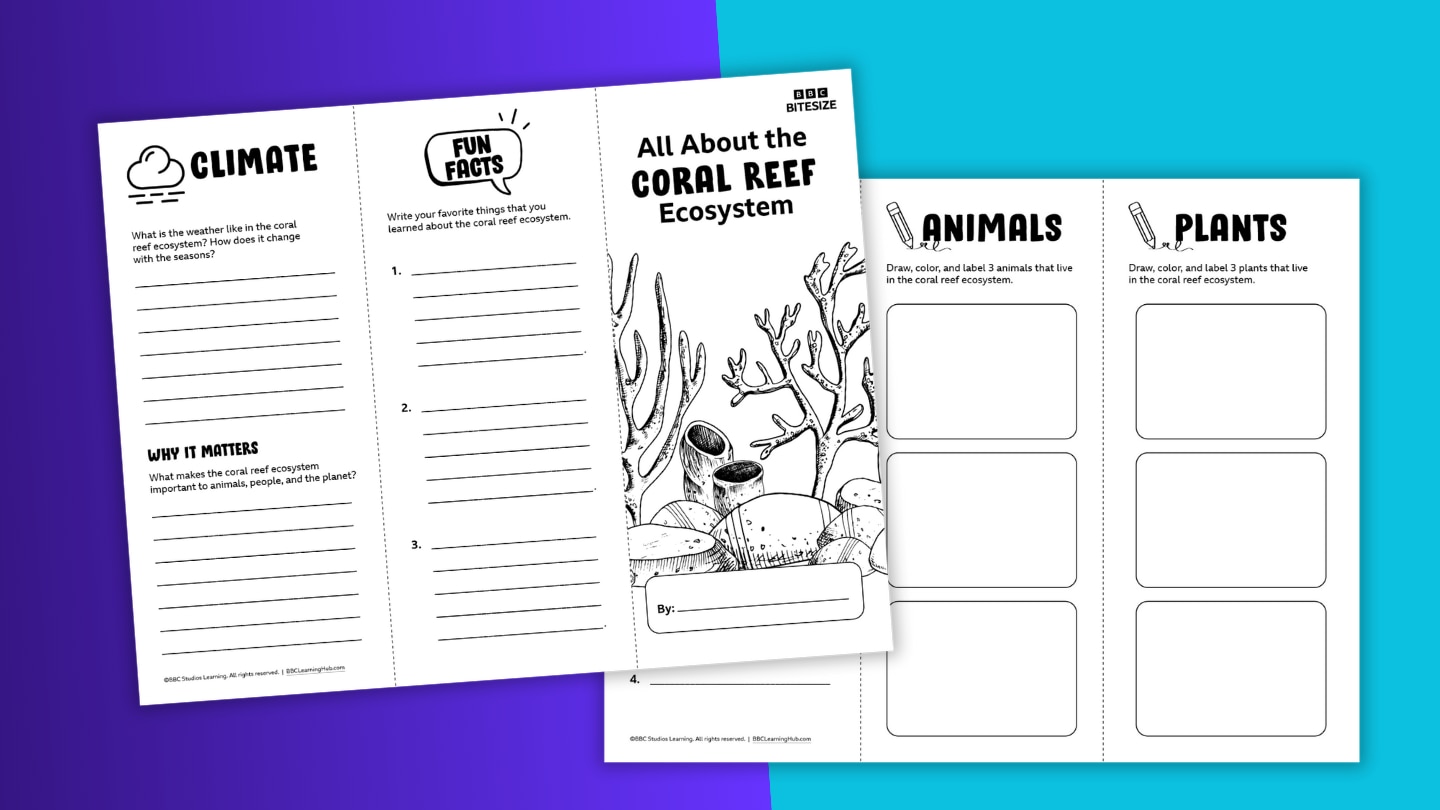
Coral reefs are some of the most crowded, colorful real estate on the planet — underwater cities built by tiny animals and packed with life. From Australia's Great Barrier Reef to the reefs of Indonesia, students will find no shortage of strange, striking creatures to study.
After watching coral reef videos, have students dig deeper with their own research and build a brochure covering:
- Location of the ecosystem on a world map
- Adjectives that describe the ecosystem
- Three animals that live there
- Three plants that grow there
- The climate
- Why the ecosystem matters
- Their favorite fun facts
Students summarize in their own words, which means they're practicing a real skill: pulling information from multiple sources and deciding what's worth keeping.
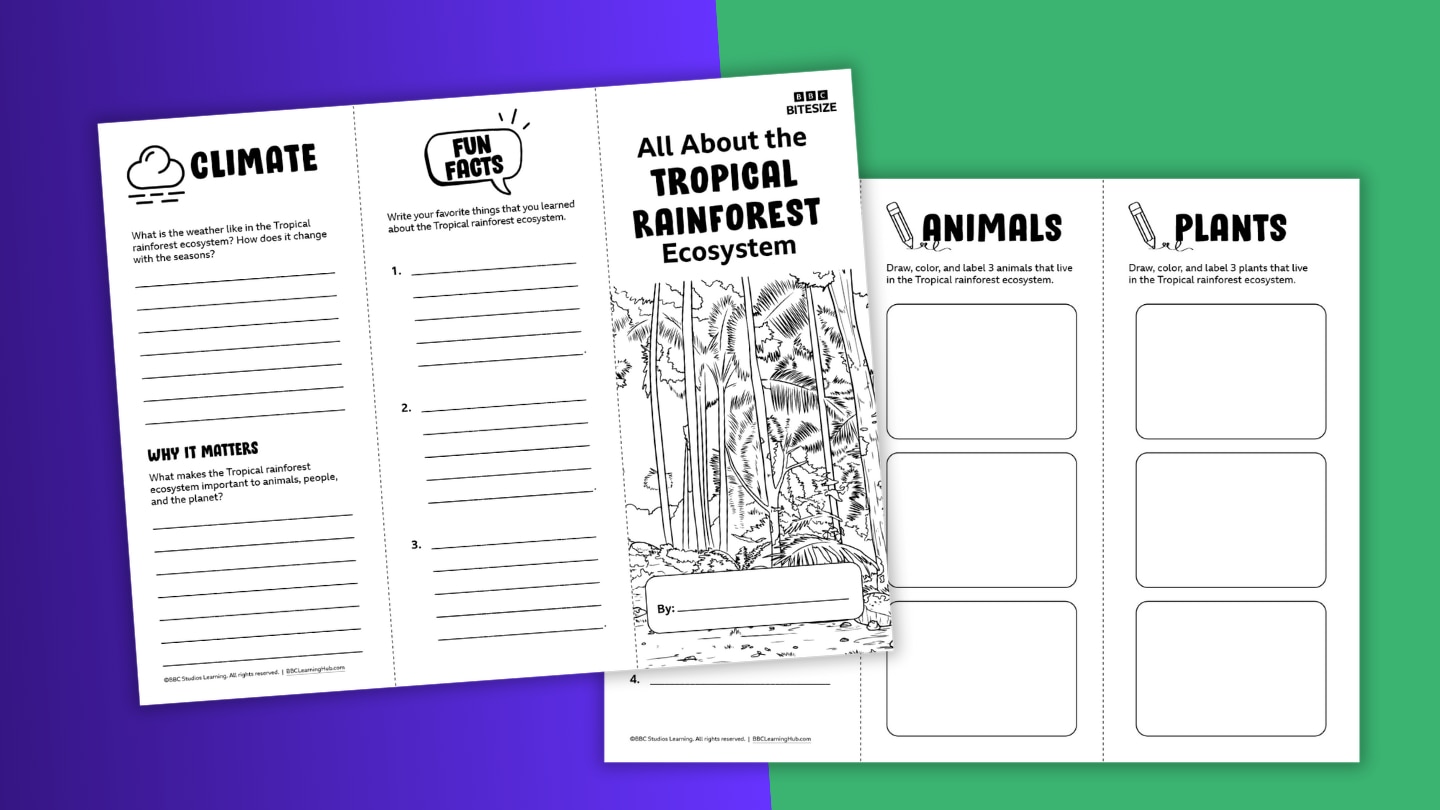
Rainforests are the densest, most species-rich ecosystems on Earth. From the Amazon to the jungles of Southeast Asia, they're packed with towering trees and hidden creatures most students will never see anywhere else.
After watching rainforest video clips, have students dig deeper with their own research and build a brochure covering:
- Location of the ecosystem on a world map
- Adjectives that describe the ecosystem
- Three animals that live there
- Three plants that grow there
- The climate
- Why the ecosystem matters
- Their favorite fun facts
Students summarize in their own words, which means they're practicing a real skill: pulling information from multiple sources and deciding what's worth keeping.
Same pattern as the other two — happy to adjust the opening if "densest, most species-rich" reads too textbook-y for what you want.
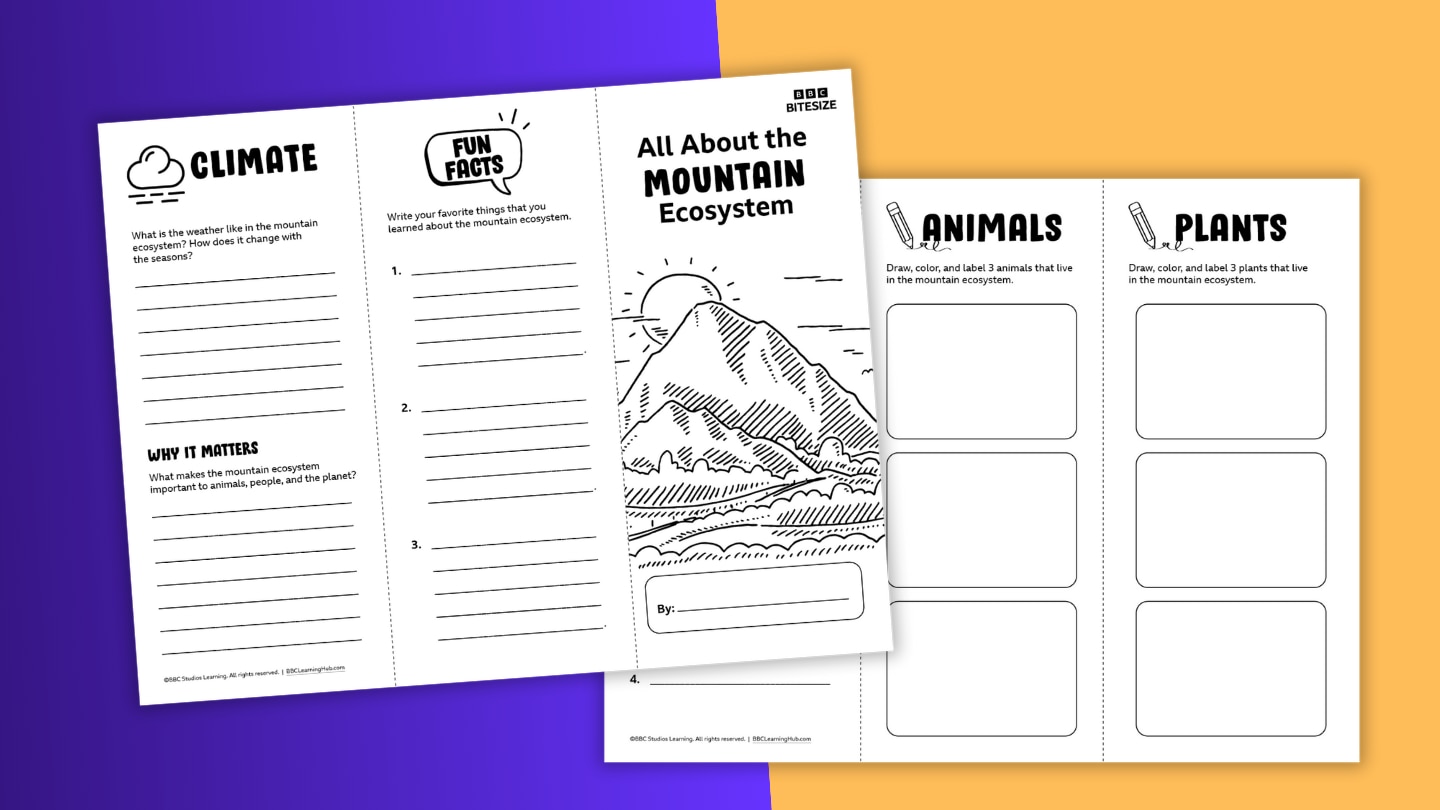
Mountains push life to its limits — thin air, brutal cold, steep terrain. From the Himalayas to the Rockies, the plants and animals that survive here have had to adapt in some pretty extreme ways.
After watching mountain ecosystem videos, have students dig deeper with their own research and build a brochure covering:
- Location of the ecosystem on a world map
- Adjectives that describe the ecosystem
- Three animals that live there
- Three plants that grow there
- The climate
- Why the ecosystem matters
- Their favorite fun facts
Students summarize in their own words, which means they're practicing a real skill: pulling information from multiple sources and deciding what's worth keeping.
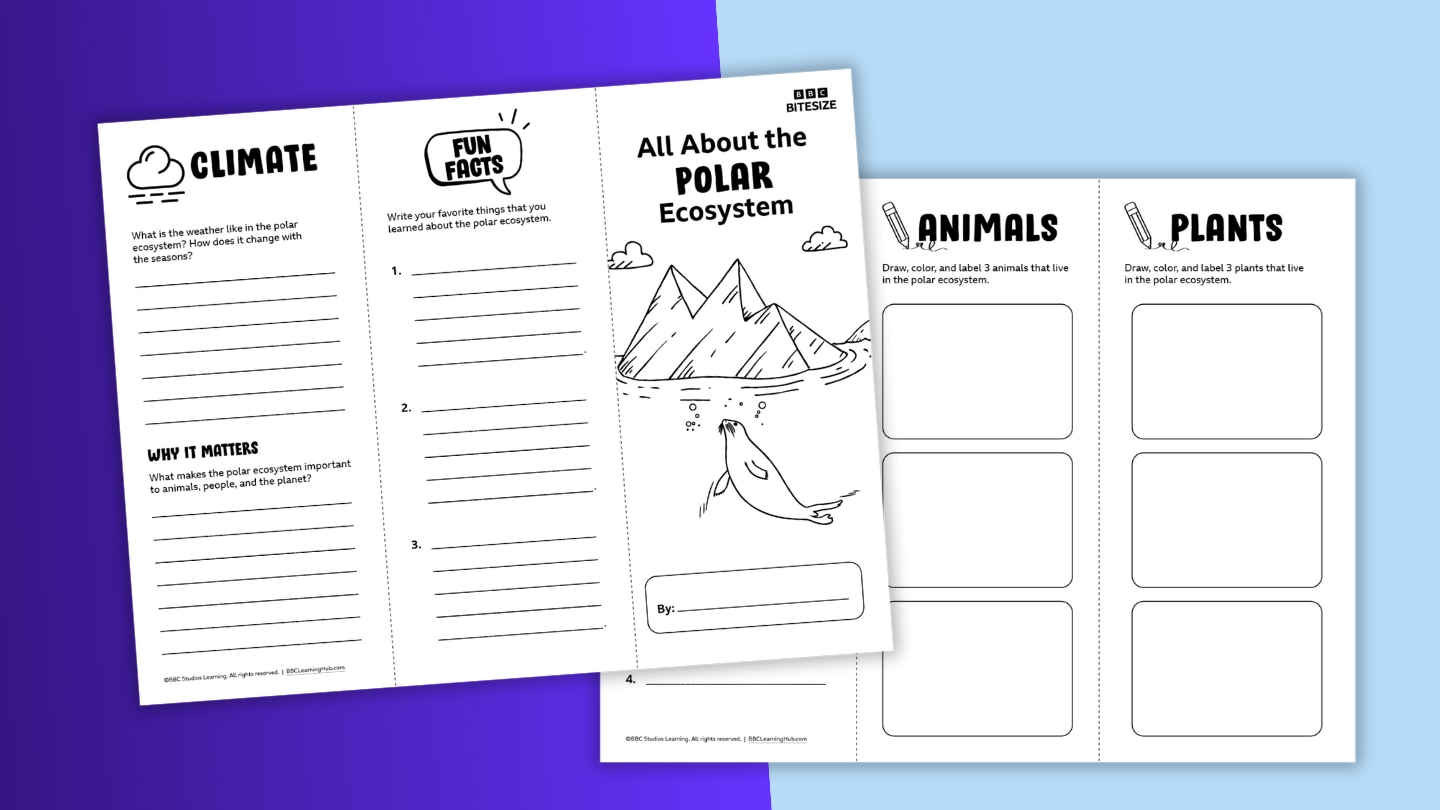
The polar regions are the harshest places on Earth, and somehow life thrives there anyway — polar bears in the Arctic, penguins across Antarctica's ice. It's a good ecosystem for showing students that "extreme" doesn't mean "empty."
After watching polar videos, have students dig deeper with their own research and build a brochure covering:
- Location of the ecosystem on a world map
- Adjectives that describe the ecosystem
- Three animals that live there
- Three plants that grow there
- The climate
- Why the ecosystem matters
- Their favorite fun facts
Students summarize in their own words, which means they're practicing a real skill: pulling information from multiple sources and deciding what's worth keeping.
Invite your students on an adventure across the world’s amazing grasslands! From the roaring lions of the African savanna to the thundering bison of the Great Plains, these ecosystems are bursting with life. After watching our videos, challenge your students to become ecosystem experts by creating their own colorful report filled with fascinating facts. (They’ll need to dig deeper with extra research, too!) Inside the brochure, students will uncover and share:
- Location of the ecosystem on a world map
- Adjectives that describe the ecosystem
- Three animals that live in the ecosystem
- Three plants that grow in the ecosystem
- The climate of the ecosystem
- What makes the ecosystem important
- Their favorite fun facts
Your students will summarize the most important details in their own words while keeping it clear and easy to understand. As they choose what to include, they’ll sharpen their ability to evaluate and combine information from different sources. Best of all, they’ll show off their creativity and communication skills by designing a brochure that’s as fun to read as it is informative!
Coral reefs are some of the most crowded, colorful real estate on the planet — underwater cities built by tiny animals and packed with life. From Australia's Great Barrier Reef to the reefs of Indonesia, students will find no shortage of strange, striking creatures to study.
After watching coral reef videos, have students dig deeper with their own research and build a brochure covering:
- Location of the ecosystem on a world map
- Adjectives that describe the ecosystem
- Three animals that live there
- Three plants that grow there
- The climate
- Why the ecosystem matters
- Their favorite fun facts
Students summarize in their own words, which means they're practicing a real skill: pulling information from multiple sources and deciding what's worth keeping.
Rainforests are the densest, most species-rich ecosystems on Earth. From the Amazon to the jungles of Southeast Asia, they're packed with towering trees and hidden creatures most students will never see anywhere else.
After watching rainforest video clips, have students dig deeper with their own research and build a brochure covering:
- Location of the ecosystem on a world map
- Adjectives that describe the ecosystem
- Three animals that live there
- Three plants that grow there
- The climate
- Why the ecosystem matters
- Their favorite fun facts
Students summarize in their own words, which means they're practicing a real skill: pulling information from multiple sources and deciding what's worth keeping.
Same pattern as the other two — happy to adjust the opening if "densest, most species-rich" reads too textbook-y for what you want.
Mountains push life to its limits — thin air, brutal cold, steep terrain. From the Himalayas to the Rockies, the plants and animals that survive here have had to adapt in some pretty extreme ways.
After watching mountain ecosystem videos, have students dig deeper with their own research and build a brochure covering:
- Location of the ecosystem on a world map
- Adjectives that describe the ecosystem
- Three animals that live there
- Three plants that grow there
- The climate
- Why the ecosystem matters
- Their favorite fun facts
Students summarize in their own words, which means they're practicing a real skill: pulling information from multiple sources and deciding what's worth keeping.
The polar regions are the harshest places on Earth, and somehow life thrives there anyway — polar bears in the Arctic, penguins across Antarctica's ice. It's a good ecosystem for showing students that "extreme" doesn't mean "empty."
After watching polar videos, have students dig deeper with their own research and build a brochure covering:
- Location of the ecosystem on a world map
- Adjectives that describe the ecosystem
- Three animals that live there
- Three plants that grow there
- The climate
- Why the ecosystem matters
- Their favorite fun facts
Students summarize in their own words, which means they're practicing a real skill: pulling information from multiple sources and deciding what's worth keeping.