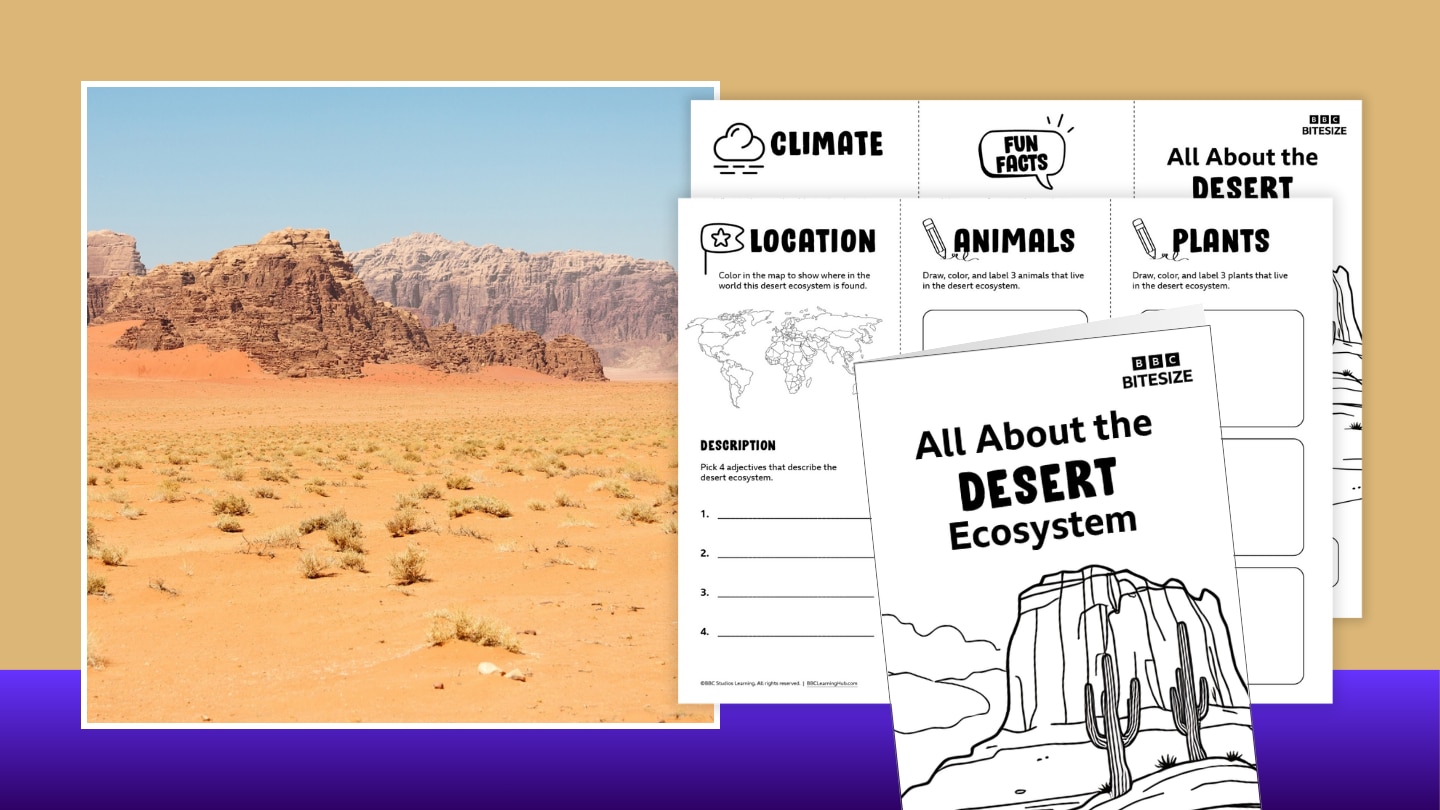
Guide your students on a journey through the desert ecosystem! From the sweeping sands of the Namib and Kalahari in southern Africa, to the dry heart of Australia’s Outback, and the rocky cold of the Gobi, deserts come in many forms.
✨ Perfect for grades 3–8, here’s what you need to bring ecosystems to life:
- Iconic BBC Videos: Share the clips on this page to introduce the location, plants, animals, and climate of the desert. (Don't miss the lions and lizards!) Brought to you by world-class BBC programs like Planet Earth, Wilderness With Simon Reeve, Africa, and Seven Worlds, One Planet.
- Free Printable: Use the Desert Brochure Template to help students pull it all together in an ecosystem report with facts they’ve learned (and a little extra research).
It’s everything you need to make ecosystems easy to teach and truly memorable for your students.

Get your students excited about wildlife with this collection of engaging articles! Covering elephants, polar bears, whales, and even the rarest creatures on Earth, these resources are perfect for sparking curiosity. Each article is available at three reading levels, making it easy for you to share with readers of all abilities in your classroom.
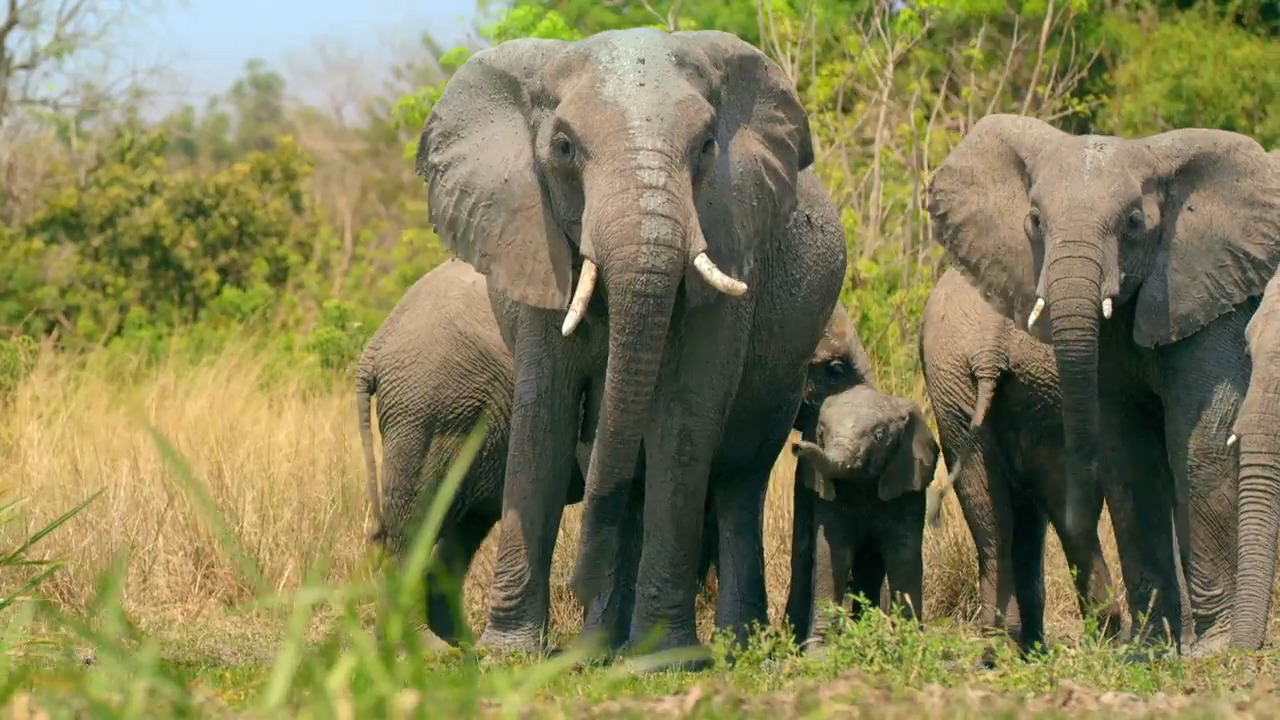
In African Elephant River Crossing, host Andy Day spies a family of African elephants. They’re about to cross a river. Will the elephants, including the baby of the herd, make it through the deep, predator-infested water? This video is excerpted from BBC’s Andy's Aquatic Adventures, in which Andy Day jets all over the world to meet amazing animals living in and nearby water.
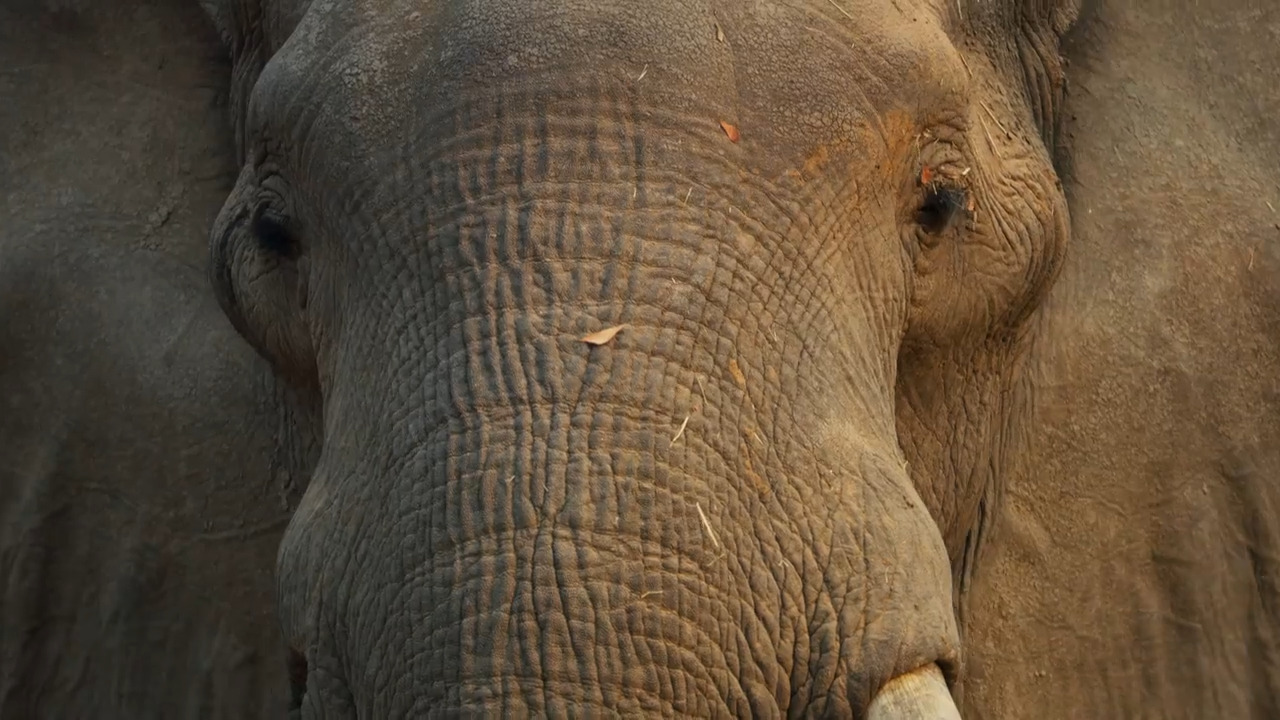
In Elephants Adapt to Climate Change, narrator Sir David Attenborough explains how elephants have adapted to drought in Africa. They have worked out a way of reaching acacia pods from the highest branches. This video is excerpted from BBC’s Seven Worlds, One Planet, a series featuring remarkable animal behavior from all seven continents.
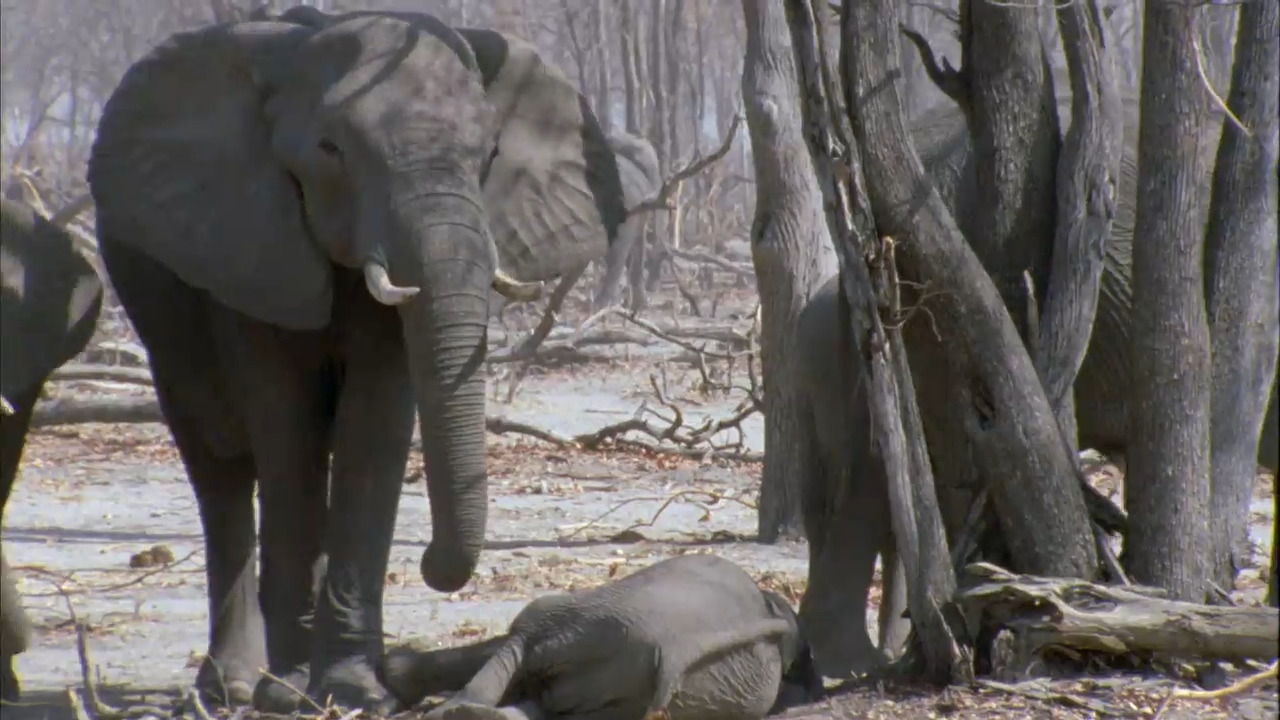
In An Elephant March to Water, narrator Sir David Attenborough follows a herd of tired elephants as they march hundreds of miles to water. If you’ve ever wondered how an elephant plays in deep water, this is your chance to watch the fun! This video is excerpted from BBC's Planet Earth, a breathtaking documentary series that highlights the natural wonders of our planet.
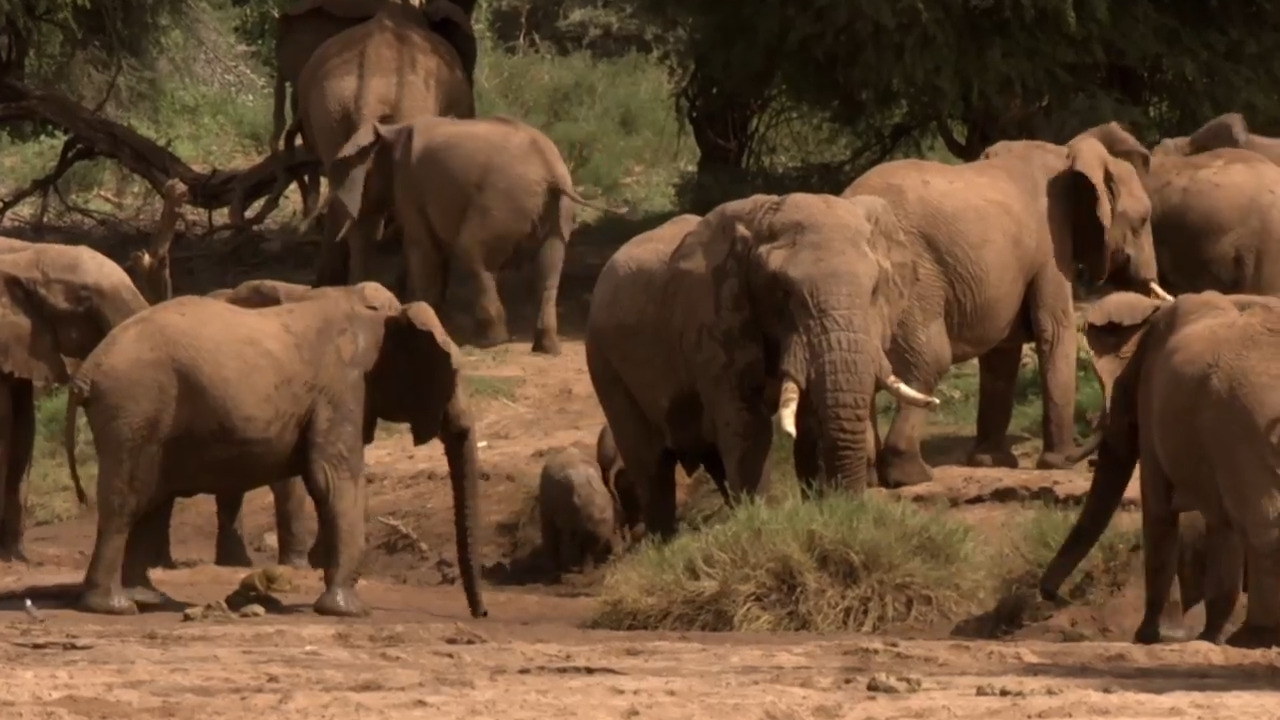
In Elephants Guided by the Matriarch, narrator Gordon Buchanan describes the challenges that African elephants face as they travel over the savannas. Baby elephants have to learn where to go and how to navigate potentially dangerous water crossings as they move from place to place. Since elephants travel great distances, the expertise of the elephant matriarch is critical to their survival. This video is excerpted from BBC's Animal Babies, a heartwarming show that follows the first breaths, first steps and first feeds of some adorable baby animals, revealing the challenges they face to survive in some of the toughest but most beautiful places on the planet.
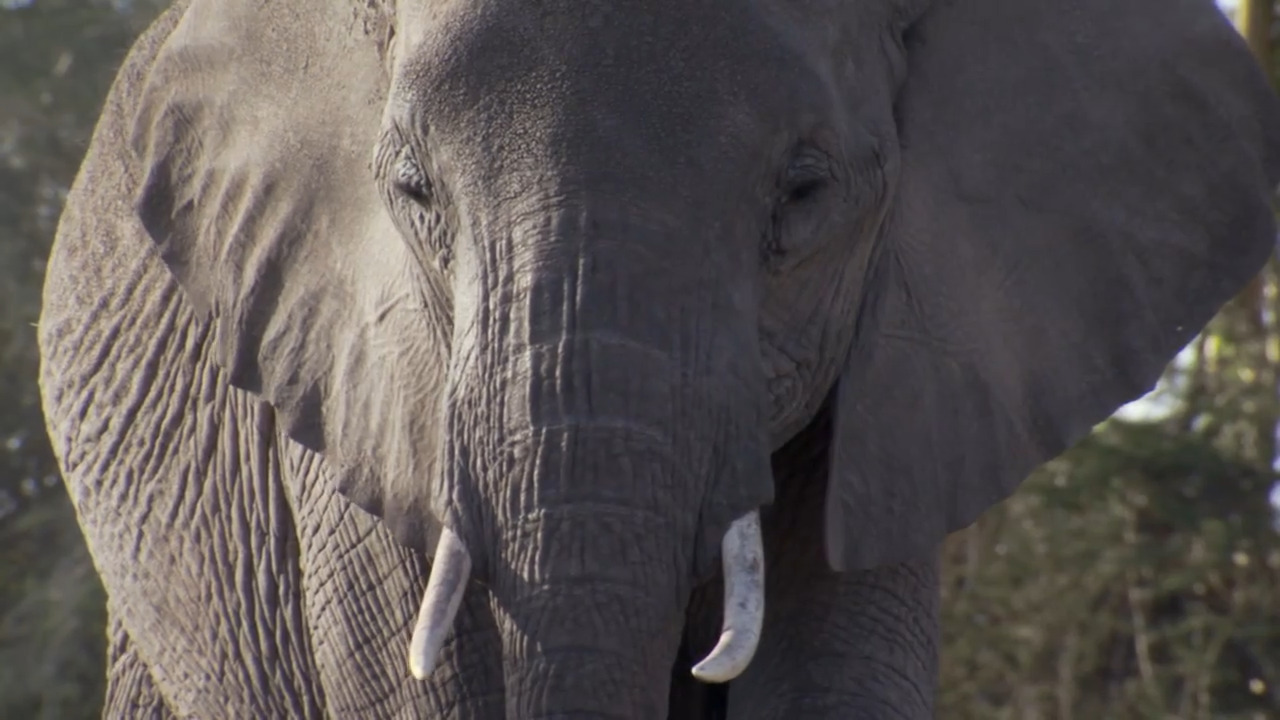
In How Elephants Keep Each Other Safe, narrator Sir David Attenborough follows a first-time mother elephant as she navigates parenting with the help of her herd. The elephants embark on a journey, trekking over five miles to find water, but the baby gets dehydrated. When they finally reach water, the baby finds itself stuck in the mud, a dangerous situation for young elephants. As the mother struggles to help, the grandmother elephant steps in, using her wisdom to save the day! This video is excerpted from BBC's Life, a show that explores the remarkable strategies animals and plants use to ensure their survival.
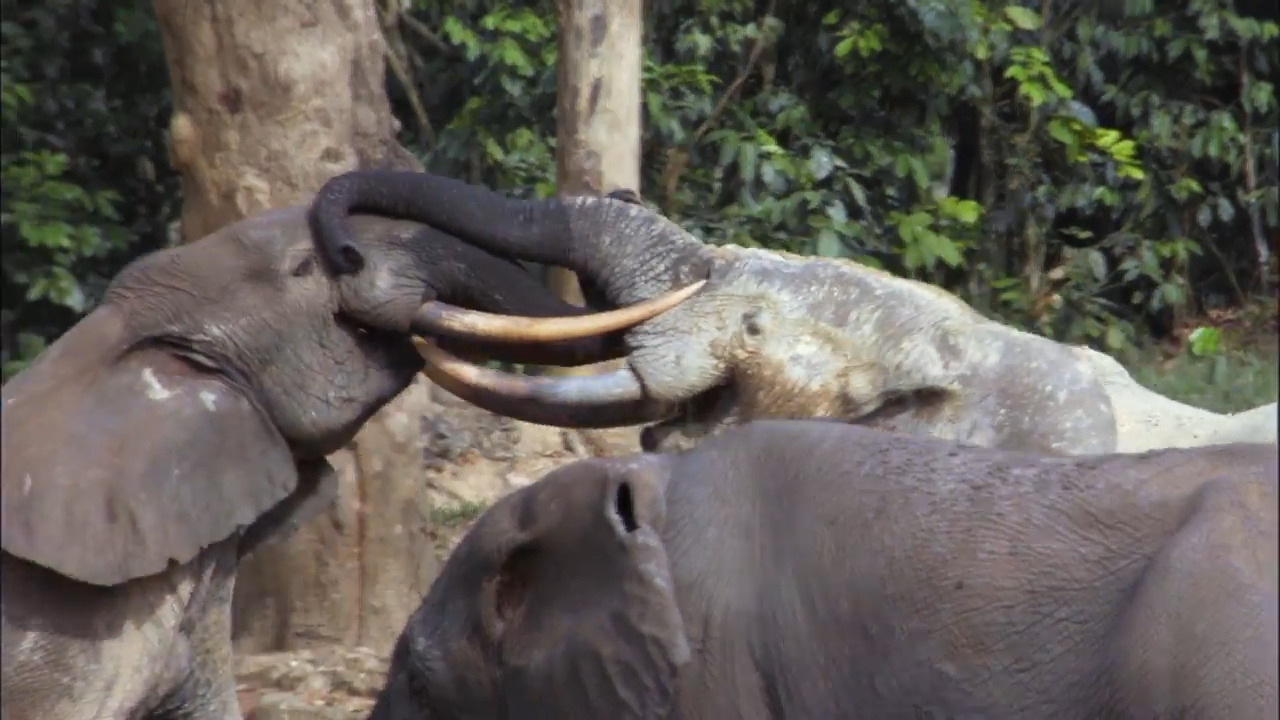
In Elephants in the Congo, narrator Sir David Attenborough follows the elephants in the Congo to a clearing. The elephants roam great distances in their search for food. Learn how they change their environment by creating highways through the Congo and through blowing bubbles in the mud to uncover minerals below the surface. This video is excerpted from BBC's Planet Earth, a breathtaking documentary series that highlights the natural wonders of our planet.
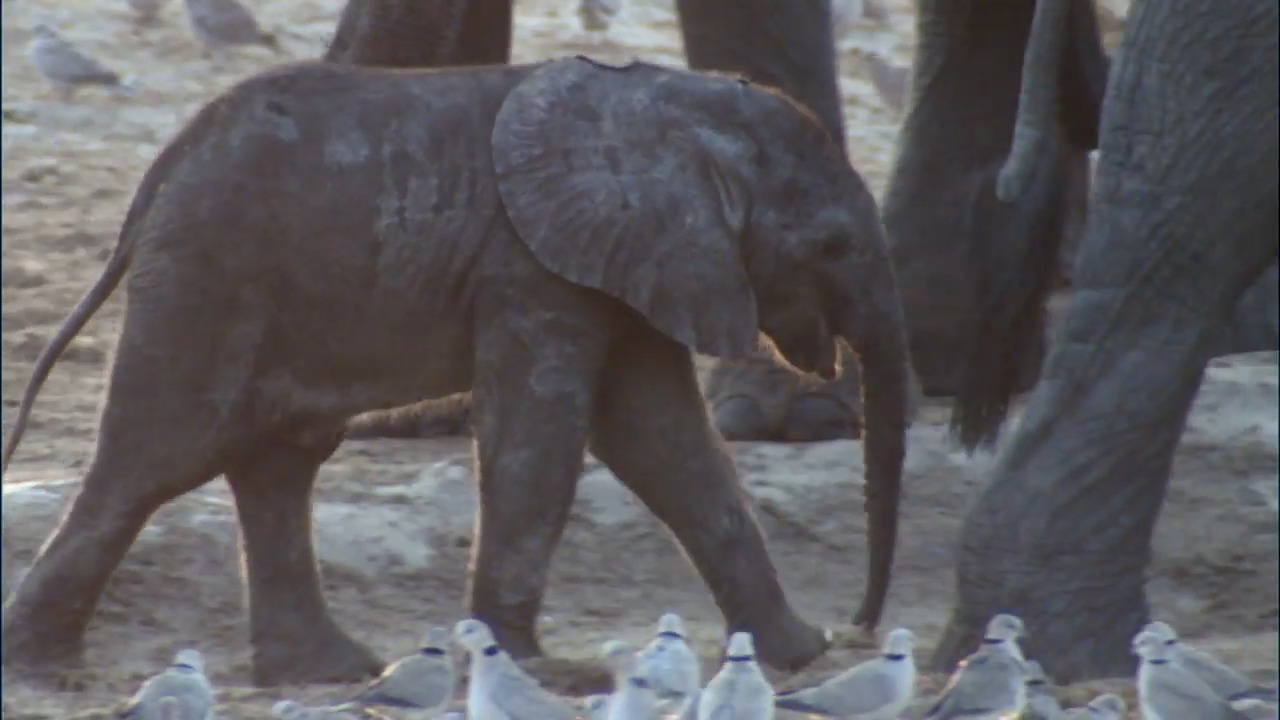
In The African Elephant Marches Towards Water, narrator Sir David Attenborough investigates how African elephants use their memories to find waterholes. The elephants gather in groups and travel during the night, when temperatures are cooler. This video is excerpted from BBC's Planet Earth, a breathtaking documentary series that highlights the natural wonders of our planet.
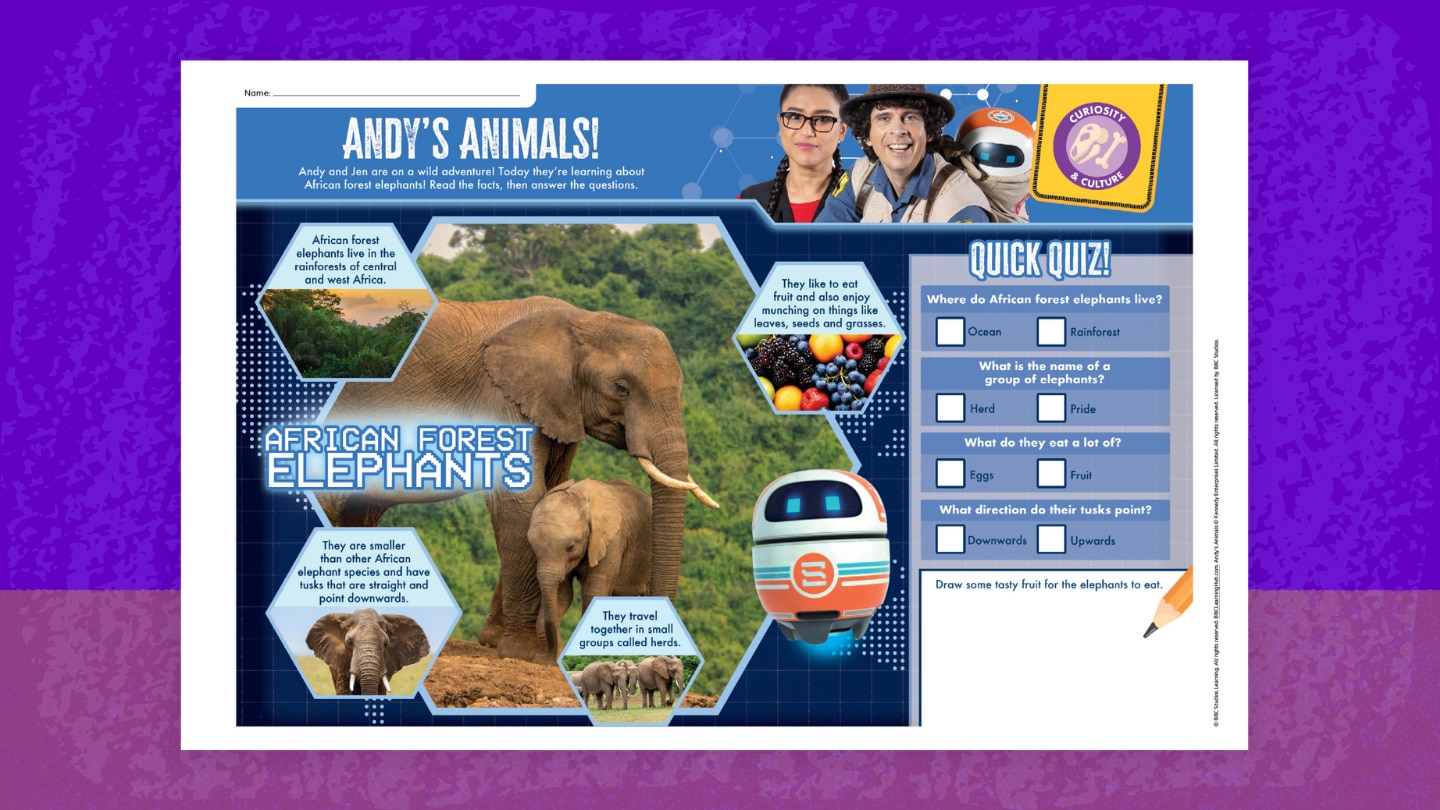
Journey into the rainforest with Andy! In this fun African forest elephants worksheet, you'll:
- Learn fascinating facts about African forest elephants, including where they live, what they love to eat, and all about their unique downward-pointing tusks.
- Test your memory with a quick quiz.
- Draw some tasty fruit for these gentle giants.

The article "Elephants Call Each Other by Name, Study Finds" from BBC's Discover Wildlife reveals that wild African elephants may use special sounds like names to call one another. Researchers found that elephants respond more when their name is called, suggesting they recognize and understand it. This discovery shows elephants may be capable of abstract thinking, like humans.
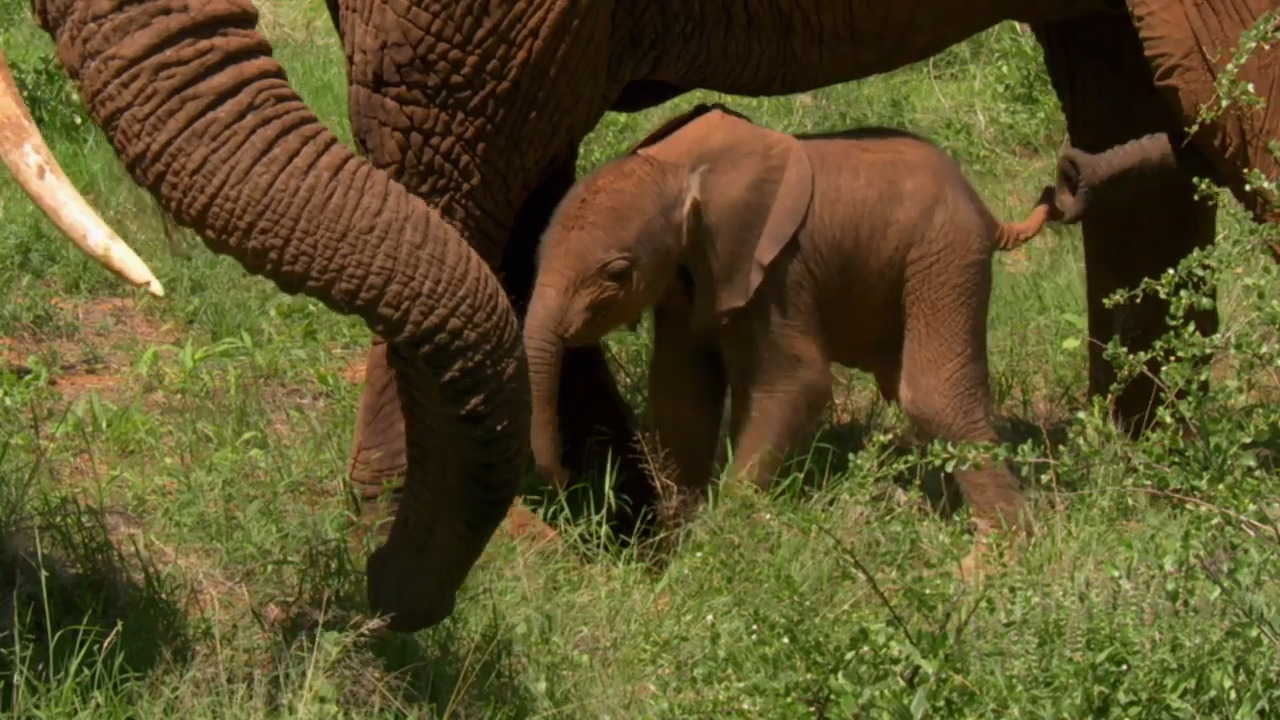
In Elephant Communication, narrator Gordon Buchanan describes how a mother elephant guides her baby back to their herd, using low-frequency communication to call to them. The baby finds protection within the herd and begins to bond with the matriarch. This video is excerpted from BBC's Animal Babies, a heartwarming show that follows the first breaths, first steps, and first feeds of some adorable baby animals, revealing the challenges they face to survive in some of the toughest but most beautiful places on the planet.
Guide your students on a journey through the desert ecosystem! From the sweeping sands of the Namib and Kalahari in southern Africa, to the dry heart of Australia’s Outback, and the rocky cold of the Gobi, deserts come in many forms.
✨ Perfect for grades 3–8, here’s what you need to bring ecosystems to life:
- Iconic BBC Videos: Share the clips on this page to introduce the location, plants, animals, and climate of the desert. (Don't miss the lions and lizards!) Brought to you by world-class BBC programs like Planet Earth, Wilderness With Simon Reeve, Africa, and Seven Worlds, One Planet.
- Free Printable: Use the Desert Brochure Template to help students pull it all together in an ecosystem report with facts they’ve learned (and a little extra research).
It’s everything you need to make ecosystems easy to teach and truly memorable for your students.
Get your students excited about wildlife with this collection of engaging articles! Covering elephants, polar bears, whales, and even the rarest creatures on Earth, these resources are perfect for sparking curiosity. Each article is available at three reading levels, making it easy for you to share with readers of all abilities in your classroom.
In African Elephant River Crossing, host Andy Day spies a family of African elephants. They’re about to cross a river. Will the elephants, including the baby of the herd, make it through the deep, predator-infested water? This video is excerpted from BBC’s Andy's Aquatic Adventures, in which Andy Day jets all over the world to meet amazing animals living in and nearby water.
In Elephants Adapt to Climate Change, narrator Sir David Attenborough explains how elephants have adapted to drought in Africa. They have worked out a way of reaching acacia pods from the highest branches. This video is excerpted from BBC’s Seven Worlds, One Planet, a series featuring remarkable animal behavior from all seven continents.
In An Elephant March to Water, narrator Sir David Attenborough follows a herd of tired elephants as they march hundreds of miles to water. If you’ve ever wondered how an elephant plays in deep water, this is your chance to watch the fun! This video is excerpted from BBC's Planet Earth, a breathtaking documentary series that highlights the natural wonders of our planet.
In Elephants Guided by the Matriarch, narrator Gordon Buchanan describes the challenges that African elephants face as they travel over the savannas. Baby elephants have to learn where to go and how to navigate potentially dangerous water crossings as they move from place to place. Since elephants travel great distances, the expertise of the elephant matriarch is critical to their survival. This video is excerpted from BBC's Animal Babies, a heartwarming show that follows the first breaths, first steps and first feeds of some adorable baby animals, revealing the challenges they face to survive in some of the toughest but most beautiful places on the planet.
In How Elephants Keep Each Other Safe, narrator Sir David Attenborough follows a first-time mother elephant as she navigates parenting with the help of her herd. The elephants embark on a journey, trekking over five miles to find water, but the baby gets dehydrated. When they finally reach water, the baby finds itself stuck in the mud, a dangerous situation for young elephants. As the mother struggles to help, the grandmother elephant steps in, using her wisdom to save the day! This video is excerpted from BBC's Life, a show that explores the remarkable strategies animals and plants use to ensure their survival.
In Elephants in the Congo, narrator Sir David Attenborough follows the elephants in the Congo to a clearing. The elephants roam great distances in their search for food. Learn how they change their environment by creating highways through the Congo and through blowing bubbles in the mud to uncover minerals below the surface. This video is excerpted from BBC's Planet Earth, a breathtaking documentary series that highlights the natural wonders of our planet.
In The African Elephant Marches Towards Water, narrator Sir David Attenborough investigates how African elephants use their memories to find waterholes. The elephants gather in groups and travel during the night, when temperatures are cooler. This video is excerpted from BBC's Planet Earth, a breathtaking documentary series that highlights the natural wonders of our planet.
Journey into the rainforest with Andy! In this fun African forest elephants worksheet, you'll:
- Learn fascinating facts about African forest elephants, including where they live, what they love to eat, and all about their unique downward-pointing tusks.
- Test your memory with a quick quiz.
- Draw some tasty fruit for these gentle giants.
The article "Elephants Call Each Other by Name, Study Finds" from BBC's Discover Wildlife reveals that wild African elephants may use special sounds like names to call one another. Researchers found that elephants respond more when their name is called, suggesting they recognize and understand it. This discovery shows elephants may be capable of abstract thinking, like humans.
In Elephant Communication, narrator Gordon Buchanan describes how a mother elephant guides her baby back to their herd, using low-frequency communication to call to them. The baby finds protection within the herd and begins to bond with the matriarch. This video is excerpted from BBC's Animal Babies, a heartwarming show that follows the first breaths, first steps, and first feeds of some adorable baby animals, revealing the challenges they face to survive in some of the toughest but most beautiful places on the planet.