Kahoot! Desert Survivors
Explore the fascinating world of deserts and discover how plants, animals, and people adapt to survive in some of the hottest and driest places on Earth. From towering cacti and clever nocturnal animals to sudden sandstorms and scarce water sources, students will learn how life continues to thrive in these extreme environments.
This Kahoot investigates the unique features of desert ecosystems, including climate, habitats, food chains, and the special adaptations that help living things conserve water and stay cool. Students will also explore how deserts change over time and why these harsh landscapes are an important part of our planet’s natural systems.
Watch the related BBC videos (below), then invite your Grade 3–8 students to test their knowledge and uncover the surprising diversity and resilience of life in the desert.

Explore free, ready-to-play Kahoots from BBC Learning featuring science, history, nature, geography, and more. Learn more.
Explore free, ready-to-play Kahoots from BBC Learning featuring science, history, nature, geography, and more. Learn more.
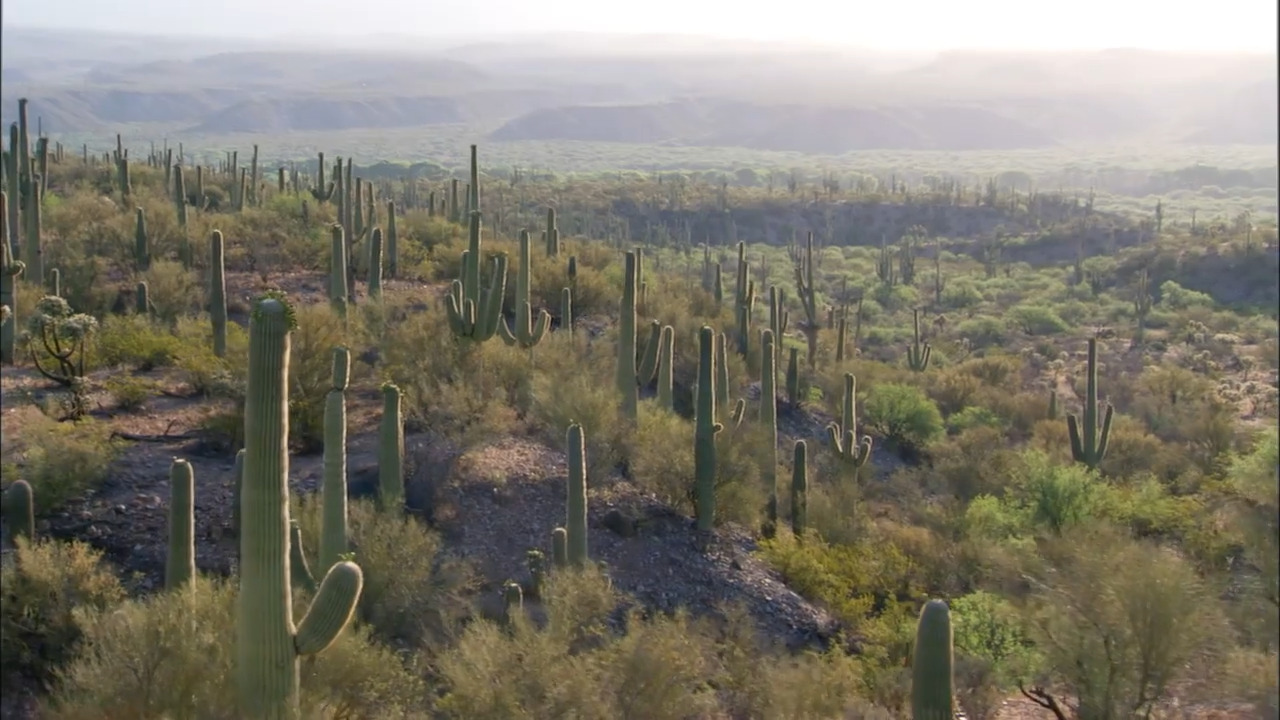
In A Crucial Resource in the Desert, narrator Sir David Attenborough explores the Saguaro cacti. Saguaros are cacti with very shallow roots. Learn how they expand after a rainstorm and flower during four weeks of the summer, supporting the wildlife around them. This video is excerpted from BBC's Planet Earth, a breathtaking documentary series that highlights the natural wonders of our planet.
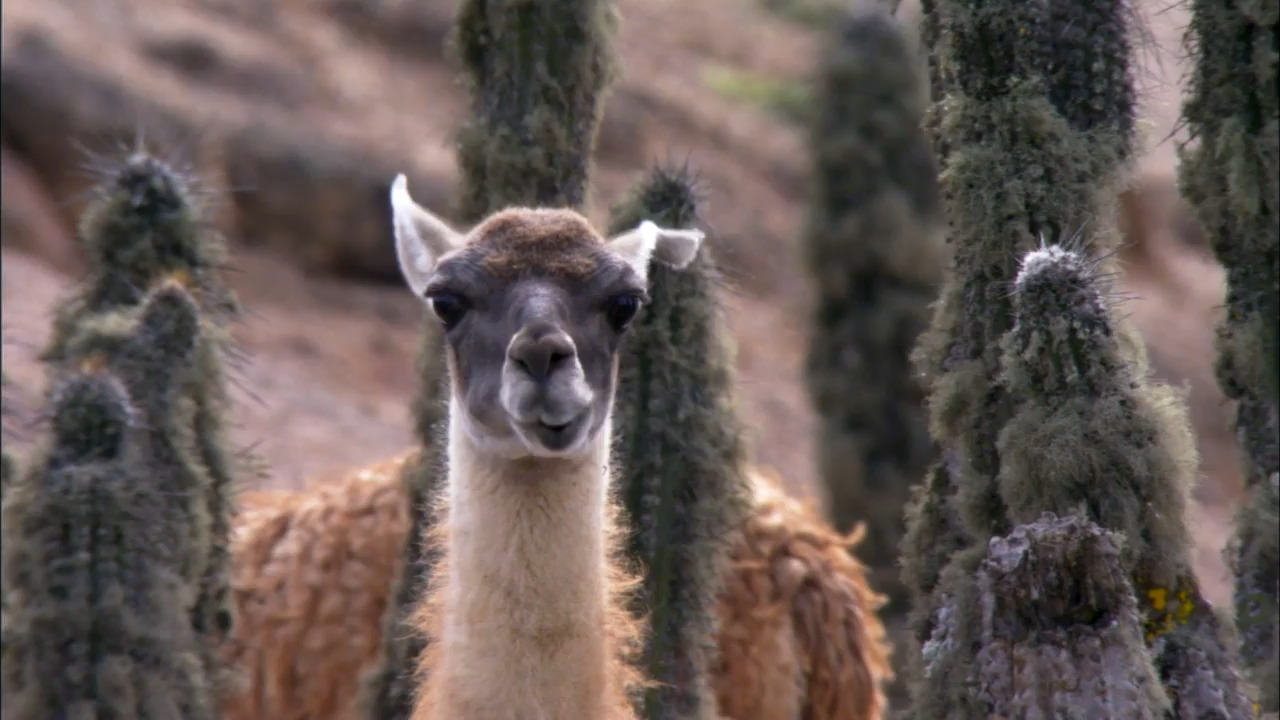
In The Atacama Desert: A Secret Water Supply, narrator Sir David Attenborough explores The Atacama, the driest desert in the world. Learn about the guanaco that live there and the desert mist, created when cold water from the ocean cools the moist, warm air above it. This video is excerpted from BBC's Planet Earth, a breathtaking documentary series that highlights the natural wonders of our planet.
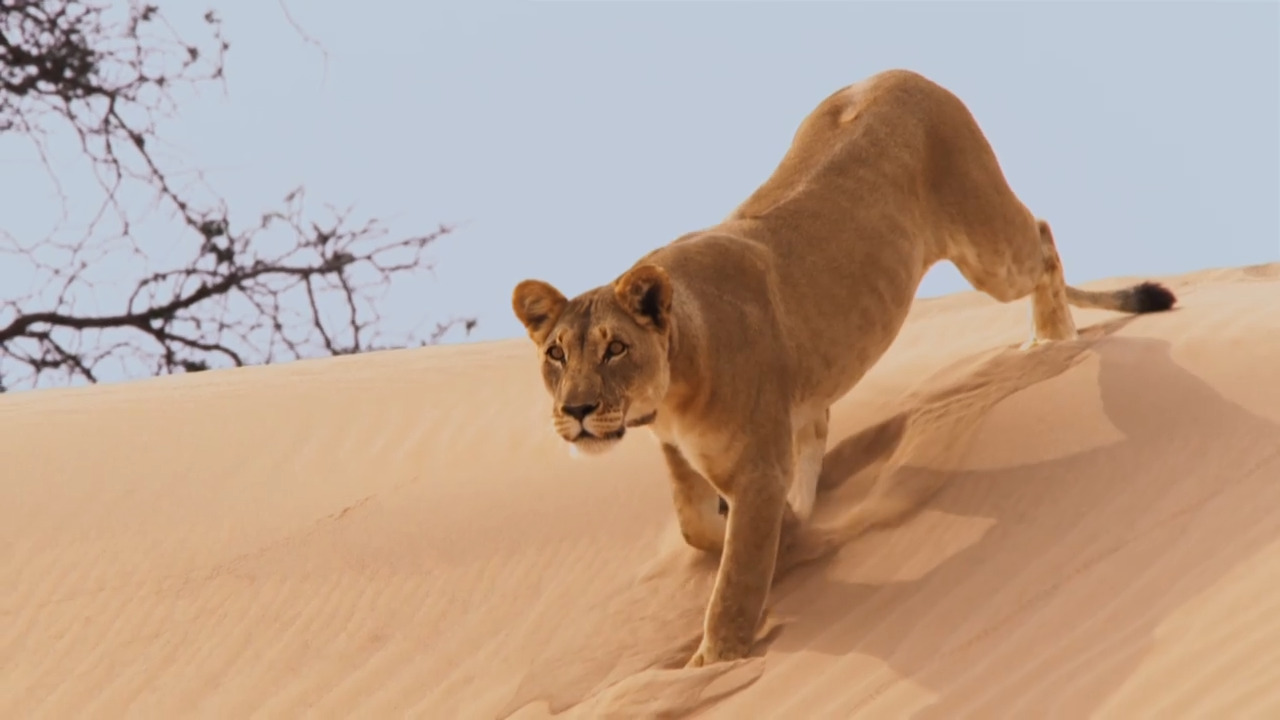
In Lions of the Namib, narrator Sir David Attenborough narrates the struggles of lion prides surviving in one of the harshest environments on Earth — the Namib Desert. With little water and scarce prey, these lions must use strategy and patience to hunt, but even their best efforts often end in failure. This video is excerpted from BBC’s Planet Earth II, a breathtaking documentary series that highlights the natural wonders of our planet.
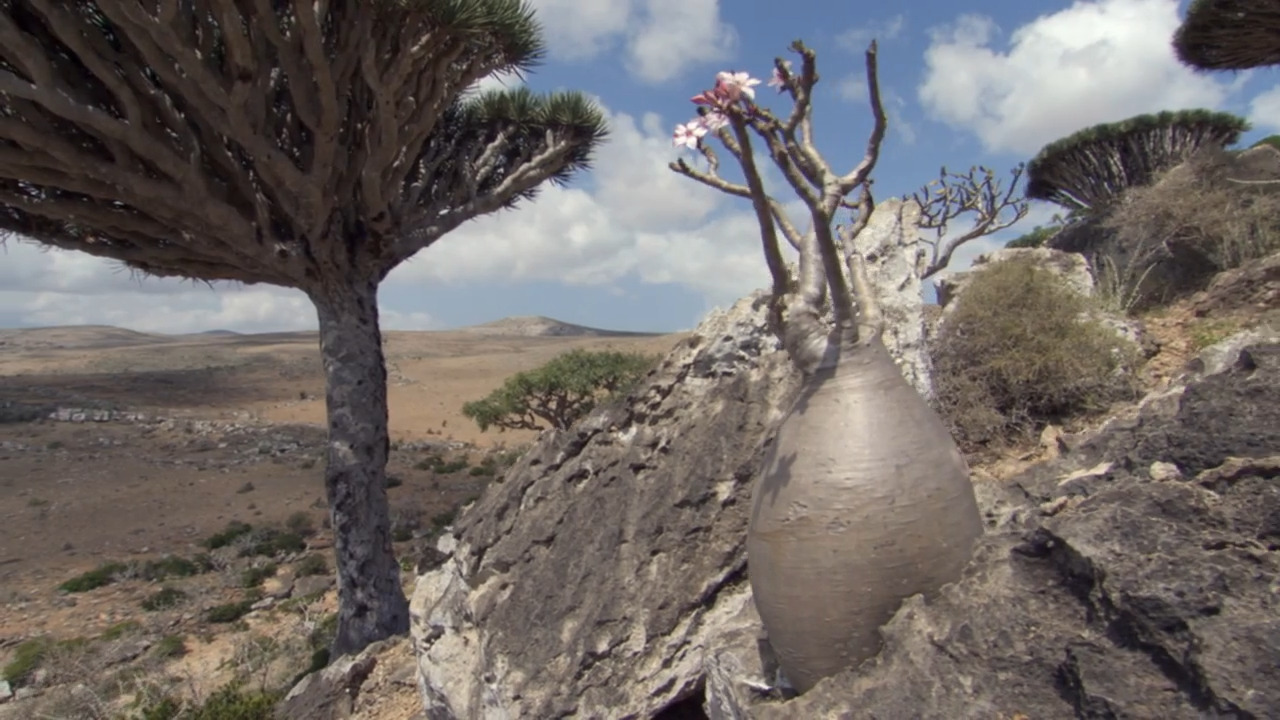
In How Plants Thrive in Extreme Conditions, narrator Sir David Attenborough describes plants that thrive in some of the harshest places on Earth. The dragon’s blood tree in Socotra uses its unique shape to catch the morning mist and water its roots, while the desert rose stores water in its thick trunk and grows right out of bare rock. Meanwhile, the red mangrove tree survives salty water by filtering out most of the salt through pores, showing how nature helps plants adapt to tough environments! This video is excerpted from BBC’s Life, a show that explores the remarkable strategies animals and plants use to ensure their survival.
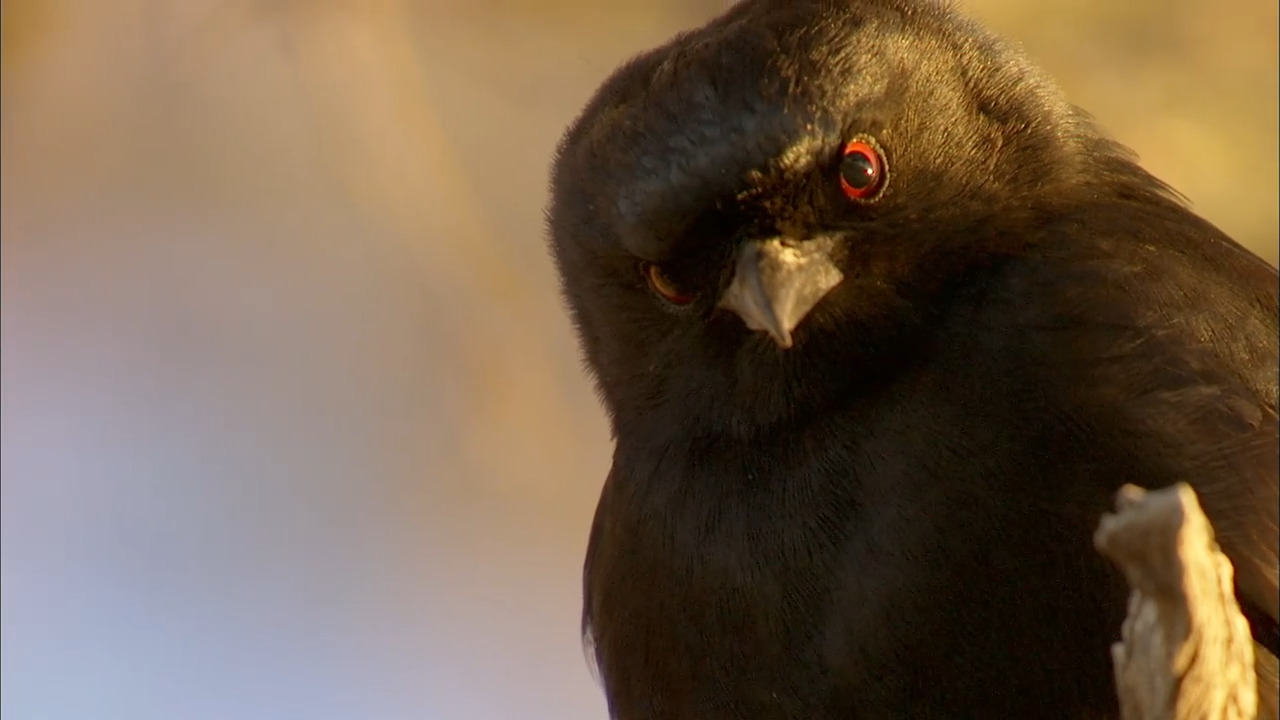
In Meet the Drongo, the Desert’s Biggest Trickster!, narrator Sir David Attenborough describes the mysterious Kalahari Desert, a dry and ancient land full of strange wonders. Discover the bond between meerkats and clever drongo birds, one of nature’s biggest tricksters. During winter, the drongo mimics warning calls to steal food from the meerkats, but they’re smart enough to catch on to its tricks. Despite his sneaky ways, the drongo is a loyal ally most of the year. This video is excerpted from BBC's Africa, a study of the landscape and wildlife of the world’s wildest continent, Africa.
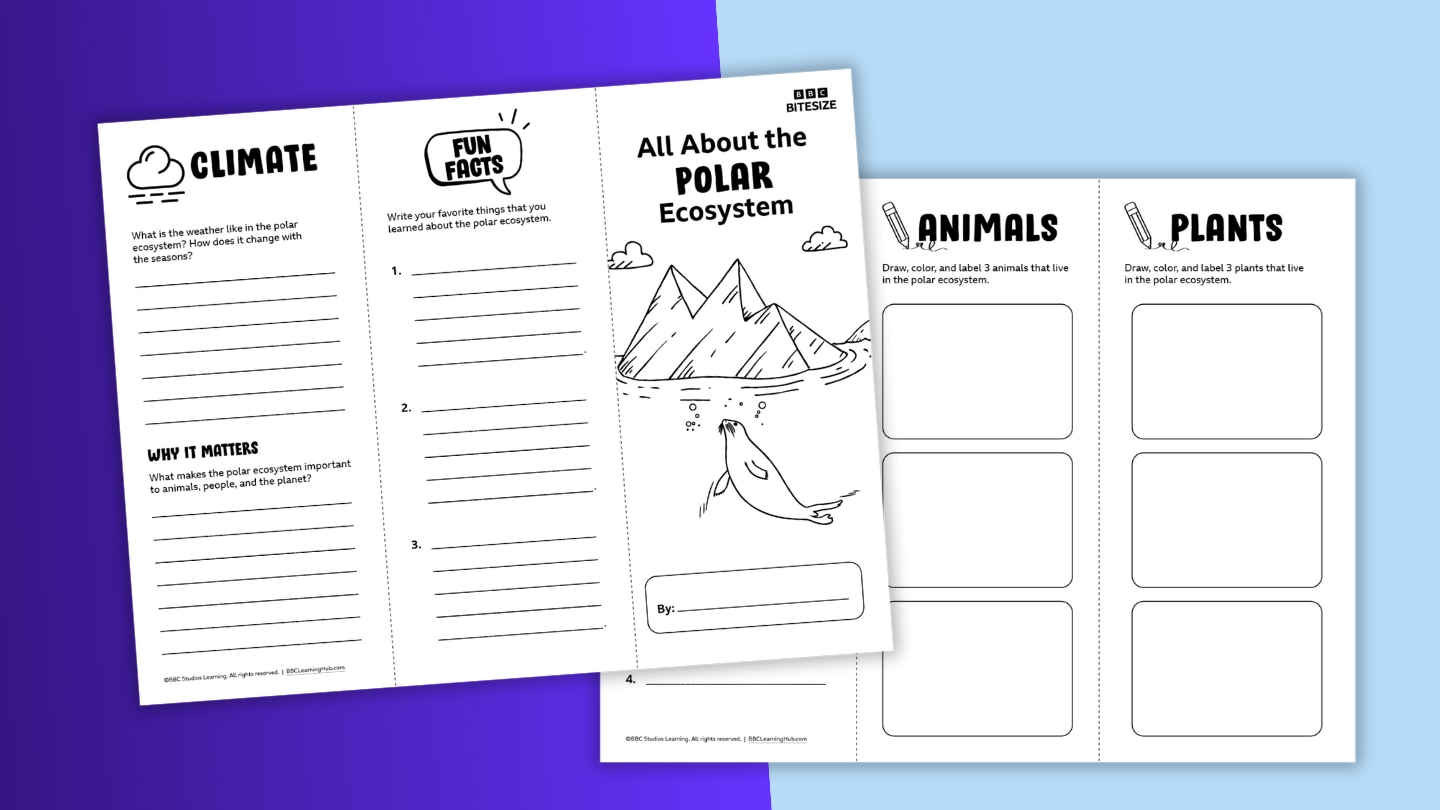
The polar regions are the harshest places on Earth, and somehow life thrives there anyway — polar bears in the Arctic, penguins across Antarctica's ice. It's a good ecosystem for showing students that "extreme" doesn't mean "empty."
After watching polar videos, have students dig deeper with their own research and build a brochure covering:
- Location of the ecosystem on a world map
- Adjectives that describe the ecosystem
- Three animals that live there
- Three plants that grow there
- The climate
- Why the ecosystem matters
- Their favorite fun facts
Students summarize in their own words, which means they're practicing a real skill: pulling information from multiple sources and deciding what's worth keeping.