Understanding the Civil Rights Movement
Leveled articles + BBC video clips + printables + Civil Rights Movement quiz
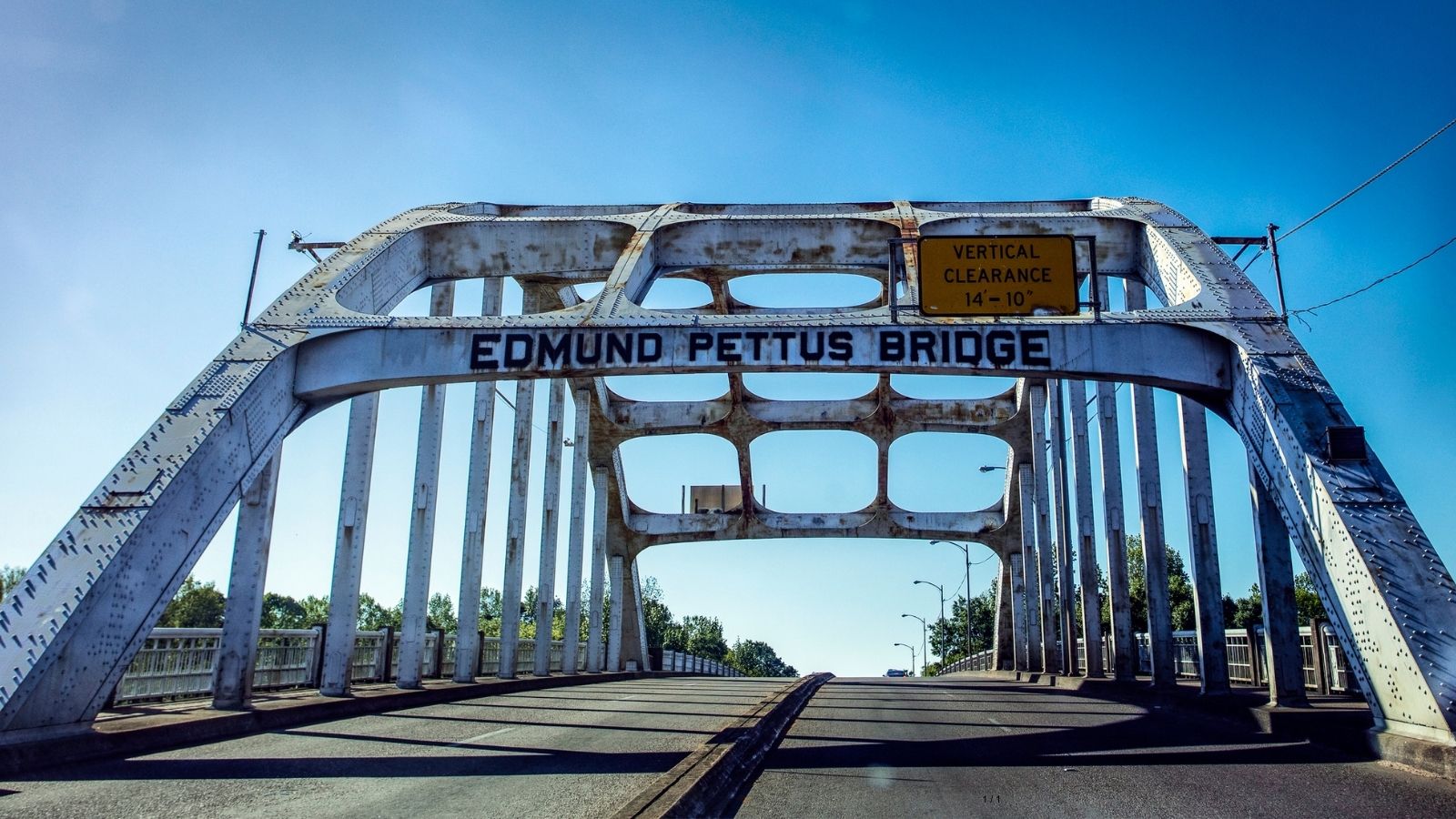
The U.S. Civil Rights Movement was a pivotal period in American history, marked by decades of struggle to end racial segregation, secure equal rights under the law, and demand that the nation live up to its democratic ideals. In honor of Black History Month, this rich collection of learning resources for secondary students explores this era from multiple angles and brings important history to life.
Leveled Student Articles

The article "5 Key Events That Changed the U.S. Civil Rights Movement" from BBC's HistoryExtra explores five defining moments that shaped the fight for racial equality in America.

The article "Jim Crow Laws: America’s Era of Racial Segregation" from BBC's HistoryExtra is a guide to how racial segregation shaped American life from the 1870s to the 1960s. It explores the origins of the term "Jim Crow," the laws and court cases that enforced segregation, and the brave individuals and movements that challenged them — leading to major civil rights victories.

The article "Charlotta Bass: The Civil Rights Fighter Who Ran for U.S. Vice President" from BBC's HistoryExtra is a compelling story about Charlotta Bass, the first Black woman to run for vice president in the U.S. It traces her journey from journalist to political pioneer, highlighting her activism, bravery against the Ku Klux Klan, and surveillance by the FBI during the height of the Civil Rights Movement.

Help students become more thoughtful, engaged readers with this collection of Nonfiction Article Response Worksheets. Designed to accompany our student articles, these printable activities build reading comprehension, critical thinking, vocabulary, and written communication skills.
The 10 worksheets offer a variety of ways for students to engage with nonfiction texts. Activities include identifying the Five Ws and H, finding the main idea and supporting details, ranking important facts, making connections, exploring new vocabulary, and taking notes. Students can also illustrate key information and analyze an author's purpose and intended audience.
Use these flexible worksheets with articles across a range of subjects and reading levels. Assign the same activity to the whole class, mix and match worksheets, or let students choose how they respond. They're a great way to reinforce literacy skills while connecting classroom learning to real-world topics.
Video Clips
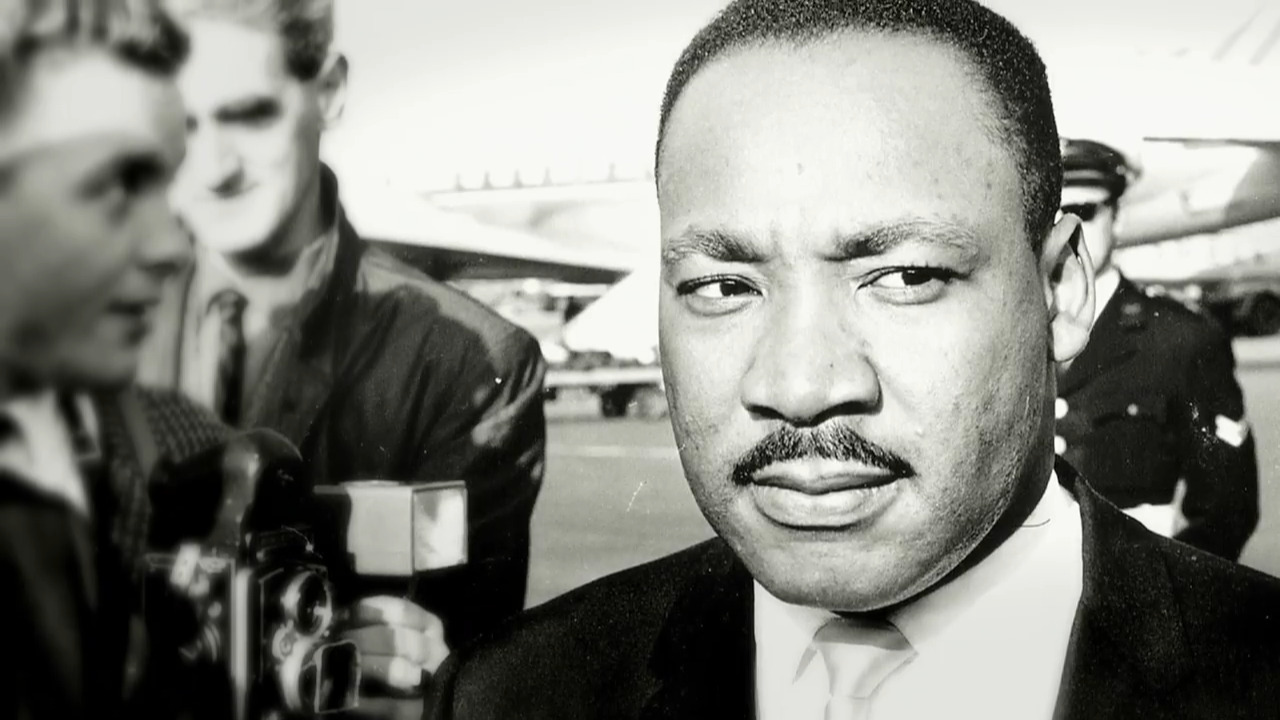
In Martin Luther King Jr. and Lincoln's Promissory Note, historian Lucy Worsley talks to Professor Marcia Chatelain about the march at the Lincoln Memorial in 1963. Martin Luther King Jr. said that America had not fulfilled Lincoln's promise to African Americans: the promissory note. This video is excerpted from BBC's American History's Biggest Fibs With Lucy Worsley, in which Worsley reveals the myths and manipulations behind American history.
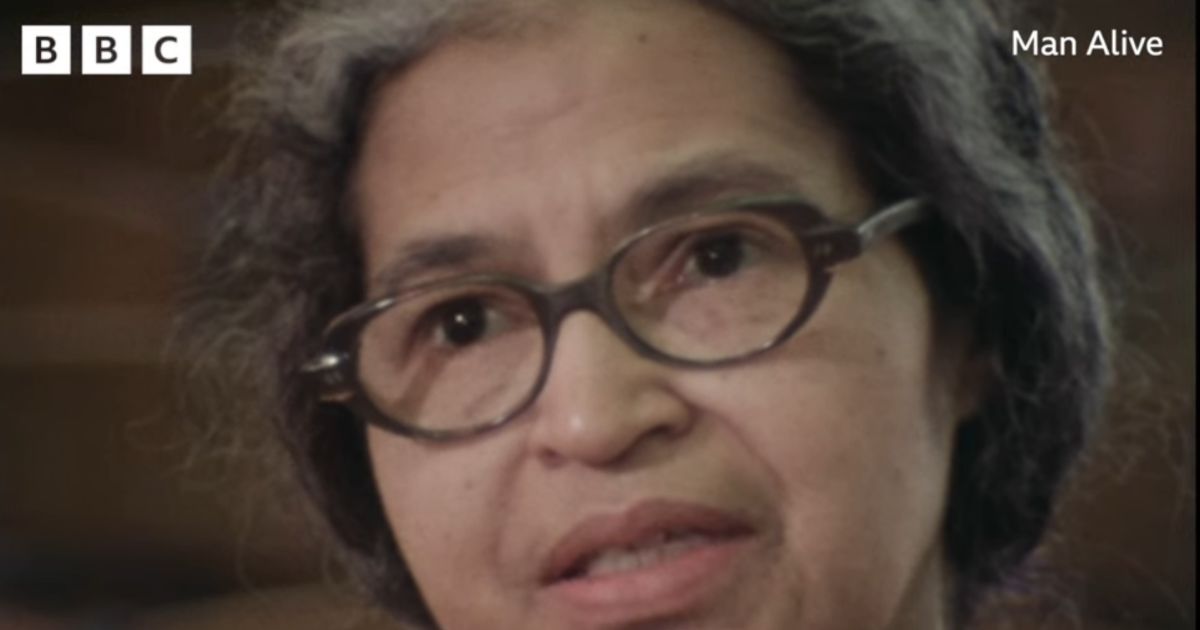
In Martin Luther King Jr. and Lincoln's Promissory Note, historian Lucy Worsley talks to Professor Marcia Chatelain about the march at the Lincoln Memorial in 1963. Martin Luther King Jr. said that America had not fulfilled Lincoln's promise to African Americans: the promissory note. This video is excerpted from BBC's American History's Biggest Fibs With Lucy Worsley, in which Worsley reveals the myths and manipulations behind American history.