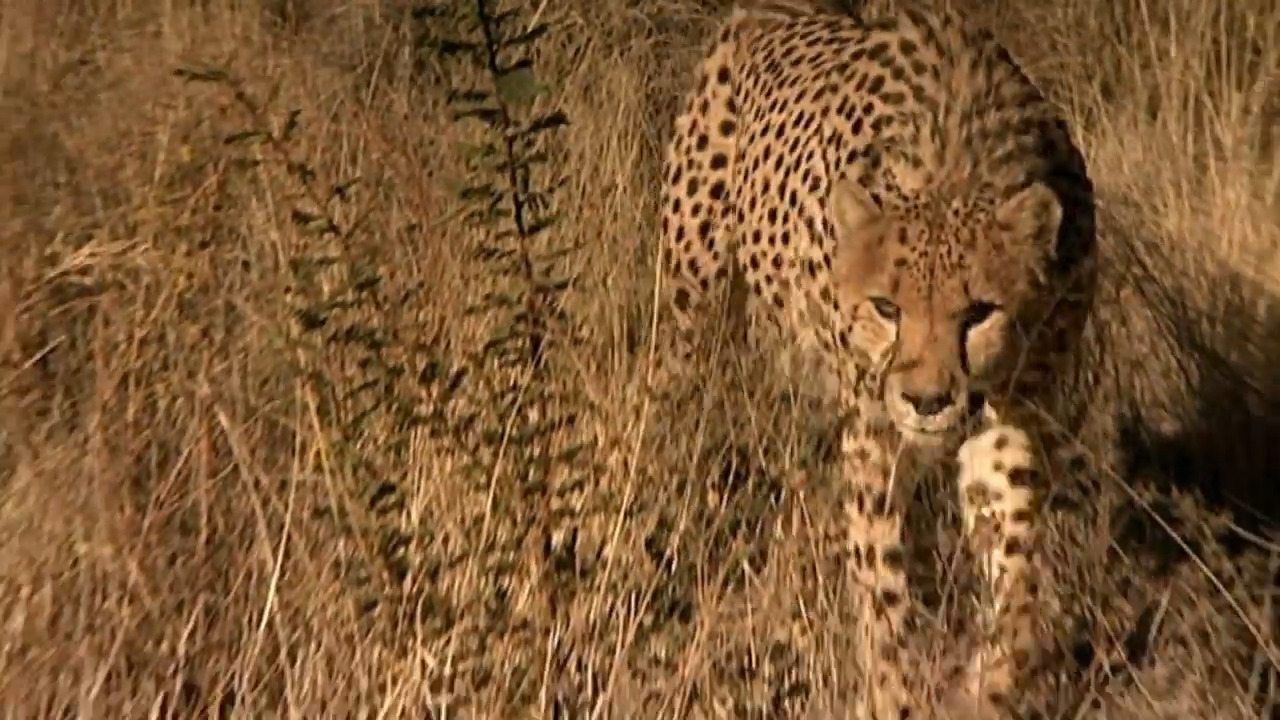
In Endangered Big Cat Conservation Around the World, host Simon Reeve visits two conservationists in Russia and Namibia who are tirelessly working to protect Amur tigers and cheetahs. This video is excerpted from BBC's Incredible Journeys With Simon Reeve, a series that highlights one journalist’s travels across the globe and the diverse cultures and peoples he meets along the way.
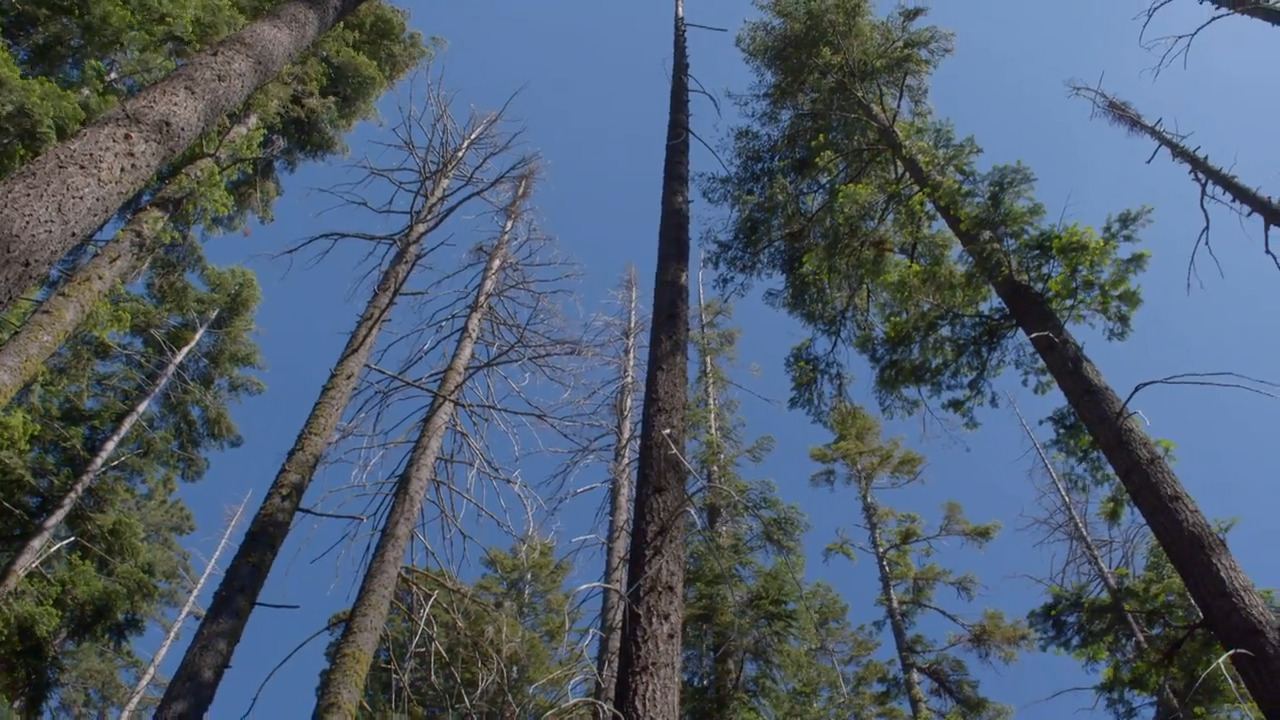
In All About the California Conservation Corps, host Simon Reeve heads deep into the forests of California to discover the work of the California Conservation Corps. In the Sierra Nevada Mountains, he discovers the urgent need to cut down millions of dead trees — killed by drought, climate change and bark beetles — before they fuel wildfires. Alongside his guide, he hears how this work has not only helped to save forests but also changed lives. This video is excerpted from BBC’s The Americas With Simon Reeve, in which Simon Reeve explores the landscapes, cultures, and wildlife of North and South America.

In Can Oil and Conservation Coexist?, host Simon Reeve explores the Arctic National Wildlife Refuge (ANWR) in Alaska, where he visits the small coastal Iñupiat community of Kaktovik — the only settlement in this 19-million-acre wilderness. He investigates the heated debate over protecting the refuge vs. oil drilling, as the people explain how oil companies have brought life-changing benefits like running water, modern homes, and longer life expectancy. This video is excerpted from BBC’s The Americas With Simon Reeve, in which Simon Reeve explores the landscapes, cultures, and wildlife of North and South America.
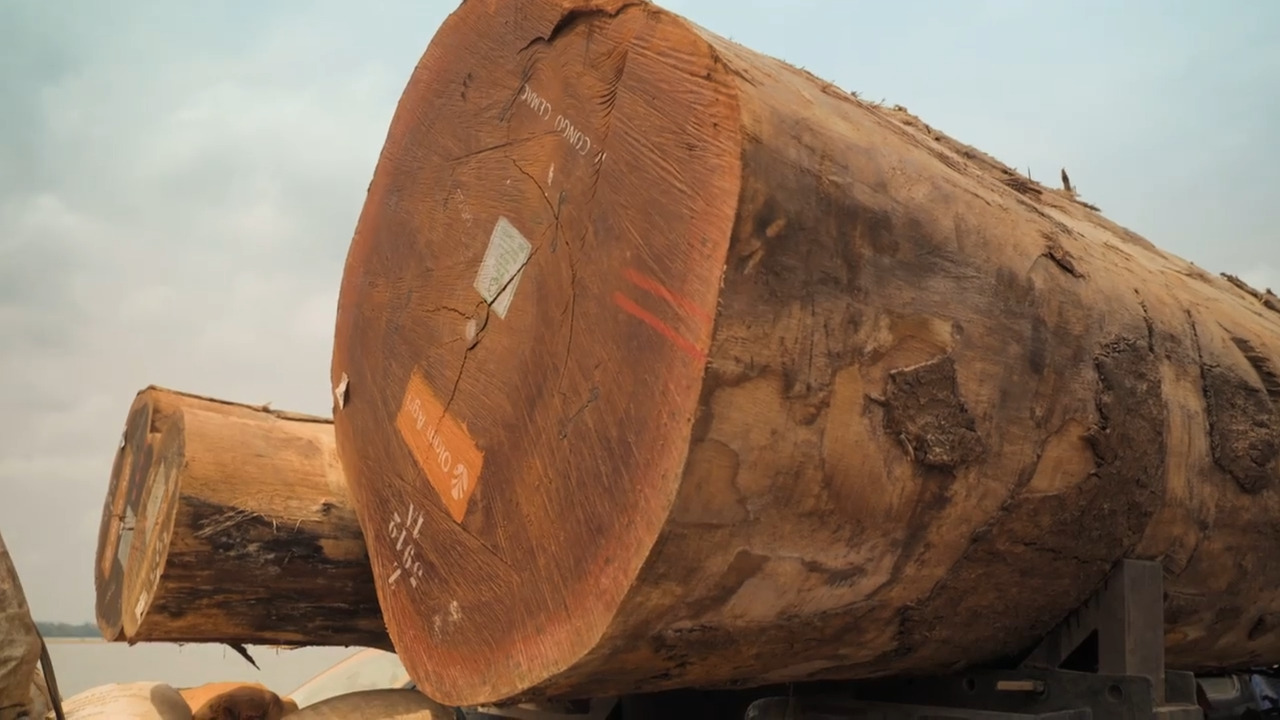
In Is Logging in the Congo Worth It?, host Simon Reeve and his guide Addams are driving through the Congo after their trek and come across dirt roads made by loggers. Addams explains that while some logging is legal, there’s also a lot of illegal logging of African redwood happening, which harms the rainforest and its people. As a conservationist, Addams investigates these loggers to make sure they follow the law, but he also questions if logging, even when legal, is morally right. This video is excerpted from BBC’s Wilderness With Simon Reeve, an epic adventure into the heart of Earth’s last great wild areas, where nature is at its most beautiful and fragile.
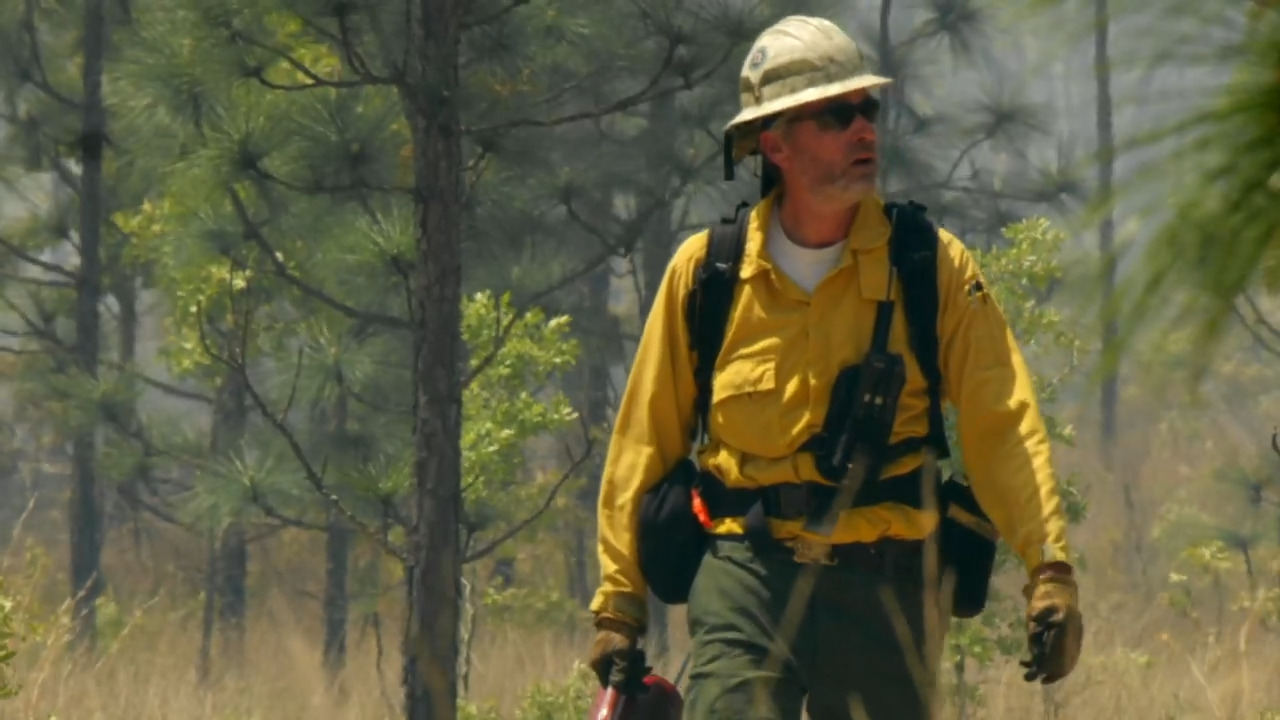
In How Controlled Burns Can Prevent Fire, conservationists use prescribed fires to prevent the spread of wildfires and to maintain a healthy forest. This video is excerpted from BBC's Natural World: Florida - America's Animal Paradise, a series displaying Florida’s diverse wildlife and its resilience against increasing environmental threats.
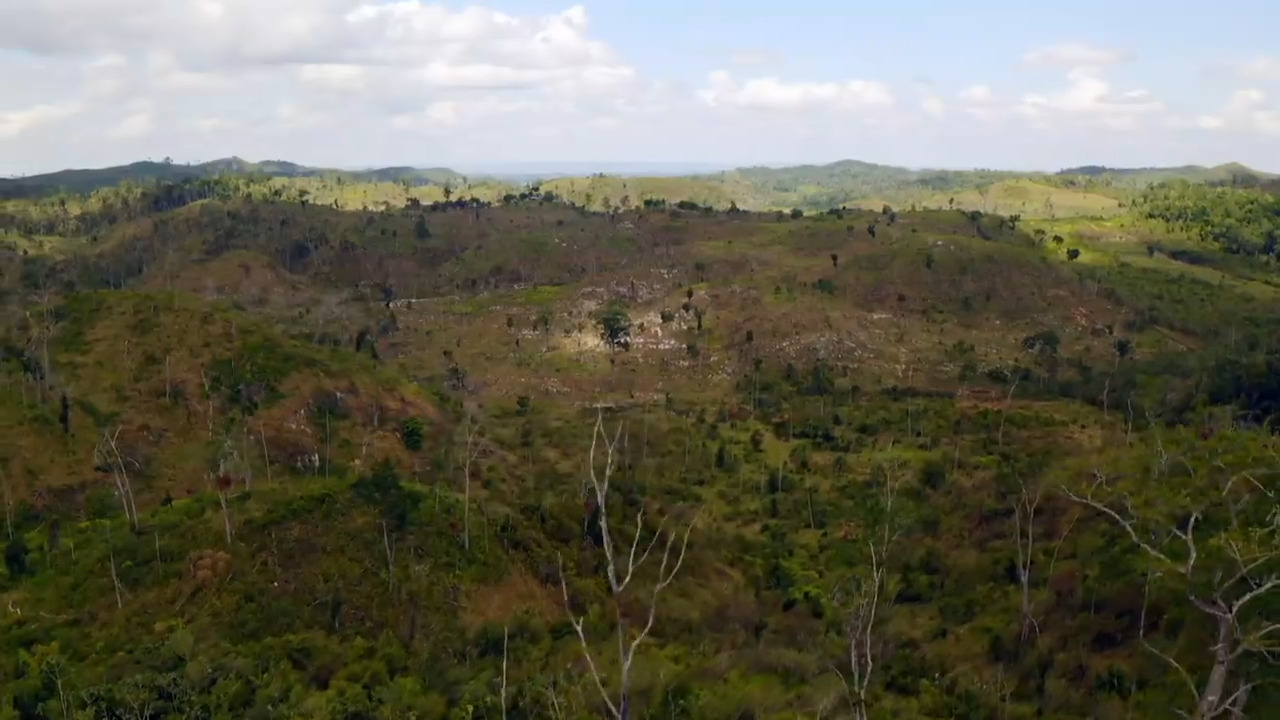
In The Consequences of Deforestation: A Global Problem, host Simon Reeve accompanies conservationists in Belize who have had to resort to drastic measures to protect the forest and its wildlife. This video is excerpted from BBC's Incredible Journeys With Simon Reeve, a series that highlights one journalist’s travels across the globe and the diverse cultures and peoples he meets along the way.
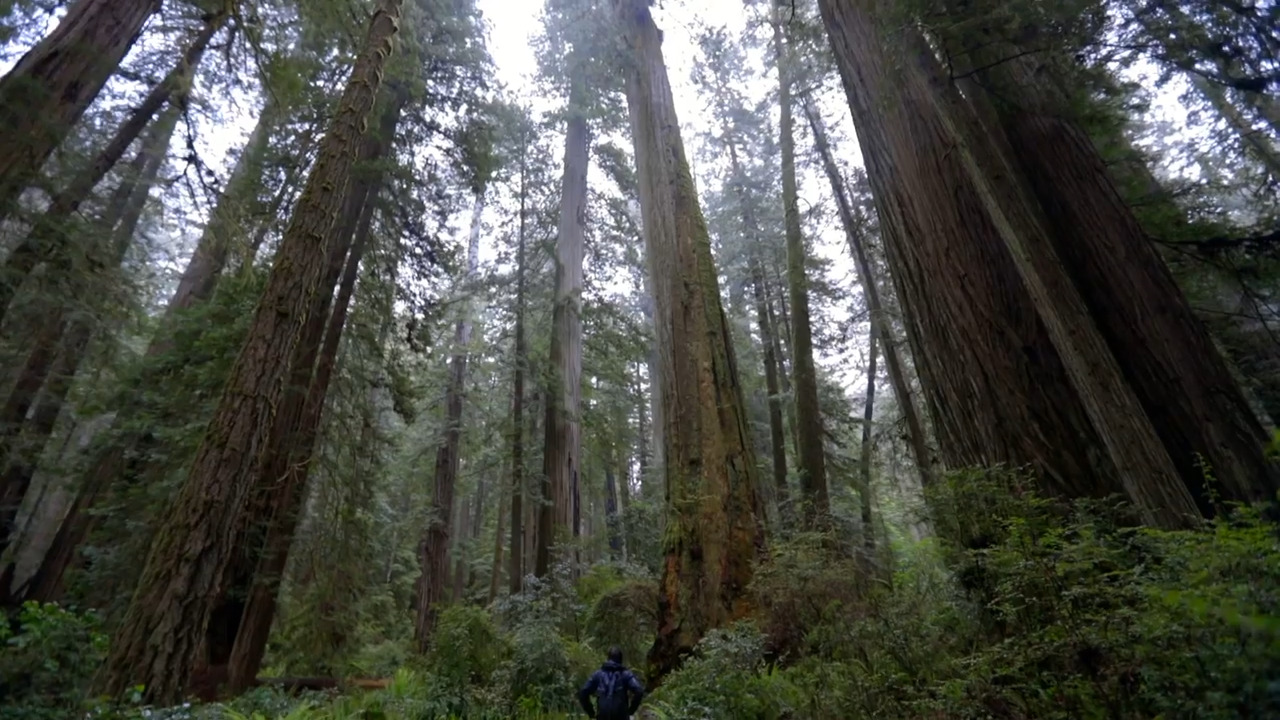
In Protecting the Redwoods, Earth's Tallest Trees, host Simon Reeve journeys to the towering redwoods, some of the oldest and tallest trees on the planet. These giants are in danger, with 95% of the original redwoods already cut down and poachers still threatening their survival. But conservationists are stepping up, using methods like biomimicry to bring these mighty trees back to life, all while Simon climbs 250 feet to see it firsthand! This video is excerpted from BBC’s The Americas With Simon Reeve, in which Simon Reeve explores the landscapes, cultures, and wildlife of North and South America.

The article "A Cougar-Like Predator Is Attacking Lemurs in Madagascar — Both Are in Jeopardy and Scientists Don't Know What to Do" from BBC's Discover Wildlife explains how researchers in Madagascar discovered that the fossa, a vulnerable predator, is targeting diademed sifaka lemurs, which are critically endangered. Both species urgently need protection, making the situation a complex issue for conservationists.
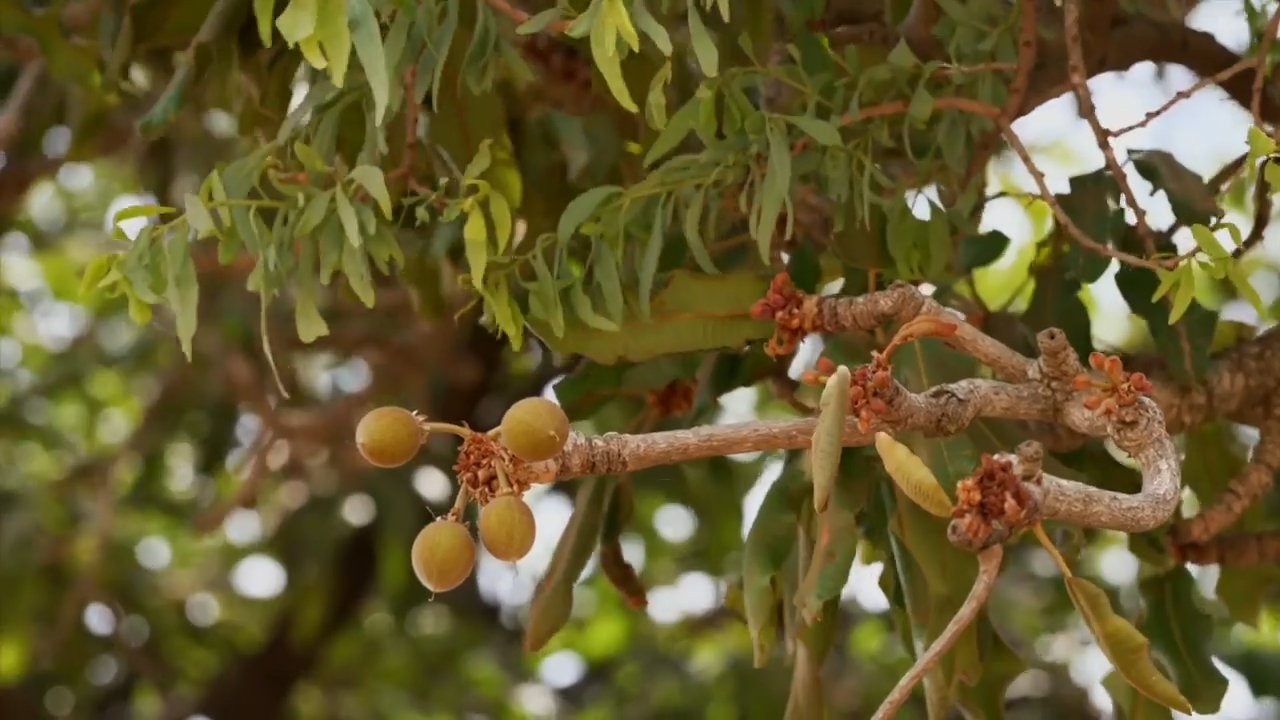
A strip of land stretching from West to East Africa was once so rich with shea nut trees that it earned the name “shea belt.” It seems like a different world from now, when conservationists say the tree is at risk of extinction because of drought, deforestation, and demand for charcoal that puts the trees (and the people who depend on them) under pressure.
Because shea trees produce nuts that can be made into shea butter used in pharmaceuticals, cosmetics, and food, they provide over 60% of household income for rural women who harvest and process the nuts. The decline of the shea tree would disrupt not only the millions across Africa supported by the industry, but supply chains and global markets, as well.
So, save the shea trees, right? It’s not so simple. Poverty pushes people to cut down shea trees and sell them as charcoal. It provides short-term income, but it means those trees are no longer usable for future shea harvests. To make matters worse, burning charcoal emits harmful greenhouse gasses. So cutting down shea trees for charcoal = less shea butter + more deforestation + more greenhouse gasses. Make it stop! Uganda tried. They banned cutting trees for charcoal in 2023, but enforcement is difficult because of high demand, especially in cities.
Between everything, Uganda has lost around 100,000 hectares of forest cover since 1990. That’s the equivalent of 140,000 soccer fields. Activists are calling for action; replanting trees and protecting the existing ones. Without coordinated action, the shea tree and the livelihoods built around it could disappear.
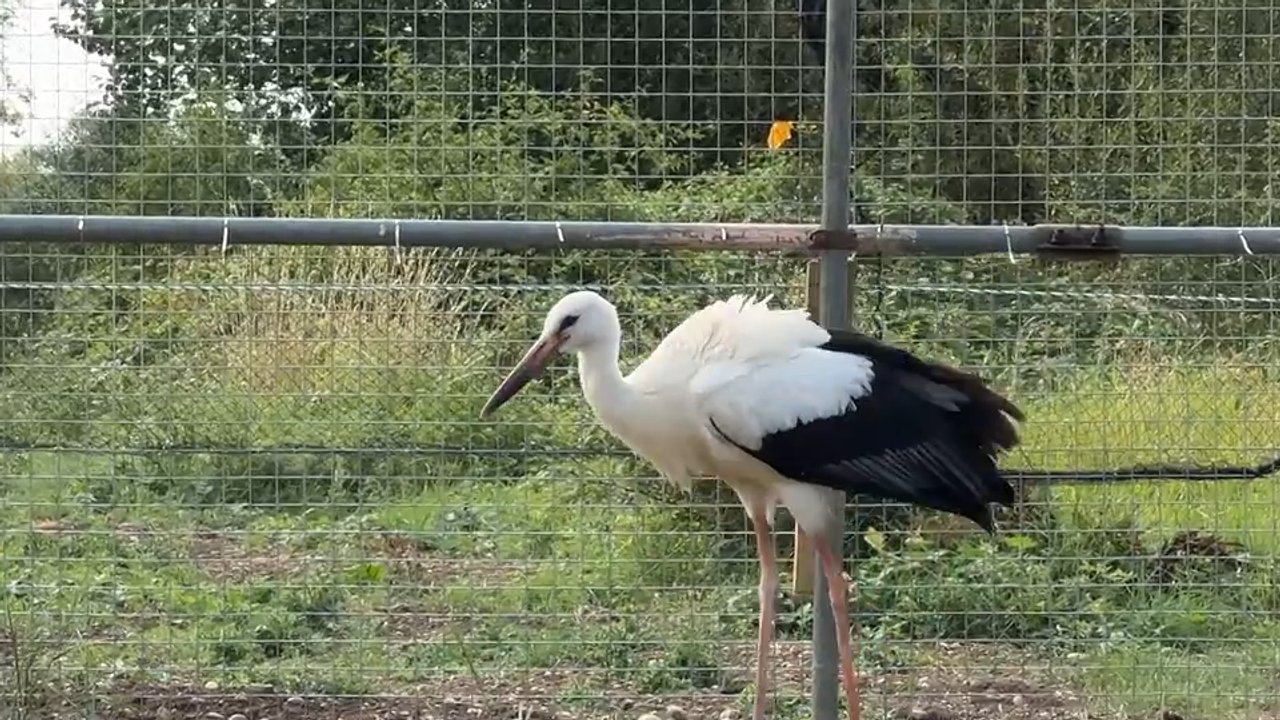
Big news for bird lovers: white storks have returned to Willington Wetlands near Derby, England, for the first time in 600 years.
Just how long is 600 years? Long enough that if the storks had stuck around, they could have watched every Harry Potter movie back-to-back more than 2.5 million times — with plenty of bathroom breaks left over. In American terms, storks disappeared from this area around the time Christopher Columbus was still a kid, decades before he ever sailed to the Americas.
Storks used to be a common sight across the UK, kind of like how you might spot herons, egrets, or bald eagles near lakes and rivers in North America. But they disappeared centuries ago — and now conservationists are trying to bring them back.
Three New Arrivals
Earlier this year, three young storks — one male and two females — hatched and grew to full adult size in just about 12 weeks (for comparison, humans take about 18 years). They've now been moved into a specially built enclosure at the wetlands, complete with its own pond, and have already started exploring their new digs.

Take your class on an exciting journey through Florida’s amazing wildlife and habitats! This playlist explores the warm springs where manatees gather in winter and shows how dolphins team up in Florida Bay to catch their food in clever ways. Along the way, your students will discover what makes Florida’s ecosystems so special and why they’re worth protecting. These clips are perfect for sparking curiosity, starting great classroom discussions, and inspiring kids to think like young scientists and conservationists.
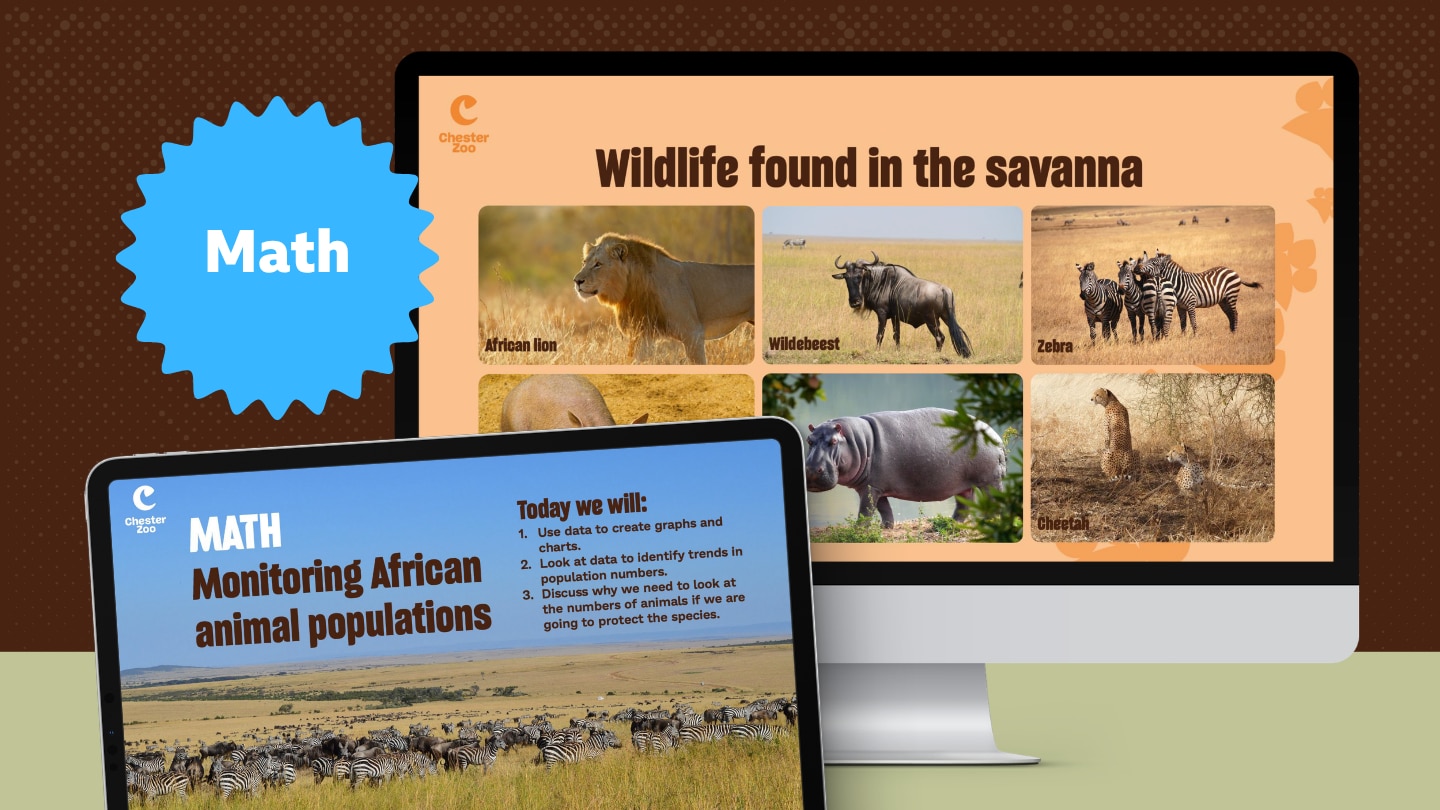
Math meets wildlife conservation! How do you know if a population of animals is growing or shrinking? And how can numbers help protect species in the wild? Join Chester Zoo to explore the African savanna and discover how conservationists use data to understand what is happening to wildlife populations.
Meet some of the animals that call the savanna home, then find out how Chester Zoo and its conservation partners monitor animals such as northern giraffes. You'll see how cameras, trackers, and other methods can help scientists gather information about animals in the wild — and why collecting accurate data matters.
Then become a conservation data detective! Work with real wildlife population data to spot trends and turn numbers into bar charts, line graphs, and pie charts. You'll investigate what different kinds of graphs can tell us and consider why scientists and conservation organizations need to communicate their findings clearly.
Finally, take what you've learned beyond the numbers. Use data to think about how people can make choices that help wildlife, collect information from your own class, and turn your findings into a message that could inspire others to take action.
Don't miss the graph worksheets that go with this lesson!
In Endangered Big Cat Conservation Around the World, host Simon Reeve visits two conservationists in Russia and Namibia who are tirelessly working to protect Amur tigers and cheetahs. This video is excerpted from BBC's Incredible Journeys With Simon Reeve, a series that highlights one journalist’s travels across the globe and the diverse cultures and peoples he meets along the way.
In All About the California Conservation Corps, host Simon Reeve heads deep into the forests of California to discover the work of the California Conservation Corps. In the Sierra Nevada Mountains, he discovers the urgent need to cut down millions of dead trees — killed by drought, climate change and bark beetles — before they fuel wildfires. Alongside his guide, he hears how this work has not only helped to save forests but also changed lives. This video is excerpted from BBC’s The Americas With Simon Reeve, in which Simon Reeve explores the landscapes, cultures, and wildlife of North and South America.
In Can Oil and Conservation Coexist?, host Simon Reeve explores the Arctic National Wildlife Refuge (ANWR) in Alaska, where he visits the small coastal Iñupiat community of Kaktovik — the only settlement in this 19-million-acre wilderness. He investigates the heated debate over protecting the refuge vs. oil drilling, as the people explain how oil companies have brought life-changing benefits like running water, modern homes, and longer life expectancy. This video is excerpted from BBC’s The Americas With Simon Reeve, in which Simon Reeve explores the landscapes, cultures, and wildlife of North and South America.
In Is Logging in the Congo Worth It?, host Simon Reeve and his guide Addams are driving through the Congo after their trek and come across dirt roads made by loggers. Addams explains that while some logging is legal, there’s also a lot of illegal logging of African redwood happening, which harms the rainforest and its people. As a conservationist, Addams investigates these loggers to make sure they follow the law, but he also questions if logging, even when legal, is morally right. This video is excerpted from BBC’s Wilderness With Simon Reeve, an epic adventure into the heart of Earth’s last great wild areas, where nature is at its most beautiful and fragile.
In How Controlled Burns Can Prevent Fire, conservationists use prescribed fires to prevent the spread of wildfires and to maintain a healthy forest. This video is excerpted from BBC's Natural World: Florida - America's Animal Paradise, a series displaying Florida’s diverse wildlife and its resilience against increasing environmental threats.
In The Consequences of Deforestation: A Global Problem, host Simon Reeve accompanies conservationists in Belize who have had to resort to drastic measures to protect the forest and its wildlife. This video is excerpted from BBC's Incredible Journeys With Simon Reeve, a series that highlights one journalist’s travels across the globe and the diverse cultures and peoples he meets along the way.
In Protecting the Redwoods, Earth's Tallest Trees, host Simon Reeve journeys to the towering redwoods, some of the oldest and tallest trees on the planet. These giants are in danger, with 95% of the original redwoods already cut down and poachers still threatening their survival. But conservationists are stepping up, using methods like biomimicry to bring these mighty trees back to life, all while Simon climbs 250 feet to see it firsthand! This video is excerpted from BBC’s The Americas With Simon Reeve, in which Simon Reeve explores the landscapes, cultures, and wildlife of North and South America.
The article "A Cougar-Like Predator Is Attacking Lemurs in Madagascar — Both Are in Jeopardy and Scientists Don't Know What to Do" from BBC's Discover Wildlife explains how researchers in Madagascar discovered that the fossa, a vulnerable predator, is targeting diademed sifaka lemurs, which are critically endangered. Both species urgently need protection, making the situation a complex issue for conservationists.
A strip of land stretching from West to East Africa was once so rich with shea nut trees that it earned the name “shea belt.” It seems like a different world from now, when conservationists say the tree is at risk of extinction because of drought, deforestation, and demand for charcoal that puts the trees (and the people who depend on them) under pressure.
Because shea trees produce nuts that can be made into shea butter used in pharmaceuticals, cosmetics, and food, they provide over 60% of household income for rural women who harvest and process the nuts. The decline of the shea tree would disrupt not only the millions across Africa supported by the industry, but supply chains and global markets, as well.
So, save the shea trees, right? It’s not so simple. Poverty pushes people to cut down shea trees and sell them as charcoal. It provides short-term income, but it means those trees are no longer usable for future shea harvests. To make matters worse, burning charcoal emits harmful greenhouse gasses. So cutting down shea trees for charcoal = less shea butter + more deforestation + more greenhouse gasses. Make it stop! Uganda tried. They banned cutting trees for charcoal in 2023, but enforcement is difficult because of high demand, especially in cities.
Between everything, Uganda has lost around 100,000 hectares of forest cover since 1990. That’s the equivalent of 140,000 soccer fields. Activists are calling for action; replanting trees and protecting the existing ones. Without coordinated action, the shea tree and the livelihoods built around it could disappear.
Big news for bird lovers: white storks have returned to Willington Wetlands near Derby, England, for the first time in 600 years.
Just how long is 600 years? Long enough that if the storks had stuck around, they could have watched every Harry Potter movie back-to-back more than 2.5 million times — with plenty of bathroom breaks left over. In American terms, storks disappeared from this area around the time Christopher Columbus was still a kid, decades before he ever sailed to the Americas.
Storks used to be a common sight across the UK, kind of like how you might spot herons, egrets, or bald eagles near lakes and rivers in North America. But they disappeared centuries ago — and now conservationists are trying to bring them back.
Three New Arrivals
Earlier this year, three young storks — one male and two females — hatched and grew to full adult size in just about 12 weeks (for comparison, humans take about 18 years). They've now been moved into a specially built enclosure at the wetlands, complete with its own pond, and have already started exploring their new digs.
Take your class on an exciting journey through Florida’s amazing wildlife and habitats! This playlist explores the warm springs where manatees gather in winter and shows how dolphins team up in Florida Bay to catch their food in clever ways. Along the way, your students will discover what makes Florida’s ecosystems so special and why they’re worth protecting. These clips are perfect for sparking curiosity, starting great classroom discussions, and inspiring kids to think like young scientists and conservationists.
Math meets wildlife conservation! How do you know if a population of animals is growing or shrinking? And how can numbers help protect species in the wild? Join Chester Zoo to explore the African savanna and discover how conservationists use data to understand what is happening to wildlife populations.
Meet some of the animals that call the savanna home, then find out how Chester Zoo and its conservation partners monitor animals such as northern giraffes. You'll see how cameras, trackers, and other methods can help scientists gather information about animals in the wild — and why collecting accurate data matters.
Then become a conservation data detective! Work with real wildlife population data to spot trends and turn numbers into bar charts, line graphs, and pie charts. You'll investigate what different kinds of graphs can tell us and consider why scientists and conservation organizations need to communicate their findings clearly.
Finally, take what you've learned beyond the numbers. Use data to think about how people can make choices that help wildlife, collect information from your own class, and turn your findings into a message that could inspire others to take action.
Don't miss the graph worksheets that go with this lesson!