Desert Animals Around the World: A BBC Video Playlist
Deserts look empty. They are anything but.
From the sun-scorched dunes of the Sahara to the scrubby plains of Australia, desert animals have cracked one of nature's toughest puzzles: how to survive where water is scarce, temperatures are brutal, and food is hard to find. In this playlist, you'll meet the remarkable species that call these landscapes home — from the iconic camel and the lightning-fast hawk to the bounding kangaroo and the armored pangolin.
Each video, drawn from landmark BBC series including Seven Worlds, One Planet and Planet Earth II, puts you face-to-face with real desert survival in action. Some animals store water and energy for enormous journeys across open terrain. Others hunt by night, move in short bursts, or use camouflage so good they practically disappear. Every strategy is different. Every one is extraordinary.
As you watch, think bigger: How do animals adapt to temperatures that would stop most creatures in their tracks? What physical traits make desert life not just possible, but thriving? And how do these species — predator and prey, reptile and mammal — depend on each other to keep desert ecosystems in balance?
This playlist won't just teach you about deserts. It will make you see them differently.
Lesson Express
Q: How do desert animals find water in such dry environments?
A: Some animals, like the darkling beetle, collect water from fog on their bodies, while others, like golden moles, get moisture from their food.
Q: Why are many desert animals nocturnal?
A: Being active at night helps them avoid the intense heat of the day and conserve water.
Q: What makes the golden mole’s hunting strategy unique?
A: It "swims" through the sand to hunt insects, using vibrations to locate prey.
You Might Also Like
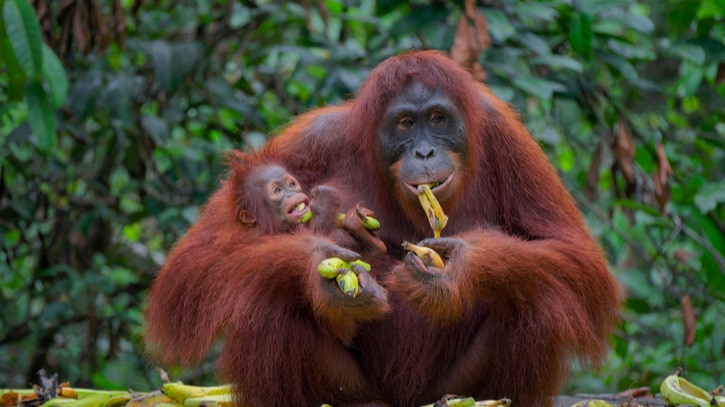
This fun, feel‑good, eight‑video BBC playlist dives into the incredible bond between animal moms and their babies — and the wild ways they raise them. Watch puma cubs practice their hunting skills, a baby orangutan learn the ropes high in the treetops, humpback whale calves set off on their first epic journeys, and prairie dog pups turn playtime into survival training.
From feeding and protection to movement and life lessons, these clips show just how much it takes to grow up in the wild — and how moms make it all possible.
Featuring favorites like prairie dogs, orangutans, polar bears, and humpback whales, this playlist pulls from iconic BBC series like Animal Babies and Planet Earth.
Because mom love? It’s everywhere in the animal kingdom!
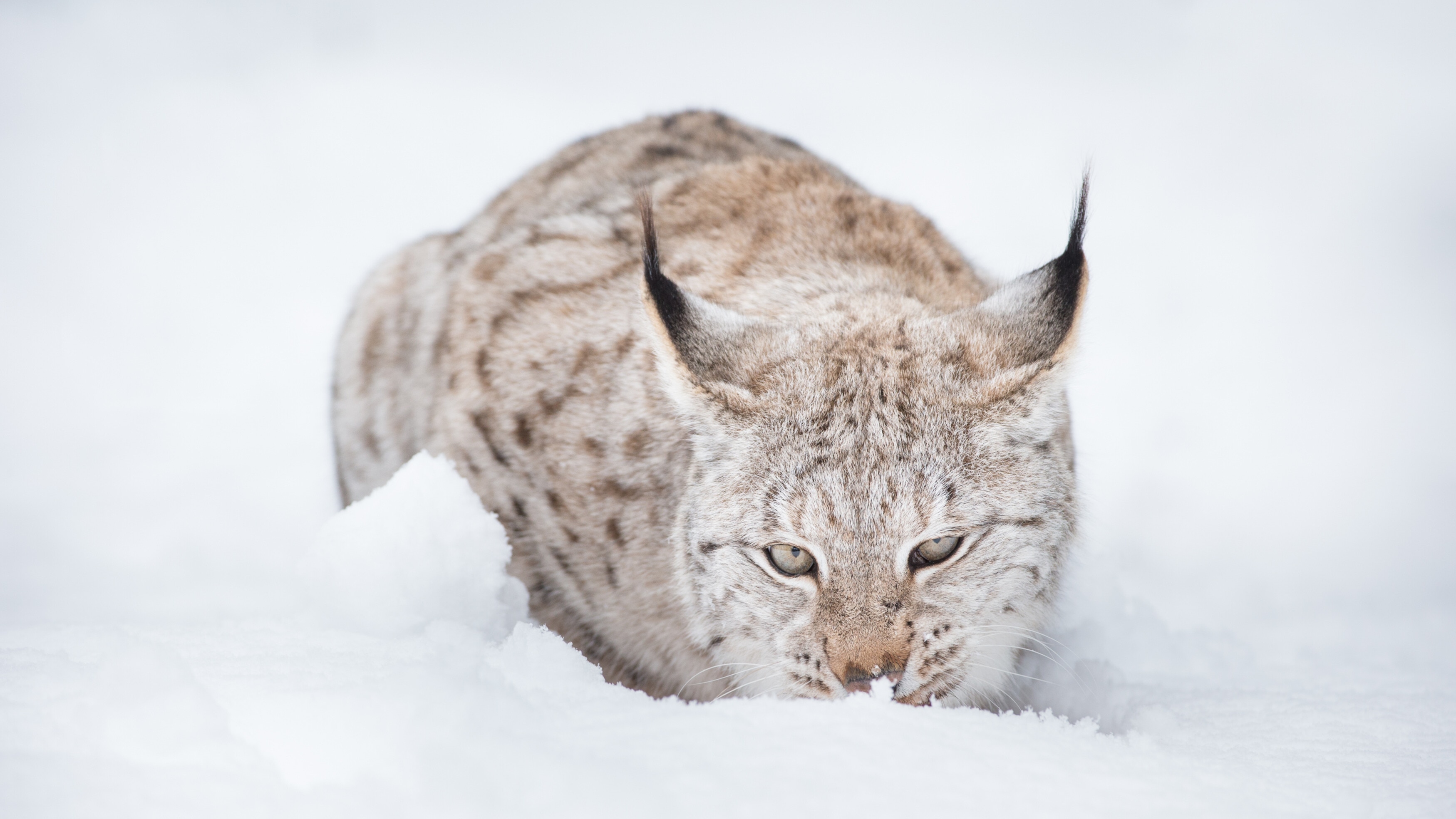
This playlist of 11 frosty winter animals videos from BBC landmark shows like Frozen Planet and Planet Earth explores how animals survive some of the coldest places on the planet. Students will learn about adaptations, seasonal behaviors, and the survival strategies that help bison, foxes, seals, grizzlies, snow monkeys, polar bears, lynx, and more thrive in freezing climates.
They’ll discover how winter weather shapes each animal’s daily life; how they find food, conserve energy, protect themselves from predators; and why these icy habitats play a vital role in Earth’s systems.
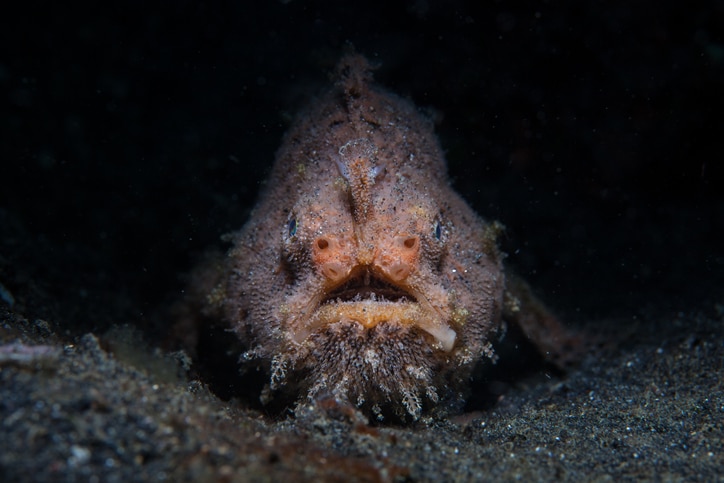
Across 10 fascinating BBC videos from favorites including Deadly 60 and Blue Planet, encounter glowing anglerfish lurking in the deep, sharp-toothed piranhas, venomous lionfish, balloon-like pufferfish, and other extraordinary species.
Discover the surprising adaptations that help these fish hunt, hide, defend themselves, and survive. See how some use light to attract prey, others rely on camouflage or warning colors, and a few transform their appearance when danger gets too close. From tropical reefs and freshwater rivers to the darkest depths of the ocean, fish have evolved remarkable solutions to life underwater.
Strange shapes, startling defenses, clever hunting strategies, and plenty of surprises make these BBC videos a close-up look at just how weird — and wonderfully diverse — the underwater world can be.
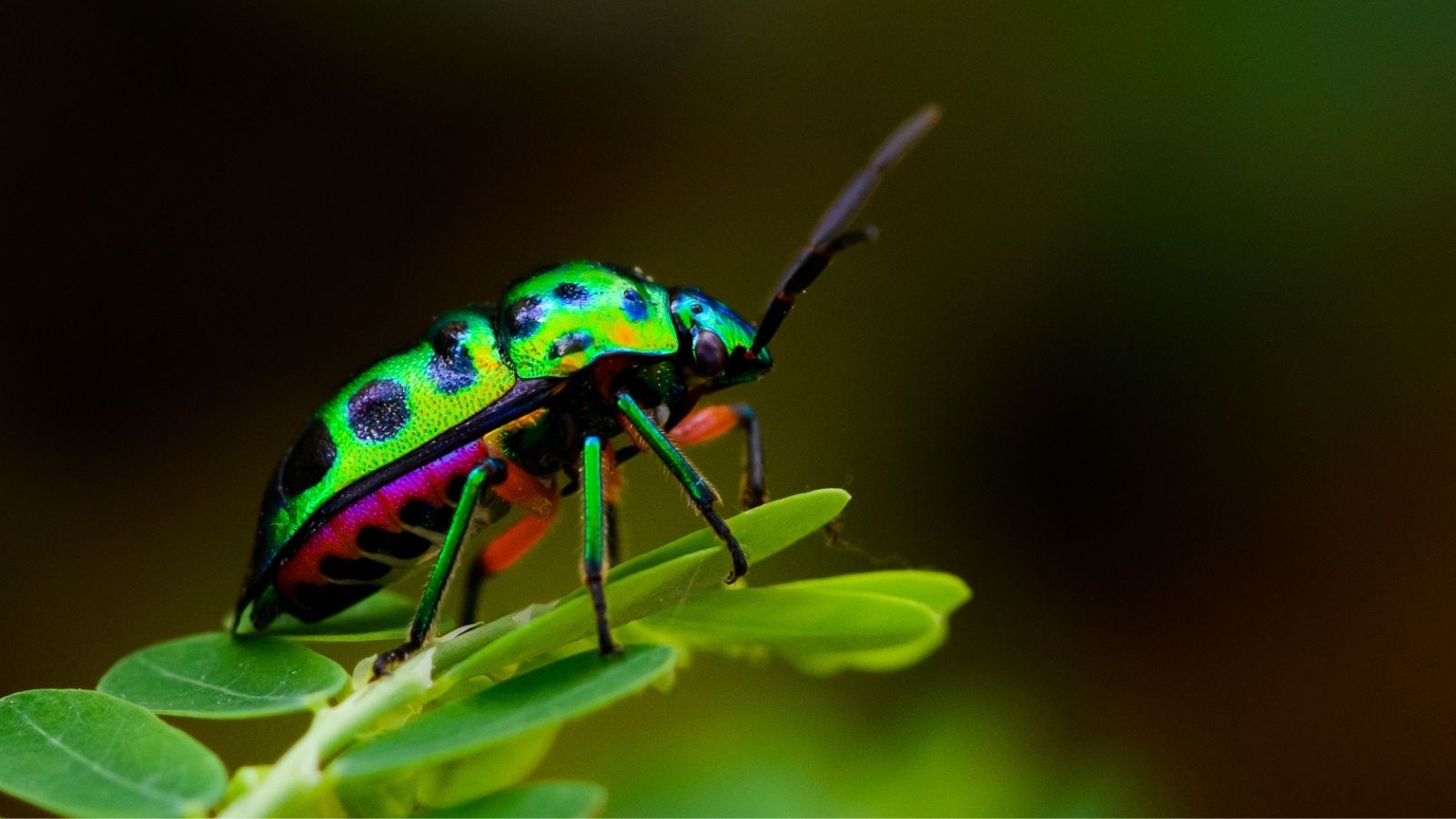
Venture into dark caves where glow worms use light to lure their prey, witness enormous gatherings of lake fly midges as they transform from aquatic larvae into flying adults, and journey into the jungle at night to uncover the science behind bioluminescence.
These BBC videos reveal the remarkable adaptations that help some of the smallest creatures on Earth find food, communicate, reproduce, and survive. Discover how insects and other invertebrates use light, movement, camouflage, and ingenious hunting strategies to thrive in environments ranging from underground caves to freshwater lakes and tropical forests.
They may be small, but their impact — and their survival skills — can be enormous. Get ready for a close-up look at the miniature marvels living all around us.
This fun, feel‑good, eight‑video BBC playlist dives into the incredible bond between animal moms and their babies — and the wild ways they raise them. Watch puma cubs practice their hunting skills, a baby orangutan learn the ropes high in the treetops, humpback whale calves set off on their first epic journeys, and prairie dog pups turn playtime into survival training.
From feeding and protection to movement and life lessons, these clips show just how much it takes to grow up in the wild — and how moms make it all possible.
Featuring favorites like prairie dogs, orangutans, polar bears, and humpback whales, this playlist pulls from iconic BBC series like Animal Babies and Planet Earth.
Because mom love? It’s everywhere in the animal kingdom!
This playlist of 11 frosty winter animals videos from BBC landmark shows like Frozen Planet and Planet Earth explores how animals survive some of the coldest places on the planet. Students will learn about adaptations, seasonal behaviors, and the survival strategies that help bison, foxes, seals, grizzlies, snow monkeys, polar bears, lynx, and more thrive in freezing climates.
They’ll discover how winter weather shapes each animal’s daily life; how they find food, conserve energy, protect themselves from predators; and why these icy habitats play a vital role in Earth’s systems.
Across 10 fascinating BBC videos from favorites including Deadly 60 and Blue Planet, encounter glowing anglerfish lurking in the deep, sharp-toothed piranhas, venomous lionfish, balloon-like pufferfish, and other extraordinary species.
Discover the surprising adaptations that help these fish hunt, hide, defend themselves, and survive. See how some use light to attract prey, others rely on camouflage or warning colors, and a few transform their appearance when danger gets too close. From tropical reefs and freshwater rivers to the darkest depths of the ocean, fish have evolved remarkable solutions to life underwater.
Strange shapes, startling defenses, clever hunting strategies, and plenty of surprises make these BBC videos a close-up look at just how weird — and wonderfully diverse — the underwater world can be.
Venture into dark caves where glow worms use light to lure their prey, witness enormous gatherings of lake fly midges as they transform from aquatic larvae into flying adults, and journey into the jungle at night to uncover the science behind bioluminescence.
These BBC videos reveal the remarkable adaptations that help some of the smallest creatures on Earth find food, communicate, reproduce, and survive. Discover how insects and other invertebrates use light, movement, camouflage, and ingenious hunting strategies to thrive in environments ranging from underground caves to freshwater lakes and tropical forests.
They may be small, but their impact — and their survival skills — can be enormous. Get ready for a close-up look at the miniature marvels living all around us.