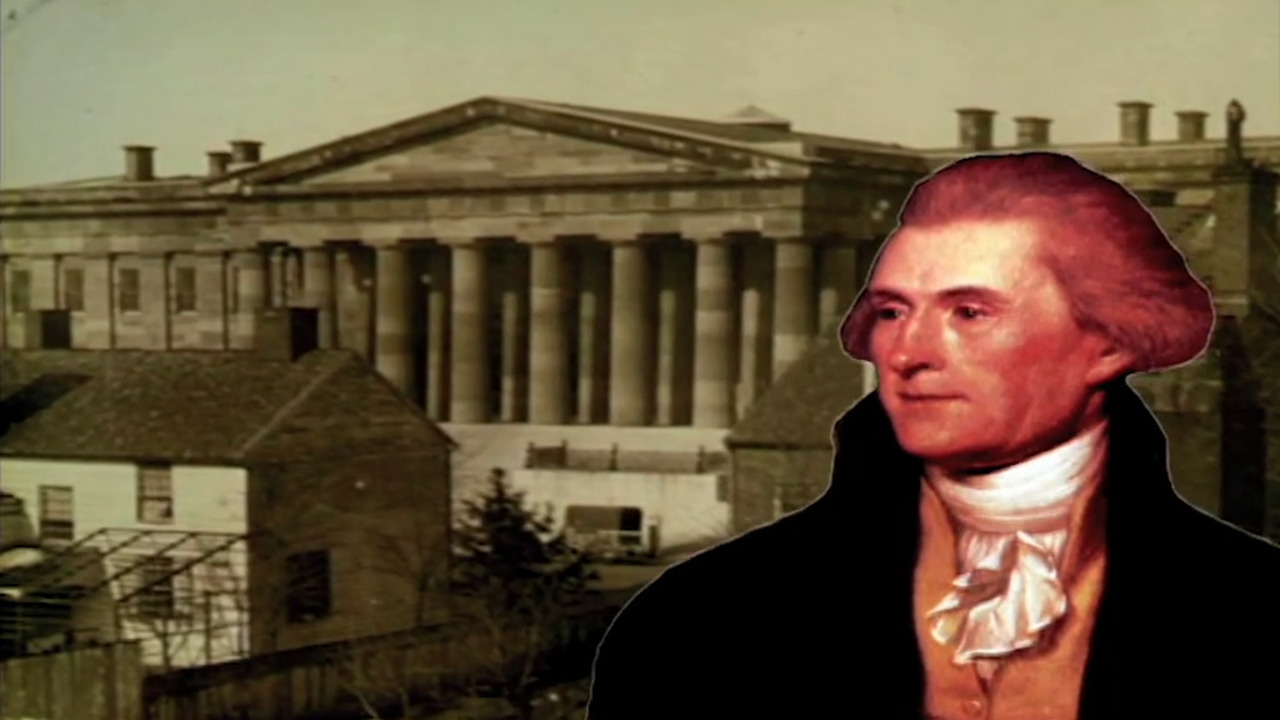
In Thomas Jefferson Takes Power, learn how Thomas Jefferson became the first president inaugurated in Washington, D.C., and promoted freedom of religion and the separation of church and state. He significantly reduced the national debt, reformed taxes, and faced early foreign challenges, including confrontations with Barbary pirates. Jefferson also oversaw the Louisiana Purchase, doubling the size of the United States, and commissioned exploration of the Mississippi River.
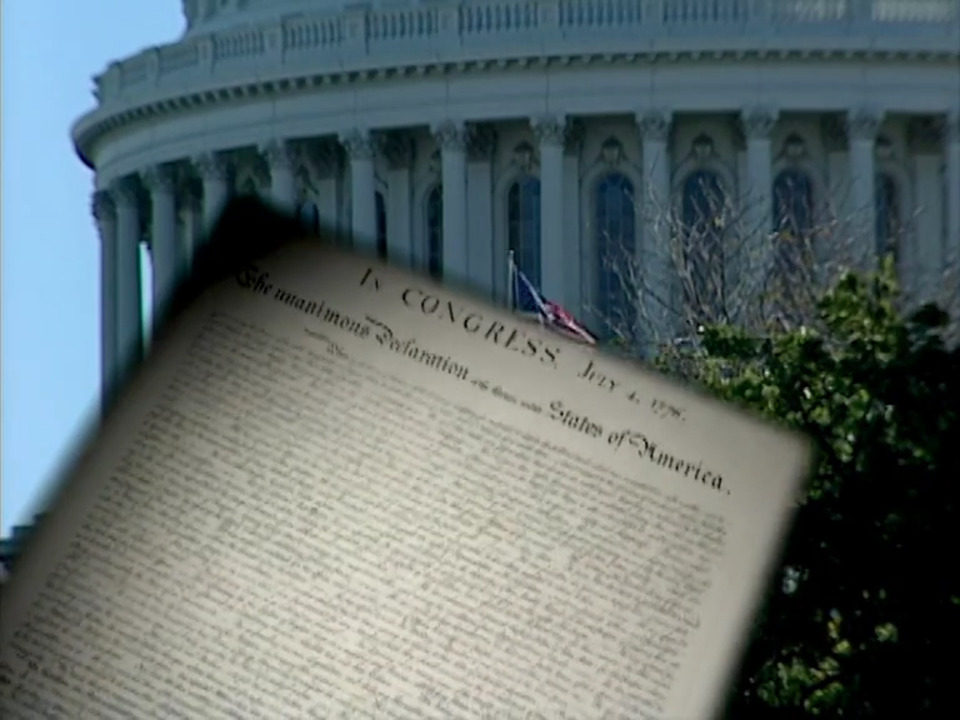
In Thomas Jefferson and the Declaration of Independence, learn how the colonies made the case for independence from Britain during the Revolutionary War. A Committee of Five, including Thomas Jefferson, drafted the document, drawing on ideas from the Virginia Declaration of Rights and John Locke. The Declaration outlined reasons for independence, the philosophy behind it, the king’s offenses, and concluded with the resolution for freedom. It was approved on July 4, 1776, and its original draft is now on permanent display in Washington, D.C.
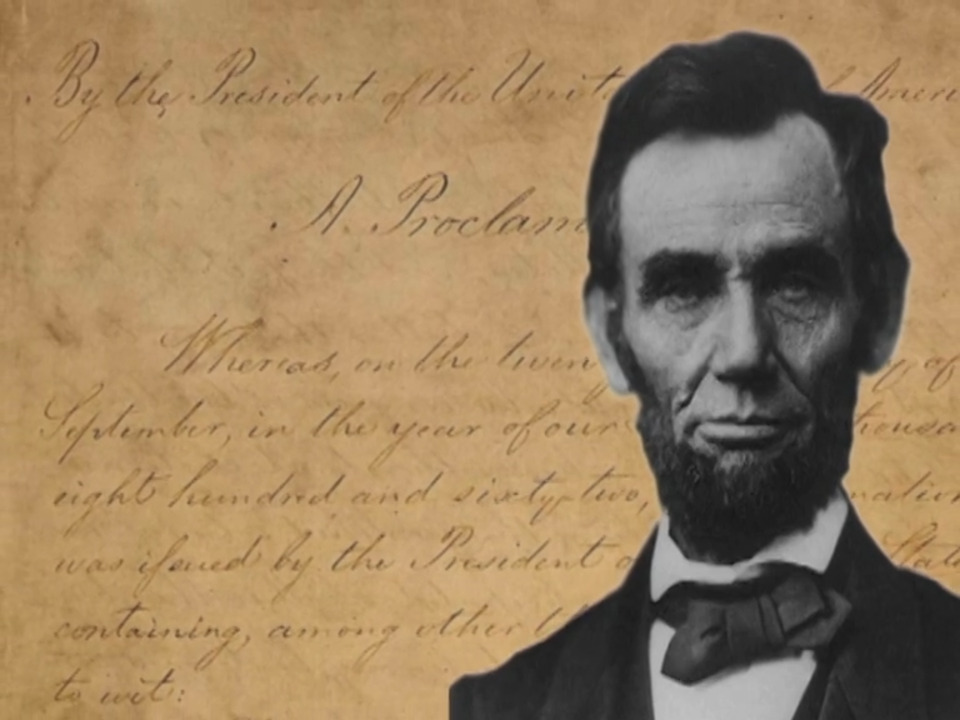
In Abraham Lincoln and the Emancipation Proclamation, learn how President Abraham Lincoln issued a bold declaration during the third year of the Civil War that all enslaved people in Confederate-held territories were to be free. While limited in immediate effect, the proclamation allowed Black men to join the Union Army and became one of the greatest documents of human freedom in U.S. history.
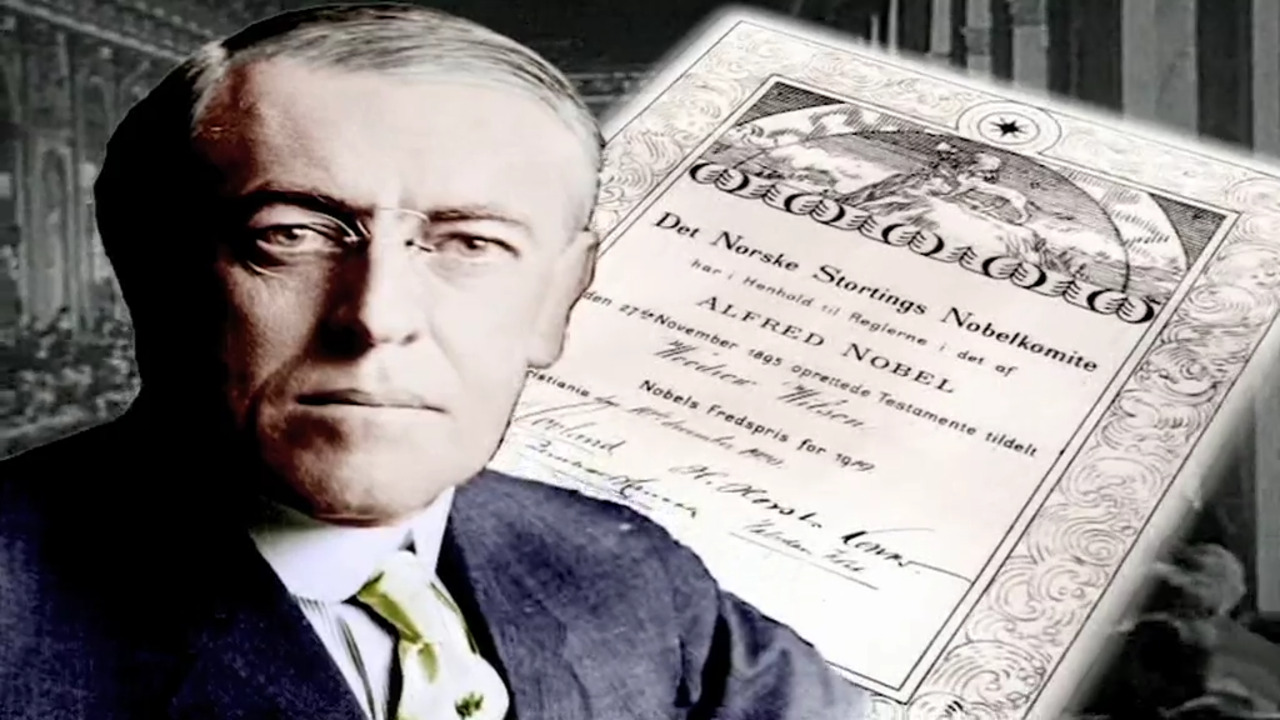
In Woodrow Wilson and the Fight for Lasting Peace, learn how President Woodrow Wilson worked to shape a more peaceful world during and after World War I. Discover his idealistic vision, his Fourteen Points plan, and his efforts to create the League of Nations.
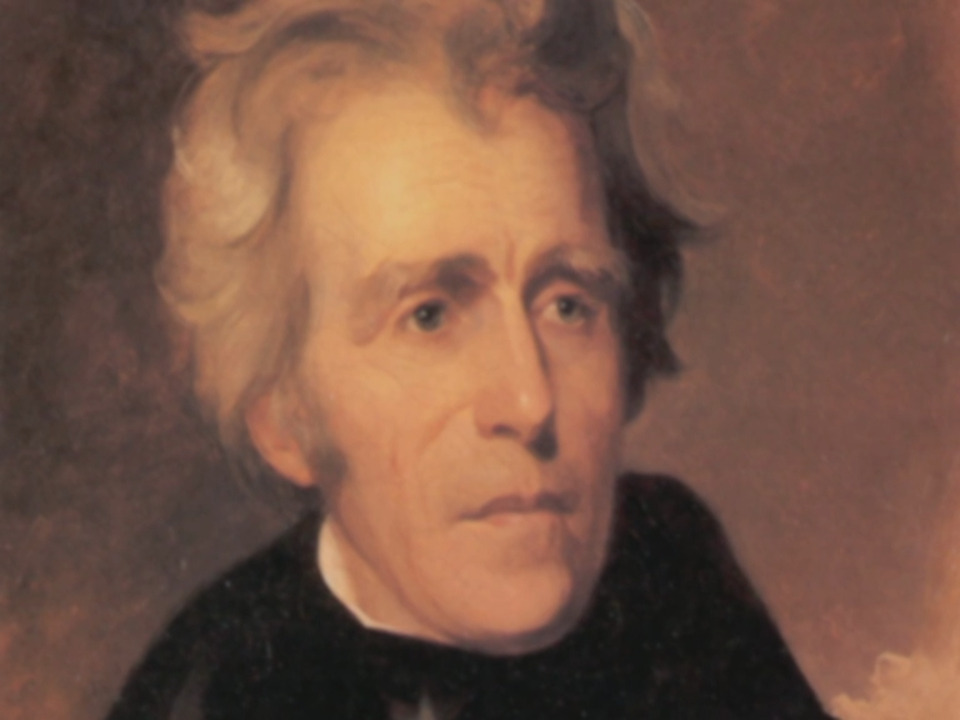
In Andrew Jackson and the Age of the Common Man, learn how Andrew Jackson became a national hero and the seventh president of the United States. His military victories, including the Battle of New Orleans, earned him the nickname “Old Hickory.” Jackson’s presidency marked a turning point in American politics, increasing voter participation and promoting reforms that empowered ordinary citizens, though his policies did not extend to Native Americans, resulting in the Indian Removal Act and the Trail of Tears.
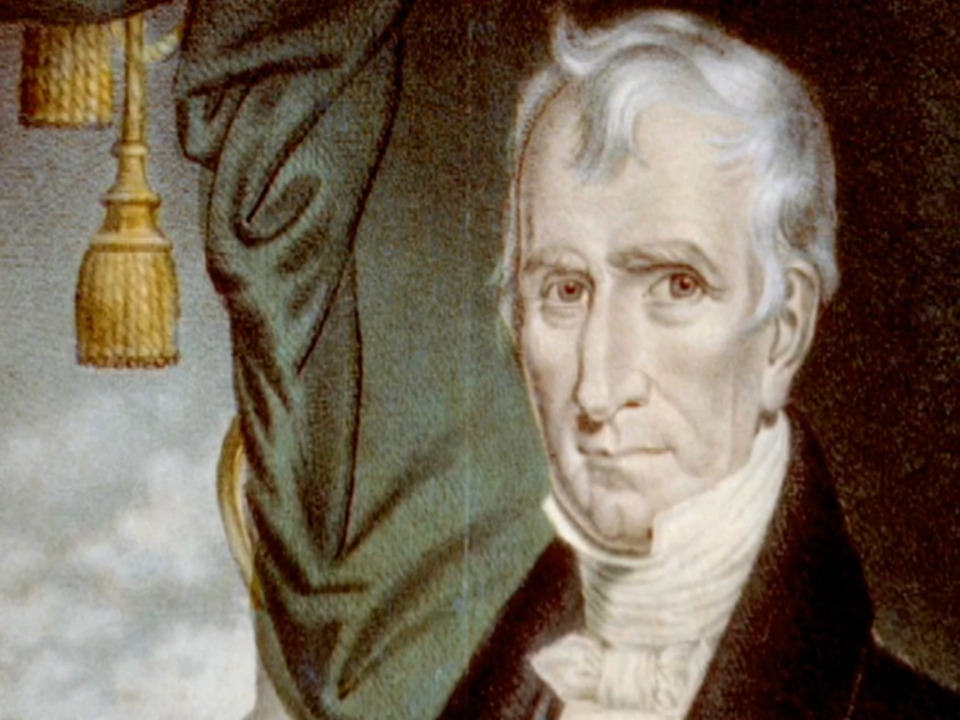
In William Henry Harrison and a Presidency Cut Short, learn how a military leader from the War of 1812 rose to national fame and became the ninth president of the United States. His campaign presented him as a common man, and his sudden death just months into office made him the shortest-serving president in U.S. history.
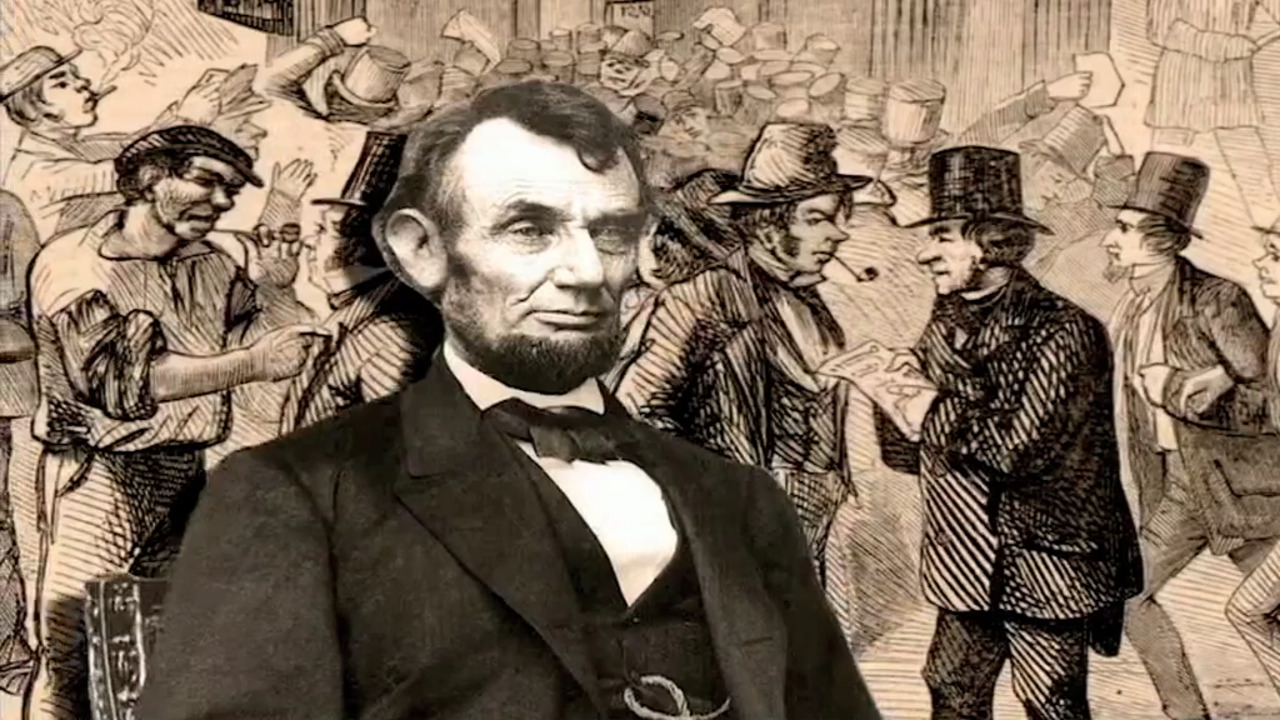
In Abraham Lincoln, the Road to the Confederacy, and the Civil War , learn how growing sectional divisions over slavery and politics led southern states to secede from the Union. After Abraham Lincoln’s election in 1860, seven states left the Union before he even took office, forming the Confederate States of America with Jefferson Davis as their president. Tensions erupted on April 12, 1861, when Confederate forces attacked Fort Sumter, officially beginning the Civil War.
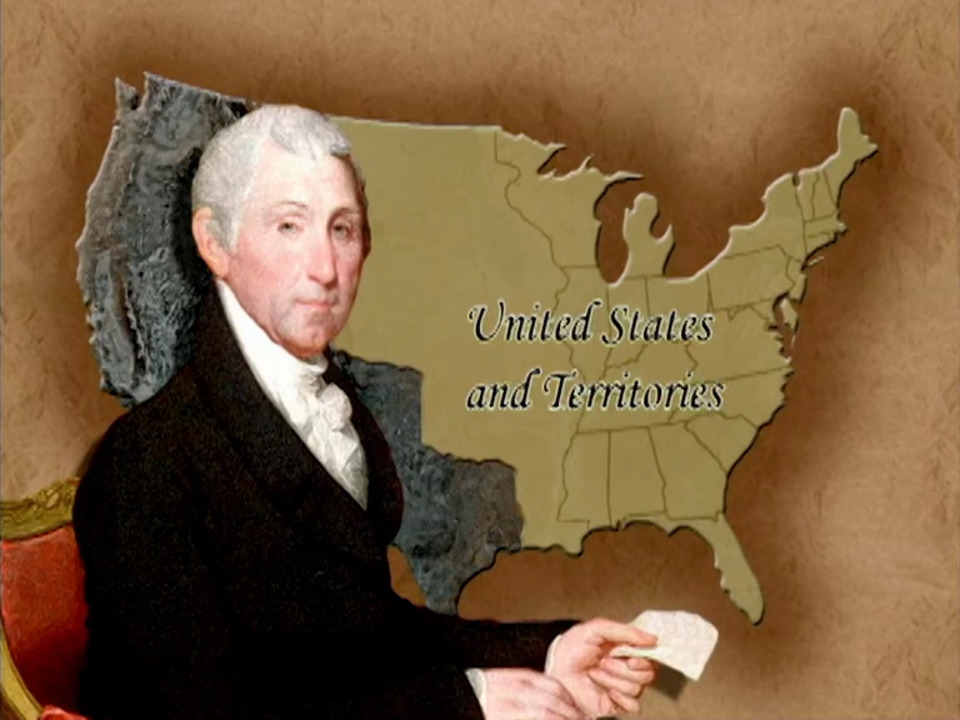
In James Monroe, the Monroe Doctrine, and a Growing Nation, learn how President James Monroe led the United States during a period of rising national pride and optimism after the War of 1812. His administration obtained Florida from Spain, and in 1823, Monroe issued the Monroe Doctrine, declaring the Western Hemisphere closed to new European colonies while pledging U.S. neutrality in European conflicts. These actions helped establish the United States as a full-fledged nation, though the "Era of Good Feelings" would eventually come to a bitter end as political and sectional tensions resurfaced.
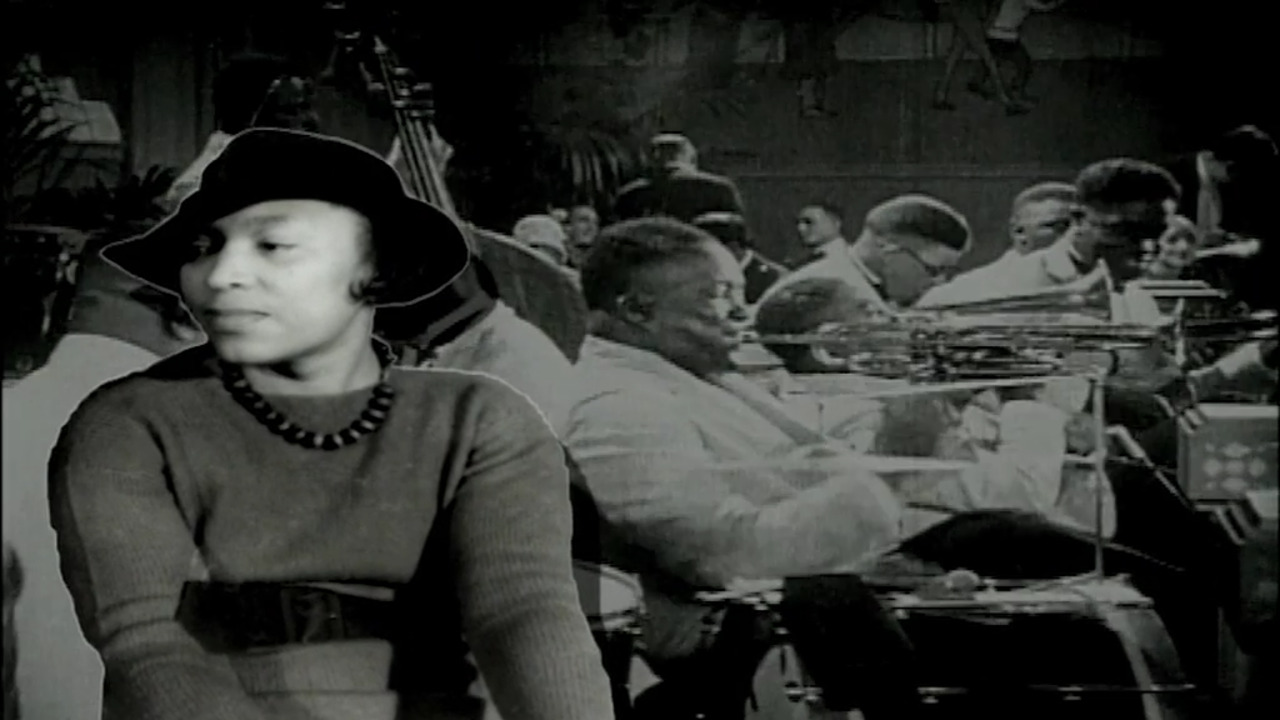
In Zora Neale Hurston and the Harlem Renaissance, explore the life and work of writer and anthropologist Zora Neale Hurston, from her Alabama childhood to her studies of African American folklore and culture. Though she died in obscurity, her legacy was revived by Alice Walker, restoring her place as a key figure in literature and the Harlem Renaissance.
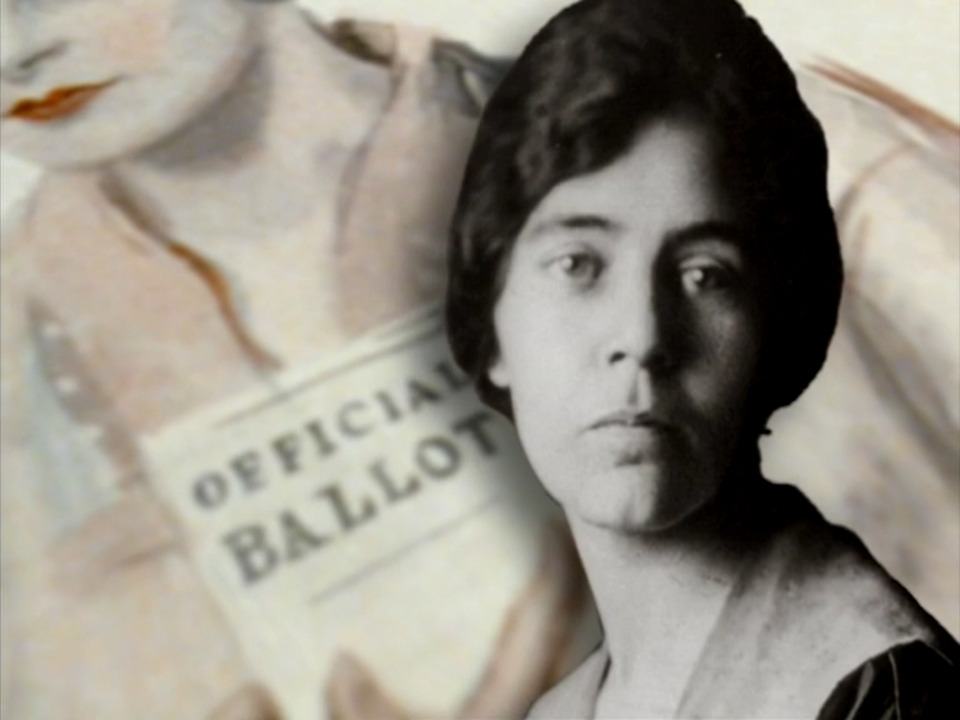
In Alice Paul and the Fight for Women’s Suffrage, activist Alice Paul leads marches and protests to secure women’s right to vote in the United States. Drawing inspiration from the militant suffrage movement in the UK, she organizes the National Woman’s Party, pickets the White House, and helps secure the passage of the 19th Amendment after decades of struggle.
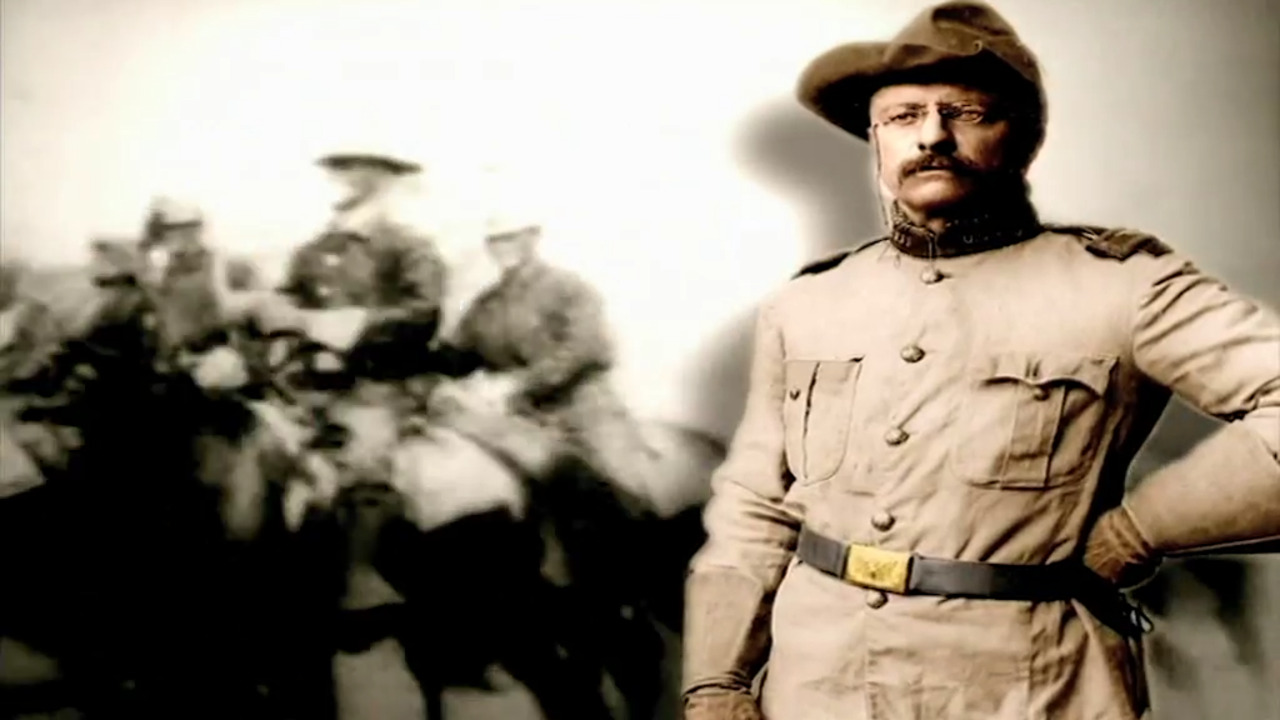
In Theodore Roosevelt and the Rough Riders, learn how Theodore Roosevelt resigned his government position to lead a volunteer cavalry unit in the Spanish-American War. The Rough Riders, a diverse group of cowboys, Native Americans, and regular citizens, fought on foot in Cuba and captured San Juan Hill under Roosevelt’s leadership, earning him national fame and a hero’s welcome. This victory became one of Roosevelt’s most celebrated moments and helped pave his path to the presidency.
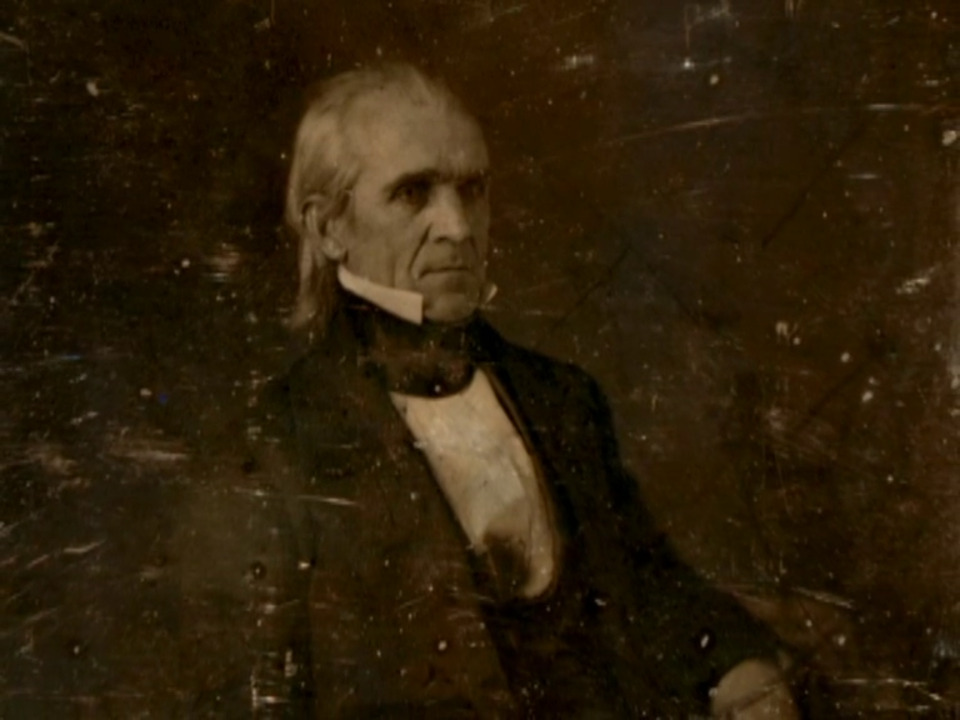
In James K. Polk and the Push West, learn how President James K. Polk pursued the goal of expanding the United States from the Atlantic to the Pacific. Polk oversaw the annexation of Texas, negotiated the Oregon Territory with Britain, and led the country through the Mexican-American War, securing California and other western lands. His presidency was marked by rapid territorial growth and national ambition, though it came with significant casualties and controversy.
In Thomas Jefferson Takes Power, learn how Thomas Jefferson became the first president inaugurated in Washington, D.C., and promoted freedom of religion and the separation of church and state. He significantly reduced the national debt, reformed taxes, and faced early foreign challenges, including confrontations with Barbary pirates. Jefferson also oversaw the Louisiana Purchase, doubling the size of the United States, and commissioned exploration of the Mississippi River.
In Thomas Jefferson and the Declaration of Independence, learn how the colonies made the case for independence from Britain during the Revolutionary War. A Committee of Five, including Thomas Jefferson, drafted the document, drawing on ideas from the Virginia Declaration of Rights and John Locke. The Declaration outlined reasons for independence, the philosophy behind it, the king’s offenses, and concluded with the resolution for freedom. It was approved on July 4, 1776, and its original draft is now on permanent display in Washington, D.C.
In Abraham Lincoln and the Emancipation Proclamation, learn how President Abraham Lincoln issued a bold declaration during the third year of the Civil War that all enslaved people in Confederate-held territories were to be free. While limited in immediate effect, the proclamation allowed Black men to join the Union Army and became one of the greatest documents of human freedom in U.S. history.
In Woodrow Wilson and the Fight for Lasting Peace, learn how President Woodrow Wilson worked to shape a more peaceful world during and after World War I. Discover his idealistic vision, his Fourteen Points plan, and his efforts to create the League of Nations.
In Andrew Jackson and the Age of the Common Man, learn how Andrew Jackson became a national hero and the seventh president of the United States. His military victories, including the Battle of New Orleans, earned him the nickname “Old Hickory.” Jackson’s presidency marked a turning point in American politics, increasing voter participation and promoting reforms that empowered ordinary citizens, though his policies did not extend to Native Americans, resulting in the Indian Removal Act and the Trail of Tears.
In William Henry Harrison and a Presidency Cut Short, learn how a military leader from the War of 1812 rose to national fame and became the ninth president of the United States. His campaign presented him as a common man, and his sudden death just months into office made him the shortest-serving president in U.S. history.
In Abraham Lincoln, the Road to the Confederacy, and the Civil War , learn how growing sectional divisions over slavery and politics led southern states to secede from the Union. After Abraham Lincoln’s election in 1860, seven states left the Union before he even took office, forming the Confederate States of America with Jefferson Davis as their president. Tensions erupted on April 12, 1861, when Confederate forces attacked Fort Sumter, officially beginning the Civil War.
In James Monroe, the Monroe Doctrine, and a Growing Nation, learn how President James Monroe led the United States during a period of rising national pride and optimism after the War of 1812. His administration obtained Florida from Spain, and in 1823, Monroe issued the Monroe Doctrine, declaring the Western Hemisphere closed to new European colonies while pledging U.S. neutrality in European conflicts. These actions helped establish the United States as a full-fledged nation, though the "Era of Good Feelings" would eventually come to a bitter end as political and sectional tensions resurfaced.
In Zora Neale Hurston and the Harlem Renaissance, explore the life and work of writer and anthropologist Zora Neale Hurston, from her Alabama childhood to her studies of African American folklore and culture. Though she died in obscurity, her legacy was revived by Alice Walker, restoring her place as a key figure in literature and the Harlem Renaissance.
In Alice Paul and the Fight for Women’s Suffrage, activist Alice Paul leads marches and protests to secure women’s right to vote in the United States. Drawing inspiration from the militant suffrage movement in the UK, she organizes the National Woman’s Party, pickets the White House, and helps secure the passage of the 19th Amendment after decades of struggle.
In Theodore Roosevelt and the Rough Riders, learn how Theodore Roosevelt resigned his government position to lead a volunteer cavalry unit in the Spanish-American War. The Rough Riders, a diverse group of cowboys, Native Americans, and regular citizens, fought on foot in Cuba and captured San Juan Hill under Roosevelt’s leadership, earning him national fame and a hero’s welcome. This victory became one of Roosevelt’s most celebrated moments and helped pave his path to the presidency.
In James K. Polk and the Push West, learn how President James K. Polk pursued the goal of expanding the United States from the Atlantic to the Pacific. Polk oversaw the annexation of Texas, negotiated the Oregon Territory with Britain, and led the country through the Mexican-American War, securing California and other western lands. His presidency was marked by rapid territorial growth and national ambition, though it came with significant casualties and controversy.