Thomas Jefferson and the Declaration of Independence
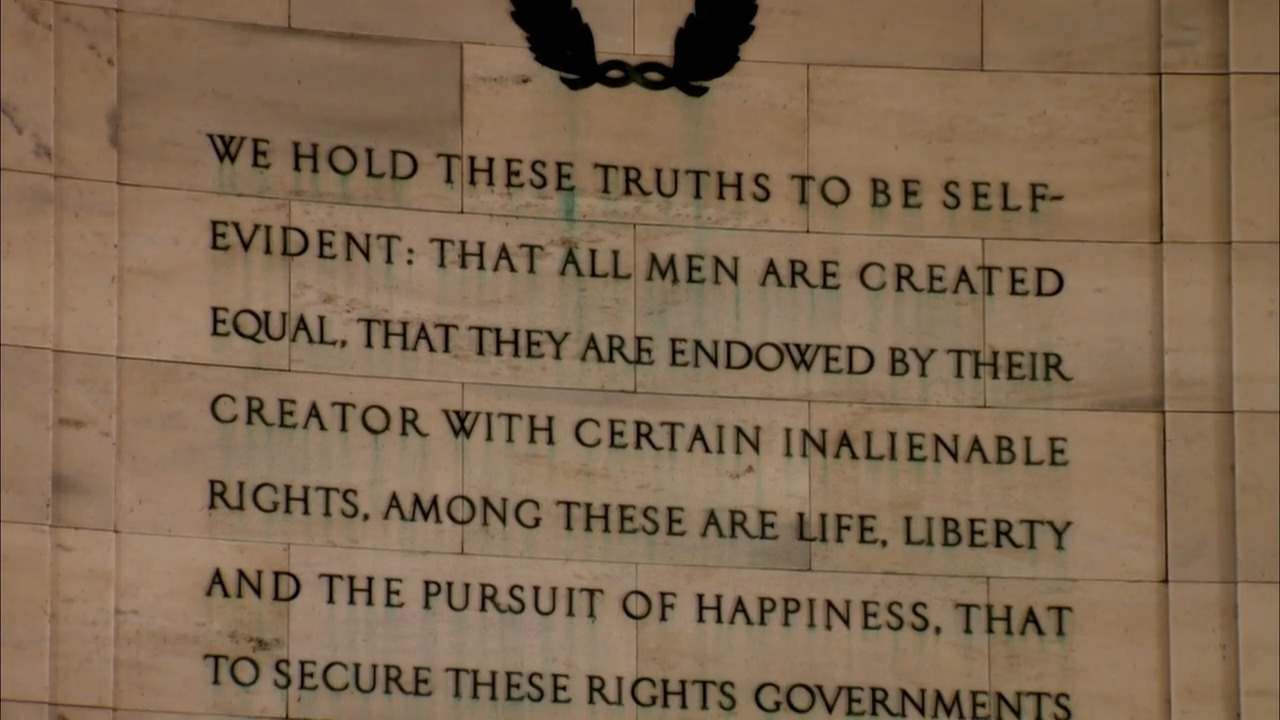
In Thomas Jefferson and the Declaration of Independence, learn how the colonies made the case for independence from Britain during the Revolutionary War. A Committee of Five, including Thomas Jefferson, drafted the document, drawing on ideas from the Virginia Declaration of Rights and John Locke. The Declaration outlined reasons for independence, the philosophy behind it, the king’s offenses, and concluded with the resolution for freedom. It was approved on July 4, 1776, and its original draft is now on permanent display in Washington, D.C.

Lesson Express
Q: Why was a Committee of Five created to draft the Declaration of Independence?
A: To present a united argument for independence and ensure the colonies’ case was carefully written and persuasive.
Q: What philosophical influences shaped Jefferson’s draft of the Declaration?
A: Ideas from the Virginia Declaration of Rights and John Locke, emphasizing natural rights and government by consent.
Q: What are the four key sections of the Declaration of Independence, and what does each convey?
A: 1) Why independence was needed, 2) the preamble outlining the philosophy of rights, 3) particulars of the king’s offenses, 4) the conclusion with the resolution for independence.
You Might Also Like
In The Boston Tea Party Ignites the Revolutionary War, host Andrew Marr describes how Samuel Adams and fellow colonists rebelled against British rule by destroying a shipment of tea in Boston Harbor. This act of defiance would ignite the Revolutionary War and set the stage for the birth of a new nation governed by revolutionary ideals. This video is excerpted from BBC’s Andrew Marr's History of the World, a story of human history that uses reenactments, modern footage, and storytelling to explain history’s greatest achievements.
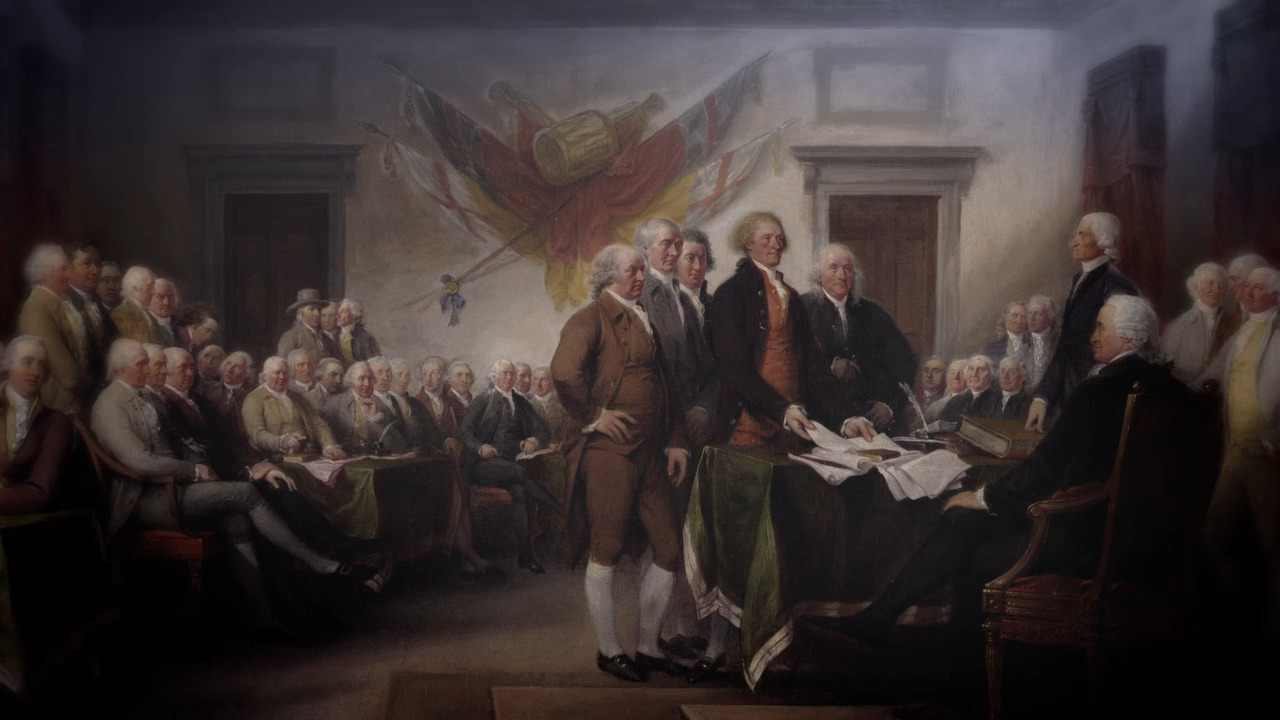
In Disagreements on the Declaration of Independence, historian Lucy Worsley researches the ambiguity of the first drafts of the agreement. It had to satisfy people from 13 states, with opposing views on divisive subjects such as slavery and religion. This video is excerpted from BBC's American History's Biggest Fibs with Lucy Worsley, in which Worsley reveals the myths and manipulations behind American history.
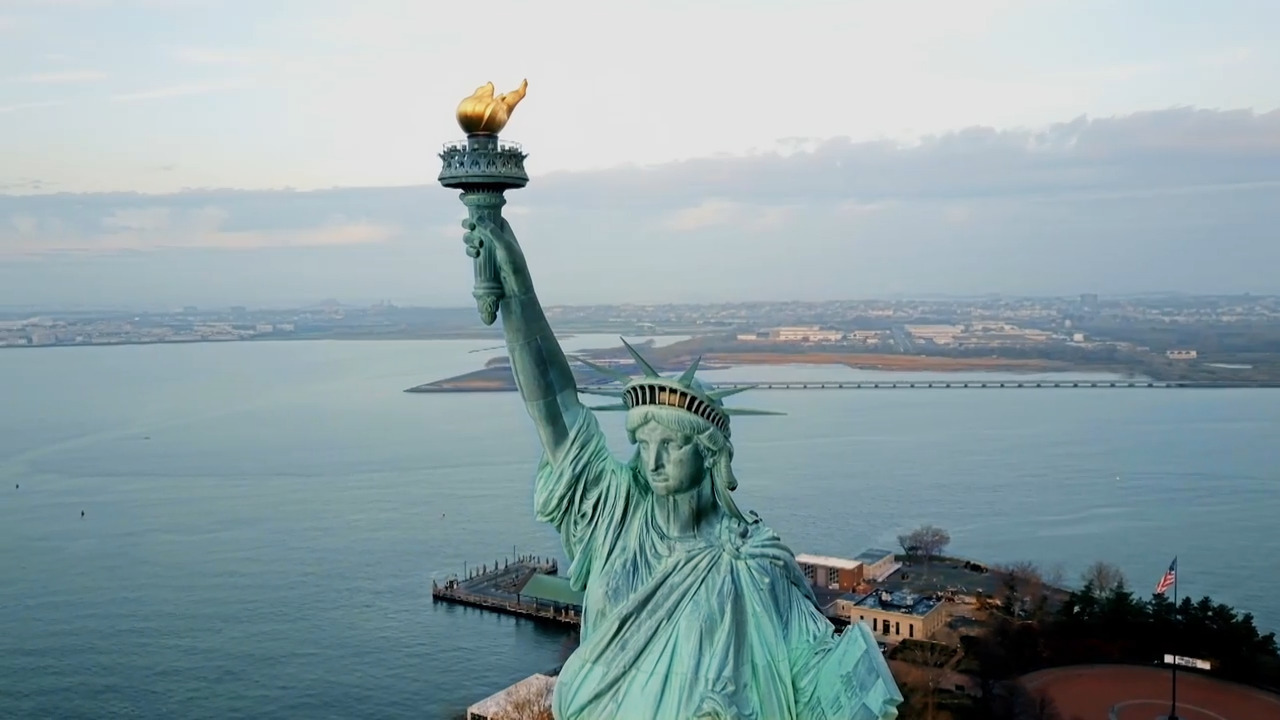
In What Does the Statue of Liberty Stand For?, historian Lucy Worsley investigates the origins and meanings of the Statue of Liberty. When it was unveiled in 1886, women protested that women did not have liberty; neither was there liberty and equality for African Americans. Emma Lazarus wrote a poem, The New Colossus, which not only raised money for the statue but gave her a new purpose: to welcome immigrants from the rest of the world. This video is excerpted from BBC's American History's Biggest Fibs with Lucy Worsley, in which Worsley reveals the myths and manipulations behind American history.
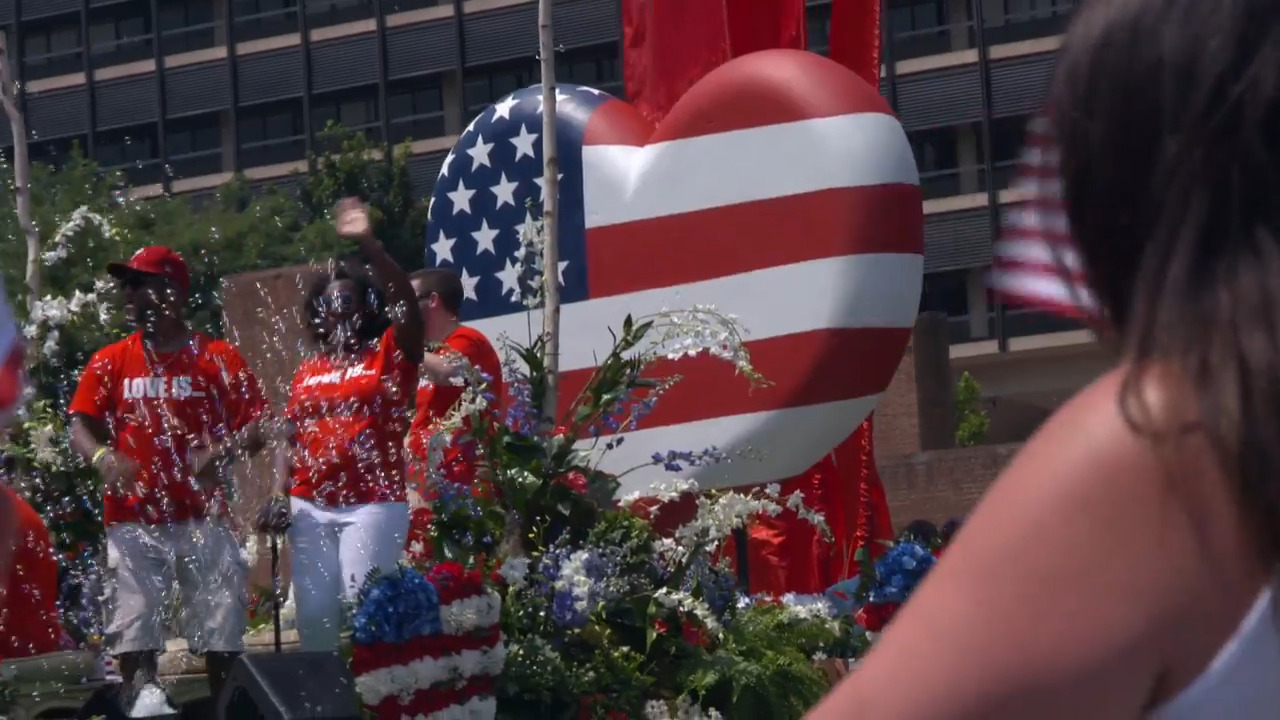
In Is the Fourth of July the Wrong Day?, historian Lucy Worsley learns that John Adams announced in 1776 that July 2 should be the day to celebrate Independence. However, the Declaration of Independence was not finalized until two days later. This video is excerpted from BBC's American History's Biggest Fibs with Lucy Worsley, in which Worsley reveals the myths and manipulations behind American history.
In The Boston Tea Party Ignites the Revolutionary War, host Andrew Marr describes how Samuel Adams and fellow colonists rebelled against British rule by destroying a shipment of tea in Boston Harbor. This act of defiance would ignite the Revolutionary War and set the stage for the birth of a new nation governed by revolutionary ideals. This video is excerpted from BBC’s Andrew Marr's History of the World, a story of human history that uses reenactments, modern footage, and storytelling to explain history’s greatest achievements.
In Disagreements on the Declaration of Independence, historian Lucy Worsley researches the ambiguity of the first drafts of the agreement. It had to satisfy people from 13 states, with opposing views on divisive subjects such as slavery and religion. This video is excerpted from BBC's American History's Biggest Fibs with Lucy Worsley, in which Worsley reveals the myths and manipulations behind American history.
In What Does the Statue of Liberty Stand For?, historian Lucy Worsley investigates the origins and meanings of the Statue of Liberty. When it was unveiled in 1886, women protested that women did not have liberty; neither was there liberty and equality for African Americans. Emma Lazarus wrote a poem, The New Colossus, which not only raised money for the statue but gave her a new purpose: to welcome immigrants from the rest of the world. This video is excerpted from BBC's American History's Biggest Fibs with Lucy Worsley, in which Worsley reveals the myths and manipulations behind American history.
In Is the Fourth of July the Wrong Day?, historian Lucy Worsley learns that John Adams announced in 1776 that July 2 should be the day to celebrate Independence. However, the Declaration of Independence was not finalized until two days later. This video is excerpted from BBC's American History's Biggest Fibs with Lucy Worsley, in which Worsley reveals the myths and manipulations behind American history.