Thomas Jefferson Takes Power
In Thomas Jefferson Takes Power, learn how Thomas Jefferson became the first president inaugurated in Washington, D.C., and promoted freedom of religion and the separation of church and state. He significantly reduced the national debt, reformed taxes, and faced early foreign challenges, including confrontations with Barbary pirates. Jefferson also oversaw the Louisiana Purchase, doubling the size of the United States, and commissioned exploration of the Mississippi River.

Lesson Express
Q: How did Thomas Jefferson reduce the national debt and government expenses during his presidency?
A: He cut military spending, reduced taxes, and eliminated certain fees such as the whiskey tax.
Q: Why was the Louisiana Purchase significant, and what doubts did Jefferson have about it?
A: It doubled the size of the United States, opening new land for settlement, but Jefferson questioned whether the Constitution allowed the president to make such a purchase.
Q: What early foreign challenges did Jefferson face as president, and how did he respond?
A: He confronted Barbary pirates from North Africa and used a combination of diplomacy and naval action to protect American interests.
More Like This
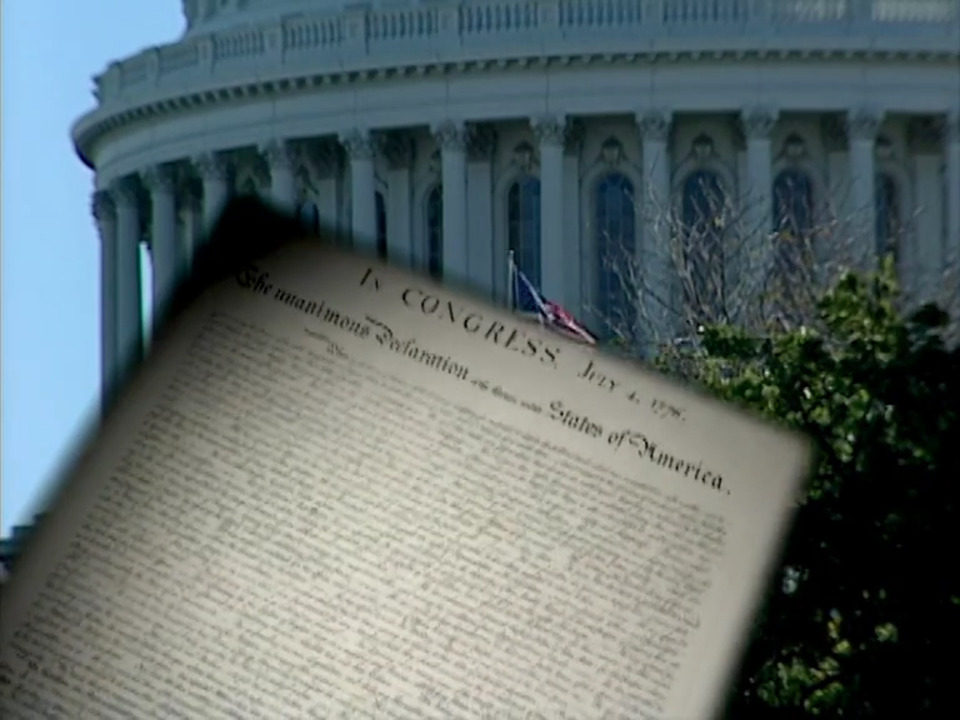
In Thomas Jefferson and the Declaration of Independence, learn how the colonies made the case for independence from Britain during the Revolutionary War. A Committee of Five, including Thomas Jefferson, drafted the document, drawing on ideas from the Virginia Declaration of Rights and John Locke. The Declaration outlined reasons for independence, the philosophy behind it, the king’s offenses, and concluded with the resolution for freedom. It was approved on July 4, 1776, and its original draft is now on permanent display in Washington, D.C.
In Thomas Jefferson and the Declaration of Independence, learn how the colonies made the case for independence from Britain during the Revolutionary War. A Committee of Five, including Thomas Jefferson, drafted the document, drawing on ideas from the Virginia Declaration of Rights and John Locke. The Declaration outlined reasons for independence, the philosophy behind it, the king’s offenses, and concluded with the resolution for freedom. It was approved on July 4, 1776, and its original draft is now on permanent display in Washington, D.C.