Abraham Lincoln, the Road to the Confederacy, and the Civil War
In Abraham Lincoln, the Road to the Confederacy, and the Civil War , learn how growing sectional divisions over slavery and politics led southern states to secede from the Union. After Abraham Lincoln’s election in 1860, seven states left the Union before he even took office, forming the Confederate States of America with Jefferson Davis as their president. Tensions erupted on April 12, 1861, when Confederate forces attacked Fort Sumter, officially beginning the Civil War.

Lesson Express
Q: What events heightened sectional tensions in the United States leading up to 1860?
A: John Brown’s raid in 1859 and the increasing divide over slavery and state rights intensified sectional conflicts between the North and South.
Q: Why did Southern states secede after Lincoln’s election?
A: They feared his presidency would threaten slavery and states’ rights, and he was not on the ballot in many Southern states.
Q: Who led the Confederate States of America and what principles did he support?
A: Jefferson Davis led the Confederate States of America and supported the principles of states’ rights, including the preservation and expansion of slavery, and resistance to federal authority.
You Might Also Like
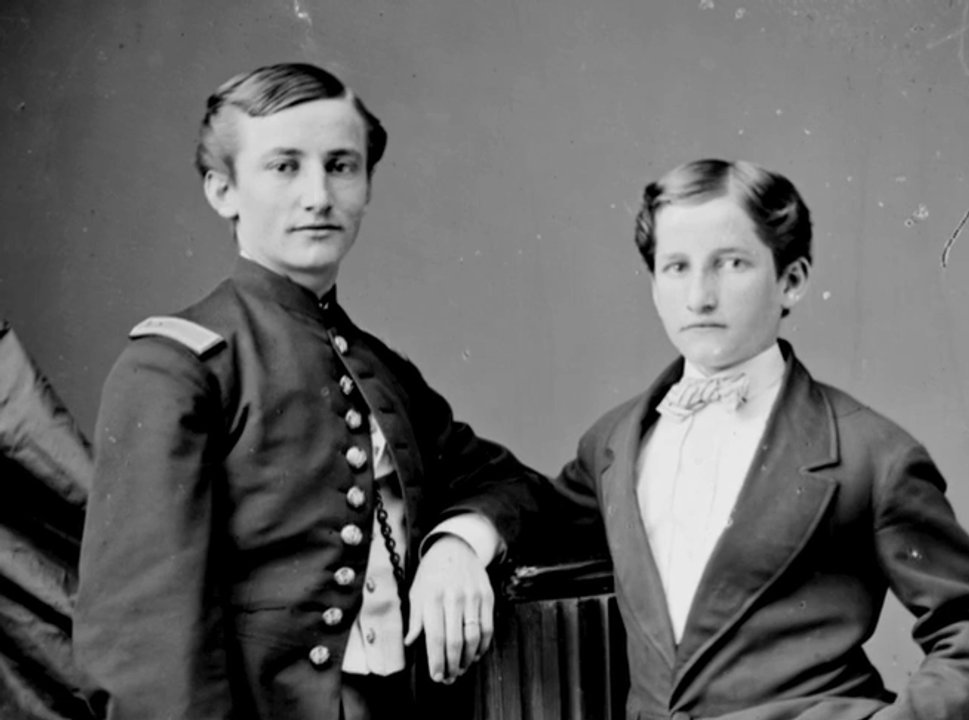
During the Civil War, Kentucky was divided between the Union and Confederacy. Although Kentucky was a slave state, most residents did not own enslaved people, and the state had strong ties to both North and South. At first, Kentucky tried to remain neutral, but after Confederate and Union troops entered the state in 1861, Kentucky sided with the Union.
The conflict divided Kentucky communities and families. Some residents supported the Confederacy, while others fought for the Union. The Crittenden family became a well-known example: brothers George and Thomas Crittenden became generals on opposite sides. After a Union victory at the Battle of Perryville in 1862, Confederate forces withdrew from Kentucky, leaving the state under Union control.