Andrew Jackson and the Age of the Common Man
In Andrew Jackson and the Age of the Common Man, learn how Andrew Jackson became a national hero and the seventh president of the United States. His military victories, including the Battle of New Orleans, earned him the nickname “Old Hickory.” Jackson’s presidency marked a turning point in American politics, increasing voter participation and promoting reforms that empowered ordinary citizens, though his policies did not extend to Native Americans, resulting in the Indian Removal Act and the Trail of Tears.

Lesson Express
Q: How did Andrew Jackson increase political participation during his presidency?
A: By expanding voting rights for white men and implementing reforms like rotation of office to give ordinary citizens more influence in government.
Q: Why is Andrew Jackson considered a polarizing leader?
A: While popular among many voters for empowering the “common man,” his policies, such as the Indian Removal Act, harmed Native Americans and sparked controversy.
Q: What role did Jackson’s military career play in his rise to the presidency?
A: His victories in the War of 1812, especially the Battle of New Orleans, made him a national hero and helped build his reputation as a strong leader.
You Might Also Like
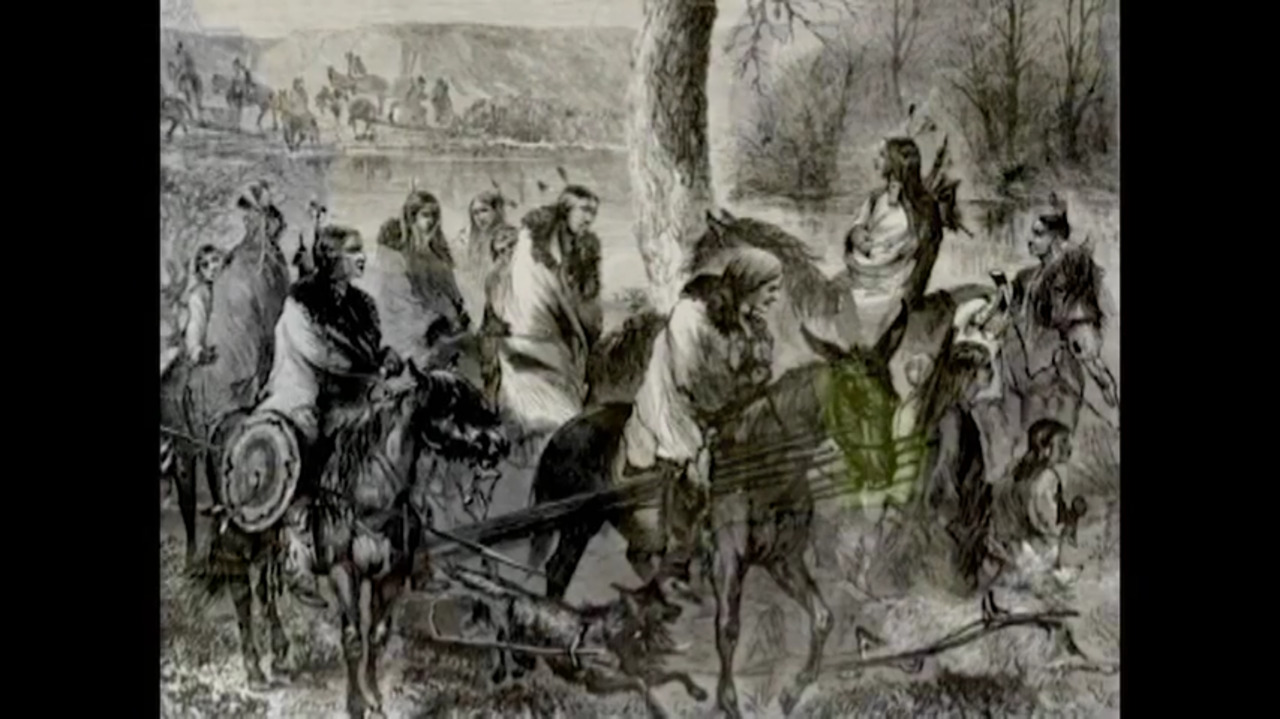
In The Cherokee and the Trail of Tears, learn how the Cherokee Nation, originally from the southeastern U.S., was forced to give up most of its land to the U.S. government in the 1800s. Despite adopting Western ways, they were relocated after President Andrew Jackson signed the Indian Removal Act in 1830. This led to the tragic Trail of Tears, where thousands of Cherokees died during the journey. However, the Cherokee rebuilt their nation in Oklahoma, with Tahlequah becoming their capital.
In The Cherokee and the Trail of Tears, learn how the Cherokee Nation, originally from the southeastern U.S., was forced to give up most of its land to the U.S. government in the 1800s. Despite adopting Western ways, they were relocated after President Andrew Jackson signed the Indian Removal Act in 1830. This led to the tragic Trail of Tears, where thousands of Cherokees died during the journey. However, the Cherokee rebuilt their nation in Oklahoma, with Tahlequah becoming their capital.