Secrets of Skin
Professor Ben Garrod explores how skin has allowed vertebrates to conquer the planet.Featuring groundbreaking new science, experiments and leading scientists from a variety of disciplines, the series unravels the natural history of the body's largest organ.
Secrets of Skin explores the remarkable world of skin across both humans and animals, revealing how this essential organ helps different species survive in their environments. Students discover how skin can provide protection, regulate temperature, sense the world, camouflage animals, and support life in a huge range of habitats.
Ages 8–18
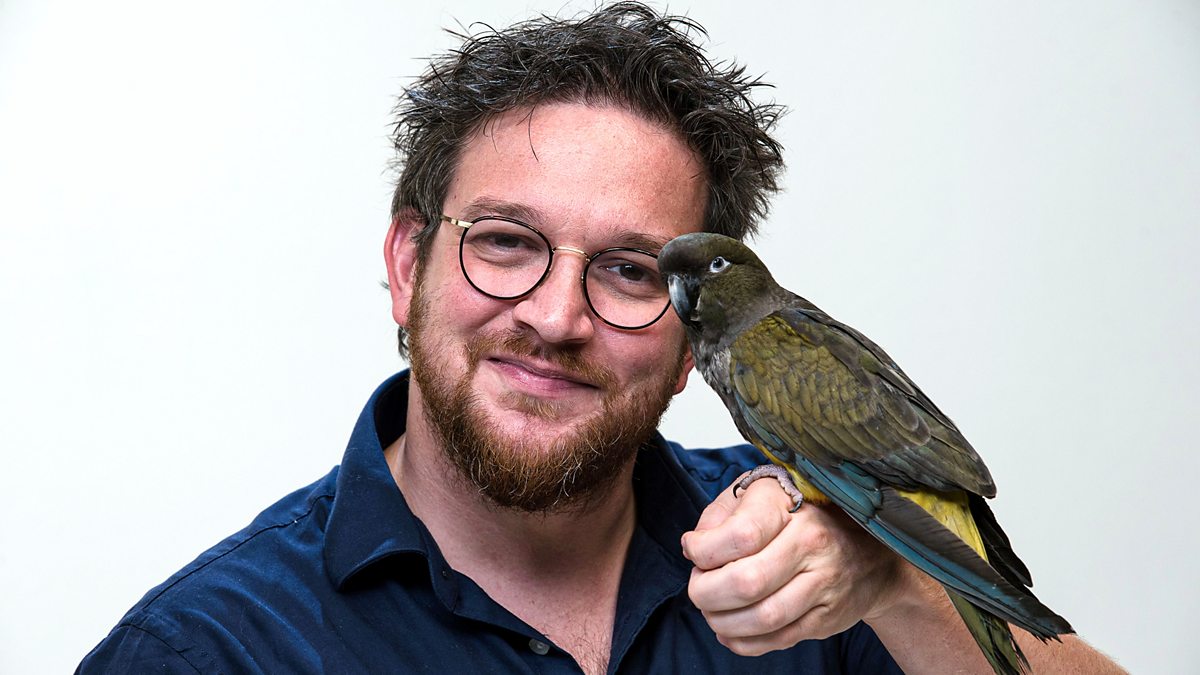

In How Sunscreen Works, evolutionary biologist Ben Garrod explains why pale skin needs extra protection from the Sun because it doesn't have much melanin, which helps block harmful UV rays. He uses a special UV camera to see how much protection his skin naturally has and discovers he needs sunscreen to stay safe from sunburn. After applying sunscreen to one side of his face, the camera shows that the sunscreen makes his skin much darker, proving it's protecting him from the Sun’s harmful rays. This video is excerpted from BBC’s Secrets of Skin, a documentary series exploring the natural history of the body's largest organ.
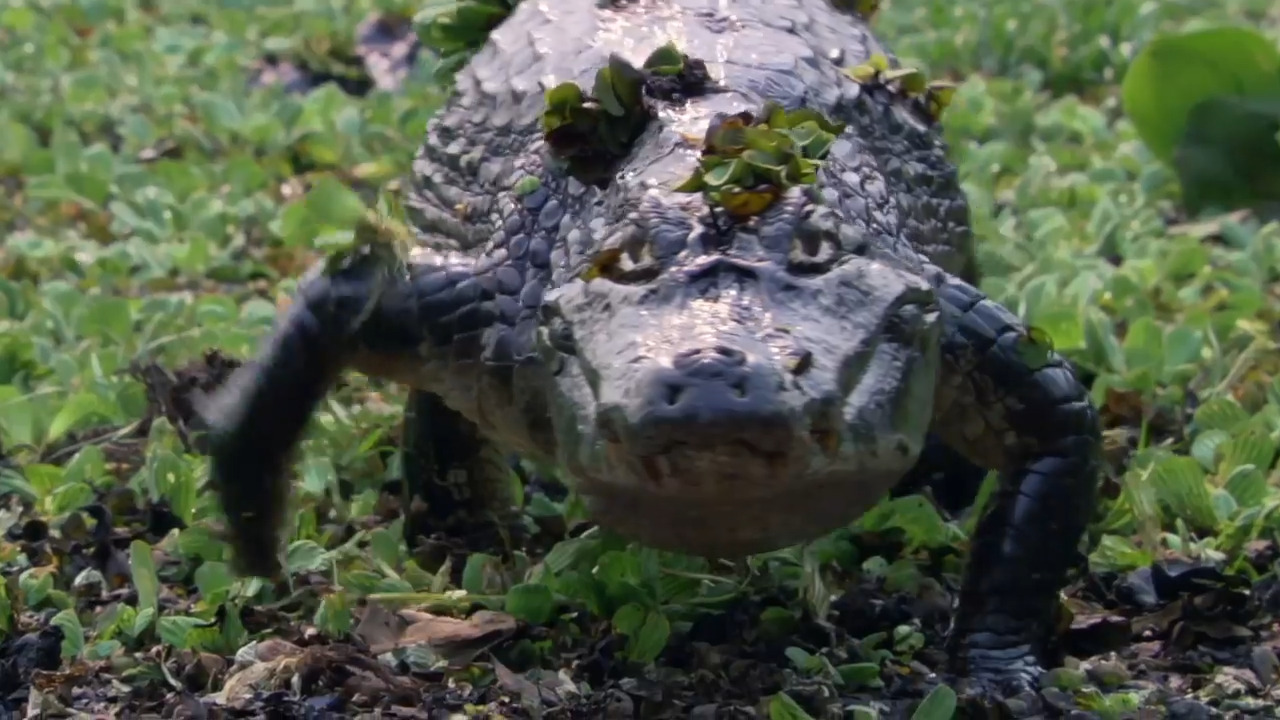
In Crocodilians, Ancient Apex Predators, evolutionary biologist Ben Garrod meets some crocodilians. This category includes crocodiles, alligators, and other similar species that use their sensitive skin to detect pressure and vibrations, especially in murky waters where their vision is limited. This unique adaptation helps them hunt and survive as an apex predator. This video is excerpted from Secrets of Skin, a documentary series exploring the natural history of the body’s largest organ.
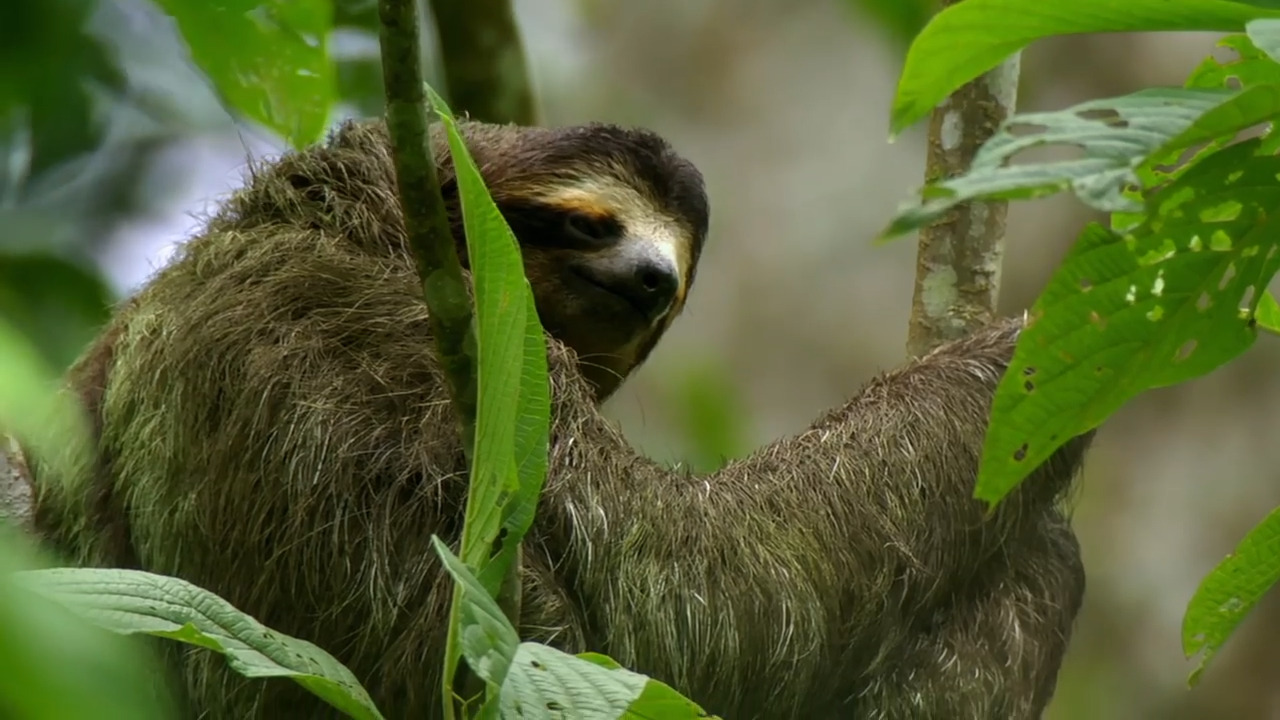
In Sloths, Masters of Slow and Steady, evolutionary biologist Ben Garrod describes how a sloth's skin provides unique camouflage, helping it blend into its environment for protection. Discover the symbiotic relationship between sloths and algae, which grows on their fur and gives them a greenish tint. This algae offers camouflage while also supporting moths that help fertilize the algae. Through this fascinating example of nature’s design, see how animals and plants can depend on each other in unexpected ways. This video is excerpted from Secrets of Skin, a documentary series exploring the natural history of the body’s largest organ.
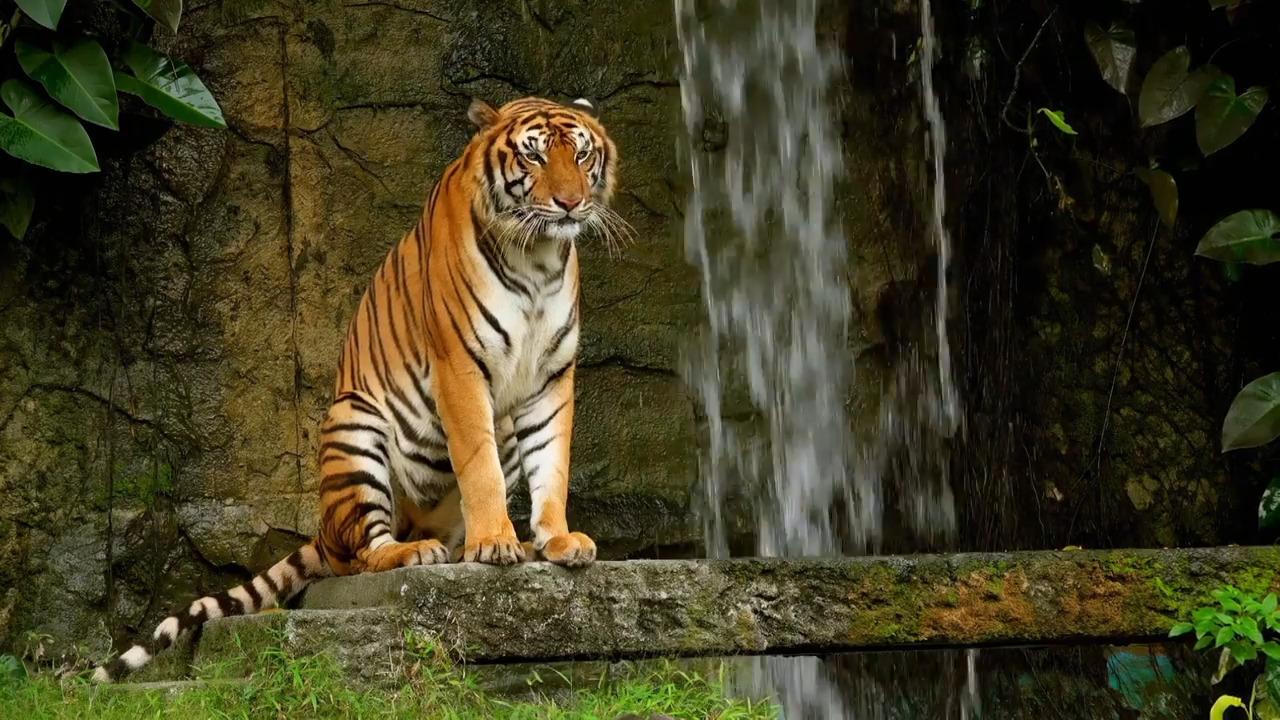
In The Truth About Tiger Stripes, evolutionary biologist Ben Garrod explains why these big cats' stripes are orange and black. Learn how melanin, the pigment responsible for skin and fur color, creates the distinctive camouflage patterns of a tiger’s coat. Discover the ways tigers use their stripes for survival in the wild, blending into their surroundings to avoid predators and enhance their hunting capabilities. This video is excerpted from Secrets of Skin, a documentary series exploring the natural history of the body’s largest organ.
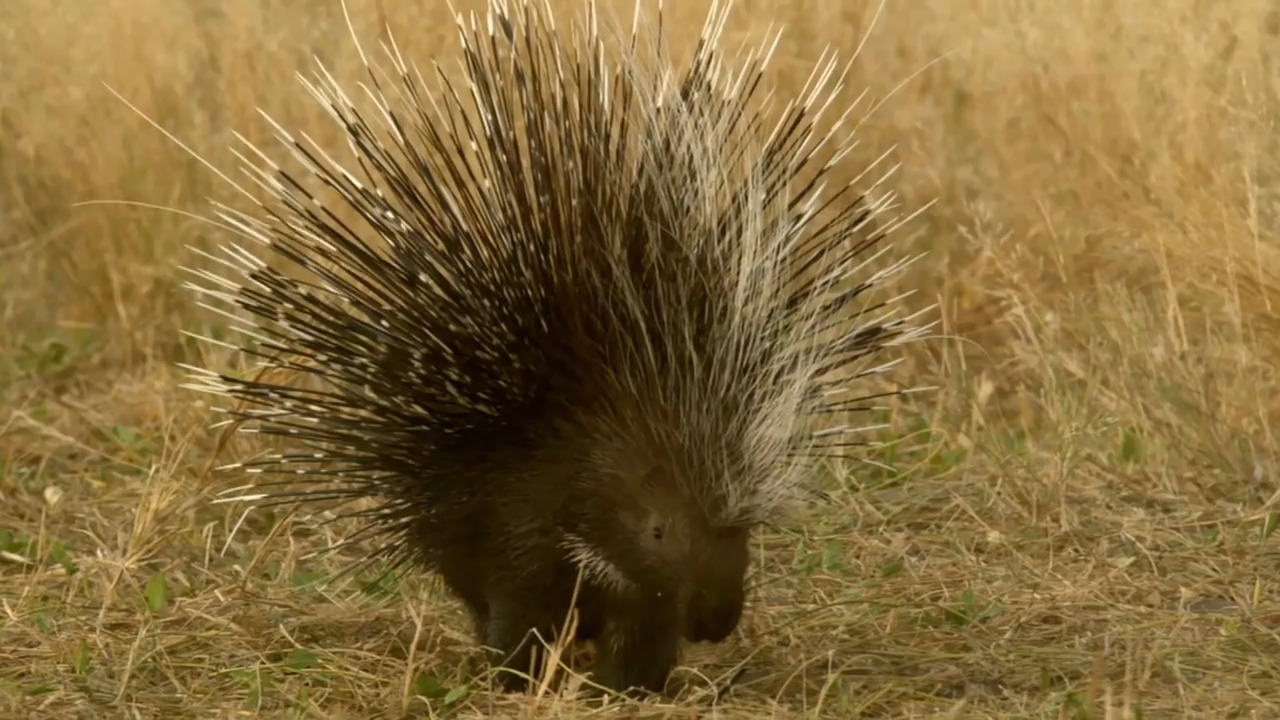
In Animals With Spines, evolutionary biologist Ben Garrod presents porcupines and how their quills have evolved as a defense mechanism. Learn how these animals, with their distinctive spines and quills, have adapted to survive in the wild as you discover how porcupines’ quills have evolved to detach and protect them from predators. This video is excerpted from Secrets of Skin, a documentary series exploring the natural history of the body’s largest organ.
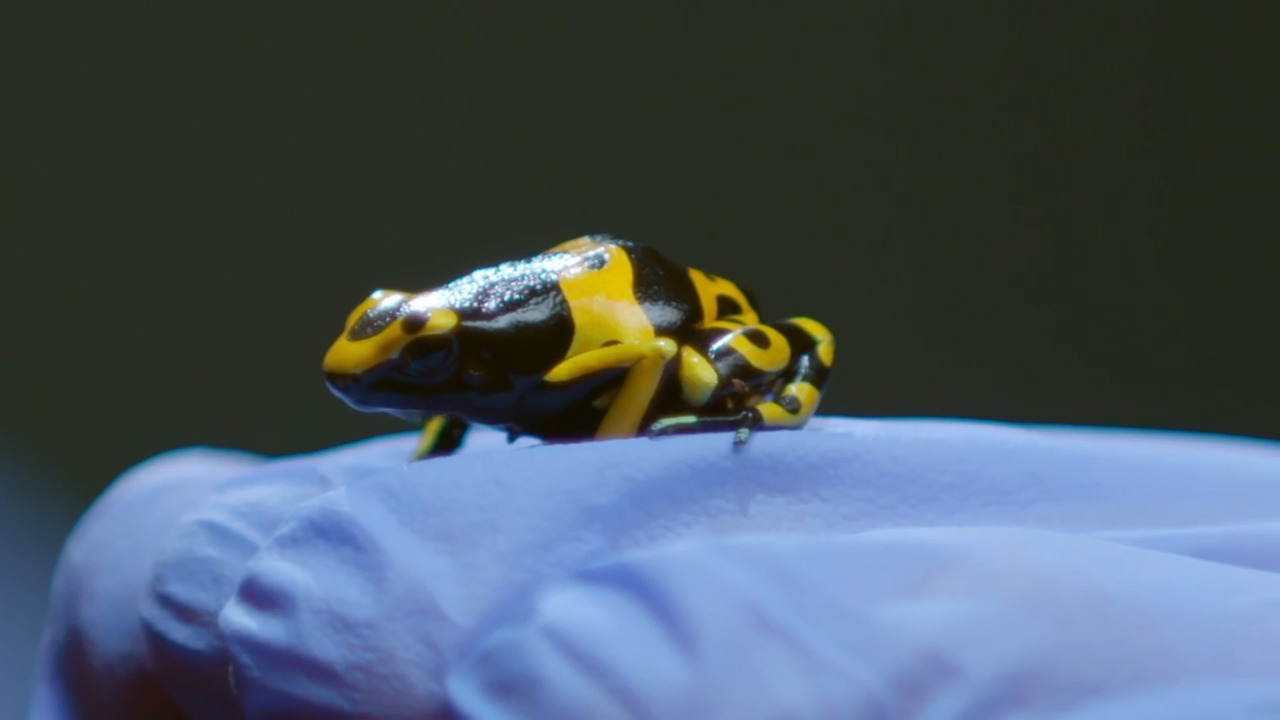
In What Makes Poison Dart Frogs Toxic?, evolutionary biologist Ben Garrod discusses how poison dart frogs produce their toxins. Learn how these frogs derive their toxicity from alkaloids found in their diet, how they use their poison for defense, and why scientists are studying these toxins for potential medical uses. This video is excerpted from Secrets of Skin, a documentary series exploring the natural history of the body’s largest organ.

In The Role of Fingertips, evolutionary biologist Ben Garrod presents the remarkable sensitivity of our fingertips and how this feature enables humans and animals to interact with their environment. See how mechanoreceptors detect textures and transmit information to the brain. Through innovative experiments, such as artificial fingertips used in robotics, understand the power and complexity of touch. This video is excerpted from Secrets of Skin, a documentary series exploring the natural history of the body’s largest organ.
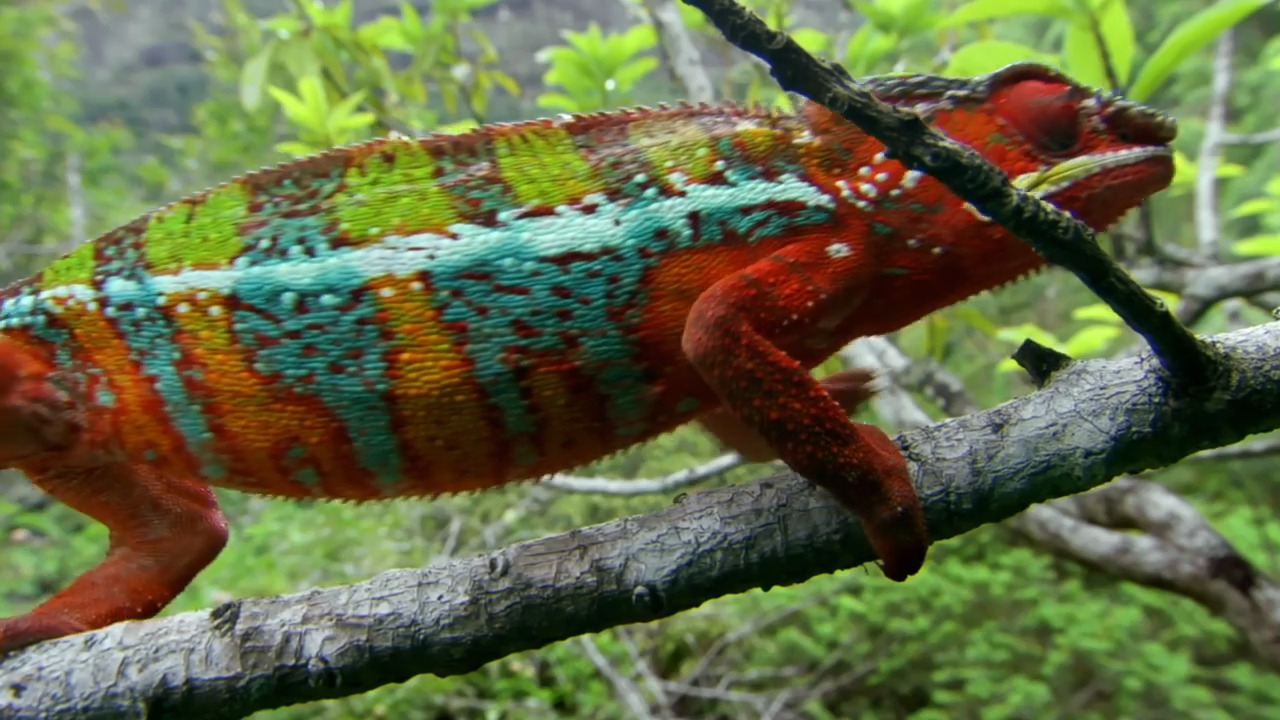
In Protective Pigments, evolutionary biologist Ben Garrod explains the critical role of pigment in protecting vertebrates from ultraviolet light and its broader functions in communication and survival strategies. Find out how pigments, like melanin, protect the skin at a molecular level and the diverse ways animals utilize color for camouflage, signaling, and mate selection. This video is excerpted from Secrets of Skin, a documentary series exploring the natural history of the body’s largest organ.
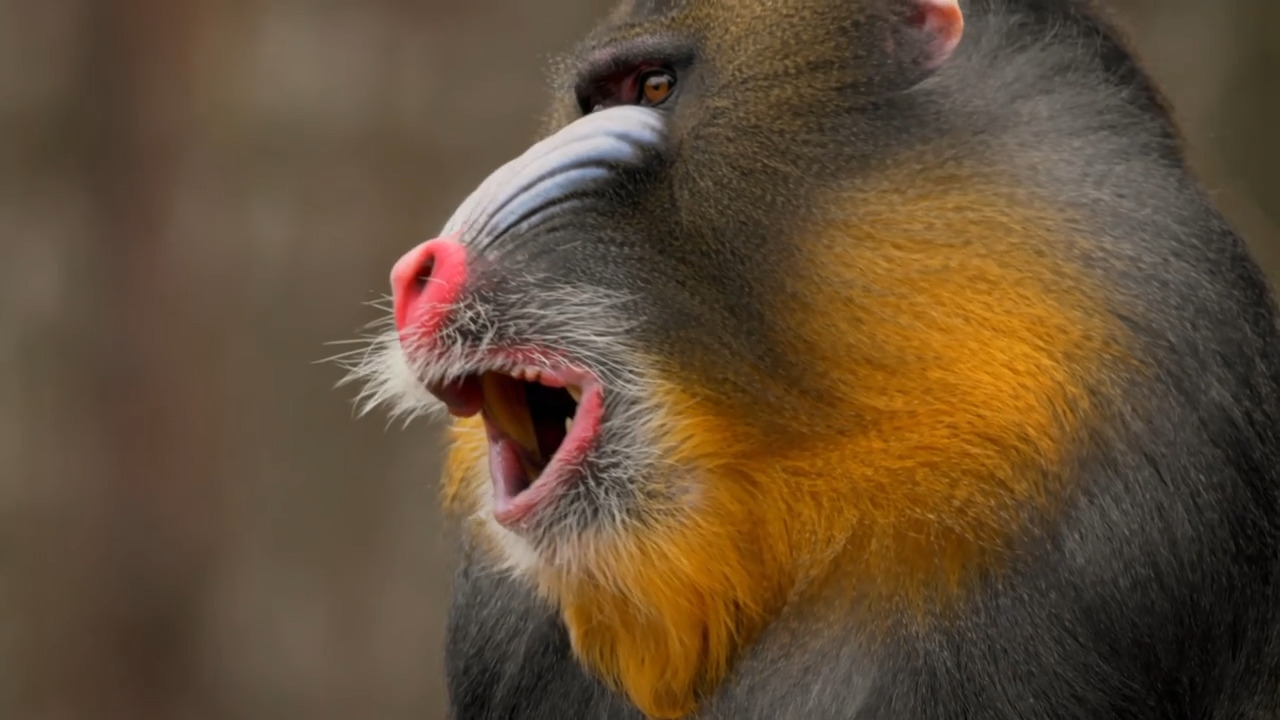
In The Mandrill and Its Bright Red Nose, evolutionary biologist Ben Garrod learns all about the mandrill, focusing on the bright red nose of the species. Find out how this nose helps the mandrill communicate and why it is so important for survival. This video is excerpted from Secrets of Skin, a documentary series exploring the natural history of the body’s largest organ.
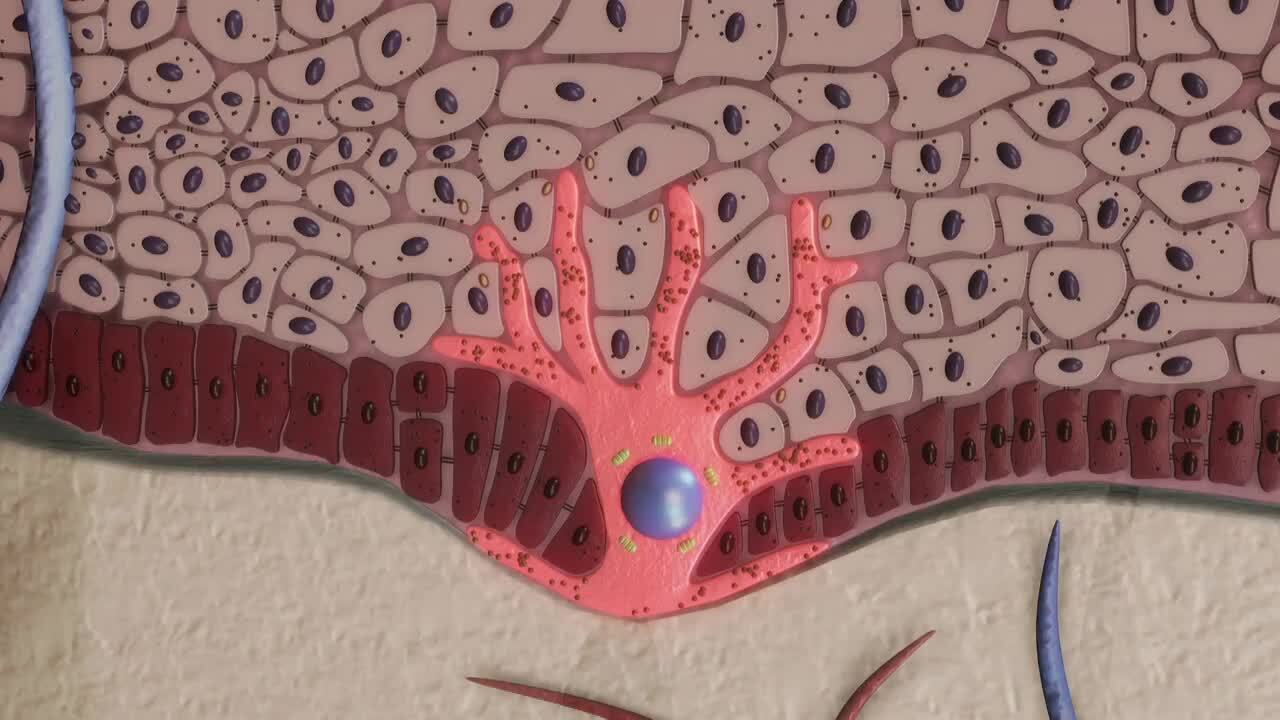
In Why Melanin Matters, evolutionary biologist Ben Garrod explores the role melanin plays in skin protection and survival. Learn how melanin helps protect vertebrates from the harmful effects of ultraviolet (UV) light. Through various animal examples, see how skin color is influenced by the amount of melanin and how it contributes to UV protection. Melanin is important for both health and survival, highlighting its essential role in the dermis and epidermis layers of the skin. This video is excerpted from Secrets of Skin, a documentary series exploring the natural history of the body’s largest organ.

In Sweat Is the Body's Built-In Cooling System, evolutionary biologist Ben Garrod presents the important role sweat plays in keeping our body cool. Sweat helps regulate our body temperature and works to cool us down through a process called evaporation. Learn how sweat glands work, the effect of metabolism on sweating, and why we can even sweat in colder weather, to understand why sweating is essential for keeping our bodies safe and healthy. This video is excerpted from Secrets of Skin, a documentary series exploring the natural history of the body’s largest organ.
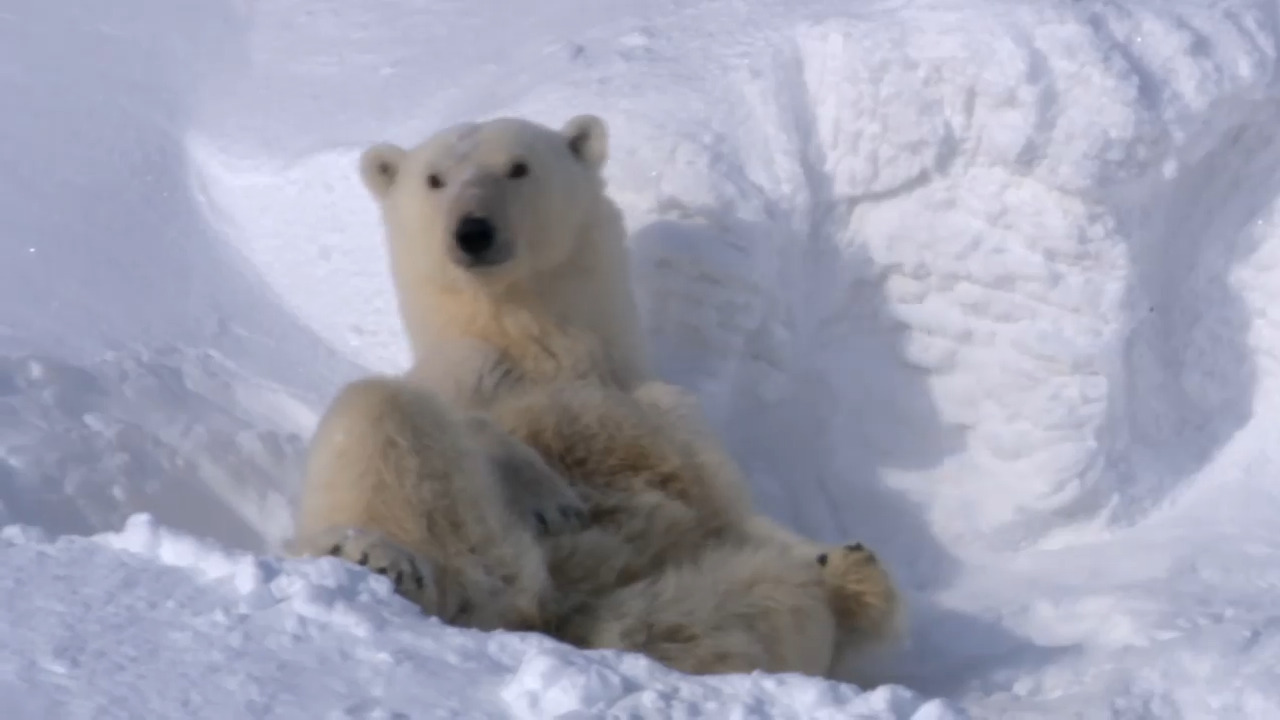
In Your Skin as Insulator, evolutionary biologist Ben Garrod explores the role of skin in insulating the body against cold and heat. Focusing on how skin and body fat, particularly in animals like marine mammals and polar bears, helps regulate temperature, learn about how hair follicles and layers like blubber contribute to insulation and temperature regulation. This video is excerpted from Secrets of Skin, a documentary series exploring the natural history of the body’s largest organ.
In How Sunscreen Works, evolutionary biologist Ben Garrod explains why pale skin needs extra protection from the Sun because it doesn't have much melanin, which helps block harmful UV rays. He uses a special UV camera to see how much protection his skin naturally has and discovers he needs sunscreen to stay safe from sunburn. After applying sunscreen to one side of his face, the camera shows that the sunscreen makes his skin much darker, proving it's protecting him from the Sun’s harmful rays. This video is excerpted from BBC’s Secrets of Skin, a documentary series exploring the natural history of the body's largest organ.
In Crocodilians, Ancient Apex Predators, evolutionary biologist Ben Garrod meets some crocodilians. This category includes crocodiles, alligators, and other similar species that use their sensitive skin to detect pressure and vibrations, especially in murky waters where their vision is limited. This unique adaptation helps them hunt and survive as an apex predator. This video is excerpted from Secrets of Skin, a documentary series exploring the natural history of the body’s largest organ.
In Sloths, Masters of Slow and Steady, evolutionary biologist Ben Garrod describes how a sloth's skin provides unique camouflage, helping it blend into its environment for protection. Discover the symbiotic relationship between sloths and algae, which grows on their fur and gives them a greenish tint. This algae offers camouflage while also supporting moths that help fertilize the algae. Through this fascinating example of nature’s design, see how animals and plants can depend on each other in unexpected ways. This video is excerpted from Secrets of Skin, a documentary series exploring the natural history of the body’s largest organ.
In The Truth About Tiger Stripes, evolutionary biologist Ben Garrod explains why these big cats' stripes are orange and black. Learn how melanin, the pigment responsible for skin and fur color, creates the distinctive camouflage patterns of a tiger’s coat. Discover the ways tigers use their stripes for survival in the wild, blending into their surroundings to avoid predators and enhance their hunting capabilities. This video is excerpted from Secrets of Skin, a documentary series exploring the natural history of the body’s largest organ.
In Animals With Spines, evolutionary biologist Ben Garrod presents porcupines and how their quills have evolved as a defense mechanism. Learn how these animals, with their distinctive spines and quills, have adapted to survive in the wild as you discover how porcupines’ quills have evolved to detach and protect them from predators. This video is excerpted from Secrets of Skin, a documentary series exploring the natural history of the body’s largest organ.
In What Makes Poison Dart Frogs Toxic?, evolutionary biologist Ben Garrod discusses how poison dart frogs produce their toxins. Learn how these frogs derive their toxicity from alkaloids found in their diet, how they use their poison for defense, and why scientists are studying these toxins for potential medical uses. This video is excerpted from Secrets of Skin, a documentary series exploring the natural history of the body’s largest organ.
In The Role of Fingertips, evolutionary biologist Ben Garrod presents the remarkable sensitivity of our fingertips and how this feature enables humans and animals to interact with their environment. See how mechanoreceptors detect textures and transmit information to the brain. Through innovative experiments, such as artificial fingertips used in robotics, understand the power and complexity of touch. This video is excerpted from Secrets of Skin, a documentary series exploring the natural history of the body’s largest organ.
In Protective Pigments, evolutionary biologist Ben Garrod explains the critical role of pigment in protecting vertebrates from ultraviolet light and its broader functions in communication and survival strategies. Find out how pigments, like melanin, protect the skin at a molecular level and the diverse ways animals utilize color for camouflage, signaling, and mate selection. This video is excerpted from Secrets of Skin, a documentary series exploring the natural history of the body’s largest organ.
In The Mandrill and Its Bright Red Nose, evolutionary biologist Ben Garrod learns all about the mandrill, focusing on the bright red nose of the species. Find out how this nose helps the mandrill communicate and why it is so important for survival. This video is excerpted from Secrets of Skin, a documentary series exploring the natural history of the body’s largest organ.
In Why Melanin Matters, evolutionary biologist Ben Garrod explores the role melanin plays in skin protection and survival. Learn how melanin helps protect vertebrates from the harmful effects of ultraviolet (UV) light. Through various animal examples, see how skin color is influenced by the amount of melanin and how it contributes to UV protection. Melanin is important for both health and survival, highlighting its essential role in the dermis and epidermis layers of the skin. This video is excerpted from Secrets of Skin, a documentary series exploring the natural history of the body’s largest organ.
In Sweat Is the Body's Built-In Cooling System, evolutionary biologist Ben Garrod presents the important role sweat plays in keeping our body cool. Sweat helps regulate our body temperature and works to cool us down through a process called evaporation. Learn how sweat glands work, the effect of metabolism on sweating, and why we can even sweat in colder weather, to understand why sweating is essential for keeping our bodies safe and healthy. This video is excerpted from Secrets of Skin, a documentary series exploring the natural history of the body’s largest organ.
In Your Skin as Insulator, evolutionary biologist Ben Garrod explores the role of skin in insulating the body against cold and heat. Focusing on how skin and body fat, particularly in animals like marine mammals and polar bears, helps regulate temperature, learn about how hair follicles and layers like blubber contribute to insulation and temperature regulation. This video is excerpted from Secrets of Skin, a documentary series exploring the natural history of the body’s largest organ.