Sweat Is the Body's Built-In Cooling System
In Sweat Is the Body's Built-In Cooling System, evolutionary biologist Ben Garrod presents the important role sweat plays in keeping our body cool. Sweat helps regulate our body temperature and works to cool us down through a process called evaporation. Learn how sweat glands work, the effect of metabolism on sweating, and why we can even sweat in colder weather, to understand why sweating is essential for keeping our bodies safe and healthy. This video is excerpted from Secrets of Skin, a documentary series exploring the natural history of the body’s largest organ.

Professor Ben Garrod explores how skin has allowed vertebrates to conquer the planet. Learn more.
Lesson Express
Q: How does sweat help maintain a stable body temperature, and what factors influence how much sweat we produce?
A: Sweat helps regulate body temperature by evaporating from the skin, which cools us down. Factors like physical activity, the environment, metabolism, and even genetics can influence sweat production.
Q: Why can people sweat even in cold weather, and how does this challenge the common perception of sweat only being linked to heat?
A: People can sweat in cold weather because physical exertion or metabolic processes can raise the body’s internal temperature, prompting the body to cool down by sweating. This highlights the role of sweat in maintaining a balanced internal temperature, not just cooling us in hot conditions.
Q: How do sweat glands and sebaceous glands differ in function, and why is it important to understand both of these functions in the context of body temperature regulation?
A: Sweat glands produce sweat to cool the body, while sebaceous glands secrete oil to lubricate and protect the skin. Understanding both helps us comprehend how the body not only regulates temperature but also maintains skin health and moisture balance.
You Might Also Like
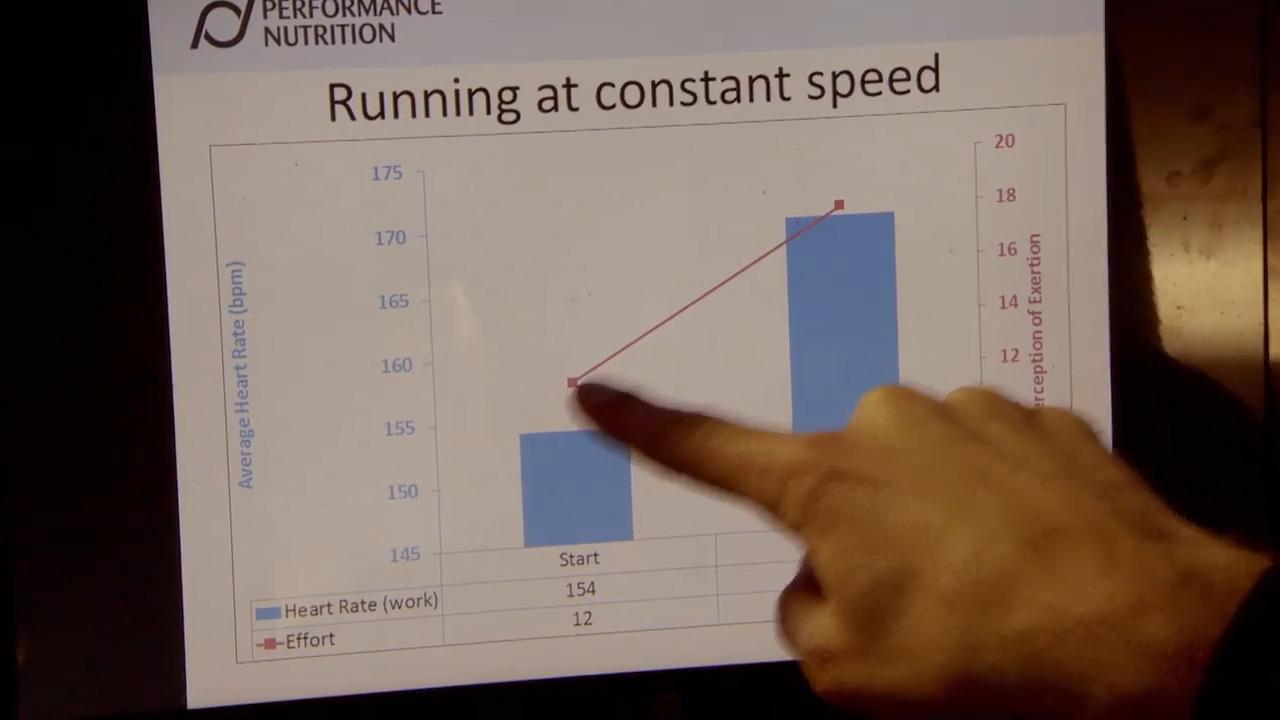
In The Science of Dehydration, Jem pushes his body to the limit with intense exercise while scientists measure how dehydration affects his performance. After sweating it out on a treadmill and exercise bike — without drinking any water — his blood volume drops, and his reaction time slows by a third! The results prove just how crucial hydration is for both the body and the brain. This video is excerpted from BBC’s Bang Goes the Theory, a series that delves into the ways science impacts our lives and shapes the world we experience every day.
In The Science of Dehydration, Jem pushes his body to the limit with intense exercise while scientists measure how dehydration affects his performance. After sweating it out on a treadmill and exercise bike — without drinking any water — his blood volume drops, and his reaction time slows by a third! The results prove just how crucial hydration is for both the body and the brain. This video is excerpted from BBC’s Bang Goes the Theory, a series that delves into the ways science impacts our lives and shapes the world we experience every day.