Crocodilians, Ancient Apex Predators
In Crocodilians, Ancient Apex Predators, evolutionary biologist Ben Garrod meets some crocodilians. This category includes crocodiles, alligators, and other similar species that use their sensitive skin to detect pressure and vibrations, especially in murky waters where their vision is limited. This unique adaptation helps them hunt and survive as an apex predator. This video is excerpted from Secrets of Skin, a documentary series exploring the natural history of the body’s largest organ.
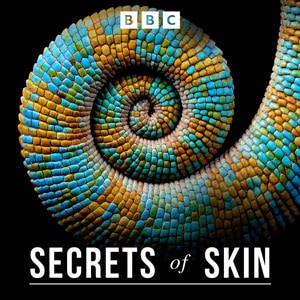
Professor Ben Garrod explores how skin has allowed vertebrates to conquer the planet. Learn more.
Lesson Express
Q: How do crocodilians use their sense of touch in their environment?
A: Crocodilians use their sensitive skin to detect pressure and vibrations in the water, helping them to locate prey and navigate murky environments.
Q: Why can't crocodilians rely on their vision?
A: The water in which crocodilians swim is often murky, making it difficult to see clearly. They rely on their sense of touch to compensate for this lack of vision.
Q: What makes the Nile crocodile an apex predator?
A: The Nile crocodile is an apex predator because it can use its ability to jump and surprise prey, and it is capable of eating almost anything in its environment.
More Like This
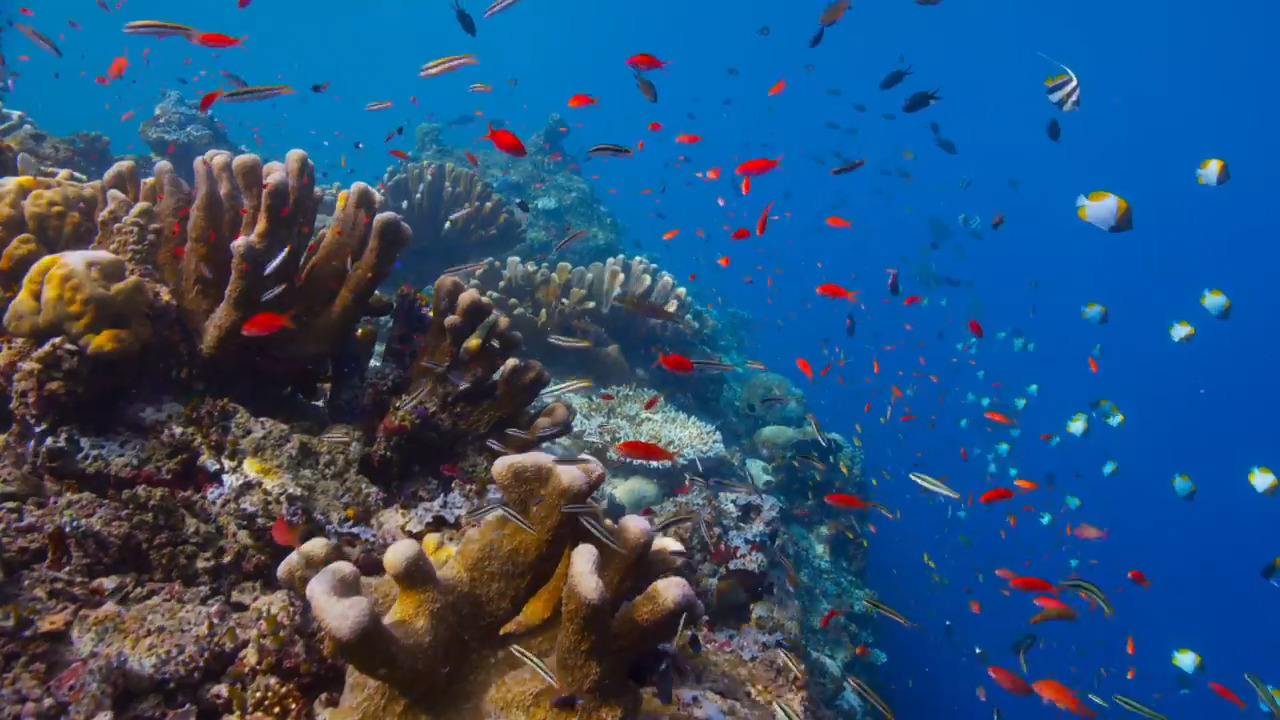
In A Sea of Opportunity in Coral Reefs, narrator Sir David Attenborough, dives into the inhabitants of this very busy coral reef, including cuttlefish who have a special adaptation to capture their prey. This video is excerpted from BBC’s Blue Planet II, a natural history series that explores the world's oceans, the animals that live in them, and the threats they face, using modern filming techniques and equipment to capture previously unseen areas of the ocean.
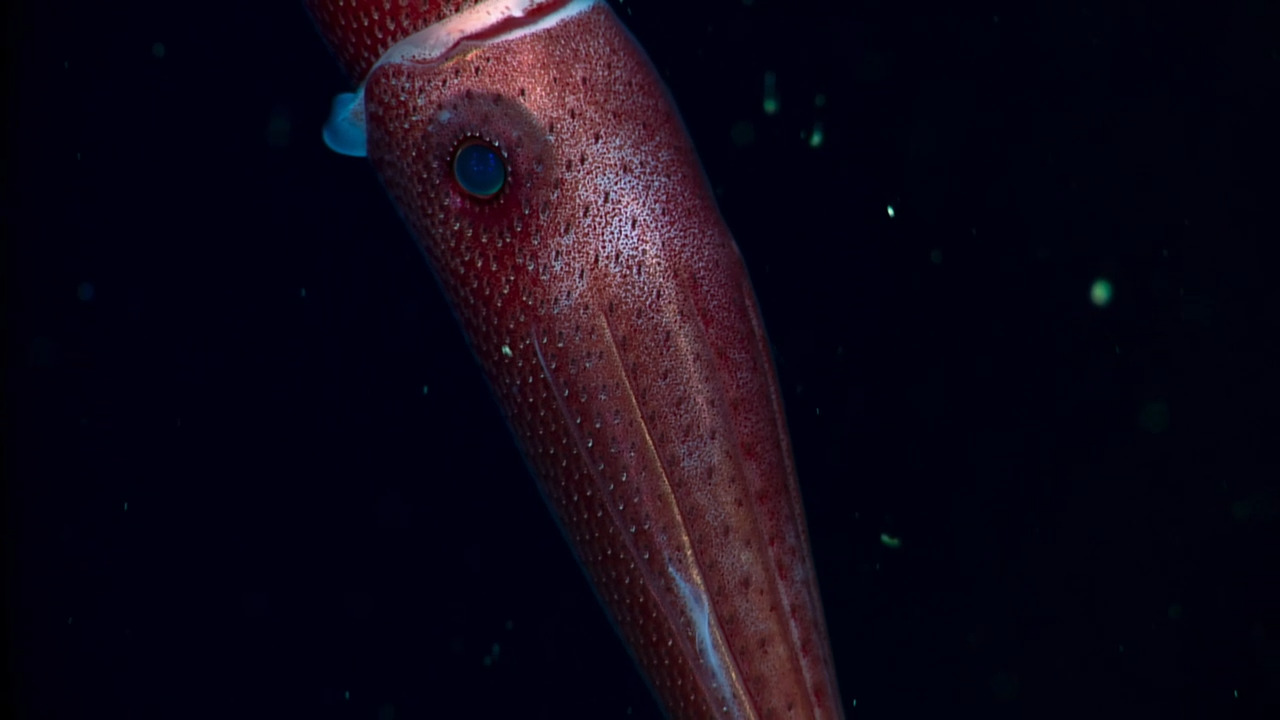
In A Sea of Doom Beneath the Pacific, narrator Sir David Attenborough investigates the world of the deep ocean, where only a small amount of light shines and animals have evolved in interesting ways. This video is excerpted from BBC’s Blue Planet II, a natural history series that explores the world's oceans, the animals that live in them, and the threats they face, using modern filming techniques and equipment to capture previously unseen areas of the ocean.
In Traversing Extreme Winters in Antarctica, narrator Sir David Attenborough explains how two animals, the Weddell seal and the emperor penguin, live in the extreme environment of Antarctica. Watch the aurora borealis in the northern and southern hemispheres. This video is excerpted from BBC’s Blue Planet, a definitive documentary series diving into the mysterious depths of the sea to discover the natural history of the world’s oceans and the rarely seen marine life that reside there.
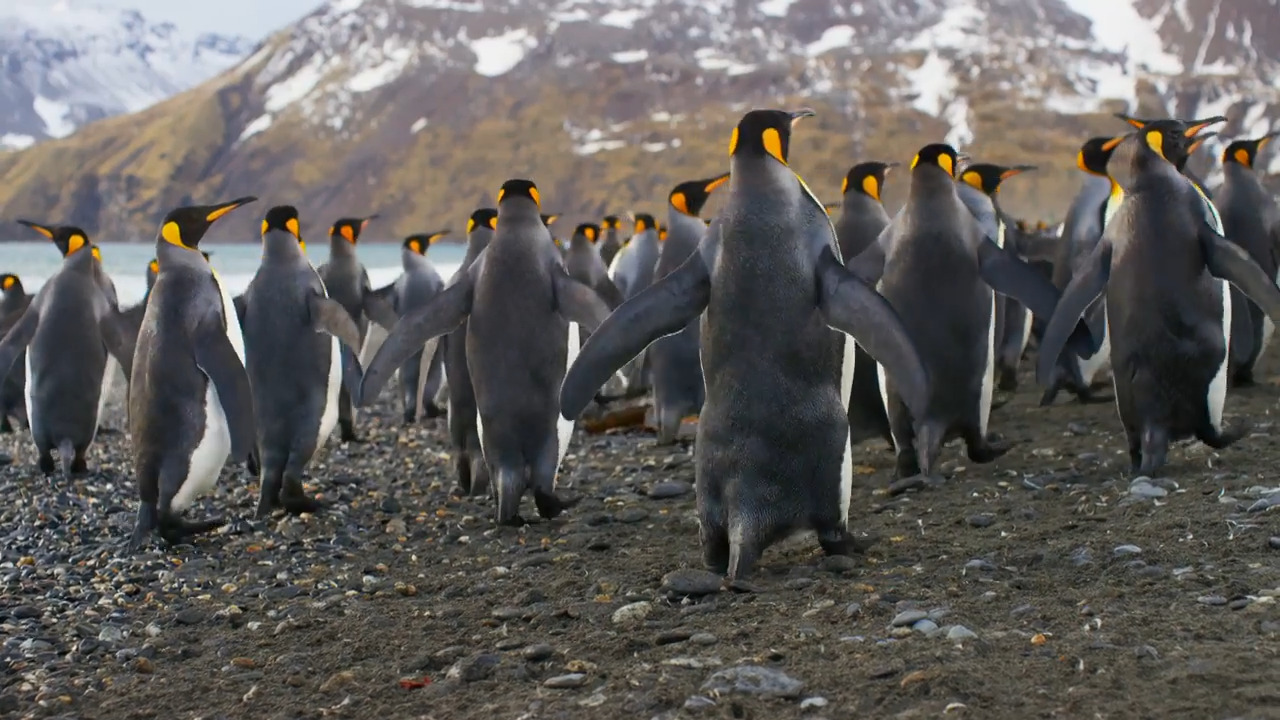
In King Penguins and Their Survival Suits, narrator Sir David Attenborough highlights how king penguins go through a dramatic change on the remote South Georgia island. This video is excerpted from BBC’s Blue Planet II, a natural history series that explores the world's oceans, the animals that live in them, and the threats they face, using modern filming techniques and equipment to capture previously unseen areas of the ocean.
In A Sea of Opportunity in Coral Reefs, narrator Sir David Attenborough, dives into the inhabitants of this very busy coral reef, including cuttlefish who have a special adaptation to capture their prey. This video is excerpted from BBC’s Blue Planet II, a natural history series that explores the world's oceans, the animals that live in them, and the threats they face, using modern filming techniques and equipment to capture previously unseen areas of the ocean.
In A Sea of Doom Beneath the Pacific, narrator Sir David Attenborough investigates the world of the deep ocean, where only a small amount of light shines and animals have evolved in interesting ways. This video is excerpted from BBC’s Blue Planet II, a natural history series that explores the world's oceans, the animals that live in them, and the threats they face, using modern filming techniques and equipment to capture previously unseen areas of the ocean.
In Traversing Extreme Winters in Antarctica, narrator Sir David Attenborough explains how two animals, the Weddell seal and the emperor penguin, live in the extreme environment of Antarctica. Watch the aurora borealis in the northern and southern hemispheres. This video is excerpted from BBC’s Blue Planet, a definitive documentary series diving into the mysterious depths of the sea to discover the natural history of the world’s oceans and the rarely seen marine life that reside there.
In King Penguins and Their Survival Suits, narrator Sir David Attenborough highlights how king penguins go through a dramatic change on the remote South Georgia island. This video is excerpted from BBC’s Blue Planet II, a natural history series that explores the world's oceans, the animals that live in them, and the threats they face, using modern filming techniques and equipment to capture previously unseen areas of the ocean.