The Truth About Tiger Stripes
In The Truth About Tiger Stripes, evolutionary biologist Ben Garrod explains why these big cats' stripes are orange and black. Learn how melanin, the pigment responsible for skin and fur color, creates the distinctive camouflage patterns of a tiger’s coat. Discover the ways tigers use their stripes for survival in the wild, blending into their surroundings to avoid predators and enhance their hunting capabilities. This video is excerpted from Secrets of Skin, a documentary series exploring the natural history of the body’s largest organ.
Professor Ben Garrod explores how skin has allowed vertebrates to conquer the planet. Learn more.
Lesson Express
Q: What purpose do the tiger’s stripes serve?
A: The stripes help the tiger blend into its environment, making it less visible to prey and predators.
Q: How does melanin influence the tiger’s appearance?
A: Melanin is the pigment that produces the black and orange colors of the tiger’s stripes.
Q: Why do you think camouflage is an important adaptation for tigers?
A: Camouflage helps tigers survive by making them harder to detect, improving their chances of catching prey.
You Might Also Like
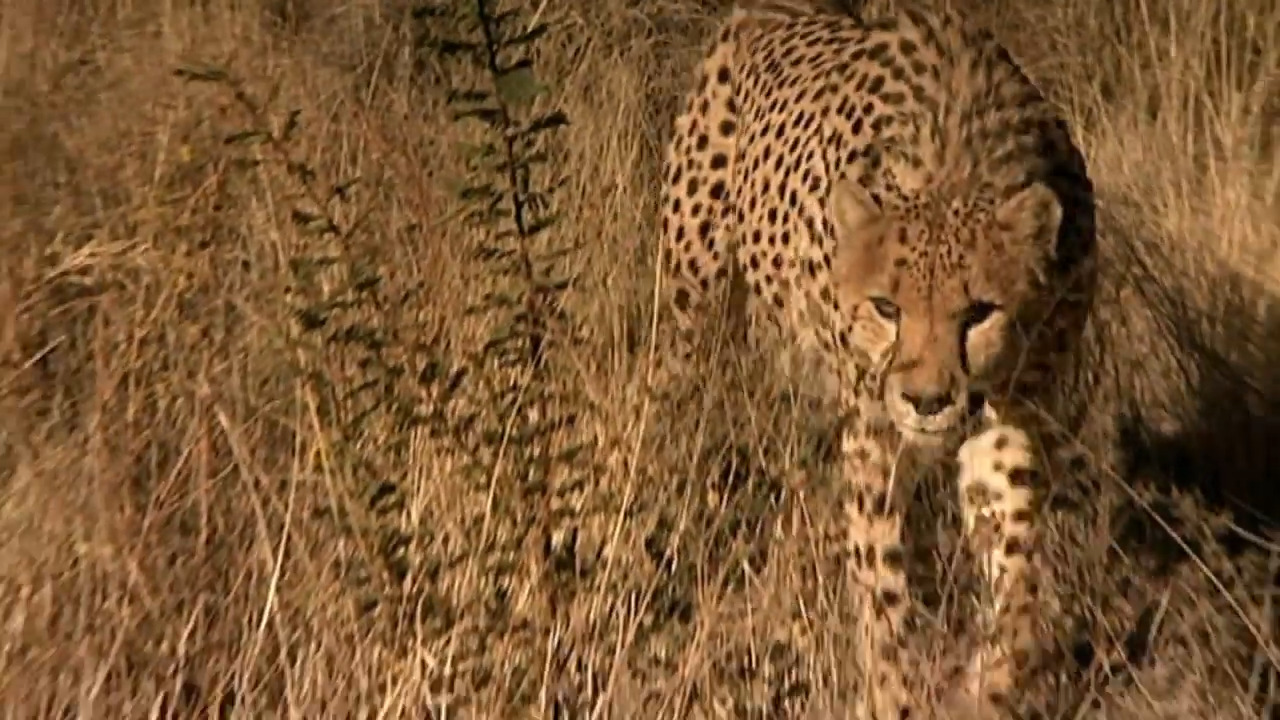
In Endangered Big Cat Conservation Around the World, host Simon Reeve visits two conservationists in Russia and Namibia who are tirelessly working to protect Amur tigers and cheetahs. This video is excerpted from BBC's Incredible Journeys With Simon Reeve, a series that highlights one journalist’s travels across the globe and the diverse cultures and peoples he meets along the way.
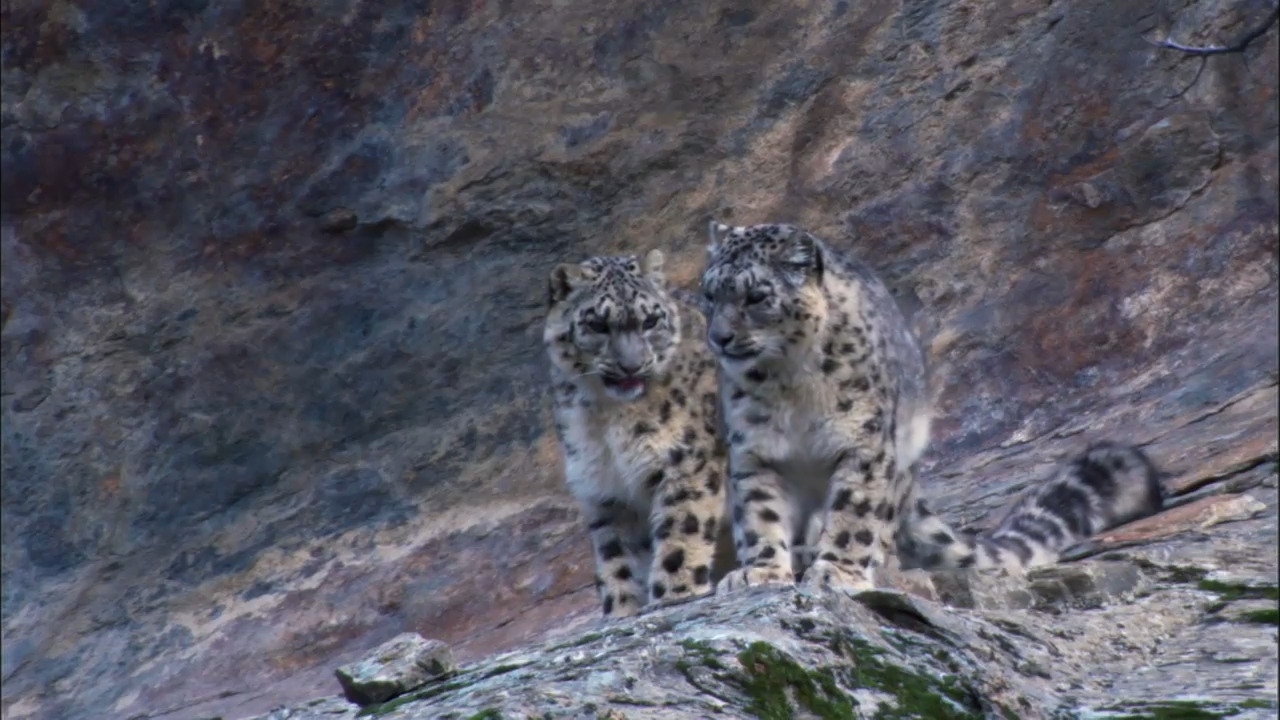
In The Snow Leopard Caught on Film for the First Time!, Sir David Attenborough describes how a seldom-seen female cares for her cub and hunts among the steep cliffs of the Himalayas. Her body is uniquely adapted to the challenges of her environment. This video is excerpted from BBC's Planet Earth, a breathtaking documentary series that highlights the natural wonders of our planet.
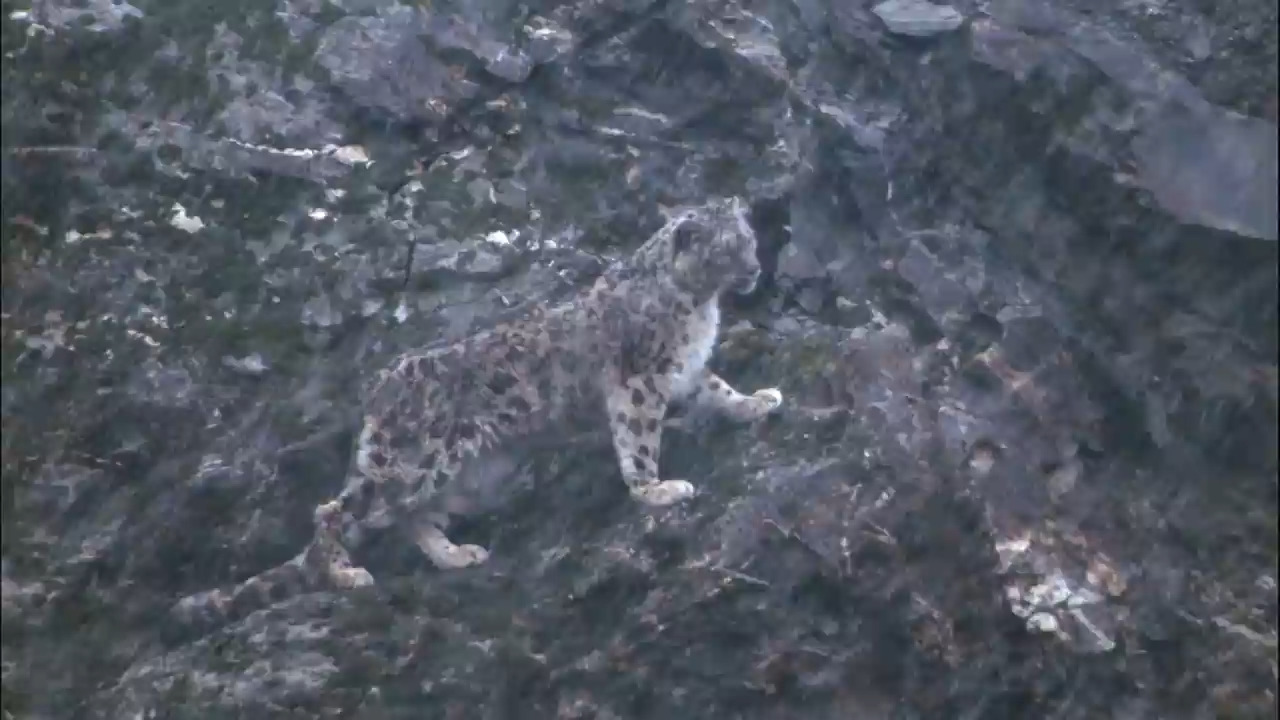
In How the Snow Affects Animals, narrator Sir David Attenborough describes how predators stalk a herd of markhor goats. When snow starts to fall, the golden eagle is hindered, but the snow leopard is helped. This video is excerpted from BBC's Planet Earth, a breathtaking documentary series that highlights the natural wonders of our planet.
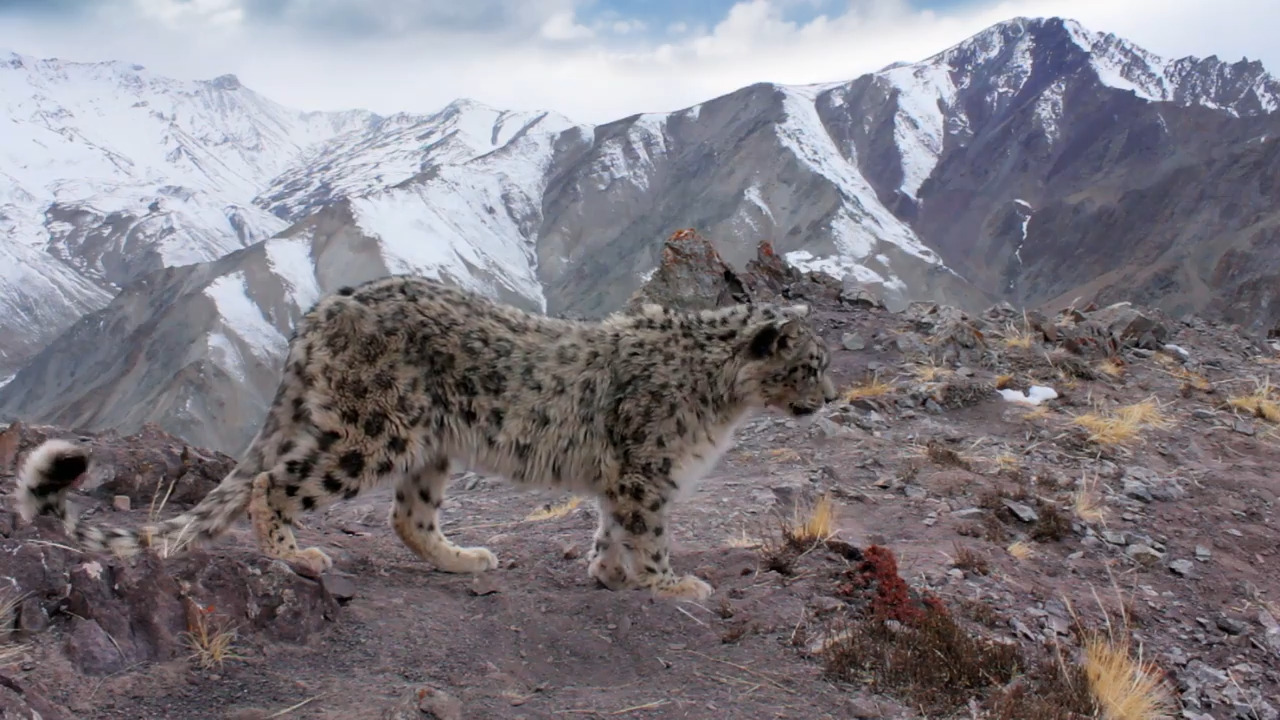
In The Elusive Snow Leopard, narrator Sir David Attenborough watches a snow leopard in heat leave her scent and call out to attract males. When two males arrive, problems ensue. The males fight to claim the female, while the female’s cub has to escape the danger of being killed herself. Though the mother is injured, she later recovers, and the two females are later spotted alive and well. This video is excerpted from BBC’s Planet Earth II, a breathtaking documentary series that highlights the natural wonders of our planet.
In Endangered Big Cat Conservation Around the World, host Simon Reeve visits two conservationists in Russia and Namibia who are tirelessly working to protect Amur tigers and cheetahs. This video is excerpted from BBC's Incredible Journeys With Simon Reeve, a series that highlights one journalist’s travels across the globe and the diverse cultures and peoples he meets along the way.
In The Snow Leopard Caught on Film for the First Time!, Sir David Attenborough describes how a seldom-seen female cares for her cub and hunts among the steep cliffs of the Himalayas. Her body is uniquely adapted to the challenges of her environment. This video is excerpted from BBC's Planet Earth, a breathtaking documentary series that highlights the natural wonders of our planet.
In How the Snow Affects Animals, narrator Sir David Attenborough describes how predators stalk a herd of markhor goats. When snow starts to fall, the golden eagle is hindered, but the snow leopard is helped. This video is excerpted from BBC's Planet Earth, a breathtaking documentary series that highlights the natural wonders of our planet.
In The Elusive Snow Leopard, narrator Sir David Attenborough watches a snow leopard in heat leave her scent and call out to attract males. When two males arrive, problems ensue. The males fight to claim the female, while the female’s cub has to escape the danger of being killed herself. Though the mother is injured, she later recovers, and the two females are later spotted alive and well. This video is excerpted from BBC’s Planet Earth II, a breathtaking documentary series that highlights the natural wonders of our planet.