Beekeeper Nick was confused when his bees kept dying off. He kept his hives being stocked with food, so why did he still lose around 75% of the colony? The answer was in what was (or wasn’t) in his bees’ food.
In the wild, bees take what they need from flowers to make honey, and then feed off this honey in the winter. When we take this honey for ourselves, beekeepers replace it with supplementary food in the form of sugar and water, and scientists now say that bees can’t subsist off of just sugar and water, as the simple combination was missing key nutrients. Your parents probably said the same thing about why you can’t just have cake for dinner!
After years of testing different foods for bees, scientists have finally discovered how to make the core ingredient, called “sterole.” Oxford scientists have been developing the best foods for bees, and have found that the bees who consumed the food with sterole were healthier, and had up to 15 times more baby bees! This breakthrough is incredibly important — it means bees can still thrive without floral pollen, which would also help our food security, since bees are so important for pollinating crops.
In Thomas Jefferson and the Declaration of Independence, learn how the colonies made the case for independence from Britain during the Revolutionary War. A Committee of Five, including Thomas Jefferson, drafted the document, drawing on ideas from the Virginia Declaration of Rights and John Locke. The Declaration outlined reasons for independence, the philosophy behind it, the king’s offenses, and concluded with the resolution for freedom. It was approved on July 4, 1776, and its original draft is now on permanent display in Washington, D.C.
In James Monroe, the Monroe Doctrine, and a Growing Nation, learn how President James Monroe led the United States during a period of rising national pride and optimism after the War of 1812. His administration obtained Florida from Spain, and in 1823, Monroe issued the Monroe Doctrine, declaring the Western Hemisphere closed to new European colonies while pledging U.S. neutrality in European conflicts. These actions helped establish the United States as a full-fledged nation, though the "Era of Good Feelings" would eventually come to a bitter end as political and sectional tensions resurfaced.
Meet the Leaders Who Shaped a Nation.
They were visionaries and leaders, but they were also imperfect people shaped by their times. From bold founders and wartime decision-makers to reformers and risk-takers, these U.S. presidents guided the nation through moments of hope, conflict, and change.
In this video playlist, explore BBC clips featuring George Washington, Thomas Jefferson, Abraham Lincoln, Theodore Roosevelt, and others, examining both their achievements and their shortcomings. A thoughtful playlist that encourages students to see history with nuance, question leadership, and understand that progress is often driven by complicated people making difficult choices.
Experience powerful stories of Native American life — ancient, historical, and modern — in this inspiring playlist from the BBC. Featuring authentic video clips from BBC News reports and acclaimed BBC documentaries, students will experience a vivid, first-hand look at the voices, traditions, and challenges of Indigenous peoples across North America.
They’ll explore the Iroquois Constitution, a foundational document that influenced democracy itself; discover the remarkable cliffside cities at Mesa Verde; and learn how Native communities are leading buffalo restoration efforts that bring both ecological and cultural renewal. Students will also see the beauty of traditional arts like hoop dance and gain perspective on the political and community issues shaping Native life today.
These stories offer an unforgettable window into Indigenous identity, resilience, and connection to the land — helping students better understand both the past and the living cultures that continue to shape our world.
Welcome to Zavodovski — a volcanic island that lives in the icy waters north of Antarctica. First watch Volcanic Islands Create a Penguin Sanctuary, a short clip from the award-winning BBC series Planet Earth. Sir David Attenborough introduces you to the world’s largest chinstrap penguin colony, which thrives despite (and in some cases, because of) its treacherous seas and active volcano.
Once your students have watched the video, invite them to check for understanding with this quick, 8-question quiz!
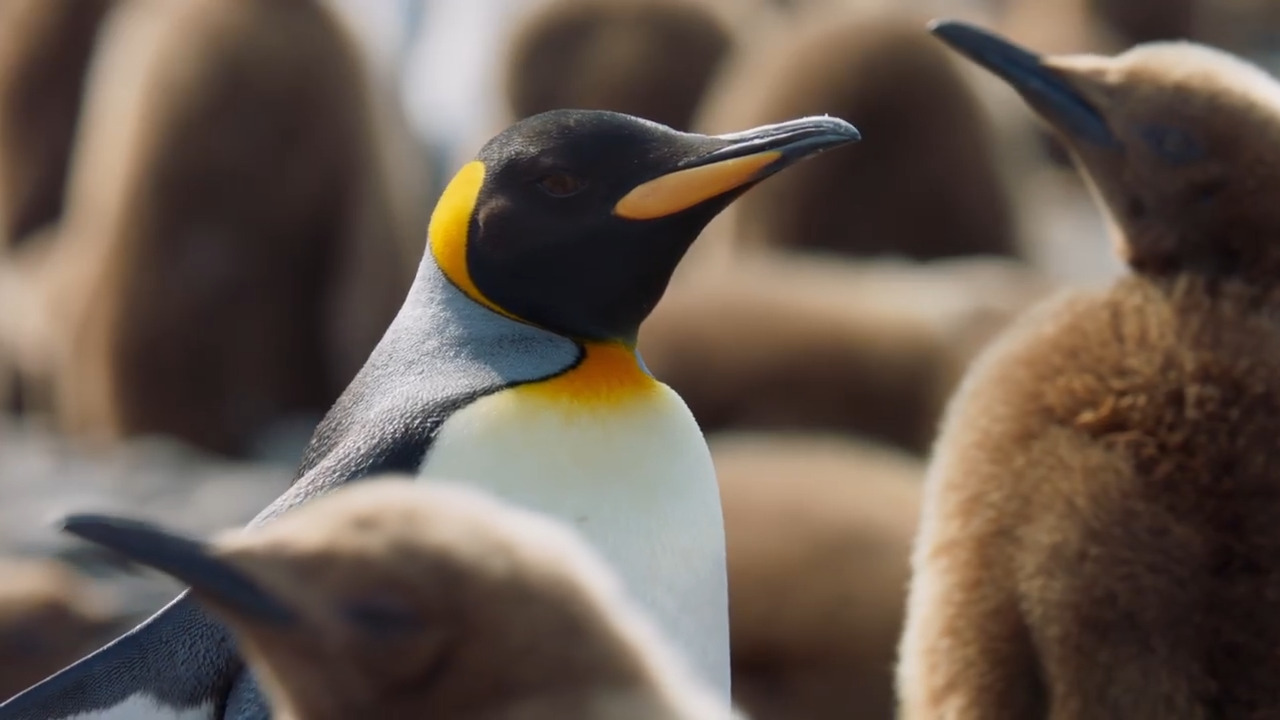
Waddle into the wild with one of nature’s most beloved birds: the penguin! This BBC Learning Hub playlist follows the lives of these flightless wonders as they brave the cold, dive through icy waters, and care for their fluffy chicks.
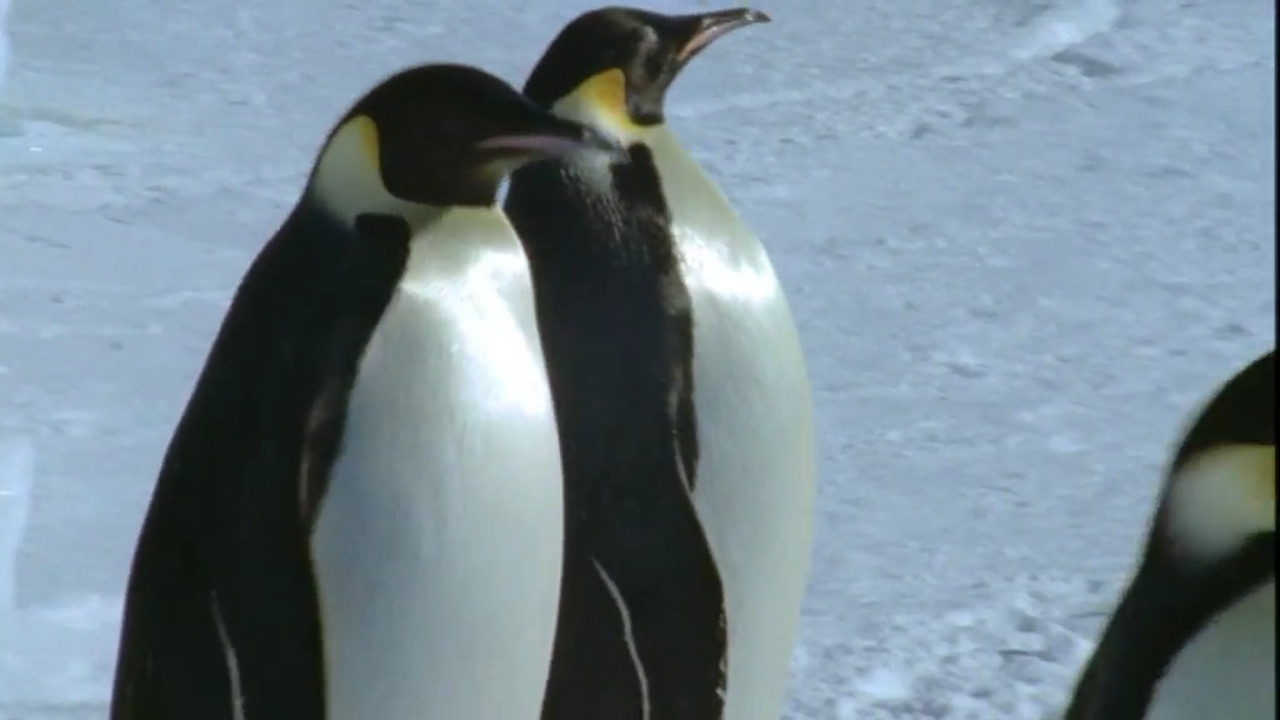
Meet the determined emperor penguins of Antarctica and discover how they adapt to harsh environments, work together in colonies, and avoid danger from predators like leopard seals. With narration from Blue Planet and other BBC favorites, this collection offers a closer look at the strength, smarts, and sheer adorableness of penguins in the wild.
In Bees in Decline, visit a collection of bee specimens at the Oxford University Museum of Natural History. There are more than 250 species of bees, and they help pollinate everything from apples to flowers. But bees are in decline, and one reason is the varroa mite, a tiny bug that causes a big problem.
In The Iroquois Legacy, explore the complex relationship between Native Americans and European settlers. Long before the U.S. Constitution, the Iroquois created their own constitution and political system, influencing Founding Fathers like Benjamin Franklin and John Adams. Despite this influence, the Iroquois faced difficult relationships with European settlers, including conflicts over land and the eventual destruction of their alliance during the American Revolution. Many Iroquois were forced to flee to Canada, where their descendants still live today.
Journey through India’s rich landscapes, vibrant cultures, and fascinating history in this captivating video collection. From the majestic Taj Mahal and bustling city streets of Jodhpur to the wild teak forests and flavorful samosa snacks, these videos bring India to life. Explore stories of legendary leaders like Ashoka and Gandhi, encounter curious langur monkeys, and dive into conversations around equality and tradition. Perfect for sparking global curiosity and cultural appreciation in your classroom!
The article “The Global Legacy of the Boston Tea Party” from BBC's HistoryExtra explains how the 1773 protest in Boston was influenced by global trade, colonial oppression, and the British Empire's economic crisis. The protest, where patriots dumped tea into Boston Harbor, sparked a revolution and became a model for civil disobedience around the world.
The article "From Tea to Treaty: A Timeline of the American Revolution" from BBC's HistoryExtra is a detailed journey through the pivotal moments of the American Revolution. It explores the tensions between Britain and its American colonies — from unfair taxes to the outbreak of war — culminating in the formation of the United States and the signing of the Constitution.
Beekeeper Nick was confused when his bees kept dying off. He kept his hives being stocked with food, so why did he still lose around 75% of the colony? The answer was in what was (or wasn’t) in his bees’ food.
In the wild, bees take what they need from flowers to make honey, and then feed off this honey in the winter. When we take this honey for ourselves, beekeepers replace it with supplementary food in the form of sugar and water, and scientists now say that bees can’t subsist off of just sugar and water, as the simple combination was missing key nutrients. Your parents probably said the same thing about why you can’t just have cake for dinner!
After years of testing different foods for bees, scientists have finally discovered how to make the core ingredient, called “sterole.” Oxford scientists have been developing the best foods for bees, and have found that the bees who consumed the food with sterole were healthier, and had up to 15 times more baby bees! This breakthrough is incredibly important — it means bees can still thrive without floral pollen, which would also help our food security, since bees are so important for pollinating crops.
In Thomas Jefferson and the Declaration of Independence, learn how the colonies made the case for independence from Britain during the Revolutionary War. A Committee of Five, including Thomas Jefferson, drafted the document, drawing on ideas from the Virginia Declaration of Rights and John Locke. The Declaration outlined reasons for independence, the philosophy behind it, the king’s offenses, and concluded with the resolution for freedom. It was approved on July 4, 1776, and its original draft is now on permanent display in Washington, D.C.
In James Monroe, the Monroe Doctrine, and a Growing Nation, learn how President James Monroe led the United States during a period of rising national pride and optimism after the War of 1812. His administration obtained Florida from Spain, and in 1823, Monroe issued the Monroe Doctrine, declaring the Western Hemisphere closed to new European colonies while pledging U.S. neutrality in European conflicts. These actions helped establish the United States as a full-fledged nation, though the "Era of Good Feelings" would eventually come to a bitter end as political and sectional tensions resurfaced.
Meet the Leaders Who Shaped a Nation.
They were visionaries and leaders, but they were also imperfect people shaped by their times. From bold founders and wartime decision-makers to reformers and risk-takers, these U.S. presidents guided the nation through moments of hope, conflict, and change.
In this video playlist, explore BBC clips featuring George Washington, Thomas Jefferson, Abraham Lincoln, Theodore Roosevelt, and others, examining both their achievements and their shortcomings. A thoughtful playlist that encourages students to see history with nuance, question leadership, and understand that progress is often driven by complicated people making difficult choices.
Experience powerful stories of Native American life — ancient, historical, and modern — in this inspiring playlist from the BBC. Featuring authentic video clips from BBC News reports and acclaimed BBC documentaries, students will experience a vivid, first-hand look at the voices, traditions, and challenges of Indigenous peoples across North America.
They’ll explore the Iroquois Constitution, a foundational document that influenced democracy itself; discover the remarkable cliffside cities at Mesa Verde; and learn how Native communities are leading buffalo restoration efforts that bring both ecological and cultural renewal. Students will also see the beauty of traditional arts like hoop dance and gain perspective on the political and community issues shaping Native life today.
These stories offer an unforgettable window into Indigenous identity, resilience, and connection to the land — helping students better understand both the past and the living cultures that continue to shape our world.
Welcome to Zavodovski — a volcanic island that lives in the icy waters north of Antarctica. First watch Volcanic Islands Create a Penguin Sanctuary, a short clip from the award-winning BBC series Planet Earth. Sir David Attenborough introduces you to the world’s largest chinstrap penguin colony, which thrives despite (and in some cases, because of) its treacherous seas and active volcano.
Once your students have watched the video, invite them to check for understanding with this quick, 8-question quiz!
Waddle into the wild with one of nature’s most beloved birds: the penguin! This BBC Learning Hub playlist follows the lives of these flightless wonders as they brave the cold, dive through icy waters, and care for their fluffy chicks.
Meet the determined emperor penguins of Antarctica and discover how they adapt to harsh environments, work together in colonies, and avoid danger from predators like leopard seals. With narration from Blue Planet and other BBC favorites, this collection offers a closer look at the strength, smarts, and sheer adorableness of penguins in the wild.
In Bees in Decline, visit a collection of bee specimens at the Oxford University Museum of Natural History. There are more than 250 species of bees, and they help pollinate everything from apples to flowers. But bees are in decline, and one reason is the varroa mite, a tiny bug that causes a big problem.
In The Iroquois Legacy, explore the complex relationship between Native Americans and European settlers. Long before the U.S. Constitution, the Iroquois created their own constitution and political system, influencing Founding Fathers like Benjamin Franklin and John Adams. Despite this influence, the Iroquois faced difficult relationships with European settlers, including conflicts over land and the eventual destruction of their alliance during the American Revolution. Many Iroquois were forced to flee to Canada, where their descendants still live today.
Journey through India’s rich landscapes, vibrant cultures, and fascinating history in this captivating video collection. From the majestic Taj Mahal and bustling city streets of Jodhpur to the wild teak forests and flavorful samosa snacks, these videos bring India to life. Explore stories of legendary leaders like Ashoka and Gandhi, encounter curious langur monkeys, and dive into conversations around equality and tradition. Perfect for sparking global curiosity and cultural appreciation in your classroom!
The article “The Global Legacy of the Boston Tea Party” from BBC's HistoryExtra explains how the 1773 protest in Boston was influenced by global trade, colonial oppression, and the British Empire's economic crisis. The protest, where patriots dumped tea into Boston Harbor, sparked a revolution and became a model for civil disobedience around the world.
The article "From Tea to Treaty: A Timeline of the American Revolution" from BBC's HistoryExtra is a detailed journey through the pivotal moments of the American Revolution. It explores the tensions between Britain and its American colonies — from unfair taxes to the outbreak of war — culminating in the formation of the United States and the signing of the Constitution.