U.S. Presidents Playlist
Meet the Leaders Who Shaped a Nation.
They were visionaries and leaders, but they were also imperfect people shaped by their times. From bold founders and wartime decision-makers to reformers and risk-takers, these U.S. presidents guided the nation through moments of hope, conflict, and change.
In this video playlist, explore BBC clips featuring George Washington, Thomas Jefferson, Abraham Lincoln, Theodore Roosevelt, and others, examining both their achievements and their shortcomings. A thoughtful playlist that encourages students to see history with nuance, question leadership, and understand that progress is often driven by complicated people making difficult choices.
Lesson Express
Q: How did Washington describe his start of office? What does this say about how he felt during this time?
A: He described it as feeling like he was going to his execution. He was reluctant to become president.
Q: What did Washington accomplish during his two terms as president?
A: He formed a cabinet of advisors, made Supreme Court appointments, established many of the norms of the office, and used military force to end a rebellion. He also refused to run for a third term and made it the norm for a president to serve a maximum of two terms.
Q: Why was it significant that Washington was called “Mr. President”?
A: It was a common term; it was the opposite of calling him a king or a term that would put him above the people.
More Like This
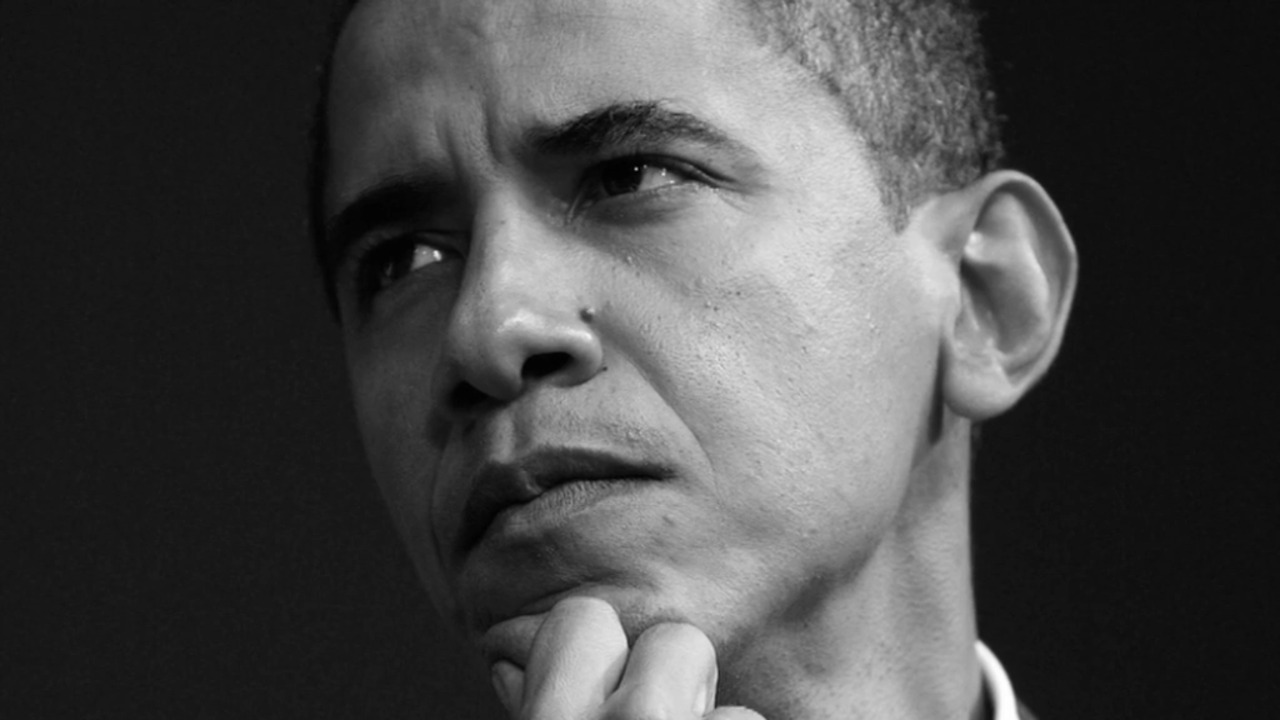
In Obama’s Presidential Victory, journalist Clive Myrie shows Barack Obama’s presidential victory as a historic turning point and the passing of a long-fought baton to a new generation of leadership. Drawing on voices from advisors, supporters, and Rhea McCauley, the niece of Rosa Parks, the video explores themes of dignity, perseverance, hope, and the belief that progress is possible when people reject cynicism and act together. This video is excerpted from BBC’s Obama: His Story, which traces Obama’s extraordinary journey to the presidency and its meaning within the broader African American freedom struggle.
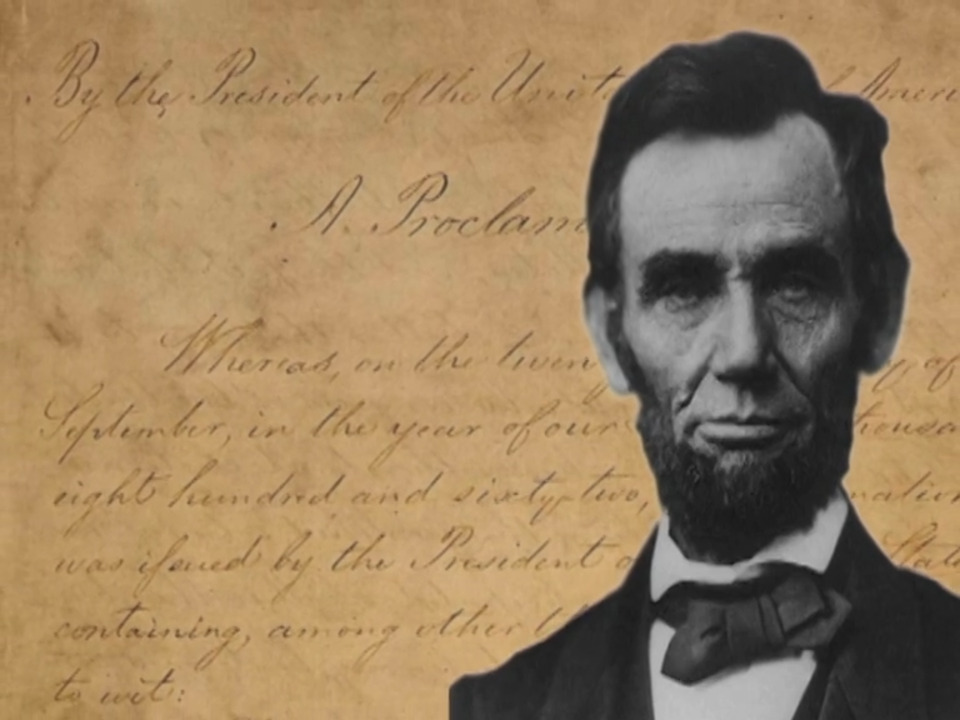
In Abraham Lincoln and the Emancipation Proclamation, learn how President Abraham Lincoln issued a bold declaration during the third year of the Civil War that all enslaved people in Confederate-held territories were to be free. While limited in immediate effect, the proclamation allowed Black men to join the Union Army and became one of the greatest documents of human freedom in U.S. history.
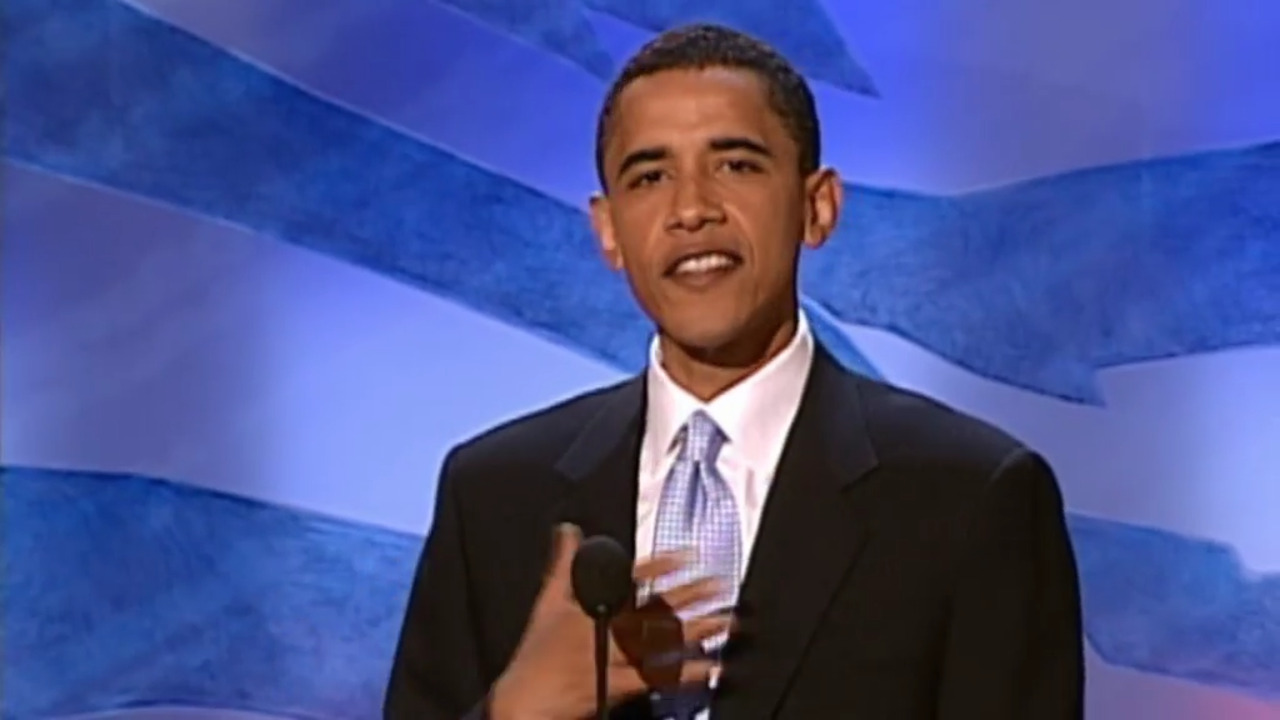
In Obama Takes the National Stage, journalist Clive Myrie covers how Barack Obama delivered the keynote address at the 2004 Democratic National Convention, a moment that would introduce him to the nation. Watch Obama’s early nerves, growing confidence, and the power of a speech that connected personal stories to broader ideas of freedom and justice. This video is excerpted from BBC’s Obama: His Story, which traces Obama’s extraordinary journey to the presidency and its meaning within the broader African American freedom struggle.
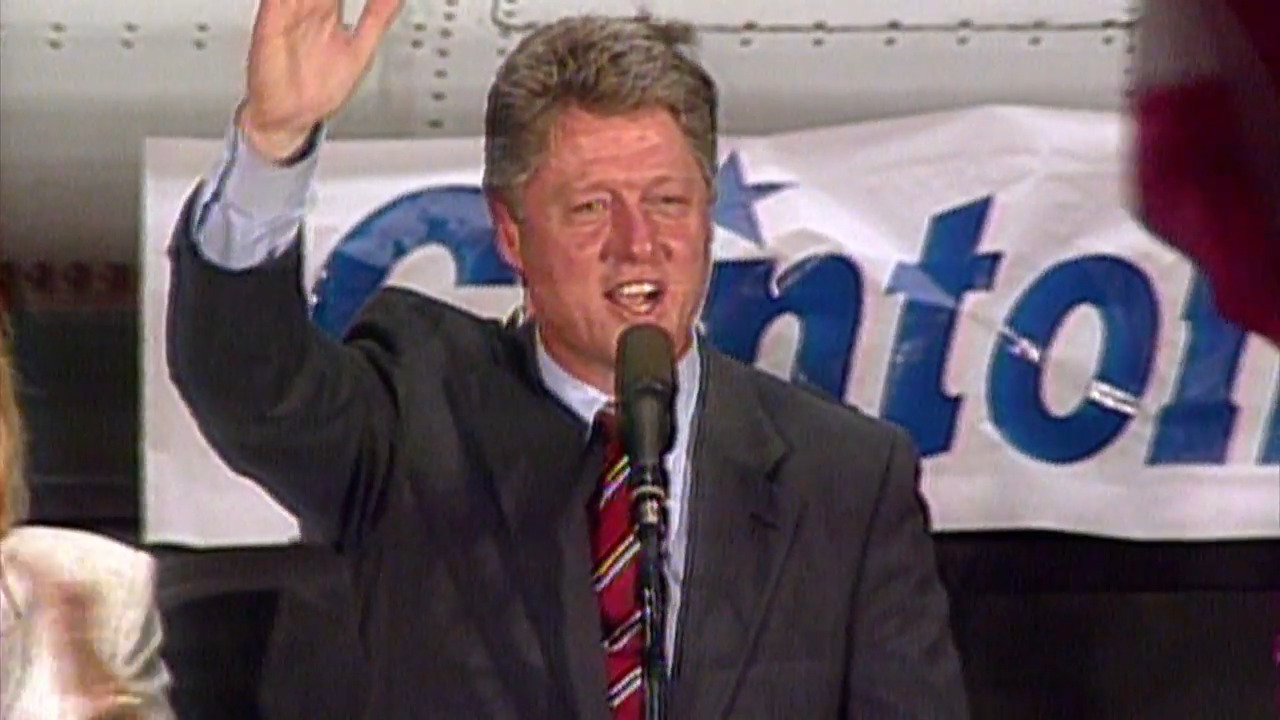
In American Optimism Under Clinton, historian Simon Schama explains how Bill Clinton’s own rise to power had echoes of the American dream of equal opportunity. Clinton had an optimistic message during a time of economic expansion, rising stock markets, and a strong economy. This video is excerpted from BBC’s Obama’s America, in which Simon Schama examines the challenges faced by Barack Obama on the world stage and at home.
In Obama’s Presidential Victory, journalist Clive Myrie shows Barack Obama’s presidential victory as a historic turning point and the passing of a long-fought baton to a new generation of leadership. Drawing on voices from advisors, supporters, and Rhea McCauley, the niece of Rosa Parks, the video explores themes of dignity, perseverance, hope, and the belief that progress is possible when people reject cynicism and act together. This video is excerpted from BBC’s Obama: His Story, which traces Obama’s extraordinary journey to the presidency and its meaning within the broader African American freedom struggle.
In Abraham Lincoln and the Emancipation Proclamation, learn how President Abraham Lincoln issued a bold declaration during the third year of the Civil War that all enslaved people in Confederate-held territories were to be free. While limited in immediate effect, the proclamation allowed Black men to join the Union Army and became one of the greatest documents of human freedom in U.S. history.
In Obama Takes the National Stage, journalist Clive Myrie covers how Barack Obama delivered the keynote address at the 2004 Democratic National Convention, a moment that would introduce him to the nation. Watch Obama’s early nerves, growing confidence, and the power of a speech that connected personal stories to broader ideas of freedom and justice. This video is excerpted from BBC’s Obama: His Story, which traces Obama’s extraordinary journey to the presidency and its meaning within the broader African American freedom struggle.
In American Optimism Under Clinton, historian Simon Schama explains how Bill Clinton’s own rise to power had echoes of the American dream of equal opportunity. Clinton had an optimistic message during a time of economic expansion, rising stock markets, and a strong economy. This video is excerpted from BBC’s Obama’s America, in which Simon Schama examines the challenges faced by Barack Obama on the world stage and at home.