Stories of Native Americans Playlist
Explore the histories, cultures, traditions, and contemporary experiences of Indigenous peoples across North America through authentic BBC News reports and acclaimed BBC documentaries.
Examine the Haudenosaunee (Iroquois) Confederacy and its system of governance, explore the remarkable cliff dwellings of Mesa Verde, and see how Native communities are restoring buffalo herds with deep cultural and ecological significance. Experience traditional arts such as hoop dance and hear Indigenous voices discussing issues affecting their communities today.
Together, these stories reveal the diversity of Native nations and communities, each with its own history, traditions, and relationship to the land. They also connect past and present, showing how Indigenous peoples are preserving languages and cultural practices, strengthening communities, and shaping conversations about land, sovereignty, conservation, and identity.
From ancient places and longstanding traditions to contemporary challenges and achievements, these BBC videos offer multiple perspectives on the Indigenous peoples and cultures that have shaped — and continue to shape — North America.
Lesson Express
Q: What was the hoop dance originally used for?
A: The hoop dance was originally a ceremony performed to bring someone back into balance or harmony.
Q: How does the hoop dance help the youth who are performing it?
A: It gives them a sense of pride in their culture and connectedness.
Q: What does an “arrow in their quiver” mean?
A: It means that the hoop dance is one thing that the youth have to support them as they move through the world.
You Might Also Like
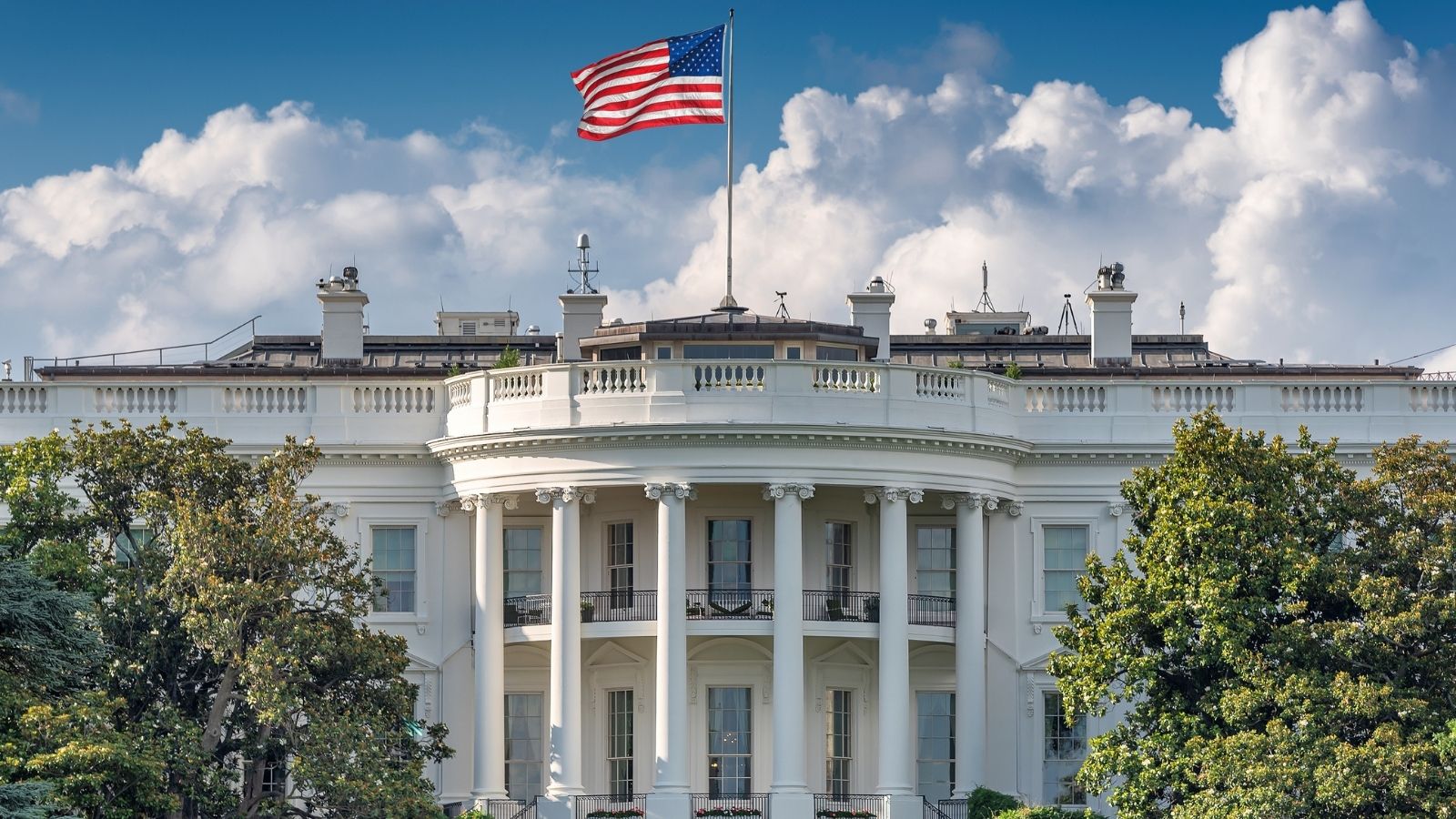
From the founding of the United States to the Civil War and beyond, American presidents have led the country through moments of conflict, expansion, crisis, and change.
This BBC video playlist explores figures including George Washington, Thomas Jefferson, Abraham Lincoln, Theodore Roosevelt, and others, examining the decisions, ideas, and events that defined their presidencies.
Look beyond familiar stories to consider both their achievements and shortcomings. How did the challenges of their eras influence their choices, and how should we understand the complicated legacies of leaders who helped shape American history?
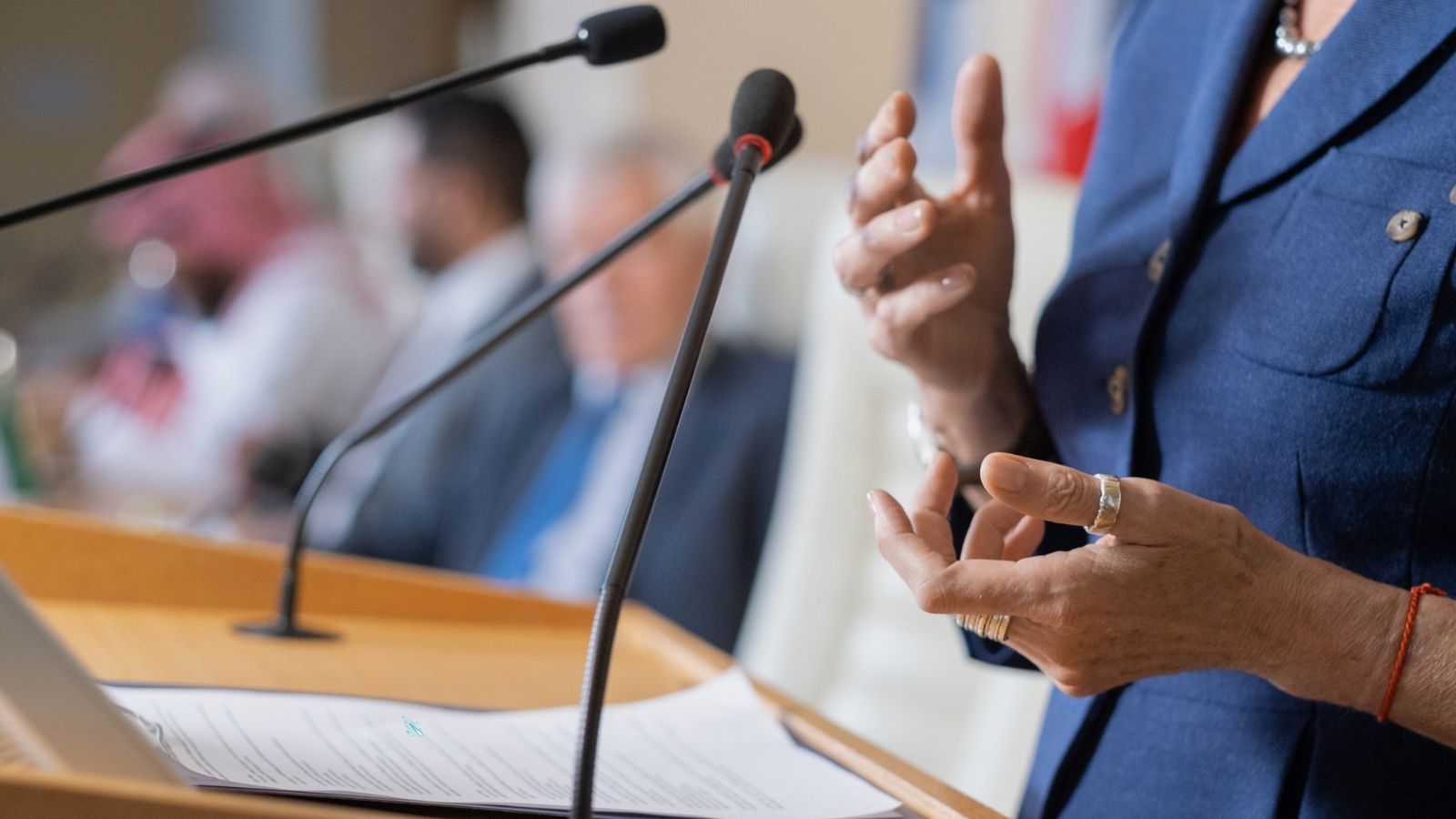
In honor of Women’s History Month, this BBC video playlist examines the careers and legacies of leaders including Hillary Clinton, Margaret Thatcher, Michelle Bachelet, and others. Across different countries, eras, and political systems, these women navigated elections, economic upheaval, international conflict, social change, and intense public scrutiny.
Explore the ideas and policies that defined their time in public life, the historical circumstances that shaped their leadership, and the debates surrounding their decisions. Their approaches differed significantly: some pursued major social reforms, while others championed free-market policies or challenged established political structures.
Their stories also raise larger questions about power and representation. How have expectations of women in leadership changed over time? How can gender shape the way political leaders are perceived and judged? And how should the achievements of influential figures be considered alongside the controversies and consequences of their decisions?
These BBC videos offer an opportunity to examine leadership with nuance — and explore the complex roles women have played in shaping modern politics and public life.
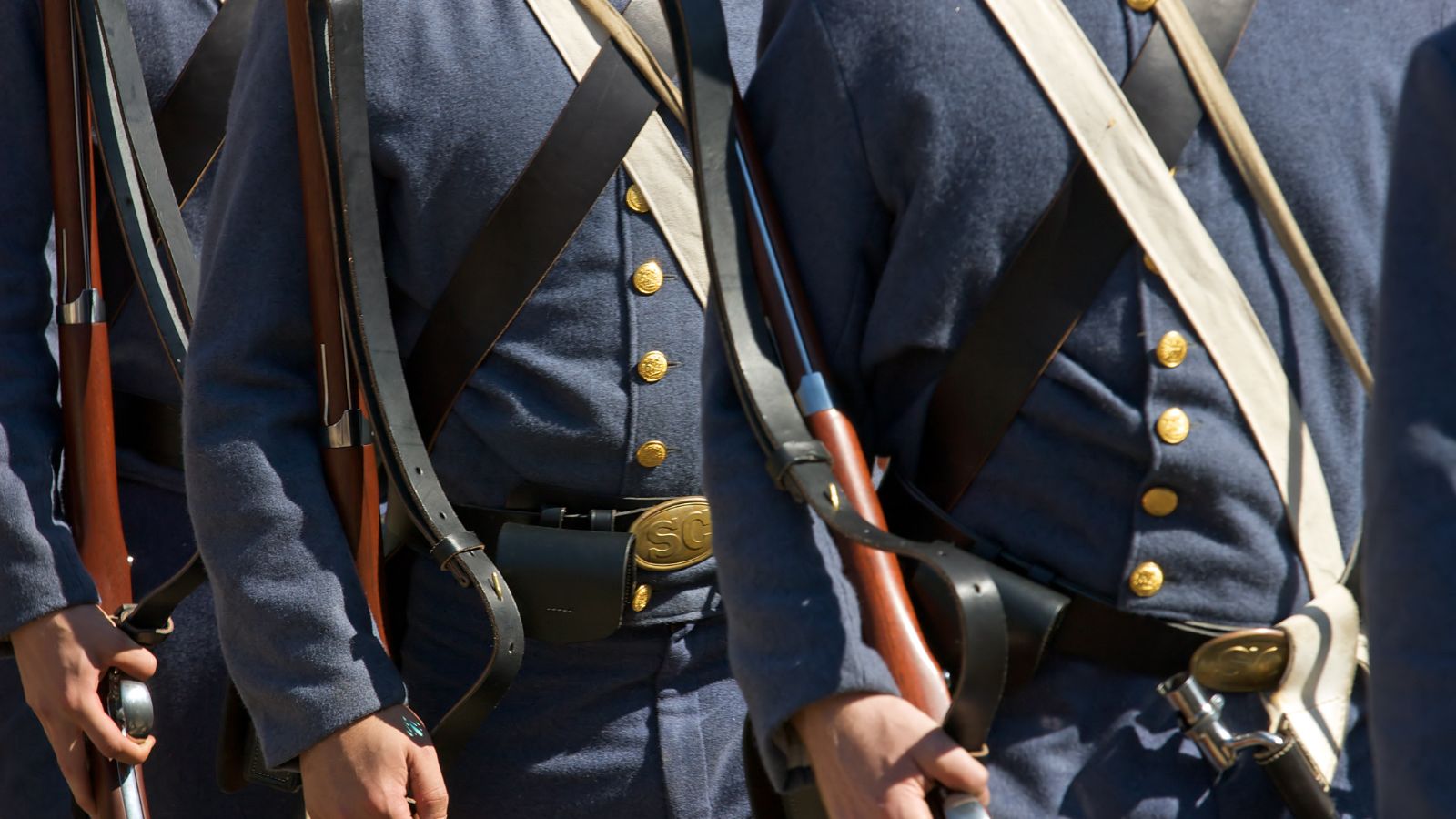
By 1860, the United States had been arguing over slavery for decades. This playlist follows that argument as it hardened into war. It covers the people who resisted slavery, the court case that denied Black Americans citizenship, a raid that pushed the country closer to the edge, and the election that led seven states to secede before Lincoln took office. Each video runs a few minutes and focuses on a single turning point, so the series can be watched start to finish or one video at a time.
Each video comes with discussion questions, vocabulary, a writing prompt ,and classroom activities — all printable from the video page. Questions include why Southern states seceded after Lincoln’s election and how the Civil War split families in border states.
Teachers and Parents: The videos are in chronological order and work as a full unit introduction for students 11–18. They can also be assigned individually to set up a specific lesson. The opening video, from BBC’s American History’s Biggest Fibs With Lucy Worsley, puts slavery at the center of the conflict and gives students a framework for the rest of the list. The Kentucky video closes the list and leads into the companion playlist, The Civil War and Its Aftermath, which runs from the Emancipation Proclamation through the end of Reconstruction. Use the "Share With Students" feature to assign videos directly or "Add to Playlist" to build your own sequence.
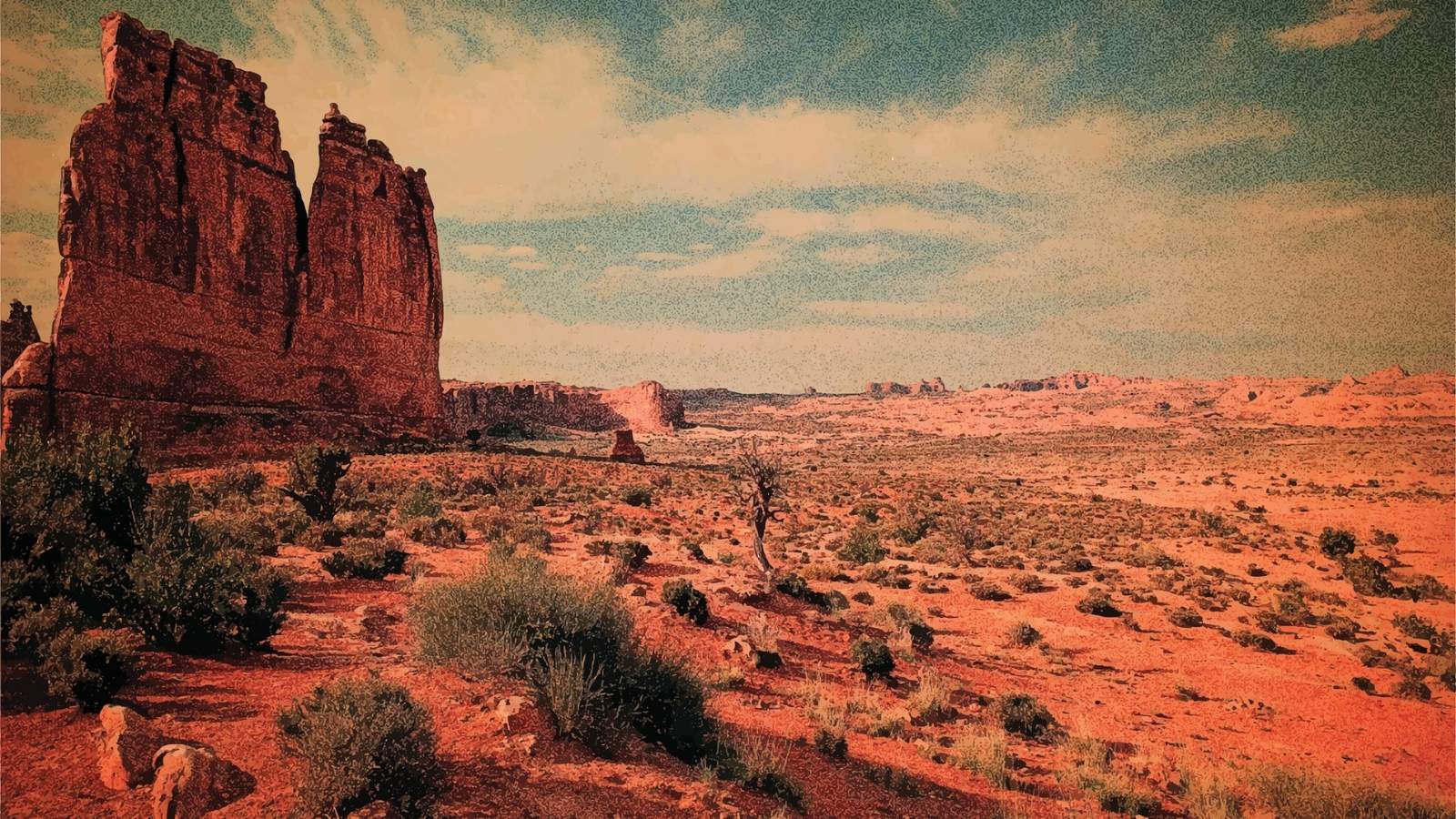
Explore the striking red rock formations of Arches National Park in Utah, travel among the majestic peaks of the Rocky Mountains, and stand beneath some of the tallest and oldest trees on Earth in California’s redwood forests. Along the way, encounter wildlife such as grizzly bears and bobcats and discover how animals have adapted to life in dramatically different environments.
See why ancient forests are so important, how people are working to protect threatened habitats, and what happens when changing conditions put pressure on wildlife and ecosystems. Discover how climate change is reshaping some of these landscapes and the challenges facing the plants and animals that depend on them.
From desert arches to giant trees and rugged mountain peaks, these BBC clips reveal the incredible variety of America’s natural landscapes — and why these wild places are worth understanding and protecting.
From the founding of the United States to the Civil War and beyond, American presidents have led the country through moments of conflict, expansion, crisis, and change.
This BBC video playlist explores figures including George Washington, Thomas Jefferson, Abraham Lincoln, Theodore Roosevelt, and others, examining the decisions, ideas, and events that defined their presidencies.
Look beyond familiar stories to consider both their achievements and shortcomings. How did the challenges of their eras influence their choices, and how should we understand the complicated legacies of leaders who helped shape American history?
In honor of Women’s History Month, this BBC video playlist examines the careers and legacies of leaders including Hillary Clinton, Margaret Thatcher, Michelle Bachelet, and others. Across different countries, eras, and political systems, these women navigated elections, economic upheaval, international conflict, social change, and intense public scrutiny.
Explore the ideas and policies that defined their time in public life, the historical circumstances that shaped their leadership, and the debates surrounding their decisions. Their approaches differed significantly: some pursued major social reforms, while others championed free-market policies or challenged established political structures.
Their stories also raise larger questions about power and representation. How have expectations of women in leadership changed over time? How can gender shape the way political leaders are perceived and judged? And how should the achievements of influential figures be considered alongside the controversies and consequences of their decisions?
These BBC videos offer an opportunity to examine leadership with nuance — and explore the complex roles women have played in shaping modern politics and public life.
By 1860, the United States had been arguing over slavery for decades. This playlist follows that argument as it hardened into war. It covers the people who resisted slavery, the court case that denied Black Americans citizenship, a raid that pushed the country closer to the edge, and the election that led seven states to secede before Lincoln took office. Each video runs a few minutes and focuses on a single turning point, so the series can be watched start to finish or one video at a time.
Each video comes with discussion questions, vocabulary, a writing prompt ,and classroom activities — all printable from the video page. Questions include why Southern states seceded after Lincoln’s election and how the Civil War split families in border states.
Teachers and Parents: The videos are in chronological order and work as a full unit introduction for students 11–18. They can also be assigned individually to set up a specific lesson. The opening video, from BBC’s American History’s Biggest Fibs With Lucy Worsley, puts slavery at the center of the conflict and gives students a framework for the rest of the list. The Kentucky video closes the list and leads into the companion playlist, The Civil War and Its Aftermath, which runs from the Emancipation Proclamation through the end of Reconstruction. Use the "Share With Students" feature to assign videos directly or "Add to Playlist" to build your own sequence.
Explore the striking red rock formations of Arches National Park in Utah, travel among the majestic peaks of the Rocky Mountains, and stand beneath some of the tallest and oldest trees on Earth in California’s redwood forests. Along the way, encounter wildlife such as grizzly bears and bobcats and discover how animals have adapted to life in dramatically different environments.
See why ancient forests are so important, how people are working to protect threatened habitats, and what happens when changing conditions put pressure on wildlife and ecosystems. Discover how climate change is reshaping some of these landscapes and the challenges facing the plants and animals that depend on them.
From desert arches to giant trees and rugged mountain peaks, these BBC clips reveal the incredible variety of America’s natural landscapes — and why these wild places are worth understanding and protecting.