Masters of Regeneration: These Death-Defying Animals Can Regrow Body Parts Better Than Deadpool
Explore the incredible regenerative abilities of animals, from lizards and starfish to flatworms and jellyfish.
The article "Masters of Regeneration: These Death-Defying Animals Can Regrow Body Parts Better Than Deadpool" from BBC's Discover Wildlife examines how some animals, including axolotls and starfish, have remarkable regenerative abilities. Scientists study these creatures to understand tissue regeneration, which could have implications for medical research.

BBC's Discover Wildlife brings you closer to nature with expert advice, conservation news, the best nature writing and stunning wildlife photography. Learn more about subscriptions here.

BBC's Discover Wildlife brings you closer to nature with expert advice, conservation news, the best nature writing and stunning wildlife photography. Learn more about subscriptions here.
Most passages are available in three different versions: Level 1 (Grade 3-5), Level 2 (Grade 6-8), and Level 3 (Grade 9-12). Some more complex texts are available only in Level 2 and Level 3. Use the versions that are most appropriate for the students in your class.
Note: The BBC Learning Hub Editorial Team made use of AI tools to create multiple versions of this article, each tailored to different student reading levels. Every version undergoes a thorough review by our BBC Learning editors to ensure accuracy, quality, and appropriateness.

You Might Also Like

The article "The Poop-Propelled "Headless Chicken Monster" of the Deep Sea" from BBC's Science Focus explores the Enypniastes eximia, a bizarre deep-sea sea cucumber. This transparent, glowing creature feeds on marine snow and can shed its skin to evade predators, playing a crucial role in deep-sea ecosystems.
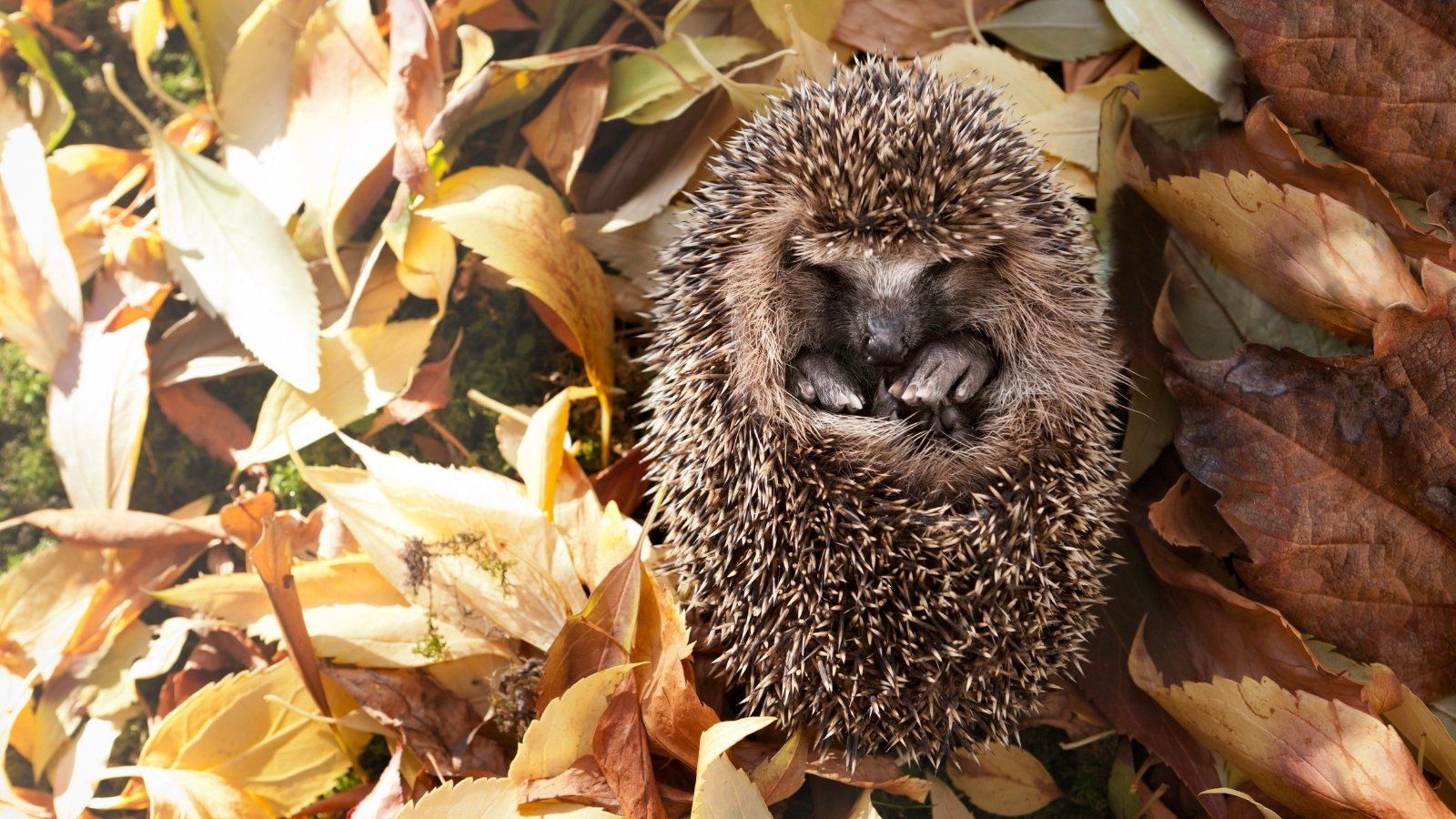
The article "Hibernation: How Animals Sleep Through the Heat and Cold" from BBC's Discover Wildlife explores the fascinating survival strategies animals use during extreme weather. It explains the difference between hibernation, aestivation, torpor, and denning.

The article "Here Are 11 Arctic Animals That Not Only Survive, But Also Thrive in the Freezing Polar Landscape" from BBC's Discover Wildlife explores how various animals have adapted to endure the Arctic's extreme conditions. From the mighty polar bear and tusked walrus to the resilient Arctic fox and long-lived Greenland shark, the piece highlights their unique physical traits and survival behaviors.

The article "Animals evolve larger limbs to adapt to rising temperatures" from BBC's Science Focus discusses how climate change is prompting warm-blooded animals to develop larger appendages, such as ears, beaks, and limbs, to better regulate body heat.
The article "The Poop-Propelled "Headless Chicken Monster" of the Deep Sea" from BBC's Science Focus explores the Enypniastes eximia, a bizarre deep-sea sea cucumber. This transparent, glowing creature feeds on marine snow and can shed its skin to evade predators, playing a crucial role in deep-sea ecosystems.
The article "Hibernation: How Animals Sleep Through the Heat and Cold" from BBC's Discover Wildlife explores the fascinating survival strategies animals use during extreme weather. It explains the difference between hibernation, aestivation, torpor, and denning.
The article "Here Are 11 Arctic Animals That Not Only Survive, But Also Thrive in the Freezing Polar Landscape" from BBC's Discover Wildlife explores how various animals have adapted to endure the Arctic's extreme conditions. From the mighty polar bear and tusked walrus to the resilient Arctic fox and long-lived Greenland shark, the piece highlights their unique physical traits and survival behaviors.
The article "Animals evolve larger limbs to adapt to rising temperatures" from BBC's Science Focus discusses how climate change is prompting warm-blooded animals to develop larger appendages, such as ears, beaks, and limbs, to better regulate body heat.