U.S. Lab Creates Living Robots That Are Capable of Self-Replicating
Pac-Man-shaped "xenobots" made from frog cells could help clean the environment or design personalized medical treatments.
The article "U.S. Lab Creates Living Robots That Are Capable of Self-Replicating" from BBC's Science Focus showcases the creation of xenobots, living robots designed using computer simulations and frog heart cells. Xenobots could have future applications in environmental cleanup and personalized medicine.

BBC's Science Focus is packed with news, discoveries, ideas and innovations to keep you up-to-speed with the complexities of the fast-moving world around us. Learn more about subscriptions here.

BBC's Science Focus is packed with news, discoveries, ideas and innovations to keep you up-to-speed with the complexities of the fast-moving world around us. Learn more about subscriptions here.
Most passages are available in three different versions: Level 1 (Grade 3-5), Level 2 (Grade 6-8), and Level 3 (Grade 9-12). Some more complex texts are available only in Level 2 and Level 3. Use the versions that are most appropriate for the students in your class.
Note: The BBC Learning Hub Editorial Team made use of AI tools to create multiple versions of this article, each tailored to different student reading levels. Every version undergoes a thorough review by our BBC Learning editors to ensure accuracy, quality, and appropriateness.

You Might Also Like

The article "Future Cars: Designs That Could Revolutionize the Vehicle Industry" from BBC's Science Focus explores the latest advancements and concepts in car technology. From Tesla's resilient Cybertruck to BMW's color-changing iX Flow, these innovative designs promise to transform the future of transportation. The article highlights the potential of these futuristic vehicles to enhance functionality, safety, and environmental sustainability.

The article "6 Terrible Inventions That Killed Their Creators" from BBC's Science Focus recounts the tragic tales of inventors who died due to their own inventions. From Karel Soucek's shock-absorbent barrel to Henry Smolinski's flying car, these stories highlight the risks and dangers faced by those who push the boundaries of innovation.

The article "5 Pioneering Women in Tech You Should Really Know About" from BBC's Science Focus highlights the achievements of five remarkable women in STEM. Ada Lovelace, Katherine Johnson, Dame Stephanie Shirley, Michelle Zatlyn, and Elizabeth Coulombe have made significant contributions to technology, computing, and environmental sustainability, inspiring future generations to pursue careers in STEM.
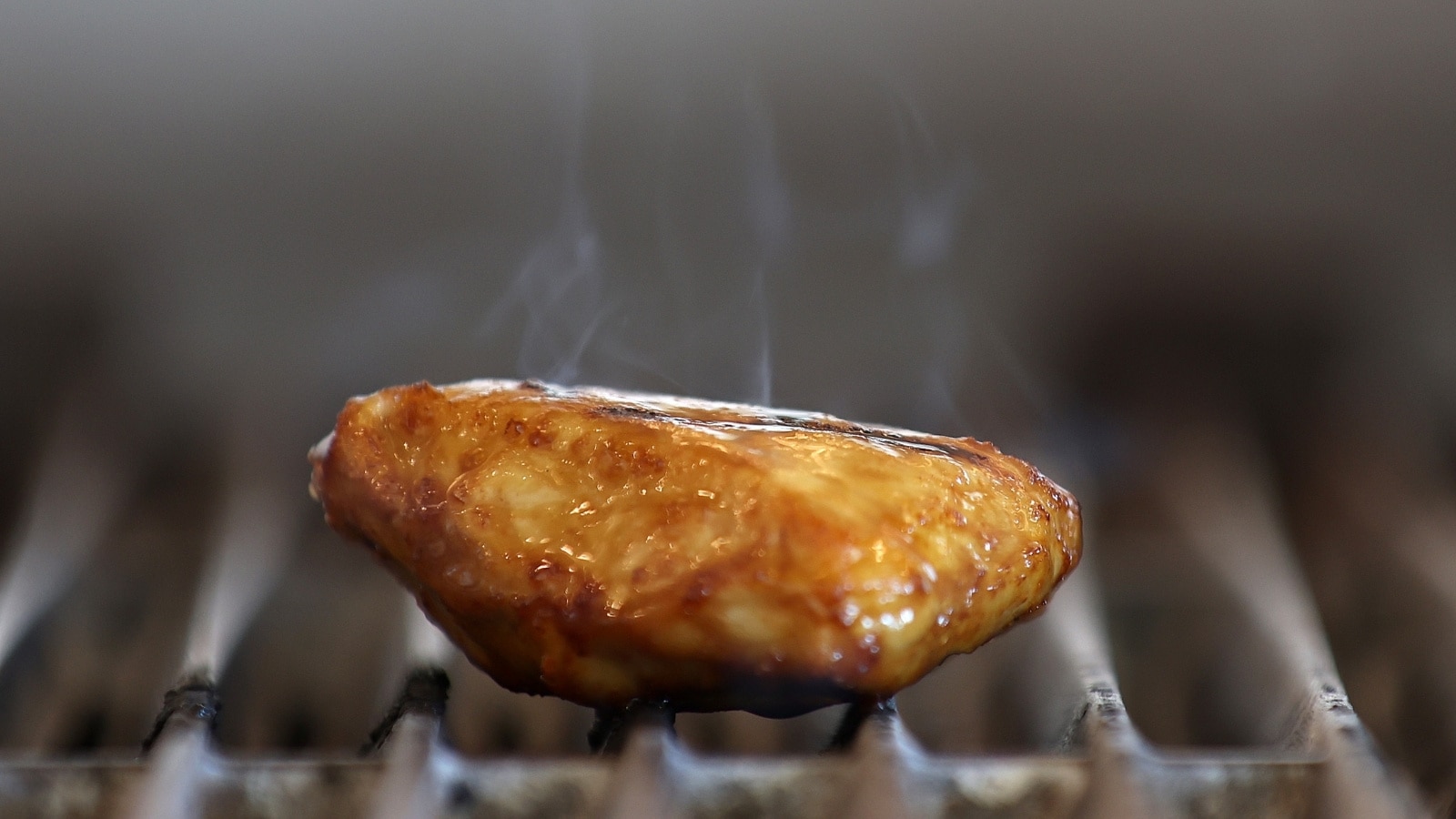
The article "Diners Enjoy World’s First Restaurant Meal Made From Lab-Grown Meat" from BBC's Science Focus details a historic event where Singapore's 1880 restaurant served cultured chicken developed by Eat Just. This milestone in the food industry showcased a sustainable alternative to traditional meat, aiming to reduce environmental impact and animal slaughter.
The article "Future Cars: Designs That Could Revolutionize the Vehicle Industry" from BBC's Science Focus explores the latest advancements and concepts in car technology. From Tesla's resilient Cybertruck to BMW's color-changing iX Flow, these innovative designs promise to transform the future of transportation. The article highlights the potential of these futuristic vehicles to enhance functionality, safety, and environmental sustainability.
The article "6 Terrible Inventions That Killed Their Creators" from BBC's Science Focus recounts the tragic tales of inventors who died due to their own inventions. From Karel Soucek's shock-absorbent barrel to Henry Smolinski's flying car, these stories highlight the risks and dangers faced by those who push the boundaries of innovation.
The article "5 Pioneering Women in Tech You Should Really Know About" from BBC's Science Focus highlights the achievements of five remarkable women in STEM. Ada Lovelace, Katherine Johnson, Dame Stephanie Shirley, Michelle Zatlyn, and Elizabeth Coulombe have made significant contributions to technology, computing, and environmental sustainability, inspiring future generations to pursue careers in STEM.
The article "Diners Enjoy World’s First Restaurant Meal Made From Lab-Grown Meat" from BBC's Science Focus details a historic event where Singapore's 1880 restaurant served cultured chicken developed by Eat Just. This milestone in the food industry showcased a sustainable alternative to traditional meat, aiming to reduce environmental impact and animal slaughter.