The Women Who Lead Playlist
Meet Seven Women Leaders From All Around the World Who Broke Barriers.
They navigated crisis, criticism, and political pressure. They were pioneers, reformers, and power brokers — but they were also complex figures shaped by culture, controversy, and the eras in which they governed. In honor of Women’s History Month, this video playlist explores influential leaders from around the globe through BBC clips featuring Hillary Clinton, Margaret Thatcher, Michelle Bachelet, and more.
From national parliaments to international financial institutions, these women led in vastly different political systems and cultural landscapes. Some championed social reform. Others advanced market-driven policies. All faced intense scrutiny — not only for their decisions, but for their leadership styles, identities, and the expectations placed upon women in power.
This thoughtful playlist invites students to examine leadership with nuance: How do gender and politics intersect? How do public expectations shape women leaders differently? And what can we learn from both their accomplishments and their controversies?
Lesson Express
Q: Why do you think Margaret Thatcher emphasized ability rather than gender in her rise to power?
A: Thatcher wanted to highlight that her success was due to her skills and leadership, not the fact that she was a woman. She felt it was important to prove that women could govern effectively without focusing on gender differences.
Q: How do you think the challenges women leaders face in politics differ from those of their male counterparts?
A: Women leaders often face more criticism and prejudice simply because of their gender. They are sometimes judged more harshly for their decisions, and their leadership can be questioned based on societal beliefs that women should not hold powerful positions, while male leaders may not face these same biases.
Q: In what ways do you think feminism in politics could change the perception of women leaders over time?
A: Feminism in politics could lead to greater acceptance of women in leadership roles, as more women run for office and succeed. It challenges stereotypes and pushes society to recognize women as equally capable of leading as men, which could eventually create more opportunities and support for future female leaders.
You Might Also Like
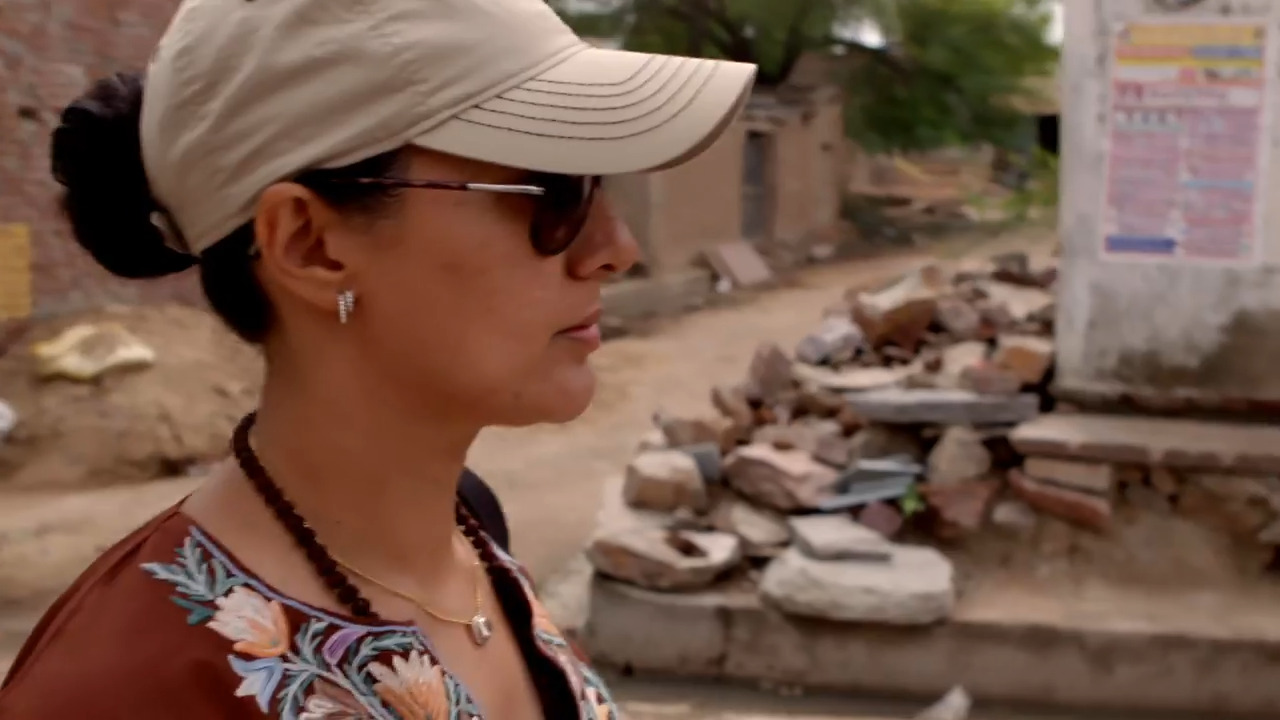
In Chhavi Rajawat, Local Leader in India, learn how Rajawat left her corporate career to serve her rural community in India. After new quotas increased opportunities for women leaders, she took on a mayor-like role to help address poverty and challenges faced by villagers, especially women. This video is excerpted from BBC's Her Story: The Female Revolution, which explores the history and impact of women’s rights movements and achievements of women.
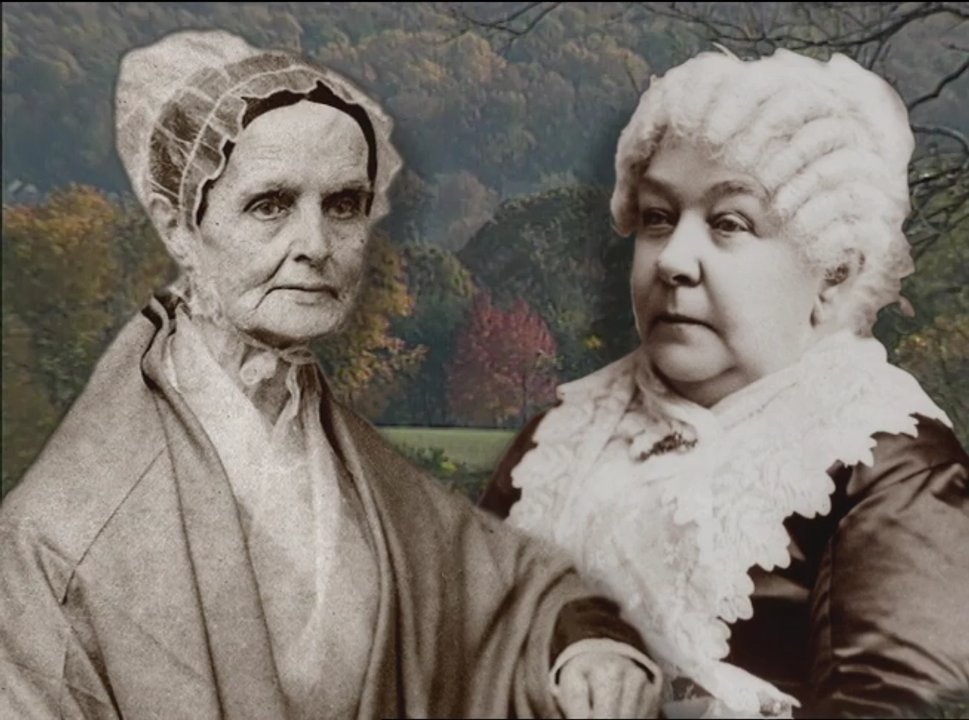
In the early 1800s, religious revivals and reform movements inspired Americans to challenge social inequalities. In 1848, women’s rights advocates Lucretia Mott and Elizabeth Cady Stanton helped organize the Seneca Falls Convention in New York, the first major women’s rights convention in the United States. About 300 people attended the gathering to discuss women’s legal, social, and political status.
At the convention, participants approved the Declaration of Sentiments, a document modeled on the Declaration of Independence that declared, “All men and women are created equal.” It outlined inequalities women faced, including the denial of voting rights and limited access to education, professions, and legal protections. One hundred people signed the declaration, helping bring greater attention to the women’s rights movement. The Seneca Falls Convention became an important milestone in the long struggle for gender equality.
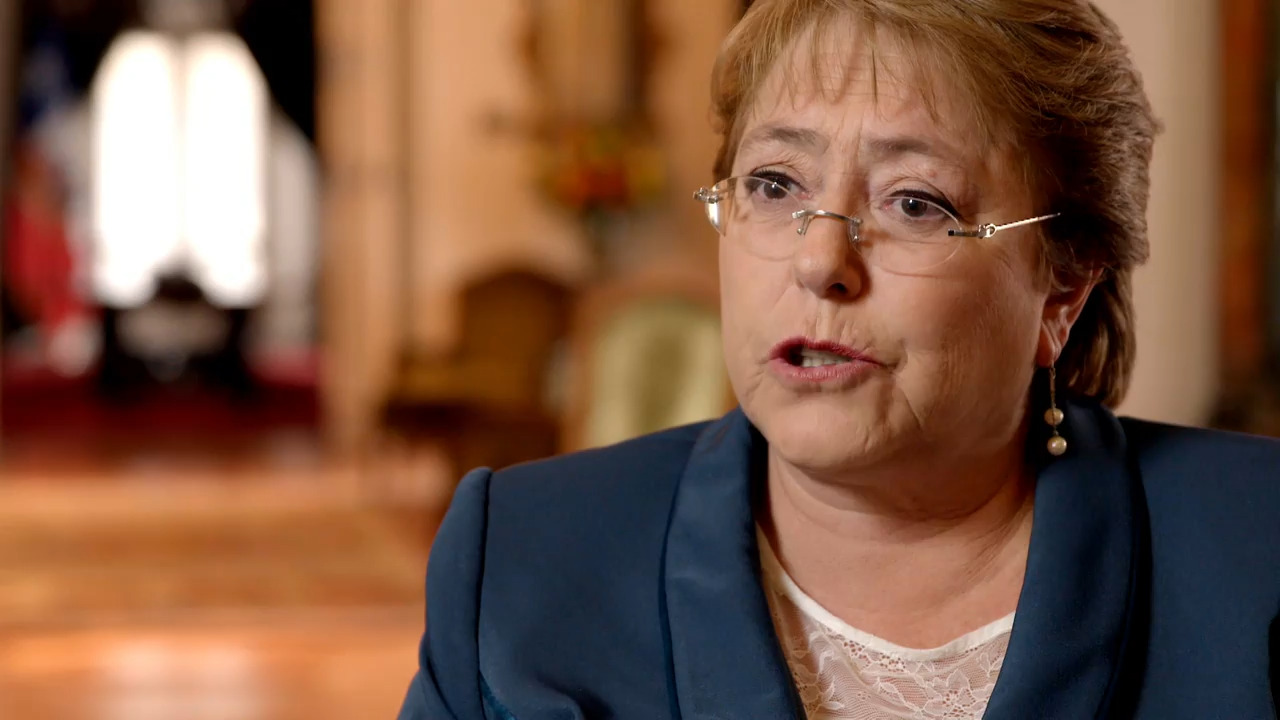
In Michelle Bachelet, Chile's First Woman President, learn how Michelle Bachelet challenged traditional expectations in a conservative country. As an atheist and a divorced single mother, she promoted gender equality by appointing an equal number of men and women to her cabinet, reshaping leadership norms. This video is excerpted from BBC's Her Story: The Female Revolution, which explores the history and impact of women’s rights movements and achievements of women.
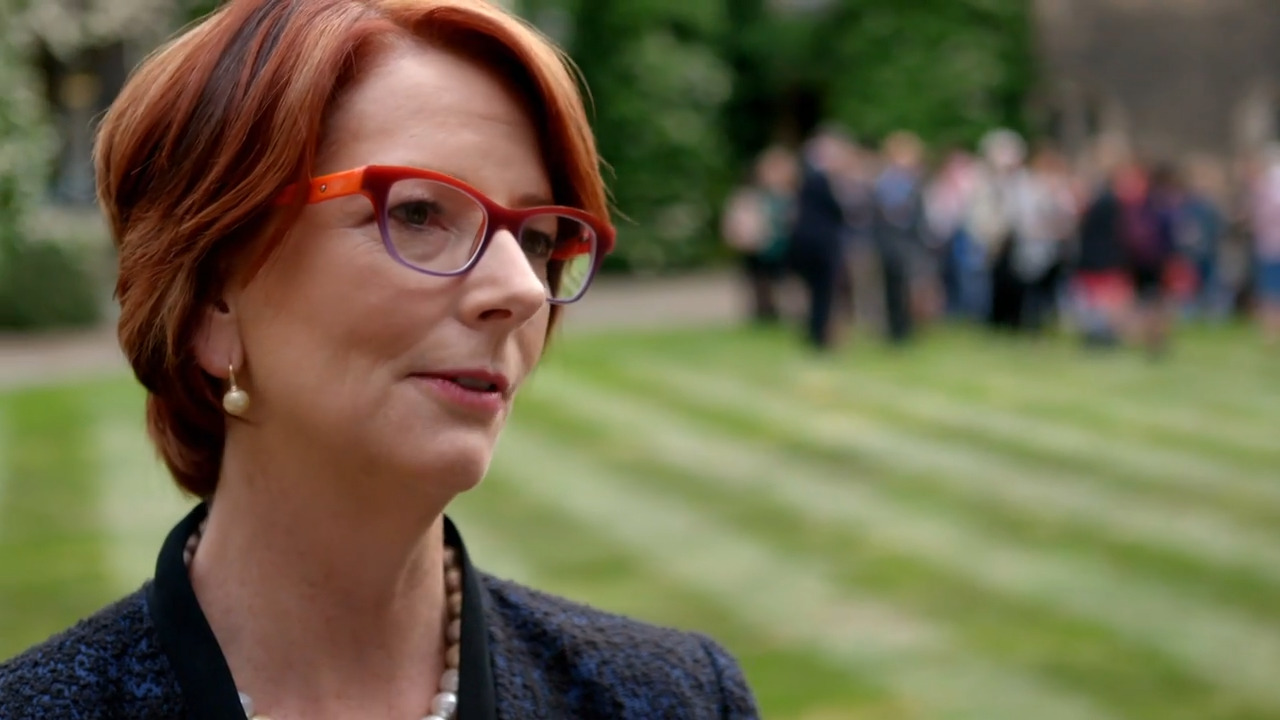
In Julia Gillard, Education Advocate, listen as the former Australian Prime Minister reflects on her leadership and her work to expand education opportunities for girls worldwide. Drawing from her family’s experience with poverty and limited schooling, she advocates for equal access to education while facing criticism and gender bias during her political career. This video is excerpted from BBC's Her Story: The Female Revolution, which explores the history and impact of women’s rights movements and achievements of women.
In Chhavi Rajawat, Local Leader in India, learn how Rajawat left her corporate career to serve her rural community in India. After new quotas increased opportunities for women leaders, she took on a mayor-like role to help address poverty and challenges faced by villagers, especially women. This video is excerpted from BBC's Her Story: The Female Revolution, which explores the history and impact of women’s rights movements and achievements of women.
In the early 1800s, religious revivals and reform movements inspired Americans to challenge social inequalities. In 1848, women’s rights advocates Lucretia Mott and Elizabeth Cady Stanton helped organize the Seneca Falls Convention in New York, the first major women’s rights convention in the United States. About 300 people attended the gathering to discuss women’s legal, social, and political status.
At the convention, participants approved the Declaration of Sentiments, a document modeled on the Declaration of Independence that declared, “All men and women are created equal.” It outlined inequalities women faced, including the denial of voting rights and limited access to education, professions, and legal protections. One hundred people signed the declaration, helping bring greater attention to the women’s rights movement. The Seneca Falls Convention became an important milestone in the long struggle for gender equality.
In Michelle Bachelet, Chile's First Woman President, learn how Michelle Bachelet challenged traditional expectations in a conservative country. As an atheist and a divorced single mother, she promoted gender equality by appointing an equal number of men and women to her cabinet, reshaping leadership norms. This video is excerpted from BBC's Her Story: The Female Revolution, which explores the history and impact of women’s rights movements and achievements of women.
In Julia Gillard, Education Advocate, listen as the former Australian Prime Minister reflects on her leadership and her work to expand education opportunities for girls worldwide. Drawing from her family’s experience with poverty and limited schooling, she advocates for equal access to education while facing criticism and gender bias during her political career. This video is excerpted from BBC's Her Story: The Female Revolution, which explores the history and impact of women’s rights movements and achievements of women.