The Road to the Civil War — A BBC Video Playlist
Eight short videos trace how a nation divided over slavery moved toward civil war, from the Mason-Dixon Line to the first shots at Fort Sumter.
By 1860, the United States had been arguing over slavery for decades. This playlist follows that argument as it hardened into war. It covers the people who resisted slavery, the court case that denied Black Americans citizenship, a raid that pushed the country closer to the edge, and the election that led seven states to secede before Lincoln took office. Each video runs a few minutes and focuses on a single turning point, so the series can be watched start to finish or one video at a time.
Each video comes with discussion questions, vocabulary, a writing prompt ,and classroom activities — all printable from the video page. Questions include why Southern states seceded after Lincoln’s election and how the Civil War split families in border states.
Teachers and Parents: The videos are in chronological order and work as a full unit introduction for students 11–18. They can also be assigned individually to set up a specific lesson. The opening video, from BBC’s American History’s Biggest Fibs With Lucy Worsley, puts slavery at the center of the conflict and gives students a framework for the rest of the list. The Kentucky video closes the list and leads into the companion playlist, The Civil War and Its Aftermath, which runs from the Emancipation Proclamation through the end of Reconstruction. Use the "Share With Students" feature to assign videos directly or "Add to Playlist" to build your own sequence.
Lesson Express
Q: What role did slavery play in the American economy pre-Civil War?
A: Slavery was deeply integrated into the American economy, particularly in the South, where it was considered a cornerstone of the nation's financial system.
Q: What were the concerns of the people in the North and South regarding slavery?
A: In the North, many people were concerned about the moral and ethical implications of slavery, as well as its expansion into new territories. In the South, slavery was seen as an essential institution for the economy, and there was fear that its abolition would destroy their way of life and economic stability.
Q: What did Confederate forces want to see in their new American nation?
A: The Confederate forces sought to establish a new nation where states' rights were prioritized, particularly the right to maintain slavery. They believed that each state should have the power to make its own laws. Their vision was to create a society where slavery could continue without restrictions, and the South could maintain its agricultural economy and way of life.
You Might Also Like
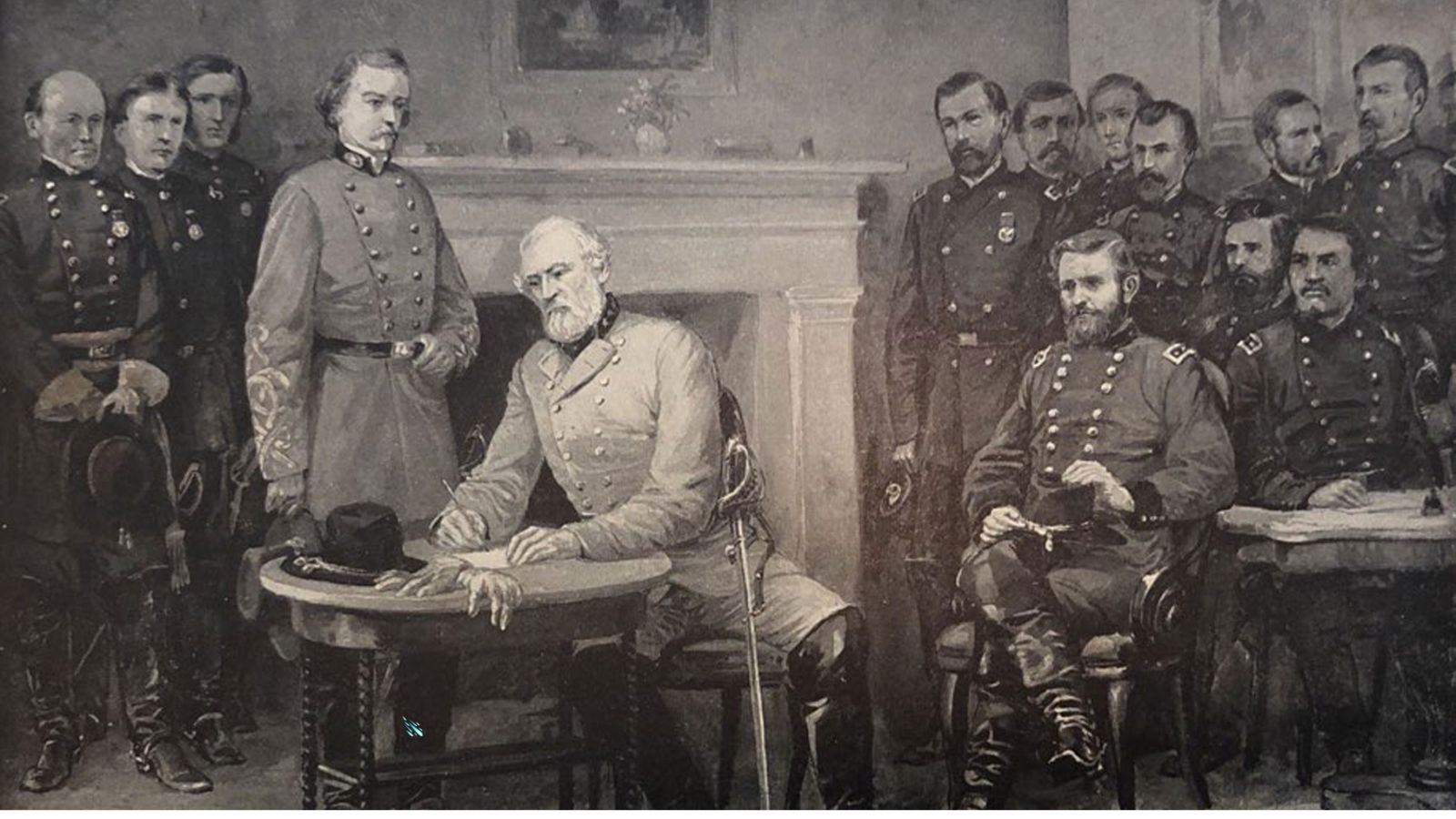
When Lincoln issued the Emancipation Proclamation in 1863, the war to preserve the Union also became a war against slavery. How much Lincoln meant it that way is still debated, and this playlist takes up that question directly. It also covers the new technology that changed how armies fought, the medical crisis in which disease killed twice as many soldiers as combat, the turning-point battles of 1863, and Sherman’s campaign through Georgia. The second half follows the country through Reconstruction: lenient early policies gave way to Radical Reconstruction and constitutional amendments that abolished slavery and guaranteed citizenship and voting rights. It then traces how those gains were rolled back as white Southern Democrats regained power and federal troops withdrew in 1877.
Each video comes with discussion questions, vocabulary, a writing prompt, and classroom activities — all printable from the video page. Questions include why the Emancipation Proclamation didn’t free all enslaved people, why historians call the Civil War the first modern war, and whether Lincoln believed in racial equality.
Teachers and Parents: The playlist picks up where The Road to War leaves off, so together the two playlists cover the full unit for ages 11–18. Videos 1 and 2 work as a pair: a straightforward account of the Emancipation Proclamation followed by historian Lucy Worsley’s case that Lincoln’s main goal was saving the Union. That sets up a strong source-comparison or debate lesson. Lincoln’s Legacy extends the discussion through Frederick Douglass’s reassessment of Lincoln. It contains discriminatory language, so preview it before assigning. The last three videos form a short Reconstruction sequence: The Three Phases of Reconstruction gives the overview, and the next two focus on Black Americans' political gains and the deal that ended federal enforcement, a natural lead-in to Jim Crow and the Civil Rights Movement. Use the "Share With Students" feature to assign videos directly or "Add to Playlist" to build your own sequence.
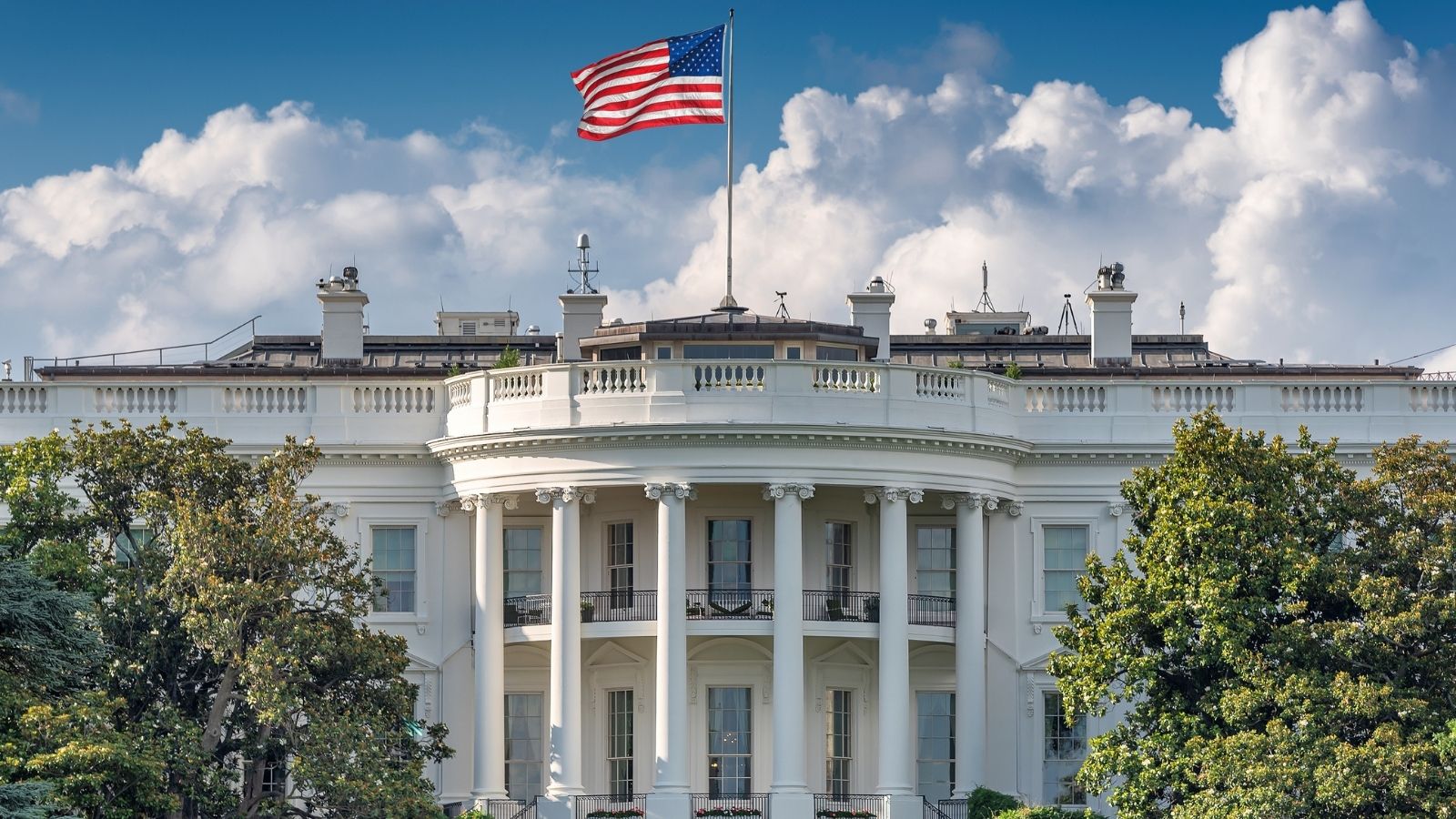
Meet the Leaders Who Shaped a Nation.
They were visionaries and leaders, but they were also imperfect people shaped by their times. From bold founders and wartime decision-makers to reformers and risk-takers, these U.S. presidents guided the nation through moments of hope, conflict, and change.
In this video playlist, explore BBC clips featuring George Washington, Thomas Jefferson, Abraham Lincoln, Theodore Roosevelt, and others, examining both their achievements and their shortcomings. A thoughtful playlist that encourages students to see history with nuance, question leadership, and understand that progress is often driven by complicated people making difficult choices.
Meet Seven Women Leaders From All Around the World Who Broke Barriers.
They navigated crisis, criticism, and political pressure. They were pioneers, reformers, and power brokers — but they were also complex figures shaped by culture, controversy, and the eras in which they governed. In honor of Women’s History Month, this video playlist explores influential leaders from around the globe through BBC clips featuring Hillary Clinton, Margaret Thatcher, Michelle Bachelet, and more.
From national parliaments to international financial institutions, these women led in vastly different political systems and cultural landscapes. Some championed social reform. Others advanced market-driven policies. All faced intense scrutiny — not only for their decisions, but for their leadership styles, identities, and the expectations placed upon women in power.
This thoughtful playlist invites students to examine leadership with nuance: How do gender and politics intersect? How do public expectations shape women leaders differently? And what can we learn from both their accomplishments and their controversies?
Experience powerful stories of Native American life — ancient, historical, and modern — in this inspiring playlist from the BBC. Featuring authentic video clips from BBC News reports and acclaimed BBC documentaries, students will experience a vivid, first-hand look at the voices, traditions, and challenges of Indigenous peoples across North America.
They’ll explore the Iroquois Constitution, a foundational document that influenced democracy itself; discover the remarkable cliffside cities at Mesa Verde; and learn how Native communities are leading buffalo restoration efforts that bring both ecological and cultural renewal. Students will also see the beauty of traditional arts like hoop dance and gain perspective on the political and community issues shaping Native life today.
These stories offer an unforgettable window into Indigenous identity, resilience, and connection to the land — helping students better understand both the past and the living cultures that continue to shape our world.
When Lincoln issued the Emancipation Proclamation in 1863, the war to preserve the Union also became a war against slavery. How much Lincoln meant it that way is still debated, and this playlist takes up that question directly. It also covers the new technology that changed how armies fought, the medical crisis in which disease killed twice as many soldiers as combat, the turning-point battles of 1863, and Sherman’s campaign through Georgia. The second half follows the country through Reconstruction: lenient early policies gave way to Radical Reconstruction and constitutional amendments that abolished slavery and guaranteed citizenship and voting rights. It then traces how those gains were rolled back as white Southern Democrats regained power and federal troops withdrew in 1877.
Each video comes with discussion questions, vocabulary, a writing prompt, and classroom activities — all printable from the video page. Questions include why the Emancipation Proclamation didn’t free all enslaved people, why historians call the Civil War the first modern war, and whether Lincoln believed in racial equality.
Teachers and Parents: The playlist picks up where The Road to War leaves off, so together the two playlists cover the full unit for ages 11–18. Videos 1 and 2 work as a pair: a straightforward account of the Emancipation Proclamation followed by historian Lucy Worsley’s case that Lincoln’s main goal was saving the Union. That sets up a strong source-comparison or debate lesson. Lincoln’s Legacy extends the discussion through Frederick Douglass’s reassessment of Lincoln. It contains discriminatory language, so preview it before assigning. The last three videos form a short Reconstruction sequence: The Three Phases of Reconstruction gives the overview, and the next two focus on Black Americans' political gains and the deal that ended federal enforcement, a natural lead-in to Jim Crow and the Civil Rights Movement. Use the "Share With Students" feature to assign videos directly or "Add to Playlist" to build your own sequence.
Meet the Leaders Who Shaped a Nation.
They were visionaries and leaders, but they were also imperfect people shaped by their times. From bold founders and wartime decision-makers to reformers and risk-takers, these U.S. presidents guided the nation through moments of hope, conflict, and change.
In this video playlist, explore BBC clips featuring George Washington, Thomas Jefferson, Abraham Lincoln, Theodore Roosevelt, and others, examining both their achievements and their shortcomings. A thoughtful playlist that encourages students to see history with nuance, question leadership, and understand that progress is often driven by complicated people making difficult choices.
Meet Seven Women Leaders From All Around the World Who Broke Barriers.
They navigated crisis, criticism, and political pressure. They were pioneers, reformers, and power brokers — but they were also complex figures shaped by culture, controversy, and the eras in which they governed. In honor of Women’s History Month, this video playlist explores influential leaders from around the globe through BBC clips featuring Hillary Clinton, Margaret Thatcher, Michelle Bachelet, and more.
From national parliaments to international financial institutions, these women led in vastly different political systems and cultural landscapes. Some championed social reform. Others advanced market-driven policies. All faced intense scrutiny — not only for their decisions, but for their leadership styles, identities, and the expectations placed upon women in power.
This thoughtful playlist invites students to examine leadership with nuance: How do gender and politics intersect? How do public expectations shape women leaders differently? And what can we learn from both their accomplishments and their controversies?
Experience powerful stories of Native American life — ancient, historical, and modern — in this inspiring playlist from the BBC. Featuring authentic video clips from BBC News reports and acclaimed BBC documentaries, students will experience a vivid, first-hand look at the voices, traditions, and challenges of Indigenous peoples across North America.
They’ll explore the Iroquois Constitution, a foundational document that influenced democracy itself; discover the remarkable cliffside cities at Mesa Verde; and learn how Native communities are leading buffalo restoration efforts that bring both ecological and cultural renewal. Students will also see the beauty of traditional arts like hoop dance and gain perspective on the political and community issues shaping Native life today.
These stories offer an unforgettable window into Indigenous identity, resilience, and connection to the land — helping students better understand both the past and the living cultures that continue to shape our world.