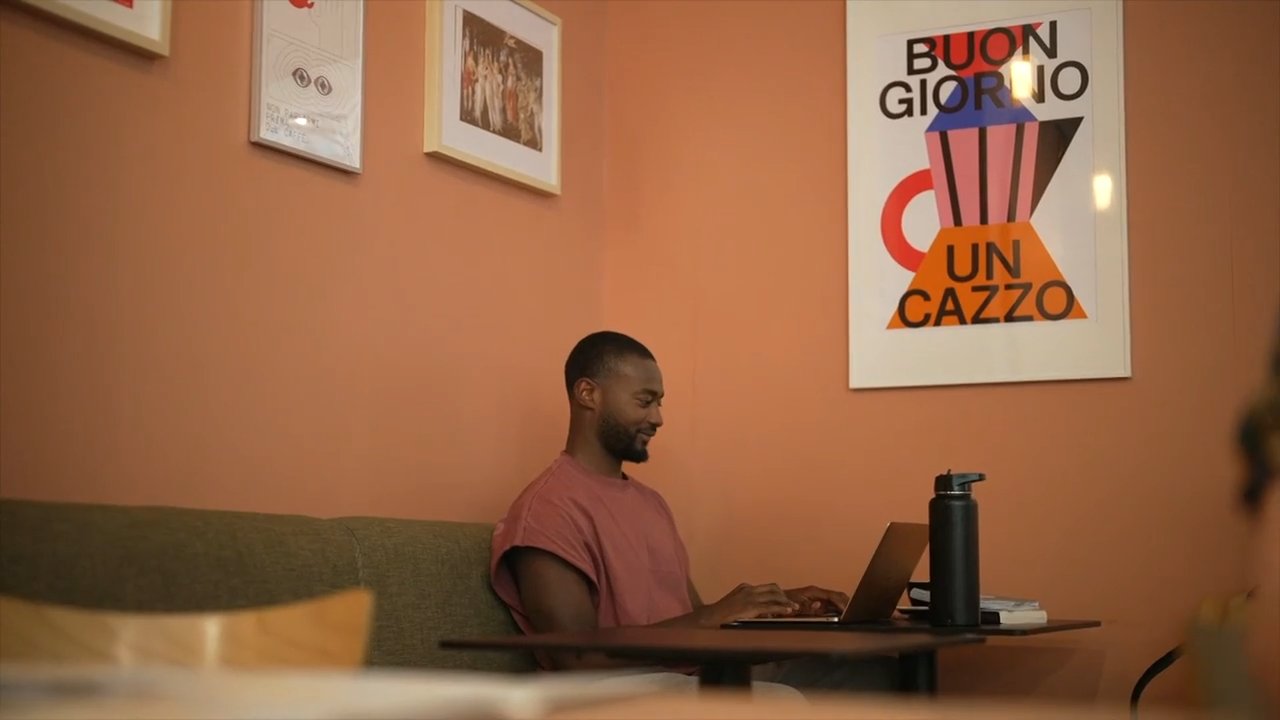
"Study hard! Get a good job! Stop buying avocado toast!" Young adults hear a lot of advice about money. But BBC reporters looking at life for people in their 20s in the UK found it's not that simple. People in their 20s have been saying that for years. Now there's research to back them up.
The Institute for Fiscal Studies, a UK group that studies money and the economy, found that earnings for young people have barely grown in the past 15 to 20 years, once you adjust for rising prices. Today's 25 year-olds do earn more than their parents did at the same age. But they earn about the same as people who started working just before the 2008 financial crisis, when banks and economies around the world crashed.
Meanwhile, everyday costs like rent and food are rising faster than paychecks. Young workers also don't have years of savings to fall back on, so they live off what they earn each month. Working harder doesn't always fix it. Many young people face job rejection after job rejection. Those who do find work often deal with long commutes, multiple jobs, and student debt.
That doesn't mean older generations had it easy. But slow pay growth, high costs, a tough job market, and debt add up to a real challenge for today's young adults. So the next time a relative brags about the house they bought at 25, you'll have some facts ready.
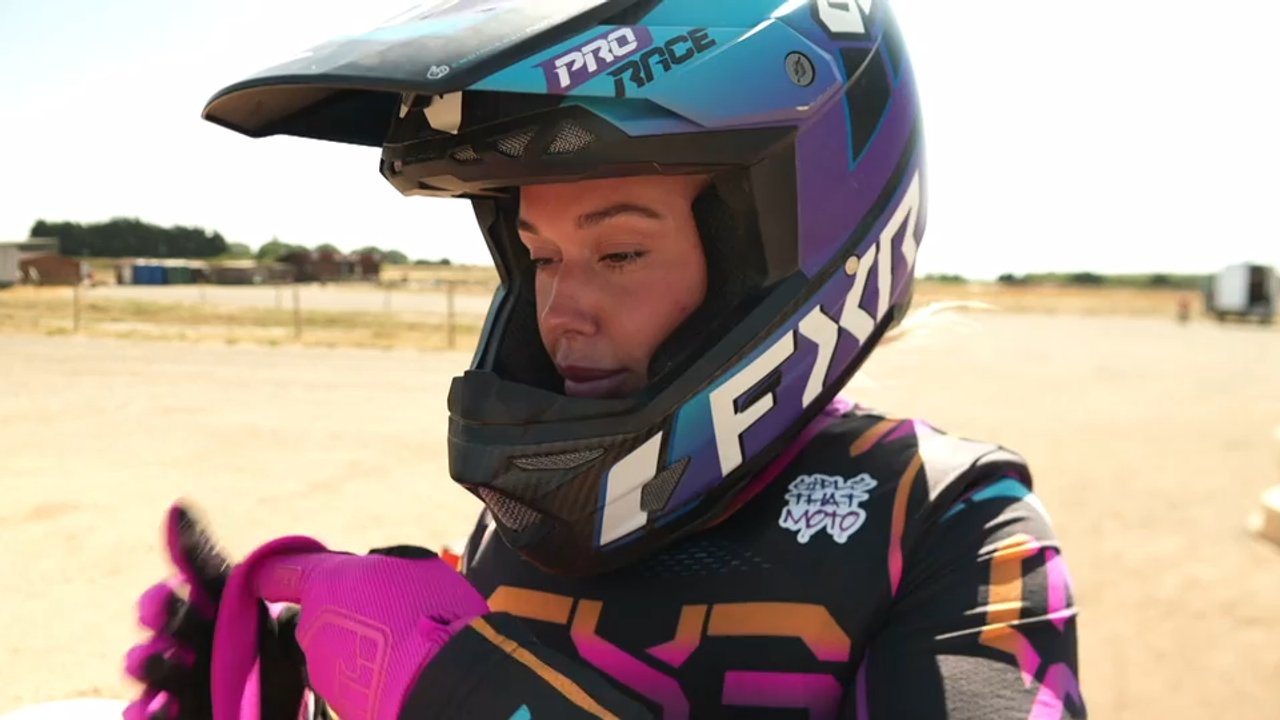
Motocross is a sport where riders race motorcycles around dirt tracks packed with jumps, sharp turns, and bumpy ground. For a long time, most of the racers have been men. Lauren Collingwood wants to change that.
Lauren has been racing motocross for more than 20 years and has won the British women's championship five times. Now she's helping the next generation of girls get into the sport through Girls That Moto, which she describes as the first all-girls motocross training academy in the United Kingdom.
At the academy, girls and women learn the skills Lauren picked up during her career. They practice things like keeping their speed through corners, and they learn to handle the physical demands of racing. They also learn to deal with the extra pressure girls can face in a sport where they're often outnumbered. That's one reason having a female coach matters. As one student put it, Lauren has helped show that motocross isn't "just men."
There's still a big gap at the top of the sport. Only three or four British women race at the professional level, and none of them are paid to ride. Lauren and her students hope to change that, and one of them could become the first.
Experience powerful stories of Native American life — ancient, historical, and modern — in this inspiring playlist from the BBC. Featuring authentic video clips from BBC News reports and acclaimed BBC documentaries, students will experience a vivid, first-hand look at the voices, traditions, and challenges of Indigenous peoples across North America.
They’ll explore the Iroquois Constitution, a foundational document that influenced democracy itself; discover the remarkable cliffside cities at Mesa Verde; and learn how Native communities are leading buffalo restoration efforts that bring both ecological and cultural renewal. Students will also see the beauty of traditional arts like hoop dance and gain perspective on the political and community issues shaping Native life today.
These stories offer an unforgettable window into Indigenous identity, resilience, and connection to the land — helping students better understand both the past and the living cultures that continue to shape our world.
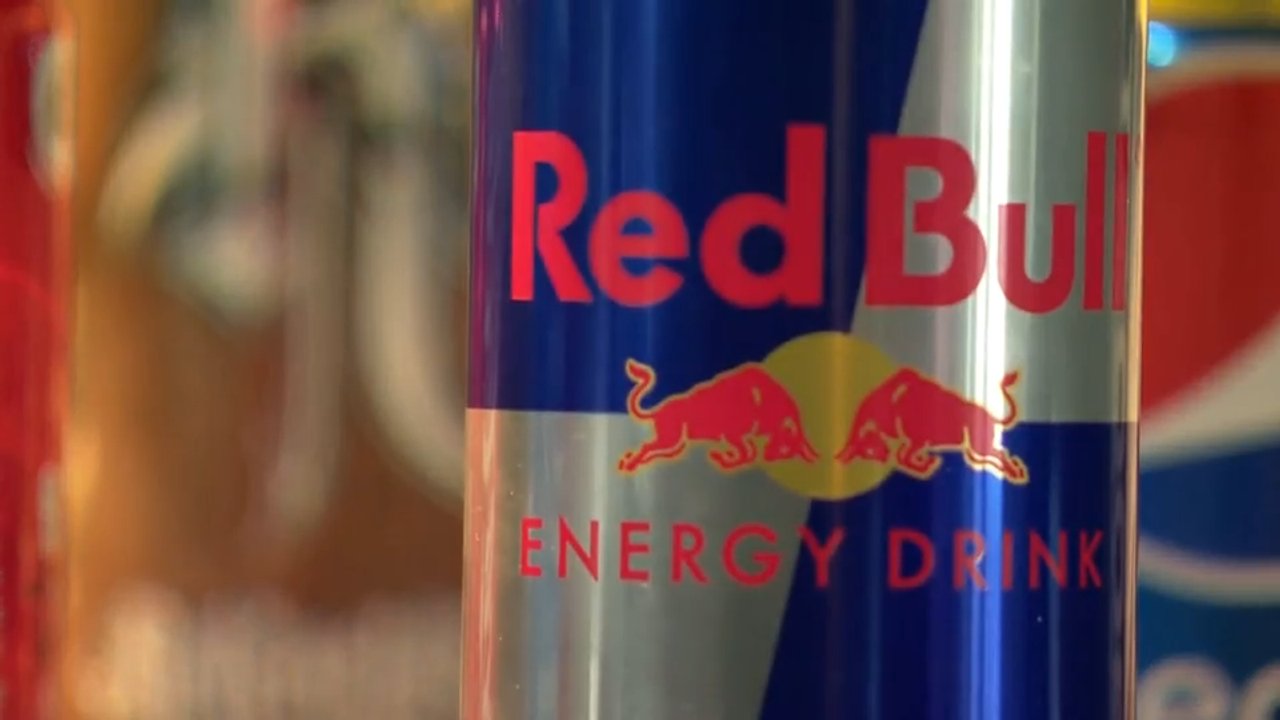
You may have heard your parents blame their pre-coffee crankiness on a lack of caffeine, but a high school in England says banning caffeinated energy drinks has had positive effects, like calmer classes and better interpersonal relationships.
The changes the school saw in student behavior suggest that energy drinks contributed to hyperactivity, littering, and disruption, but there’s another culprit in the drinks besides caffeine that gives drinkers a boost: sugar. Students often didn’t realize how much sugar was in the drinks until the school taught them more about the ingredients. Spoiler alert: it’s a lot.
Some energy drinks contain the equivalent of 13 teaspoons (that’s 52 grams) of sugar. That’s about two whole Hershey’s bars! Or a dozen marshmallows! Or 14 graham cracker sheets! We don’t want s'mores, you want s'mores!
After the ban, the school reported that detentions dropped by about one-third, and teachers and students reported better concentration, participation, and relationships in class. Students even say the place feels friendlier since the drinks were banned! But tread lightly: dropping an “Are you sure you really need all that caffeine?” on your groggy parents at 6 a.m. might be a one-way ticket to getting grounded…

These days, youth tech knowledge goes way beyond helping parents get out of their front-facing camera. Around the world, teenagers are being arrested in connection to serious cyberattacks that have disrupted everywhere from supermarkets to transport systems to healthcare companies, and even individuals.
But it’s not like these teens want to rob everyone of their crypto, or change all the supermarket barcodes to get free cookies. A young man named Lucas, for example, was caught twice hacking into his school computers so he could play games and access blocked websites. But he wasn’t expelled or arrested. Instead, he was enrolled in Cyber Choices, a nationwide program designed to steer young people away from illegal hacking.
The program teaches participants what is legal and illegal while encouraging them to use their technical skills for good instead of evil through training, qualifications, and future careers. So far, around 1,000 young people have gone through the program.
Cyber Choices is a voluntary program that’s hopefully appealing enough to tempt participants to join willingly, but that’s not always the case. Owen Flowers, for example, was offered the program as a teenager but refused to participate. He was later sentenced to five and a half years in prison for hacking.
Cyber Choices may be a helpful intervention, but schools are still taking preemptive action by having police do regular visits to teach students about cybercrime.
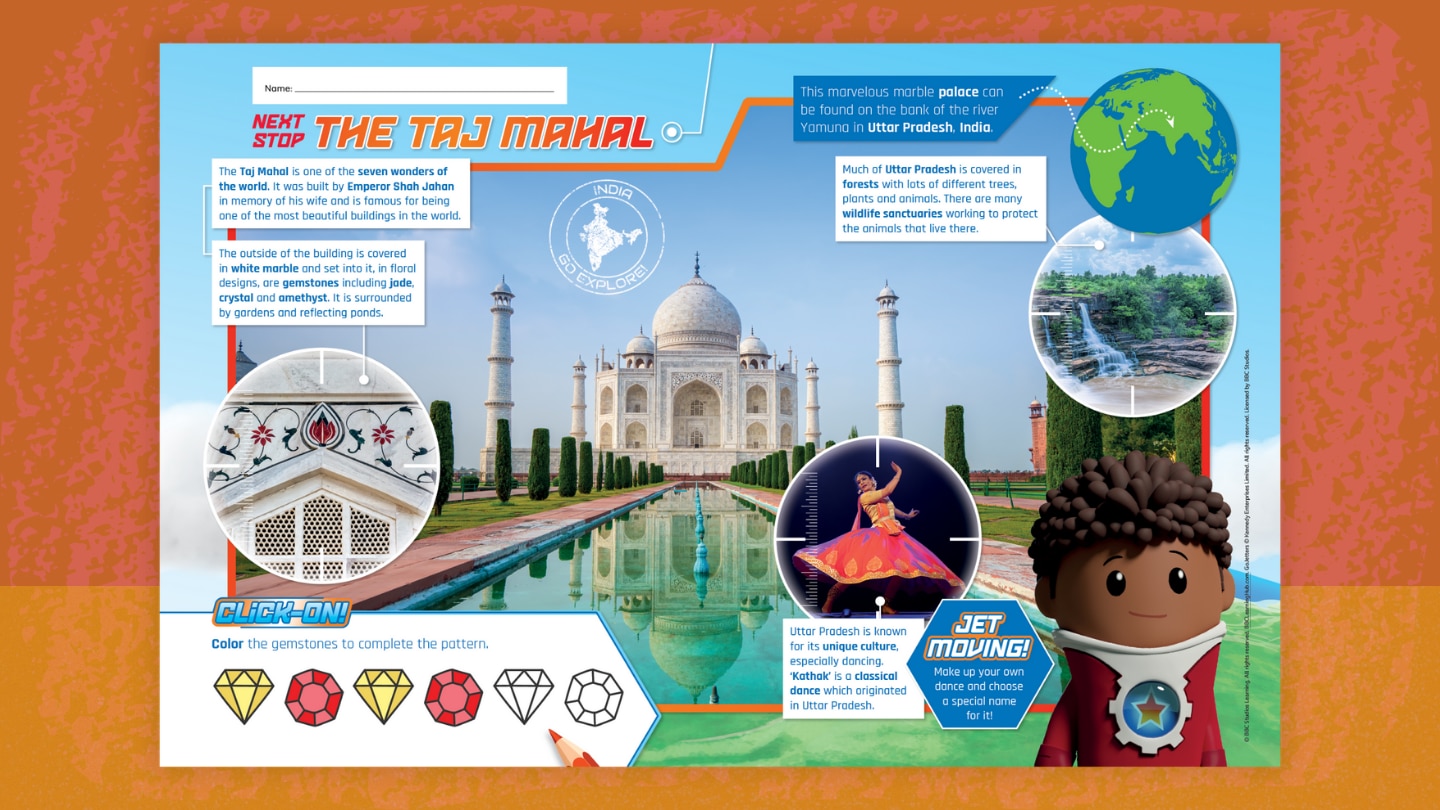
Join the Go Jetters on a journey to India to explore one of the Seven Wonders of the World — the Taj Mahal! In this fun worksheet, you'll:
- Uncover fascinating facts about its marble design, gemstones, and cultural significance.
- Locate the Taj Mahal on a map.
- Color gemstones to finish a pattern.
- Create your own dance inspired by India’s classical Kathak.
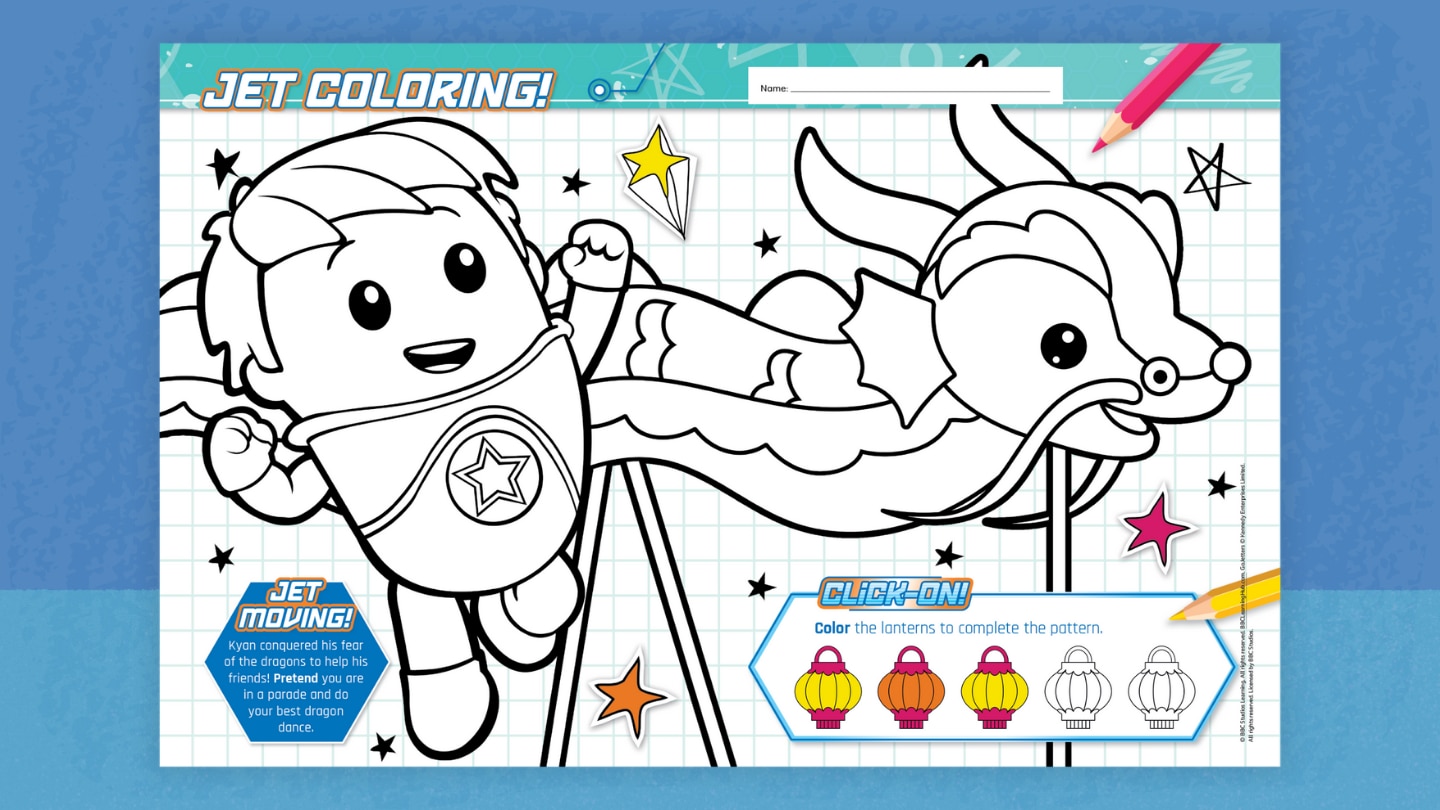
Kyan conquered his fear of the dragons to help his friends! Pretend you are in a parade and do your best dragon dance. Color the lanterns to complete the pattern.

Ho, ho, ho! Don’t miss this festive Bluey bundle of three Christmas-themed printables packed with hands-on fun to get students learning, laughing, and creating. Here's what's included:
- Dear Santa: Tell Santa all about your Christmas and write him a really NICE letter.
- Give-or-Grab Game: The winner is the player with the most presents!
- My Christmas: Tell Bluey and Bingo how your family celebrates.
Want more? We have tons on the site. Just search "Bluey"!
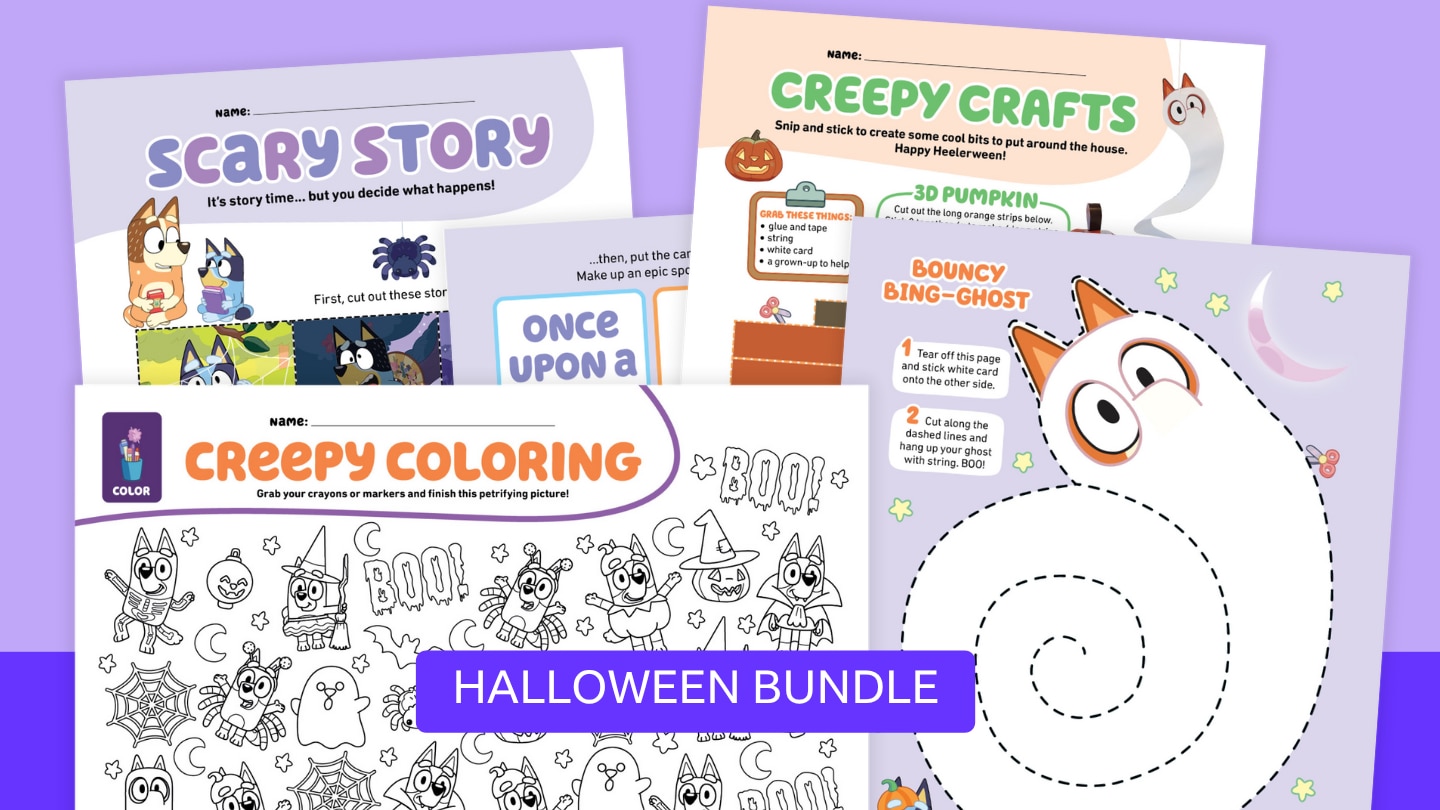
Happy Heelerween! Don’t miss this spook-tacular Bluey bundle of three Halloween-themed printables packed with hands-on fun to get students learning, laughing, and creating. Here's what's included:
- Scary Story: Mix, match, and make up an epic spooky story to go with the story cards!
- Creepy Crafts: Snip and stick to create some cool bits to put around the house.
- Creepy Coloring: Grab your crayons or markers and finish this petrifying picture!
Want more? We have tons on the site. Just search "Bluey"!
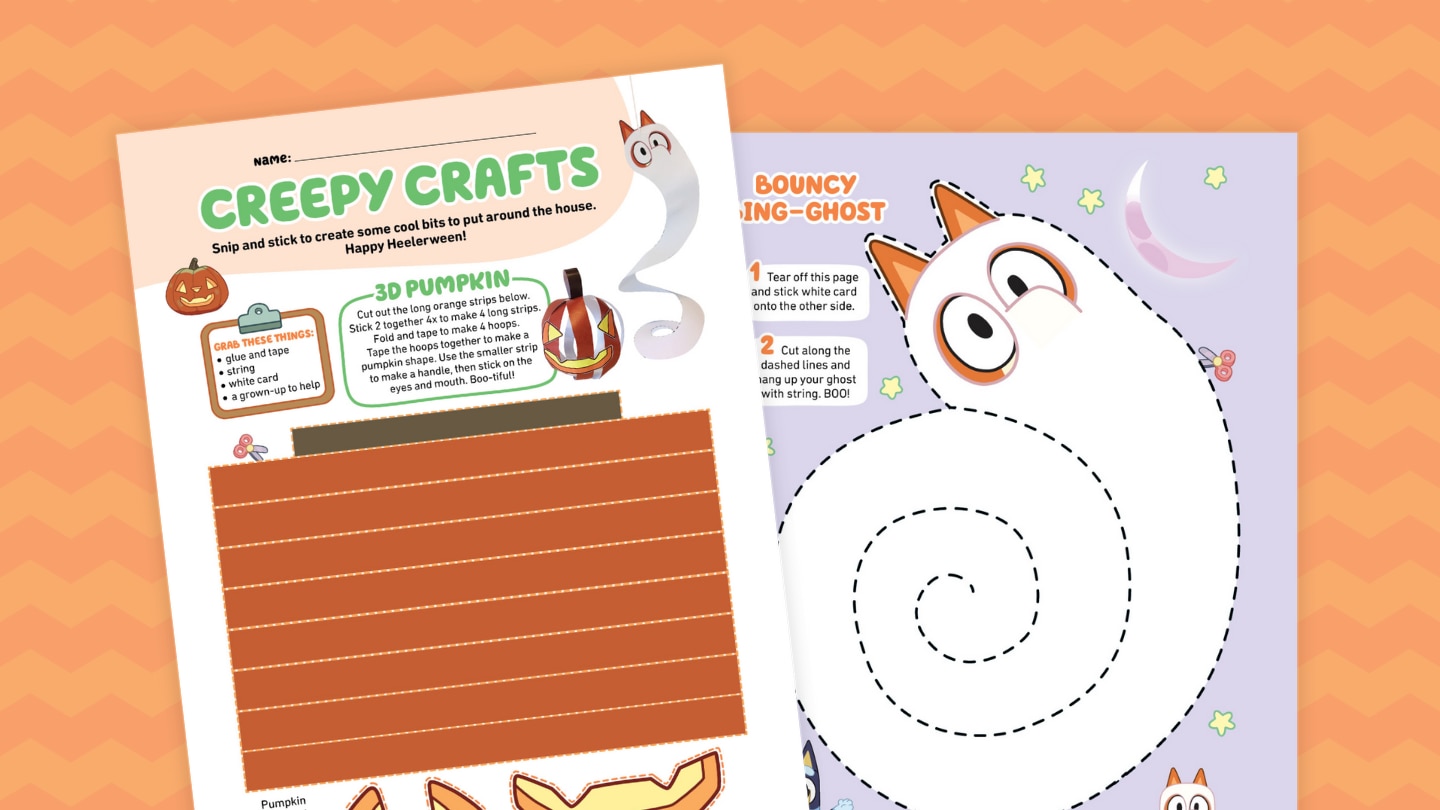
Snip and stick to create some cool bits to put around the classroom or house:
- Make a 3D pumpkin: Cut out the long orange stripes. Stick two together four times to make long stripes. Fold and tape to make four hoops. Tape the hoops together to make a pumpkin shape. Use the smaller strip to make a handle, then stick on the eyes and mouth. Boo-tiful!
- Create a bouncing Bing-ghost: cut along the dashed lines and hang up your ghost with string. BOO!

Knock, knock! Tell Bluey and Bingo all about where you live. Who do you live with? What is your house number? What does your front door look like? Where can you usually be found (the living room, kitchen, bedroom, bathroom, or dining room?). Draw what you can see out your bedroom window!

The article "Can Eating Chili Peppers Help You Live Longer?" from BBC's Science Focus reveals research that links regular chili pepper consumption with lower chances of dying from heart disease, cancer, or any cause. Drawing from large-scale studies across several countries, the findings suggest spicy food could play a role in improving overall health.
"Study hard! Get a good job! Stop buying avocado toast!" Young adults hear a lot of advice about money. But BBC reporters looking at life for people in their 20s in the UK found it's not that simple. People in their 20s have been saying that for years. Now there's research to back them up.
The Institute for Fiscal Studies, a UK group that studies money and the economy, found that earnings for young people have barely grown in the past 15 to 20 years, once you adjust for rising prices. Today's 25 year-olds do earn more than their parents did at the same age. But they earn about the same as people who started working just before the 2008 financial crisis, when banks and economies around the world crashed.
Meanwhile, everyday costs like rent and food are rising faster than paychecks. Young workers also don't have years of savings to fall back on, so they live off what they earn each month. Working harder doesn't always fix it. Many young people face job rejection after job rejection. Those who do find work often deal with long commutes, multiple jobs, and student debt.
That doesn't mean older generations had it easy. But slow pay growth, high costs, a tough job market, and debt add up to a real challenge for today's young adults. So the next time a relative brags about the house they bought at 25, you'll have some facts ready.
Motocross is a sport where riders race motorcycles around dirt tracks packed with jumps, sharp turns, and bumpy ground. For a long time, most of the racers have been men. Lauren Collingwood wants to change that.
Lauren has been racing motocross for more than 20 years and has won the British women's championship five times. Now she's helping the next generation of girls get into the sport through Girls That Moto, which she describes as the first all-girls motocross training academy in the United Kingdom.
At the academy, girls and women learn the skills Lauren picked up during her career. They practice things like keeping their speed through corners, and they learn to handle the physical demands of racing. They also learn to deal with the extra pressure girls can face in a sport where they're often outnumbered. That's one reason having a female coach matters. As one student put it, Lauren has helped show that motocross isn't "just men."
There's still a big gap at the top of the sport. Only three or four British women race at the professional level, and none of them are paid to ride. Lauren and her students hope to change that, and one of them could become the first.
Experience powerful stories of Native American life — ancient, historical, and modern — in this inspiring playlist from the BBC. Featuring authentic video clips from BBC News reports and acclaimed BBC documentaries, students will experience a vivid, first-hand look at the voices, traditions, and challenges of Indigenous peoples across North America.
They’ll explore the Iroquois Constitution, a foundational document that influenced democracy itself; discover the remarkable cliffside cities at Mesa Verde; and learn how Native communities are leading buffalo restoration efforts that bring both ecological and cultural renewal. Students will also see the beauty of traditional arts like hoop dance and gain perspective on the political and community issues shaping Native life today.
These stories offer an unforgettable window into Indigenous identity, resilience, and connection to the land — helping students better understand both the past and the living cultures that continue to shape our world.
You may have heard your parents blame their pre-coffee crankiness on a lack of caffeine, but a high school in England says banning caffeinated energy drinks has had positive effects, like calmer classes and better interpersonal relationships.
The changes the school saw in student behavior suggest that energy drinks contributed to hyperactivity, littering, and disruption, but there’s another culprit in the drinks besides caffeine that gives drinkers a boost: sugar. Students often didn’t realize how much sugar was in the drinks until the school taught them more about the ingredients. Spoiler alert: it’s a lot.
Some energy drinks contain the equivalent of 13 teaspoons (that’s 52 grams) of sugar. That’s about two whole Hershey’s bars! Or a dozen marshmallows! Or 14 graham cracker sheets! We don’t want s'mores, you want s'mores!
After the ban, the school reported that detentions dropped by about one-third, and teachers and students reported better concentration, participation, and relationships in class. Students even say the place feels friendlier since the drinks were banned! But tread lightly: dropping an “Are you sure you really need all that caffeine?” on your groggy parents at 6 a.m. might be a one-way ticket to getting grounded…
These days, youth tech knowledge goes way beyond helping parents get out of their front-facing camera. Around the world, teenagers are being arrested in connection to serious cyberattacks that have disrupted everywhere from supermarkets to transport systems to healthcare companies, and even individuals.
But it’s not like these teens want to rob everyone of their crypto, or change all the supermarket barcodes to get free cookies. A young man named Lucas, for example, was caught twice hacking into his school computers so he could play games and access blocked websites. But he wasn’t expelled or arrested. Instead, he was enrolled in Cyber Choices, a nationwide program designed to steer young people away from illegal hacking.
The program teaches participants what is legal and illegal while encouraging them to use their technical skills for good instead of evil through training, qualifications, and future careers. So far, around 1,000 young people have gone through the program.
Cyber Choices is a voluntary program that’s hopefully appealing enough to tempt participants to join willingly, but that’s not always the case. Owen Flowers, for example, was offered the program as a teenager but refused to participate. He was later sentenced to five and a half years in prison for hacking.
Cyber Choices may be a helpful intervention, but schools are still taking preemptive action by having police do regular visits to teach students about cybercrime.
Join the Go Jetters on a journey to India to explore one of the Seven Wonders of the World — the Taj Mahal! In this fun worksheet, you'll:
- Uncover fascinating facts about its marble design, gemstones, and cultural significance.
- Locate the Taj Mahal on a map.
- Color gemstones to finish a pattern.
- Create your own dance inspired by India’s classical Kathak.
Kyan conquered his fear of the dragons to help his friends! Pretend you are in a parade and do your best dragon dance. Color the lanterns to complete the pattern.
Ho, ho, ho! Don’t miss this festive Bluey bundle of three Christmas-themed printables packed with hands-on fun to get students learning, laughing, and creating. Here's what's included:
- Dear Santa: Tell Santa all about your Christmas and write him a really NICE letter.
- Give-or-Grab Game: The winner is the player with the most presents!
- My Christmas: Tell Bluey and Bingo how your family celebrates.
Want more? We have tons on the site. Just search "Bluey"!
Happy Heelerween! Don’t miss this spook-tacular Bluey bundle of three Halloween-themed printables packed with hands-on fun to get students learning, laughing, and creating. Here's what's included:
- Scary Story: Mix, match, and make up an epic spooky story to go with the story cards!
- Creepy Crafts: Snip and stick to create some cool bits to put around the house.
- Creepy Coloring: Grab your crayons or markers and finish this petrifying picture!
Want more? We have tons on the site. Just search "Bluey"!
Snip and stick to create some cool bits to put around the classroom or house:
- Make a 3D pumpkin: Cut out the long orange stripes. Stick two together four times to make long stripes. Fold and tape to make four hoops. Tape the hoops together to make a pumpkin shape. Use the smaller strip to make a handle, then stick on the eyes and mouth. Boo-tiful!
- Create a bouncing Bing-ghost: cut along the dashed lines and hang up your ghost with string. BOO!
Knock, knock! Tell Bluey and Bingo all about where you live. Who do you live with? What is your house number? What does your front door look like? Where can you usually be found (the living room, kitchen, bedroom, bathroom, or dining room?). Draw what you can see out your bedroom window!
The article "Can Eating Chili Peppers Help You Live Longer?" from BBC's Science Focus reveals research that links regular chili pepper consumption with lower chances of dying from heart disease, cancer, or any cause. Drawing from large-scale studies across several countries, the findings suggest spicy food could play a role in improving overall health.