World’s Deadliest Spiders: The Top 10 Most Venomous Arachnids
These spiders may look small, but their venomous bites can cause serious harm to humans and other animals. Learn about the world’s top 10 most dangerous spiders and where they live.
The article "World’s Deadliest Spiders: The Top 10 Most Venomous Arachnids" from BBC's Science Focus explores which spiders around the globe have the most dangerous venom. While most spiders aren't harmful to humans, some can cause pain, sickness, and even death. From the Australian funnel-web to the Chilean recluse, this list ranks the spiders you’d never want to meet.

BBC's Science Focus is packed with news, discoveries, ideas and innovations to keep you up-to-speed with the complexities of the fast-moving world around us. Learn more about subscriptions here.

BBC's Science Focus is packed with news, discoveries, ideas and innovations to keep you up-to-speed with the complexities of the fast-moving world around us. Learn more about subscriptions here.
Most passages are available in three different versions: Level 1 (Grade 3-5), Level 2 (Grade 6-8), and Level 3 (Grade 9-12). Some more complex texts are available only in Level 2 and Level 3. Use the versions that are most appropriate for the students in your class.
Note: The BBC Learning Hub Editorial Team made use of AI tools to create multiple versions of this article, each tailored to different student reading levels. Every version undergoes a thorough review by our BBC Learning editors to ensure accuracy, quality, and appropriateness.

You Might Also Like

The article "Millions of Insects Squeeze Through a Narrow Mountain Pass in the Pyrenees Each Year!" from BBC's Discover Wildlife reveals how over 17 million insects migrate through a narrow mountain pass in the Pyrenees each autumn.
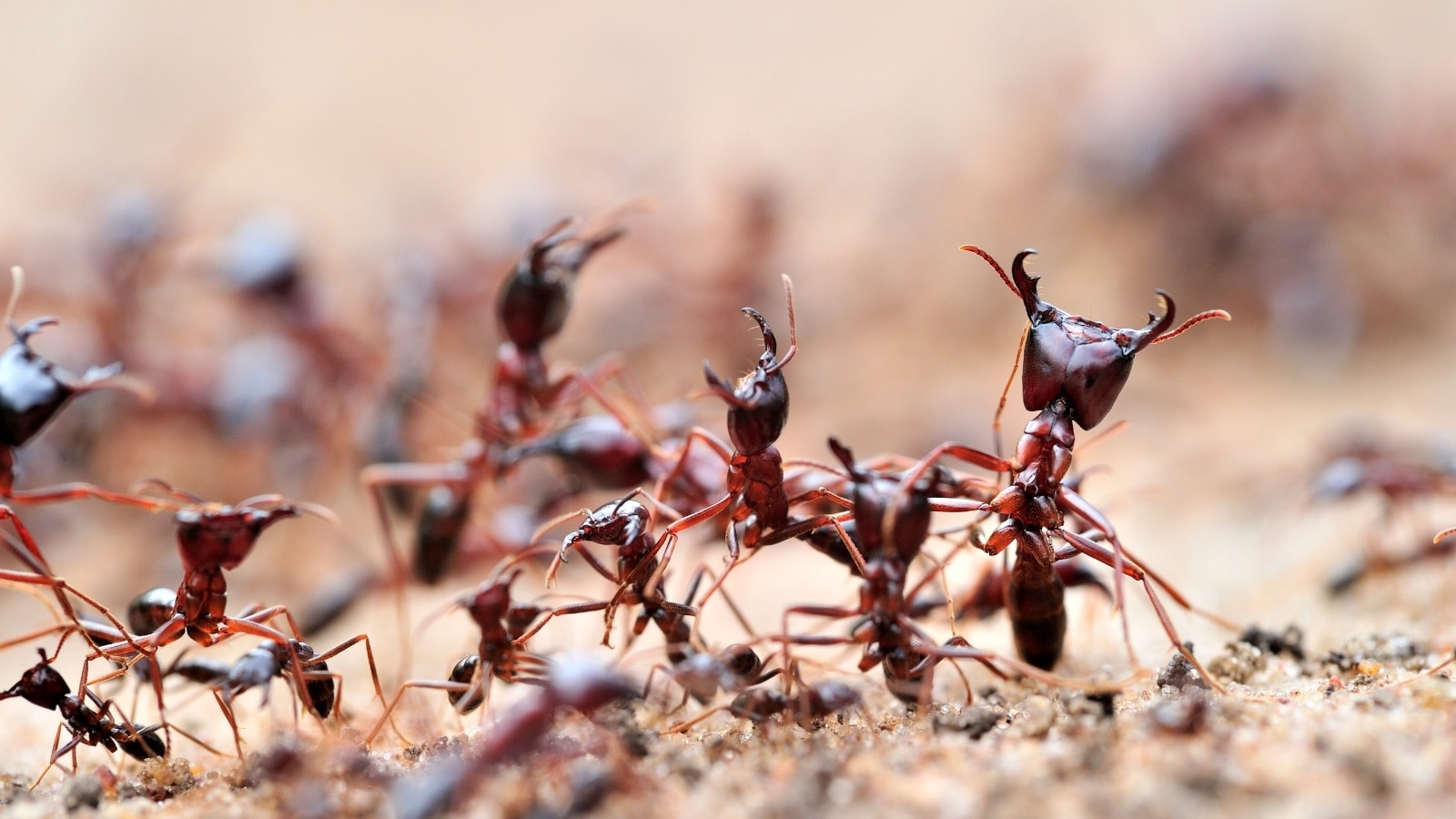
The article “Amazing Ants: Supercolonies, Survival Tricks, and Spirals of Doom” from BBC's Discover Wildlife is a deep dive into the incredible lives of ants. It explains what ants are, how they live and work together, and why some colonies can stretch for thousands of miles. It also explores strange behaviors like ant death spirals, how ants float during floods, how they treat their injured, and even use tools.

The article "Top 10: Which Animals Have the Strongest Bite?" from BBC's Science Focus ranks animals with the most powerful bite forces. It measures bite strength in pounds per square inch (PSI), revealing how creatures like crocodiles and hyenas use their powerful jaws to hunt and survive.

The article "Always Bugged By Mosquitoes? Blame Your Body Odor" from BBC's Science Focus explores a unique study using a huge mosquito-testing arena in Zambia. Scientists found that body odor plays a key role in how mosquitoes choose people to bite. The results could lead to better mosquito traps and tools to fight diseases like malaria.
The article "Millions of Insects Squeeze Through a Narrow Mountain Pass in the Pyrenees Each Year!" from BBC's Discover Wildlife reveals how over 17 million insects migrate through a narrow mountain pass in the Pyrenees each autumn.
The article “Amazing Ants: Supercolonies, Survival Tricks, and Spirals of Doom” from BBC's Discover Wildlife is a deep dive into the incredible lives of ants. It explains what ants are, how they live and work together, and why some colonies can stretch for thousands of miles. It also explores strange behaviors like ant death spirals, how ants float during floods, how they treat their injured, and even use tools.
The article "Top 10: Which Animals Have the Strongest Bite?" from BBC's Science Focus ranks animals with the most powerful bite forces. It measures bite strength in pounds per square inch (PSI), revealing how creatures like crocodiles and hyenas use their powerful jaws to hunt and survive.
The article "Always Bugged By Mosquitoes? Blame Your Body Odor" from BBC's Science Focus explores a unique study using a huge mosquito-testing arena in Zambia. Scientists found that body odor plays a key role in how mosquitoes choose people to bite. The results could lead to better mosquito traps and tools to fight diseases like malaria.