Millions of Insects Squeeze Through a Narrow Mountain Pass in the Pyrenees Each Year!
Discover the incredible journey of millions of insects migrating through the Pyrenees.
The article "Millions of Insects Squeeze Through a Narrow Mountain Pass in the Pyrenees Each Year!" from BBC's Discover Wildlife reveals how over 17 million insects migrate through a narrow mountain pass in the Pyrenees each autumn.

BBC's Discover Wildlife brings you closer to nature with expert advice, conservation news, the best nature writing and stunning wildlife photography. Learn more about subscriptions here.

BBC's Discover Wildlife brings you closer to nature with expert advice, conservation news, the best nature writing and stunning wildlife photography. Learn more about subscriptions here.
Most passages are available in three different versions: Level 1 (Grade 3-5), Level 2 (Grade 6-8), and Level 3 (Grade 9-12). Some more complex texts are available only in Level 2 and Level 3. Use the versions that are most appropriate for the students in your class.
Note: The BBC Learning Hub Editorial Team made use of AI tools to create multiple versions of this article, each tailored to different student reading levels. Every version undergoes a thorough review by our BBC Learning editors to ensure accuracy, quality, and appropriateness.
You Might Also Like
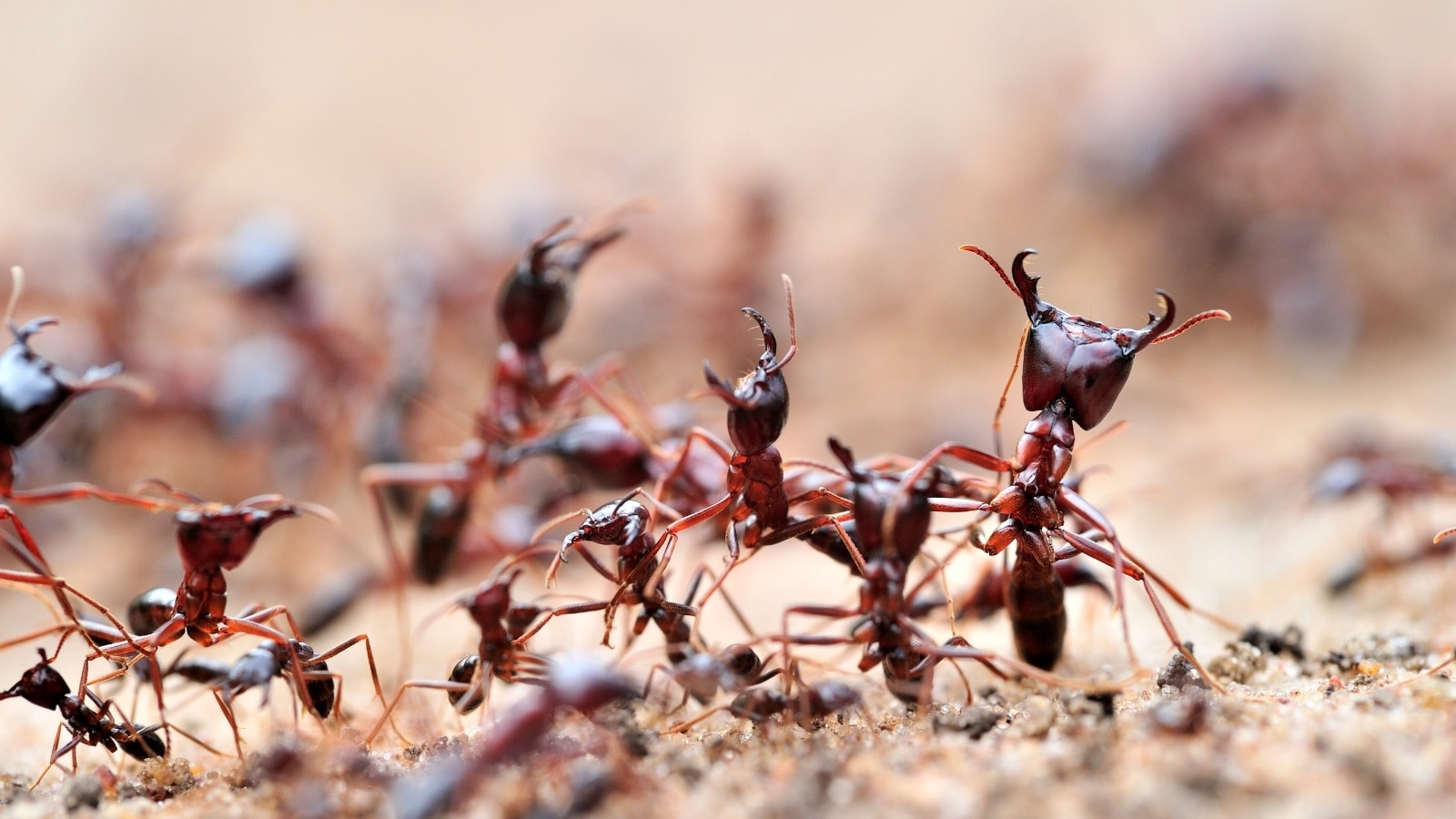
The article “Amazing Ants: Supercolonies, Survival Tricks, and Spirals of Doom” from BBC's Discover Wildlife is a deep dive into the incredible lives of ants. It explains what ants are, how they live and work together, and why some colonies can stretch for thousands of miles. It also explores strange behaviors like ant death spirals, how ants float during floods, how they treat their injured, and even use tools.

The article "Secrets of Metamorphosis: Why Some Animals Transform" from BBC's Discover Wildlife explains why certain animals undergo dramatic changes while others retain the same form throughout life. Evolutionary biologist JV Chamary explores the biological and ecological advantages of metamorphosis.
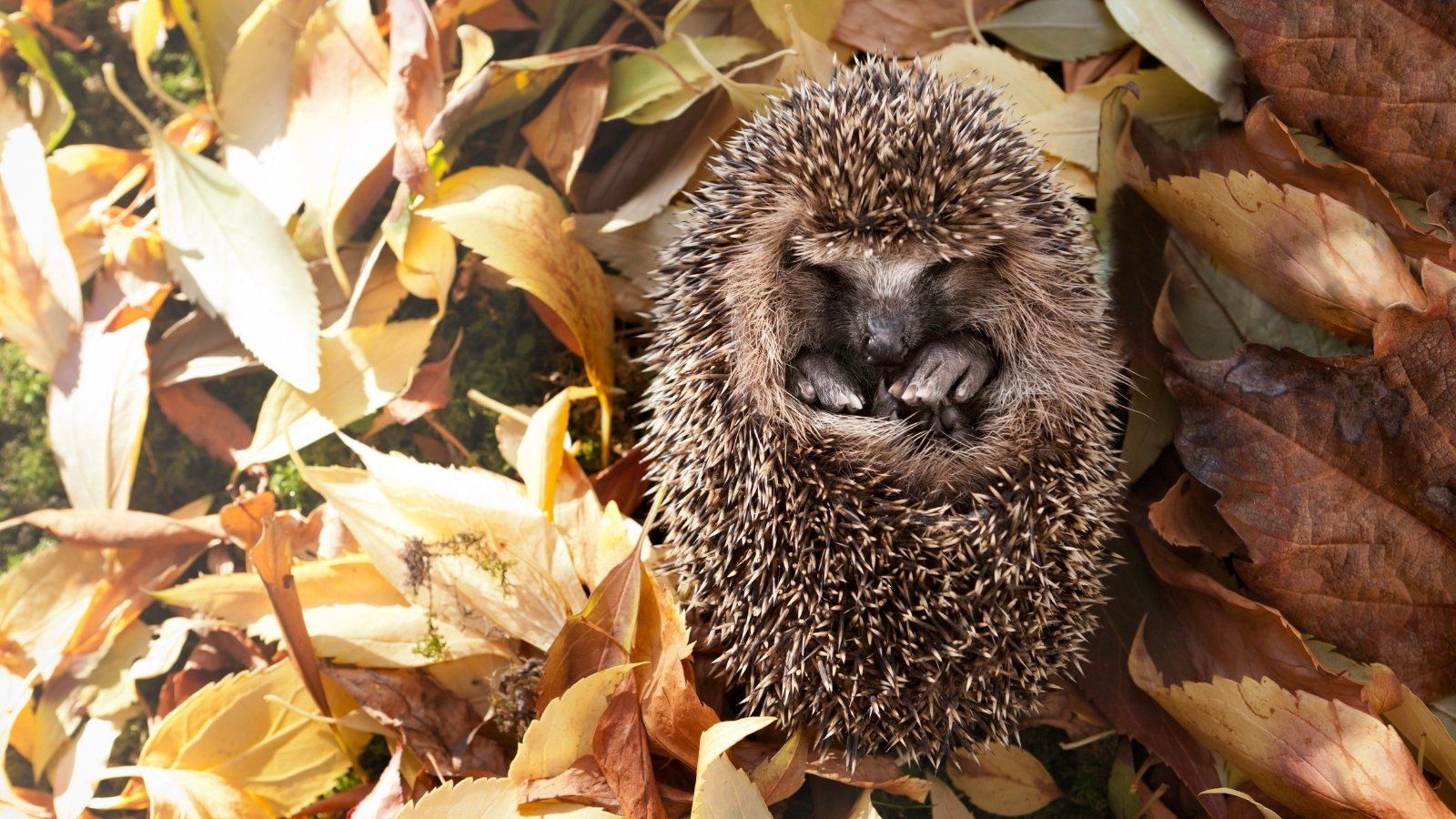
The article "Hibernation: How Animals Sleep Through the Heat and Cold" from BBC's Discover Wildlife explores the fascinating survival strategies animals use during extreme weather. It explains the difference between hibernation, aestivation, torpor, and denning.

The article "Here Are 11 Arctic Animals That Not Only Survive, But Also Thrive in the Freezing Polar Landscape" from BBC's Discover Wildlife explores how various animals have adapted to endure the Arctic's extreme conditions. From the mighty polar bear and tusked walrus to the resilient Arctic fox and long-lived Greenland shark, the piece highlights their unique physical traits and survival behaviors.
The article “Amazing Ants: Supercolonies, Survival Tricks, and Spirals of Doom” from BBC's Discover Wildlife is a deep dive into the incredible lives of ants. It explains what ants are, how they live and work together, and why some colonies can stretch for thousands of miles. It also explores strange behaviors like ant death spirals, how ants float during floods, how they treat their injured, and even use tools.
The article "Secrets of Metamorphosis: Why Some Animals Transform" from BBC's Discover Wildlife explains why certain animals undergo dramatic changes while others retain the same form throughout life. Evolutionary biologist JV Chamary explores the biological and ecological advantages of metamorphosis.
The article "Hibernation: How Animals Sleep Through the Heat and Cold" from BBC's Discover Wildlife explores the fascinating survival strategies animals use during extreme weather. It explains the difference between hibernation, aestivation, torpor, and denning.
The article "Here Are 11 Arctic Animals That Not Only Survive, But Also Thrive in the Freezing Polar Landscape" from BBC's Discover Wildlife explores how various animals have adapted to endure the Arctic's extreme conditions. From the mighty polar bear and tusked walrus to the resilient Arctic fox and long-lived Greenland shark, the piece highlights their unique physical traits and survival behaviors.