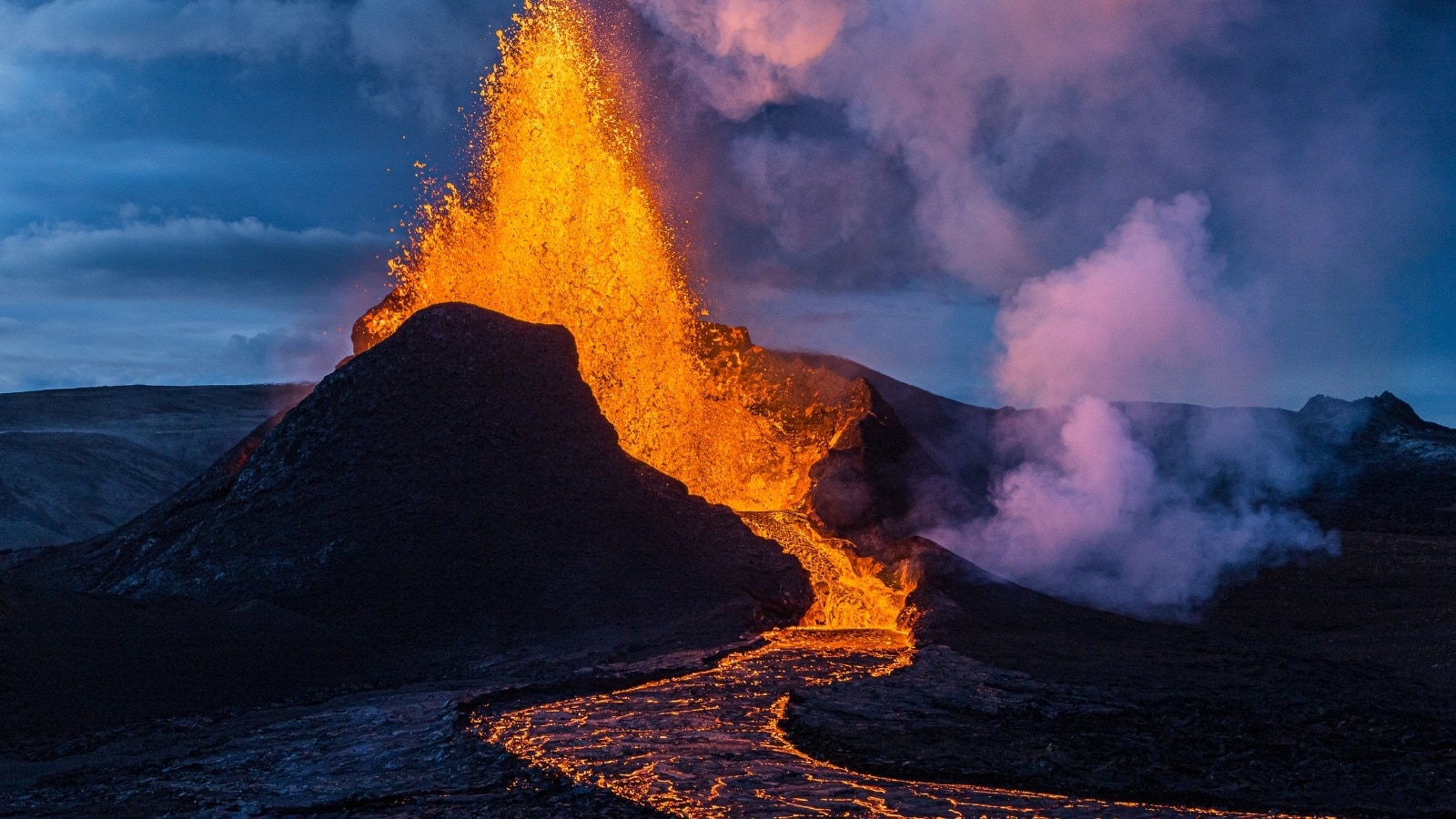
The article "Volcanic Activity Around the Globe: Earthquakes, Eruptions, and the Threats They Pose" from BBC's Science Focus explores the recent volcanic activity across the globe. It covers the earthquakes in Iceland's Svartsengi geothermal plant, the eruption of Mount Etna in Sicily, and the ongoing rumbling of 45 other volcanoes, including Mayon and Krakatau.

The article "Is Coffee in Danger of Disappearing?" from BBC's Science Focus explains how wild coffee plants are at high risk of extinction due to threats like climate change, pests, and deforestation. These wild plants are crucial for developing strong, disease-resistant coffee crops.
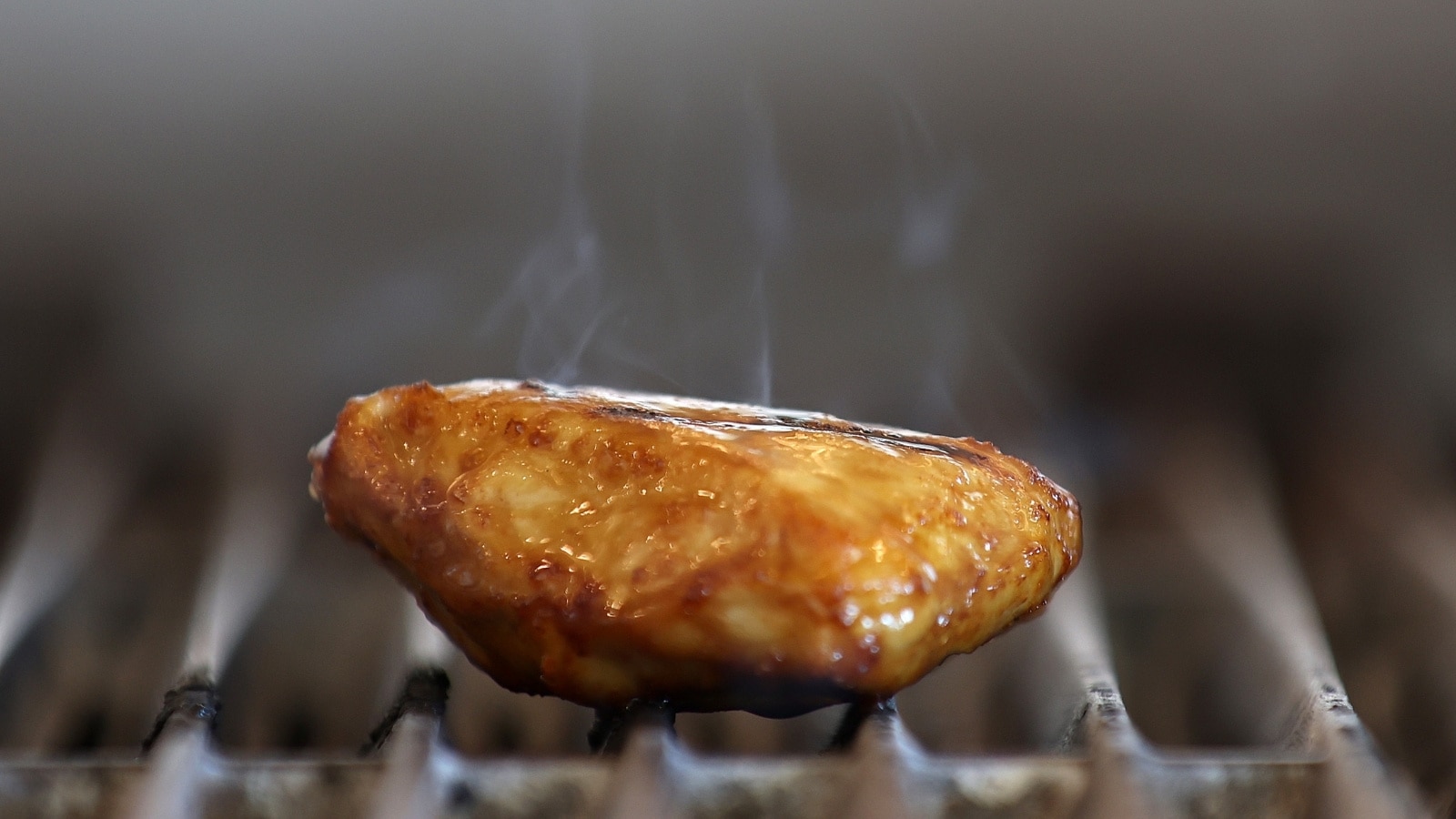
The article "Diners Enjoy World’s First Restaurant Meal Made From Lab-Grown Meat" from BBC's Science Focus details a historic event where Singapore's 1880 restaurant served cultured chicken developed by Eat Just. This milestone in the food industry showcased a sustainable alternative to traditional meat, aiming to reduce environmental impact and animal slaughter.

The article "Why Cheese Tastes So Good ... and Smells So Strange!" from BBC's Science Focus explores why cheese is so delicious and sometimes smelly. It explains how bacteria and fungi change milk into cheese and create its unique flavors. The article also looks at why our brains crave cheesy foods and why we enjoy strange smells in cheese.

The article "Can Eating Chili Peppers Help You Live Longer?" from BBC's Science Focus reveals research that links regular chili pepper consumption with lower chances of dying from heart disease, cancer, or any cause. Drawing from large-scale studies across several countries, the findings suggest spicy food could play a role in improving overall health.

The article "Everything You Need to Know About Microplastics" from BBC's Science Focus explores the origins, distribution, and impacts of microplastics. Experts Dr. Laura Foster and Thomas Stanton discuss how these particles enter ecosystems, their effects on wildlife and potential human health risks, and suggest measures individuals and governments can take to mitigate the problem.

The article "3D-Printed Terracotta Reefs Offer New Hope for Saving Coral Ecosystems" from BBC's Science Focus reveals that Israeli researchers are creating detailed artificial coral reefs using 3D printing. These terracotta reefs mimic real coral shapes and offer homes for marine organisms, helping coral reefs recover. The goal is to use this technology in oceans around the world to support marine biodiversity.

The article "Animals evolve larger limbs to adapt to rising temperatures" from BBC's Science Focus discusses how climate change is prompting warm-blooded animals to develop larger appendages, such as ears, beaks, and limbs, to better regulate body heat.

The article "Exploring the Strangest Locations in the Universe, Where the Rules of Nature Don’t Always Apply" from BBC's Science Focus is about the strange and mysterious places in space and on Earth where the rules of nature seem to be different. These places include planets made of diamonds, stars that spin too fast, and black holes that stretch and squeeze time.
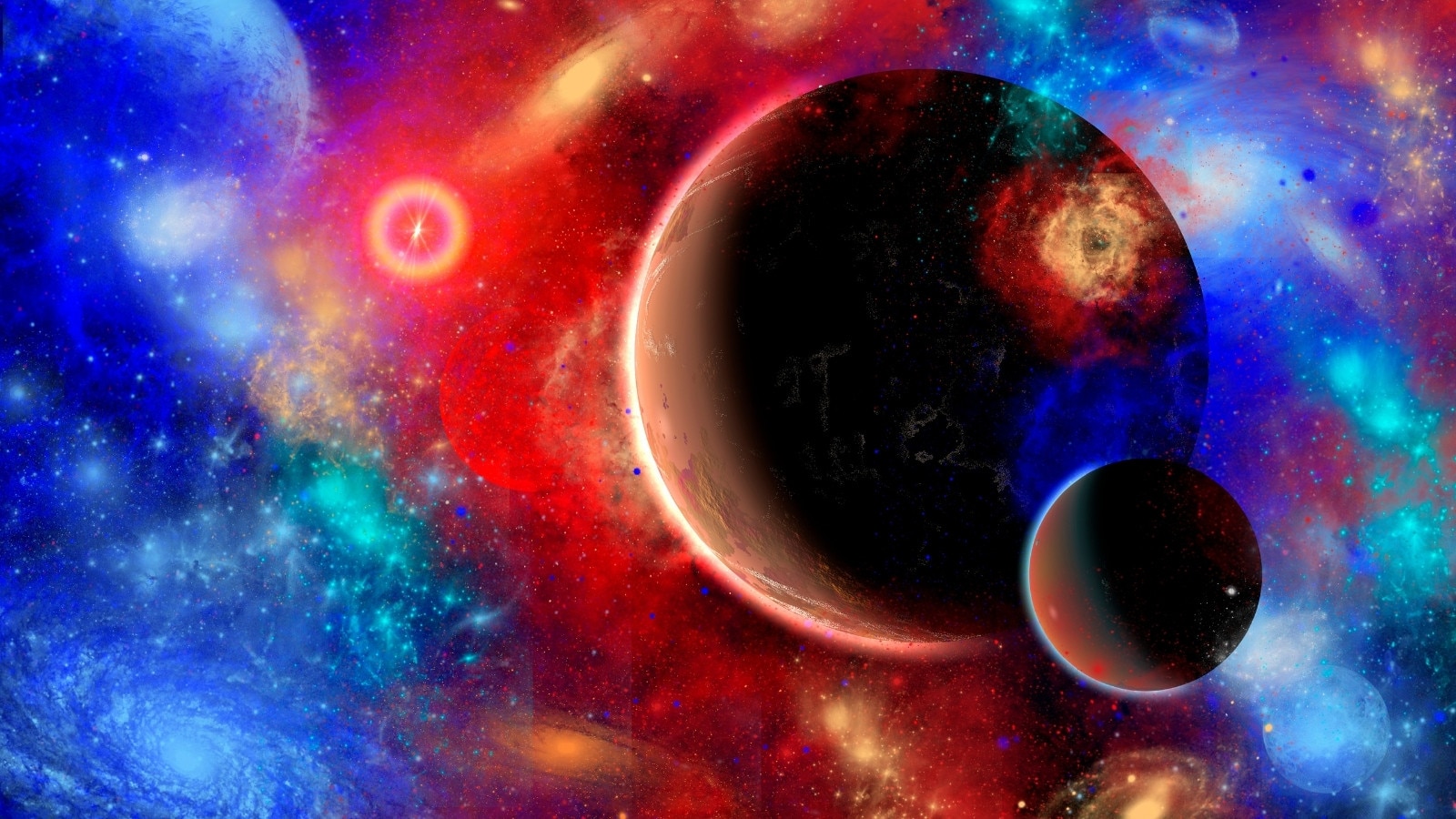
The article "Is Our Universe Stranger Than We Thought?" from BBC's Science Focus is a fascinating look at new research on the Universe that challenges what we thought we knew. Differences in how we measure the Universe's expansion and how galaxies are spread out suggest there may be missing pieces in our understanding of space.

The article "Why Small Dinosaurs Could Be a Big Danger to Humans" from BBC's Science Focus is a fascinating look at which dinosaurs would be the biggest threat if they lived today. While massive meat-eaters like Tyrannosaurus look scary, the smaller, feathered dinosaurs could be even more dangerous due to their speed, smarts, and sharp claws.

The article "Why Dogs Eat Grass (and Sometimes Poop): Strange but True!" from BBC's Science Focus explores the curious reasons behind dogs eating grass and poop. While some theories suggest anxiety, boredom, or a need for attention, others link it to diet or instinct. Canine behavior expert Dr. Emily Blackwell sheds light on these habits and how our reactions may unintentionally encourage them.
The article "Volcanic Activity Around the Globe: Earthquakes, Eruptions, and the Threats They Pose" from BBC's Science Focus explores the recent volcanic activity across the globe. It covers the earthquakes in Iceland's Svartsengi geothermal plant, the eruption of Mount Etna in Sicily, and the ongoing rumbling of 45 other volcanoes, including Mayon and Krakatau.
The article "Is Coffee in Danger of Disappearing?" from BBC's Science Focus explains how wild coffee plants are at high risk of extinction due to threats like climate change, pests, and deforestation. These wild plants are crucial for developing strong, disease-resistant coffee crops.
The article "Diners Enjoy World’s First Restaurant Meal Made From Lab-Grown Meat" from BBC's Science Focus details a historic event where Singapore's 1880 restaurant served cultured chicken developed by Eat Just. This milestone in the food industry showcased a sustainable alternative to traditional meat, aiming to reduce environmental impact and animal slaughter.
The article "Why Cheese Tastes So Good ... and Smells So Strange!" from BBC's Science Focus explores why cheese is so delicious and sometimes smelly. It explains how bacteria and fungi change milk into cheese and create its unique flavors. The article also looks at why our brains crave cheesy foods and why we enjoy strange smells in cheese.
The article "Can Eating Chili Peppers Help You Live Longer?" from BBC's Science Focus reveals research that links regular chili pepper consumption with lower chances of dying from heart disease, cancer, or any cause. Drawing from large-scale studies across several countries, the findings suggest spicy food could play a role in improving overall health.
The article "Everything You Need to Know About Microplastics" from BBC's Science Focus explores the origins, distribution, and impacts of microplastics. Experts Dr. Laura Foster and Thomas Stanton discuss how these particles enter ecosystems, their effects on wildlife and potential human health risks, and suggest measures individuals and governments can take to mitigate the problem.
The article "3D-Printed Terracotta Reefs Offer New Hope for Saving Coral Ecosystems" from BBC's Science Focus reveals that Israeli researchers are creating detailed artificial coral reefs using 3D printing. These terracotta reefs mimic real coral shapes and offer homes for marine organisms, helping coral reefs recover. The goal is to use this technology in oceans around the world to support marine biodiversity.
The article "Animals evolve larger limbs to adapt to rising temperatures" from BBC's Science Focus discusses how climate change is prompting warm-blooded animals to develop larger appendages, such as ears, beaks, and limbs, to better regulate body heat.
The article "Exploring the Strangest Locations in the Universe, Where the Rules of Nature Don’t Always Apply" from BBC's Science Focus is about the strange and mysterious places in space and on Earth where the rules of nature seem to be different. These places include planets made of diamonds, stars that spin too fast, and black holes that stretch and squeeze time.
The article "Is Our Universe Stranger Than We Thought?" from BBC's Science Focus is a fascinating look at new research on the Universe that challenges what we thought we knew. Differences in how we measure the Universe's expansion and how galaxies are spread out suggest there may be missing pieces in our understanding of space.
The article "Why Small Dinosaurs Could Be a Big Danger to Humans" from BBC's Science Focus is a fascinating look at which dinosaurs would be the biggest threat if they lived today. While massive meat-eaters like Tyrannosaurus look scary, the smaller, feathered dinosaurs could be even more dangerous due to their speed, smarts, and sharp claws.
The article "Why Dogs Eat Grass (and Sometimes Poop): Strange but True!" from BBC's Science Focus explores the curious reasons behind dogs eating grass and poop. While some theories suggest anxiety, boredom, or a need for attention, others link it to diet or instinct. Canine behavior expert Dr. Emily Blackwell sheds light on these habits and how our reactions may unintentionally encourage them.